Top 5 Natural Monuments in Cusco
Natural monuments in Cusco showcase the region's diverse geological features and historical significance. The area is characterized by its Andean landscape, featuring high-altitude terrain and ancient sites. These natural formations often intertwine with Inca and pre-Inca history, offering insights into past civilizations. Visitors can explore a variety of natural attractions, from water temples to rock formations.
Best natural monuments in Cusco
- The most popular natural monuments is Tambomachay Water Temple, a historical site that was a place dedicated to…
Last updated: July 15, 2026
Tambomachay Water Temple
Highlight • Historical Site
Translated by Google •
Tip by

Inca Sacrificial Altar (Q'enqo)
Highlight • Historical Site
Translated by Google •
Tip by
Sign up now to discover places like this
Get recommendations on the best single tracks, peaks, & plenty of other exciting outdoor places.
Sign up for free
Temple of the Monkeys
Highlight • Historical Site
Translated by Google •
Tip by

Chinkana Labyrinths
Highlight • Cave
Translated by Google •
Tip by
Balcón del Diablo
Highlight • Natural Monument
Can be excellently combined with a circular hike and can be explored on your own.
Admission is free.
Translated by Google •
Tip by
Start today with a free account
Your next adventure awaits.
Login or Signup
Other adventures in Cusco

Tips from the Community

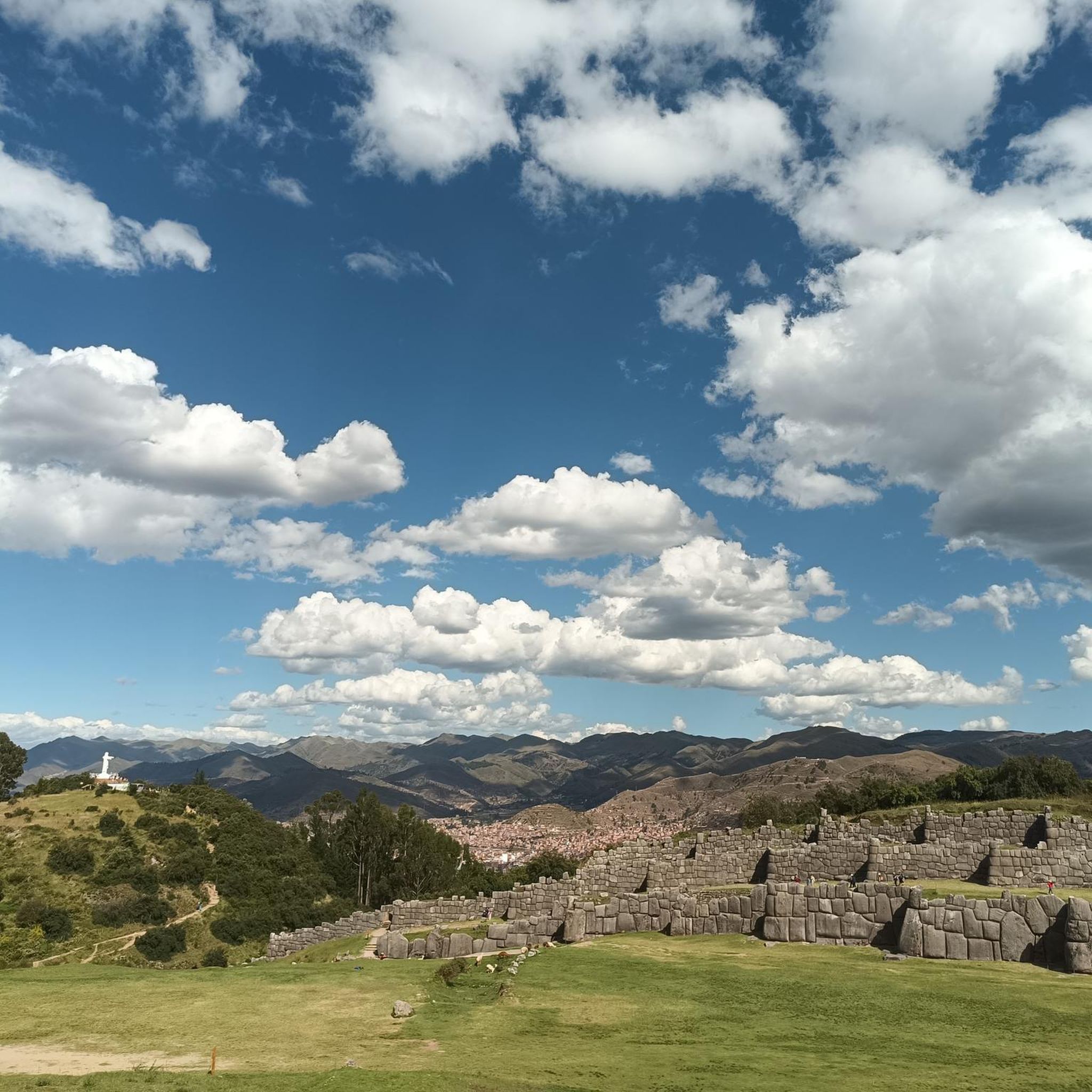
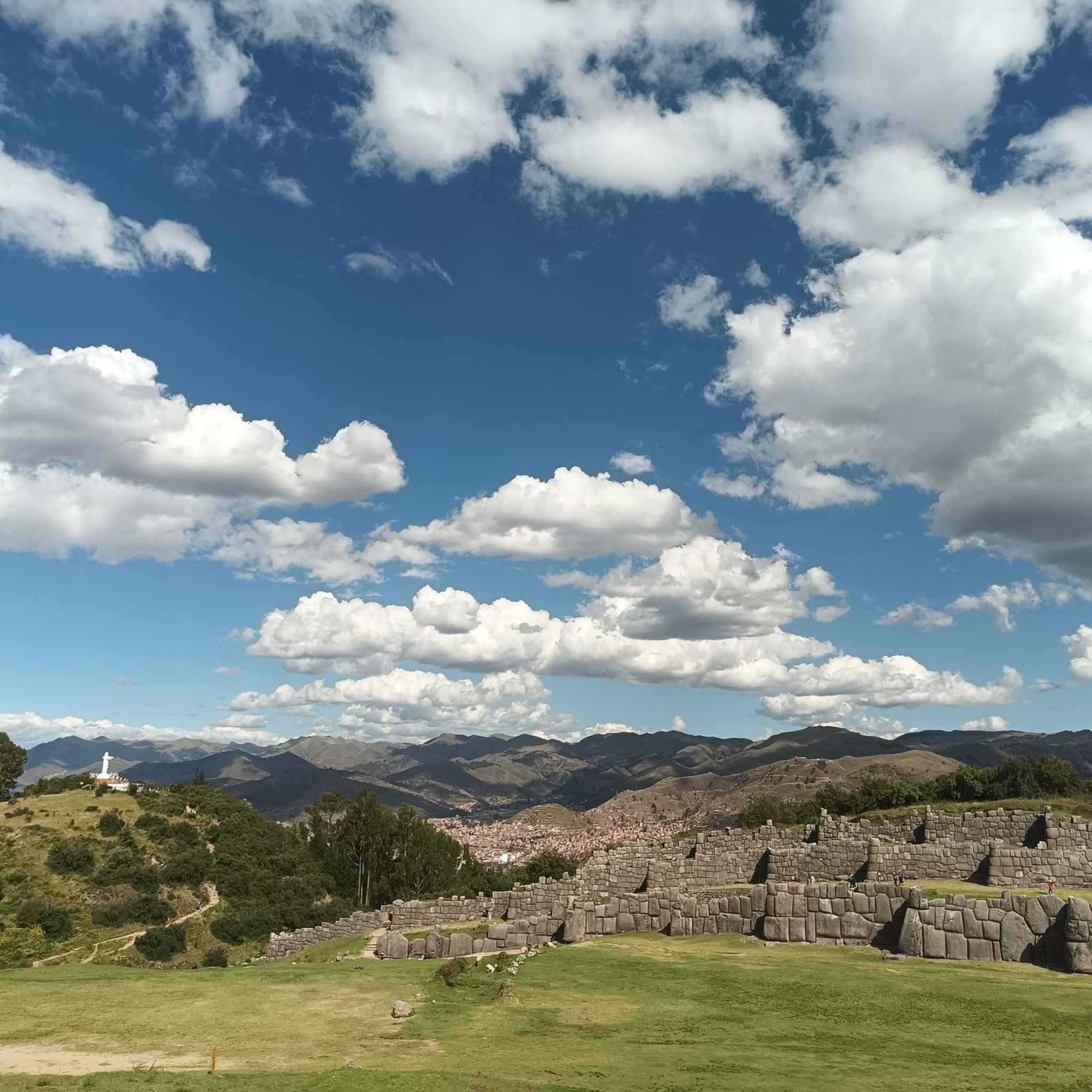
cusco is for sport people dealing with high altitude. from town you walk 3k into awesome area behind Christo blanco
1
0

The Chinkanas (from Quechua "chinkana"; place where one gets lost) or also called labyrinths, are mysterious caves built on limestone; it is not known if the Incas or a previous civilization did this, or how or for what purpose it was built.
4
0
The archaeological site of Tambomachay was a place dedicated to water worship and served as a resting place for the Inca nobility. Even today, this archaeological site impresses all visitors with its complex hydraulic engineering.
3
0

A small but impressive facility.
1
0

A Quechua legend says about the effect of the three small watercourses: If you drink from the watercourse on the bottom right, you will become younger; if you drink from the watercourse on the bottom left, you will have twins; and the upper watercourse is said to have a blessing.
0
0

already crazy when you stand in front of it
1
0
This is one of the most remarkable points, it is an underground chamber where there is a single stone from which tables, walls and floors were carved, all made of the same stone and smooth. Finally, it was used to sacrifice people and animals and even embalm the corpses, that's not all, remains of ashes were also found, so it is believed that they were made into cults for ancestors.
3
0

Tambomachay is a water sanctuary about 8 kilometers north of Cusco. The former temple complex, located at an altitude of 3700 m, was an important water cult site in the Inca period, fed by an underground spring of unknown origin.
1
0
Frequently Asked Questions
What unique geological features can I expect to see among Cusco's natural monuments?
Cusco's natural monuments showcase diverse geological formations. You can explore sites like the Chinkana Labyrinths, mysterious caves built on limestone. Beyond the immediate guide, the wider Cusco region is famous for the vibrant, mineral-rich stripes of Rainbow Mountain (Vinicunca) and Palccoyo, the intense turquoise waters of Humantay Lake fed by melting glaciers, and the unique terraced salt pools of the Maras Salt Mines.
Are there any natural viewpoints offering panoramic views in Cusco?
Yes, the region offers several natural viewpoints. For instance, the Balcón del Diablo, located near the Templo de la Luna, provides beautiful rock formations and views. The Sacred Valley also features notable natural viewpoints, such as the Taray Viewpoint, which offers panoramic vistas of the valley and its surrounding mountains.
What historical or cultural significance do Cusco's natural monuments hold?
Many natural monuments in Cusco are deeply intertwined with Inca and pre-Inca history. The Tambomachay Water Temple, for example, was a significant water worship site and a resting place for Inca nobility, showcasing complex hydraulic engineering. The Inca Sacrificial Altar (Q'enqo) is an underground chamber carved from a single stone, believed to have been used for rituals. The Maras Salt Mines also offer a unique glimpse into ancient salt-harvesting traditions that predate the Incas.
Which natural monuments in Cusco are less crowded for a more tranquil experience?
While popular sites can draw crowds, if you're looking for a more tranquil experience with colorful mountains, Palccoyo Rainbow Mountain is often less crowded and offers an easier hike compared to Vinicunca. Within the immediate vicinity of Cusco, sites like the Temple of the Monkeys and Chinkana Labyrinths can offer a unique atmosphere away from the busiest tourist spots, especially if visited during off-peak hours.
What is the best time of year to visit the natural monuments in Cusco?
The best time to visit the natural monuments in Cusco is generally during the dry season, which runs from April to November. During these months, the weather is typically sunny with less rainfall, making hiking and exploring more pleasant. For sites like Rainbow Mountain, the colors are most vivid during the dry season. The rainy season (December to March) can make trails muddy and views less clear.
Are there any entry fees or permits required for natural monuments in Cusco?
Some natural monuments and archaeological sites in Cusco, such as Tambomachay Water Temple and Inca Sacrificial Altar (Q'enqo), may require an entry ticket, often part of the 'Boleto Turístico del Cusco' (Cusco Tourist Ticket) which grants access to multiple sites. However, sites like the Temple of the Monkeys and Balcón del Diablo are often free to explore. It's advisable to check current requirements before your visit.
How can I get to the natural monuments from Cusco city center?
Many natural monuments close to Cusco, such as Tambomachay Water Temple, Temple of the Monkeys, Chinkana Labyrinths, and Balcón del Diablo, are located within a few kilometers and can be reached by local buses, taxis, or even walking for those who enjoy a longer stroll. For more distant sites like Rainbow Mountain, Humantay Lake, or Maras Salt Mines, organized tours or private transport are common options from Cusco.
Are there family-friendly natural sites in Cusco?
Yes, Cusco offers several family-friendly natural sites. Palccoyo Rainbow Mountain is an excellent choice for families as it provides stunning colorful mountain views with a significantly easier and shorter hike than Vinicunca, making it suitable for varying fitness levels. Closer to Cusco, the Temple of the Monkeys and Chinkana Labyrinths can be explored by families, offering interesting rock formations and mysterious caves.
What outdoor activities can I do near these natural monuments?
The Cusco region is ideal for various outdoor activities. You can find numerous hiking opportunities, including routes like the 'Cusco Cathedral – Sacsayhuamán loop' or 'Sacsayhuamán – Plaza de Armas of Cusco loop'. For cycling enthusiasts, there are road cycling routes such as the 'Peruvian Hairless Dog – Pisac loop' and mountain biking trails like the 'Sacsayhuamán – Qurikancha loop'. You can explore more options for these activities in the Hiking in Cusco, Road Cycling Routes in Cusco, and MTB Trails in Cusco guides.
What should I wear when visiting natural monuments in Cusco, especially during the rainy season?
Given Cusco's high altitude and variable weather, layering is key. Always bring warm clothing, even if the day starts sunny, as temperatures can drop quickly. During the rainy season (December to March), waterproof and windproof jackets and pants are essential. Sturdy, waterproof hiking boots with good grip are highly recommended for all seasons, as trails can be uneven or muddy. Sun protection (hat, sunglasses, sunscreen) is also important due to the strong Andean sun.
Are there any natural monuments in Cusco that are particularly accessible for seniors or those with limited mobility?
While many natural monuments in Cusco involve some degree of walking or hiking at high altitudes, Palccoyo Rainbow Mountain is known for its significantly easier and less challenging hike compared to Vinicunca, making it a more accessible option for seniors or those seeking a less strenuous experience. The Maras Salt Mines also offer a unique visual experience with relatively easy access to view the terraced pools, though some walking on uneven terrain may be involved.
What do visitors enjoy most about the natural monuments in Cusco?
Visitors frequently praise the breathtaking natural beauty and the profound historical significance of Cusco's natural monuments. They appreciate the complex hydraulic engineering of sites like Tambomachay Water Temple, the unique atmosphere of places like the Temple of the Monkeys, and the mystery surrounding the Chinkana Labyrinths. The vibrant colors of Rainbow Mountain, the serene turquoise of Humantay Lake, and the ancient salt pans of Maras are often highlighted as unforgettable visual experiences that connect visitors with nature and ancient cultures.
Most popular attractions in Cusco

Get inspired with the komoot mobile app


Didn’t find what you were looking for?
Find even more amazing natural monuments in Cusco by checking out the top Highlights region by region:
Explore more
Extend your search for the best caves by checking out these guides of the top ones in Cusco:
