Top 8 Natural Monuments in San Jeronimo
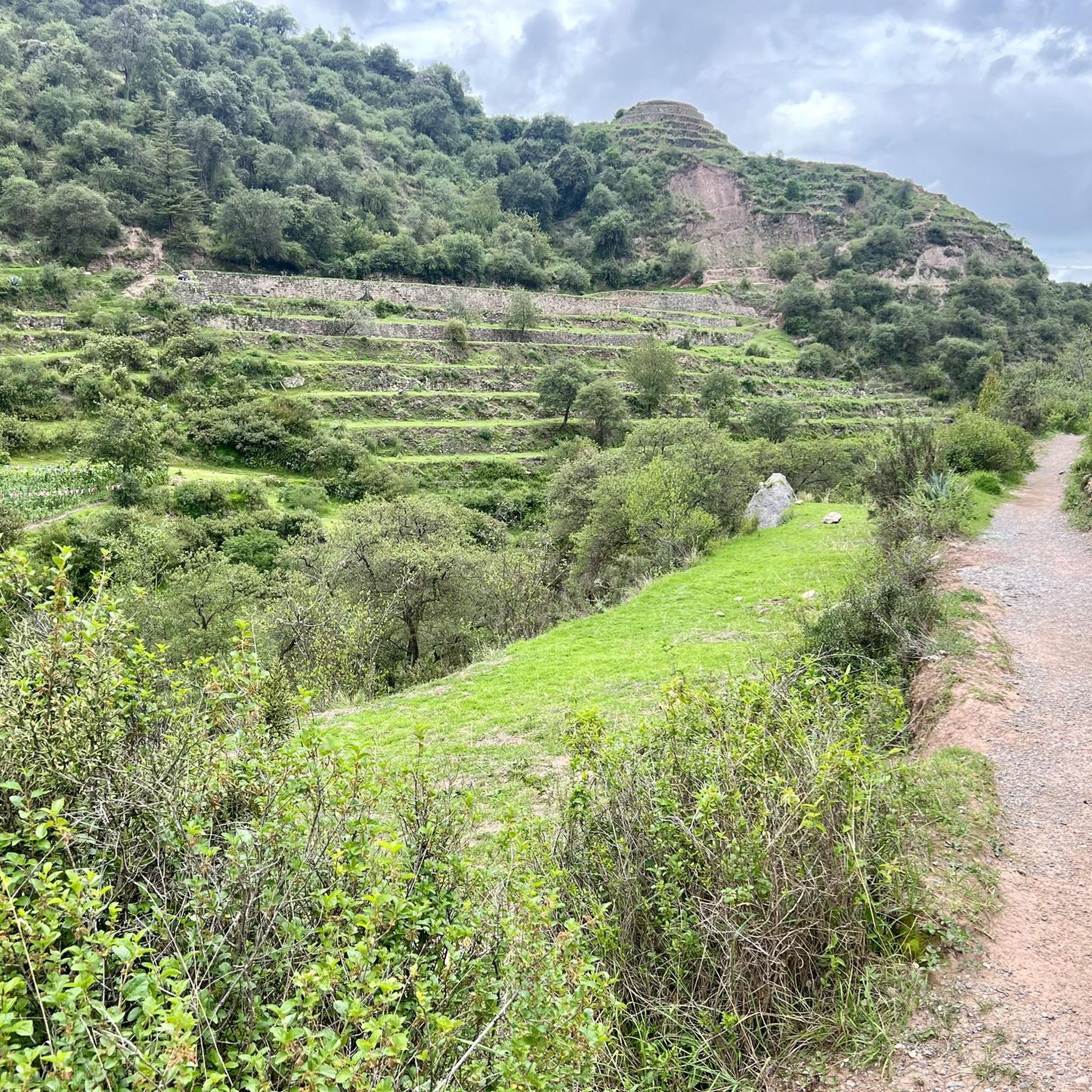
Natural monuments in San Jeronimo are characterized by significant historical and archaeological sites, often integrated with natural features. This region is home to ancient Inca structures and sacred places, many of which are considered natural monuments due to their unique geological formations or their role in water worship. Visitors can explore a landscape rich in cultural heritage and natural beauty. The area offers insights into Inca engineering and spiritual practices.
Best natural monuments in San Jeronimo
- The most popular natural…
Last updated: July 15, 2026
Tambomachay Water Temple
Highlight • Historical Site
Translated by Google •
Tip by

Inca Sacrificial Altar (Q'enqo)
Highlight • Historical Site
Translated by Google •
Tip by
Sign up now to discover places like this
Get recommendations on the best single tracks, peaks, & plenty of other exciting outdoor places.
Sign up for free
Pisac Archaeological Site
Highlight (Segment) • Historical Site
Tip by

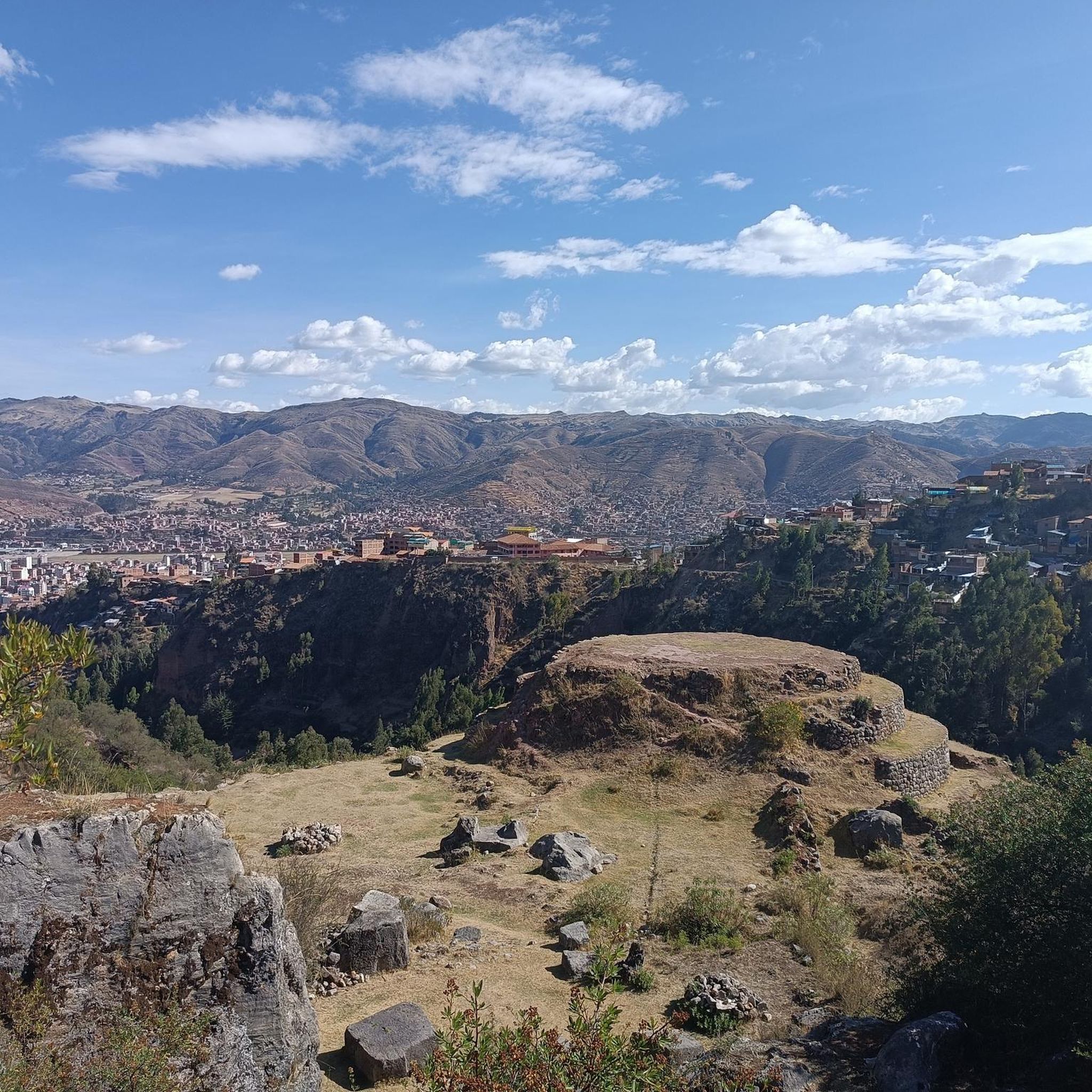
Temple of the Monkeys
Highlight • Historical Site
Translated by Google •
Tip by

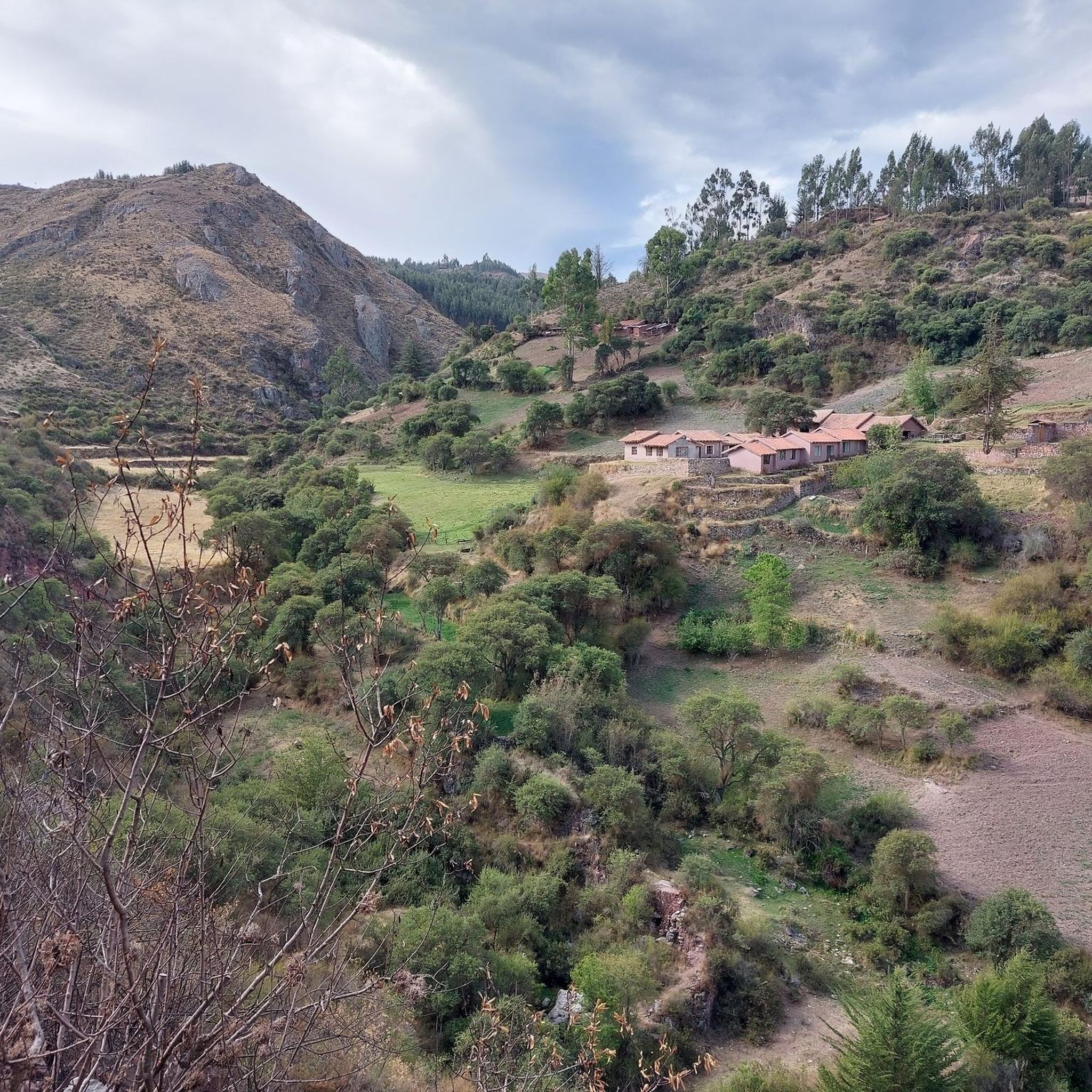
Chinkana Labyrinths
Highlight • Cave
Translated by Google •
Tip by
Sign up for free to discover even more natural monuments in San Jeronimo.
Sign up for free
Already have an account?
Start today with a free account
Your next adventure awaits.
Login or Signup
Tips from the Community

cusco is for sport people dealing with high altitude. from town you walk 3k into awesome area behind Christo blanco
1
0

The Chinkanas (from Quechua "chinkana"; place where one gets lost) or also called labyrinths, are mysterious caves built on limestone; it is not known if the Incas or a previous civilization did this, or how or for what purpose it was built.
4
0
The archaeological site of Tambomachay was a place dedicated to water worship and served as a resting place for the Inca nobility. Even today, this archaeological site impresses all visitors with its complex hydraulic engineering.
3
0

A small but impressive facility.
1
0

A Quechua legend says about the effect of the three small watercourses: If you drink from the watercourse on the bottom right, you will become younger; if you drink from the watercourse on the bottom left, you will have twins; and the upper watercourse is said to have a blessing.
0
0

already crazy when you stand in front of it
1
0
This is one of the most remarkable points, it is an underground chamber where there is a single stone from which tables, walls and floors were carved, all made of the same stone and smooth. Finally, it was used to sacrifice people and animals and even embalm the corpses, that's not all, remains of ashes were also found, so it is believed that they were made into cults for ancestors.
3
0

Tambomachay is a water sanctuary about 8 kilometers north of Cusco. The former temple complex, located at an altitude of 3700 m, was an important water cult site in the Inca period, fed by an underground spring of unknown origin.
1
0
Frequently Asked Questions
What kind of natural monuments can I explore in San Jeronimo?
San Jeronimo is rich in natural monuments that often intertwine with significant historical and archaeological sites. You'll find ancient Inca structures, sacred places, unique geological formations, and sites dedicated to water worship. These include impressive archaeological complexes like Pisac Archaeological Site and the Tambomachay Water Temple, as well as intriguing rock formations and caves.
Are there any natural monuments related to Inca history and culture?
Yes, San Jeronimo is particularly known for its natural monuments with deep Inca historical and cultural significance. The Tambomachay Water Temple, for instance, was a sacred water sanctuary and a resting place for Inca nobility, showcasing complex hydraulic engineering. The Inca Sacrificial Altar (Q'enqo) features an underground chamber carved from a single stone, believed to have been used for rituals and embalming. The Pisac Archaeological Site also boasts Inca agricultural terraces still in use today.
What are some unique geological features or caves to visit?
Beyond the historical structures, San Jeronimo offers natural geological wonders. The Inca Sacrificial Altar (Q'enqo) is partly set within a cave, featuring an impressive underground chamber. Additionally, the Chinkana Labyrinths are mysterious caves built on limestone, whose origins and purpose remain unknown, offering a unique exploration experience.
What outdoor activities can I do near the natural monuments in San Jeronimo?
The area around San Jeronimo's natural monuments offers a variety of outdoor activities. You can find numerous routes for cycling, mountain biking, and running. For cycling, explore routes like the 'City of Cusco – Qurikancha loop' or the 'Qurikancha – Pisac Town and Inca Terraces loop'. Mountain bikers can tackle trails such as 'Sacsayhuamán – Qurikancha loop'. Runners have options like the 'Saqsaywaman – Cristo Blanco loop' or the 'Saqsaywaman – Tambomachay Water Temple loop'. You can find more details on these activities in the respective guides: Cycling in San Jeronimo, MTB Trails in San Jeronimo, and Running Trails in San Jeronimo.
Are there hiking trails near these natural monuments?
Yes, many natural monuments in San Jeronimo are accessible via hiking trails, often rated as intermediate difficulty. For example, the Tambomachay Water Temple is part of a popular running route, the 'Saqsaywaman – Tambomachay Water Temple loop'. The Inca Sacrificial Altar (Q'enqo) is also part of an area that can be explored on foot. These trails allow you to immerse yourself in the natural beauty and historical context of the region. You can find more running trails in the Running Trails in San Jeronimo guide.
What is the difficulty level of exploring these natural monuments?
Most of the natural monuments and their surrounding trails in San Jeronimo are generally considered to be of intermediate difficulty. This means they may involve some elevation changes, uneven terrain, or longer distances. For example, highlights like the Tambomachay Water Temple, Inca Sacrificial Altar (Q'enqo), and Pisac Archaeological Site are all categorized as intermediate. Some nearby cycling and running routes can also be quite challenging, with options ranging from moderate to difficult.
What do visitors enjoy most about the natural monuments in San Jeronimo?
Visitors are consistently impressed by the blend of natural beauty and profound historical significance. The complex hydraulic engineering at the Tambomachay Water Temple and the unique atmosphere of sites like the Temple of the Monkeys are frequently highlighted. Many appreciate the opportunity to walk through ancient ruins and explore fascinating rock formations, often feeling a deep connection to the Inca past. The agricultural terraces at Pisac Archaeological Site, still in use, also draw considerable admiration.
Are there any natural monuments close to the city center of Cusco?
Yes, some natural monuments are conveniently located near the city center. The Temple of the Monkeys, an archaeological site with ruins and rock formations, is only about 2 kilometers from Cusco's Plaza de Armas, making it easily accessible for a visit. The Tambomachay Water Temple is also very close to the city of Cusco, approximately 8 kilometers north.
Can I combine a visit to these natural monuments with other activities?
Absolutely. Given their proximity to Cusco and the availability of various trails, you can easily combine visits to these natural monuments with other outdoor activities. For instance, the Temple of the Monkeys can be perfectly combined with a visit to the Templo de la Luna. Many of the sites are also integrated into longer cycling, mountain biking, or running routes, allowing for a full day of exploration and exercise.
What kind of historical insights do these natural monuments offer?
These natural monuments provide profound insights into Inca engineering, spiritual practices, and daily life. Sites like the Tambomachay Water Temple reveal the Incas' mastery of hydraulics and their reverence for water. The Inca Sacrificial Altar (Q'enqo) offers a glimpse into their ceremonial and sacrificial rituals. The extensive agricultural terraces at Pisac Archaeological Site demonstrate their advanced agricultural techniques and societal organization.
Are there any less crowded natural monuments in San Jeronimo?
While popular sites like Pisac and Tambomachay attract many visitors, exploring some of the lesser-known or more remote natural monuments might offer a quieter experience. The Chinkana Labyrinths, with their mysterious caves, might be less frequented than the major archaeological parks. Similarly, the Temple of the Monkeys, while close to Cusco, offers a unique atmosphere that can feel more intimate than larger complexes.
Most popular routes in San Jeronimo
Most popular attractions in San Jeronimo

Get inspired with the komoot mobile app


Explore more
Extend your search for the best caves by checking out these guides of the top ones in San Jeronimo:
