Top 6 Natural Monuments in Fichtelberg
Best natural monuments in Fichtelberg include the highest peak in Saxony, offering panoramic views of the Ore Mountains. Reaching an elevation of 1,215 meters, the Fichtelberg mountain is a significant natural landmark near the Czech border. The area is characterized by its natural beauty and serves as a destination for outdoor activities. Its summit provides extensive views of the surrounding landscape.
Best natural monuments in Fichtelberg
- The most popular natural monuments is Zechengrund nature reserve, a natural area that…
Last updated: July 5, 2026
Fichtelberg Peace Bell
Highlight • Monument
Translated by Google •
Tip by

Zechengrund nature reserve
Highlight • Natural
Translated by Google •
Tip by

Sign up now to discover places like this
Get recommendations on the best single tracks, peaks, & plenty of other exciting outdoor places.
Sign up for free
View from the viewing platform
Highlight • Viewpoint
Translated by Google •
Tip by

Geodetic Reference Point Fichtelberg
Highlight • Monument
Translated by Google •
Tip by

Fichtelberg Alpine Garden
Highlight • Natural Monument
Translated by Google •
Tip by

Sign up for free to discover even more natural monuments in Fichtelberg.
Sign up for free
Already have an account?
Start today with a free account
Your next adventure awaits.
Login or Signup




Tips from the Community


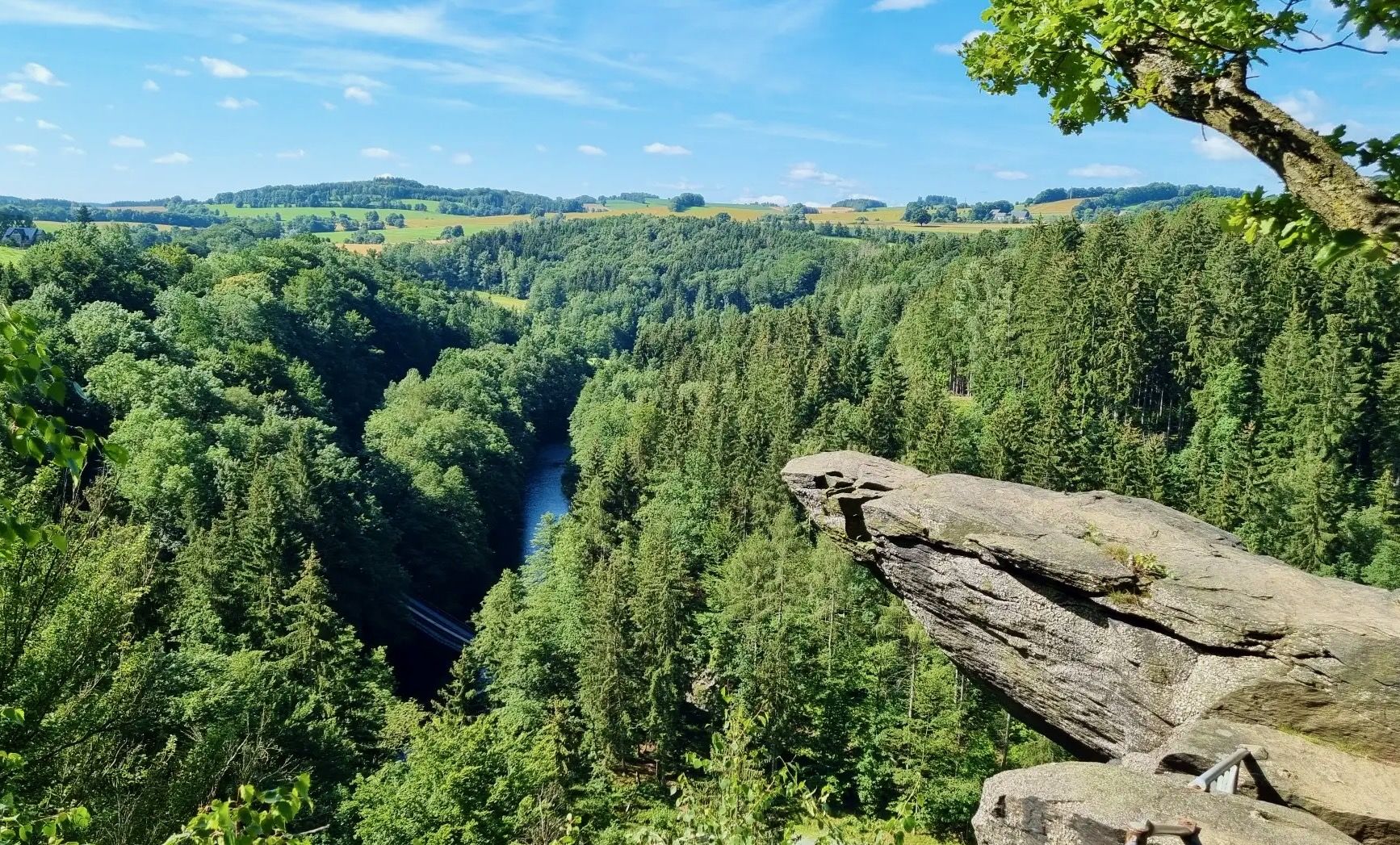
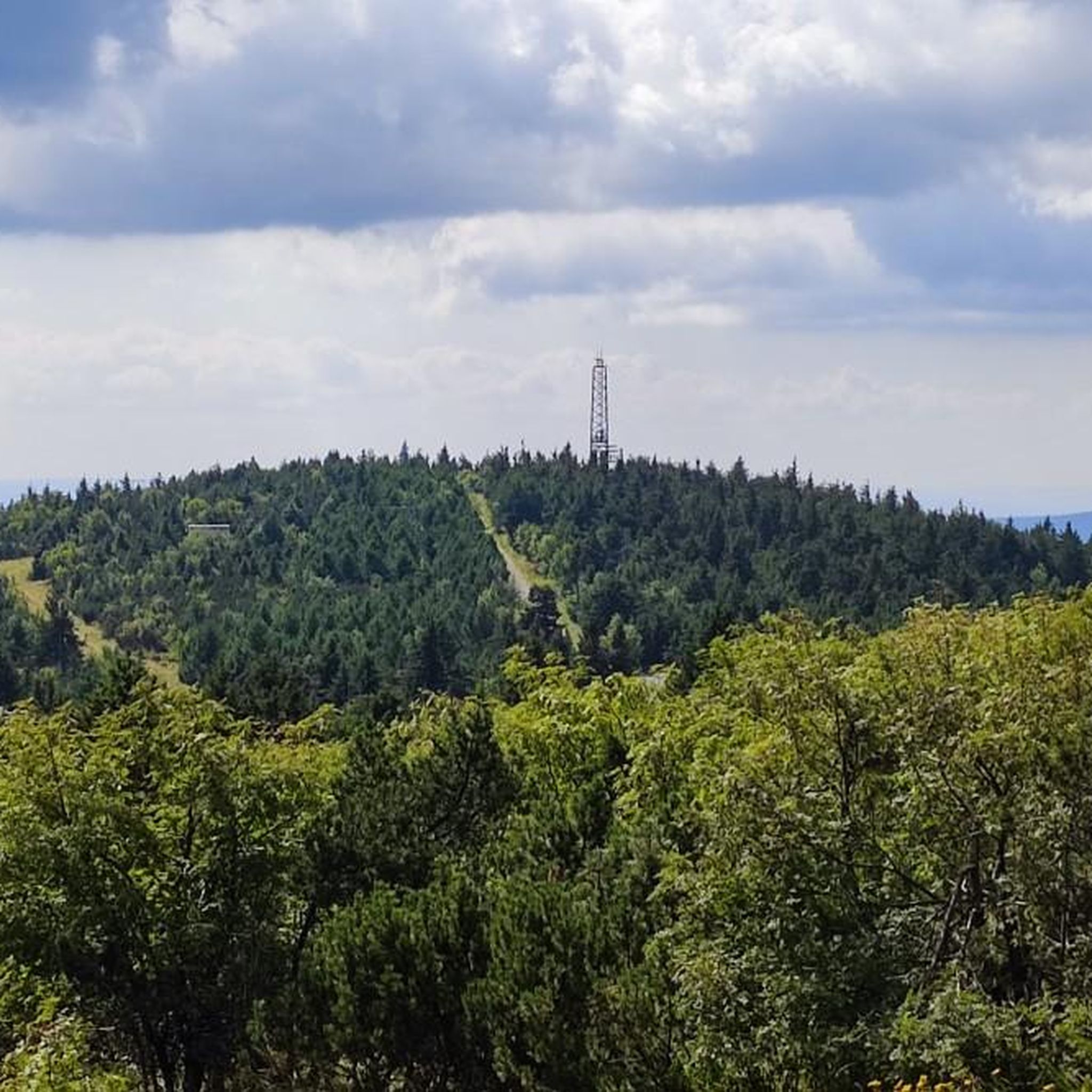
The Zechengrund is characterized by high-montane to subalpine vegetation. Plant species that are becoming increasingly rare today can be found here, such as alpine lettuce and whorled willowherb. Numerous animal species, such as the adder, the ring ouzel, and the white-banded black butterfly, live in the Zechengrund Nature Reserve. During our short hike, the animals had sought safe hiding places from the rain; we didn't even hear a single bird.
0
0
The Zechengrund is one of the oldest nature reserves in Saxony. Since 1912, attempts have been made to implement the first conservation efforts here. For this purpose, land was purchased to preserve its natural beauty. The Zechengrund is characterized by high-montane to subalpine vegetation. Plant species that are becoming increasingly rare today can be found here, such as alpine lettuce and whorled willowherb. Numerous animal species, such as the adder, the ring ouzel, and the white-banded black butterfly, live in the Zechengrund Nature Reserve. During our short hike, the animals had sought safe hiding places from the rain; we didn't even hear a single bird.
1
0


This column testifies that the Fichtelberg was one of 158 stations of the "Central European Triangulation" in 1864. During the Royal Saxon Triangulation, the land in Saxony was surveyed between 1862 and 1890, and a trigonometric grid was created at the same time, which was intended to serve as the basis for accurate maps.
16
1
The large peace bell on the Fichtelberg had to remain silent for six months in 2024. Stone throwing in May 2022 had so badly damaged the bell that its sound suffered. It was decided to stop ringing it and replace it with a new one. The old bell rang for the last time on Easter Monday 2024. Just in time for the mountain service on German Unity Day on October 3, the new bell was officially rung for the first time in the fall of 2024. The idea of using a peace bell to commemorate the peaceful revolution of 1989 in the GDR and German reunification in 1990 came from watchman Gerd Schlesinger and night watchman Jörg Eller from the Ore Mountains town of Schwarzenberg. The bell was also intended to be heard in neighboring Czechia and thus ring for a united Europe. The cast steel bell, already ninety years old at the time, was rung for the first time in 2010. The new bell was cast in Innsbruck by the Grassmayr company. At 2,700 kilograms, it is about 1,100 kilograms heavier than the old bell.
17
1
The exposed location of the Fichtelberg near the natural forest boundary provides a good habitat for many rare montane plants. The presence of numerous species found in the Alps or the tundra of Northern Europe is remarkable. As early as 1917, Professor Oskar Drude established a small rock garden with native montane plants on the grounds of the meteorological observatory. In 2006, the garden had to be relocated because the meteorological measuring field was expanded. The current facility, built a few meters from the old site, is approximately 200 square meters in size. It is maintained by the Technical University of Dresden.
17
1

The Zechengrund Nature Reserve lies in the deep valley between Fichtelberg (Germany) and Keilberg (Czech Republic). A beautiful hiking area along the Pohlbach stream. Many benches and information signs are found along the route. Narrow hiking trails and an interesting flora. For me, it's an absolute highlight near Oberwiesenthal.
1
0
Frequently Asked Questions
What kind of natural features can I expect to see in Fichtelberg?
Fichtelberg, as the highest mountain in Saxony, offers a variety of natural features. You'll find extensive forests, serene valleys like the Zechengrund nature reserve, and panoramic viewpoints that provide sweeping vistas of the Ore Mountains and even into the neighboring Czech Republic. The region is characterized by its natural beauty, making it ideal for outdoor exploration.
Are there family-friendly natural monuments in Fichtelberg?
Yes, several natural monuments in Fichtelberg are suitable for families. The Zechengrund nature reserve is an idyllic valley perfect for leisurely hikes with children. Additionally, the Fichtelberg Peace Bell and the View from the viewing platform are easily accessible and offer engaging experiences for all ages, including the unique sound of the peace bell every Sunday.
What outdoor activities can I do near the natural monuments in Fichtelberg?
The Fichtelberg area is excellent for various outdoor activities. You can enjoy hiking on trails like the 'Fichtelberg Peace Bell – View of Klínovec loop' or the 'Fichtelberghaus – Old luge track on Fichtelberg loop'. For mountain biking enthusiasts, there are routes such as the 'Fichtelberg Peace Bell – View of Fichtelberg loop'. Mountaineering opportunities also exist, including the 'Fichtelberg Nature Reserve – Fichtelberg Mountain Lodge loop'. You can find more details on these activities in the hiking, MTB trails, and mountain hikes guides for Fichtelberg.
What is the best time to visit the natural monuments in Fichtelberg?
Fichtelberg is a year-round destination. In warmer months, it's perfect for hiking and enjoying the lush landscapes and panoramic views. During winter, the area transforms into a popular winter sports hub, offering opportunities for skiing and snowboarding, with the natural monuments still accessible for those who enjoy winter hiking. The breathtaking vistas from the summit are a major draw regardless of the season.
Are there any unique cultural or historical sites within the natural monument areas?
Yes, the Fichtelberg Peace Bell is a notable man-made monument situated within the natural setting of the Fichtelberg plateau. It serves as a symbol of German unity and peace, with its sound reaching into the neighboring Czech Republic. The bell rings every Sunday at 4 p.m., offering a unique cultural experience amidst nature.
What do visitors enjoy most about the natural monuments in Fichtelberg?
Visitors particularly appreciate the serene and idyllic atmosphere of places like the Zechengrund nature reserve, often noting its quiet beauty and suitability for peaceful hikes. The extensive views from the various viewpoints, including the View from the viewing platform, are also highly praised, offering stunning panoramas of the surrounding landscape.
Are there any hidden gems or less crowded natural spots in Fichtelberg?
The Zechengrund nature reserve is often described by visitors as an 'absolute beautiful gem' and a place where 'only a few people' are found, making it ideal for those seeking quiet and idyllic natural experiences. Its untouched nature and beautiful brook bottom are highly recommended.
Can I find food or refreshments near the natural monuments?
Yes, near the Fichtelberg Peace Bell and the summit area of Fichtelberg, you can find facilities such as restaurants and huts. These provide opportunities for refreshments and meals, allowing you to extend your visit comfortably.
What are the typical trail difficulties for hiking near Fichtelberg's natural monuments?
Hiking trails near Fichtelberg's natural monuments range in difficulty. You can find easy loops like the 'Fichtelberg Peace Bell – View of Klínovec loop' which is around 5 km. Moderate trails are also common, such as the 'Boží Dar loop' (approx. 14 km) or the 'Fichtelberghaus – Old luge track on Fichtelberg loop' (approx. 8 km). There are also more challenging routes for experienced hikers.
Is it possible to visit Fichtelberg's natural monuments in winter?
Absolutely. Fichtelberg is well-known as a winter sports destination. While some activities change, the natural monuments remain accessible. You can enjoy winter hiking, and the panoramic views from the summit are particularly stunning when covered in snow. The area offers diverse winter activities, making it a great year-round destination.
What kind of views can I expect from the viewing platforms?
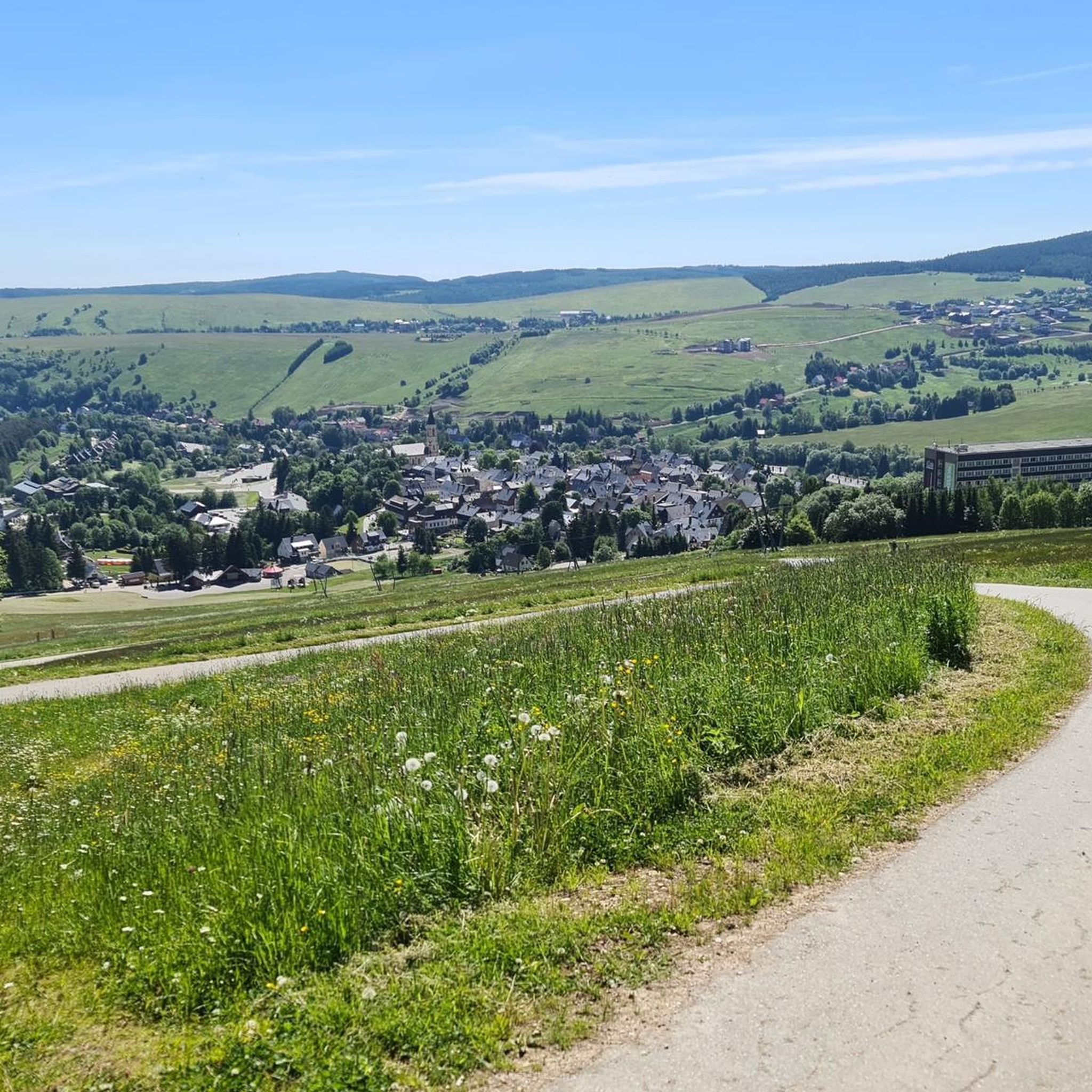
From viewing platforms like the View from the viewing platform, you can expect extensive vistas of the surrounding landscape. This includes panoramic views of the Ore Mountains and the nearby Keilberg on the Czech side of the border. Visitors often describe the views as 'great' and worth returning for, whether in summer or winter.
Are dogs allowed on trails around the natural monuments?
While specific regulations for each natural monument may vary, generally, dogs are welcome on hiking trails in natural areas like Fichtelberg, provided they are kept on a leash and owners clean up after them. It's always a good idea to check local signage for any specific restrictions in protected areas like the Zechengrund nature reserve.
Most popular routes in Fichtelberg
Most popular attractions in Fichtelberg

Get inspired with the komoot mobile app


Explore more
Extend your search for the best caves by checking out these guides of the top ones in Fichtelberg:
