Büngernsche Und Dingdener Heide
Büngernsche Und Dingdener Heide
Top 5 Natural Monuments in Büngernsche Und Dingdener Heide
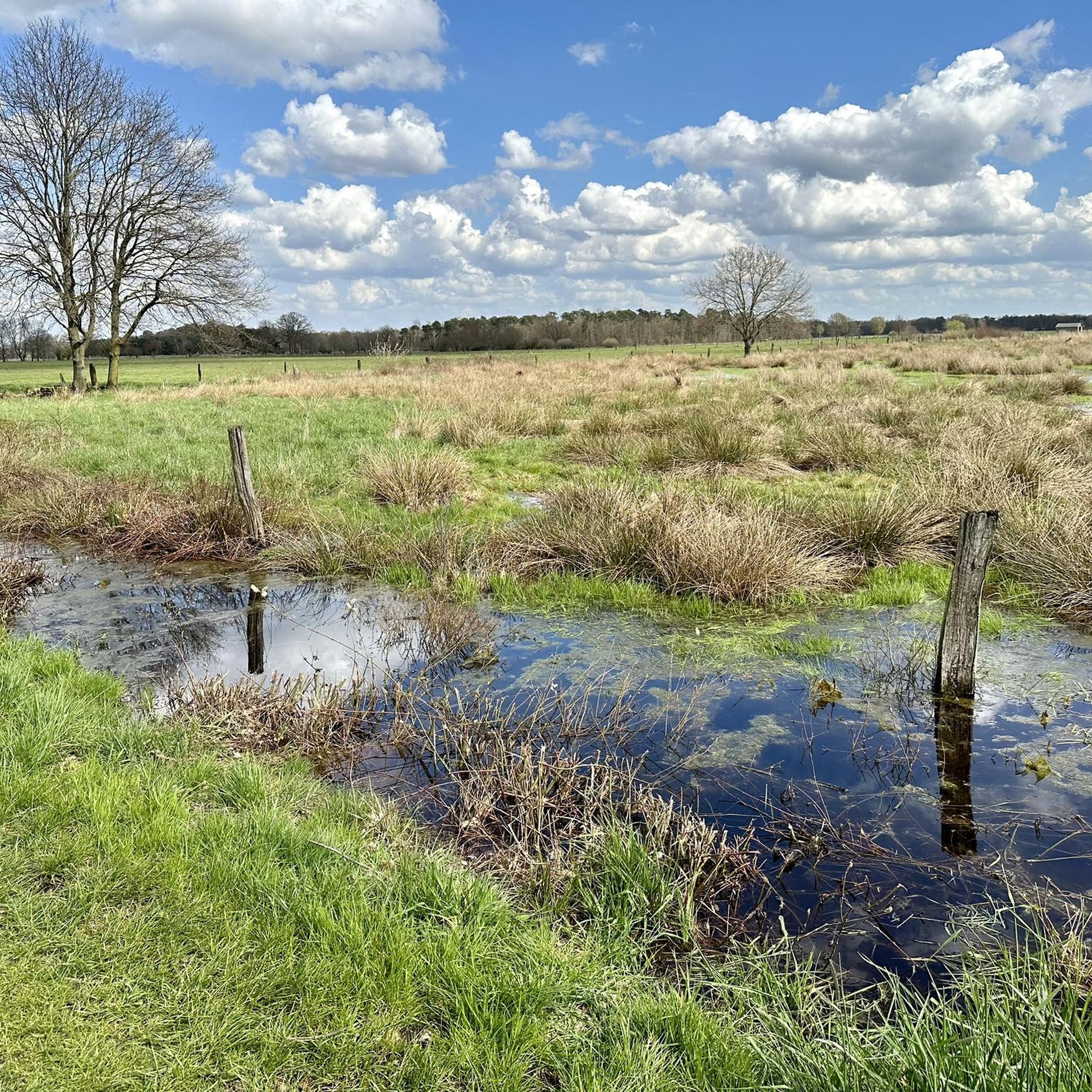
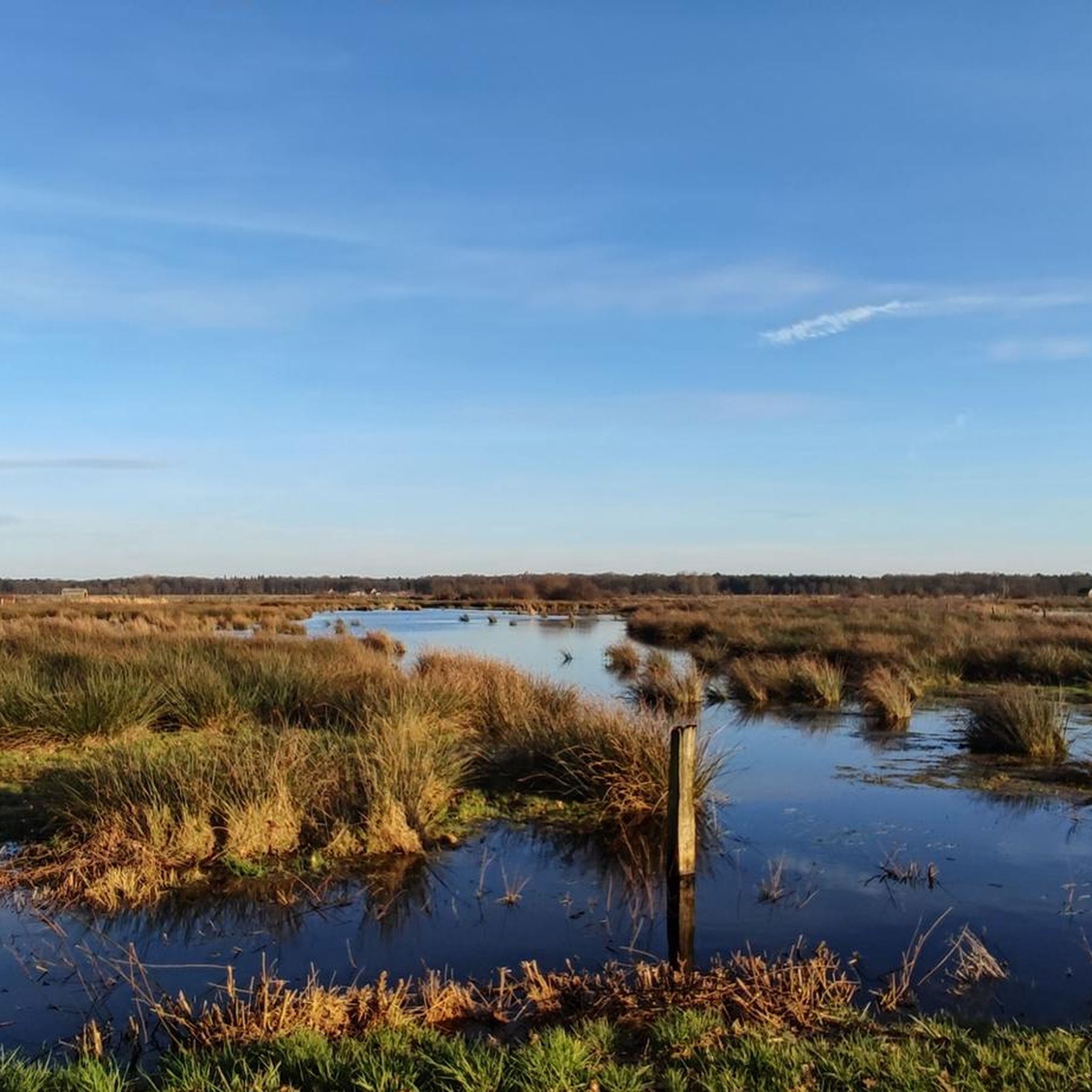
Best natural monuments in Büngernsche Und Dingdener Heide encompass a diverse landscape mosaic of wet grasslands, fields, small copses, hedgerows, and both deciduous and pine forests. This significant nature reserve offers a rich tapestry of natural and cultural landscapes. It serves as a vital habitat for numerous species and provides insight into centuries of landscape transformation. The region is notable for its biodiversity and ongoing conservation efforts.
Best natural monuments in Büngernsche Und Dingdener Heide
- The most popular natural monuments…
Last updated: October 8, 2026
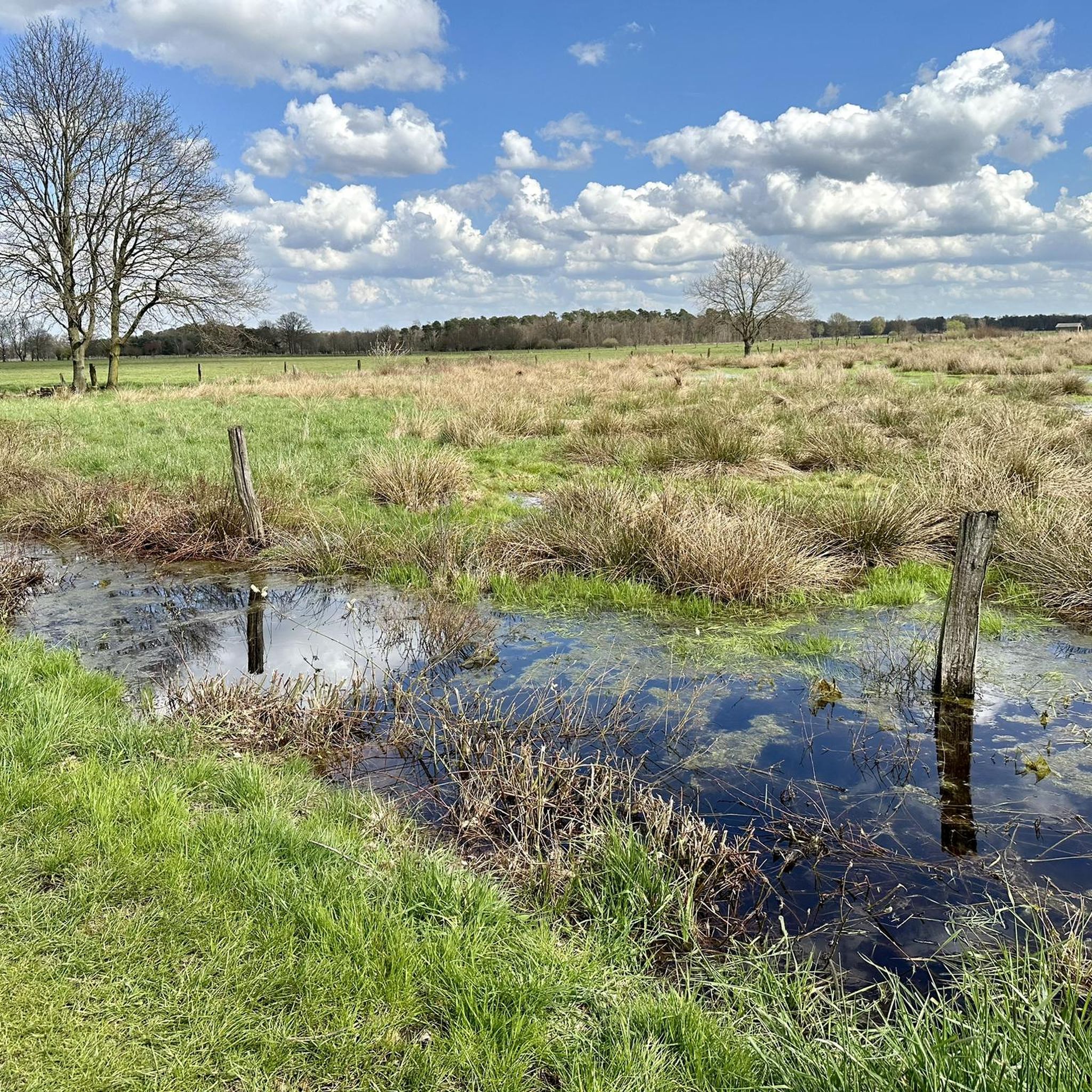
Dingdener Heide Nature Reserve
Highlight • Natural
Translated by Google •
Tip by

Water Buffalo Meadow in Naturpark Hohe Mark - Westmünsterland
Highlight • Natural
Translated by Google •
Tip by

Sign up now to discover places like this
Get recommendations on the best single tracks, peaks, & plenty of other exciting outdoor places.
Water Buffalo in the Dingdener Heide
Highlight • Natural
Translated by Google •
Tip by

Fääne Conservation Project Memorial to Gisela Klingler
Highlight • Monument
Translated by Google •
Tip by
Water Buffalo Pasture at Büffelhof Kragemann
Highlight • Natural
Translated by Google •
Tip by
Start today with a free account
Your next adventure awaits.
Popular around Büngernsche Und Dingdener Heide
Tips from the Community

At the Hoogenkamp/Raßingvenn junction is the hub of the Büngerner Dingdener Heide, which is designated as a nature reserve. The Fääne project (with an area of around 9 hectares) is part of the Hohe Mark Nature Park (with a total of 1978 sq km). The area/meadows towards the southeast are the so-called Fääne (dialect = Fän/Vän = Venn). By purchasing this area, a connection was created between the western and eastern areas of the Büngerner Dingdener Heide and the areas were divided and redesigned. 2.1 hectares of arable land and 2.9 hectares of INTENSIVE grassland became 5 hectares of EXTENSIVE grassland with plants from moist and poor meadows and pastures. 4 hectares of mixed pine-oak forest became 4 hectares of mixed birch-oak forest. If you follow the Raßingvenn further towards the forest (harder for bicycles - better to walk), you will see the first measures of the intended forest conversion. Here, mixed coniferous forest is to be converted into mixed oak forest. The honorary chairwoman of the "Fääne" foundation at the time was Gisela Klingler. A memorial stone stands at this spot in her honor.
4
0
Water buffalo are very peaceful and undemanding animals. Here they are used as "landscape caretakers" and ensure that, for example, the ponds and areas in the heath are kept clear and they thus limit the growth of reeds and woody plants. This means that these areas can be used by other animal species, such as frogs, toads and dragonflies, which in turn provide food for birds, such as storks. These areas also provide breeding or resting places for rare bird species, such as curlews and snipes. The water buffalo on this pasture normally have their "residence" on the Kragemann buffalo farm in Barlo and are only here to "work".
1
0
Water buffalo are very peaceful and undemanding animals. Here they are used as "landscape caretakers" and ensure that, for example, the ponds and areas in the heath are kept clear and they thus limit the growth of reeds and woody plants. This means that these areas can be used by other animal species, such as frogs, toads and dragonflies, which in turn provide food for birds, such as storks. These areas also provide breeding or resting places for rare bird species, such as curlews and snipes. The water buffalo on this pasture normally have their "residence" on the Kragemann buffalo farm in Barlo and are only here to "work".
3
0

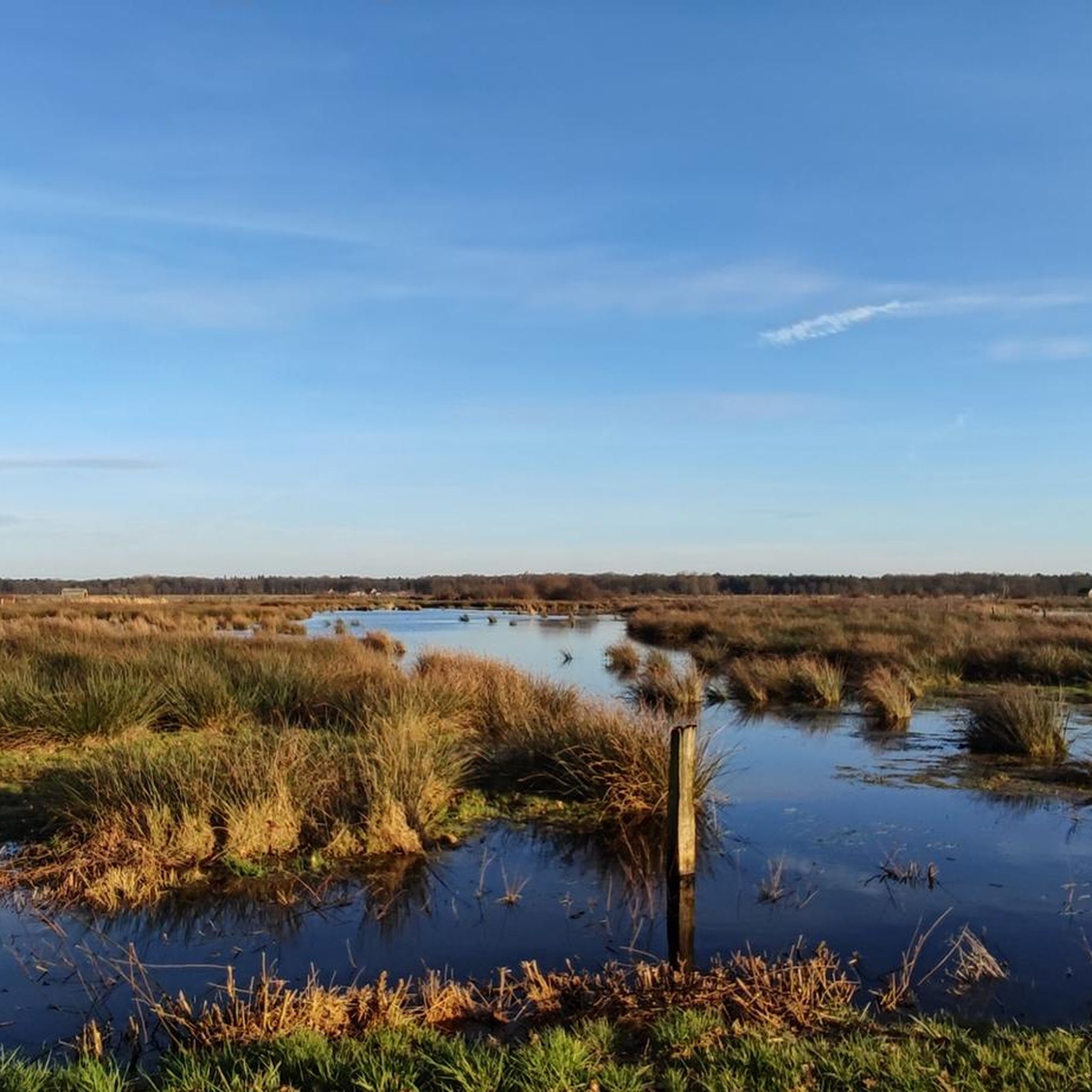
The partially renaturalized moor with lots of heather is worth visiting at any time of year and in any weather. Heath, moor, blenken, viewing platforms, information boards, birds, sheep, buffalo...
2
0

Imposing water buffalo as landscape conservationists of the heath
0
0
Peaceful giants as landscape gardeners in the Dingden Heath
0
0

Here you get a very informative insight into the work and goals of the conservationists.
1
0
At the Hoogenkamp/Raßingvenn junction is the hub of the Büngerner Dingdener Heide, which is designated as a nature reserve. The Fääne project (with an area of around 9 hectares) is part of the Hohe Mark Nature Park (with a total of 1978 sq km). The area/meadows towards the southeast are the so-called Fääne (dialect = Fän/Vän = Venn). By purchasing this area, a connection was created between the western and eastern areas of the Büngerner Dingdener Heide and the areas were divided and redesigned. 2.1 hectares of arable land and 2.9 hectares of INTENSIVE grassland became 5 hectares of EXTENSIVE grassland with plants from moist and poor meadows and pastures. 4 hectares of mixed pine-oak forest became 4 hectares of mixed birch-oak forest. If you follow the Raßingvenn further towards the forest (harder for bicycles - better to walk), you will see the first measures of the intended forest conversion. Here, mixed coniferous forest is to be converted into mixed oak forest. The honorary chairwoman of the "Fääne" foundation at the time was Gisela Klingler. A memorial stone stands at this spot in her honor.
1
1
Frequently Asked Questions
What kind of natural landscapes can I expect to see in Büngernsche Und Dingdener Heide?
The Büngernsche Und Dingdener Heide features a diverse mosaic of landscapes, including wet grasslands, fields, small copses, hedgerows, and both deciduous and pine forests. This rich tapestry of habitats is a result of centuries of human interaction and ongoing conservation efforts.
What unique wildlife can be observed in the Büngernsche Und Dingdener Heide?
The area is a nationally important breeding ground and resting place for numerous bird species. You might spot rare birds such as the curlew, lapwing, black-tailed godwit, snipe, and redshank. Floristic rarities like orchids, marsh gentian, and sundew also thrive here. Keep an eye out for the Water Buffalo in the Dingdener Heide, which act as landscape caretakers.
When is the best time to visit the natural monuments in Büngernsche Und Dingdener Heide?
The Büngernsche Und Dingdener Heide offers unique experiences throughout the year. Spring and summer are ideal for birdwatching and observing the diverse flora, while the changing colors of autumn provide a beautiful backdrop for walks. The area's well-maintained paths make it accessible in most seasons.
Are the natural monuments in Büngernsche Und Dingdener Heide suitable for families?
Yes, several areas are family-friendly. For instance, the Dingdener Heide Nature Reserve offers opportunities for animal and bird watching, which can be engaging for children. Observing the Water Buffalo in the Dingdener Heide is also a popular family activity.
Can I bring my dog to the natural monuments in Büngernsche Und Dingdener Heide?
Generally, dogs are welcome on trails within the natural monuments, but they should be kept on a leash to protect the sensitive wildlife and habitats, especially in areas with ground-nesting birds or grazing animals like the water buffalo.
What is the role of the water buffalo in the Dingdener Heide?
The water buffalo, such as those found at Water Buffalo in the Dingdener Heide, serve as 'landscape caretakers.' They help maintain ponds and heath areas by limiting the growth of reeds and woody plants, which in turn creates suitable habitats for other local wildlife like frogs, toads, dragonflies, and rare bird species.
What is the 'Fääne Conservation Project Memorial to Gisela Klingler' about?
The Fääne Conservation Project Memorial to Gisela Klingler marks a significant conservation effort within the nature reserve. This project involved converting intensive grasslands into extensive ones and transforming pine forests into mixed birch-oak forests, creating a vital connection between different parts of the Büngerner Dingdener Heide. A memorial stone honors Gisela Klingler, who was instrumental in these efforts.
Are there any historical or cultural aspects to the landscape of Büngernsche Und Dingdener Heide?
Yes, the Büngernsche Und Dingdener Heide is a historically evolved ecosystem. The 'Dingdener Heide - History of a Cultural Landscape' project allows visitors to experience the landscape's evolution through five 'time zones' along a 5 km circular hiking trail, showcasing how human activities have shaped the environment over 650 years, from medieval 'Hudewald' to modern agricultural land.
What kind of outdoor activities can I do near the natural monuments?
The region offers a variety of outdoor activities. You can explore numerous routes for gravel biking, mountain biking, and running. For example, there are easy gravel biking routes like the "Dingdener Heide Nature Reserve – Dingdener Heide loop" or moderate MTB trails such as the "Dingdener Heide Trails loop from Dingden." Find more details on these activities in the Gravel biking in Büngernsche Und Dingdener Heide, MTB Trails in Büngernsche Und Dingdener Heide, and Running Trails in Büngernsche Und Dingdener Heide guides.
Are there hiking or walking trails available within the natural monuments?
Yes, the area features a well-developed network of paths suitable for walkers and cyclists. A notable option is the "LandStreifer 'Time Travel' Trail," a challenging 15 km running route that also serves as an excellent walking path to experience the historical cultural landscape. The Dingdener Heide Nature Reserve also provides accessible paths for experiencing the wetlands.
Where can I find accommodation near the natural monuments in Büngernsche Und Dingdener Heide?
For accommodation options in the vicinity of the natural monuments, you can explore various hotels and guesthouses in the surrounding towns. For more information on the recreational area, you might find details on the Ruhr Tourism website: ruhr-tourismus.de.
Most popular routes in Büngernsche Und Dingdener Heide
Most popular attractions in Büngernsche Und Dingdener Heide

Get inspired with the komoot mobile app


Explore more
Extend your search for the best caves by checking out these guides of the top ones in Büngernsche Und Dingdener Heide:
