Bears Ears National Monument
Bears Ears National Monument
Top 6 Natural Monuments in Bears Ears National Monument
Best natural monuments in Bears Ears National Monument are found within a region of southeastern Utah, characterized by towering geological formations and ancient archaeological sites. This area features a diverse landscape of buttes, canyons, and plateaus, holding significant cultural importance for Native American tribes. The monument offers numerous opportunities to explore unique natural features and historical sites. It is co-managed to preserve its natural beauty and cultural heritage.
Best natural monuments in Bears Ears National Monument
- The most popular natural…
Last updated: July 6, 2026
Goosenecks State Park Viewpoint
Highlight • Viewpoint
Translated by Google •
Tip by

House on Fire / Mule Canyon
Highlight • Historical Site
And it burns if you take photos in the right place and the right spot.
beautiful, I'm totally thrilled.
Mega photo hotspot
Translated by Google •
Tip by

Sign up now to discover places like this
Get recommendations on the best single tracks, peaks, & plenty of other exciting outdoor places.
Sign up for free
Newspaper Rock Petroglyphs
Highlight • Historical Site
americansouthwest.net/utah/canyonlands/newspaper-rock.html
The petroglyphs from Newspaper Rock are from different eras, look beautiful and interesting, but are not decipherable for a layman like me. …
Translated by Google •
Tip by

Goosenecks National Park
Highlight • Canyon
Entry into the park costs $5 and the annual national park pass is not valid here. But it's worth it
Translated by Google •
Tip by
Needles Overlook
Highlight • Viewpoint
Nice rest area with many picnic areas, some of which are hidden.
Translated by Google •
Tip by

Sign up for free to discover even more natural monuments in Bears Ears National Monument.
Sign up for free
Already have an account?
Start today with a free account
Your next adventure awaits.
Login or Signup
Popular around Bears Ears National Monument

Tips from the Community

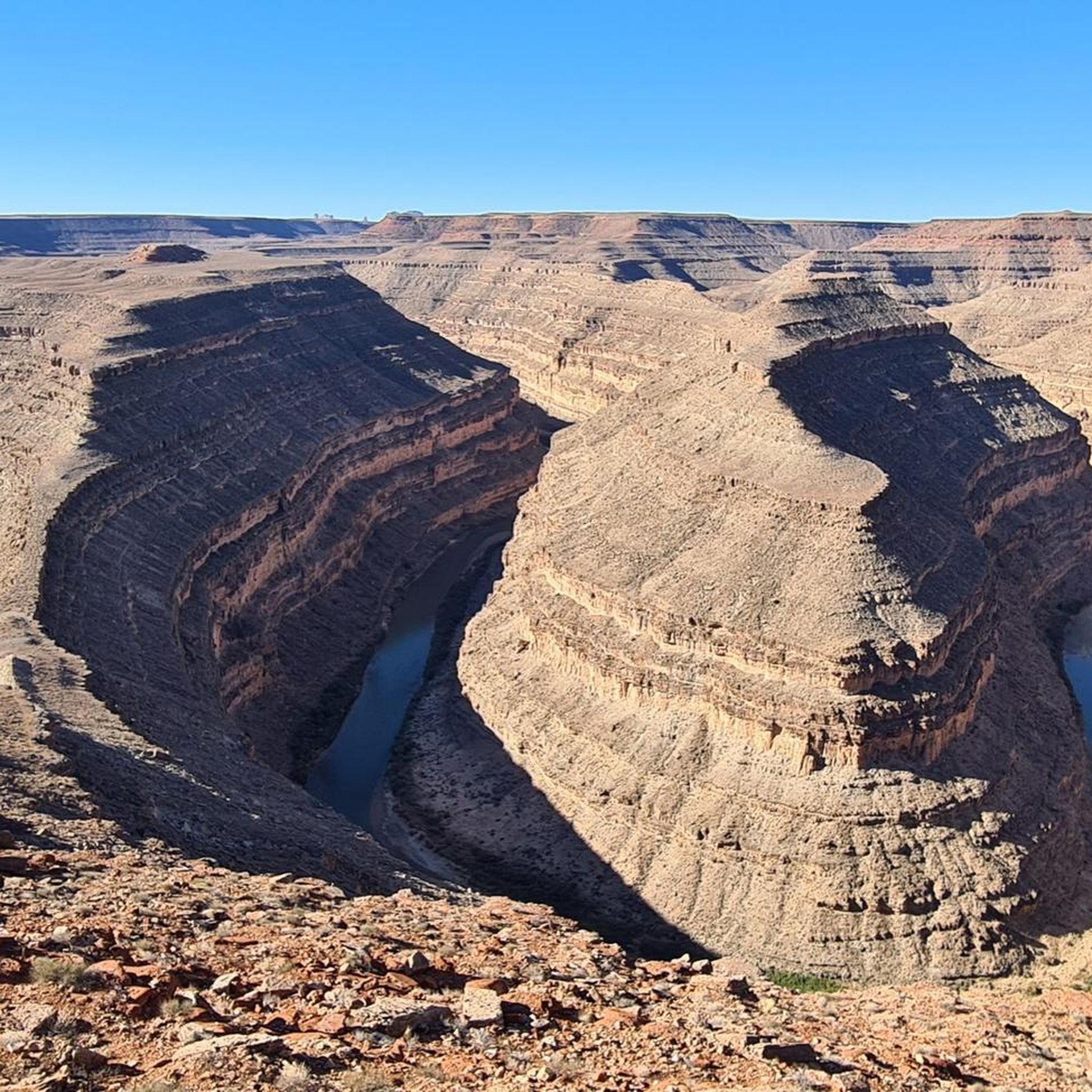
Entrance to a beautiful view of the river and its barren landscape, Entry into the park costs $5 and the annual national park pass is not valid here. But it's worth it
5
0
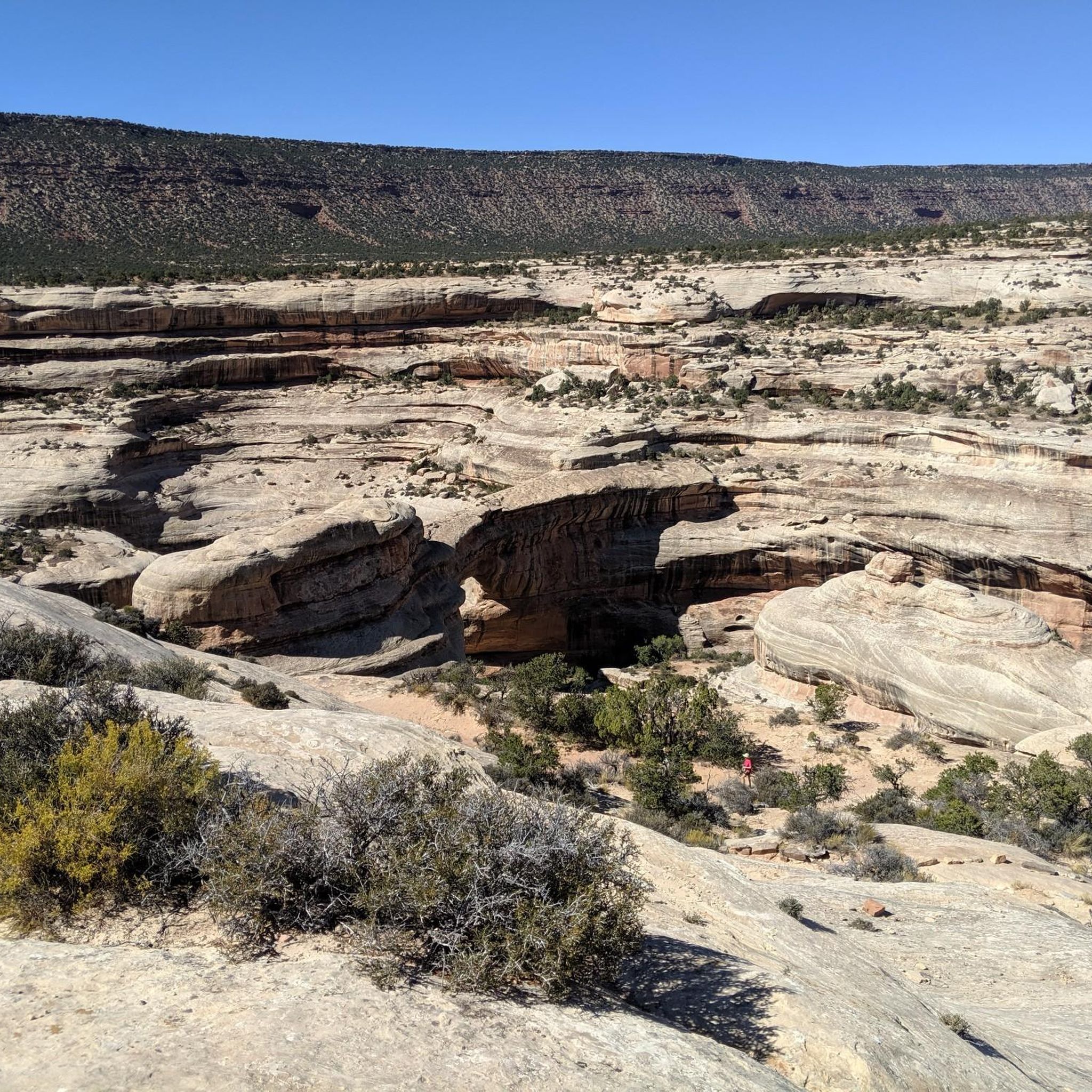
A very interesting and beautiful hike leads to the small cliff dwellings and storerooms of the Anasazi in Lower Mule Canyon.
4
0
a beautiful view of the San Juan River, I am always amazed by this view, super beautiful, the fee is definitely worth it and it is also pretty deserted there, not as crowded as at Horseshoe Bend, where the parking fee is now 10 dollars, so the 5 dollars is not so bad
4
0
a dream, beautiful nature leads to the House of Fire. And it burns if you take photos in the right place and the right spot. beautiful, I'm totally thrilled. Mega photo hotspot
4
0

Nice view of the loop. The “right” time of day is important for photos! Nice picnic area - take something with you for a leisurely break... Otherwise the entrance fee isn't actually worth it.
4
0

I found more about Newspaper Rock here: https://www.americansouthwest.net/utah/canyonlands/newspaper-rock.html The petroglyphs from Newspaper Rock are from different eras, look beautiful and interesting, but are not decipherable for a layman like me. It was definitely worth the long walk from the parking lot to Newspaper Rock, which is almost 200 meters long.
0
0

A fantastic view of the huge Colorado Valley. Nice rest area with many picnic areas, some of which are hidden.
0
0

Already during the drive to the canyon you feel like you are in a side valley on the moon. On site then only a relatively large parking lot, a few signs, picnic tables and benches and... A brilliant view of one of the loops of the canyon. The name Gooseneck comes from the fact that the formations of the canyon look like goose necks from a bird's eye view.
11
0
Frequently Asked Questions
What are some of the most popular natural monuments to visit in Bears Ears National Monument?
Visitors frequently enjoy the stunning views from Goosenecks State Park Viewpoint, which offers a brilliant perspective of the San Juan River's winding loops. Another favorite is Needles Overlook, providing a fantastic vista of the vast Colorado Valley. For those interested in history and unique natural phenomena, House on Fire / Mule Canyon is a must-see.
Are there family-friendly natural monuments in Bears Ears National Monument?
Yes, several natural monuments are suitable for families. Goosenecks State Park Viewpoint and Needles Overlook both offer scenic views with picnic areas, making them great for a relaxed family outing. Additionally, Newspaper Rock Petroglyphs is an accessible historical site where families can explore ancient rock art.
What kind of historical and cultural sites can I explore in Bears Ears National Monument?
Bears Ears National Monument is rich in cultural history. You can visit House on Fire / Mule Canyon, an ancient Pueblo dwelling known for its unique light phenomenon. Another significant site is Newspaper Rock Petroglyphs, a large rock panel covered with petroglyphs created over 2,000 years by various indigenous cultures. The broader Cedar Mesa and Grand Gulch areas also contain countless archaeological sites, including well-preserved ruins and rock art.
What unique geological formations can be found in the monument?
The monument is home to diverse geological formations. The iconic Bears Ears Buttes, the monument's namesake, are two prominent buttes resembling bear ears. The Sixshooter Peaks in Indian Creek are striking sandstone summits resembling revolvers. The Valley of the Gods offers stunning sandstone monoliths, buttes, and spires, often compared to a smaller Monument Valley. Additionally, the winding loops of the San Juan River visible from Goosenecks State Park Viewpoint showcase dramatic river erosion.
Are there hiking opportunities near these natural monuments?
Yes, there are several hiking trails available. For easy hikes, you can explore the Mule Canyon Trail to House on Fire, the Butler Wash Interpretive Trail, or the Goosenecks Viewpoint Trail. More challenging hikes include the Moon House Trail, which requires a permit due to its cultural sensitivity. You can find more details on various hiking routes in the region on the Easy hikes in Bears Ears National Monument guide.
What other outdoor activities can I do in Bears Ears National Monument?
Beyond exploring natural monuments, Bears Ears offers a range of outdoor activities. The Indian Creek area is renowned for rock climbing, particularly around the Sixshooter Peaks. You can also find numerous running trails, including difficult loops like Sipapu Bridge, detailed in the Running Trails in Bears Ears National Monument guide. Mountain biking is also popular, with routes like the Canyonlands National Park – Shafer Trail loop, which you can explore further in the MTB Trails in Bears Ears National Monument guide.
What do visitors enjoy most about the natural monuments in Bears Ears National Monument?
Visitors particularly enjoy the breathtaking scenic views, such as those from Goosenecks State Park Viewpoint and Needles Overlook. The unique historical sites like House on Fire / Mule Canyon, with its captivating light effect, are also highly appreciated. Many are thrilled by the sense of discovery and the opportunity to connect with ancient cultures and dramatic landscapes.
Is there a scenic drive through the natural monuments area?
Yes, a notable scenic drive is along Utah State Route 261, which includes the section known as Moki Dugway. This section climbs 335 meters over 4.8 kilometers, offering dramatic views as it ascends. While the upper part is unpaved, it provides an adventurous and highly scenic experience through the monument's landscape.
Are permits required to visit certain natural monuments or archaeological sites?
Yes, some culturally sensitive sites, such as Moon House on Cedar Mesa, require permits to help protect them from overuse and preserve their integrity. Visitation to Moon House is limited to 20 people per day. Similarly, some day and overnight trips into Cedar Mesa and Grand Gulch for exploring archaeological sites may also require permits. It's advisable to check specific requirements before planning your visit to these areas.
What is the best time of year to visit Bears Ears National Monument for exploring natural monuments?
While the guide data doesn't specify a 'best time,' the region's climate suggests that spring and fall generally offer the most pleasant weather for outdoor exploration, with milder temperatures ideal for hiking and sightseeing. Summer can be very hot, and winter may bring snow, potentially limiting access to some areas, especially unpaved roads like parts of Moki Dugway.
Can I see the Bears Ears Buttes up close?
The Bears Ears Buttes, the monument's namesake, are iconic and visible from various points. While their distinctive silhouette is a defining feature of the monument, the buttes themselves are set back in the rising topography of the Manti-La Sal National Forest. The closest roads can be challenging for most vehicles, but their presence is a constant reminder of the area's deep cultural and spiritual significance.
Most popular routes in Bears Ears National Monument
Most popular attractions in Bears Ears National Monument

Get inspired with the komoot mobile app


Explore more
Extend your search for the best caves by checking out these guides of the top ones in Bears Ears National Monument:
