Top 20 Natural Monuments in Bremen
Natural monuments in Bremen offer a diverse landscape characterized by rivers, green spaces, and protected natural features. The region includes significant natural areas like the Wümme-Bogen in Blockland and the historic Wallanlagen, providing ecological and recreational value. Bremen's natural landscape features a mix of wetlands, meadows, and waterways, making it suitable for outdoor exploration. The city's 20 designated natural monuments highlight specific protected features across the area.
Best natural monuments in Bremen
- The most popular natural monuments is Luneplate Observation…
Last updated: August 16, 2026
Wümme bend in Blockland
Highlight • River
Translated by Google •
Tip by

New Wümme Bridge in Lilienthal
Highlight • Bridge
Translated by Google •
Tip by

Sign up now to discover places like this
Get recommendations on the best single tracks, peaks, & plenty of other exciting outdoor places.
Sign up for free
Neue Weser Nature Reserve
Highlight • Lake
Translated by Google •
Tip by

Hedge Chapel in Bremen’s Bürgerpark
Highlight • Structure
Translated by Google •
Tip by

Borgfelder Wümmewiesen Nature Reserve
Highlight • Natural Monument
Translated by Google •
Tip by

Roland of Bremen
Highlight • Monument
Translated by Google •
Tip by

View of Bremerhaven’s skyline from Luneplate
Highlight • Viewpoint
Translated by Google •
Tip by

Western Hollerland Nature Reserve
Highlight • Natural Monument
Hollerland originally referred to a cultural landscape in the north and east of Bremen that was reclaimed by Dutch settlers in the 12th century (the …
Translated by Google •
Tip by

Ochtum Floodplain Nature Reserve near Brokhuchting
Highlight • Natural Monument
Translated by Google •
Tip by

Luneplate Observation Tower
Highlight • Viewpoint
Translated by Google •
Tip by
Sign up for free to discover even more natural monuments in Bremen.
Sign up for free
Already have an account?
Start today with a free account
Your next adventure awaits.
Login or Signup
Popular around Bremen
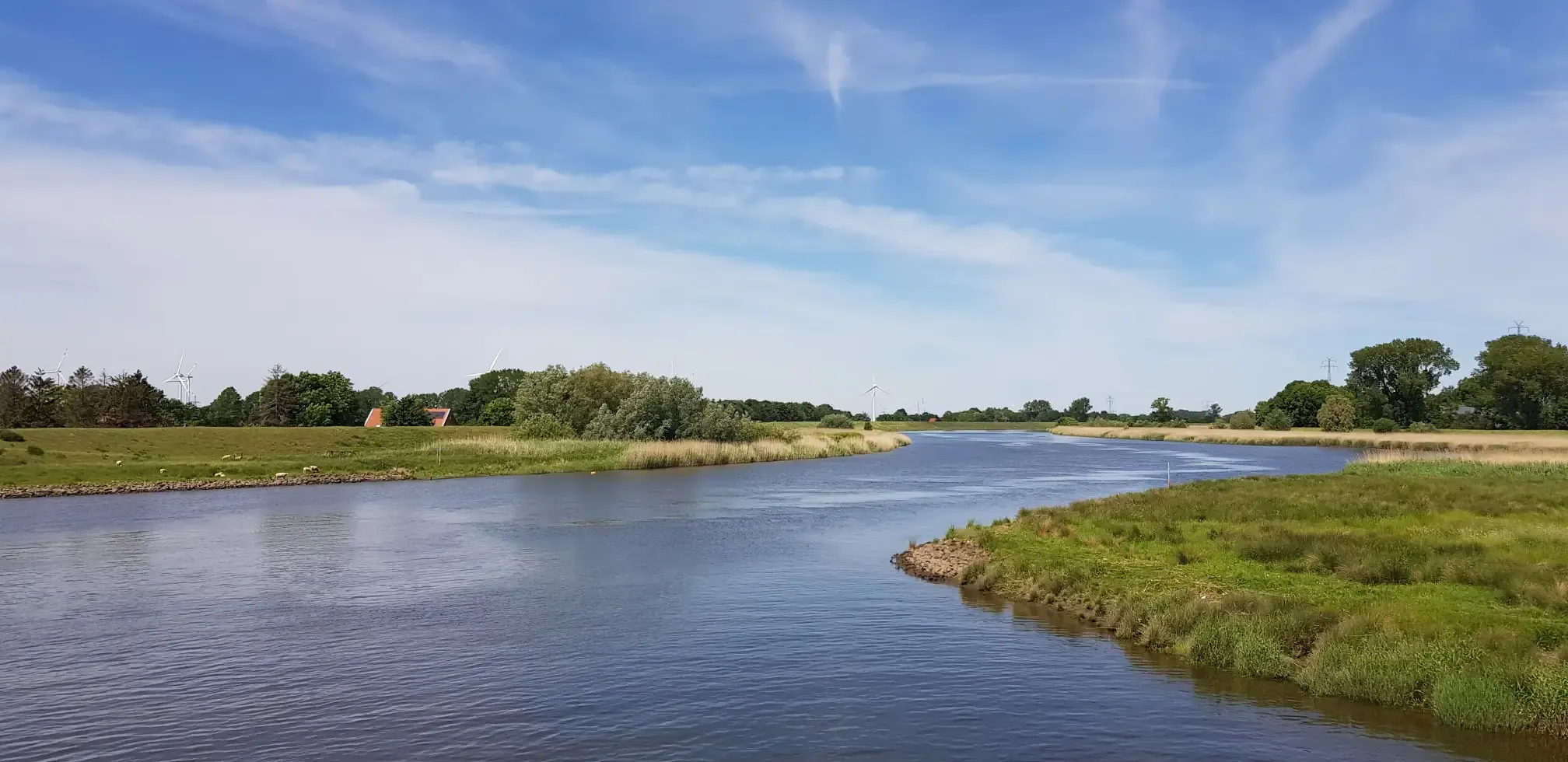
North German nature by bike – from the Devil's Moor to the Wadden Sea
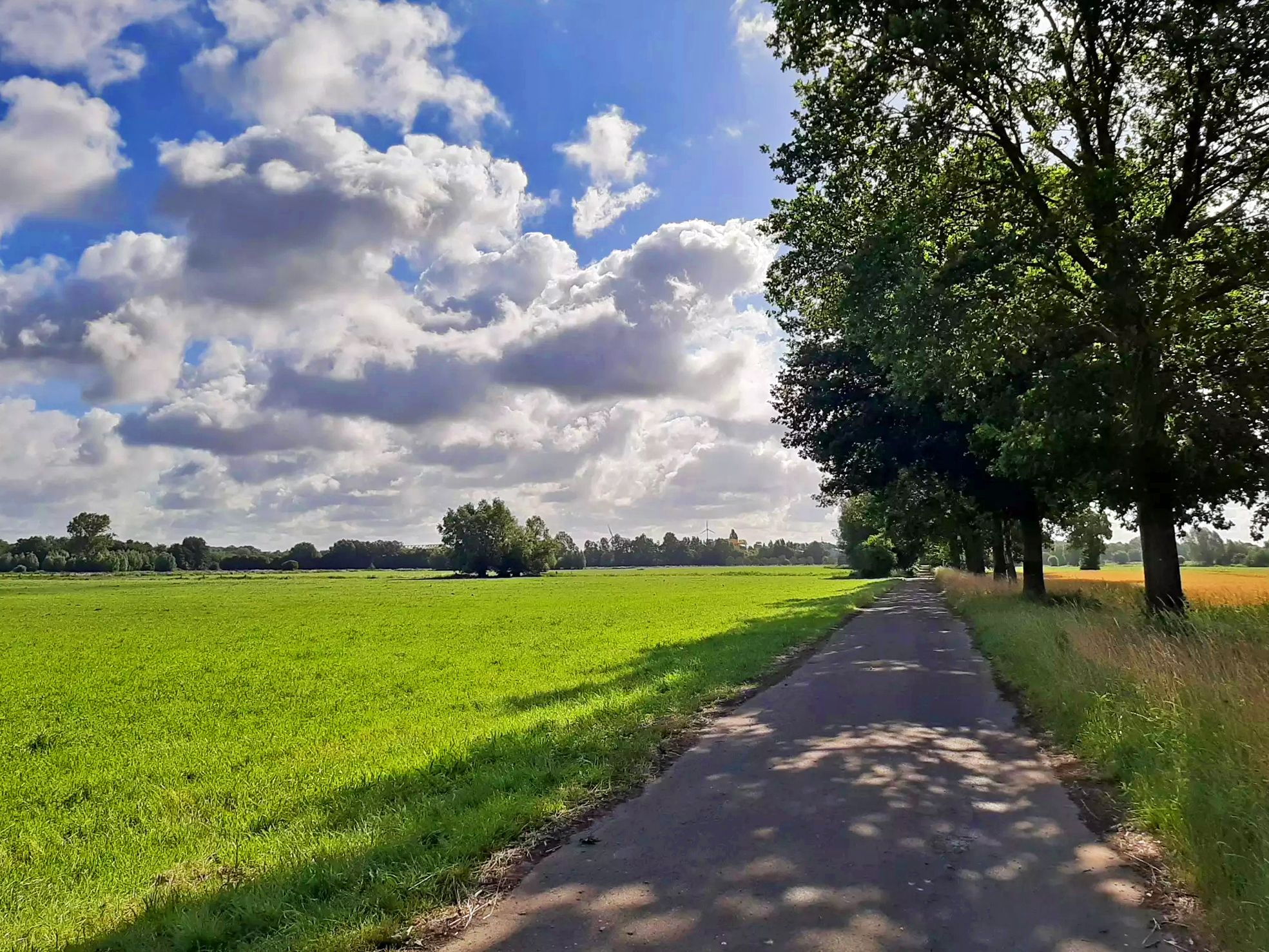
Weser-Lippe Cycle Route – Cycling from Bremen to Paderborn
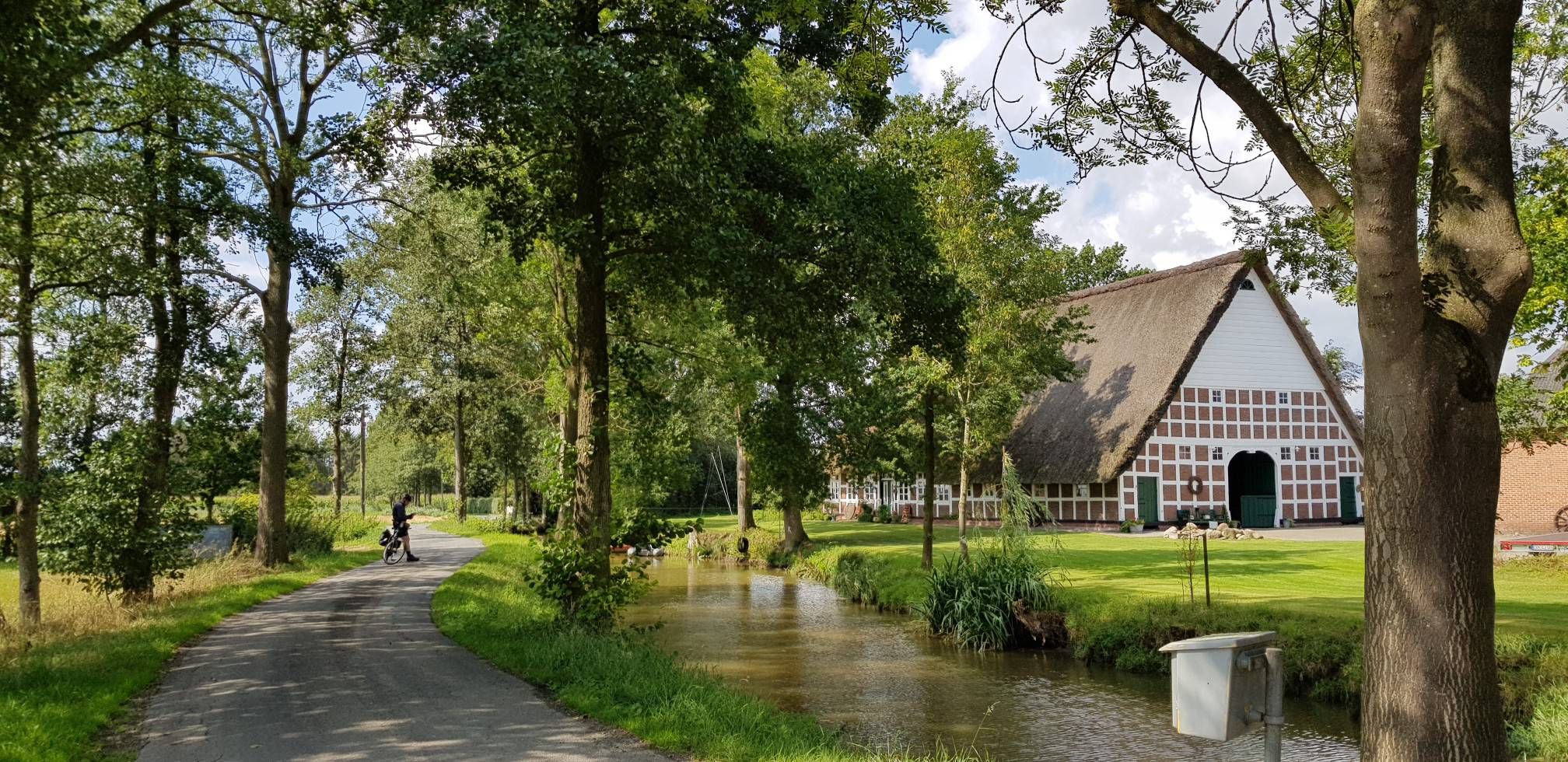
The Monks' Trail – From Bremen to the Baltic Sea
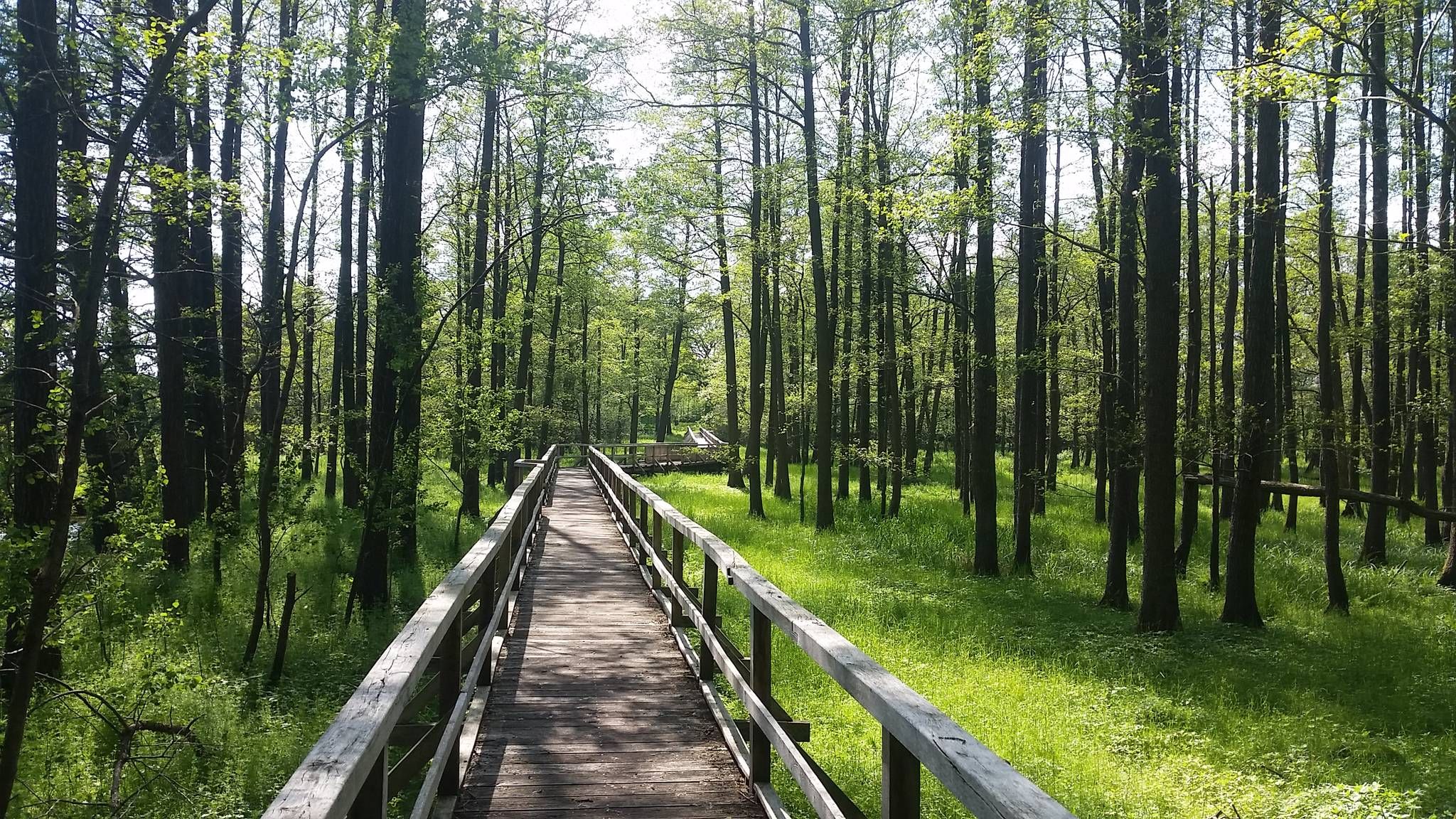
Germany's bridge bike path — cycle between Bremen and Osnabrück
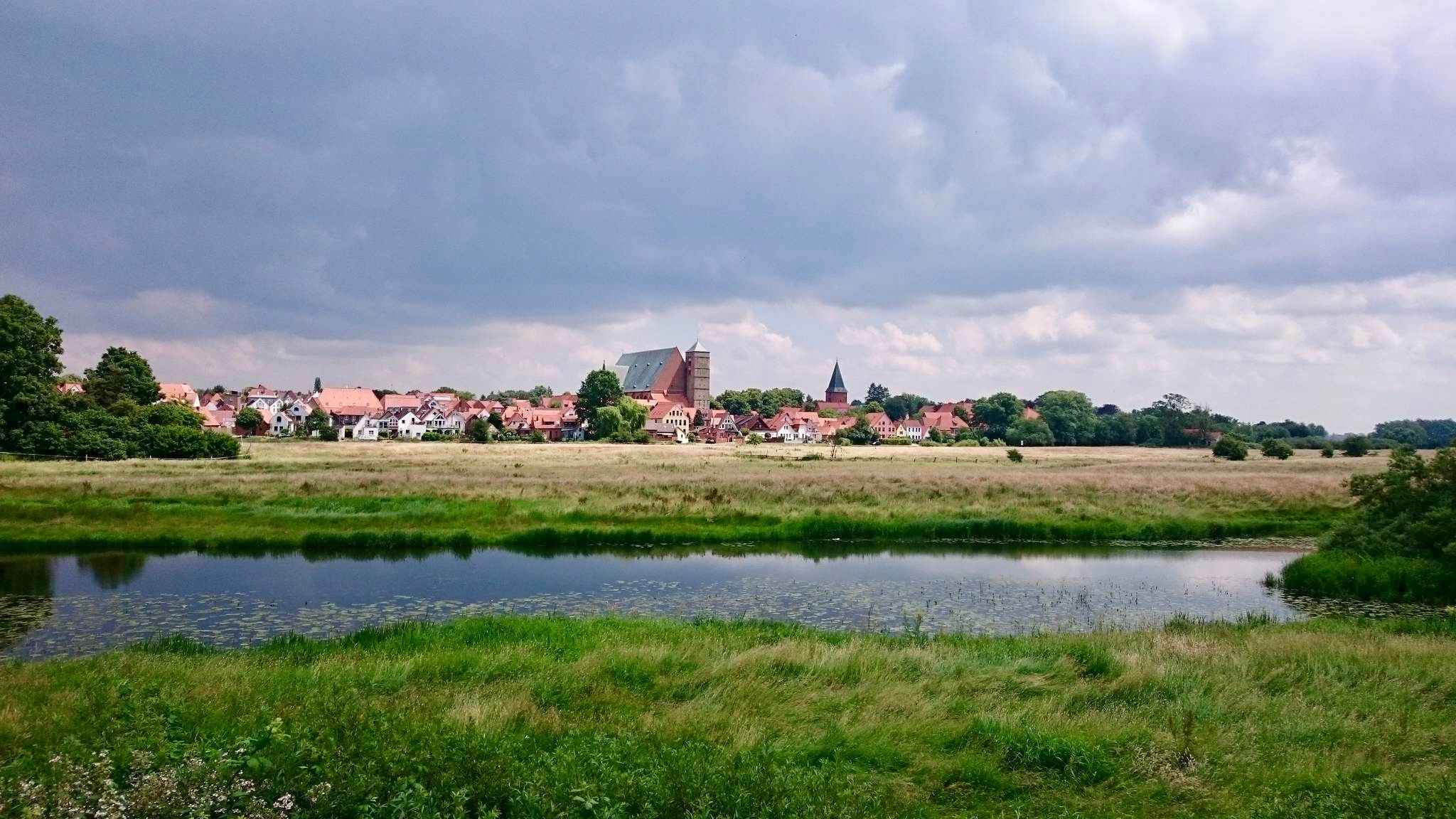
The Weser Cycle Path
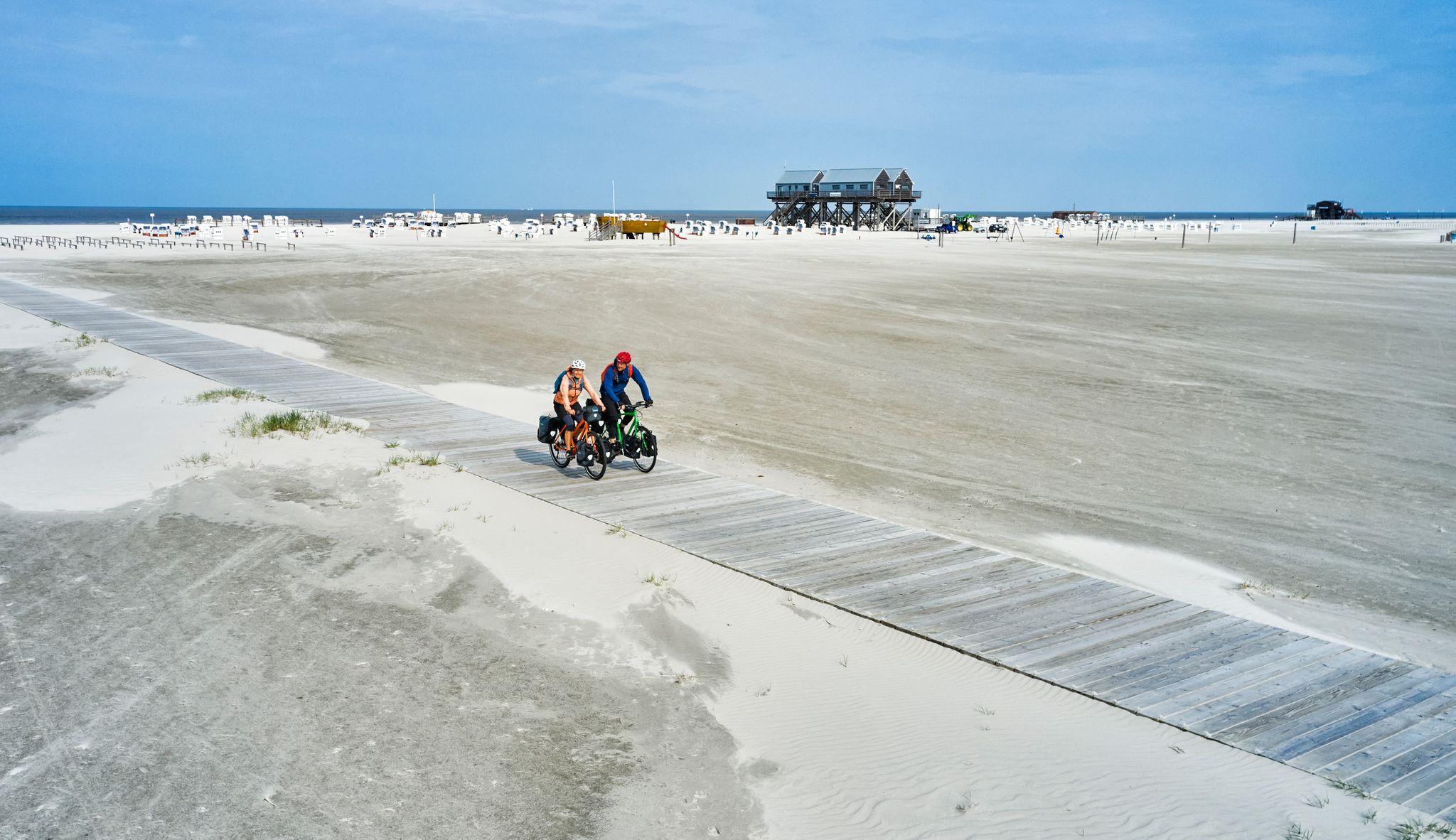
Nine hundred kilometres of pure freedom – North Sea Cycle Route
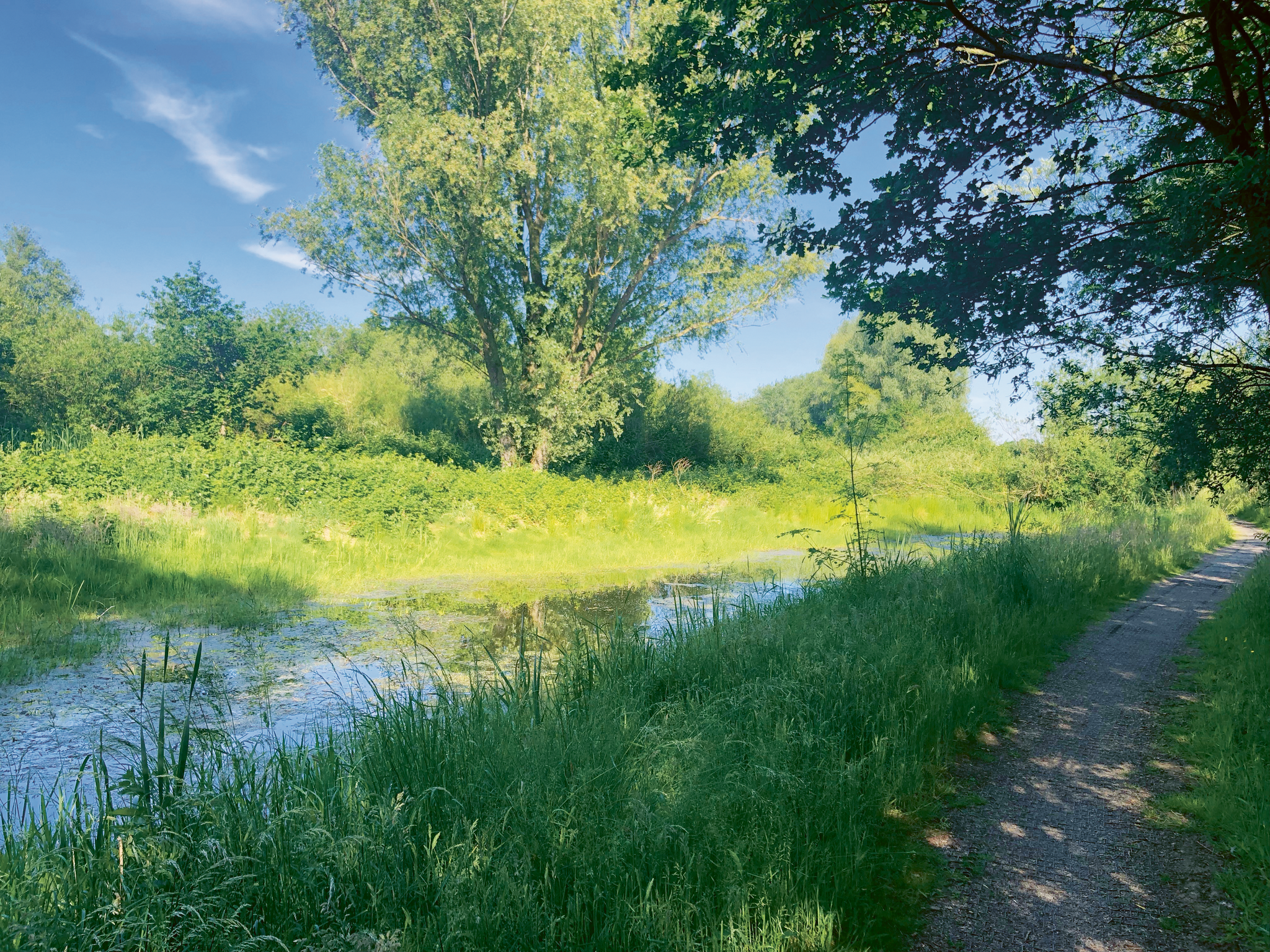
Climate protection in Bremen by bike
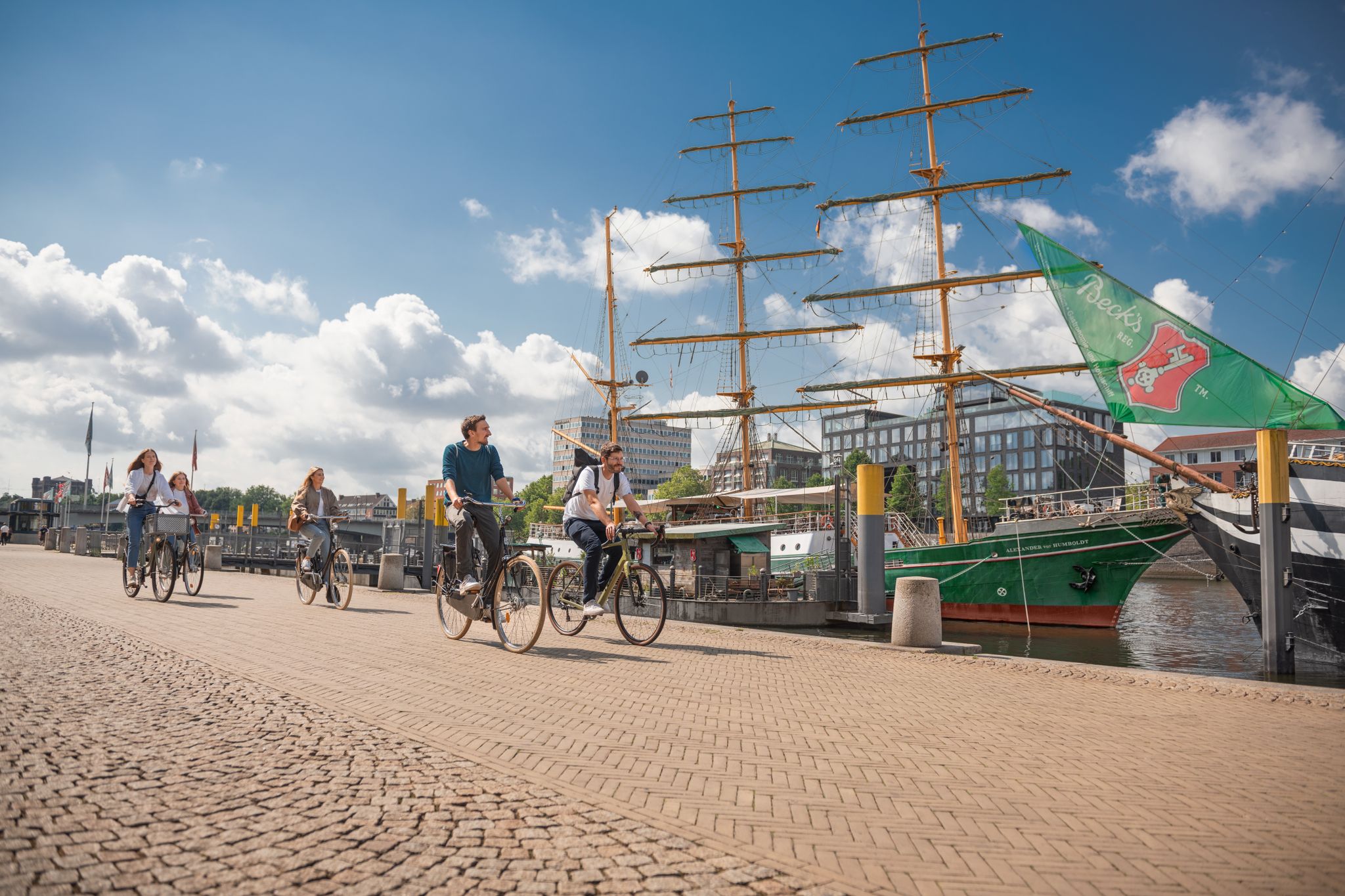
Moors and meadows – long-distance cycling around Bremen
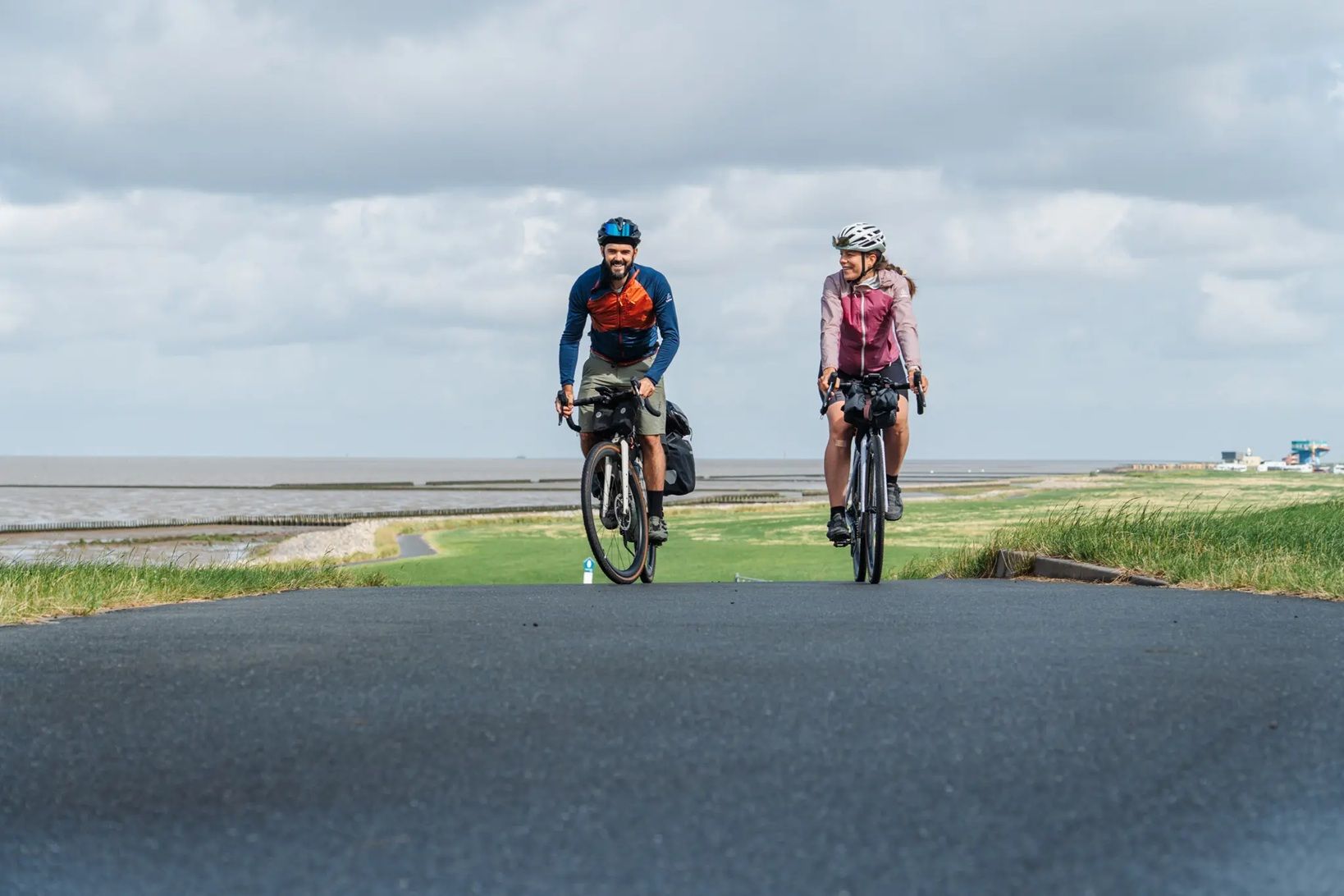
Along the Weser to the sea – Weser Cycle Route alternative route
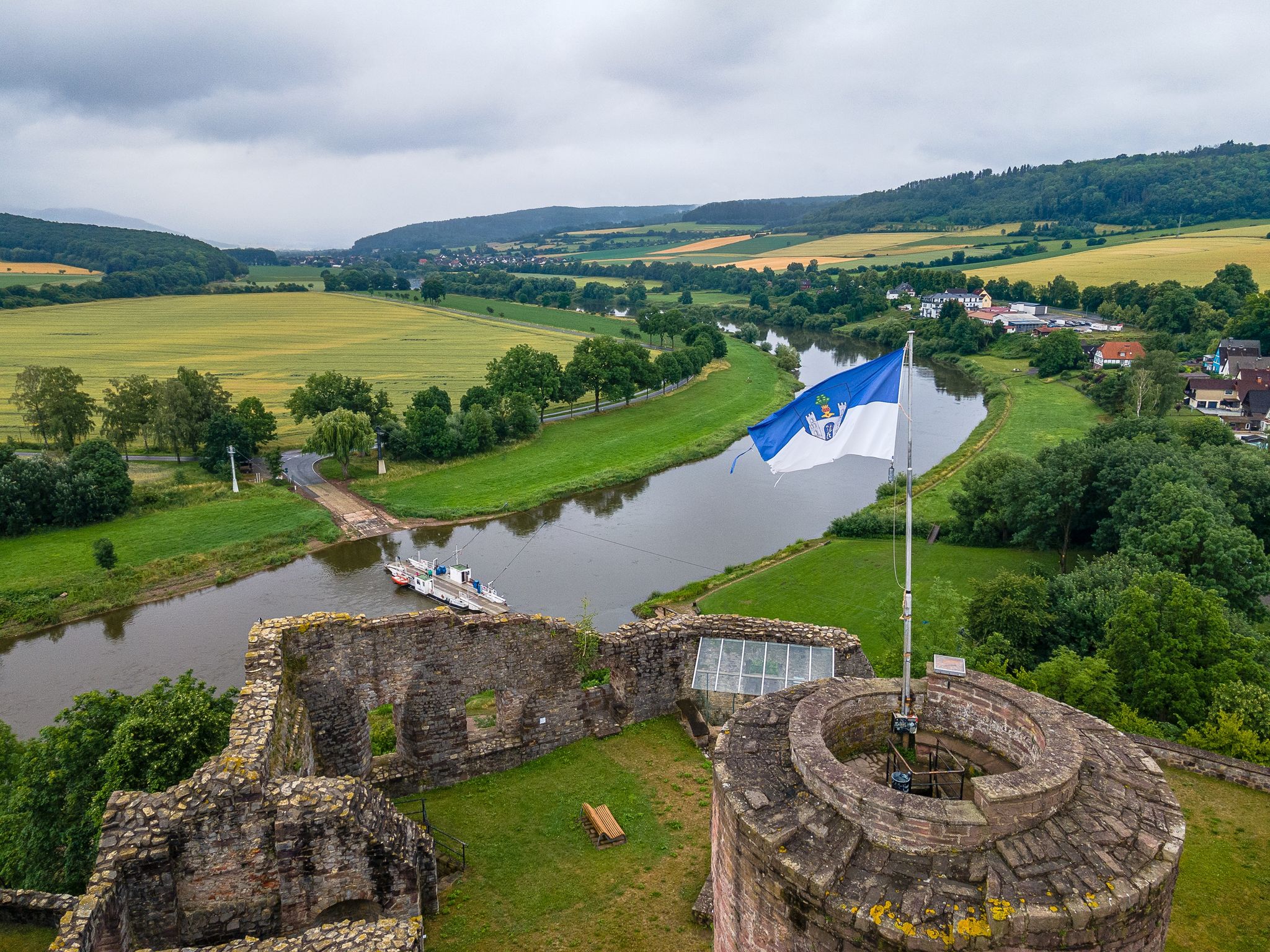
On the Weser Cycle Route – from the Weser Uplands to the North Sea
Other adventures in Bremen


Tips from the Community

The tour with views of Bremerhaven is beautiful and varied.
5
0

Nice to ride the bike!
4
0

Hopp's Holler rocks.
1
0

The Wümme is a 121-kilometer-long river in northern Germany that flows through the federal states of Lower Saxony and Bremen. Its source is in the Lüneburg Heath, and it eventually flows into the Lesum, which in turn flows into the Weser. The Wümme partially marks the border between Lower Saxony and Bremen and is the main tributary of the Lesum. Together with the Lesum, the Wümme reaches a total length of 131.2 kilometers. The Wümme flows through several towns and villages, including Lauenbrück, Scheeßel, Rotenburg an der Wümme, Ottersberg, Fischerhude, Lilienthal and Bremen. It is known for its clean water quality and the picturesque landscapes along its course, which are characterized by wide meadows and floodplains.
3
0
The Western Hollerland is a nature reserve in Bremen that offers a fascinating mix of cultural and natural history. Originally reclaimed by Dutch settlers in the 12th century, the area has changed significantly over the centuries. Today it covers an area of 293 hectares and is known for its diverse flora and fauna, which are preserved through intensive protection measures. A particular highlight of the Western Hollerland is the varied landscape, which is ideal for hiking and cycling. The paths lead through open green spaces, wet meadows and along watercourses, which give the area its characteristic charm. A popular route is the Jan Weiners hiking trail, which winds through the reserve and offers wonderful views of the surrounding nature. Despite its proximity to the A27 motorway, the Hollerland offers quiet and idyllic walks, especially along the Kuhgrabenweg. The area is an important refuge for numerous animal and plant species, and there are well-signposted trails that lead nature lovers through this diverse landscape.
3
0

Telescopeium Lilienthal Observatory
3
0

Small idyllic river, flows into the Lesum, then further into the Weser and North Sea.
4
0
Frequently Asked Questions
What kind of natural features can I expect to see among Bremen's natural monuments?
Bremen's natural monuments showcase a diverse landscape, primarily featuring rivers, wetlands, and meadows. You'll find significant waterways like the Wümme, as well as protected nature reserves such as the Neue Weser Nature Reserve and the Borgfelder Wümmewiesen Nature Reserve. Many also offer excellent viewpoints to observe the surrounding natural beauty.
Are there natural monuments in Bremen that are suitable for families?
Yes, many of Bremen's natural monuments are family-friendly. For example, the Wümme bend in Blockland is a popular spot for cycling and enjoying nature with wide, open spaces. The Luneplate Observation Tower offers an engaging experience for families to observe wildlife in an ecological compensation area.
Which natural monuments are good for cycling or walking?
The Wümme bend in Blockland is highly recommended for cyclists and walkers, offering wide stretches with views of the Wümme river and Blockland meadows. The area around the New Wümme Bridge in Lilienthal also provides a pleasant rural setting close to the city for leisurely rides or strolls. For more extensive cycling, explore the various routes available in the region, such as those found in the Cycling in Bremen guide.
Can I bring my dog to the natural monuments in Bremen?
Yes, several natural monuments in Bremen are dog-friendly. The Wümme bend in Blockland and the Borgfelder Wümmewiesen Nature Reserve are examples where you can enjoy the outdoors with your canine companion. Always remember to keep your dog on a leash and respect local regulations, especially in nature reserves, to protect wildlife.
Are there any natural monuments in Bremen with historical significance?
While many natural monuments are valued for their ecological features, areas like the Wallanlagen (Ramparts) in Bremen have significant historical context. These historic ramparts, once city defenses, now form a green belt and are the city's oldest green space, offering an oasis with diverse nature and the picturesque Mühle am Wall (windmill).
What is the best season to visit Bremen's natural areas?
Bremen's natural areas offer beauty throughout the year. Spring and summer are ideal for enjoying colorful flowerbeds, lush greenery, and outdoor activities like cycling. However, the Blockland area, including the Wümme-Bogen, is also worth visiting in winter, especially when the Bremer Eisverein e.V. floods the Semkenfahrt for ice skating, offering a unique experience.
Where can I find good viewpoints among the natural monuments?
For impressive views, visit the Luneplate Observation Tower, which provides a wide perspective over the former Weser island and its ecological compensation area. Another excellent spot is the View of Bremerhaven’s skyline from Luneplate, offering a unique urban-natural panorama.
Are there opportunities for wildlife spotting in Bremen's natural monuments?
Yes, areas like the Luneplate are excellent for wildlife spotting. From the Luneplate Observation Tower, you can observe various bird species and even water buffalo, which are part of the landscape management. Nature reserves such as the Western Hollerland Nature Reserve are also known for their diverse flora and fauna.
What kind of trails can I find in Bremen's natural monuments?
You'll find a variety of trails, from easy walking paths to cycling routes. The Western Hollerland Nature Reserve, for instance, offers well-signposted trails through open green spaces, wet meadows, and along watercourses, including the Jan Weiners hiking trail. Many areas are suitable for both hiking and cycling, catering to different activity levels.
Are there any hidden natural gems or lesser-known spots to explore?
While not strictly 'hidden,' the Ochtum Floodplain Nature Reserve near Brokhuchting offers a tranquil experience away from the busiest spots. Similarly, the Confluence of the Wümme and Hamme rivers provides a peaceful natural setting that is appreciated by those seeking quiet contemplation.
What are some popular outdoor activities near Bremen's natural monuments?
Beyond exploring the natural monuments themselves, the region around Bremen offers excellent opportunities for cycling and mountain biking. You can find numerous routes, such as the 'Weser Weir Bremen – Sunset in Blockland loop' for road cycling, or the 'Blocklandrunde' for general cycling. For more details, check out the Cycling in Bremen or MTB Trails in Bremen guides.
Most popular routes in Bremen
Most popular attractions in Bremen

Get inspired with the komoot mobile app


Didn’t find what you were looking for?
Find even more amazing natural monuments in Bremen by checking out the top Highlights region by region:
Explore more
Extend your search for the best caves by checking out these guides of the top ones in Bremen:
