Top 20 Natural Monuments in St. Gallen
Best natural monuments in St. Gallen include a diverse range of geological features and landscapes. The region is characterized by its alpine terrain, featuring high mountain peaks, deep gorges, and clear lakes. These natural landmarks offer insights into the area's geological history and provide varied outdoor exploration opportunities. St. Gallen's natural environment is shaped by significant mountain building processes and river erosion.
Best natural monuments in St. Gallen
- The most popular natural monuments is Säntis Summit (2,502 m), a summit that stands as the highest mountain in the Alpstein massif. A cable car from Schwägalp makes the summit easily accessible, offering panoramic views.
- Another must-see spot is Tamina Gorge, a gorge where the Tamina River has carved a narrow, rock crevice up to 200 meters deep. Deep within the gorge, a warm thermal spring bubbles, known for its healing waters discovered in 1242.
- Visitors also love Seerenbach Falls, a waterfall that descends 585 meters in three cascades. It is a beautiful waterfall with a viewpoint.
- St. Gallen is known for its summits, gorges, and waterfalls. The region offers a variety of natural monuments, including alpine lakes and unique geological formations.
- The natural monuments in St. Gallen are appreciated by the komoot community, with over 1000 upvotes and more than 900 photos shared.
Last updated: July 7, 2026
Hoher Kasten Summit
Highlight • Summit
Accordingly, you are rarely alone here.
Translated by Google •
Tip by

Säntis Summit (2,502 m)
Highlight • Summit
Translated by Google •
Tip by

Sign up now to discover places like this
Get recommendations on the best single tracks, peaks, & plenty of other exciting outdoor places.
Sign up for free
Saxer Lücke
Highlight • Mountain Pass
------------------------------------------------------------------------------------------
please don't encourage others to camp there too. It is forbidden and nature suffers as a result. There is rubbish from campers everywhere and there are plenty of other places where you can camp, just not here! leave your tent at home or in the car. Thanks!
Translated by Google •
Tip by

Tamina Gorge
Highlight (Segment) • Gorge
Source of our thermal water
The Tamina spring is not only the namesake of our thermal spa, but also the source of our healing spring water. Europe's most abundant thermal spring rises in the Tamina Gorge near Bad Ragaz and was discovered in the early Middle Ages (in 1242).
Mysterious Tamina Gorge
In the Tamina Gorge between Valens and the hamlet of Bonadivis, the water of the Tamina River carves its way up to 200 meters into the earth. The narrow rock crevice of the Tamina Gorge is approximately 750 meters long and 70 meters deep. Near Old Bad Pfäfers, the gorge widens, and a road now connects Old Bad Pfäfers with the town of Bad Ragaz.
Deep within the mystical Tamina Gorge beats its heart: the inexhaustible spring from which healing, body-temperature thermal water has bubbled for centuries.
Among others, the physician and alchemist Paracelsus praised the healing properties of the spring water in the 16th century, which is considered an acratotherm due to its low mineral content and temperature of 36.5°C.
Text / Source: TAMINA THERME AG, Hans Albrecht-Strasse, Bad Ragaz
taminatherme.ch/thermalwasserwelt/taminaschlucht-thermalwasser
Translated by Google •
Tip by

Seerenbach Falls
Highlight • Waterfall
Translated by Google •
Tip by

Hinterrugg
Highlight • Summit
Translated by Google •
Tip by

Margelchopf Summit
Highlight • Summit
Translated by Google •
Tip by
Wildseeluggen
Highlight • Lake
Translated by Google •
Tip by
Schnebelhorn Summit
Highlight • Summit
Translated by Google •
Tip by

Schottensee
Highlight • Lake
Translated by Google •
Tip by

Sign up for free to discover even more natural monuments in St. Gallen.
Sign up for free
Already have an account?
Start today with a free account
Your next adventure awaits.
Login or Signup
Popular around St. Gallen
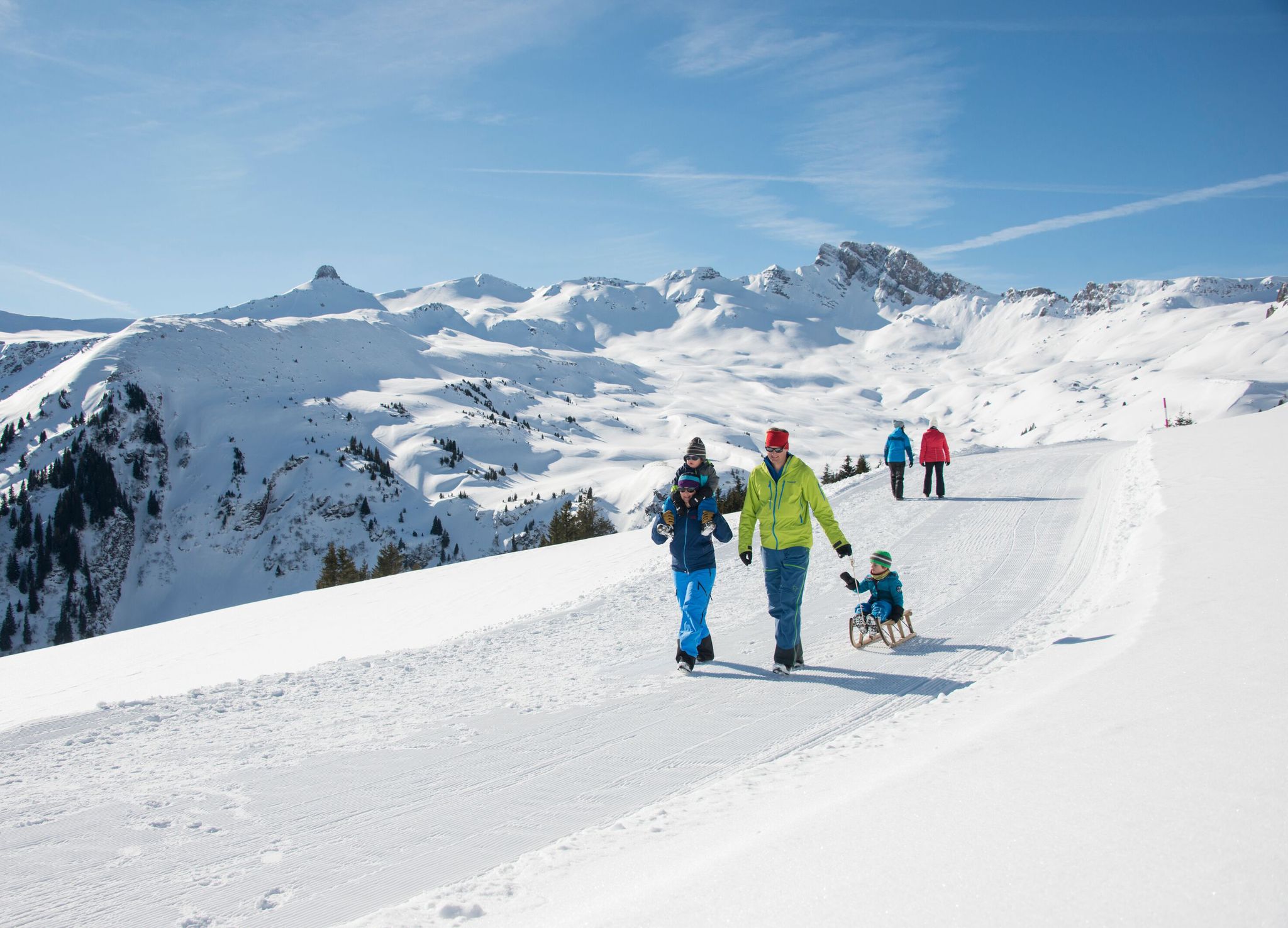
Family-friendly winter hikes in Eastern Switzerland
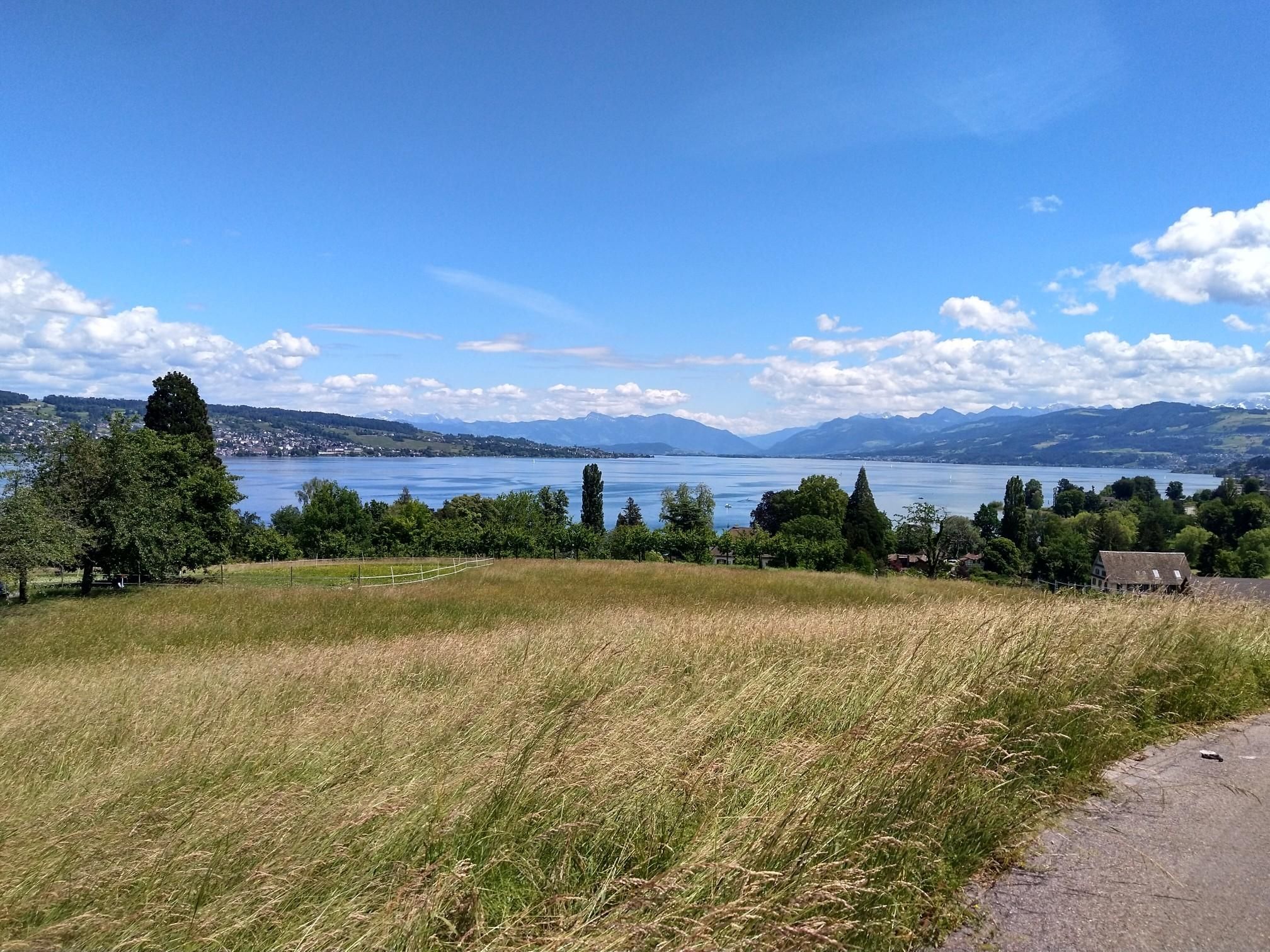
Lake Zurich loop – A land of contrasts
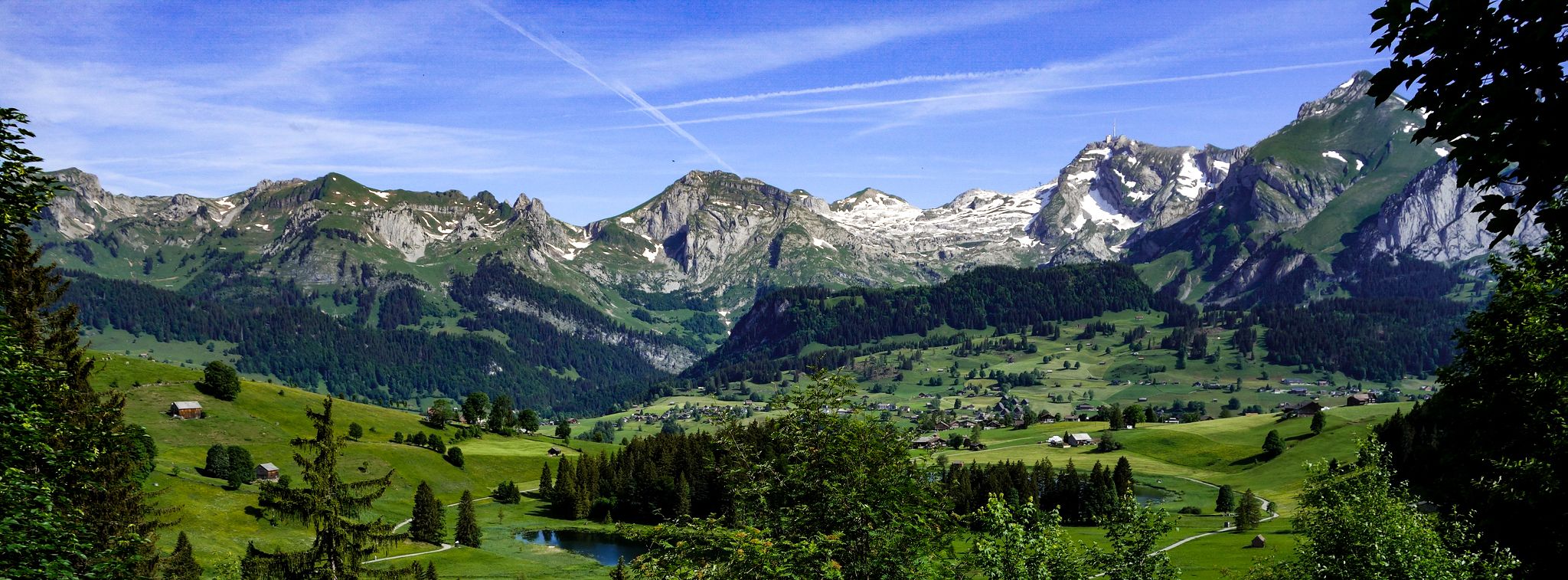
Toggenburger Höhenweg – Demanding hiking near St. Gallen
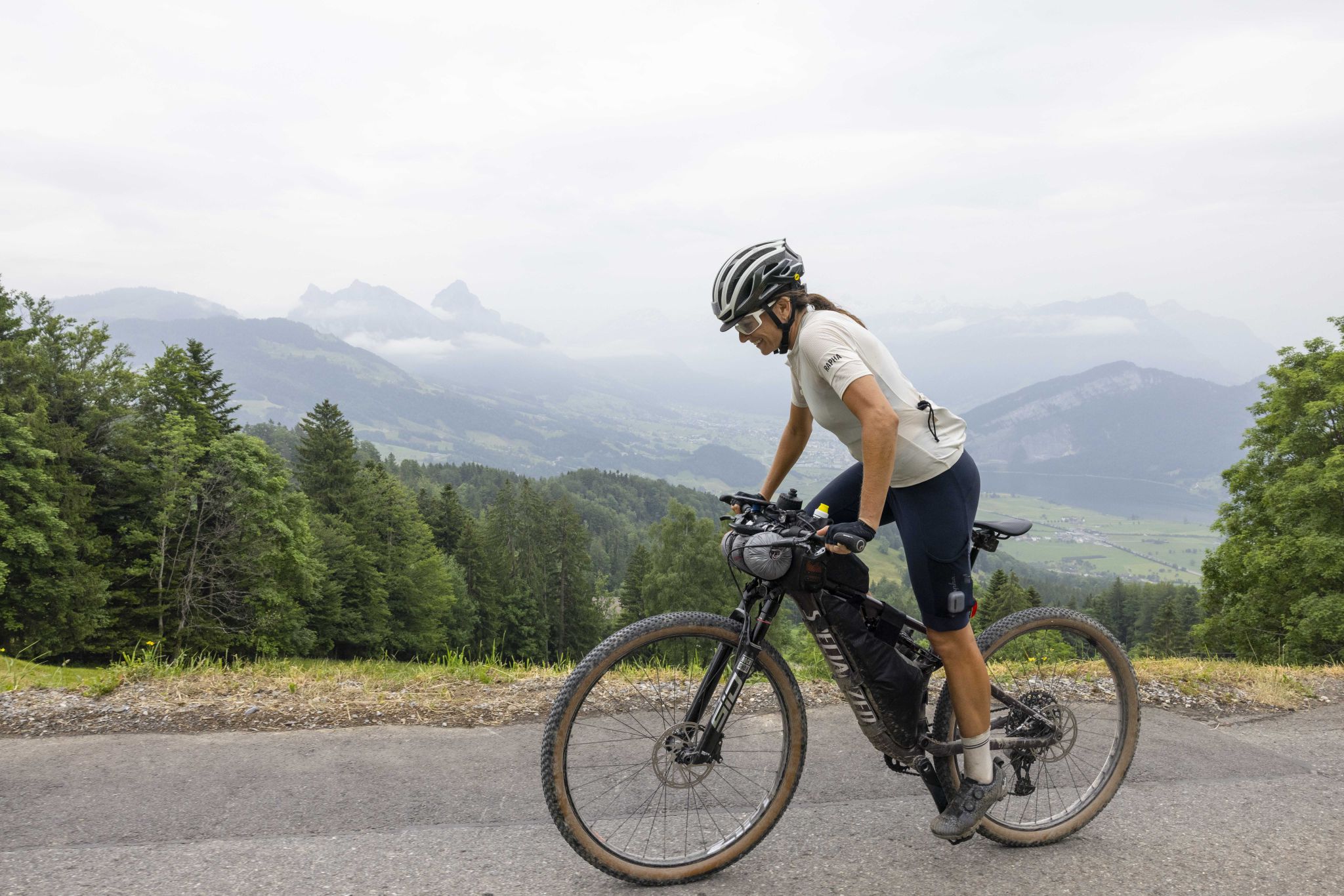
Hope 1000 – Bikepacking Switzerland in 11 stages
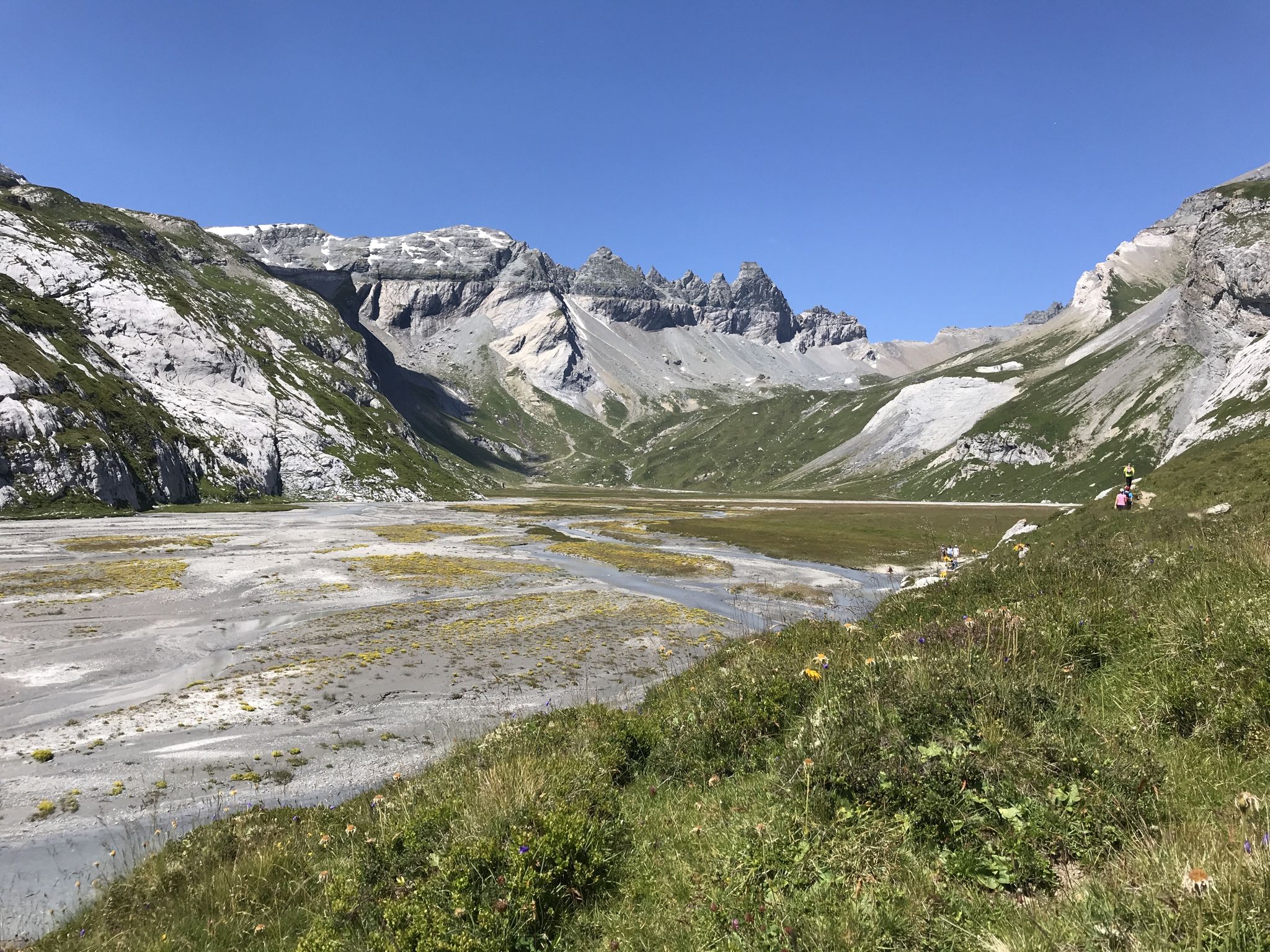
Sardona World Heritage Trail – Where the Alps once formed
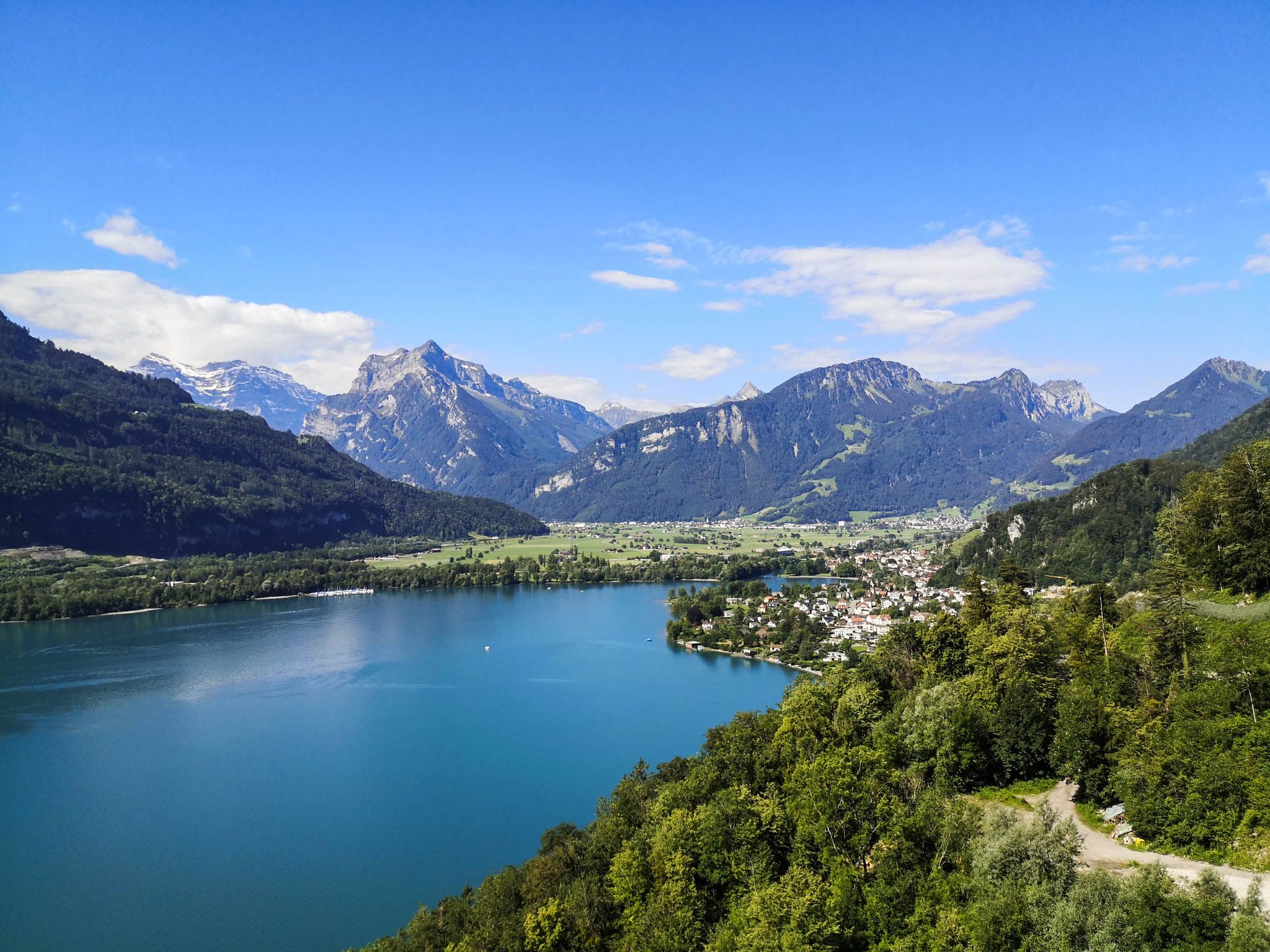
Alpine Panorama Trail in Switzerland – Keep your eyes on the mountains
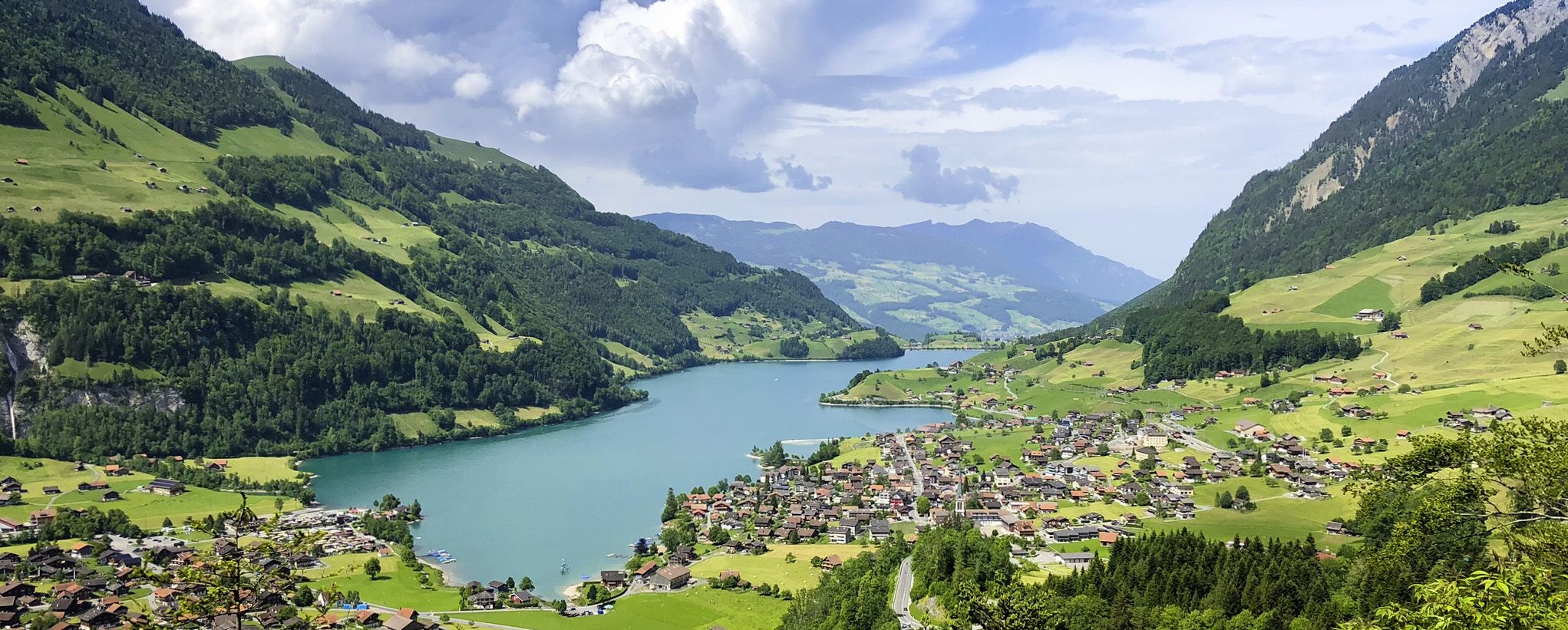
The Lakes Route – Picture-postcard views in the Swiss alpine foothills
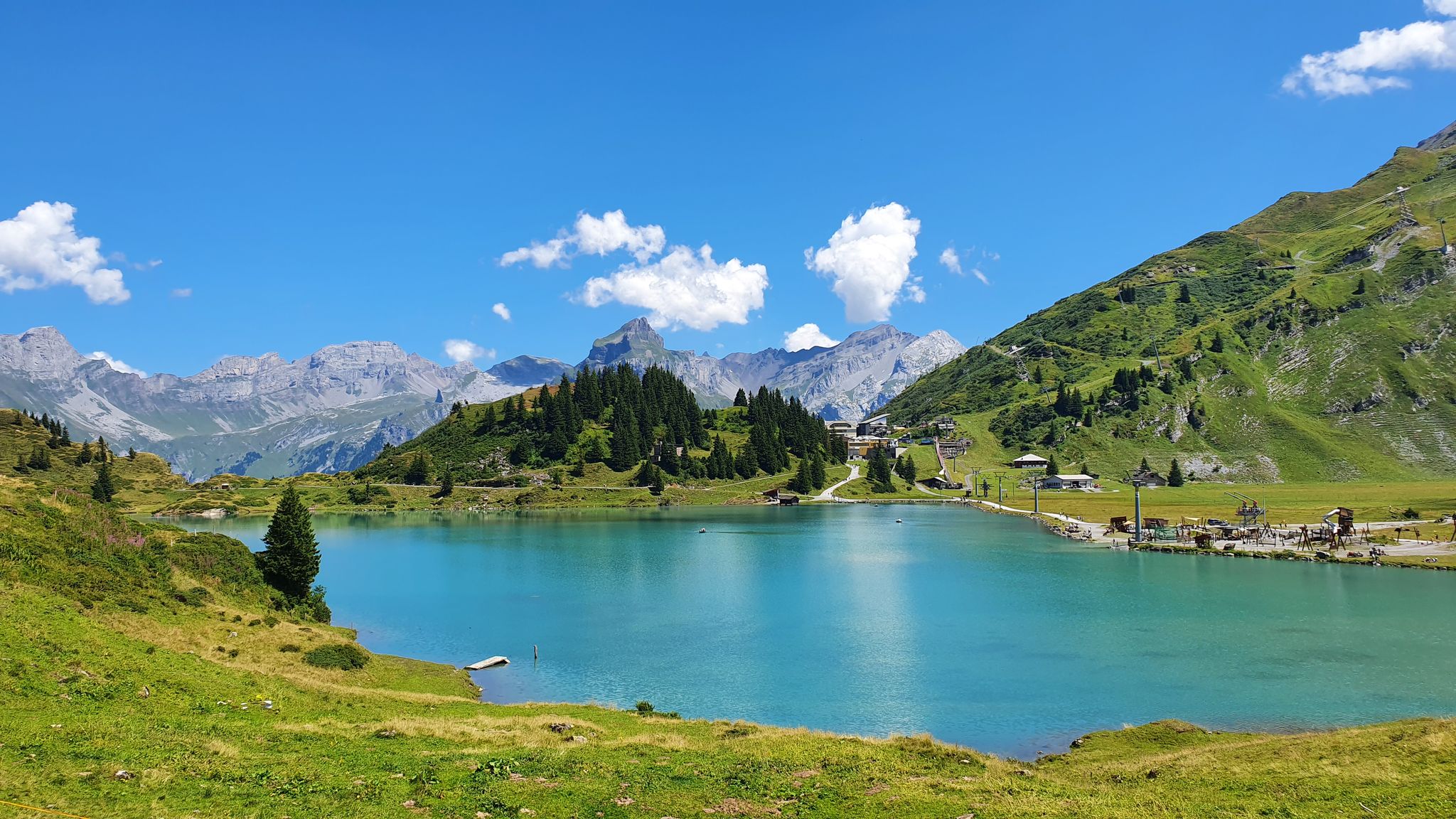
Via Alpina – The 15 stages of the Green Route
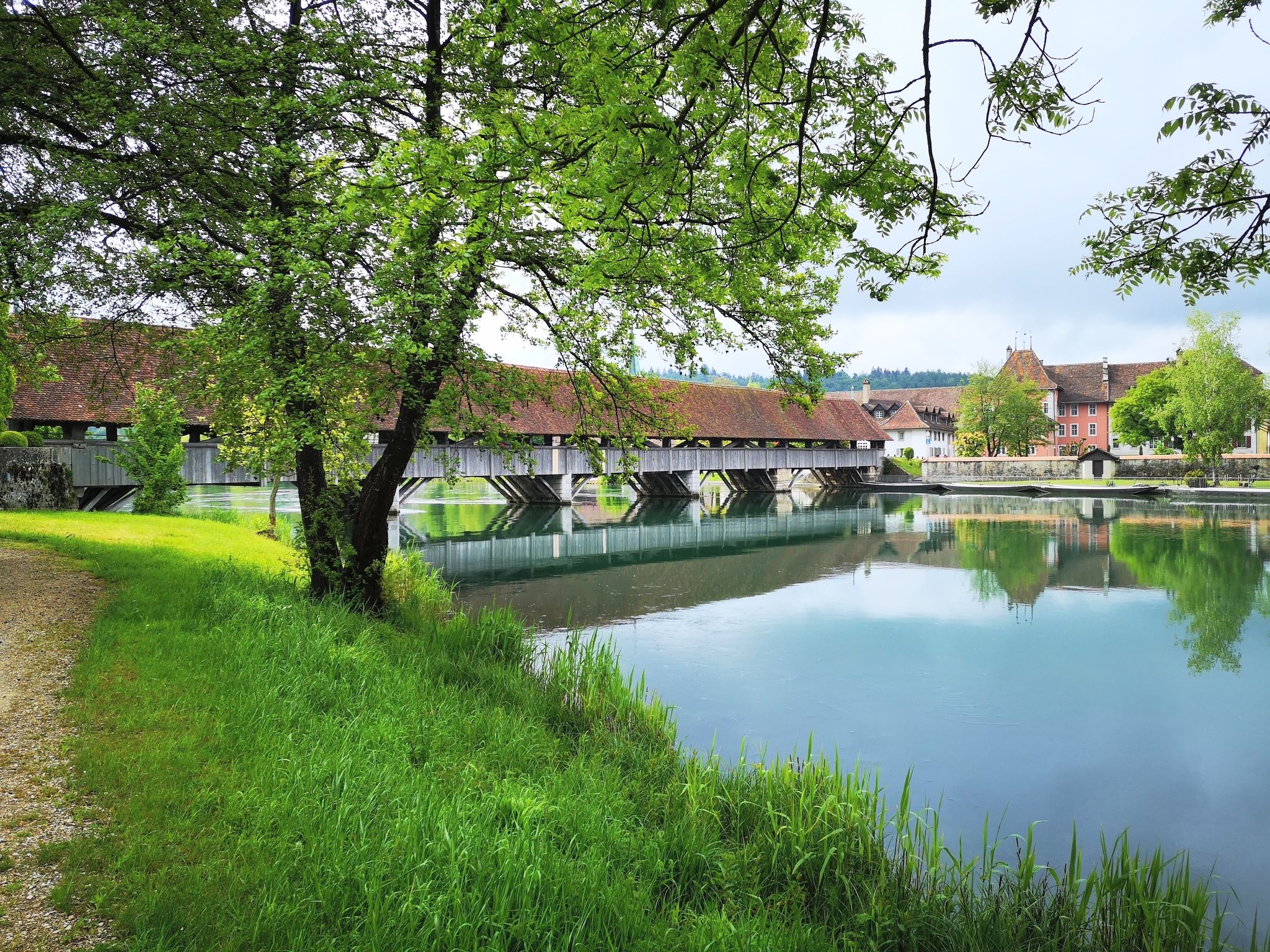
The Mittelland Route – Between Lake Constance and Lake Geneva
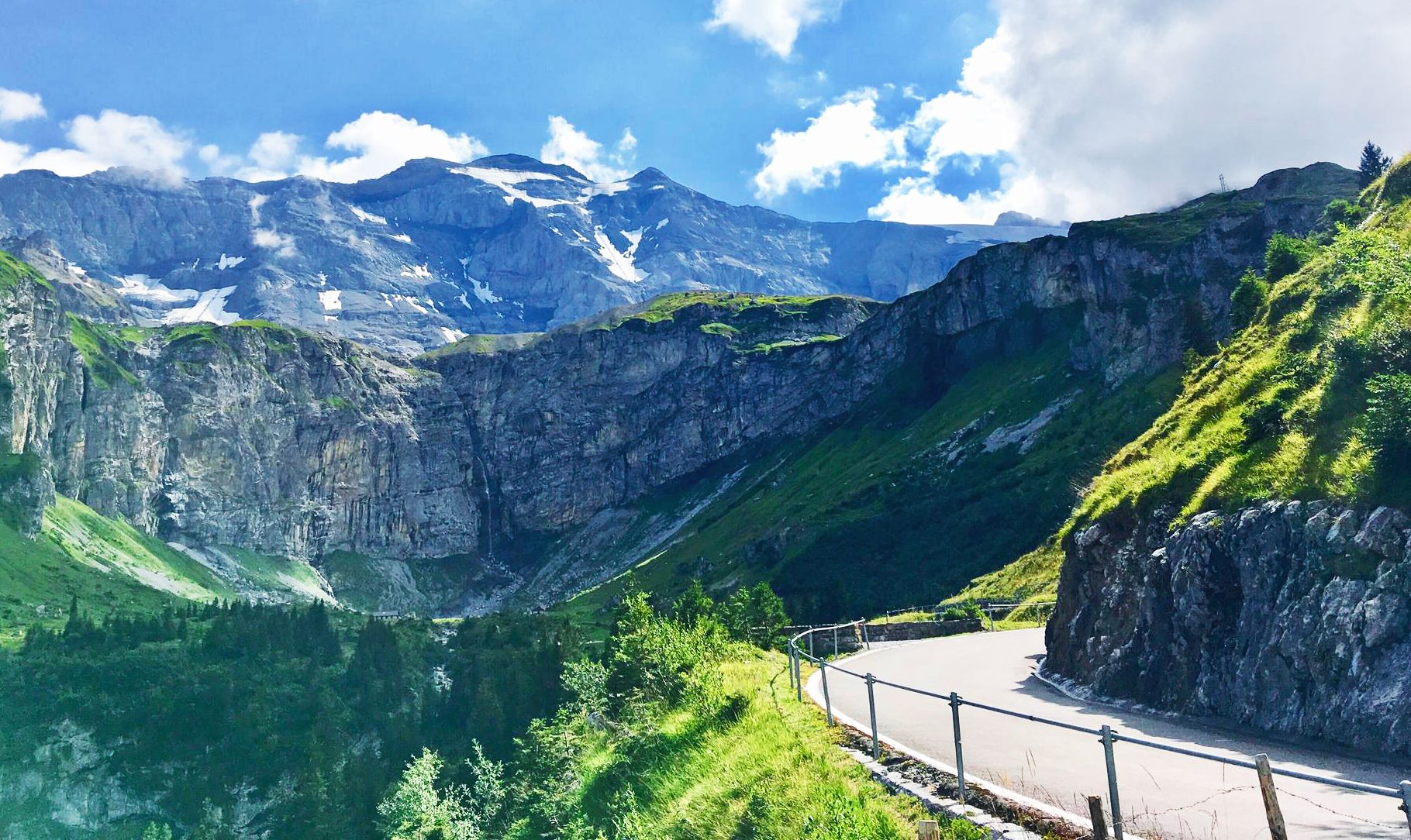
Alpine Panorama Route — 8 stages through the foothills of the Alps
Other adventures in St. Gallen


Tips from the Community

Tamina Gorge near Old Bad Pfäfers - 36.5°C, 8,000 liters per minute. Source of our thermal water The Tamina spring is not only the namesake of our thermal spa, but also the source of our healing spring water. Europe's most abundant thermal spring rises in the Tamina Gorge near Bad Ragaz and was discovered in the early Middle Ages (in 1242). Mysterious Tamina Gorge In the Tamina Gorge between Valens and the hamlet of Bonadivis, the water of the Tamina River carves its way up to 200 meters into the earth. The narrow rock crevice of the Tamina Gorge is approximately 750 meters long and 70 meters deep. Near Old Bad Pfäfers, the gorge widens, and a road now connects Old Bad Pfäfers with the town of Bad Ragaz. Deep within the mystical Tamina Gorge beats its heart: the inexhaustible spring from which healing, body-temperature thermal water has bubbled for centuries. Among others, the physician and alchemist Paracelsus praised the healing properties of the spring water in the 16th century, which is considered an acratotherm due to its low mineral content and temperature of 36.5°C. Text / Source: TAMINA THERME AG, Hans Albrecht-Strasse, Bad Ragaz https://www.taminatherme.ch/thermalwasserwelt/taminaschlucht-thermalwasser
14
0

The Hinterrugg (or Hinderrugg) is the highest peak (2306 m above sea level) of the Churfirsten group in the Appenzell Alps.
9
0
Pure nature, simply great.
7
0
Great waterfalls, by the way, the highest in Switzerland.
7
0
The most beautiful local mountain in the world😎
8
2
For me the most beautiful of the five lakes 😎
7
0

Coming from Mutschen, after the Saxer Lücke, the path goes steeply up to the ridge... the view of the Kreuzberge is very impressive...
4
0

Please do not encourage others to camp there too. It is forbidden and nature suffers as a result. There is rubbish from campers everywhere and there are plenty of other places where you can camp, just not here! leave your tent at home or in the car. Thanks =) ------------------------------------------------------------------------------------------ please don't encourage others to camp there too. It is forbidden and nature suffers as a result. There is rubbish from campers everywhere and there are plenty of other places where you can camp, just not here! leave your tent at home or in the car. Thanks!
47
10
Frequently Asked Questions
What are some of the most popular natural monuments in St. Gallen?
Among the most popular natural monuments in St. Gallen, visitors frequently highlight the majestic Säntis Summit (2,502 m) for its panoramic views across six countries. The dramatic Tamina Gorge, with its healing thermal spring, is also a must-see. Additionally, the impressive Seerenbach Falls, descending 585 meters in three cascades, draws many visitors.
Are there any family-friendly natural monuments in St. Gallen?
Yes, several natural monuments in St. Gallen are suitable for families. The Thur Waterfalls offer an easily accessible natural spectacle with a flat path and a barbecue area nearby, perfect for a relaxing stroll. The Thurauen, a protected wetland nature reserve, also provides an experience trail and interactive exhibition, making it ideal for families interested in nature and conservation.
What kind of geological features can I explore in St. Gallen's natural monuments?
St. Gallen is rich in unique geological formations. The Tectonic Arena Sardona, a UNESCO World Heritage site, showcases an exceptional example of mountain building where ancient rocks were pushed over much younger ones. The Saxer Lücke also presents a very exciting geological formation, with information boards explaining its origins. The deep, narrow rock crevice of the Tamina Gorge is another prime example of the region's geological history.
What outdoor activities can I do near the natural monuments in St. Gallen?
The region around St. Gallen's natural monuments offers a wide range of outdoor activities, particularly hiking. You can find challenging routes like the '5-lake hike on the Pizol' or the '7-summit tour Flumserberg' for experienced hikers. For easier options, consider the 'Pizol panoramic high-altitude trail' or the 'Thal viticultural trail'. Explore more hiking options in the Hiking in St. Gallen guide or the Easy hikes in St. Gallen guide.
Are there any natural monuments with historical or cultural significance?
Yes, the Drachenloch (Dragon's Hole) above Vättis is a significant prehistoric site, considered Europe's highest prehistoric finding site. Excavations have revealed bones of cave bears and traces of human life over 50,000 years ago, suggesting early human rituals. While access to the cave itself is challenging, the Kulturmuseum St. Gallen features exhibitions about Drachenloch, allowing visitors to learn about its rich past.
Which natural monuments offer stunning viewpoints?
Many natural monuments in St. Gallen provide breathtaking views. The Säntis Summit (2,502 m) is renowned for its panoramic vistas across six countries. The Saxer Lücke and Hinterrugg also offer excellent viewpoints. Additionally, the Seerenbach Falls have a dedicated viewpoint, and the path leading up offers wonderful views over Lake Walen.
What is the best time of year to visit the natural monuments in St. Gallen?
The best time to visit largely depends on the specific monument and desired activity. For high alpine areas like Säntis Summit or mountain lakes like Seealpsee and Sämtisersee, summer and early autumn (June to October) offer the most favorable weather for hiking and enjoying the scenery, though snow can be present at higher elevations even in June. Lower-lying areas like the Tamina Gorge or Thur Waterfalls can be enjoyed from spring through autumn.
Are there any natural monuments that are particularly good for wildlife observation?
The Thurauen, Central Switzerland's largest protected wetland nature reserve, is an excellent spot for wildlife observation. This revitalized area is home to a rich biodiversity, including numerous, sometimes endangered, animal and plant species like kingfishers, beavers, and tree frogs. The Tectonic Arena Sardona also boasts diverse flora and fauna, including the oldest resettled ibex colony in Switzerland and reintroduced bearded vultures.
Can I access the natural monuments using public transport?
Many natural monuments in St. Gallen are accessible via public transport. For instance, the Säntis Summit can be reached by cable car from Schwägalp, which is accessible by bus. The Thur Waterfalls are a short walk from the Unterwasser post bus stop. For specific monuments, it's advisable to check local public transport schedules for the most convenient routes.
What are some of the picturesque alpine lakes in the St. Gallen region?
The St. Gallen region is home to several stunning alpine lakes. Seealpsee, nestled in the Alpstein range, is famous for its crystal-clear turquoise waters reflecting the surrounding mountains. Sämtisersee, also in the Alpstein range, is another beautiful mountain lake known for its fluctuating water levels and dramatic mountain backdrop. The Schottensee is also highly praised by visitors for its vibrant colors and surreal beauty, especially during the 5-lake hike.
Are there any natural monuments suitable for challenging mountain hikes?
Absolutely. The St. Gallen region, with its alpine terrain, offers numerous challenging mountain hikes. The Säntis Summit (2,502 m) itself is a starting point for demanding mountain tours, including routes over the Lisengrat. The Margelchopf Summit also presents a challenging ascent. For more options, consult the Mountain Hikes in St. Gallen guide, which features difficult routes like the 'Wildsee – Schotten Lake loop from Pizolhütte'.
What do visitors particularly enjoy about the natural monuments in St. Gallen?
Visitors consistently praise the breathtaking panoramic views, especially from high points like the Säntis Summit. The unique geological formations, such as those at Saxer Lücke, are also a highlight. Many appreciate the serene atmosphere of alpine lakes like Seealpsee and the vibrant colors of the Schottensee. The wild and romantic gorges, like the Tamina Gorge, are also highly regarded for their natural beauty and historical significance.
Most popular routes in St. Gallen
Most popular attractions in St. Gallen

Get inspired with the komoot mobile app


Didn’t find what you were looking for?
Find even more amazing natural monuments in St. Gallen by checking out the top Highlights region by region:
Explore more
Extend your search for the best caves by checking out these guides of the top ones in St. Gallen:
