Top 20 Natural Monuments in Schwandorf
Natural monuments in Schwandorf, located in the Upper Palatinate region of Bavaria, Germany, feature diverse natural landscapes. The area is characterized by a network of ponds, extensive sandy forests, and unique rock formations. These sites hold ecological significance and offer varied terrain for exploration. The region encompasses nature reserves, geological formations, and scenic viewpoints.
Best natural monuments in Schwandorf
- The most popular natural monuments is Böhmerwald Observation Tower, a viewpoint that offers panoramic views. Standing 30 meters high on…
Last updated: October 10, 2026
Weichselbrunner Weiher Nature Reserve
Highlight • Lake
Translated by Google •
Tip by

Böhmerwald Observation Tower
Highlight • Viewpoint
Translated by Google •
Tip by

Sign up now to discover places like this
Get recommendations on the best single tracks, peaks, & plenty of other exciting outdoor places.
Wildstein Castle Ruins
Highlight • Castle
Translated by Google •
Tip by

Pfreimdtal Riverside Trail
Highlight (Segment) • Trail
Translated by Google •
Tip by

Hochfels
Highlight • Natural Monument
Translated by Google •
Tip by

Schwandorf Lake District
Highlight • Lake
Translated by Google •
Tip by
Premberg Landscape Cinema and Summit Cross
Highlight • Viewpoint
Translated by Google •
Tip by

Trausnitz Reservoir
Highlight • Lake
Translated by Google •
Tip by

Frauenstein Castle Ruins
Highlight • Castle
Translated by Google •
Tip by

Druids' Stone
Highlight • Natural Monument
Translated by Google •
Tip by

Sign up for free to discover even more natural monuments in Schwandorf.
Already have an account?
Start today with a free account
Your next adventure awaits.
Popular around Schwandorf
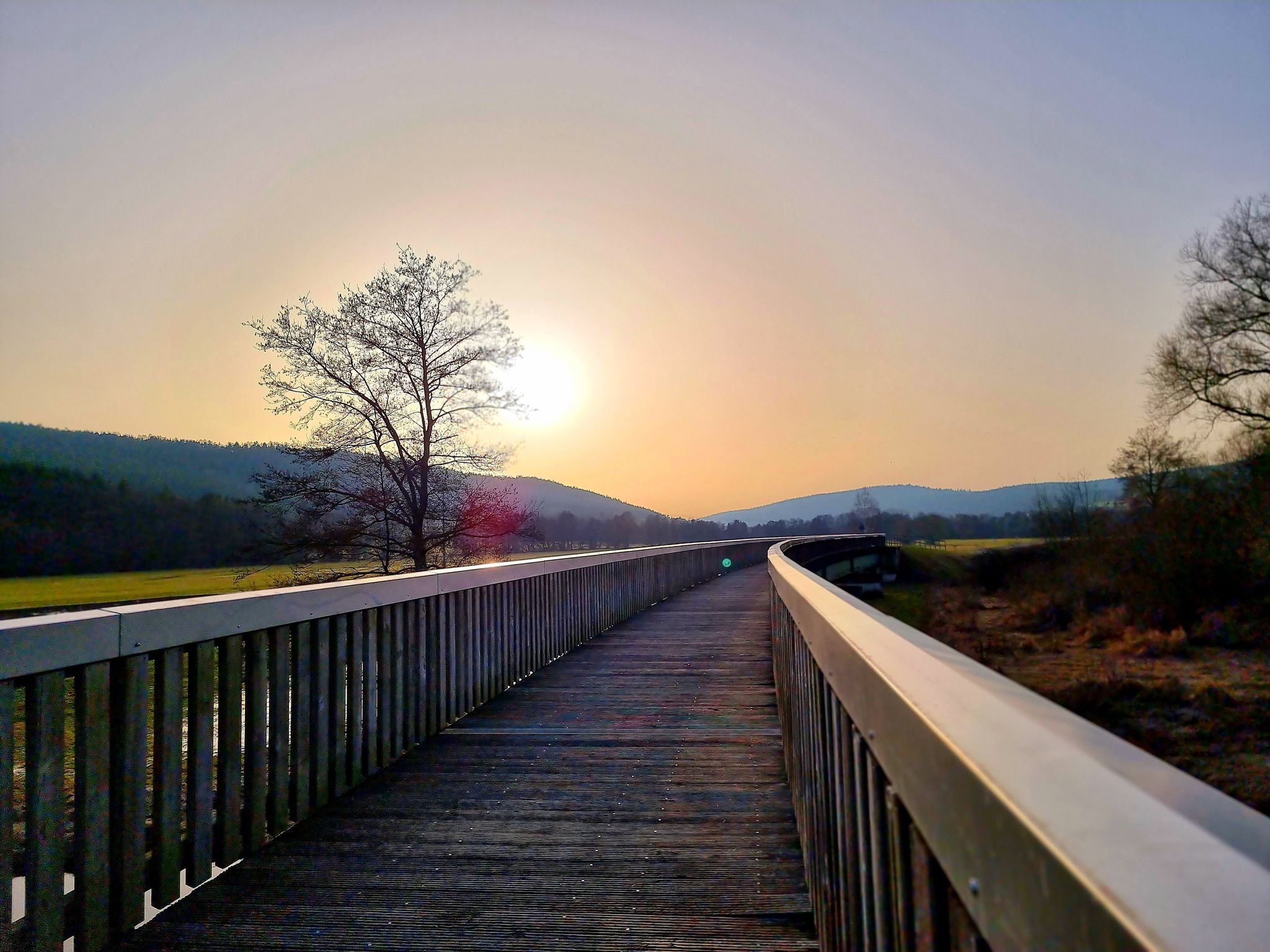
Bavaria-Bohemia long-distance cycling trail – Crossing borders
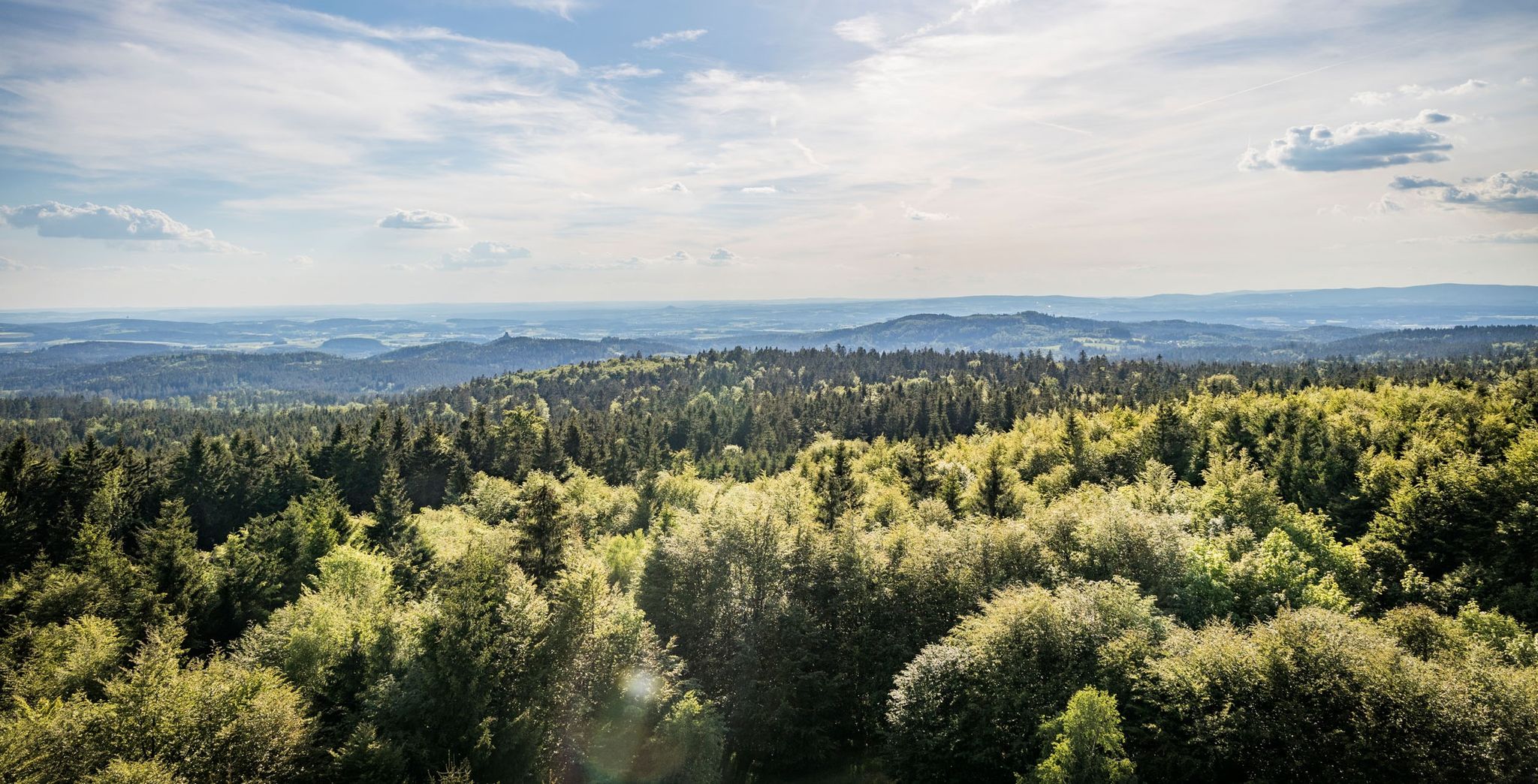
Nurtschweg – Hiking along the German-Czech border
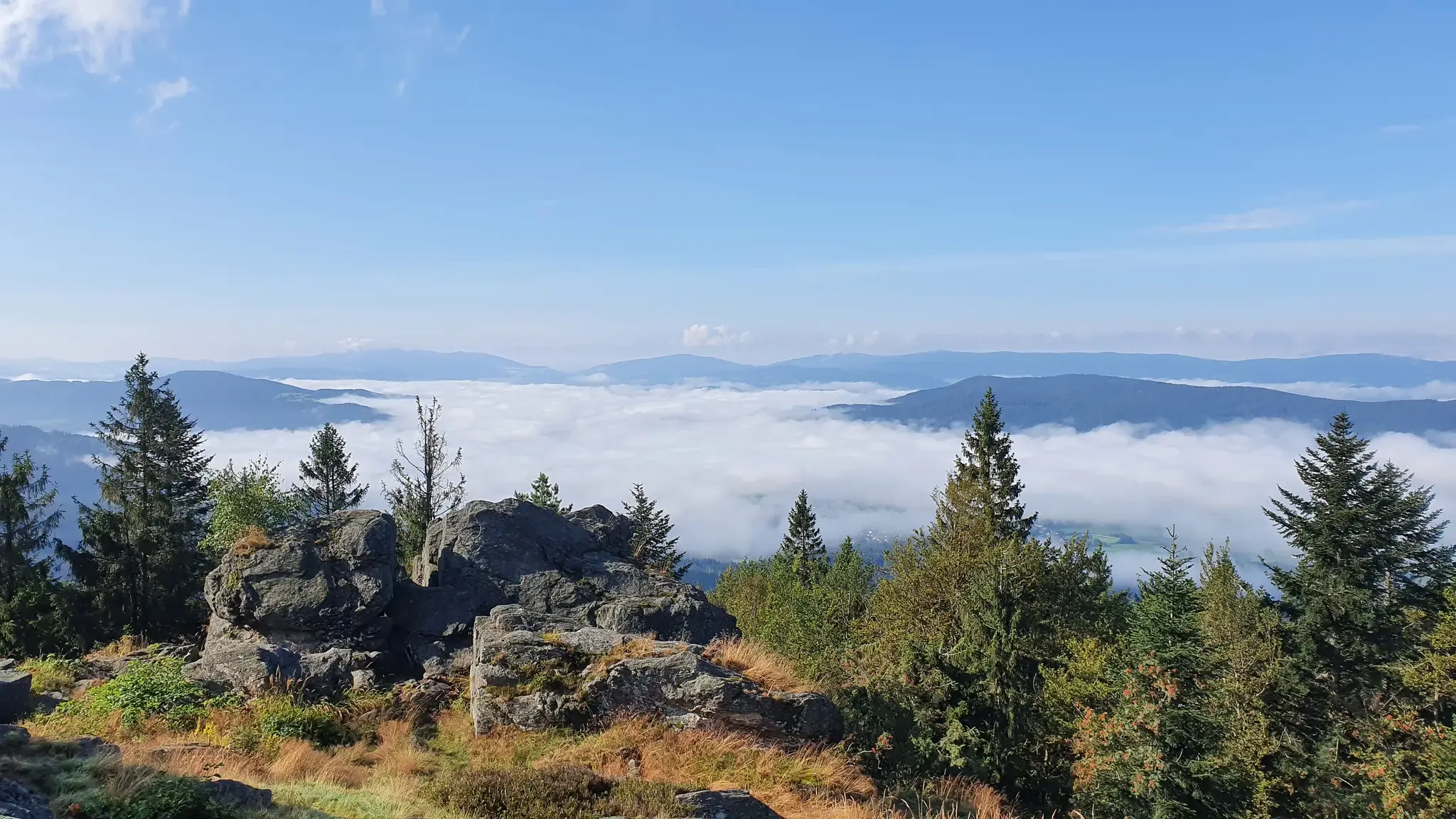
The Goldsteig – 38 stages between Upper Palatinate and Passau
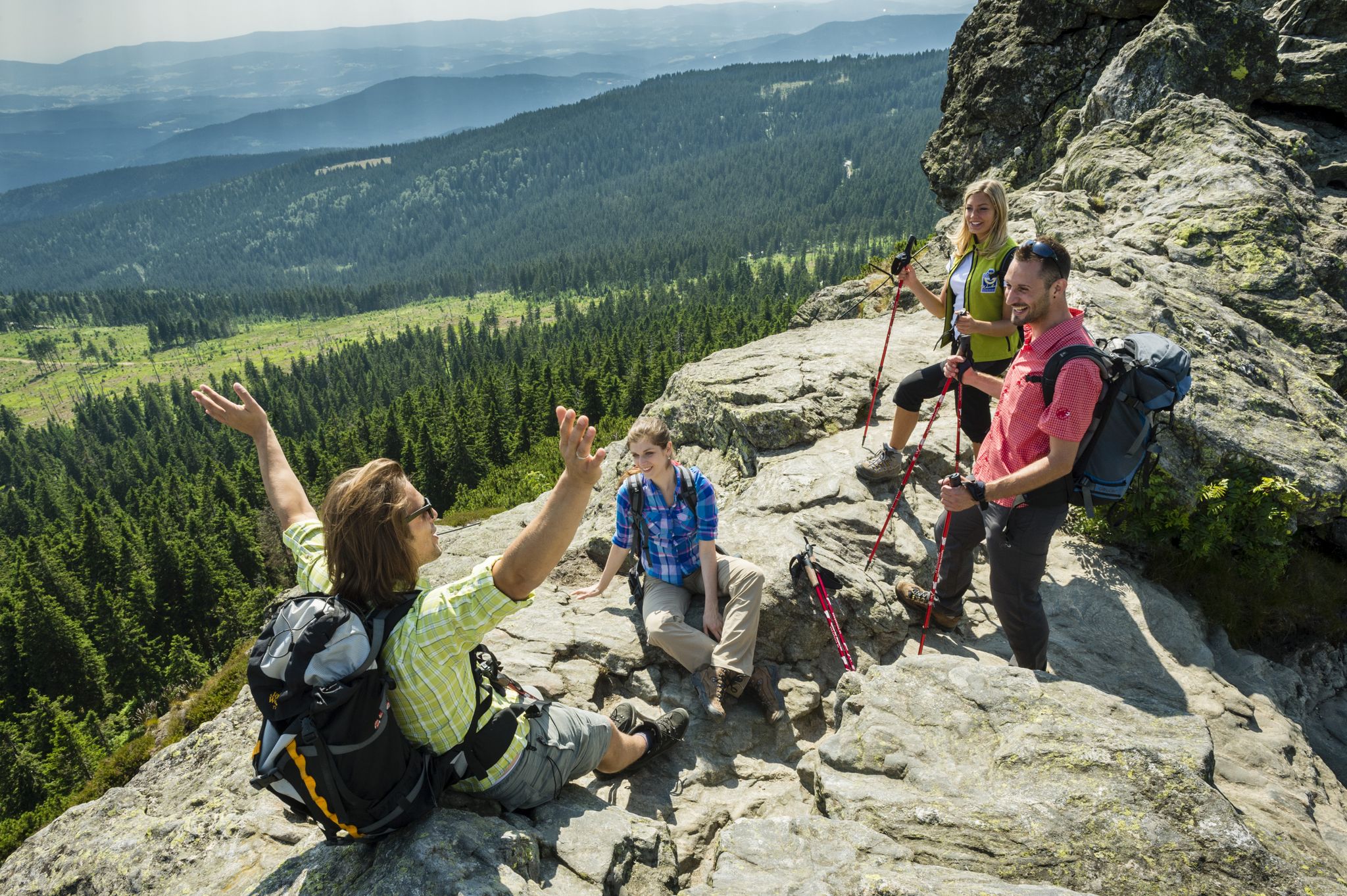
Goldsteig — The best routes for long distance hiking in Eastern Bavaria
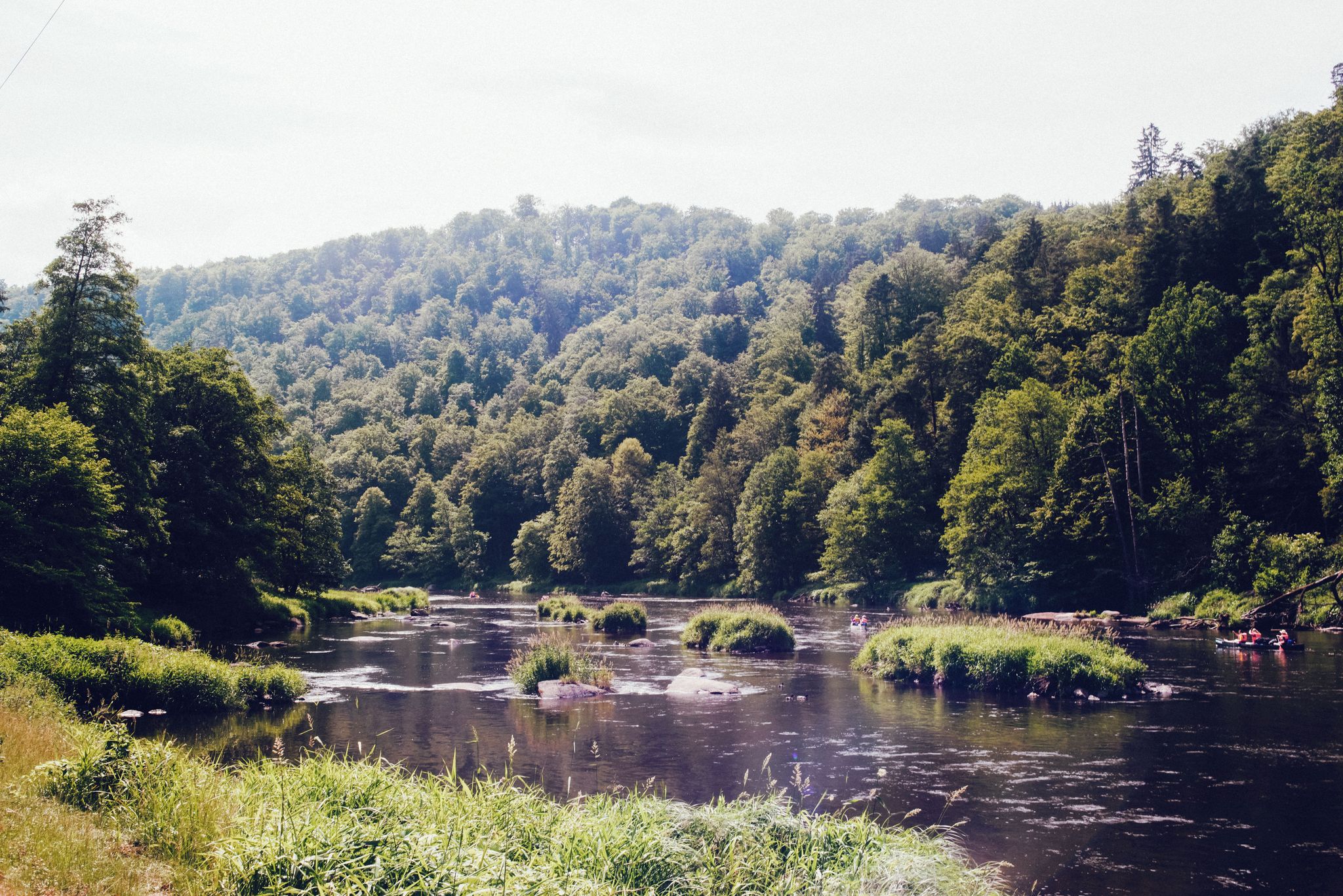
The Rain valley cycle path — 4 days through the Bavarian Forest
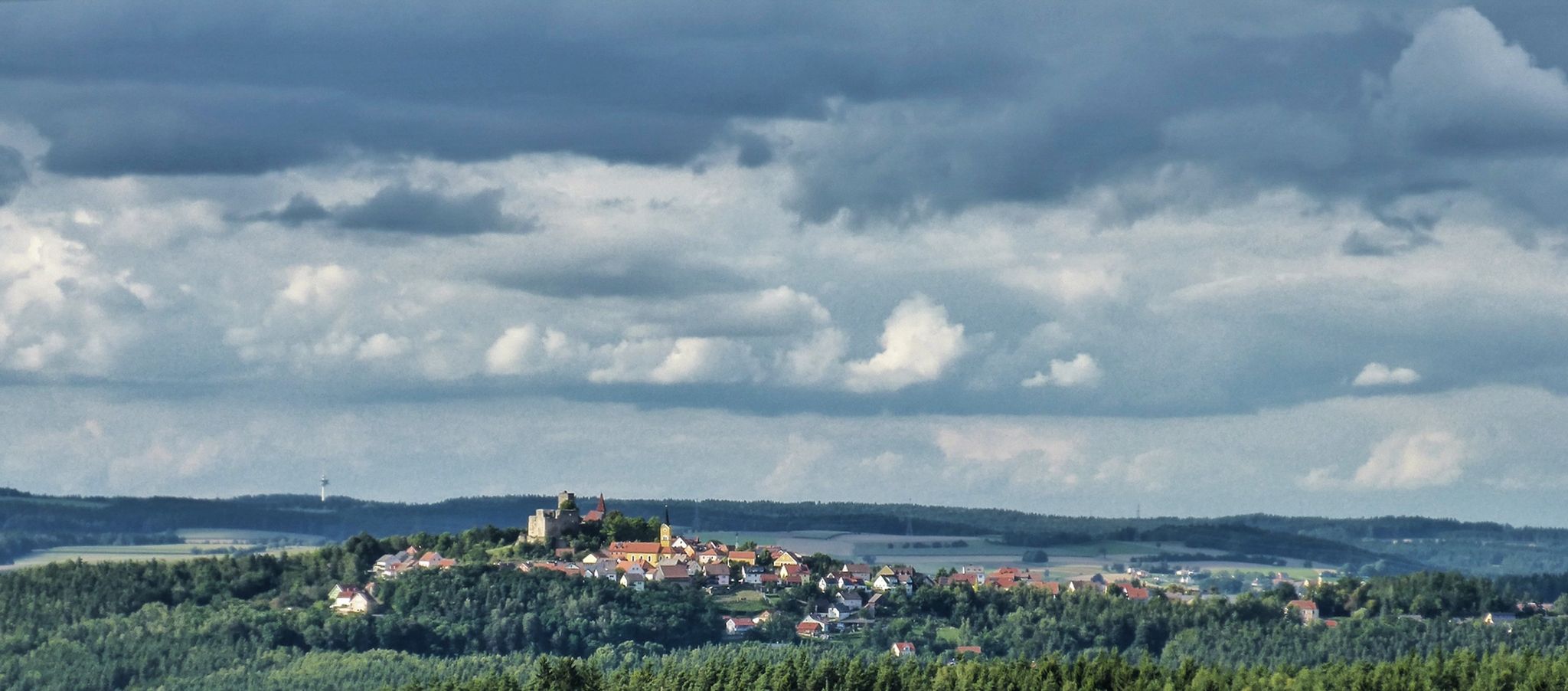
The Upper Palatinate Castle Trail — 9 days in picturesque northern Bavaria
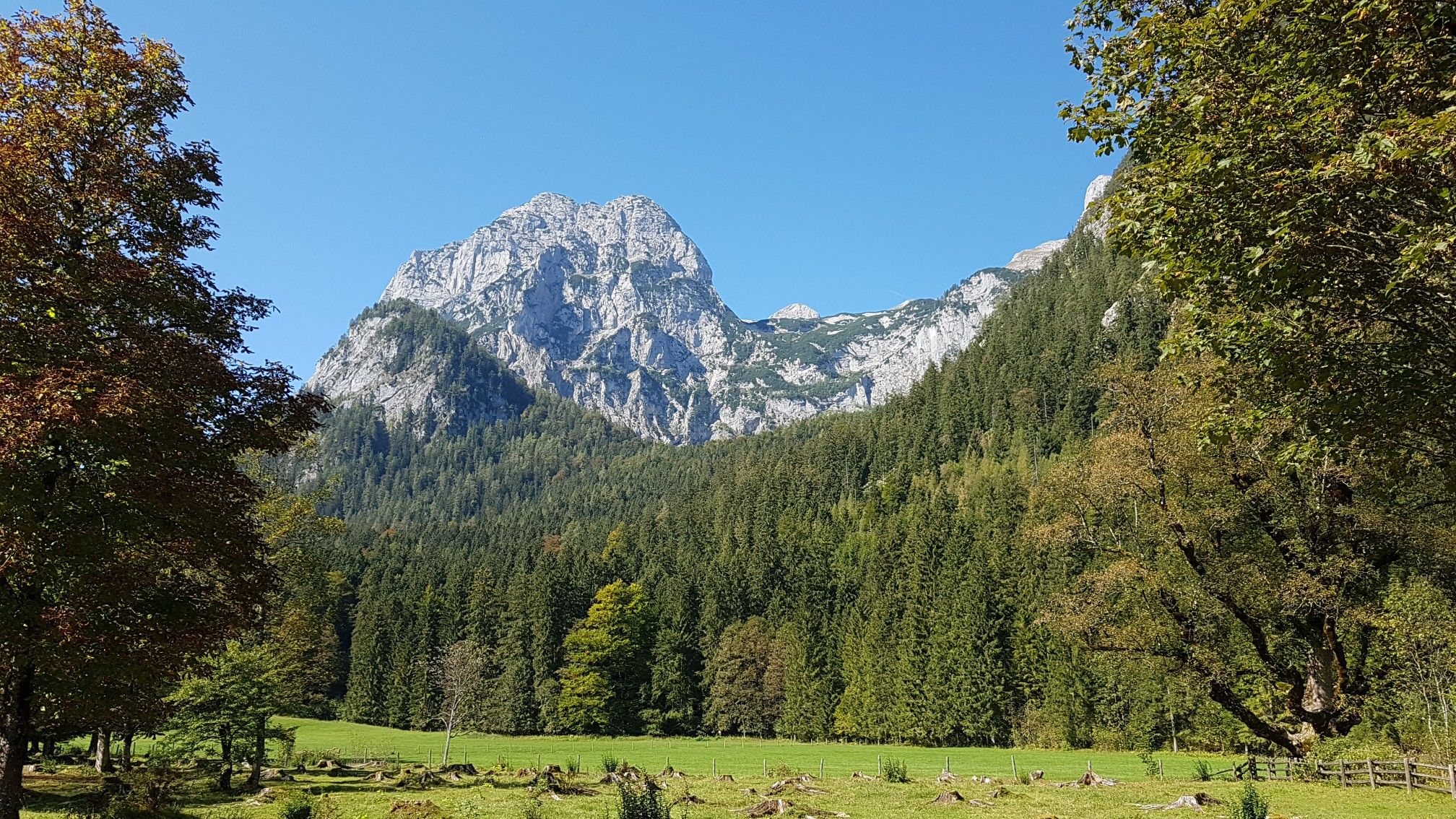
The National Natural Landscapes in Bavaria
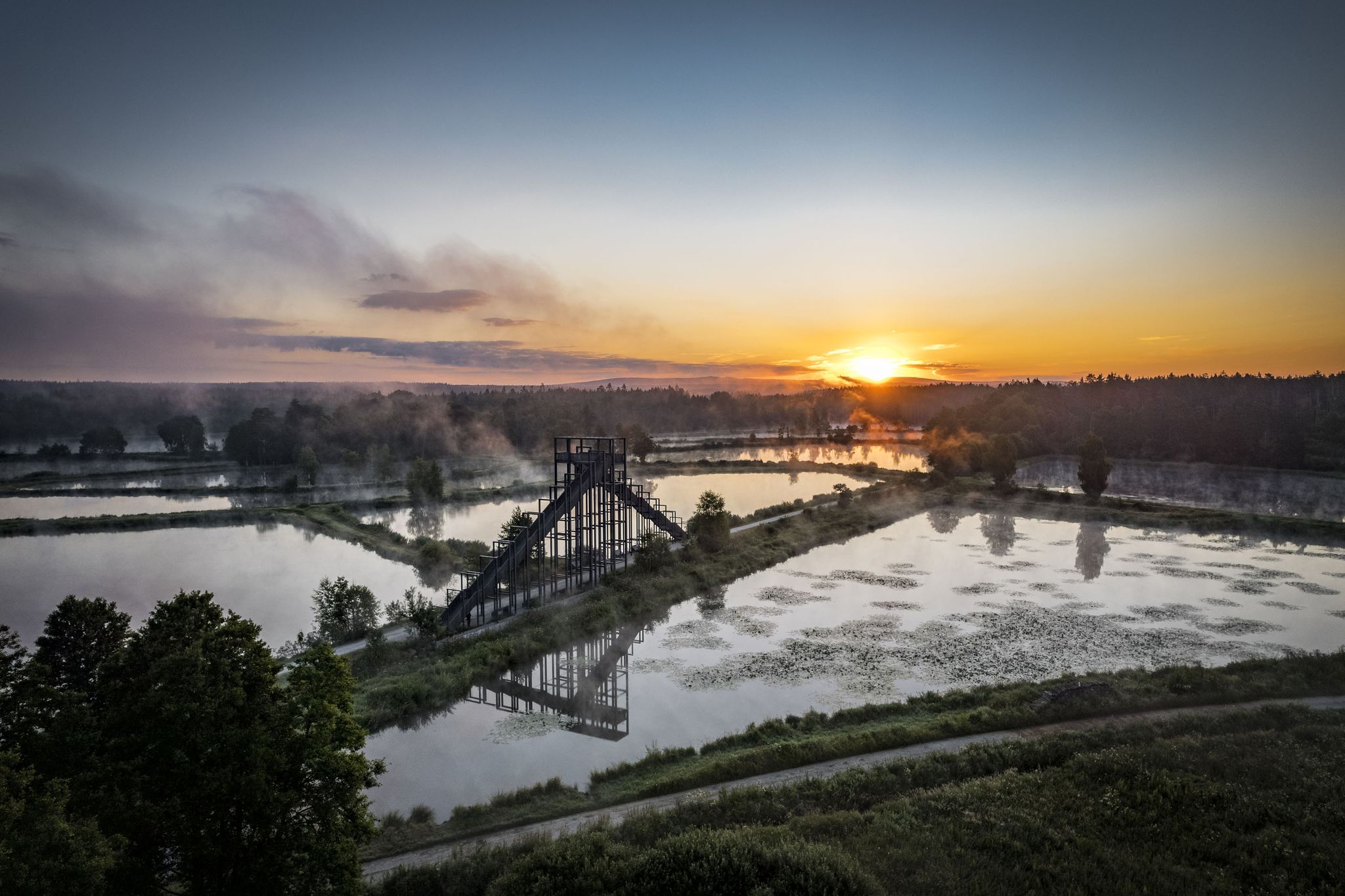
How refreshing! Trails by the water in the Upper Palatinate Forest
On the 'Kultouren' through the Upper Palatine Forest
Cycling on the Bavarian-Bohemian Friendship Trail
Other adventures in Schwandorf


Tips from the Community

A wonderful view of the Upper Palatinate, Bohemian, and Bavarian Forests can be enjoyed from the glass-enclosed viewing platform. Visitors are at an altitude of 898 meters, the highest point in the Schwandorf district. The tower is 30 meters high.
21
0

this is amazing, simply amazing 🔝🔝🔝🔝
2
0

Frauenstein Castle Ruins The village of Weiding belonged to the Frauenstein lordship in hereditary servitude, about whose beginnings nothing is known. In the second half of the 13th century, Duke Heinrich of Lower Bavaria bought Frauenstein from Fredrich the Siegenhofer. This source states that the area around the village of Weiding, which had a brick church, was largely deserted. In the 14th century, the Frauenstein lordship and thus Weiding became a fief of the King of Bohemia. The Satzenhofers, Zengers, Fuchs and the Lords of Murach followed as further owners. In 1512, Hans von Selbitz (knight, friend of Götz von Berlichingen) appears as the owner of Frauenstein Castle. On January 29, 1580, Emperor Rudolf II enfeoffed Andreas Georg von Murach auf Kürnberg und Winklarn and his wife Anna, daughter of the late Hans Fuchs zum Schneeberg, with the two desolate castles Frauenstein and Reichenstein, today preserved as the Reichenstein castle ruins, the small town of Schönsee and the villages of Weiding and others. On November 26, 1605, Hans Friedrich Fuchs received an imperial letter of fief. His hereditary possessions included the castles Frauenstein and Reichenstein, the town of Schönsee, Weiding, Pondorf, Gaisthal, Schönau, Stadlern and Schwand with the iron hammer. Today, unfortunately, only a few remains of the walls in a romantic location remain. Only the tip of an entrance arch protrudes from the overgrown piles of rubble. A little higher up, further east, a wall remains that is about to collapse rises from the collapsed material. Large piles of bricks lie everywhere. The whole thing impressively shows the decay of a castle and looks a bit like a sunken fairytale castle. Source: www.wikipedia.de
4
0

Frauenstein, one of the five mysterious vanishing points of the early Middle Ages - next to Hirštejn (Czech Republic, between Závist (Neid) and Nemanice (Wassersuppen)), Reichenstein (between Stadlern and Ebene or Böhmerwaldturm, Drachenturm (Treffelstein) and Thanstein. You have to experience them all with all their secrets in order to get to the bottom of the secrets of the “Schwarzachtaler holiday region 🤣).
3
0

Lake Murn is a wonderful destination for cyclists and hikers. 🚴♂️🚶♀️ With a great view and a well-maintained cycling and hiking path around the lake, it offers ideal conditions for a relaxed tour. Whether you want to jog, go on a bike ride or just enjoy nature - Lake Murn is a good choice. The clear, blue lake and the quiet surroundings invite you to linger and offer a relaxing break from everyday life. Pack your backpack and explore this beautiful place - it's worth it!
2
0

The four largest lakes, Steinberger See, Murner See, Brückelsee and Knappensee, form the heart of the Upper Palatinate Lake District; in total there are over 2,000 ponds and 300 lakes. Lake Steinberger offers countless opportunities for relaxation, sport and leisure, the most outstanding being the adventure wooden ball, the largest of its kind in the world. From its viewing platform at a height of around 40 meters you have a wonderful view of the lake and the surrounding area.
6
1

I really liked the very natural and idyllic little path around the Weichselbrunn pond.
1
0
Beautiful rock formation and a great view, a trip to the Burgstall is worth it.
6
0
Frequently Asked Questions
What unique natural features can I explore in Schwandorf?
Schwandorf boasts a variety of unique natural features. You can discover extensive pond systems like the Weichselbrunner Weiher Nature Reserve, which is predominantly forested and features dry, lichen-rich sand pine forests. The region also has distinctive geological formations such as the Druids' Stone, a weathered granite rock massif with unique 'sack and cushion' weathering forms. Additionally, the Pfreimdtal Riverside Trail offers a chance to experience a river landscape that is part of the Natura 2000 network.
Are there significant nature reserves in the Schwandorf region?
Yes, Schwandorf is home to several important nature reserves. The Charlottenhofer Weihergebiet is one of the largest in the Upper Palatinate, characterized by a network of numerous ponds and significant for its diverse flora and over 100 bird species. Another notable reserve is the Wald- und Heidelandschaft, an extensive sandy forest and heath landscape that provides a refuge for specialized plant and animal life, particularly unique inland sand grasslands.
Can I find historical sites among the natural monuments in Schwandorf?
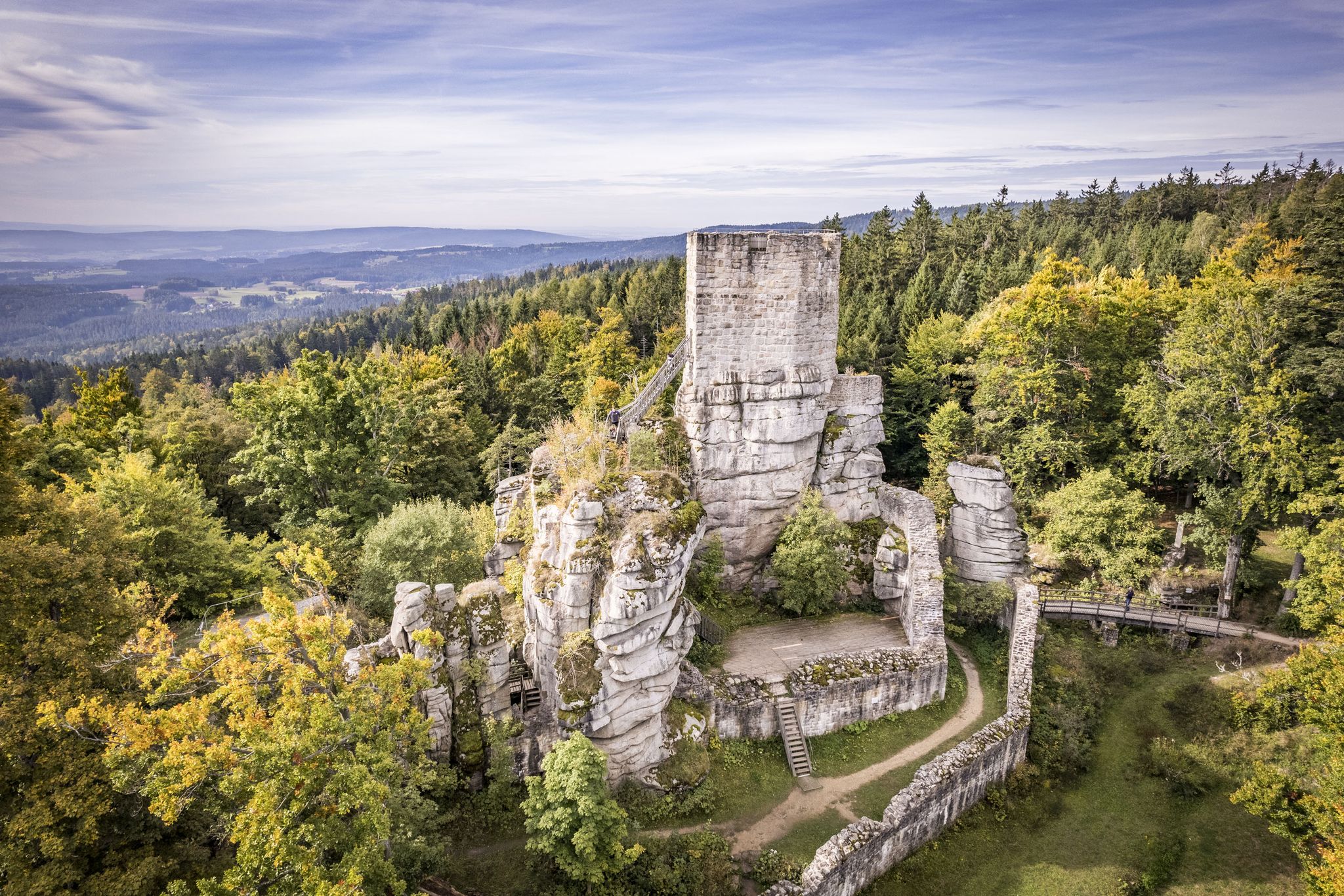
Absolutely. Many natural monuments in Schwandorf are intertwined with historical significance. For instance, the Wildstein Castle Ruins offer a glimpse into the region's past with remnants of a 14th-century castle and a magnificent panoramic view. Similarly, the Frauenstein Castle Ruins provide a historical site amidst natural surroundings, inviting visitors to explore the remains of an old fortification.
Are there family-friendly natural monuments in Schwandorf?
Many natural monuments in Schwandorf are suitable for families. The Weichselbrunner Weiher Nature Reserve offers a serene circular path around the lake, perfect for a leisurely family walk. The Schwandorf Lake District is another great option, providing various activities around its lakes. Even the Druids' Stone, with its intriguing rock formations, can be an exciting discovery for children.
What kind of views can I expect from natural monuments in Schwandorf?
Schwandorf offers spectacular panoramic views from its natural monuments. The Böhmerwald Observation Tower, standing at the highest point in the district, provides unparalleled vistas of the Upper Palatinate Forest, the Bohemian Forest, and the Bavarian Forest. Other viewpoints like Premberg Landscape Cinema and Summit Cross and Hochfels also offer stunning perspectives of the surrounding landscapes.
Are there opportunities for hiking near Schwandorf's natural monuments?
Yes, the Schwandorf region is excellent for hiking. You can find numerous trails that lead through or near natural monuments. For mountain hikes, explore routes like the 'Hetzenbacher Höhe loop' or the 'Reichenbach Monastery on the Regen – Pfaffenstein loop'. You can find more details and routes on the Mountain Hikes in Schwandorf guide.
What about cycling or gravel biking near these natural monuments?
Schwandorf offers diverse cycling and gravel biking opportunities. You can enjoy routes like the 'Schwarzachtal Cycle Path' with views of Lake Murnersee, or explore the 'Lake Steinberger – Lake Murner loop'. For more options, check out the Gravel biking in Schwandorf guide or the Cycling in Schwandorf guide, which includes routes like 'Across the Upper Palatinate Lake District'.
Is the Schwandorf region suitable for dog owners?
Many natural areas and trails in Schwandorf are dog-friendly, making it a great destination for pet owners. While specific rules may vary by reserve, generally, dogs are welcome on trails and in open natural spaces, often requiring them to be on a leash. Always check local signage for any restrictions in specific nature reserves or protected areas.
When is the best time to visit the natural monuments in Schwandorf?
The best time to visit Schwandorf's natural monuments largely depends on your preferred activities. Spring and autumn offer pleasant temperatures for hiking and cycling, with vibrant foliage in autumn and blooming flora in spring. Summer is ideal for enjoying the lakes, such as the Trausnitz Reservoir, and longer daylight hours. Even winter can be beautiful for serene walks, especially in forested areas, though some paths might be less accessible.
What kind of wildlife can I observe in Schwandorf's nature reserves?
The nature reserves in Schwandorf are rich in biodiversity. The Charlottenhofer Weihergebiet, for example, is nationally important as a breeding and resting area for over 100 bird species, including rare ones like ospreys, sea eagles, and the great bittern. It's also a crucial breeding ground for amphibians, reptiles, and over 40 dragonfly species. The Pfreimdtal and Kainzbachtal, part of Natura 2000, provide habitats for various animal and insect species such as beavers, dragonflies, and frogs.
Are there any natural monuments that offer a serene lake experience?
Yes, the Schwandorf region is known for its beautiful lakes and pond systems. The Weichselbrunner Weiher Nature Reserve offers a tranquil circular path around the lake, perfect for enjoying the serene environment. The Trausnitz Reservoir is another excellent spot for a peaceful lakeside experience, often enjoyed by visitors for its calm waters and scenic surroundings.
How accessible are the natural monuments in Schwandorf?
Accessibility varies among the natural monuments. Many trails, especially around lakes and in flatter areas, are generally accessible for walking. However, some sites, particularly those with geological formations like the Druids' Stone or castle ruins, may involve uneven terrain, steeper climbs, or steps. It's advisable to check specific highlight details or local information for the most up-to-date accessibility information for each site.
Most popular routes in Schwandorf
Most popular attractions in Schwandorf

Get inspired with the komoot mobile app


Didn’t find what you were looking for?
Find even more amazing natural monuments in Schwandorf by checking out the top Highlights region by region:
Explore more
Extend your search for the best caves by checking out these guides of the top ones in Schwandorf:
