Top 20 Natural Monuments in Fürstenfeldbruck
Best natural monuments in Fürstenfeldbruck are found within a district in Bavaria, Germany, characterized by its diverse natural landscapes. The region features significant geological formations, such as kettle holes from the glacial past, and ancient trees with historical and ecological value. The Amper River flows through the district, creating a green corridor with floodplain forests and natural reserves. These areas offer opportunities to explore varied terrain, from ancient woodlands to unique wetlands.
Best natural monuments in Fürstenfeldbruck
- The most popular…
Last updated: May 10, 2026
St. Vitus Chapel at Zellhof
Highlight • Religious Site
The small pond in front of it is also very beautiful.👍😉
Zellhof is a part of the municipality of Schöngeising in the Upper Bavarian district of Fürstenfeldbruck.
The …
Translated by Google •
Tip by

Amper River near Geiselbullach
Highlight • River
Translated by Google •
Tip by

Sign up now to discover places like this
Get recommendations on the best single tracks, peaks, & plenty of other exciting outdoor places.
Sign up for free
Haspelmoor
Highlight (Segment) • Natural
Translated by Google •
Tip by

Haspelmoor – Red Bog
Highlight • Natural
Translated by Google •
Tip by
Amper River in Emmeringer Hölzl
Highlight • River
Translated by Google •
Tip by

Grafrath Forestry Experimental Garden (World.Experience.Forest)
Highlight • Forest
the whole "GARDEN" is simply a complete …
Translated by Google •
Tip by

Zellhof Oaks Natural Monument
Highlight • Natural Monument
Translated by Google •
Tip by
St. Sebastian Church and Edigna Linden Tree, Puch
Highlight • Religious Site
Translated by Google •
Tip by
Heck cattle in Fußbergmoos
Highlight • Natural
Translated by Google •
Tip by
Dead Ice Hollow Wolfsgrube
Highlight • Natural Monument
Translated by Google •
Tip by
Sign up for free to discover even more natural monuments in Fürstenfeldbruck.
Sign up for free
Already have an account?
Start today with a free account
Your next adventure awaits.
Login or Signup
Popular around Fürstenfeldbruck
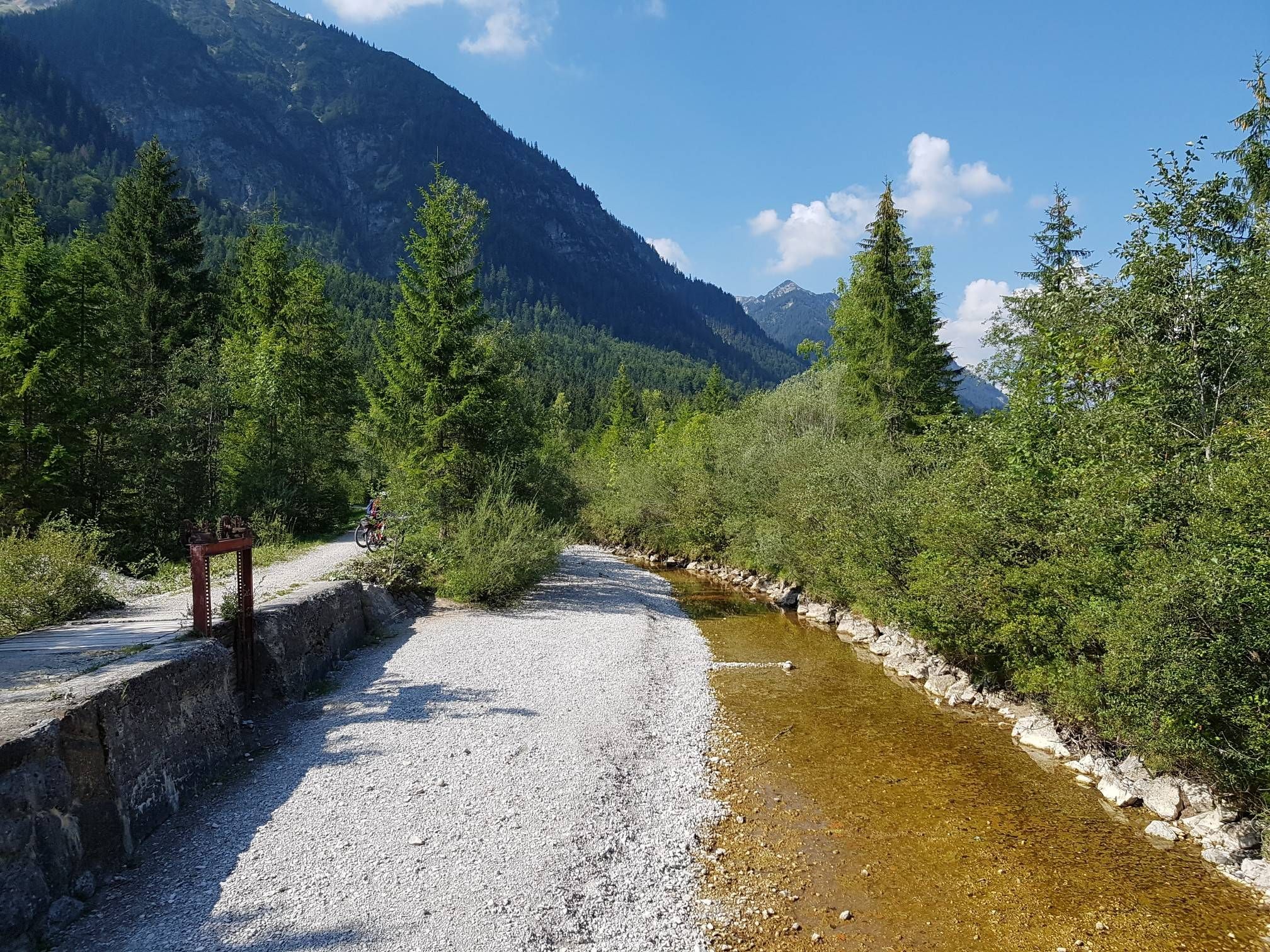
The Ammer-Amper Cycle Path – Experience nature in the foothills of the Alps
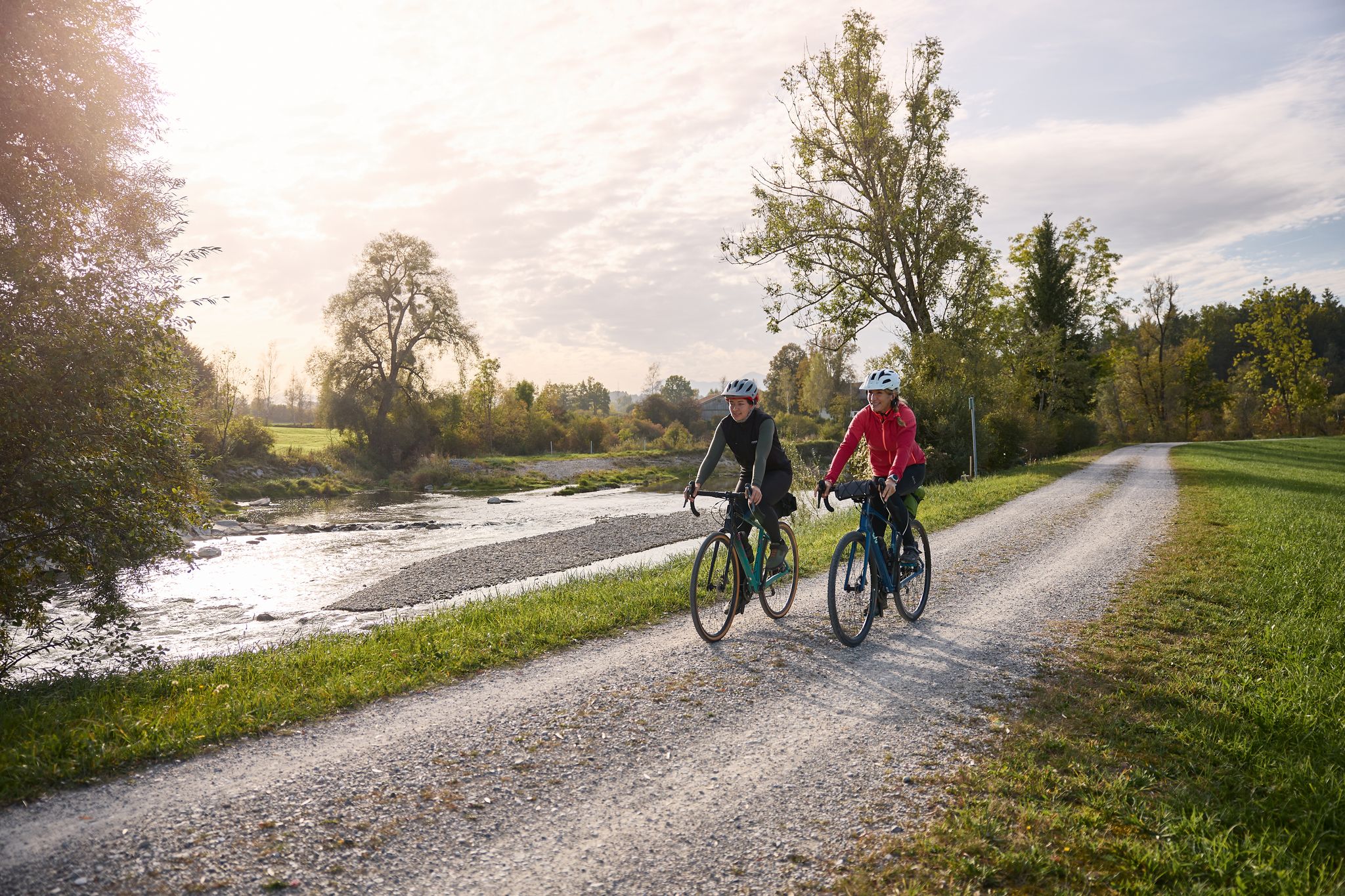
Along the water – Ammer-Amper cycle path
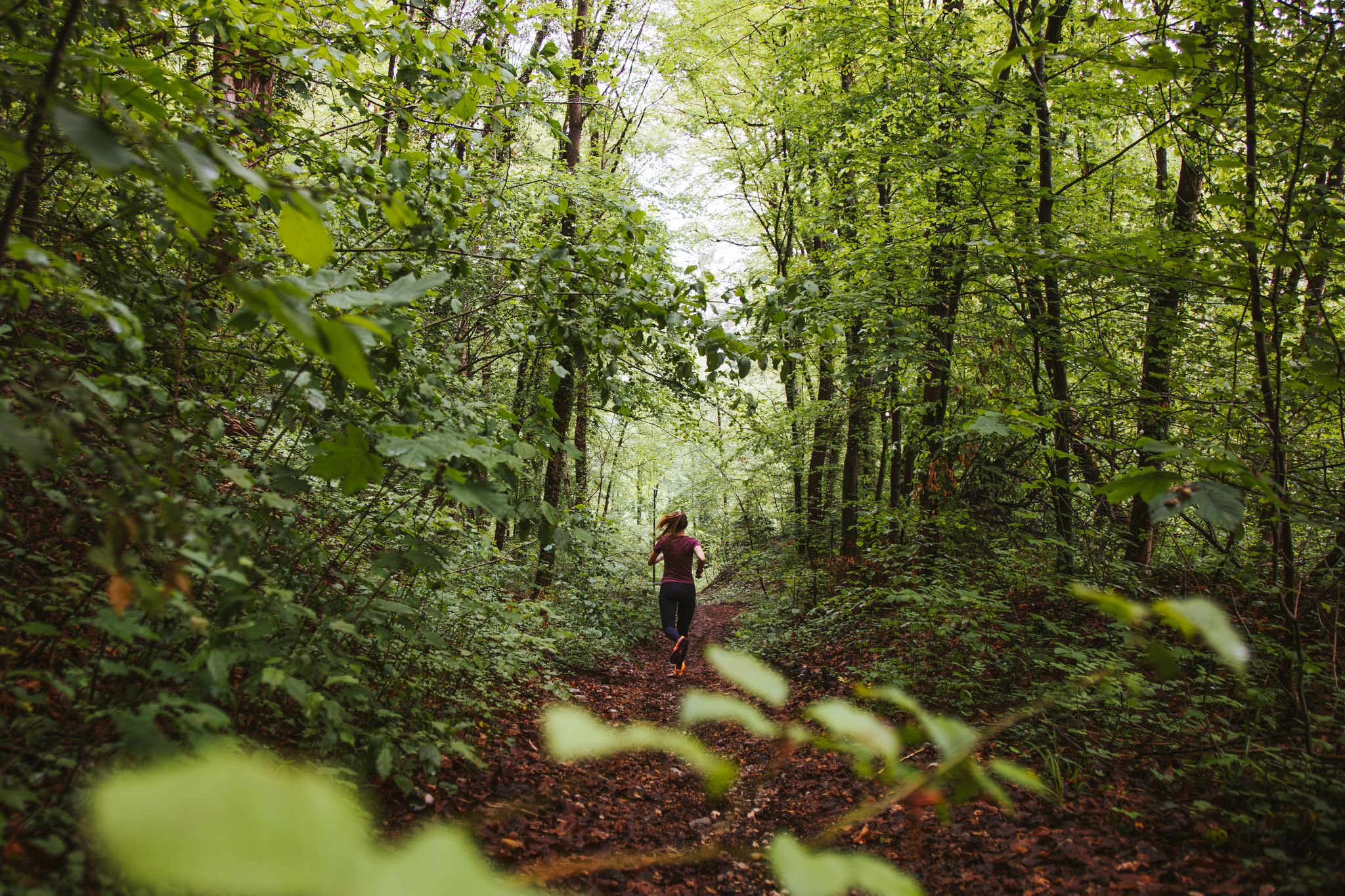
From the river to the forest - Trail Running around Munich with HOKA
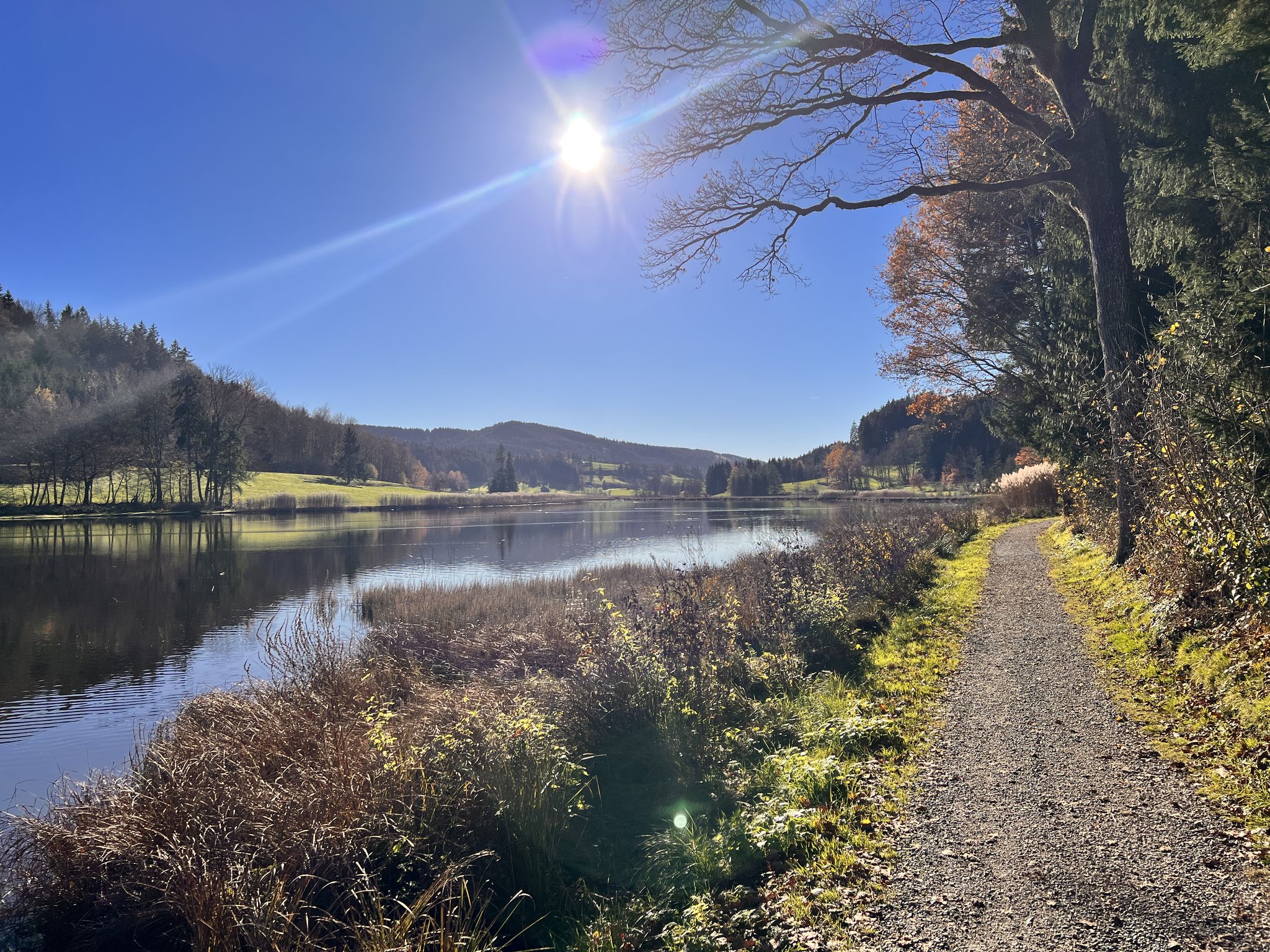
Run Wild – trail running routes throughout Germany
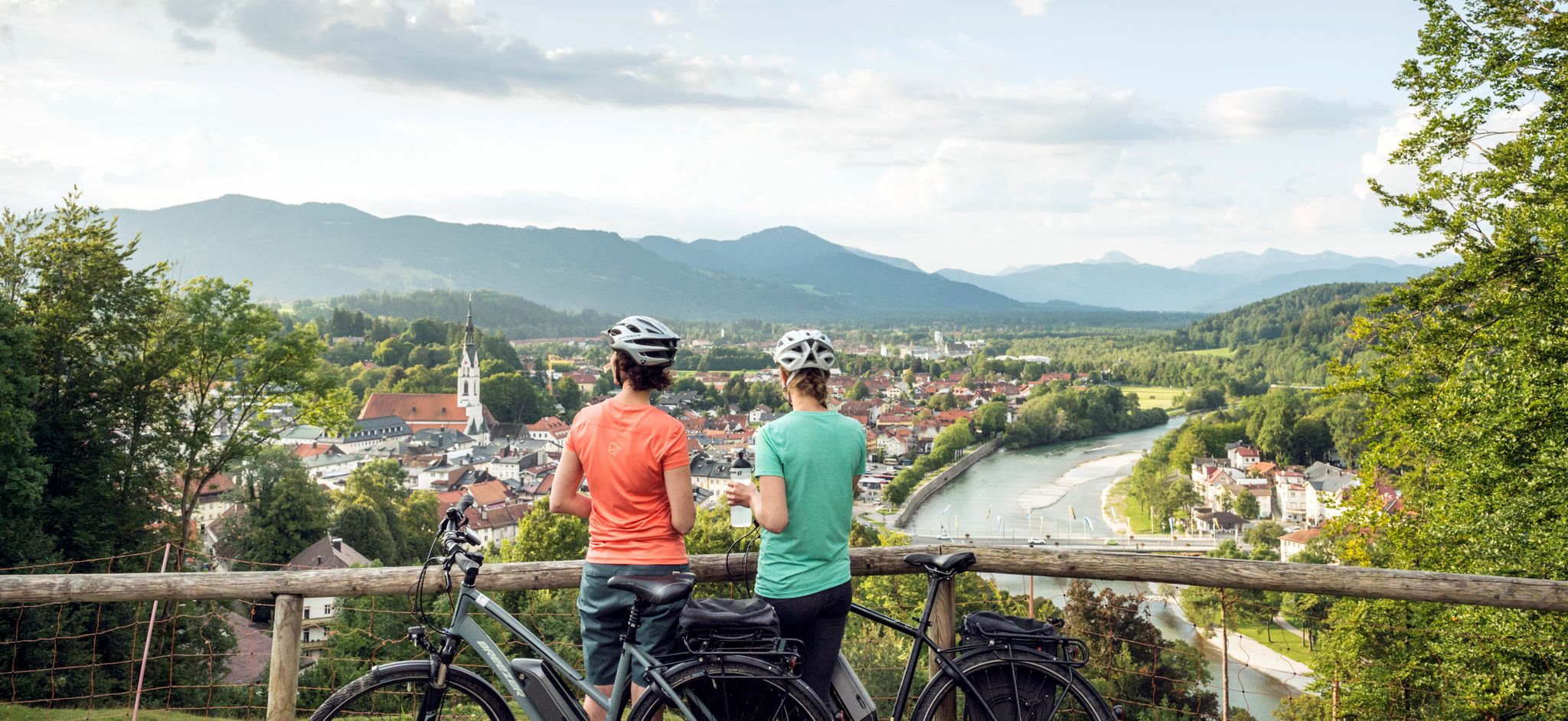
The Art Loop — Wasser-Radlwege Oberbayern
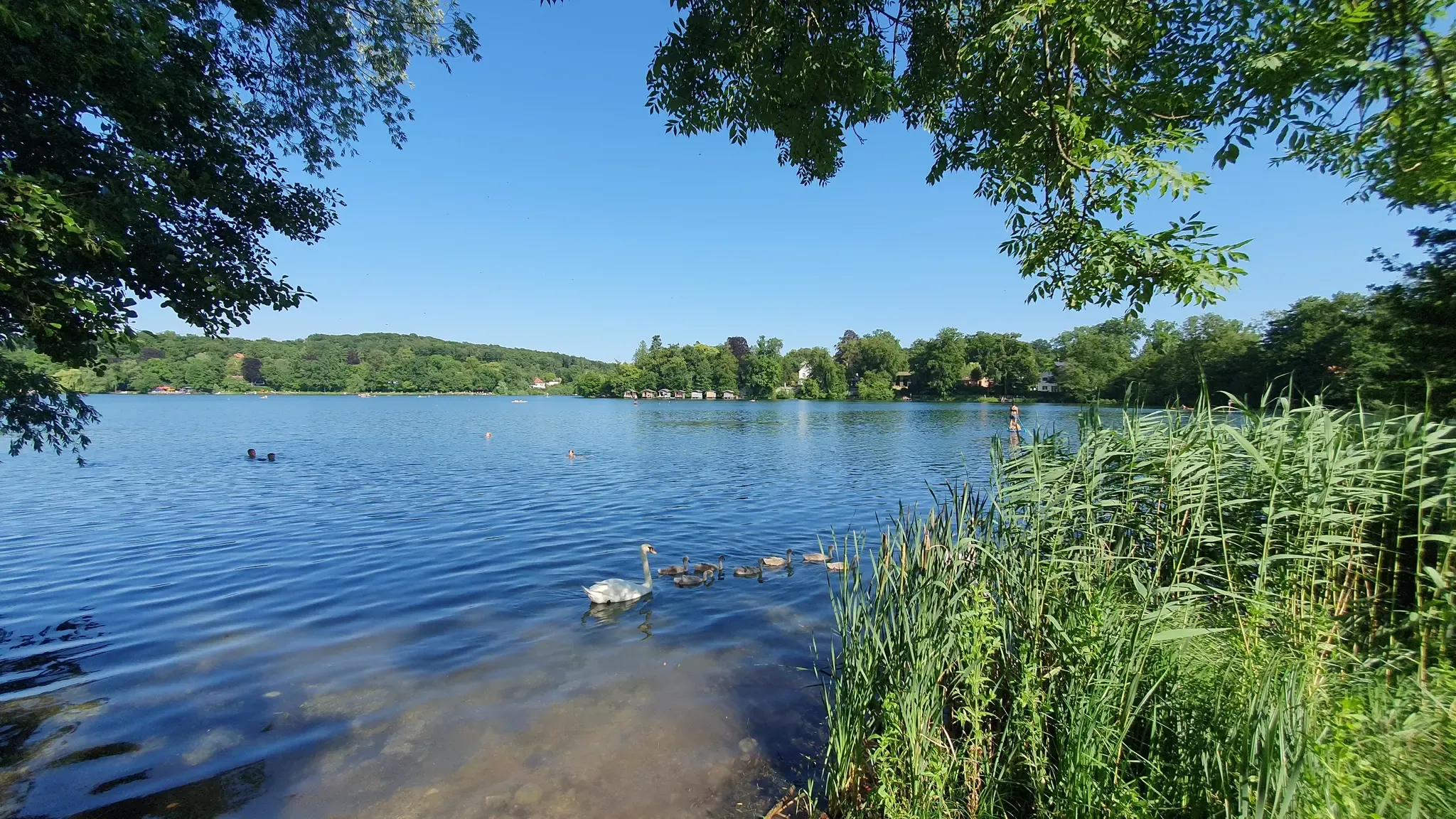
Marvellous swimming lakes around Munich
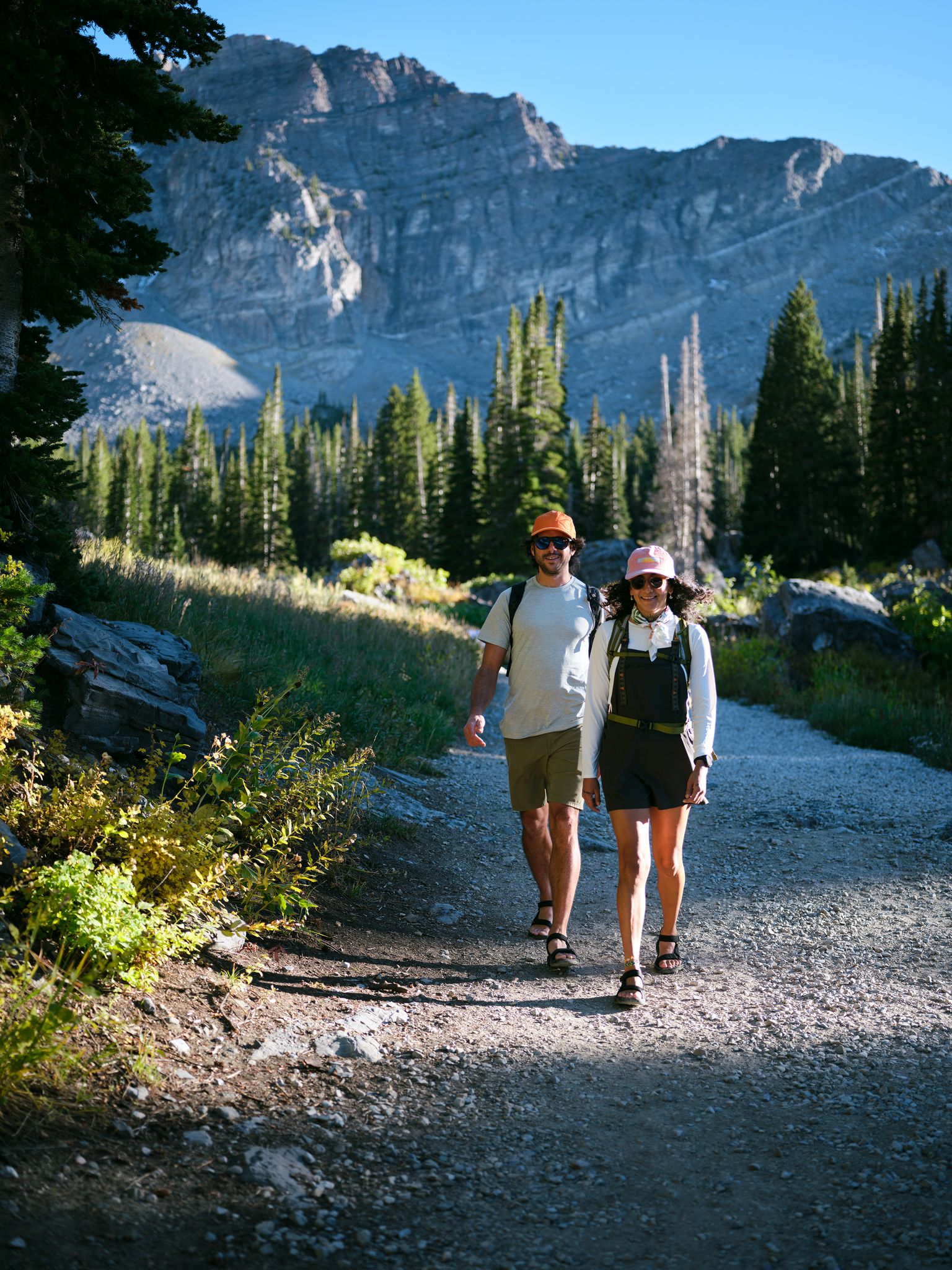
Entdecke die Natur rund um München
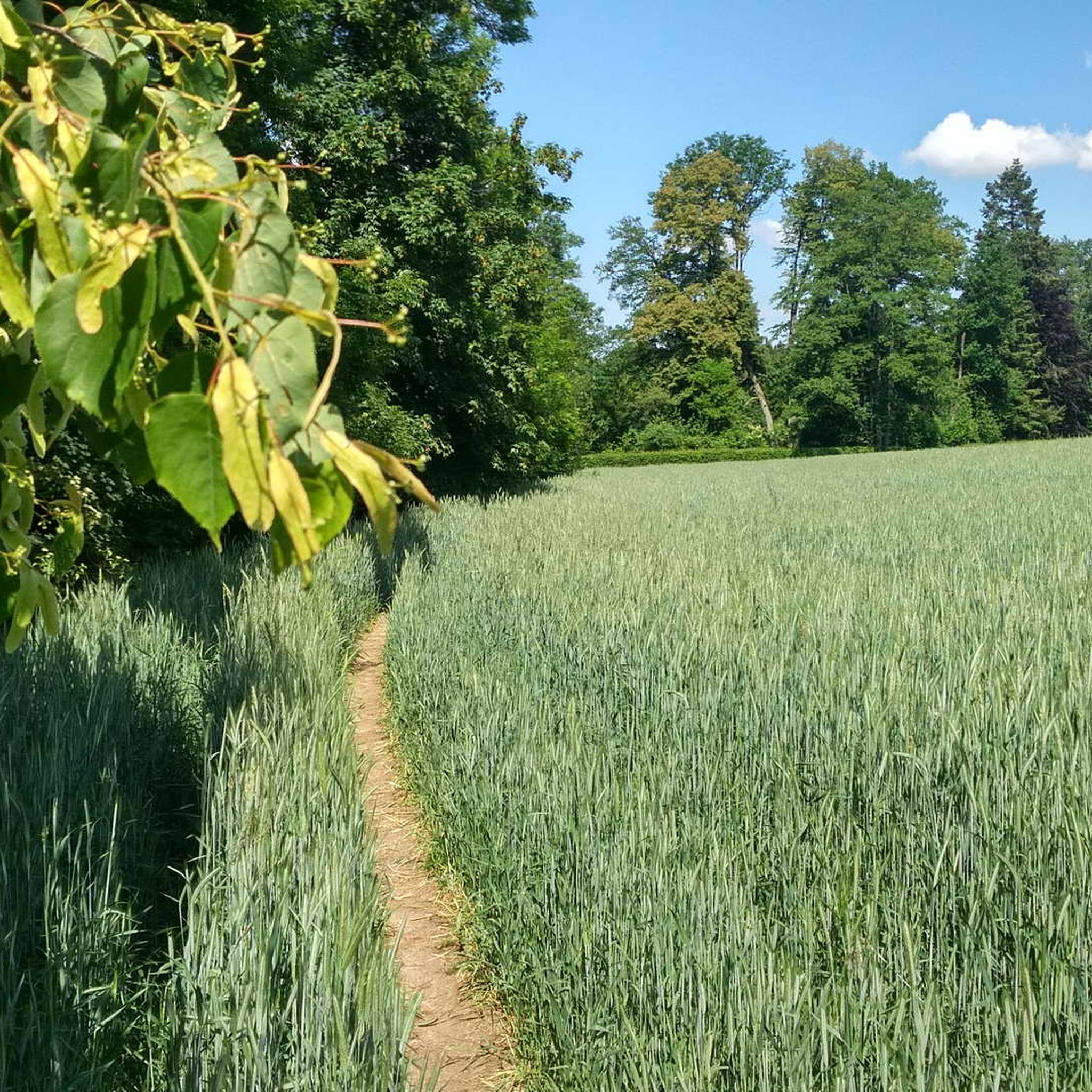
Hiking in Fürstenfeldbruck
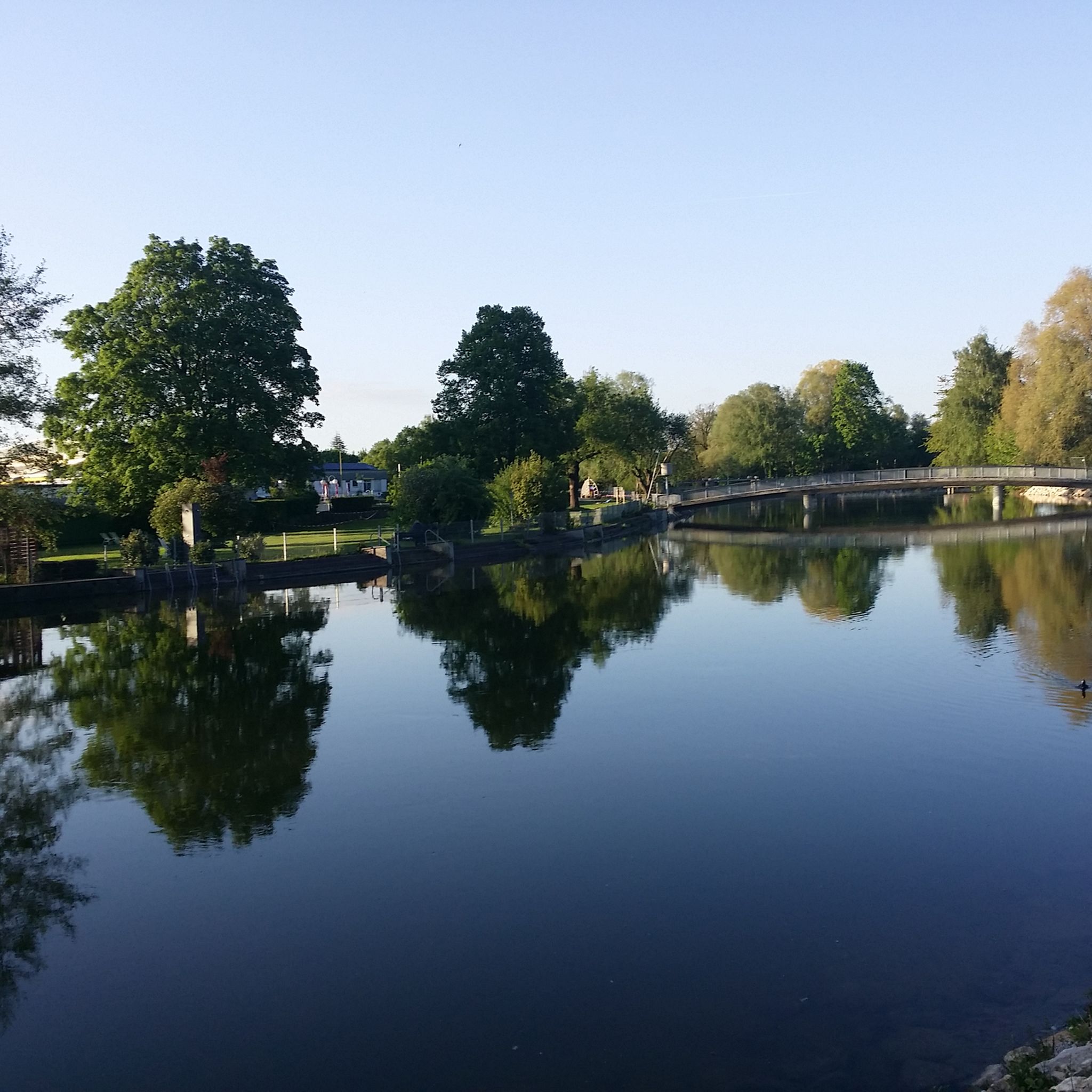
Cycling in Fürstenfeldbruck
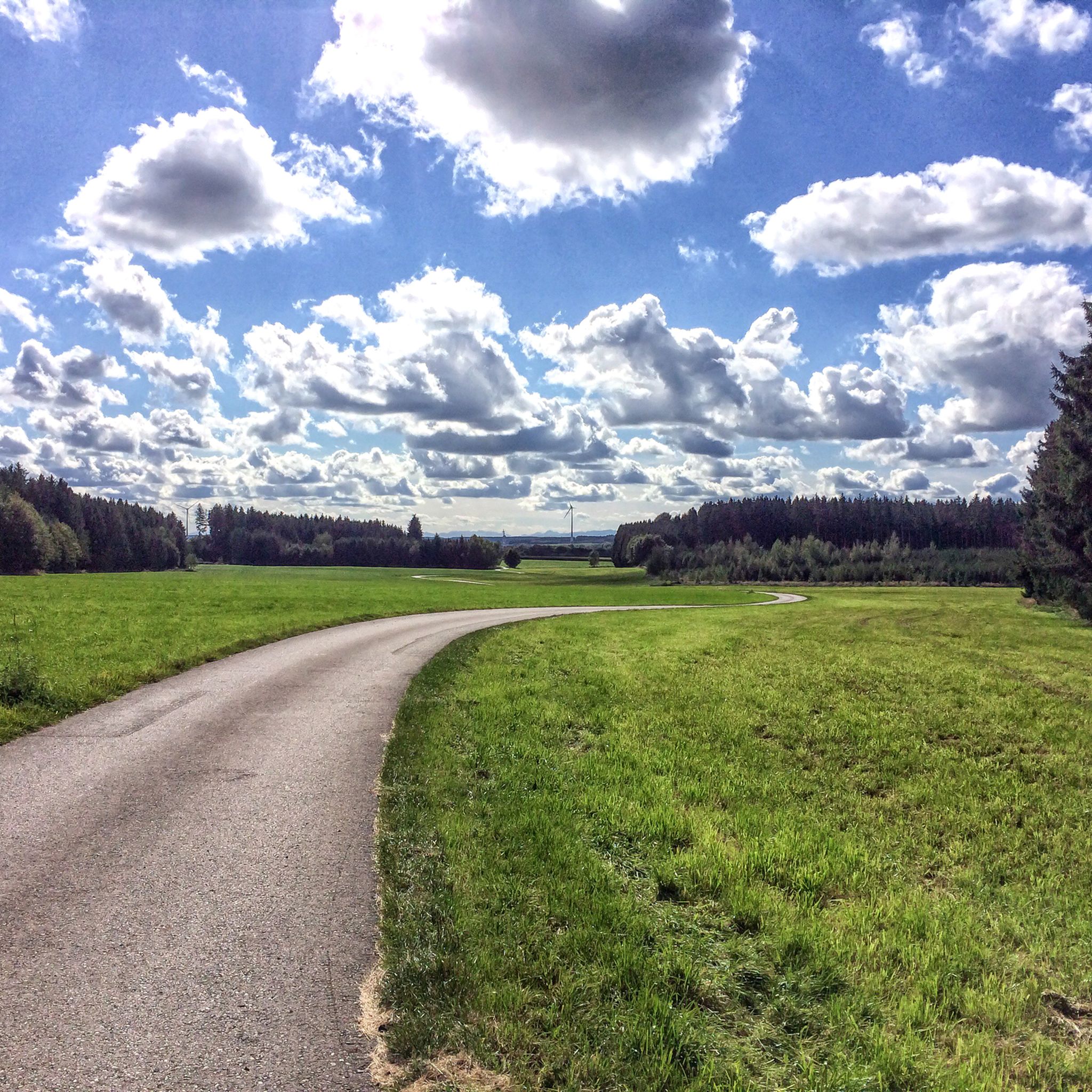
Road Cycling Routes in Fürstenfeldbruck
Other adventures in Fürstenfeldbruck


Tips from the Community

The Fußbergmoos is home to nine Heck cattle.
0
0
https://www.aelf-ff.bayern.de/forstwirtschaft/wald/322440/index.php Forest Experience Forestry Experimental Garden
1
0

These two giant oak trees have a circumference of over 5 meters. One of the oaks measures about 5.25 meters in circumference, the other about 4.98 meters. These majestic trees are over 100 years old and are a fascinating sight.
8
2

Attention: There is a very steep gradient here!
4
0

Opening times can be checked in advance on the homepage (https://www.aelf-ff.bayern.de/forstwirtschaft/wald/322440/index.php) - this year it opened from March 1st and not just on April 1st . 😀 I particularly liked the carved figures and objects. 👍🏻
1
0

The Catholic branch church of St. Sebastian in Puch, a district of Fürstenfeldbruck in the Upper Bavarian district of the same name, was built in the middle of the 15th century in the late Gothic style and renovated in the first half of the 18th century in the Baroque style. The church is dedicated to Saint Sebastian and Blessed Edigna von Puch, a French king's daughter who is said to have lived as a hermit in Puch in a hollow linden tree, the so-called Edignalinde. The church is one of the protected architectural monuments in Bavaria.
1
0

steep path up to the church ~20%
5
0
Nice trail shortcut instead of a bike path
3
0
Frequently Asked Questions
What are some of the most unique natural monuments in Fürstenfeldbruck?
Fürstenfeldbruck is home to several unique natural monuments. The Edigna-Linde in Puch is an ancient lime tree, possibly over a thousand years old, with local folklore about Saint Edigna. Another remarkable site is the Dead Ice Hollow Wolfsgrube, an impressive kettle hole over 100 meters in diameter, showcasing the region's glacial past. You can also find the Grafrath Forestry Experimental Garden, which features over 200 foreign tree species.
Are there family-friendly natural monuments in Fürstenfeldbruck?
Yes, several natural monuments in Fürstenfeldbruck are suitable for families. The Amper River near Geiselbullach offers great trails and beautiful spots for walks. The Grafrath Forestry Experimental Garden is also family-friendly, allowing visitors to explore diverse tree species. Additionally, the Amper River in Emmeringer Hölzl provides shady paths and swimming spots, perfect for a hot summer day.
What kind of geological features can I explore in Fürstenfeldbruck?
The region offers fascinating geological insights. The Dead Ice Hollow Wolfsgrube is a prime example of a kettle hole, a depression formed by melting ice blocks during the last ice age. The Emmeringer Leite, a long forested ridge, represents a terminal moraine from the Mindel Ice Age, offering varied terrain and historical significance with prehistoric burial mounds.
Where can I find ancient trees in the Fürstenfeldbruck district?
Fürstenfeldbruck is known for its ancient trees. The Edigna-Linde in Puch is an ancient lime tree, potentially over a thousand years old. You can also visit the Two Large Oaks near Zellhof, which are approximately 300 years old with impressive trunk circumferences. The Lime Trees at the Former Fuggerschloss, also over 300 years old, add to the historical charm of the area.
What outdoor activities can I do near the natural monuments?
Many natural monuments are integrated into excellent outdoor activity areas. You can enjoy river hiking and birdwatching along the Amper River near Geiselbullach. The Haspelmoor offers beautiful moor landscapes and primeval forest paths for hiking. For more hiking options, explore routes like the 'Forest Path Through Haspelmoor' or 'Amper Riverside' by visiting the Hiking in Fürstenfeldbruck guide. Cyclists can find routes like 'Biburg Climb' in the Road Cycling Routes in Fürstenfeldbruck guide.
Are there any natural monuments with historical significance?
Yes, several natural monuments in the region have historical ties. The Edigna-Linde in Puch is associated with the 11th-century Saint Edigna. The Wolfsgrube im Toteisloch, while geological, gets its name from its traditional use as a wolf trap. Near the Two Large Oaks near Zellhof, you can find the Via Julia, an ancient Roman road, adding a layer of historical context to the natural landscape.
What is the best time to visit the natural monuments in Fürstenfeldbruck?
The natural monuments in Fürstenfeldbruck can be enjoyed year-round, depending on your interests. Spring and autumn offer pleasant temperatures for hiking and exploring the forested areas like the Emmeringer Leite or the Haspelmoor. Summer is ideal for visiting the Amper River in Emmeringer Hölzl for swimming or enjoying Olchinger See. In winter, Olchinger See can be used for ice skating when conditions allow.
Can I find unique botanical features among the natural monuments?
Absolutely. The Grafrath Forestry Experimental Garden is a botanical highlight, showcasing over 200 foreign tree species. The Birkenallee in Wagelsried is notable for its uniquely crooked and twisted birches, an uncommon sight. Additionally, the 150-year-old Mulberry Tree in Kottgeisering is a rare and exotic specimen for the region.
What do visitors enjoy most about the natural monuments in Fürstenfeldbruck?
Visitors particularly appreciate the diverse natural beauty and the opportunities for recreation. Many enjoy the peaceful paths along the Amper River for walking and birdwatching. The unique moor landscape and primeval forest paths of Haspelmoor are also highly rated. The variety of ancient trees and geological formations provides a rich experience for nature lovers and those interested in local history.
Are there any natural areas suitable for swimming or water activities?
Yes, Olchinger See (Olching Lake) is a popular bathing lake in the district, offering clean water, sunbathing lawns, and recreational facilities. The Amper River in Emmeringer Hölzl also provides great shady paths with many spots suitable for swimming on a hot day.
Where can I find a natural monument that is also a popular hiking trail?
The Birkenallee in Wagelsried is designated as a natural monument and is particularly popular for hiking. Its uneven dirt track, shaded by uniquely crooked birches, offers a picturesque and tranquil experience for walkers.
Most popular routes in Fürstenfeldbruck
Most popular attractions in Fürstenfeldbruck

Get inspired with the komoot mobile app


Didn’t find what you were looking for?
Find even more amazing natural monuments in Fürstenfeldbruck by checking out the top Highlights region by region:
Explore more
Extend your search for the best caves by checking out these guides of the top ones in Fürstenfeldbruck:
