Top 20 Natural Monuments around the Wipptal
Natural monuments around the Wipptal showcase a diverse alpine landscape in Tyrol, Austria. This region is characterized by pristine mountain valleys, impressive waterfalls, and serene alpine lakes. Visitors can explore a variety of natural features, from high mountain summits to protected valleys and unique geological formations. The Wipptal offers opportunities to experience unspoiled nature and diverse ecosystems.
Best natural monuments around the Wipptal
- The most popular natural monuments include Frauenwand (2,541 m), a summit offering extensive views. The ascent…
Last updated: October 10, 2026
Maria Waldrast Monastery
Highlight • Religious Site
Translated by Google •
Tip by

Patscherkofel Summit
Highlight • Summit
Translated by Google •
Tip by

Sign up now to discover places like this
Get recommendations on the best single tracks, peaks, & plenty of other exciting outdoor places.
Lake Licht
Highlight • Lake
Translated by Google •
Tip by

Great view over Stubaital
Highlight • Viewpoint
Translated by Google •
Tip by

Frauenwand (2,541 m)
Highlight • Summit
Translated by Google •
Tip by

Gschnitz Waterfall
Highlight • Waterfall
Translated by Google •
Tip by
Blaser Summit
Highlight • Summit
Translated by Google •
Tip by

Gleinser Mähder Raised Bog
Highlight • Natural Monument
Translated by Google •
Tip by

Obernberger See
Highlight • Lake
Translated by Google •
Tip by

Mölssee
Highlight • Lake
Translated by Google •
Tip by

Sign up for free to discover even more natural monuments around the Wipptal.
Already have an account?
Start today with a free account
Your next adventure awaits.
Popular around Wipptal
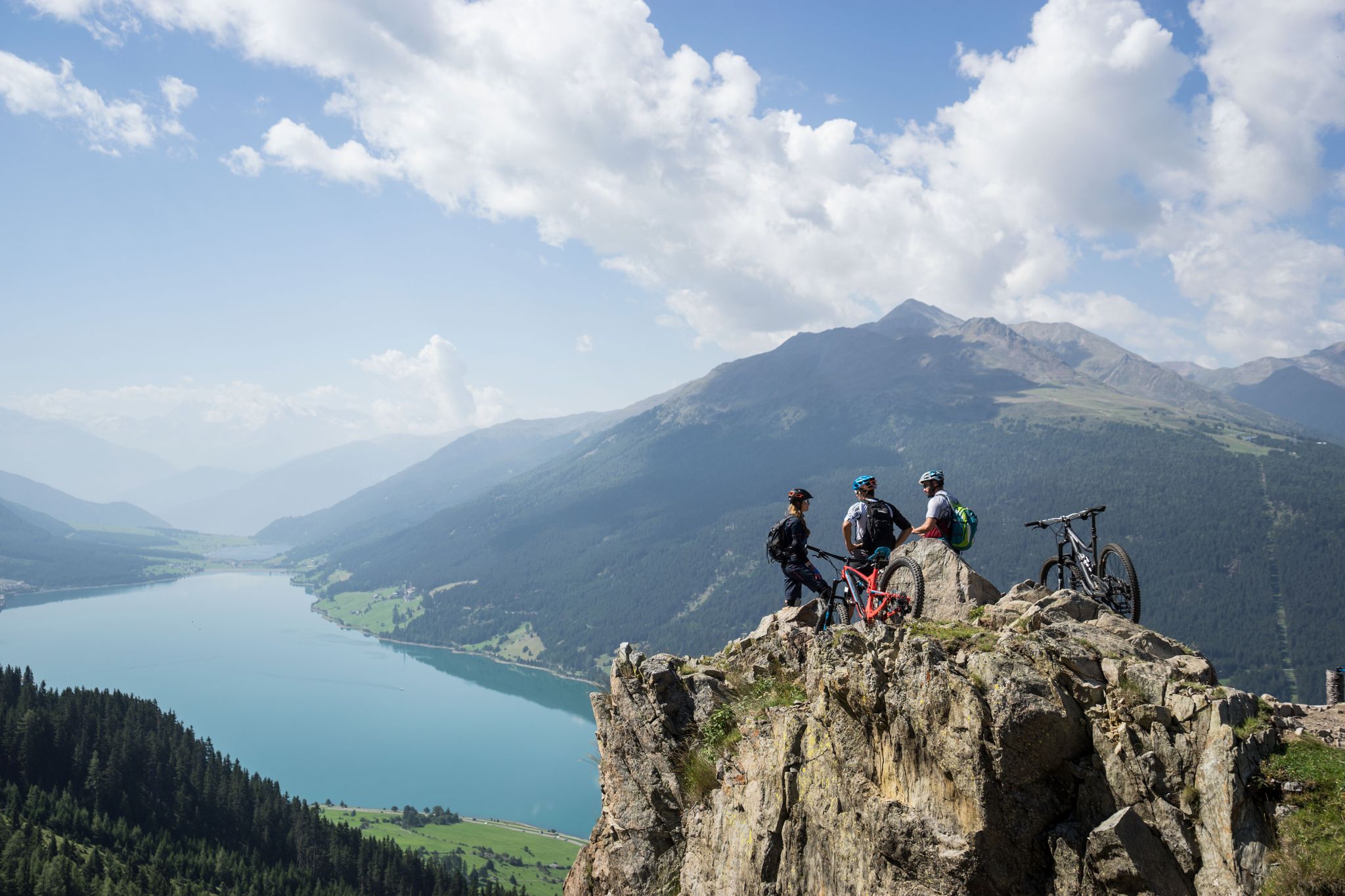
High into the Tyrolean mountain world – mountain biking in Tyrol
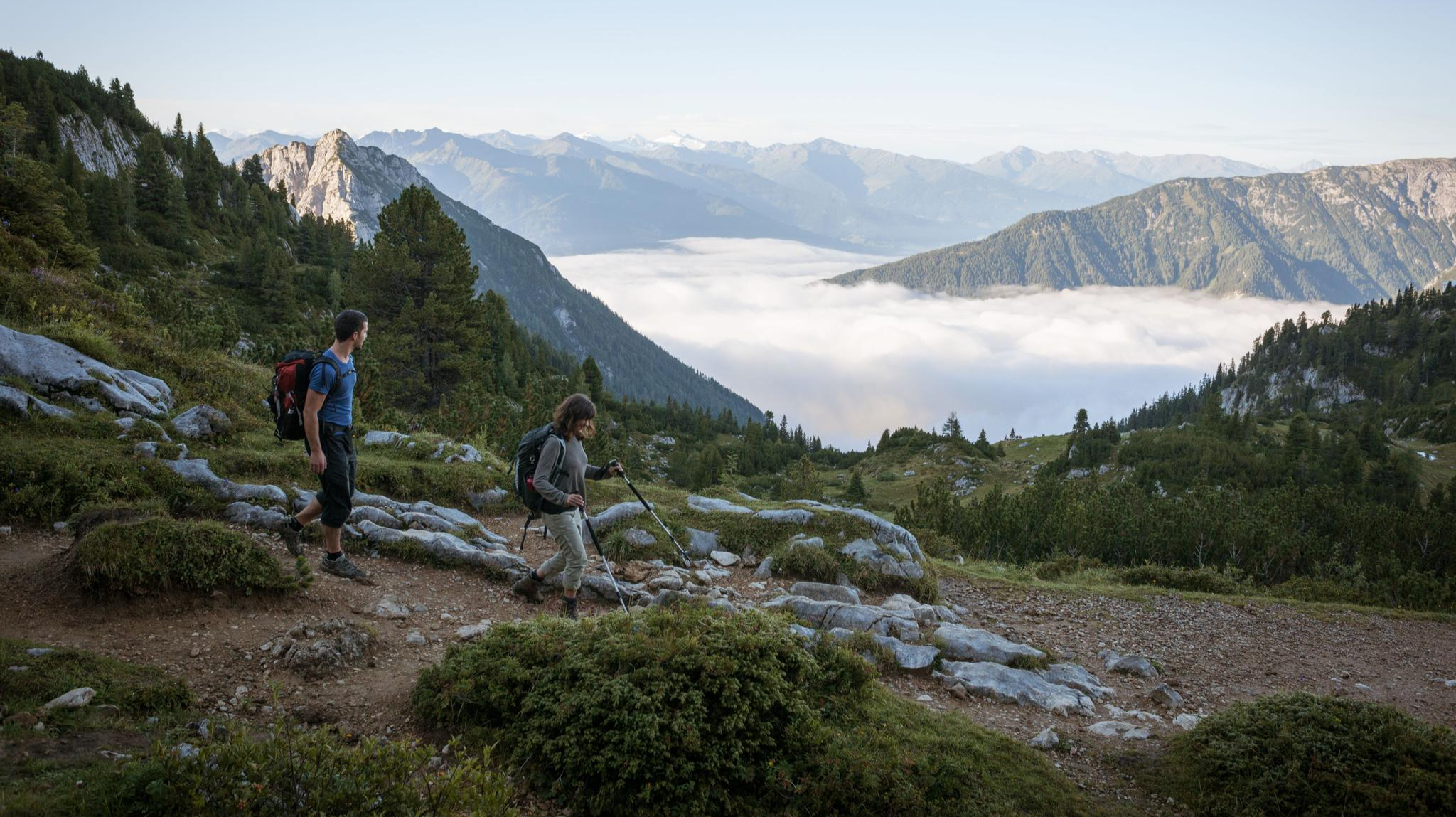
Eagle Walk – Majestic hiking along Tirol's trail
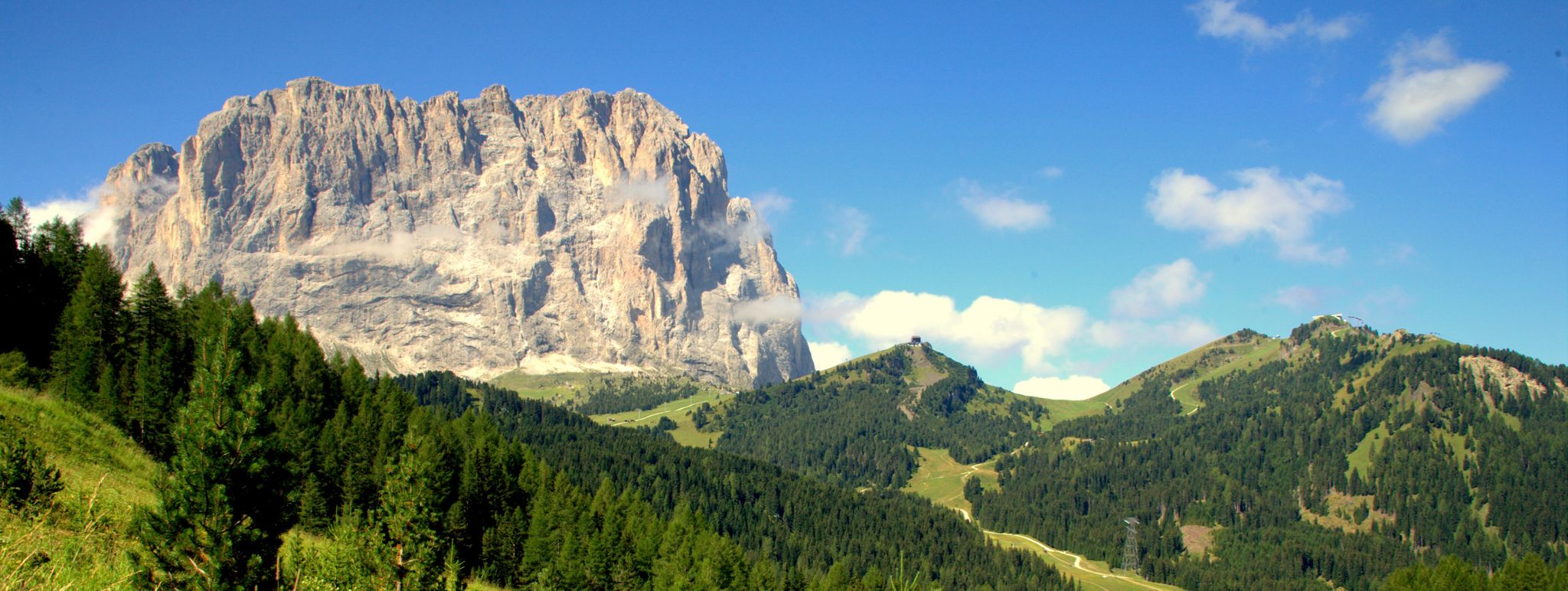
Via Venezia Alpina – hiking across the Alps to the Adriatic Sea
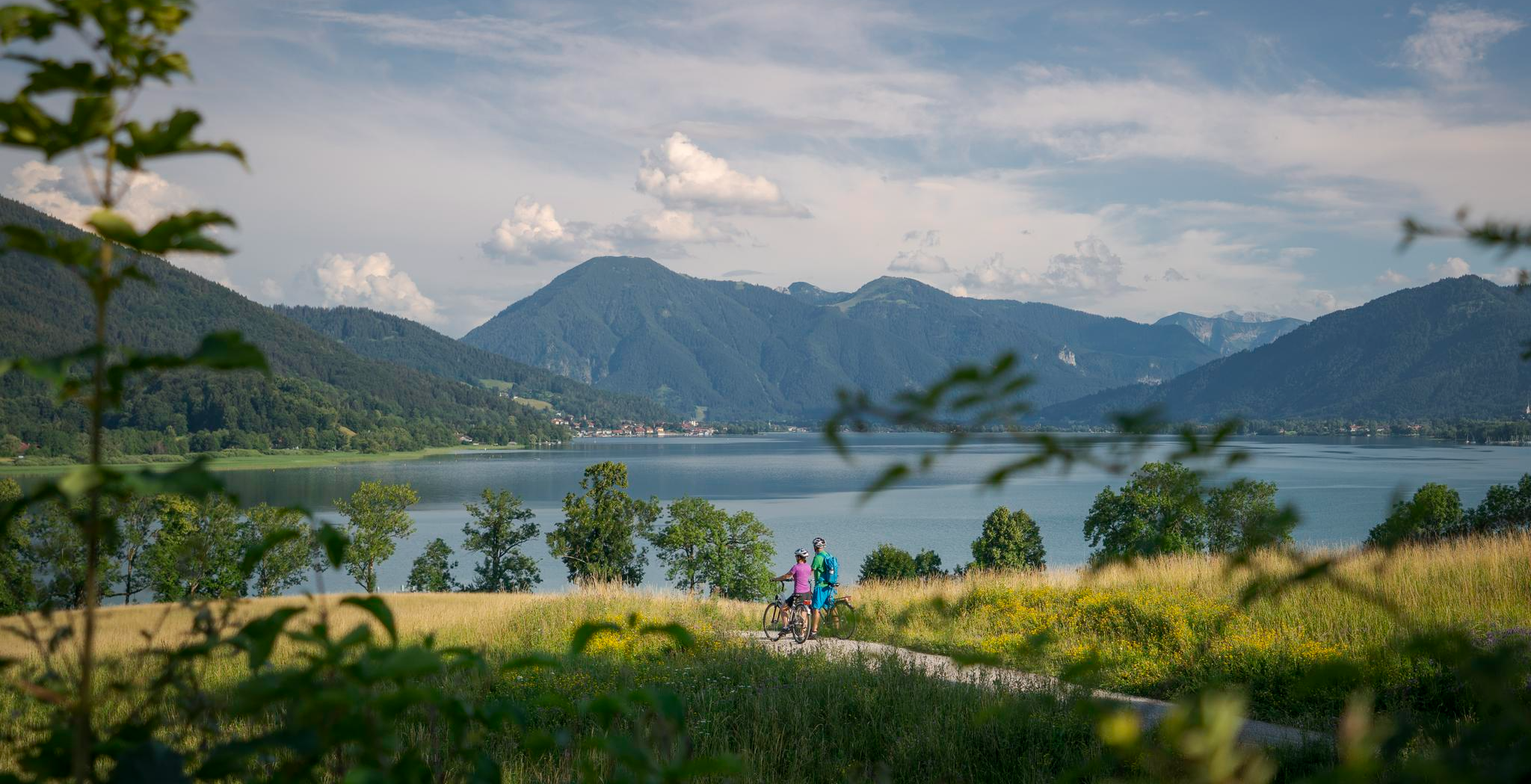
The Munich-Venice Long-Distance Cycle Path – A beautiful Alps crossing
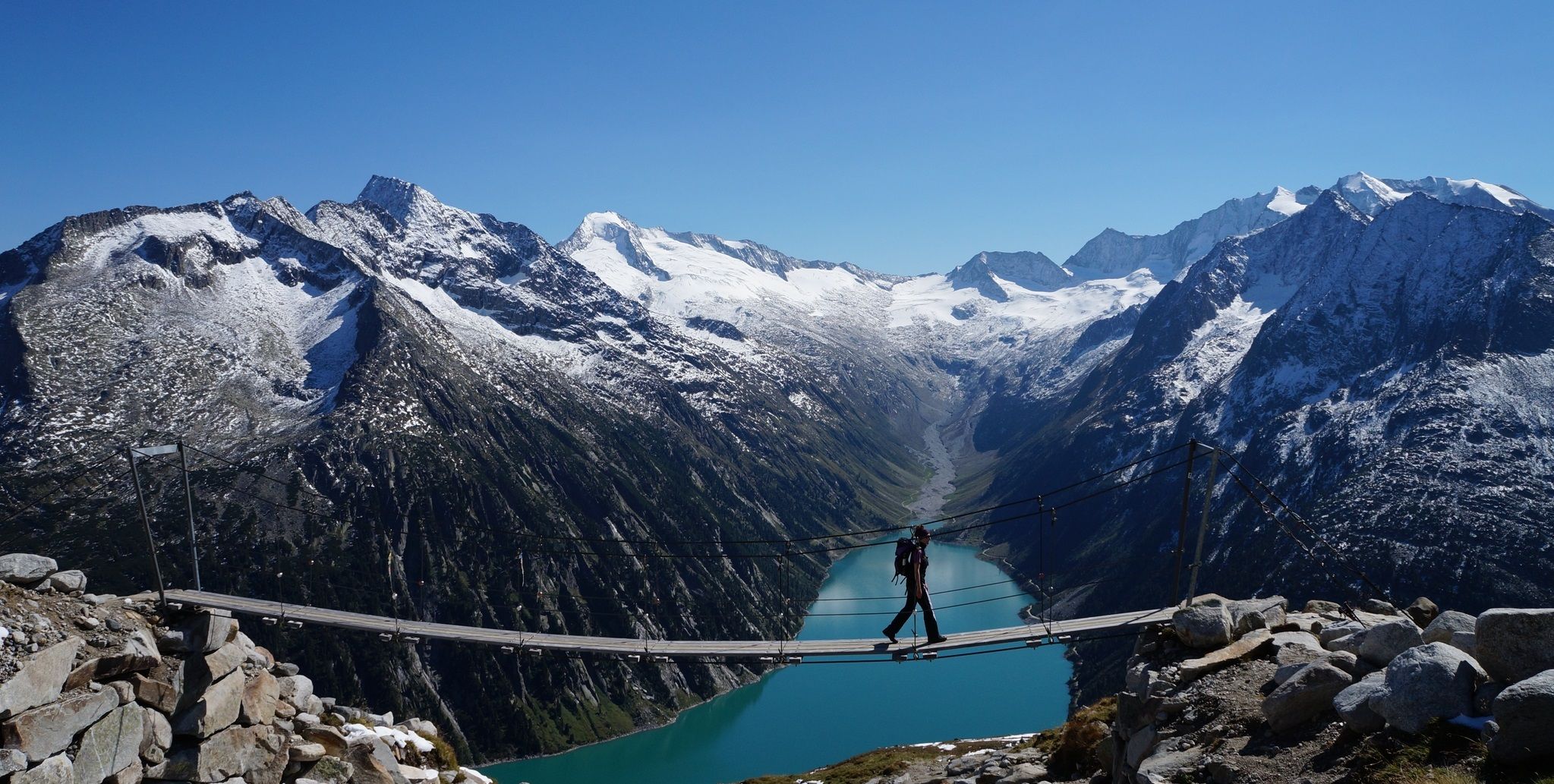
The Peter Habeler loop — an alpine trail around the Olperer
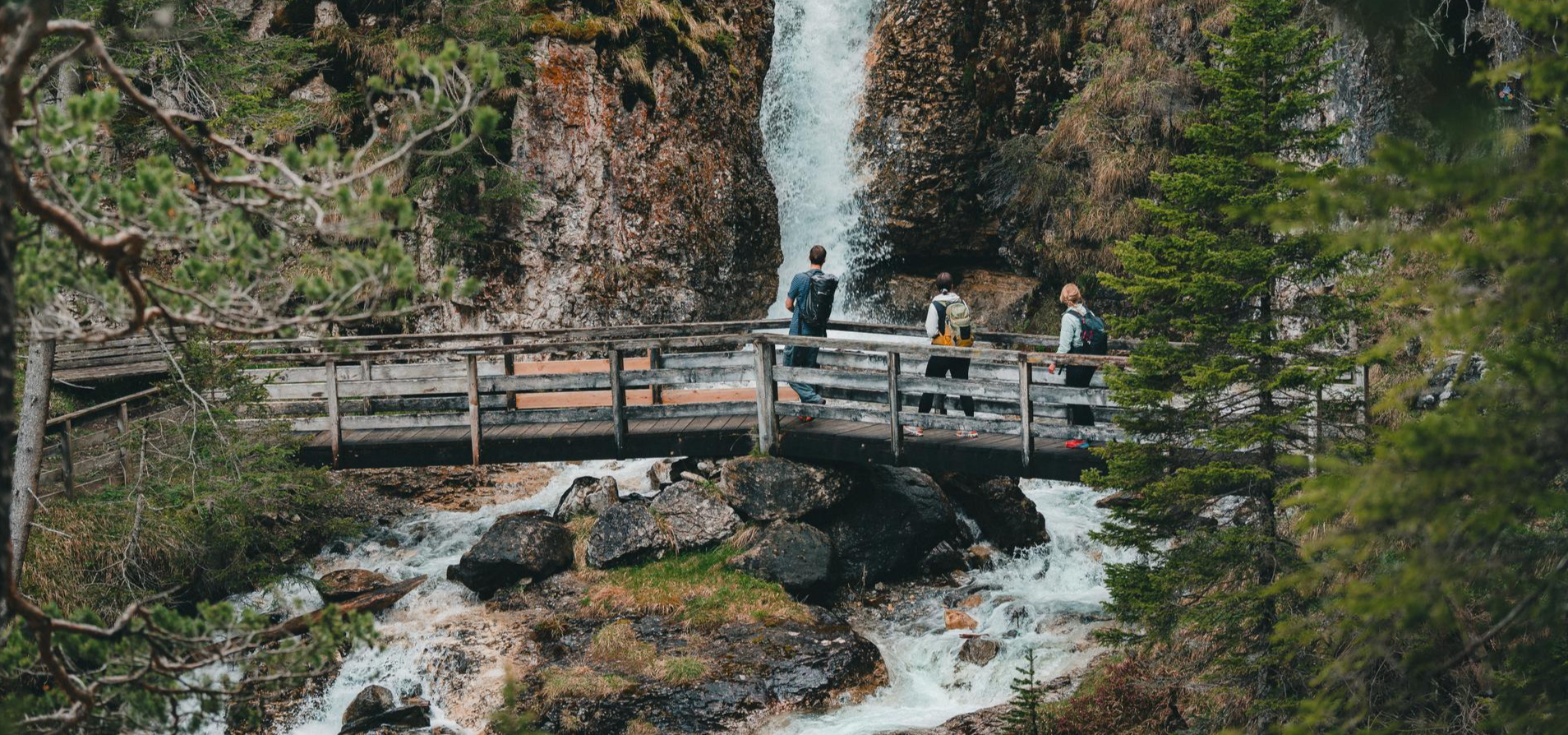
Idyllic mountain lakes and rushing waterfalls – hiking in the Wipptal
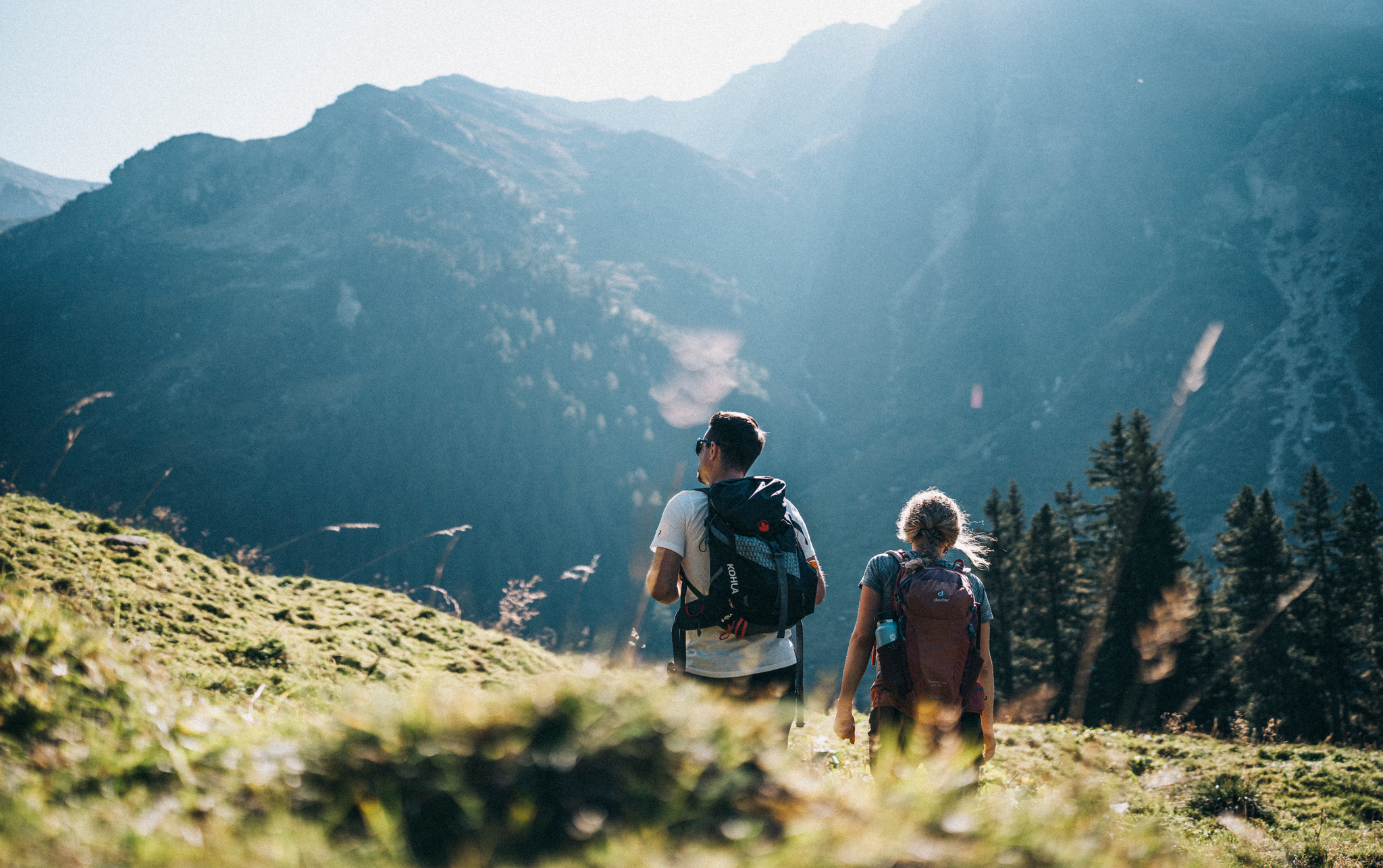
The most beautiful autumn hikes in Hall-Wattens
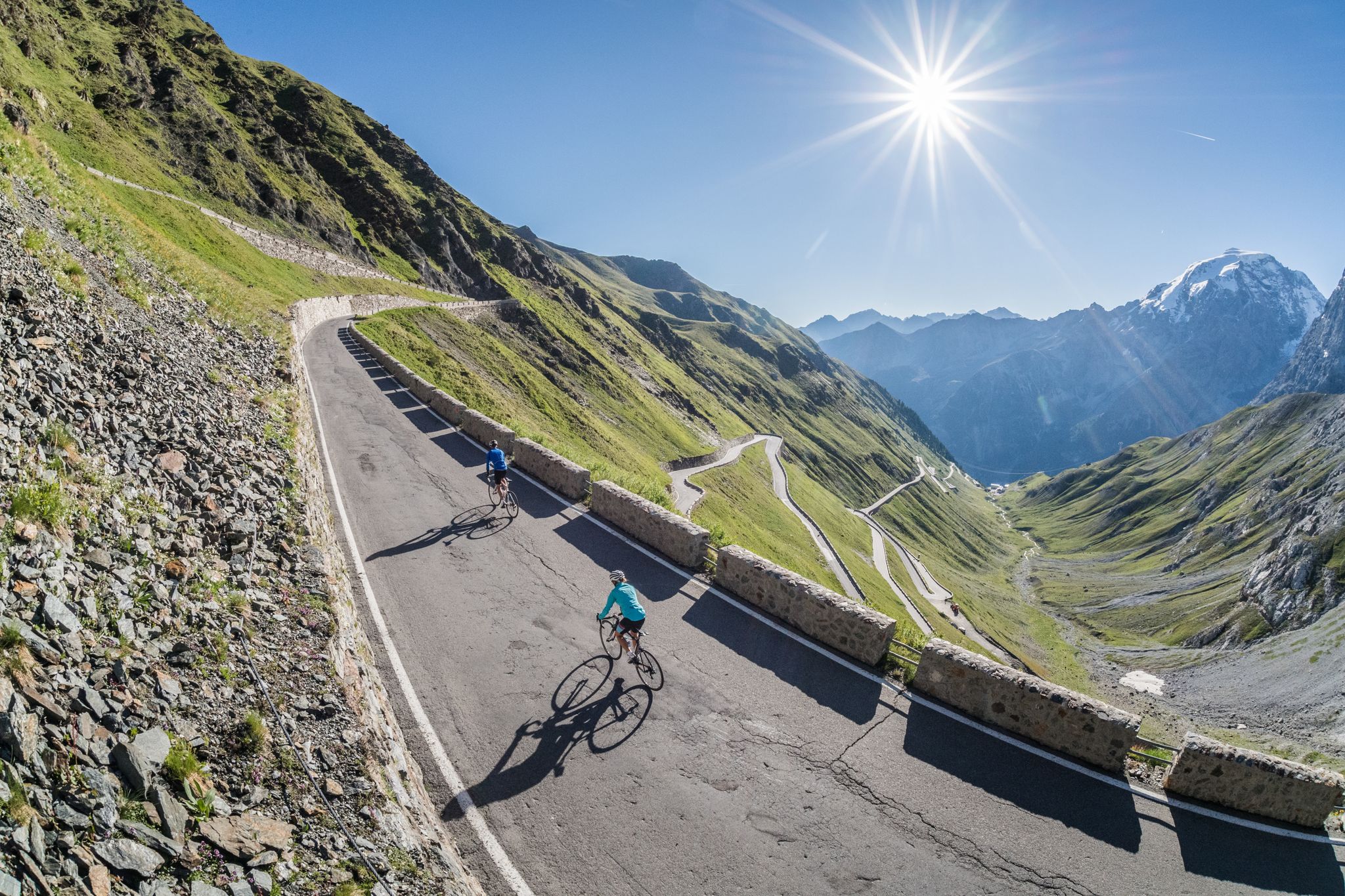
Road biking in South Tyrol
Pedals and Paths – Beautiful E-Bike & Hike Tours in the Wipptal
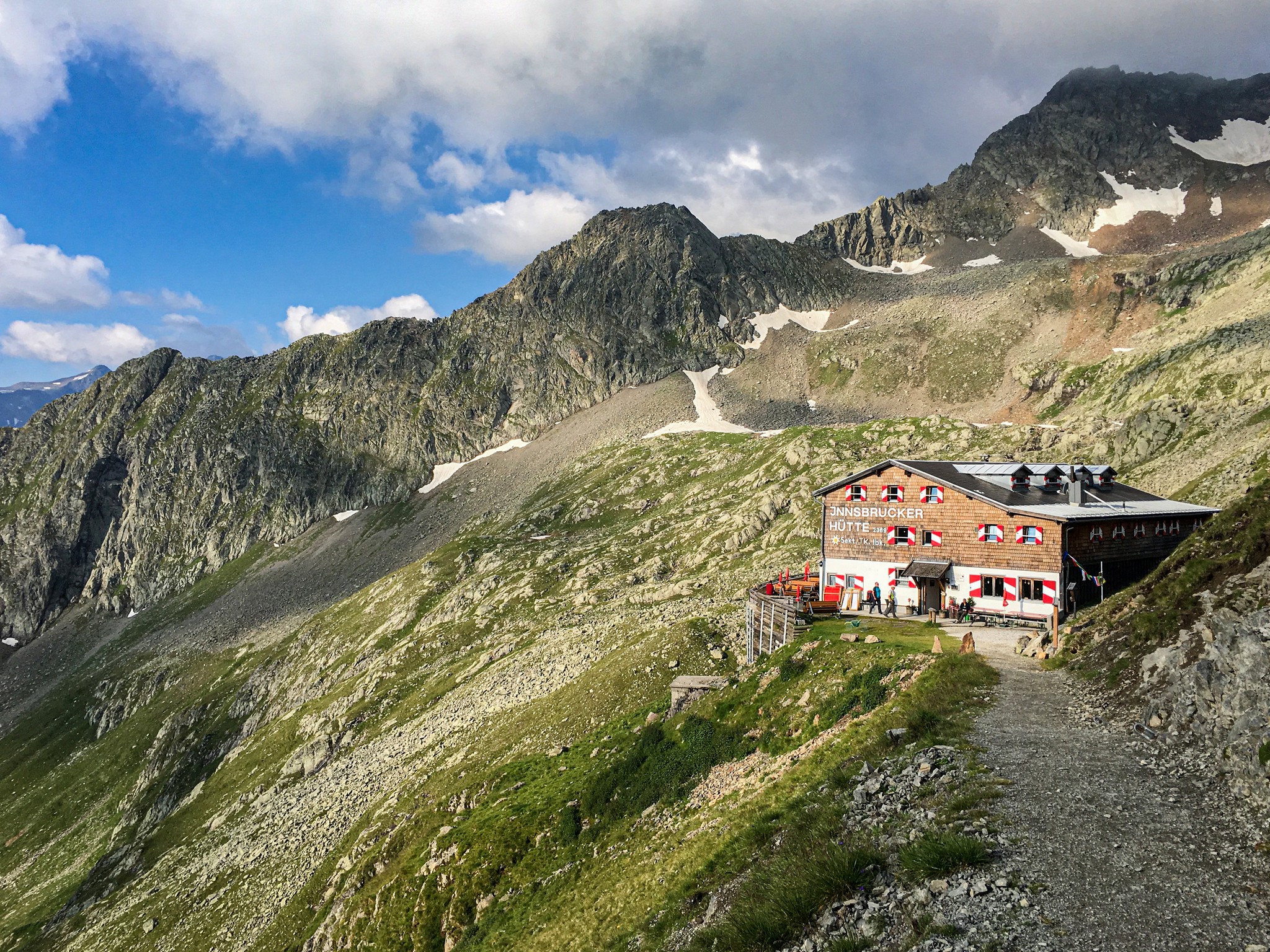
Gschnitztal Hüttenstern – 6 glorious day hikes to mountain huts
Other adventures around the Wipptal


Tips from the Community

Someone got the title wrong in the valley. Otherwise, an impressive sight.
1
0
The bridge over the waterfall is currently damaged.
1
0

Unfortunately, there's no bike path and there's a lot of traffic. Not a great place for me as a cyclist. Really bad for descending or climbing the Brenner Pass. The Italians can do better.
0
0
This isn't a bike path, but the L38 without a bike path, with nasty little climbs and fast-moving through traffic. The view is just a small part of it. There's the motorway, the federal highway, and the L38 here, but no proper bike path. It's a real shame.
2
0

Strenuous climb up the Blaser with incredible views all the way to the Inn Valley (Innsbruck)
1
0

Very nice cycle path with a great panorama of the mountains.
0
1

Hiking through the raised moor is prohibited! And crossing the meadows of a private owner is also prohibited! No-entry signs are posted there.
0
0
Be sure to take the final climb to the summit from the Blaserhütte. Breathtaking panorama with views all the way to Innsbruck.
0
0
Frequently Asked Questions
What are some of the most popular natural monuments to visit in the Wipptal region?
The Wipptal region offers a variety of stunning natural monuments. Highly regarded spots include the challenging summit of Frauenwand (2,541 m), known for its extensive views, and the serene Lake Licht, which provides picturesque views of the Tribulaune and Olperer mountains. The Gschnitz Waterfall is also a prominent and family-friendly attraction.
Are there any family-friendly natural monuments or activities in Wipptal?
Yes, several natural monuments in Wipptal are suitable for families. The Gschnitz Waterfall is a popular family-friendly destination. Additionally, Maria Waldrast Monastery, while a religious site, is located in a beautiful natural setting and offers a tractor shuttle service from the Serles mountain station, making it accessible for families. The Lake Licht is also considered family-friendly, offering a pleasant ridge path.
When is the best time to visit the waterfalls in Wipptal?
To experience the waterfalls in Wipptal at their most impressive, it is best to visit during spring and early summer. This is when the snowmelt significantly contributes to their flow, making them particularly powerful and spectacular. The Gschnitztal, home to the prominent Sandes Waterfall and Serles Waterfall, is especially renowned for its numerous cascades.
What unique geological features can be found in the Wipptal region?
Wipptal boasts several unique geological features. The Kluppe in Schmirntal is an impressive gorge where snow can remain even in summer, leading to a wide basin with alpine meadows. Another interesting feature is the 'lock' in Wildlahnertal, a hidden boulder barrier with a small waterfall, originally built for protection against mudslides. The region also features raised bogs like the Gleinser Mähder Raised Bog.
Are there opportunities for wildlife spotting or observing unique flora in Wipptal?
Yes, the Wipptal region, particularly the Valsertal, is a paradise for nature lovers interested in alpine flora and fauna. Large parts of the Valsertal are protected under the 'Natura 2000' program, encompassing all vegetation zones from montane to nival altitudes. This untouched side valley provides excellent opportunities for observing diverse ecosystems and wildlife.
What kind of hiking trails are available near the natural monuments in Wipptal?
The Wipptal region offers a wide range of hiking trails near its natural monuments. You can find moderate to difficult routes, including circular walks around Lake Obernberg in the Obernbergtal. For those interested in waterfalls, there are dedicated routes like the 'Gschnitz Waterfall – Laponesalm loop' or the 'Sarnthein Waterfall – Gschnitztal hiking trail loop'. You can explore more hiking options on the Waterfall hikes around the Wipptal guide.
Can I find cultural or historical sites alongside natural monuments in Wipptal?
Yes, the Wipptal region blends natural beauty with cultural elements. The Gschnitztal features the Mill Village, which adds a cultural dimension to the valley's natural attractions like its numerous waterfalls. Additionally, Maria Waldrast Monastery is one of Europe's highest pilgrimage monasteries, offering both historical significance and a fantastic natural setting.
What are some of the best viewpoints in the Wipptal region?
Wipptal is rich in stunning viewpoints. Summits like Frauenwand (2,541 m), Patscherkofel Summit, Blaser Summit, and White Wall Summit Cross all offer expansive vistas. The area around Lake Licht also provides wonderful views of the surrounding mountains. For a broader perspective, the Great view over Stubaital offers impressive panoramas.
Are there any hidden gems or less-known natural monuments worth exploring?
Beyond the well-known spots, the Obernbergtal holds hidden gems like the 'Seven Springs' or Allerleibrunnen, emerging from a hidden pastureland. In the Schmirntal, after about an hour's ascent above the alpine pasture, hikers can search for small rock crystals at the 'Kristall-Grüberl' near the Kluppe gorge, offering a unique experience.
What other outdoor activities can I do near the natural monuments in Wipptal?
Besides hiking, the Wipptal region offers various cycling opportunities. You can find challenging road cycling routes, such as the 'View of Wipptal and Inntal – View of Innsbruck loop', or touring bicycle routes like the 'Gschnitz Waterfall – Laponesalm loop'. For more details, refer to the Road Cycling Routes around the Wipptal and Cycling around the Wipptal guides.
What do visitors appreciate most about the natural monuments in Wipptal?
Visitors consistently praise the Wipptal region for its unspoiled nature, diverse landscapes, and the opportunities it offers for experiencing serene beauty. The peaceful atmosphere around places like Lake Licht and the breathtaking views from summits like Frauenwand are frequently highlighted. The region's commitment to sustainable tourism also ensures a healthy and vibrant environment for all to enjoy.
Most popular routes around the Wipptal
Most popular attractions around the Wipptal

Get inspired with the komoot mobile app


Didn’t find what you were looking for?
Find even more amazing natural monuments around the Wipptal by checking out the top Highlights region by region:
Explore more
Extend your search for the best caves by checking out these guides of the top ones around the Wipptal:
