Top 20 Natural Monuments in Malta
Natural monuments in Malta showcase the archipelago's unique geological formations and coastal features. The islands feature dramatic cliffs, sea caves, and serene lagoons. These natural wonders offer diverse landscapes for exploration. Malta's natural heritage sites provide insights into its geology and offer various outdoor activities.
Best natural monuments in Malta
- The most popular natural monuments is Ghasri Valley, a gorge where water thunders against the rocks. From the path, a steep staircase leads to sea level, allowing visitors to…
Last updated: September 26, 2026
Upper Barrakka Gardens
Highlight • Viewpoint
Translated by Google •
Tip by

Triton Fountain
Highlight • Monument
Translated by Google •
Tip by

Sign up now to discover places like this
Get recommendations on the best single tracks, peaks, & plenty of other exciting outdoor places.
St. Thomas Bay Cliffs
Highlight • Natural Monument
Translated by Google •
Tip by

Ghasri Valley
Highlight • Gorge
Translated by Google •
Tip by

Lower Barrakka Gardens
Highlight • Viewpoint
Translated by Google •
Tip by
Xwejni Salt Pans
Highlight (Segment) • Structure
I recommend getting up early in the morning to see the small shadows created by …
Translated by Google •
Tip by

Clay Cliffs at Ġnejna Bay
Highlight • Natural Monument
Translated by Google •
Tip by

St. Peter's Pool
Highlight • Beach
Translated by Google •
Tip by

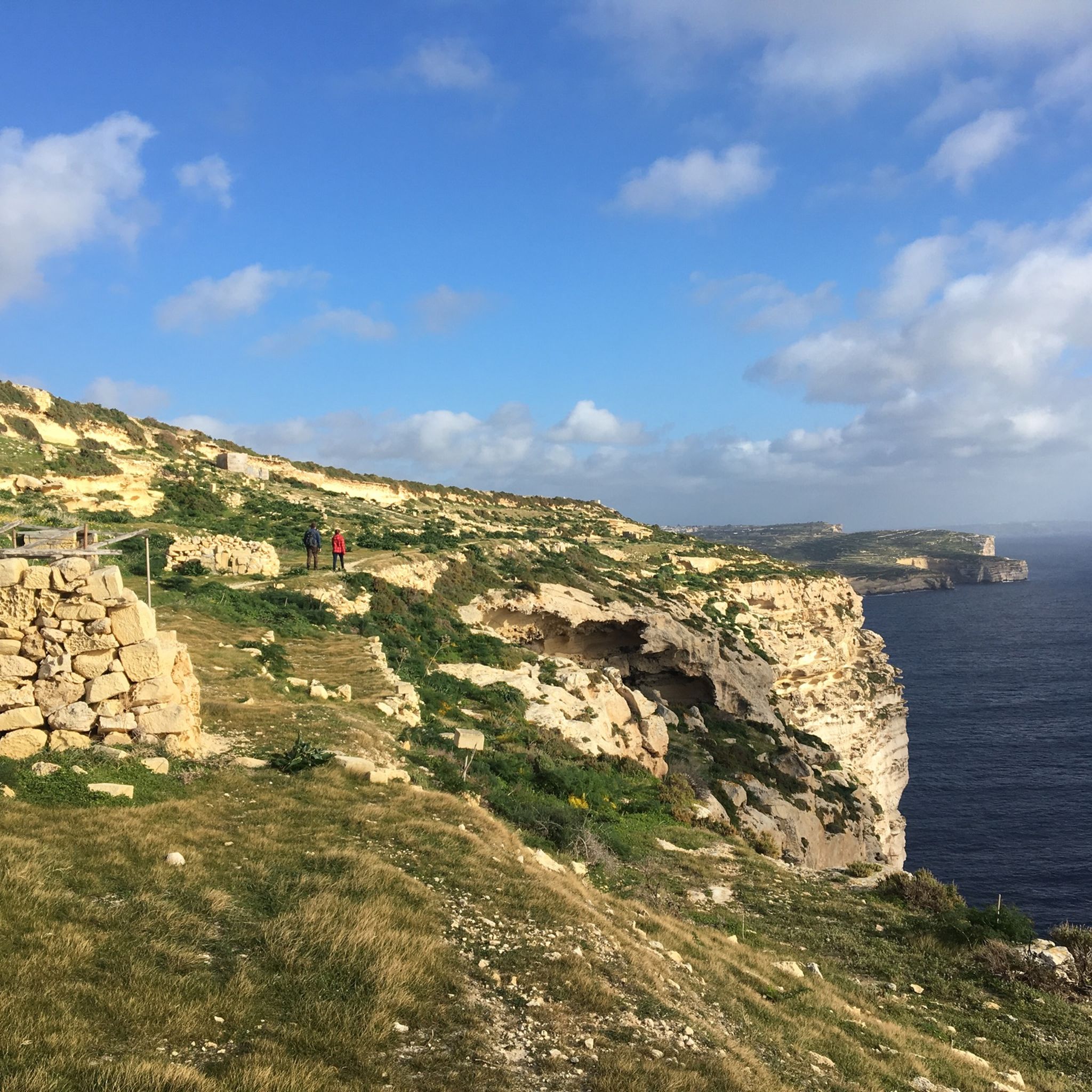
Dingli Cliffs
Highlight • Natural Monument
Translated by Google •
Tip by

St. Mary Magdalene Chapel (Dingli Cliffs)
Highlight • Religious Site
Translated by Google •
Tip by
Sign up for free to discover even more natural monuments in Malta.
Already have an account?
Start today with a free account
Your next adventure awaits.

Tips from the Community

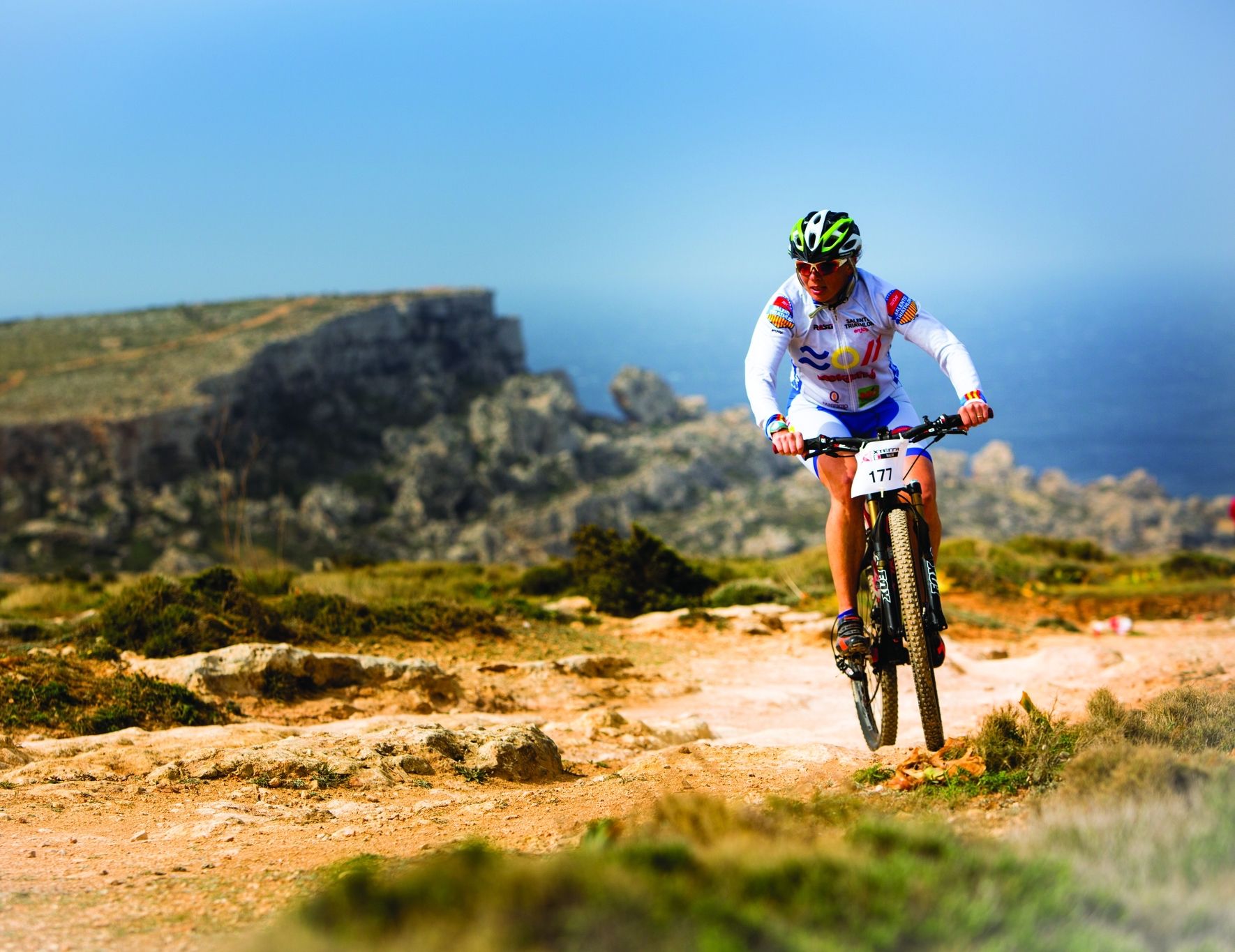
Really fun stretch of road for cycling. Elevation fluctuates quite a bit, creating quick descents that you can carry the momentum from into short climbs. Fantastic scenery and sea views.
0
0


Unfortunately, the entire grounds/garden were surrounded by a construction fence. However, the view can still be enjoyed.
0
0
Fun for all brave jumpers and spectators.
0
0

The chapel is located near the Dingli Cliffs in Malta. It was built in 1646 on the site of an older chapel that had existed at least since the 15th century. The simple architecture is typical of Maltese wayside chapels. Due to its location on the Dingli Cliffs, it is often referred to as "il-kappella tal-irdum" (Chapel of the Cliffs).
1
0

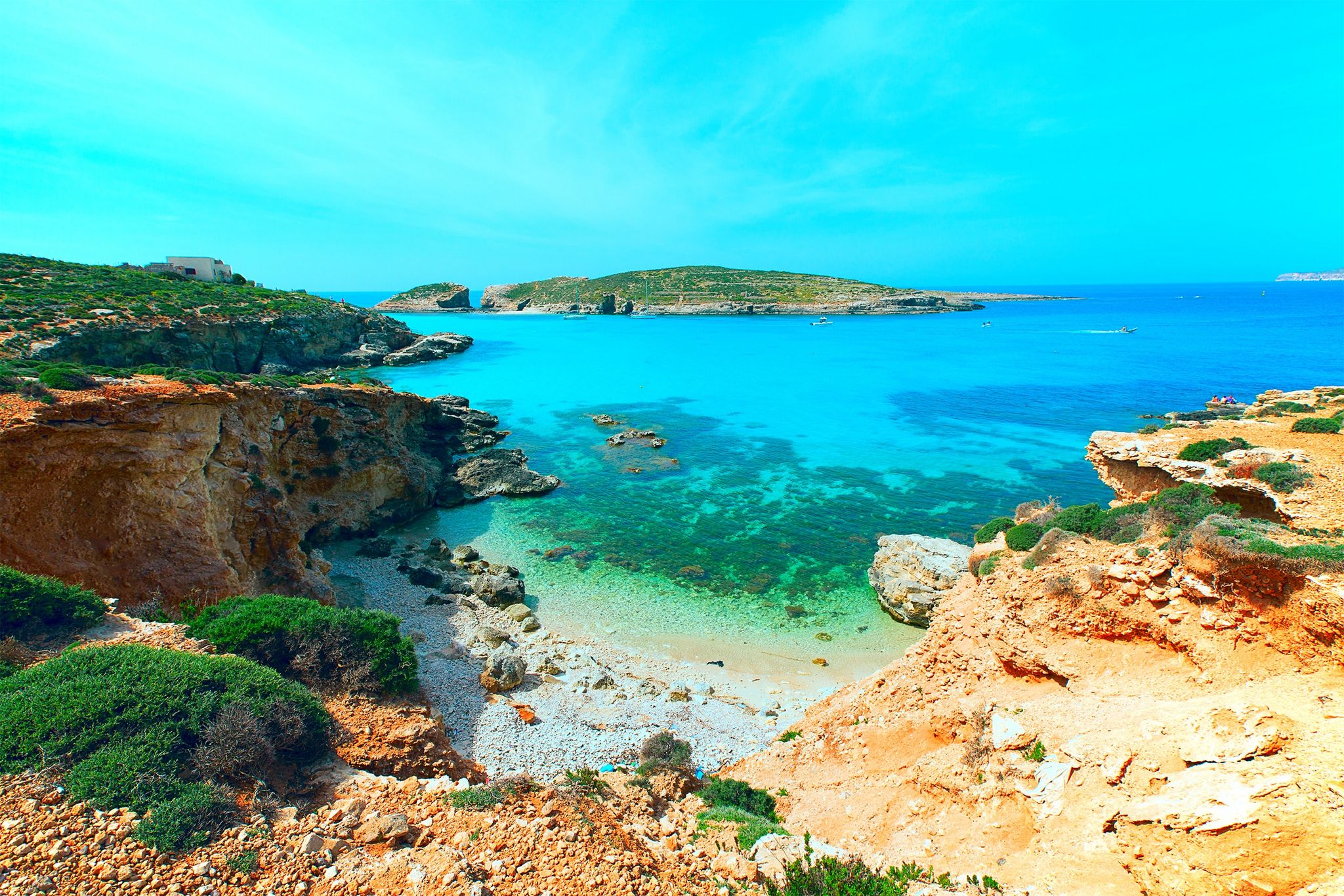
Very beautiful bay for swimming. If you are looking for solitude you are in the wrong place.
7
1

Beautifully situated bay surrounded by sandstone cliffs.
0
0
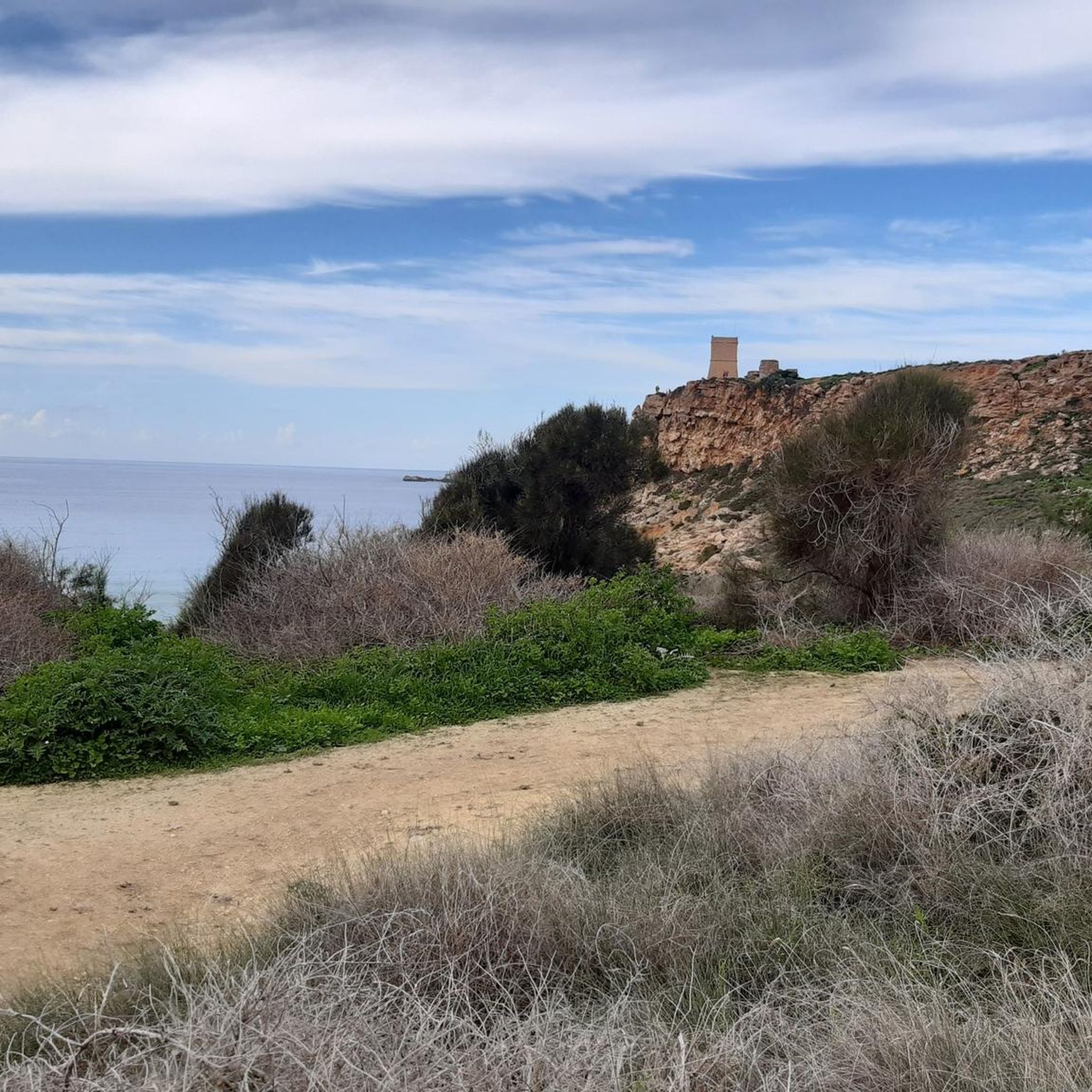
The private signs are only there to make people keep their dogs on a leash and stay on the paths and not walk across the fields.
1
0
Frequently Asked Questions
What are some of the most popular natural monuments in Malta?
Malta offers a variety of stunning natural monuments. Highly regarded by the komoot community are the dramatic Dingli Cliffs, which are the highest point on the islands and offer panoramic views. Another favorite is Ghasri Valley, a picturesque gorge on Gozo where a steep staircase leads to the sea. The St. Thomas Bay Cliffs are also popular for their scenic hiking opportunities.
Which natural monuments are best for swimming and snorkeling?
For swimming and snorkeling, the St. Peter's Pool near Marsaxlokk is a natural swimming pool with crystal-clear waters and smooth rocks, ideal for a refreshing dip. On Comino, the Blue Lagoon is renowned for its sparkling light blue waters and white sandy seabed. Għar Lapsi on Malta's southern coast also offers clear turquoise waters and intriguing underwater cave networks, making it popular for divers and snorkelers.
Are there any family-friendly natural monuments in Malta?
Yes, several natural monuments are suitable for families. The Upper Barrakka Gardens and Lower Barrakka Gardens in Valletta offer beautiful views and a pleasant environment for all ages. While not strictly natural, the Triton Fountain area is also considered family-friendly. For a unique natural experience, the Il-Maqluba Sinkhole, a natural garden formed by a geological event, can be an interesting visit for families.
What are the best natural monuments for scenic views and photography?
The Dingli Cliffs are unparalleled for panoramic views of the Mediterranean, especially at sunset. Dwejra Bay in Gozo, despite the loss of the Azure Window, still offers stunning vistas, including Fungus Rock and the Inland Sea, and is famous for its sunsets. Fomm ir-Riħ, a secluded bay, provides spectacular scenic views due to its unique geological formations and is a favorite among photographers.
What kind of geological features can I expect to see at Malta's natural monuments?
Malta's natural monuments showcase diverse geological features. You'll find dramatic limestone cliffs like the Dingli Cliffs and St. Thomas Bay Cliffs, sea caves such as the Blue Grotto with its vibrant waters, and natural arches like the Wied il-Mielaħ Window on Gozo. The Il-Maqluba Sinkhole is a unique geological depression, and Fomm ir-Riħ features a fault line creating vertical cliffs and clay slopes.
Are there opportunities for hiking near Malta's natural monuments?
Yes, Malta offers excellent hiking opportunities near its natural monuments. The Dingli Cliffs are ideal for leisurely walks or more challenging hikes along the western coast. The area around Clay Cliffs at Ġnejna Bay also features a beautiful, albeit steep and slippery, path with breathtaking coastal views. For more hiking options, explore the Hiking in Malta guide, which includes routes like the 'Għajn Tuffieħa Bay – Gnejna Bay loop'.
What outdoor activities can I do near these natural monuments besides hiking?
Beyond hiking, many natural monuments offer diverse outdoor activities. The Blue Grotto and Dwejra Bay's Blue Hole are world-famous diving and snorkeling spots. Għar Lapsi is popular for swimming, snorkeling, scuba diving, and even cliff abseiling, kayaking, and paddleboarding. For cycling enthusiasts, the MTB Trails in Malta guide features routes like the 'Dingli Cliffs – View of St. Paul's Bay loop'.
What is the best time of year to visit Malta's natural monuments?
The best time to visit Malta's natural monuments is generally during the spring (April to June) and autumn (September to November) months. During these periods, the weather is pleasant for outdoor activities like hiking and exploring, and the temperatures are comfortable for swimming. Summer can be very hot, while winter offers a quieter experience with cooler temperatures, though some boat tours might be weather-dependent.
Can I visit historical sites alongside natural monuments?
Absolutely. Malta's rich history often intertwines with its natural beauty. For instance, the St. Mary Magdalene Chapel is perched on the edge of the Dingli Cliffs. Għar Dalam Cave, known as the 'Cave of Darkness,' is a significant prehistoric site containing layers of fossils from extinct animals, offering a glimpse into Malta's ancient natural history. The Xwejni Salt Pans also have historical significance, with some dating back to Roman times.
Are there any natural monuments that are less known or 'hidden gems'?
While popular spots attract many, Malta also has its hidden gems. Fomm ir-Riħ, meaning 'mouth of the wind,' is a secluded bay on the western side of Malta, offering tranquility and unique geology, accessible via a challenging footpath. The Wied il-Mielaħ Window on Gozo is a stunning natural rock arch that serves as a beautiful alternative to the collapsed Azure Window, offering fantastic photographic opportunities away from the main crowds.
How accessible are Malta's natural monuments for visitors?
Accessibility varies greatly among Malta's natural monuments. Sites like the Upper Barrakka Gardens and Triton Fountain are generally wheelchair accessible. However, many coastal formations, cliffs, and secluded bays like Fomm ir-Riħ or Għar Lapsi may involve uneven terrain, steep paths, or require boat access, making them less accessible for those with mobility challenges. It's advisable to check specific access details for each location.
Most popular attractions in Malta

Get inspired with the komoot mobile app


Explore more
Extend your search for the best caves by checking out these guides of the top ones in Malta:
