Top 20 Natural Monuments around Blankenheim
Best natural monuments around Blankenheim are found in the picturesque Eifel region, offering diverse geological formations and unique ecosystems. The town serves as a gateway to exploring significant natural features, including the source of the Ahr River. This area provides numerous opportunities for outdoor activities amidst its natural landscape.
Best natural monuments around Blankenheim
- The most popular natural monuments is Dreimühlen Waterfall, a waterfall that was created when streams were merged during the construction of a railway line. It…
Last updated: July 7, 2026
Dreimühlen Waterfall
Highlight • Waterfall
Translated by Google •
Tip by

Kakus Cave and Kartstein Cliffs
Highlight • Cave
Translated by Google •
Tip by

Sign up now to discover places like this
Get recommendations on the best single tracks, peaks, & plenty of other exciting outdoor places.
Sign up for free
Rock face at Nohner Mühle
Highlight • Natural Monument
Translated by Google •
Tip by

Kalvarienberg Trail (Alendorf)
Highlight • Trail
Translated by Google •
Tip by

Lampertstal
Highlight (Segment) • Gorge
Depending …
Translated by Google •
Tip by

Sign up for free to discover even more natural monuments around Blankenheim.
Sign up for free
Already have an account?
Start today with a free account
Your next adventure awaits.
Login or Signup
Popular around Blankenheim
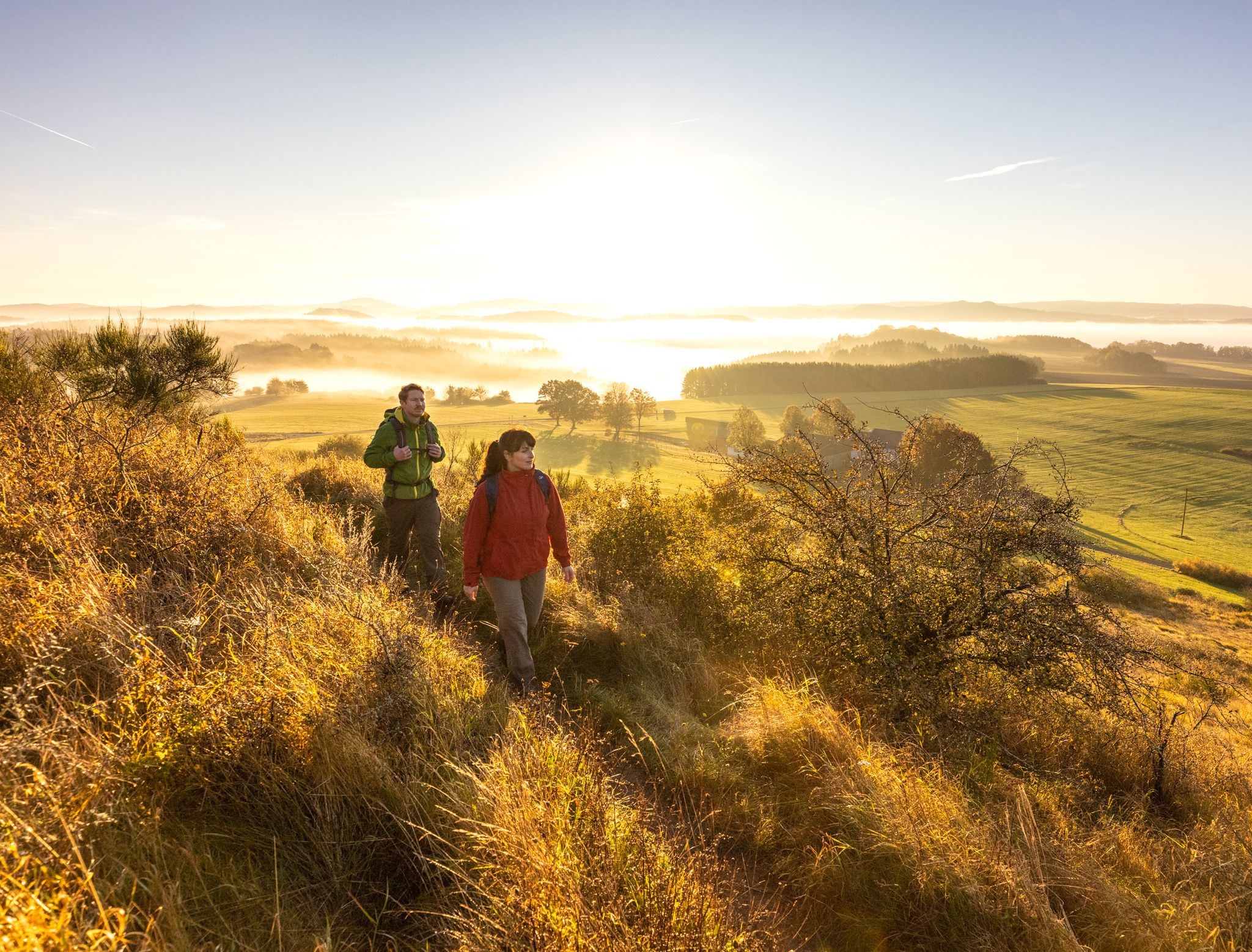
The 15 stages of the Eifelsteig Trail — Between rocks and water
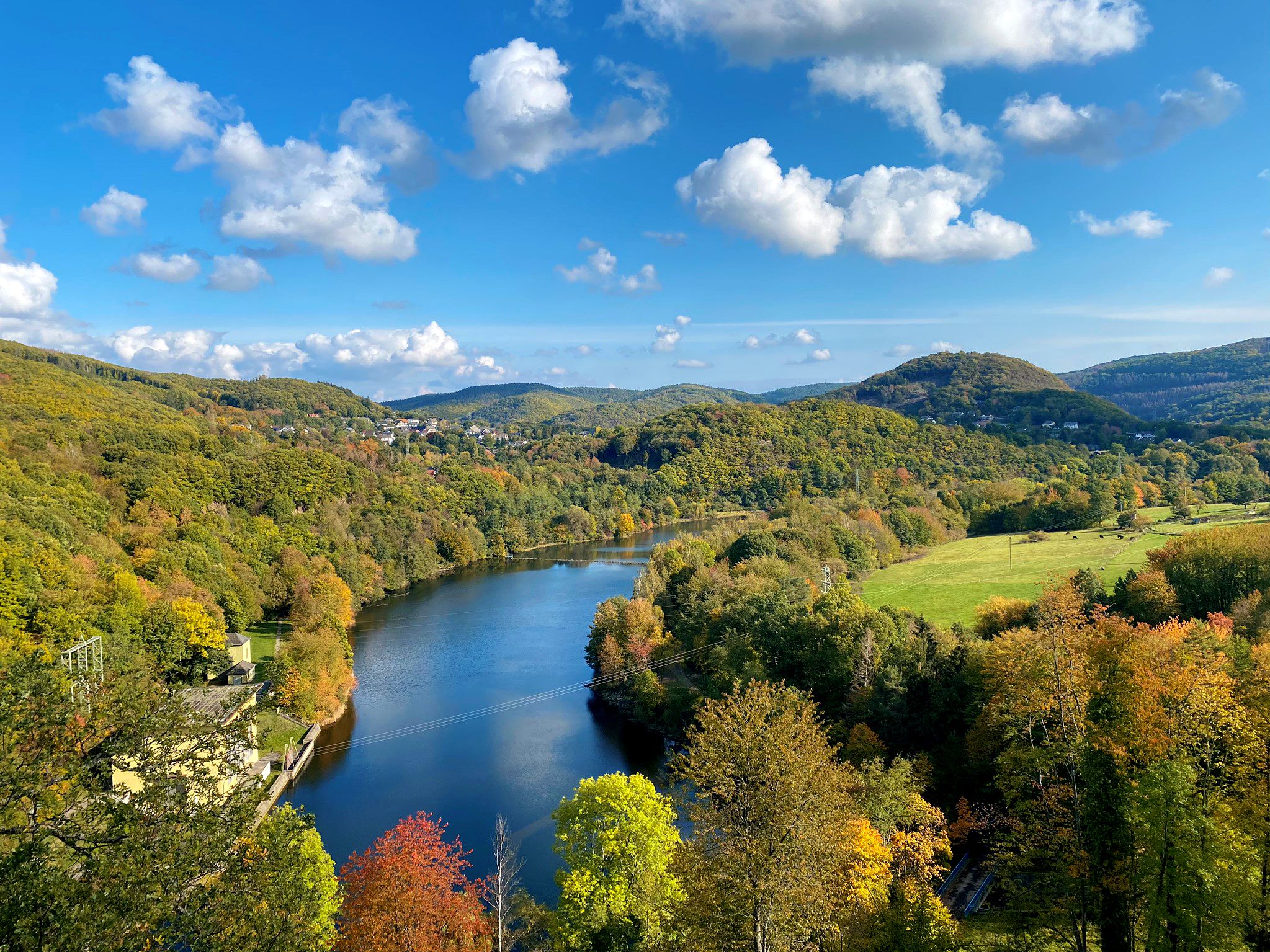
Idyllic valleys and picturesque waterways – Eifel Peak Route Cycle Path
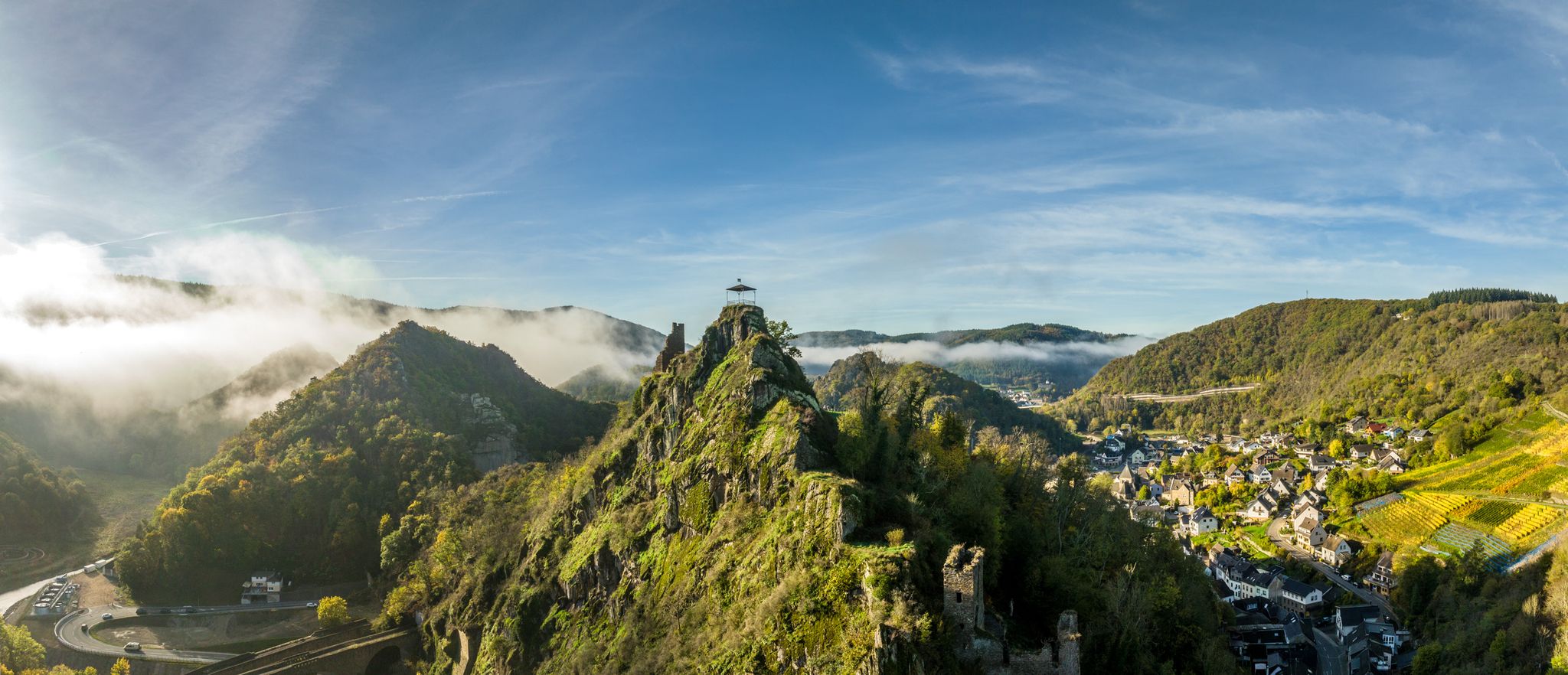
Zwischen Weinbergen und schroffen Felsen – Wandern im Ahrtal
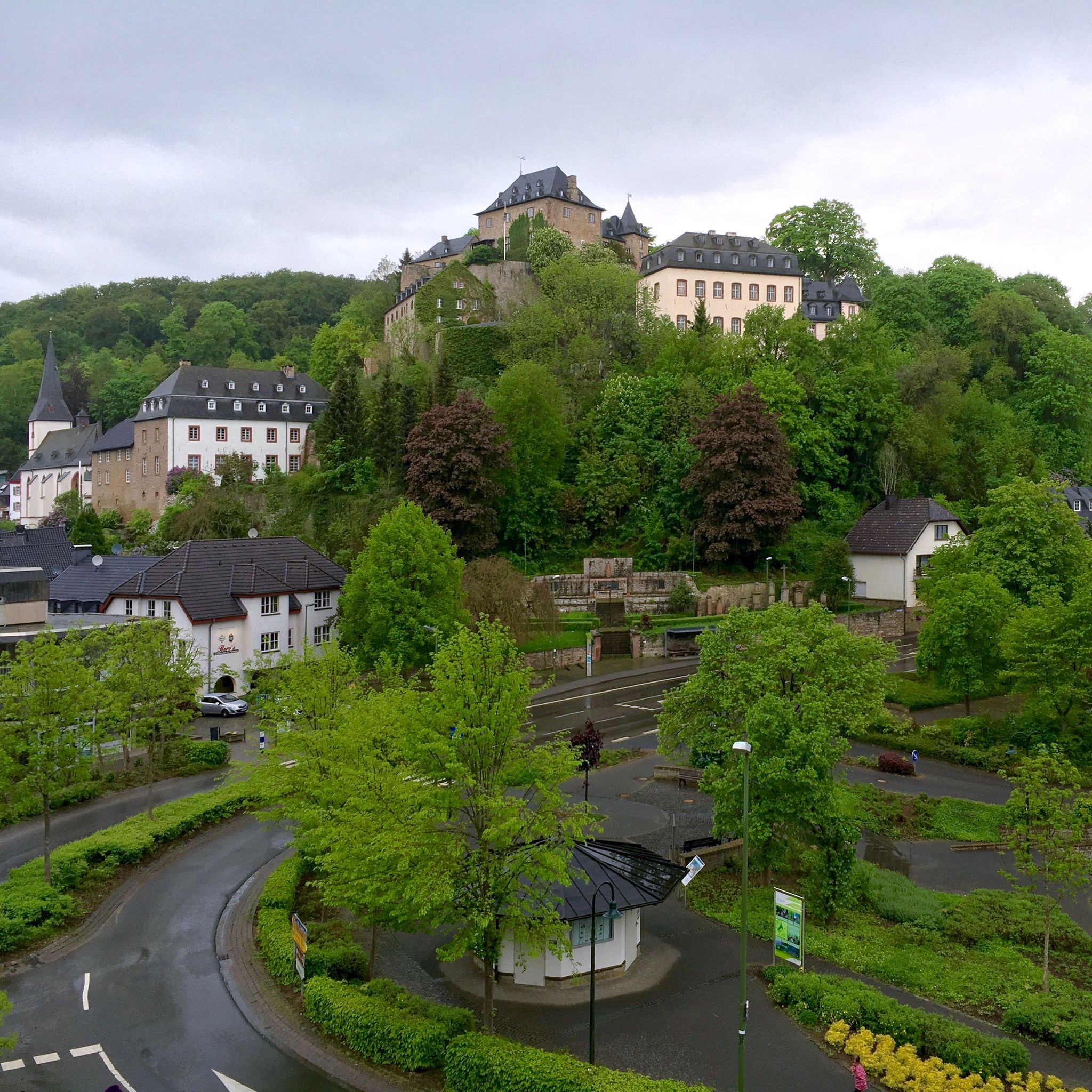
Hiking around Blankenheim
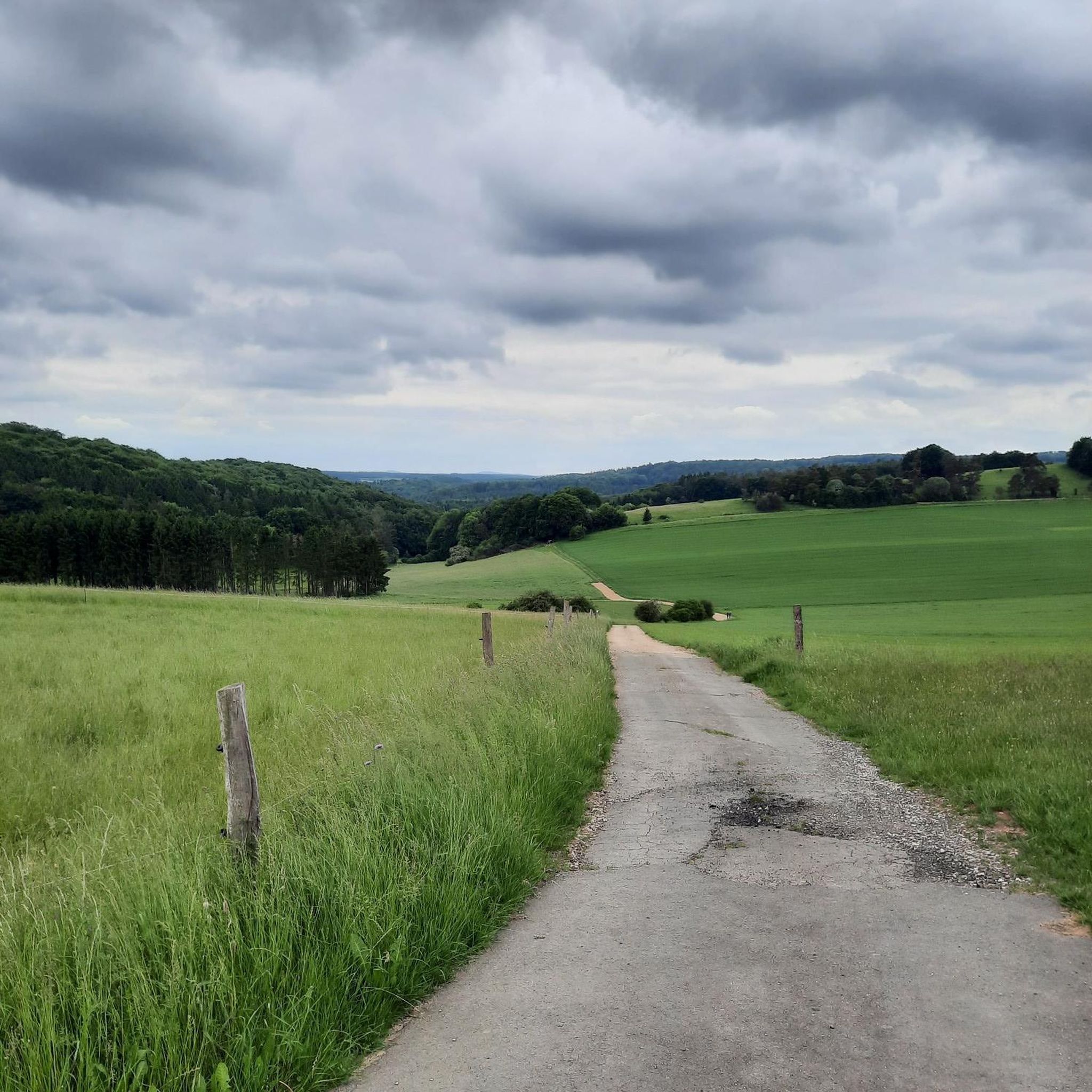
Cycling around Blankenheim
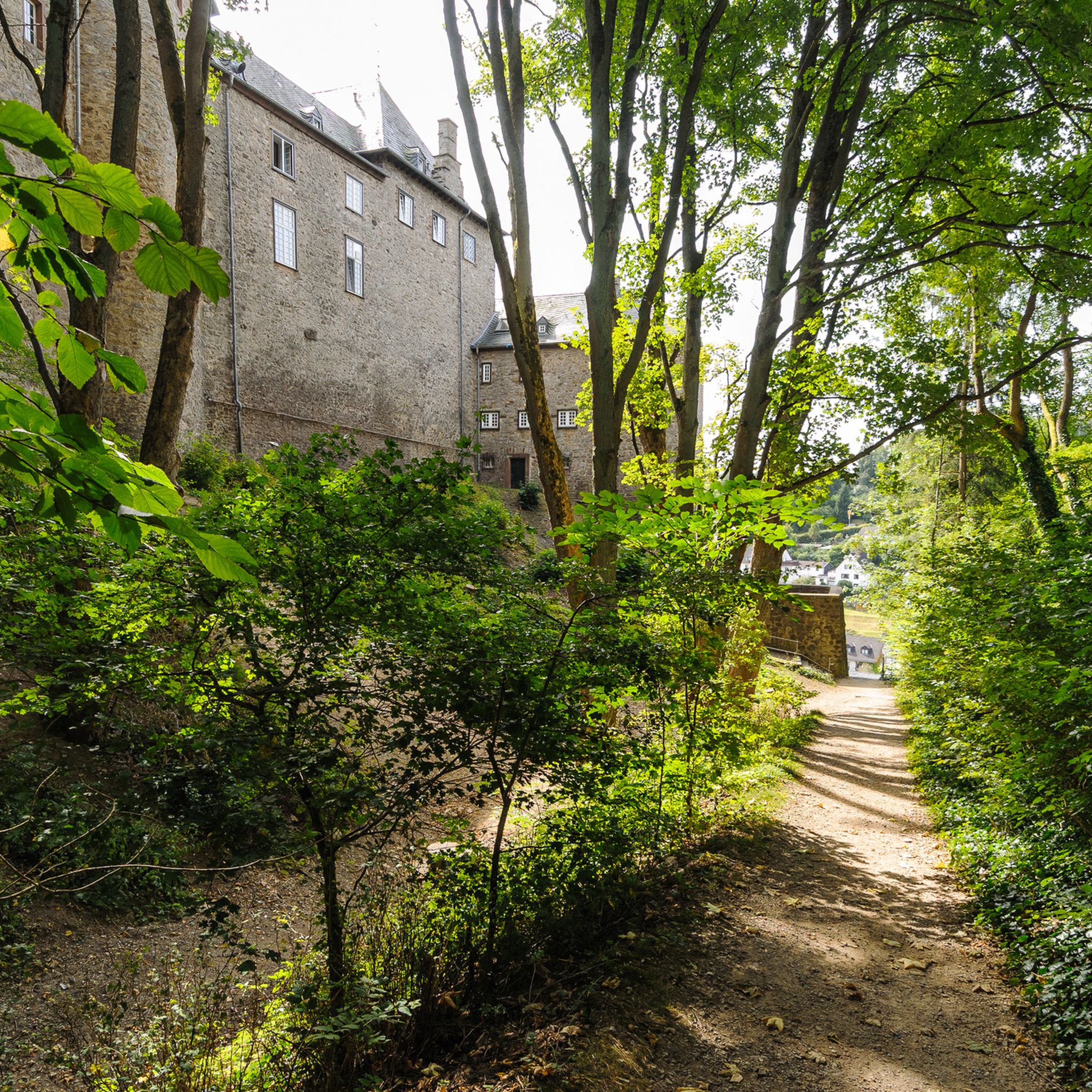
MTB Trails around Blankenheim
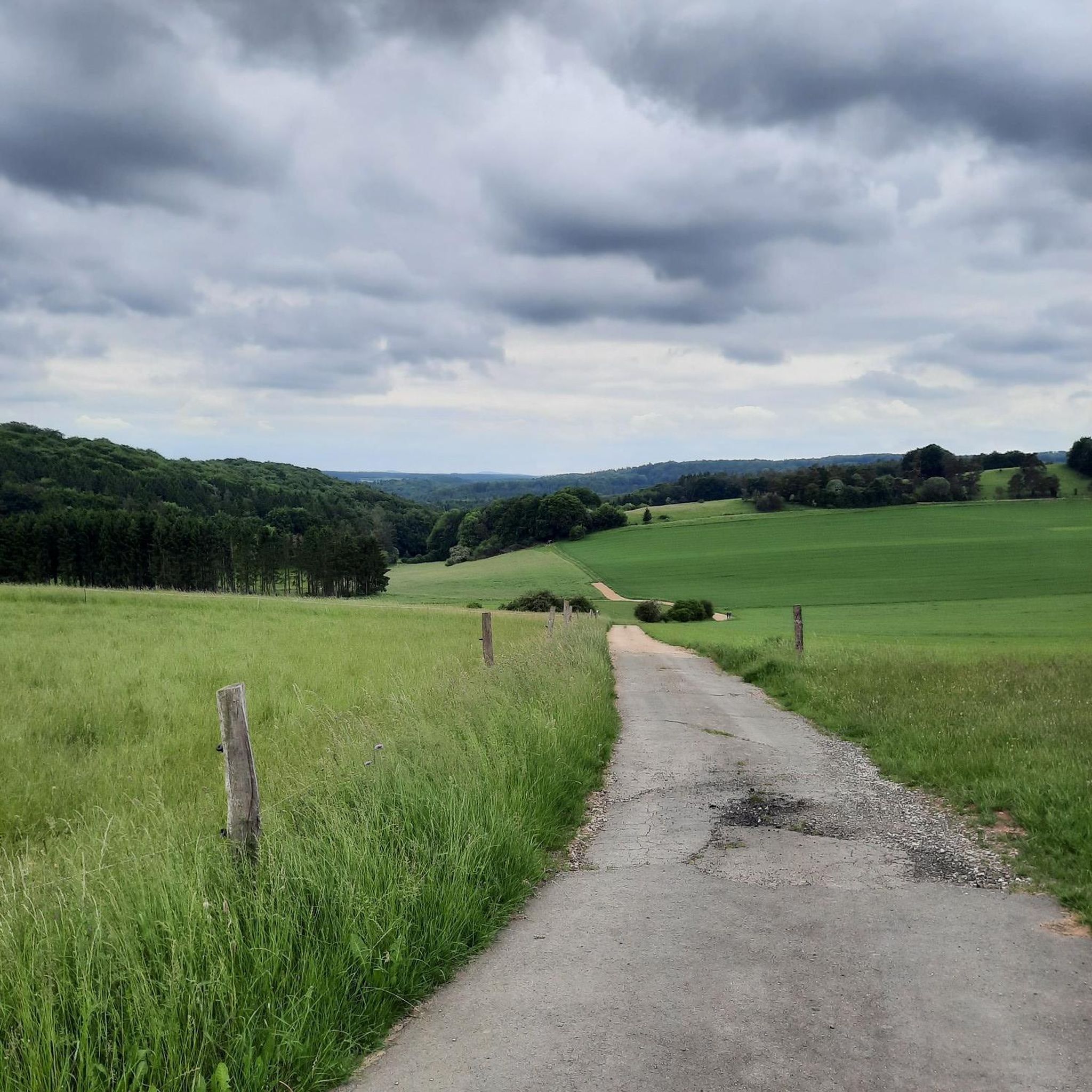
Road Cycling Routes around Blankenheim
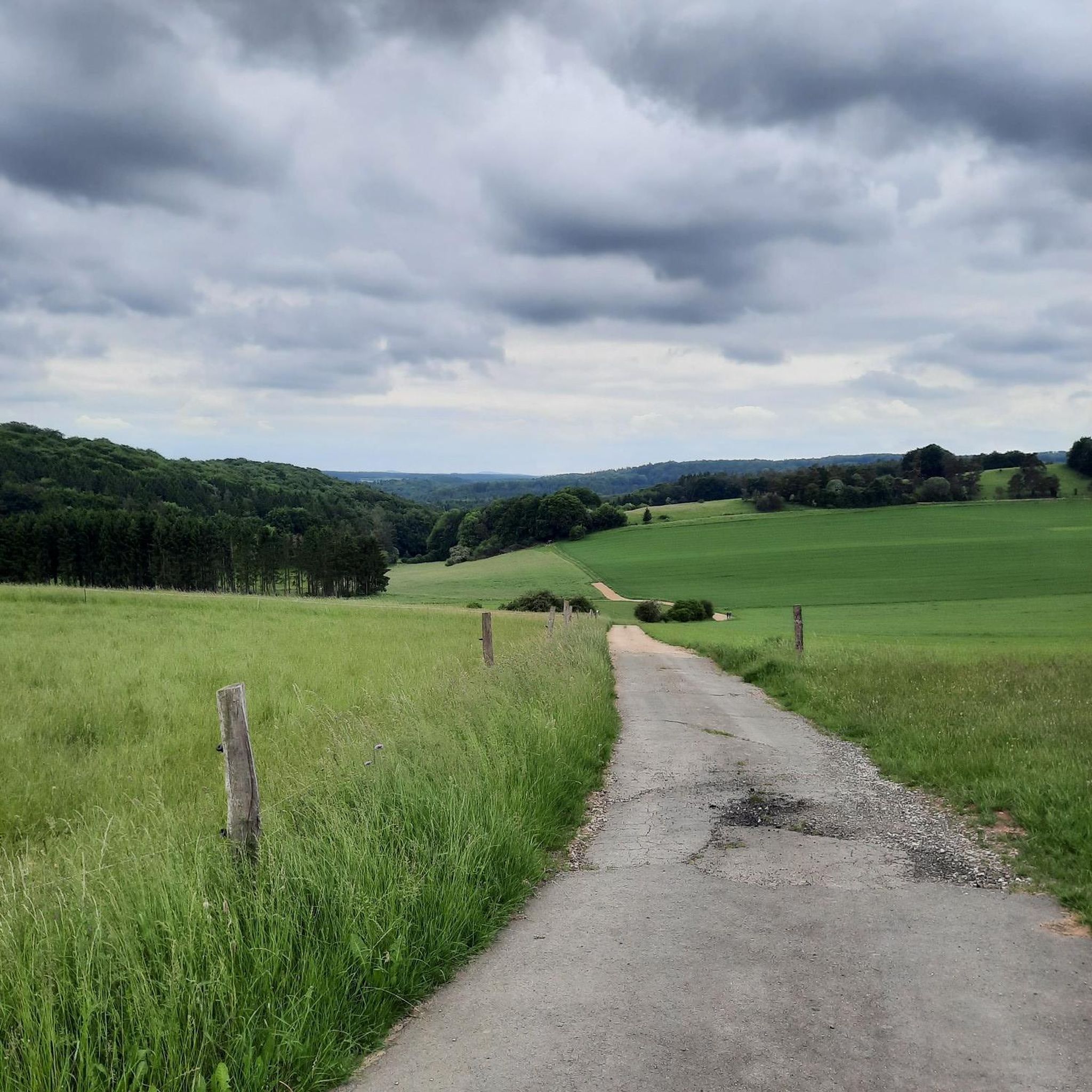
Running Trails around Blankenheim

Gravel biking around Blankenheim
Mountain Hikes around Blankenheim
Other adventures around Blankenheim


Tips from the Community

On the way to the Dreimühlen waterfall, which is well-known beyond the Vulkaneifel region and a popular excursion destination, the hiker sees the limestone rock formation towering over the water a little beforehand. It's a bit reminiscent of the Swabian Jura, as someone told me on the way today.
1
0

The karstified limestone cliffs are the first highlight on the path from the parking lot to the waterfall. Here, the stream has carved its way through the limestone, creating the rock face. The limestone originated as a deposit of dead marine organisms on the seabed of a shallow ocean that covered this area millions of years ago. Later, the ground was uplifted by tectonic processes. Limestone reacts with acid and is therefore dissolved by rainwater and surface water, which is slightly carbonated due to the CO2 in the air. This process creates weathered formations and caves. The formation of the Dreimühlen Waterfall is also related to this process.
5
0

Beautiful rock face to see.
5
0

For information about the limestone cliffs, see e.g. https://kreis-ahrweiler.de/kvar/VT/hjb1960/hjb1960.54.htm
2
0

Imposing limestone wall behind the Nohner Mill
2
0

The so-called Dreimühlen waterfall is also known as the Nohn waterfall. The name Nohn waterfall comes from the waterfall's proximity to the town of Nohn. The houses on the outskirts of Nohn are only a few hundred meters above the waterfall. Most people talk about the Dreimühlen waterfall, however. The name Dreimühlen comes from a former castle called Dreimühlen. Today, however, only the remains of the walls are said to remain. We looked for the former castle on our trip, but couldn't find anything of it. The waterfall in the Eifel is located between the towns of Üxheim, Kerpen and Nohn. Although the other large towns in the Eifel are not located here, many visitors come here. Some of them travel especially to visit the waterfall. The Dreimühlen waterfall is one of the most visited Eifel attractions. Almost every holidaymaker in the area comes to the waterfall at least once during their Eifel vacation. In addition, many day tourists travel from outside, making it the most visited waterfall in the Eifel. They all want to see the unique natural wonder.
16
1

Nice entrance to hiking tours to the waterfall
2
0

The first highlight right at the parking lot. This is also where the path to the waterfall starts
5
0
Frequently Asked Questions
What unique geological features can I explore around Blankenheim?
You can explore the Dreimühlen Waterfall, which is unique because it's a 'growing' waterfall due to continuous lime deposits. The Kakus Cave and Kartstein Cliffs offer impressive rock formations and a large cave with multiple natural light-filled exits. Additionally, the Ahr Spring in Blankenheim town center marks the source of the River Ahr.
Are there family-friendly natural monuments suitable for children?
Yes, both the Dreimühlen Waterfall and the Kakus Cave and Kartstein Cliffs are considered family-friendly. The Kakus Cave is notably accessible with stairs and concrete reinforcements, making it suitable for those who might be apprehensive about caves.
Where can I find extensive hiking opportunities amidst nature in Blankenheim?
The Lampertstal and Nonnenbachtal Juniper Conservation Area is an excellent choice. It's one of the largest nature reserves in North Rhine-Westphalia, offering numerous hiking trails through its distinctive juniper heaths.
What kind of wildlife can I expect to see in the natural monuments area?
The Lampertstal and Nonnenbachtal Juniper Conservation Area is particularly known for its rich diversity of butterflies. Depending on the season, you might also spot various plant species like pasque flowers, cowslips, anemones, orchids, autumn crocus, and gentian.
Are there any natural monuments that are also historical sites?
Yes, the Kakus Cave and Kartstein Cliffs are recognized as a historical site, offering a glimpse into the region's geological past and human history.
What outdoor activities can I do near these natural monuments?
The region around Blankenheim offers diverse outdoor activities. You can find numerous MTB trails, mountain hikes, and road cycling routes. For example, there are MTB routes like the 'Freilinger Lake – Freilinger Lake loop' and mountain hikes such as the 'Dreimühlen Waterfall – Nohner Mill Café loop'. You can explore more options on the dedicated guides for MTB Trails around Blankenheim, Mountain Hikes around Blankenheim, and Road Cycling Routes around Blankenheim.
Are there specific hiking trails that offer great views of the natural landscape?
Yes, the Kalvarienberg Trail (Alendorf) is known for its beautiful views of the juniper heaths in the area, despite a somewhat steep approach. Many natural monuments, including the Dreimühlen Waterfall and Kakus Cave and Kartstein Cliffs, are also considered viewpoints.
What is the best time of year to visit the natural monuments around Blankenheim?
The region is beautiful year-round. For flower enthusiasts, visiting the Lampertstal in June is recommended when the orchids are in bloom. The juniper heaths offer stunning scenery in various seasons. The Dreimühlen Waterfall is a popular attraction that can be enjoyed throughout the year.
Is there parking available near the natural monuments?
Yes, for instance, there is parking available near the Kakus Cave and Kartstein Cliffs, which also includes a toilet and a small kiosk/snack bar. The Rock face at Nohner Mühle also has parking right at the start of the path to the waterfall.
How accessible is the Kakus Cave for visitors?
The Kakus Cave is described as very accessible. It features stairs and concrete reinforcements, making it suitable even for those who might typically be apprehensive about caves due to claustrophobia or darkness. Its multiple exits allow a significant amount of natural light to enter, reducing the need for artificial lighting during the day.
What is the significance of the Ahr Spring in Blankenheim?
The Ahr Spring is a significant natural feature located directly within Blankenheim. It's the source of the River Ahr, rising under an old half-timbered house in the town center. It serves as the starting point for popular routes like the Ahr Cycle Path and the Ahr-Steig hiking trail, connecting visitors to the region's hydrology and historic town.
Most popular routes around Blankenheim
Most popular attractions around Blankenheim

Get inspired with the komoot mobile app


Explore more
Extend your search for the best caves by checking out these guides of the top ones around Blankenheim:
