Top 20 Natural Monuments around Chur
Natural monuments around Chur offer diverse geological formations and landscapes in the Graubünden canton of Switzerland. The region is characterized by its mountainous terrain, deep gorges, and alpine lakes. These natural areas provide opportunities for outdoor activities and offer various viewpoints. Chur serves as a gateway to these natural attractions, which are accessible from the city.
Best natural monuments around Chur
- The most popular natural monuments is Tamina Gorge, a gorge that features a narrow rock crevice up to 750 meters long and 70 meters deep. Healing thermal water has bubbled here for centuries.
- Another must-see spot is Kunkel Pass, a mountain pass offering scenic views. This pass provides a route through the mountains with opportunities for exploration.
- Visitors also love Weisshorn Summit (2,653 m), a mountain summit. A fantastic view in all directions awaits at the top.
- Chur is known for its gorges, mountain passes, and summits. The region offers a variety of natural monuments to see and explore, from deep rock formations to high alpine viewpoints.
- The natural monuments around Chur are appreciated by the komoot community, with 376 upvotes and 572 photos shared across the highlights.
Last updated: August 17, 2026
Tamina Gorge
Highlight (Segment) • Gorge
Source of our thermal water
The Tamina spring is not only the namesake of our thermal spa, but also the source of our healing spring water. Europe's most abundant thermal spring rises in the Tamina Gorge near Bad Ragaz and was discovered in the early Middle Ages (in 1242).
Mysterious Tamina Gorge
In the Tamina Gorge between Valens and the hamlet of Bonadivis, the water of the Tamina River carves its way up to 200 meters into the earth. The narrow rock crevice of the Tamina Gorge is approximately 750 meters long and 70 meters deep. Near Old Bad Pfäfers, the gorge widens, and a road now connects Old Bad Pfäfers with the town of Bad Ragaz.
Deep within the mystical Tamina Gorge beats its heart: the inexhaustible spring from which healing, body-temperature thermal water has bubbled for centuries.
Among others, the physician and alchemist Paracelsus praised the healing properties of the spring water in the 16th century, which is considered an acratotherm due to its low mineral content and temperature of 36.5°C.
Text / Source: TAMINA THERME AG, Hans Albrecht-Strasse, Bad Ragaz
taminatherme.ch/thermalwasserwelt/taminaschlucht-thermalwasser
Translated by Google •
Tip by

Dreibündenstein Monument
Highlight • Monument
Showing Translation
Tip by

Sign up now to discover places like this
Get recommendations on the best single tracks, peaks, & plenty of other exciting outdoor places.
Sign up for free
Weisshorn Summit (2,653 m)
Highlight • Summit
Translated by Google •
Tip by

Kunkelpass
Highlight • Mountain Pass
Showing Translation
Tip by

Tamina Thermal Spring
Highlight • Natural Monument
The path to the spring itself is suitable for prams and wheelchairs, but you have to ask for the large gate to be opened, as access is usually through a revolving door. In contrast to other gorges and gorges, it is not cold and uncomfortable here, because the warm water of the thermal bath heats up quite nicely.
You can find information about opening times and admission prices here: tourispo.de/sehenswuerdigkeit/taminaschlucht-bad-ragaz_preise-und-oeffnungszeiten.html.
Translated by Google •
Tip by

Sign up for free to discover even more natural monuments around Chur.
Sign up for free
Already have an account?
Start today with a free account
Your next adventure awaits.
Login or Signup
Popular around Chur
Alpine Passes Trail in Switzerland – 34 stages of pure mountain fun
Great heights from Chur to Tirano with your mountain bike & post bus
The Rhine Cycle Path — From the source to the North Sea
Quiet villages, proud passes, impressive history – the Via Sett

Every cycling trip is a little holiday – bike to work Challenge 2026
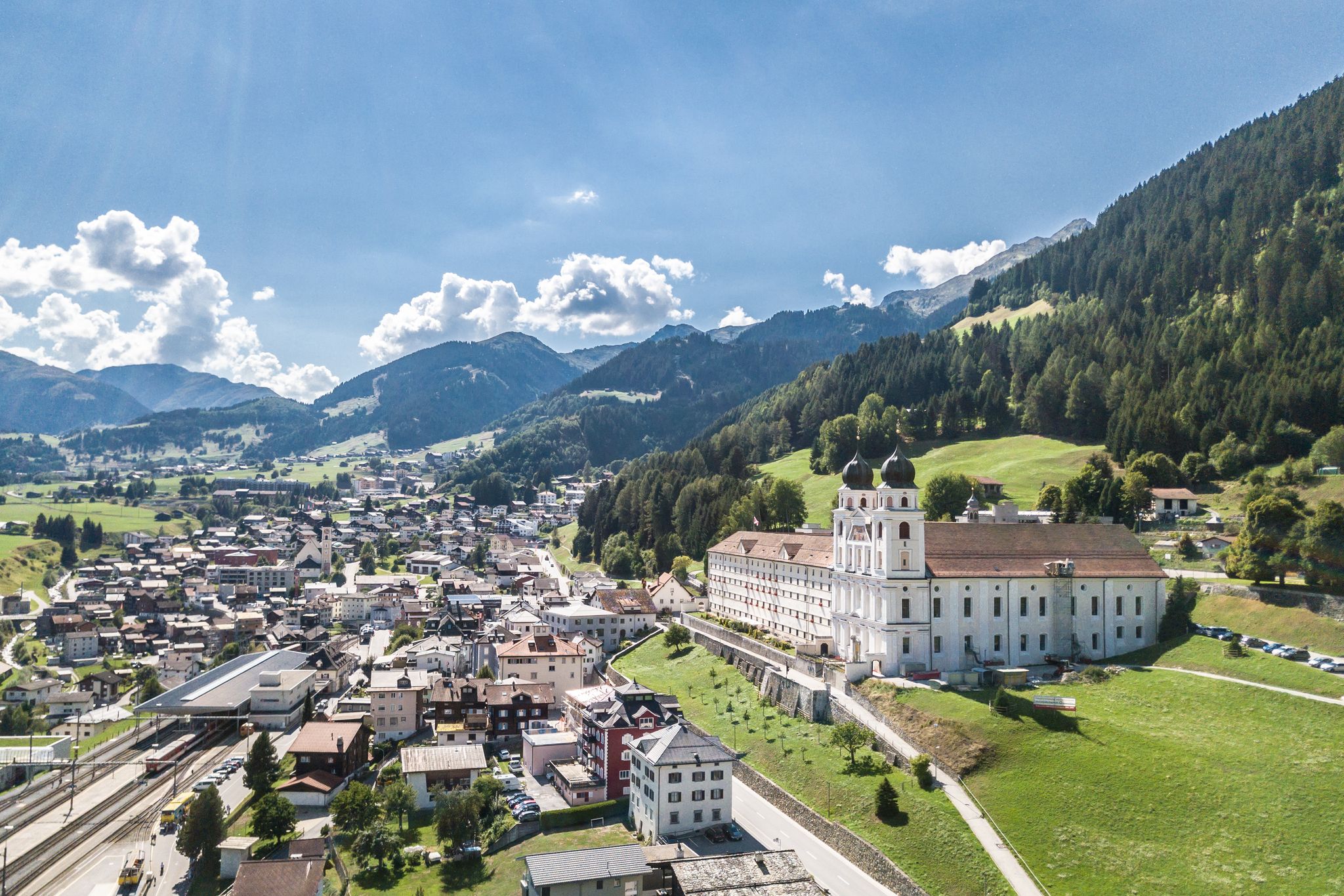
Between water, rock and forest - Grischun Cultura Surselva
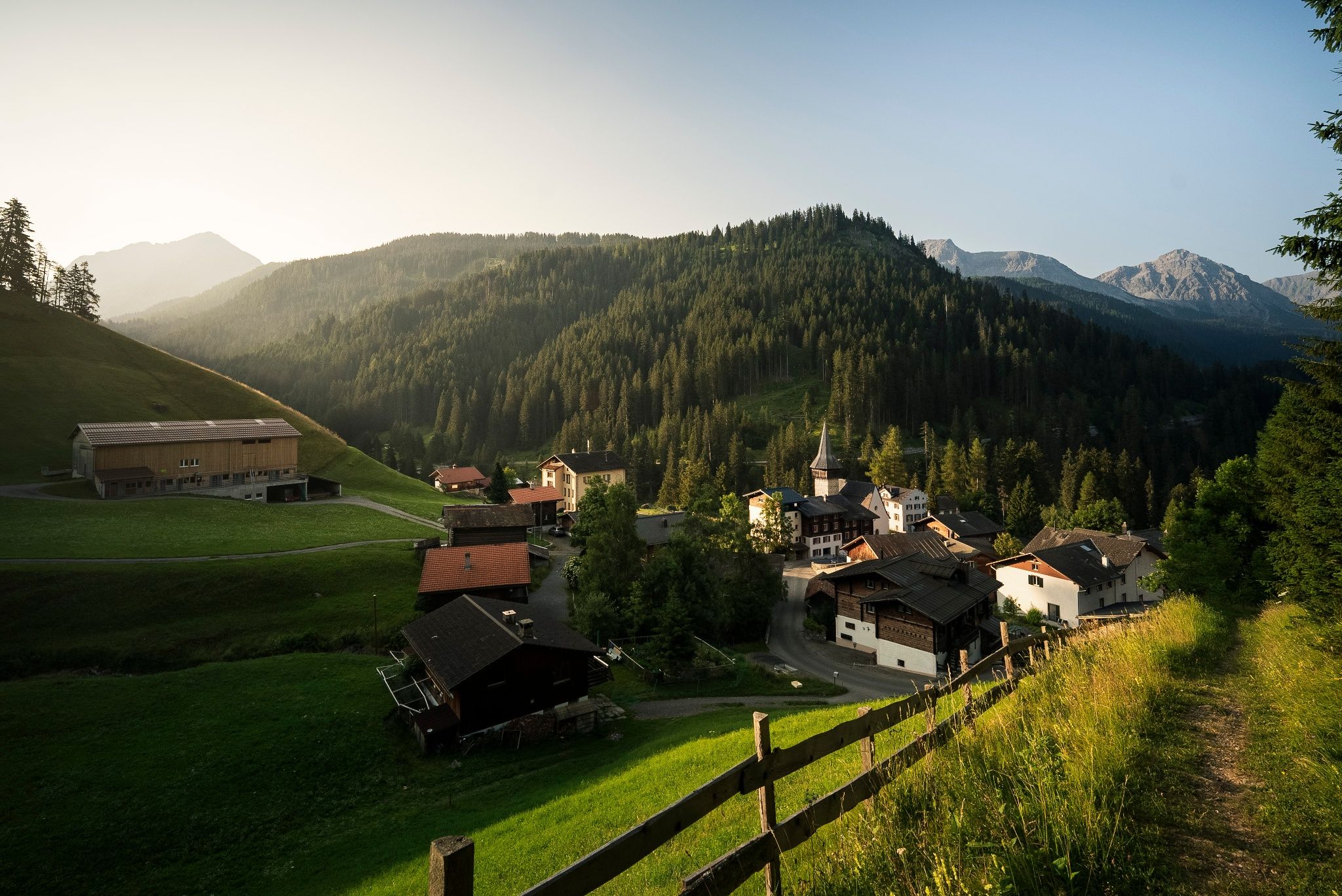
Village to village in the footsteps of the Walser – Schanfigger village trail
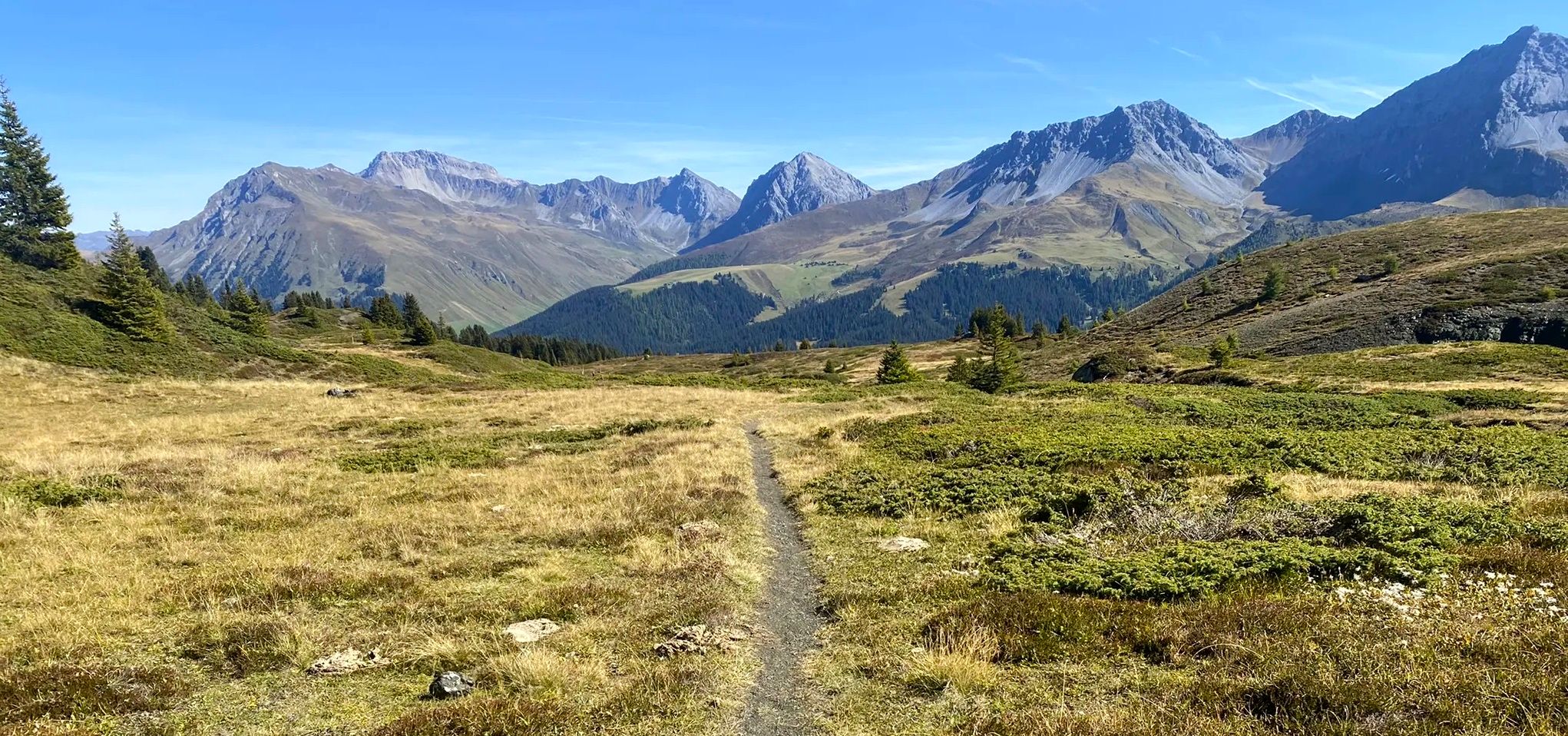
Explore an entire valley on foot - Schanfigger Höhenweg
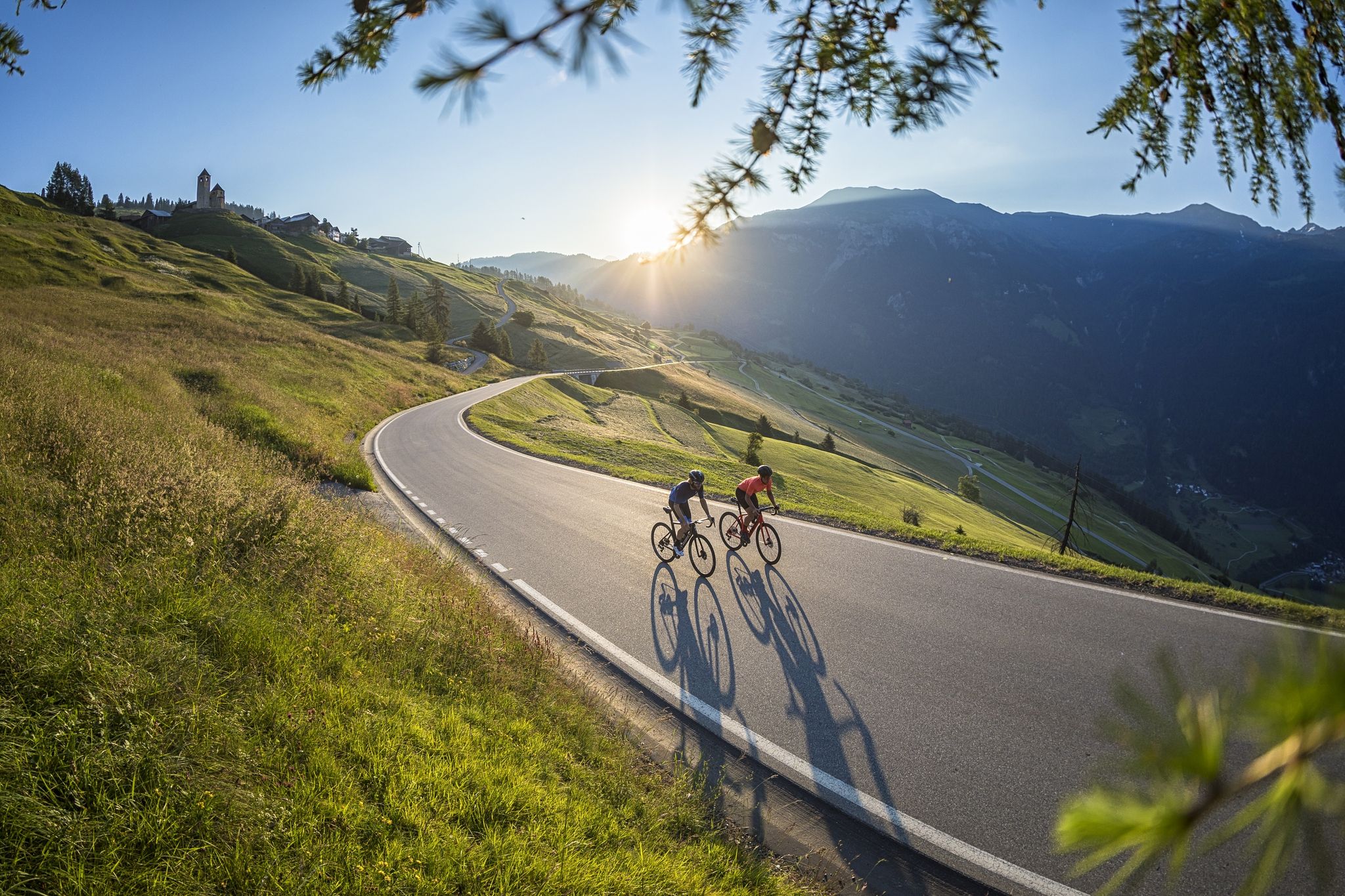
A cyclists’ menu – road cycling in Switzerland’s Grisons
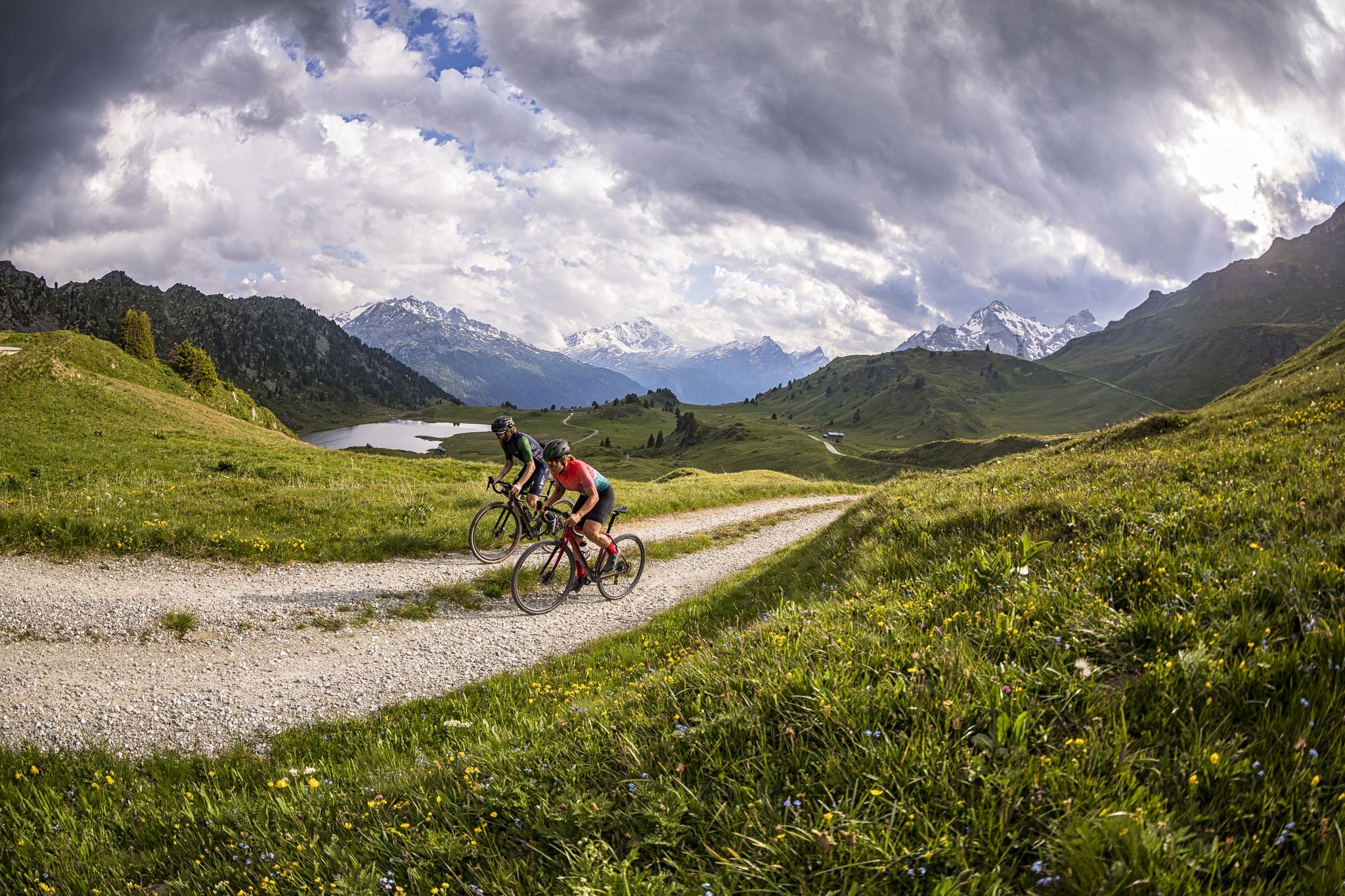
A gravel biking Menu for Switzerland’s Grisons
Other adventures around Chur


Tips from the Community

Prepare for a long, exhausting but amazing 2000 descent!
0
0

Top view into the distance and of Arosa
0
0

Tamina Gorge near Old Bad Pfäfers - 36.5°C, 8,000 liters per minute. Source of our thermal water The Tamina spring is not only the namesake of our thermal spa, but also the source of our healing spring water. Europe's most abundant thermal spring rises in the Tamina Gorge near Bad Ragaz and was discovered in the early Middle Ages (in 1242). Mysterious Tamina Gorge In the Tamina Gorge between Valens and the hamlet of Bonadivis, the water of the Tamina River carves its way up to 200 meters into the earth. The narrow rock crevice of the Tamina Gorge is approximately 750 meters long and 70 meters deep. Near Old Bad Pfäfers, the gorge widens, and a road now connects Old Bad Pfäfers with the town of Bad Ragaz. Deep within the mystical Tamina Gorge beats its heart: the inexhaustible spring from which healing, body-temperature thermal water has bubbled for centuries. Among others, the physician and alchemist Paracelsus praised the healing properties of the spring water in the 16th century, which is considered an acratotherm due to its low mineral content and temperature of 36.5°C. Text / Source: TAMINA THERME AG, Hans Albrecht-Strasse, Bad Ragaz https://www.taminatherme.ch/thermalwasserwelt/taminaschlucht-thermalwasser
14
0

You can reach the 2,653-meter-high summit of the Weisshorn either by taking a strenuous but very worthwhile hike, or by taking the cable car in a very relaxed manner while sitting down. A fantastic view in all directions awaits you at the top.
2
0

The Tamina Gorge is located above Bad Ragaz in the northern part of the Tamina Valley in the canton of St. Gallen. Between Valens and Bonadivis, the water of the Tamina has dug itself up to 200 meters into the rock for 15,000 years. The narrowest part of the crevices is 750 meters long and 75 meters deep. It is covered at the natural bridge. In the rear part of the Tamina Gorge is the thermal spring, which has water at a temperature of 36.6 degrees. From 1350 to 1969, the thermal water was used in Bad Pfäfers, in the Valens medical clinic and in the thermal baths in Bad Ragaz, for example to cure rheumatism. The water was piped there via long pipes.
1
0
The Dreibündenstein in Graubünden is an elevation at 2,156 meters above sea level south of the city of Chur and of the mountain Furggabüel, which lies at 2,174 meters above sea level. They are separated only by a 15-meter high saddle and 500 meters distance. The point is not a mountain peak, but a historical site. It was the sole triple border point of the former Free State of the Three Leagues. The original stone from 1722 is exhibited in the Rätisches Museum Chur. The replacement stone from 1915 bears the three coats of arms of the Three Leagues. The Three Leagues included the Grey League with the judicial community of Rhäzüns, the League of the Ten Jurisdictions from Churwalden, and the League of God's House from Ortenstein Castle.
5
0

Mountain hike from Brambrüesch to Dreibündenstein and on to Feldis
1
0

The highest point of the Kunkels Pass is 1,357 meters. It was probably already used in Roman times.
1
0
Frequently Asked Questions
What unique geological features can I explore around Chur?
The Chur region offers several unique geological formations. You can visit the Tamina Gorge, a narrow rock crevice known for its healing thermal waters. Another fascinating site is the Glacial Mills Alp Mora, where the Maliensbach stream has carved natural bathtubs into the rock over centuries. The dramatic Rhine Gorge, often called the 'Swiss Grand Canyon,' also features impressive cliffs and rock formations.
Are there any impressive viewpoints among the natural monuments near Chur?
Yes, the area boasts numerous viewpoints offering panoramic vistas. The Weisshorn Summit (2,653 m) provides a fantastic view in all directions, accessible by strenuous hike or cable car. Dreibündenstein Monument, a historical site, also offers picturesque high plateau views. Chur's local mountain, Brambrüesch, is easily accessible via cable car and provides extensive views of the city and Alps. The Kunkel Pass is another mountain pass with scenic views.
Can I find serene lakes or rivers within the natural monuments near Chur?
Absolutely. The region is home to the tranquil Crestasee and Caumasee Lakes, both easily reachable from Chur by public bus. These serene lakes are perfect for immersing yourself in nature. The Rhine Gorge features the winding Rhine River with its distinctive blue-tinted water, and the Glacial Mills Alp Mora offers crystal-clear water in its natural potholes, inviting visitors for a unique natural bath in summer.
What outdoor activities can I do near the natural monuments around Chur?
The natural monuments around Chur are excellent starting points for various outdoor activities. You can find numerous cycling routes, such as those in the Cycling around Chur guide, including the Chur Rhine Route. For mountain biking enthusiasts, the MTB Trails around Chur guide features routes like the Brambrüesch tour. Gravel biking options are also available, as detailed in the Gravel biking around Chur guide.
Are there specific hiking trails associated with these natural monuments?
Yes, many natural monuments are popular hiking destinations. The Rhine Gorge offers multiple hiking routes and viewpoints. You can hike to Dreibündenstein Monument, often as part of a route from Brambrüesch. The Weisshorn Summit (2,653 m) is also reachable via a strenuous but rewarding hike. For more detailed hiking options, explore the various guides available for the Chur region.
Are there any historical sites among the natural monuments near Chur?
Yes, the Dreibündenstein Monument is a significant historical and natural site. Located south of Chur, it was historically the triple border point of the former Free State of the Three Leagues. The original stone from 1722 is displayed in the Rätschen Museum in Chur, while a replacement stone from 1915 bears the coats of arms of the three leagues.
What is the best time to visit the natural monuments around Chur?
The best time to visit depends on the activities you plan. Summer and autumn are ideal for hiking and enjoying the lakes, with the changing autumn foliage around Crestasee being particularly beautiful. Brambrüesch Mountain transforms into a winter wonderland for skiing and sledging. The Glacial Mills Alp Mora are best visited in summer when the water warms up for swimming. Some bus services, like to Alp Mora, run from July to September.
Are the natural monuments around Chur accessible by public transport?
Many natural monuments are well-connected by public transport. The Rhine Gorge is just a 45-minute train ride from Chur. Brambrüesch Mountain is accessible directly from the city center via cable car and gondola. Crestasee and Caumasee Lakes are easily reachable from Chur via public bus. For specific routes and schedules, it's advisable to check local transport information.
Are there family-friendly natural monuments around Chur?
Yes, several natural monuments are suitable for families. The serene Crestasee and Caumasee Lakes offer pleasant loop walks that are enjoyable for all ages. Brambrüesch Mountain, with its cable car access, provides easy panoramic views and transforms into a family-friendly winter sports area. The Glacial Mills Alp Mora, with its natural swimming potholes, can also be a fun and unique experience for families during warmer months.
What do visitors enjoy most about the natural monuments around Chur?
Visitors frequently praise the breathtaking panoramic views, especially from spots like the Weisshorn Summit (2,653 m) and Brambrüesch Mountain. The dramatic scenery of the Rhine Gorge and the unique geological formations of the Tamina Gorge are also highly appreciated. The tranquility of the alpine lakes and the opportunity for diverse outdoor activities, from hiking to cycling, are also major draws for nature enthusiasts.
Are there options for less crowded natural monuments near Chur?
While popular sites can attract visitors, exploring areas slightly off the main paths or visiting during off-peak hours can offer a more serene experience. For instance, the Glacial Mills Alp Mora can be less crowded if you walk up before or after the Alp Mora bus service runs, allowing for a more solitary experience of this unique natural spectacle.
Can I find amenities like cafes or restaurants near these natural monuments?
Some natural monuments and their access points offer amenities. Brambrüesch Mountain, being Chur's local mountain, has facilities at its summit. The Kunkel Pass also features a restaurant. For other locations, especially more remote ones, it's advisable to carry your own provisions or check for nearby villages before your visit.
Most popular attractions around Chur

Get inspired with the komoot mobile app


Explore more
Extend your search for the best caves by checking out these guides of the top ones around Chur:
