Top 6 Natural Monuments in Zimbabwe
Best natural monuments in Zimbabwe include a diverse range of geological formations, waterfalls, and ancient sites. The country's landscape features dramatic granite kopjes, extensive cave systems, and one of the world's largest waterfalls. These natural features often hold significant cultural and historical importance, with many areas showcasing prehistoric rock art and traditional spiritual sites.
Best natural monuments in Zimbabwe
- The most popular natural monuments is Victoria Falls (Mosi-oa-Tunya), a waterfall that is a wide waterfall of the Zambezi between…
Last updated: July 7, 2026
Victoria Falls Bridge
Highlight • Bridge
Translated by Google •
Tip by

Helicopter Flight Over Victoria Falls
Highlight • Viewpoint
Translated by Google •
Tip by
Sign up now to discover places like this
Get recommendations on the best single tracks, peaks, & plenty of other exciting outdoor places.
Sign up for free
Devil's Pool at Victoria Falls
Highlight • Waterfall
Tip by

Victoria Falls Visitor Center Information Boards
Highlight • Rest Area
Translated by Google •
Tip by
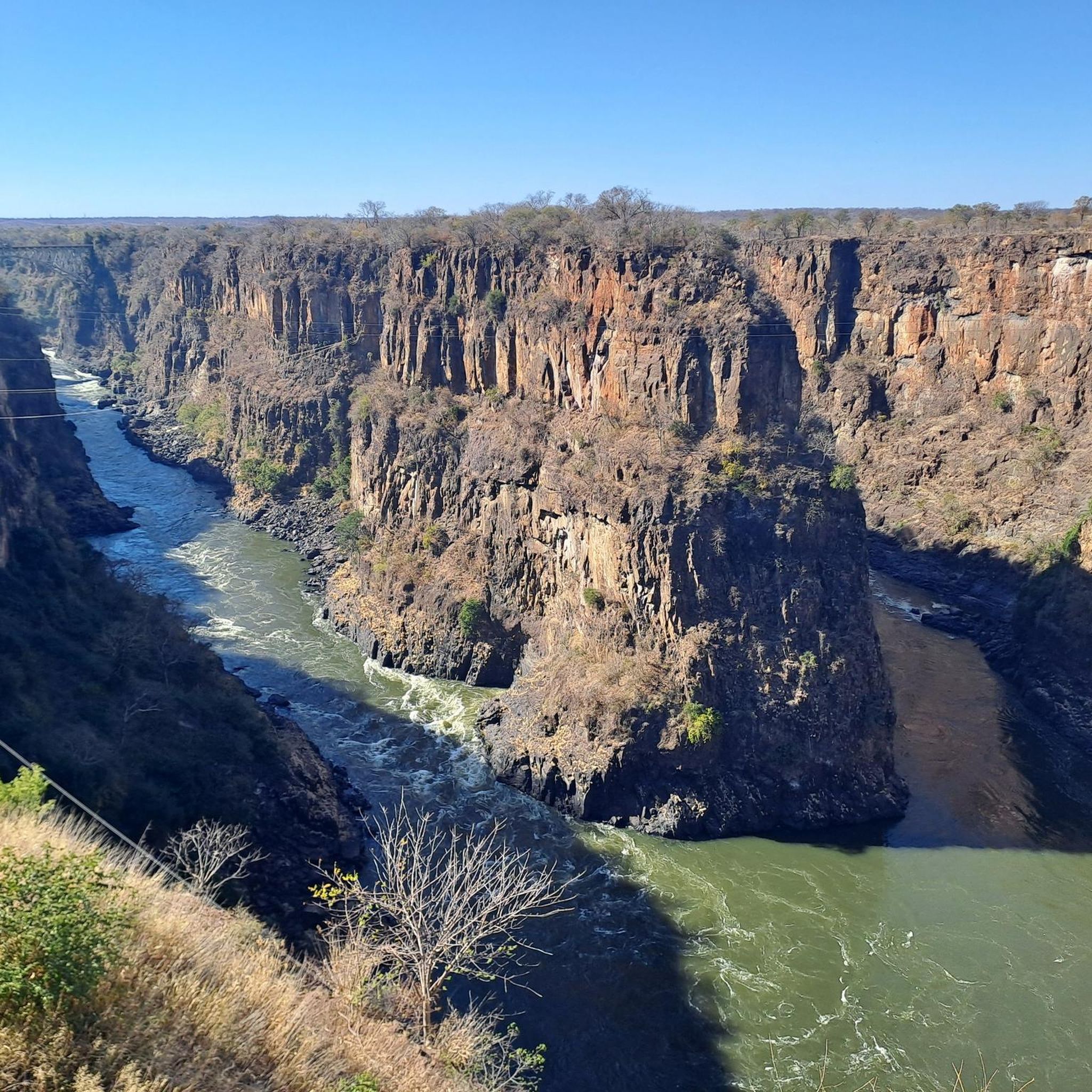
View of the Zambezi Gorge and Victoria Falls Bridge
Highlight • Viewpoint
Translated by Google •
Tip by

View of the Great Zimbabwe ruins
Highlight • Historical Site
Translated by Google •
Tip by
Start today with a free account
Your next adventure awaits.
Login or Signup
Popular around Zimbabwe
Tips from the Community

Without a doubt, the helicopter flights over Victoria Falls were a must for me. They are spectacular; the spray alone can be seen for miles. From a helicopter, you have an impressive panoramic view of this entire natural wonder. The falls border Zambia and Zimbabwe. The Victoria Falls are fed by the Zambezi River, with a maximum water flow of up to 10,000 m³ per second during the rainy season🌧️👈!!! The height is approximately 108 meters. The total width is approximately 1.7 km. Victoria Falls is one of the Seven Natural Wonders of the World and is considered one of the most impressive waterfalls in the world. The falls have been a UNESCO World Heritage Site since 1989. In sunshine, rainbows often form, so no camera can stay still until the falls are completely in the frame...😁at least mine was 😊
1
0

It looks crazy, but everything is fine because everything is well secured. According to the organizers, no one has fallen over the edge yet. More information about the process here: https://devilspool.net
4
0
The terraces of the cafe offer an absolutely impressive view of the Zambezi loop up to the Victoria Falls Bridge. I also loved the rock formations of the gorge with their different colors. From the cafe you can also watch the really brave ones who are either canyoning or doing the slanting "bungee jump" from the edge of the gorge.
1
0

Beautiful views on both sides of the bridge over the Zambezi.
2
0

Lookout Cafe, fantastic views and great food
1
0

The helicopter is a must for visitors to Victoria Falls as it offers a stunning bird's eye view that allows one to fully appreciate the impressive scale and majestic beauty of the falls.
5
1

As a tourist who only wants to cross the bridge from Zimbabwe to Zambia, there is a free day visa (as of October 2022).
4
0
Frequently Asked Questions
What are some of the most iconic natural monuments in Zimbabwe?
Beyond the magnificent Victoria Falls (Mosi-oa-Tunya), Zimbabwe is home to several other iconic natural monuments. These include the unique Balancing Rocks, particularly the Chiremba Balancing Rocks near Harare, the ancient Matobo Hills with their distinctive granite formations and rock art, the mysterious Chinhoyi Caves with their clear blue waters, and the dramatic Chilojo Cliffs within Gonarezhou National Park.
Are there family-friendly natural monuments in Zimbabwe?
Yes, several natural monuments are suitable for families. For instance, a Helicopter Flight Over Victoria Falls offers a spectacular view that children and adults alike will enjoy. The View of the Zambezi Gorge and Victoria Falls Bridge is also family-friendly, offering stunning vistas and a cafe. Many sites, like the Matobo Hills, offer accessible areas for exploration, though some trails may be more challenging.
What kind of hiking opportunities are available at Zimbabwe's natural monuments?
Zimbabwe offers diverse hiking opportunities around its natural monuments. Near Victoria Falls, you can find easy trails like the Aerial View of Victoria Falls – Bamba Tram Victoria Falls loop (6.37 km) or the David Livingstone Statue – Knife Edge Bridge loop (4.89 km). The Eastern Highlands, with ranges like Nyanga and Chimanimani, are renowned for their scenic trails and diverse flora and fauna. Matobo Hills also offers numerous paths to explore its unique granite formations and rock art sites.
When is the best time to visit Zimbabwe's natural monuments?
The best time to visit Zimbabwe's natural monuments generally depends on what you want to experience. For Victoria Falls, the high water season (February to May) offers the most spectacular flow, while the low water season (August to January) allows for activities like visiting Devil's Pool. The dry season (May to October) is ideal for wildlife viewing in national parks like Gonarezhou (home to Chilojo Cliffs) and Matobo Hills, and for hiking in the Eastern Highlands, as the weather is cooler and drier.
Are there any wheelchair-accessible natural monuments in Zimbabwe?
Yes, efforts have been made to improve accessibility at some key sites. The Victoria Falls Visitor Center Information Boards area is wheelchair accessible, allowing visitors to learn about the falls. While the natural terrain of many monuments can be challenging, designated viewing points and visitor centers often provide easier access.
What cultural or historical significance do these natural monuments hold?
Many of Zimbabwe's natural monuments are deeply intertwined with its cultural and historical heritage. The Matobo Hills are a UNESCO World Heritage Site, known for thousands of prehistoric rock art sites and as a spiritual hub for the Ndebele people. The Chinhoyi Caves were historically used by Shona tribes for refuge and sacred ceremonies. Even the Balancing Rocks hold cultural significance, symbolizing the importance of environmental preservation.
What outdoor activities can I do near Zimbabwe's natural monuments?
Beyond hiking, you can enjoy various outdoor activities. Near Victoria Falls, popular options include white-water rafting, bungee jumping from the Victoria Falls Bridge, and scenic helicopter flights. Cycling is also an option, with routes like the Bike loop from Ngomakurira. The Eastern Highlands offer excellent opportunities for birdwatching and exploring diverse ecosystems, while Gonarezhou National Park provides exceptional wildlife viewing.
Are there any less crowded natural attractions to explore in Zimbabwe?
While Victoria Falls is a major draw, areas like the Eastern Highlands and Gonarezhou National Park (home to the Chilojo Cliffs) offer stunning natural beauty with fewer crowds. The Eastern Highlands provide a serene escape with mountains, waterfalls, and lush landscapes, while Gonarezhou is a hidden gem known for its untouched wilderness and abundant wildlife, offering a more secluded experience.
What makes the Matobo Hills unique among Zimbabwe's natural monuments?
The Matobo Hills are unique due to their dramatic landscape of distinctive granite landforms, including 'whaleback' domes and balancing rocks, formed over millions of years. It's a UNESCO World Heritage Site with one of the highest concentrations of prehistoric rock paintings in Southern Africa, some dating back 13,000 years. The area is also a spiritual center for the local Ndebele people and offers opportunities for wildlife viewing, including rhinos.
Can I see wildlife at Zimbabwe's natural monuments?
Yes, many natural monuments are within or adjacent to areas rich in wildlife. Victoria Falls is surrounded by a rainforest that supports various bird species, hippos, and crocodiles in the Zambezi River. The Matobo Hills are home to both black and white rhino, leopard, and various antelope. Gonarezhou National Park, where the Chilojo Cliffs are located, is known for elephants, wild dogs, and Nile crocodiles, offering excellent safari opportunities.
What is the significance of the Chinhoyi Caves?
The Chinhoyi Caves are an extensive system of limestone and dolomite caverns, most notably featuring the 'Wonder Hole' and the 'Sleeping Pool' (Chirorodziva). The Sleeping Pool is famous for its striking blue, crystal-clear water that maintains a consistent temperature year-round, making it a unique diving destination. Beyond its geological marvels, the caves hold significant historical and cultural importance, having served as refuge and sacred sites for ancestral worship.
Are there any natural monuments near Harare that are easy to visit?
Yes, the Chiremba Balancing Rocks are located near Epworth, southeast of Harare, making them an easily accessible natural monument for a day trip from the capital. These unique geological formations offer a fascinating glimpse into nature's artistry and are even depicted on Zimbabwean banknotes.
Most popular routes in Zimbabwe
Most popular attractions in Zimbabwe

Get inspired with the komoot mobile app


Explore more
Extend your search for the best caves by checking out these guides of the top ones in Zimbabwe:
