Top 20 Natural Monuments around Rheinberg
Best natural monuments around Rheinberg are primarily characterized by diverse and ecologically significant nature reserves along the Rhine River. These areas are vital for biodiversity, offering unique landscapes and habitats for numerous plant and animal species. Rheinberg, situated in the Lower Rhine region of Germany, provides opportunities to explore these natural features. The region's natural monuments include expansive floodplains, tranquil lakes, and riverine biotopes.
Best natural monuments around Rheinberg
- The most popular natural monuments is Duisburg-North Landscape Park, an…
Last updated: July 8, 2026
Duisburg-North Landscape Park
Highlight • Structure
Showing Translation
Tip by

Bislicher Insel Nature Reserve
Highlight (Segment) • Natural Monument
Translated by Google •
Tip by

Sign up now to discover places like this
Get recommendations on the best single tracks, peaks, & plenty of other exciting outdoor places.
Sign up for free
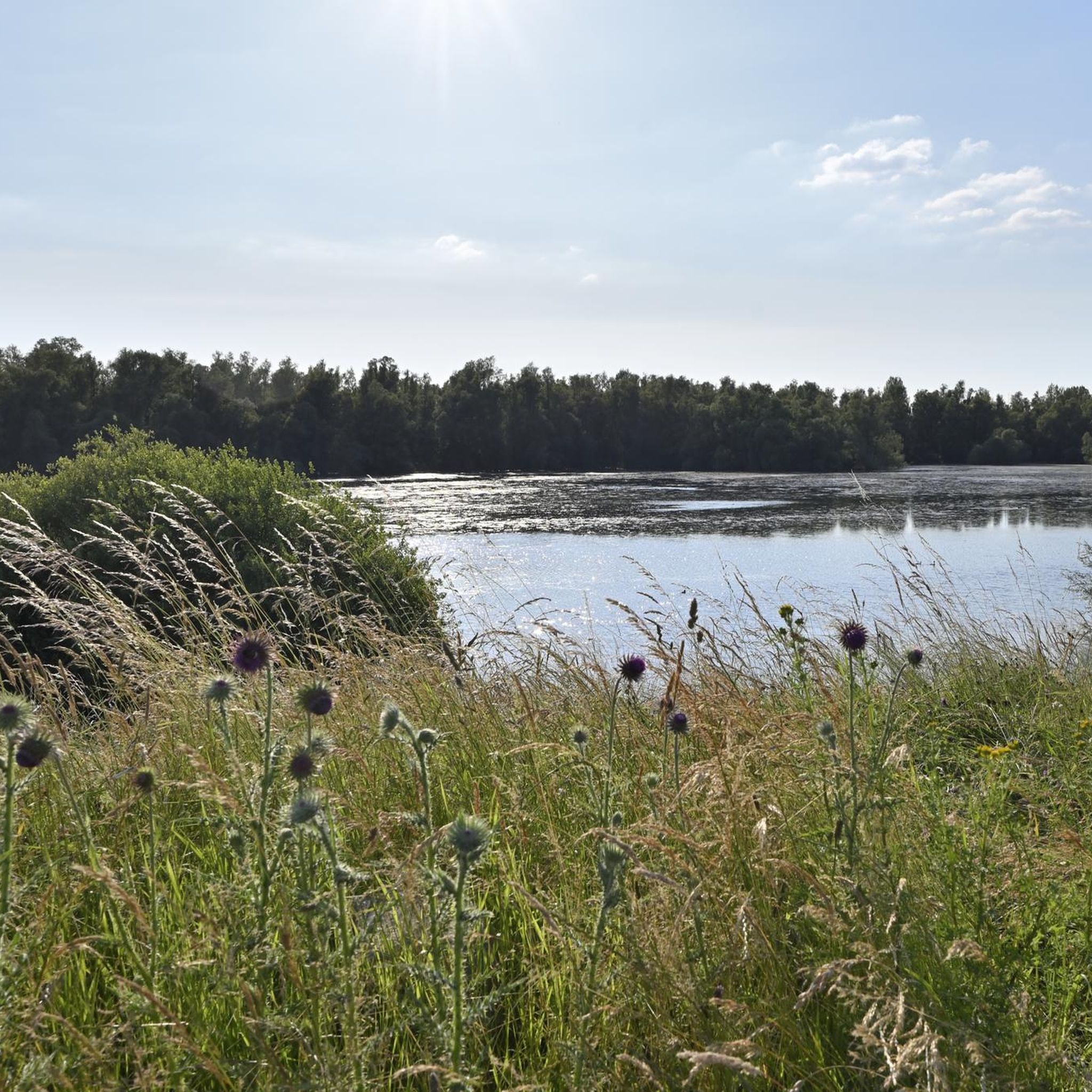
Rotbach Lake
Highlight • Lake
Translated by Google •
Tip by
Diersfordter Wald Nature Reserve
Highlight • Forest
Translated by Google •
Tip by

Rheinorange and the Mouth of the Ruhr
Highlight • Monument
Translated by Google •
Tip by
Sign up for free to discover even more natural monuments around Rheinberg.
Sign up for free
Already have an account?
Start today with a free account
Your next adventure awaits.
Login or Signup
Other adventures around Rheinberg


Tips from the Community

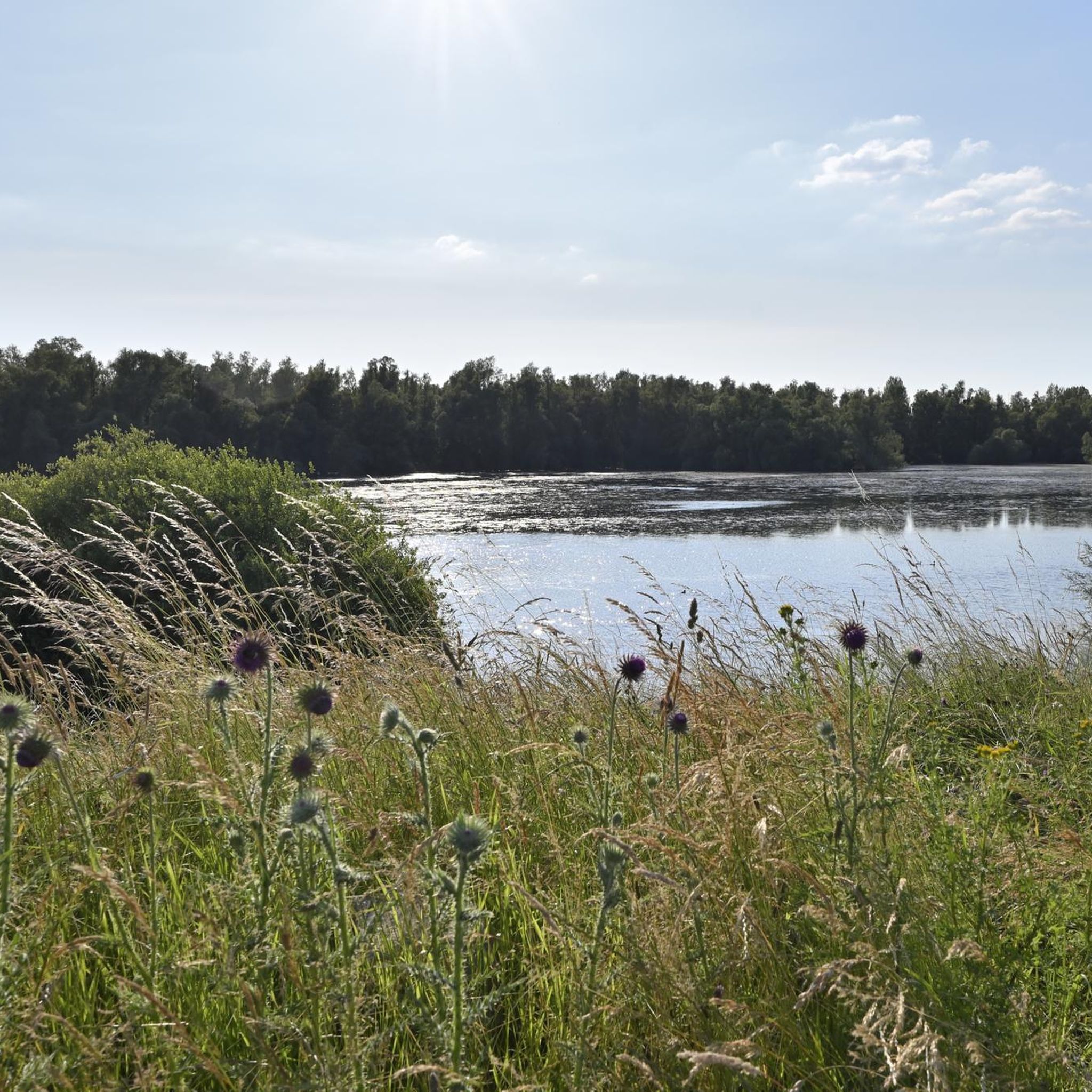
This body of water, which was created in 1976, is a reservoir that serves as flood protection.
10
0

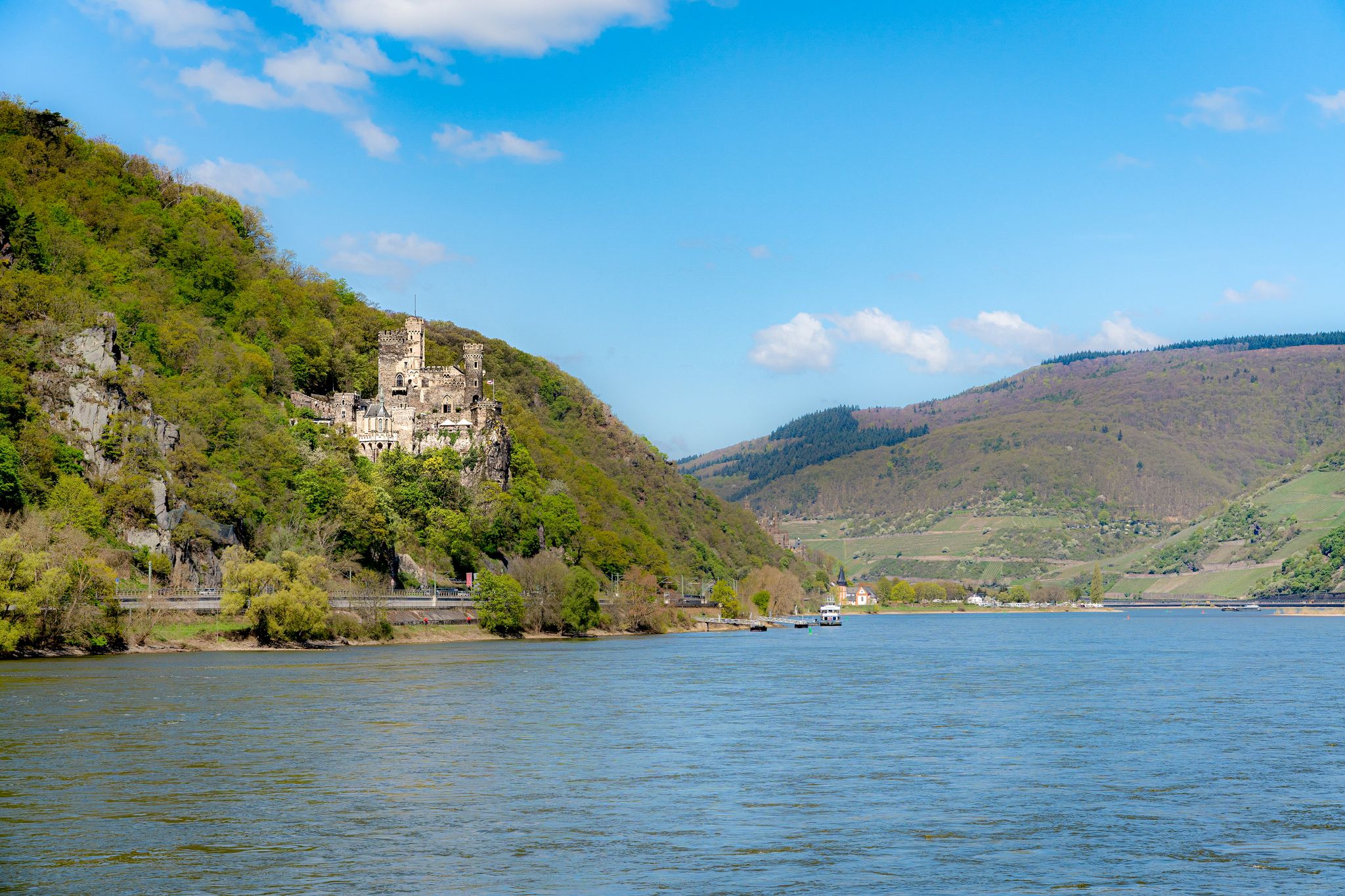
In the summer, around 7 p.m., the monument begins to glow…. As the sun begins to incline in the west, an insane red-orange glow emerges that, with its gradual changes, acts like a monument-consuming ember (see photo)
14
0

The mouth of the Ruhr into the Rhine with the Rhine Orange as the end point of the Ruhr Valley Cycle Path is a very special place... simply impressive.
13
0

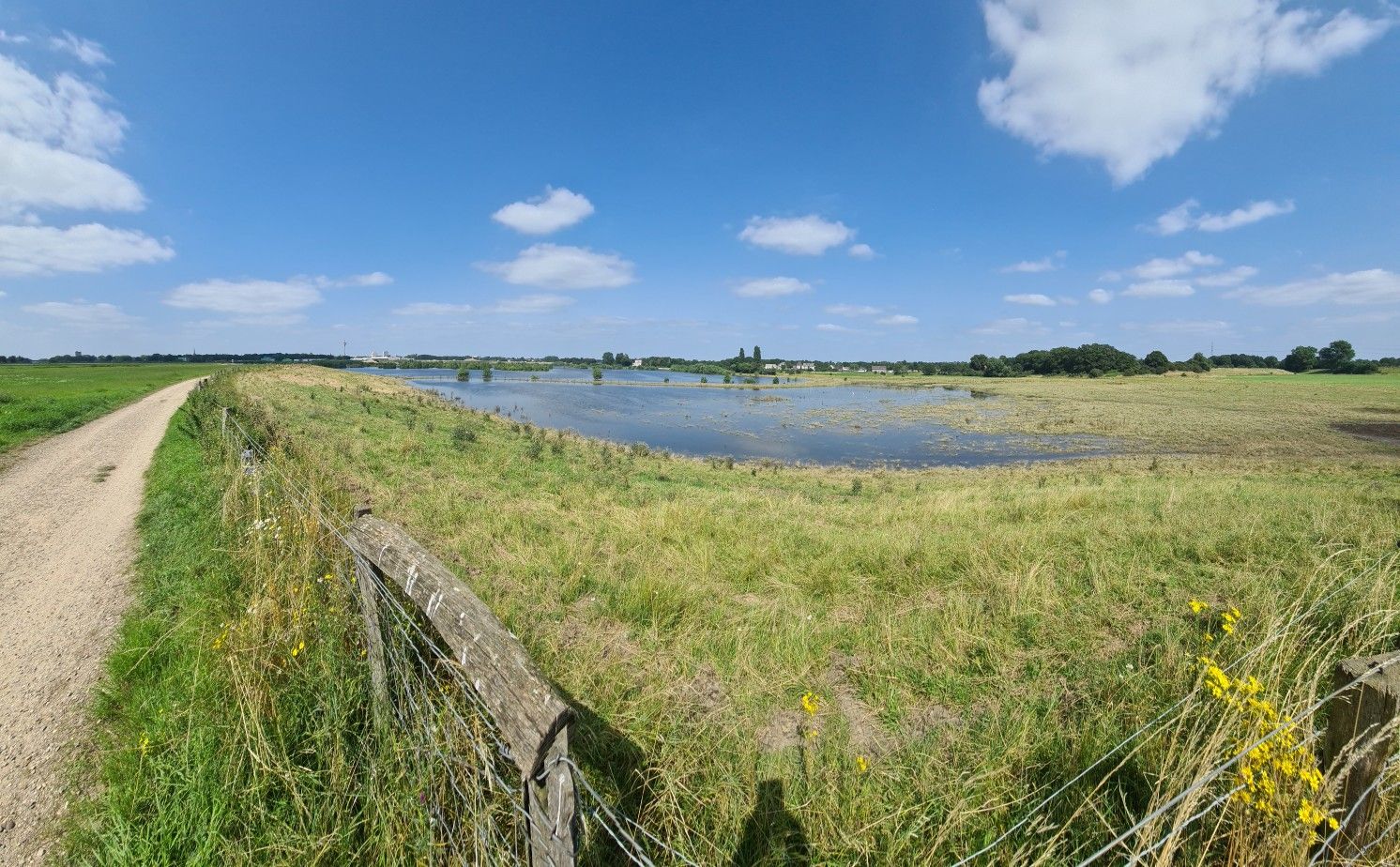
The Bislicher Insel is always a highlight, thousands of birds of all kinds, information from NABU. Always fantastic to drive here.
17
0
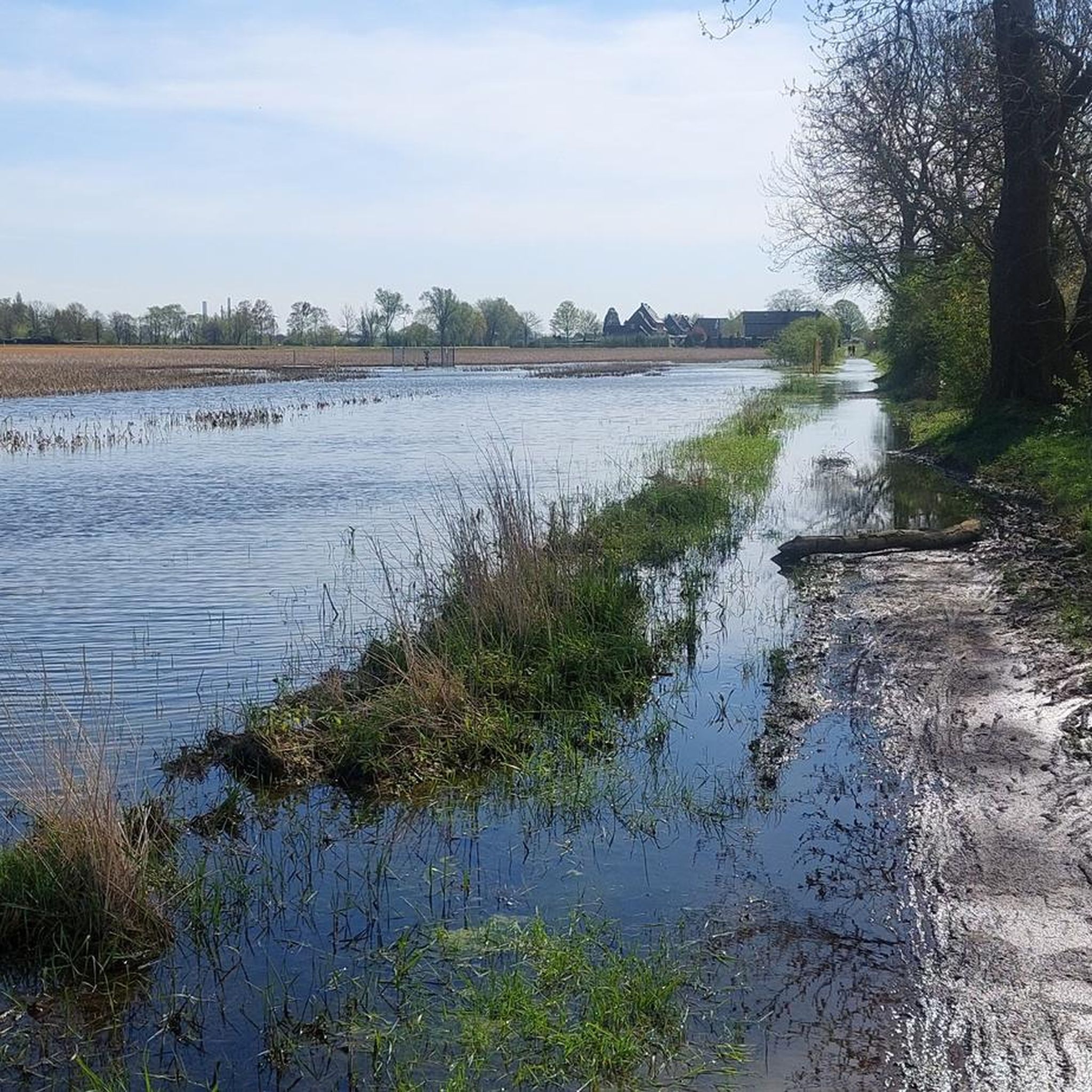
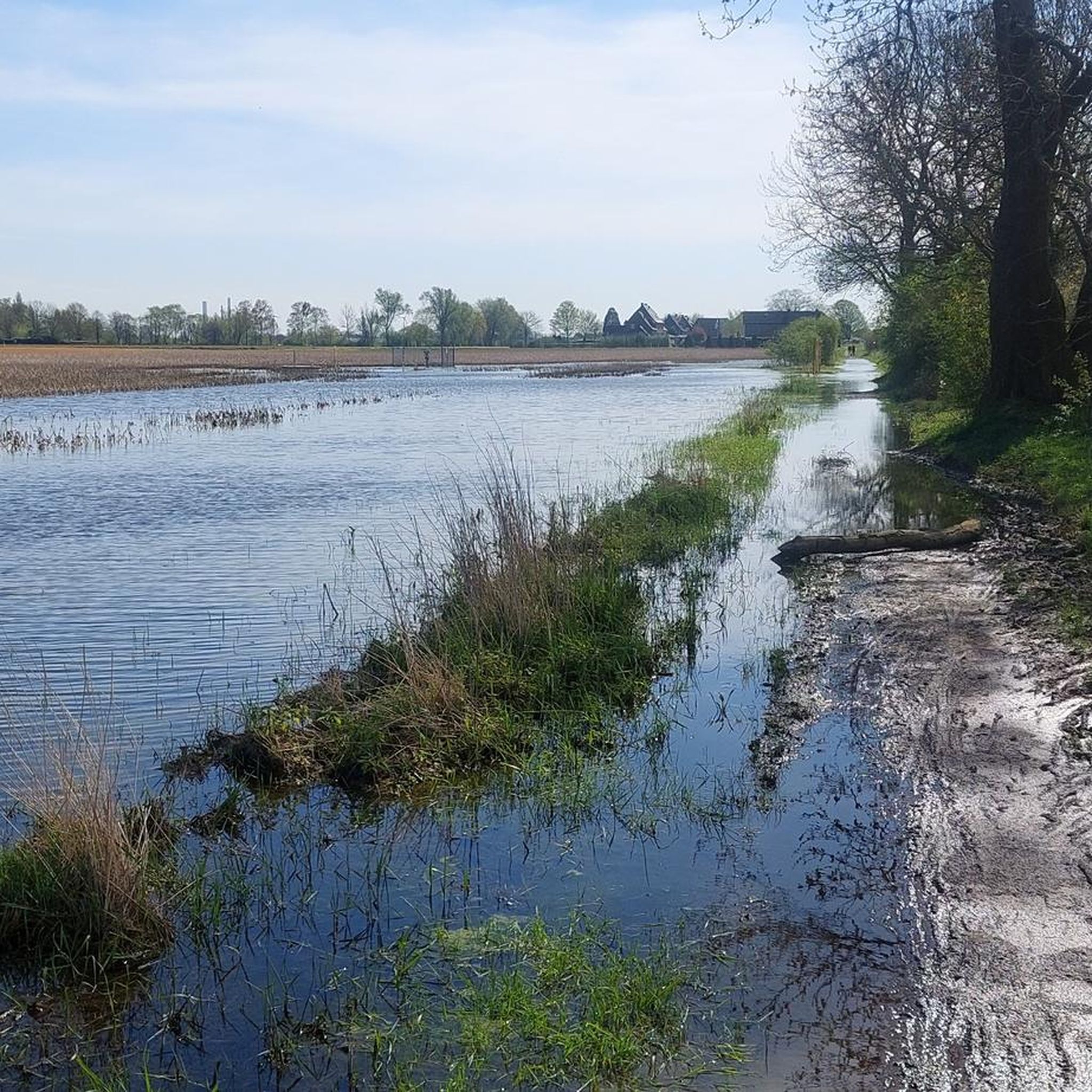
Beautiful section through the NSG Bislicher Insel. Large meadows (flood protection area) are filled with more or less water (depending on the season and the water level of the Rhine) and thousands of different bird species.
18
0

A great bike path with a beautiful view
14
1

Always a destination when the weather is nice.
47
2

When you arrive at your destination, you can really recommend the Ruhrtalradweg. From start to finish it's just great.
18
1
Frequently Asked Questions
What are some of the most notable natural monuments in Rheinberg?
Rheinberg's natural monuments are primarily characterized by diverse nature reserves along the Rhine River. Key areas include the expansive Naturschutzgebiet Hasenfeld und Rheinvorland zwischen Eversael und Ossenberg, known for its floodplains and birdlife, and the Bislicher Insel Nature Reserve, one of Germany's last intact floodplain landscapes and a vital refuge for migratory birds. Another significant area is the Naturschutzgebiet Forschungsrevier im Orsoyer Rheinbogen, important for breeding and wintering birds.
What natural features can I expect to see in Rheinberg's natural monuments?
You can expect to encounter diverse riverine landscapes, including regularly flooded Rhine floodplains, valuable grasslands, tranquil still waters, and soft wood aue (riparian forests). Many areas feature former gravel pits undergoing renaturation, such as the Rotbach Lake, which is now a popular leisure spot.
Are there opportunities for birdwatching in Rheinberg's nature reserves?
Yes, Rheinberg is an excellent destination for birdwatching. Areas like the Naturschutzgebiet Hasenfeld und Rheinvorland zwischen Eversael und Ossenberg and the Bislicher Insel Nature Reserve are part of the European Bird Sanctuary "Lower Rhine" and serve as crucial habitats for various bird species, including migratory birds like white-fronted geese and bean geese in winter, and lapwings, skylarks, and meadow pipits during breeding seasons.
What do visitors enjoy most about the natural monuments around Rheinberg?
Visitors particularly appreciate the peaceful coexistence of nature and history, as well as the opportunities for outdoor activities. The Bislicher Insel Nature Reserve is often described as a paradise for ornithologists, especially when reached by bike. The Rotbach Lake is valued for its idyllic setting and inviting quiet walks.
Are there popular hiking trails near Rheinberg's natural monuments?
Yes, there are several popular hiking trails. For example, the "Hasenpfad" (Hare's Path) near Eversael offers educational insights into the local ecosystem within the Naturschutzgebiet Hasenfeld und Rheinvorland zwischen Eversael und Ossenberg. You can find more hiking options in the Hiking around Rheinberg guide, including routes like the "Drießener Mill – Narrow Path Through the Woods loop from Eversael".
Can I go cycling near Rheinberg's natural monuments?
Absolutely. The region offers excellent cycling opportunities, especially along the Rhine. The Duisburg-North Landscape Park, though an industrial monument, provides cycling paths. For natural routes, consider the Road Cycling Routes around Rheinberg guide, which features routes like the "Rhine Cycle Path near Wesel – Bislicher Insel Nature Reserve loop from Schwarzer Adler".
Are there family-friendly natural monuments in Rheinberg?
Many of Rheinberg's natural areas are suitable for families. The Bislicher Insel Nature Reserve and Rotbach Lake are both listed as family-friendly. The "Hasenpfad" near Eversael is also designed to provide educational insights for visitors of all ages into the local ecosystem.
What is the best time to visit Rheinberg's natural monuments?
The best time to visit depends on your interests. For birdwatching, especially migratory birds, the winter months are ideal, particularly at the Bislicher Insel Nature Reserve. Spring and summer offer lush greenery and opportunities to observe amphibians and diverse flora. During periods of heavy rainfall and Rhine floods, areas like the Naturschutzgebiet Rheinvorland östlich von Wallach become significant for wading and water birds.
Are there any natural monuments in Rheinberg that are particularly good for wildlife observation?
Yes, several areas are excellent for wildlife observation. The Naturschutzgebiet Forschungsrevier im Orsoyer Rheinbogen is a vital ground for various bird species. The Naturschutzgebiet Rheinvorland nördlich der Ossenberger Schleuse is crucial for amphibians, including endangered species like the common spadefoot toad and the great crested newt. The Naturschutzgebiet Rheinvorland östlich von Wallach is known for its sand martin colony.
What kind of terrain can I expect on trails around Rheinberg's natural monuments?
The terrain around Rheinberg's natural monuments is generally characterized by flat grassland areas, riverine floodplains, and paths through riparian forests. While mostly easy, some areas might be soft or muddy, especially after rain or during flood periods, due to their nature as floodplains. The region is part of the Lower Rhine, so significant elevation changes are uncommon.
Are there any cultural or historical sites near Rheinberg's natural monuments?
While the focus is on natural monuments, the region does offer historical connections. The Baroque terraced gardens at Kloster Kamp, though primarily a historical site, offer a beautiful garden complex that can be visited free of charge and provides a tranquil escape. The Duisburg-North Landscape Park is a unique example of old industry, culture, and nature coexisting.
Are there any cafes or places to eat near Rheinberg's natural monuments?
While specific cafes directly adjacent to every natural monument are not listed, the area around Rotbach Lake has the Mill Museum, which often includes a café. The Kloster Kamp also has a lovely donation-based café. For other areas, it's advisable to check local listings in nearby towns like Rheinberg or Dinslaken.
Most popular routes around Rheinberg
Most popular attractions around Rheinberg

Get inspired with the komoot mobile app


Explore more
Extend your search for the best caves by checking out these guides of the top ones around Rheinberg:
