Top 20 Natural Monuments around Meerbusch
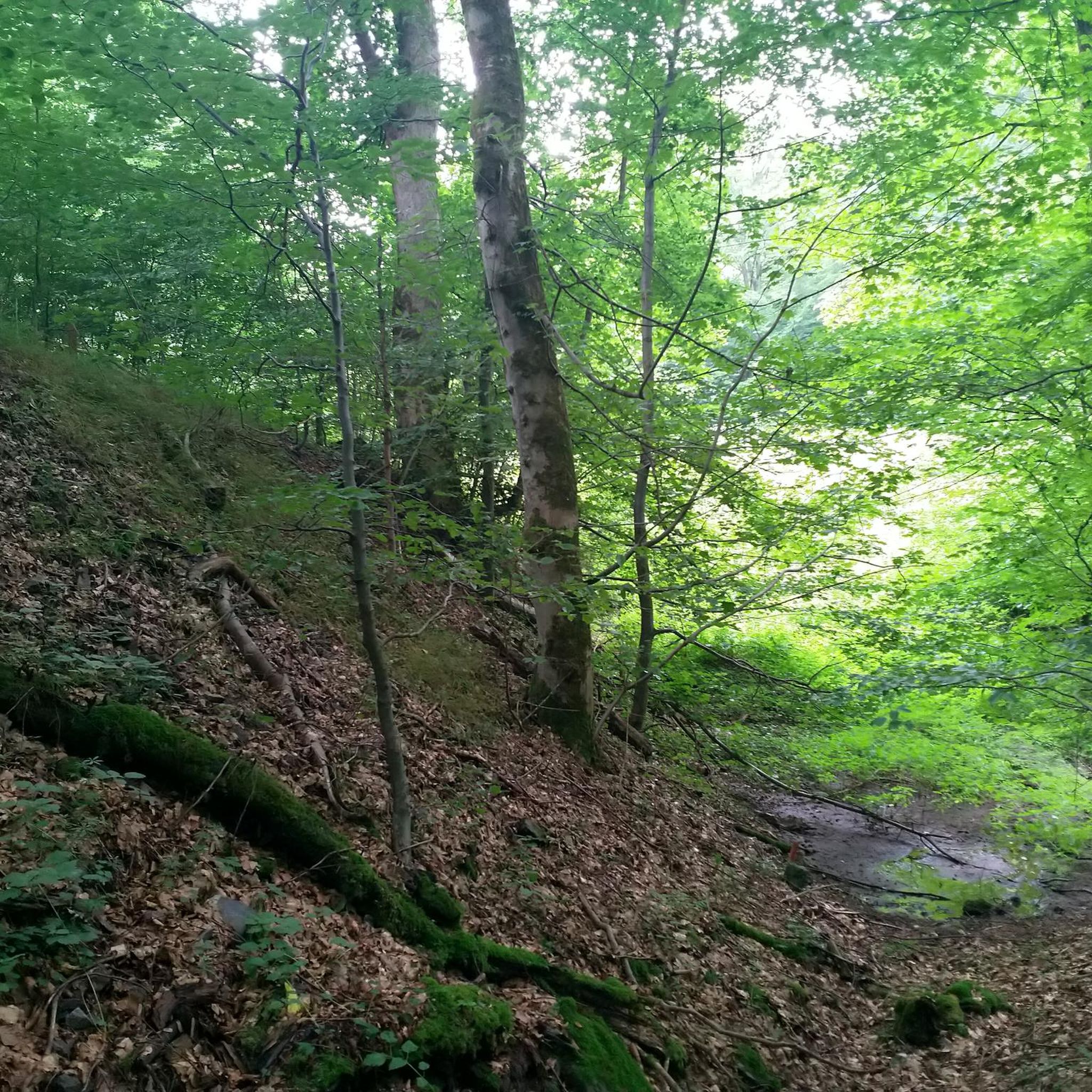
Best natural monuments around Meerbusch include a variety of significant natural areas and protected landscapes. The region is characterized by its green spaces, offering important recreational areas and ecological refuges. These include expansive woodlands, former river loops, and unique geological formations. Visitors can explore diverse environments that contribute to the area's natural heritage.
Best natural monuments around Meerbusch
- The most popular natural monuments is Tiger & Turtle – Magic Mountain, a man-made monument that is a landmark modeled on…
Last updated: July 8, 2026
Düsseldorf Airport Bridge
Highlight • Bridge
Translated by Google •
Tip by

Tiger & Turtle – Magic Mountain
Highlight • Monument
Showing Translation
Tip by

Sign up now to discover places like this
Get recommendations on the best single tracks, peaks, & plenty of other exciting outdoor places.
Sign up for free
Confluence of the Erft and the Rhine
Highlight • River
Translated by Google •
Tip by

Niepkuhlen Bridge over Große Kull
Highlight • Bridge
Translated by Google •
Tip by
Brückerbach Fish Ladder
Highlight • Structure
Translated by Google •
Tip by

Sign up for free to discover even more natural monuments around Meerbusch.
Sign up for free
Already have an account?
Start today with a free account
Your next adventure awaits.
Login or Signup
Tips from the Community

Since 2011, one of the most famous sculptures and landmarks in the Ruhr area has stood on top of a spoil heap in the Angerpark in Duisburg: a walkable roller coaster with the interesting name "Tiger & Turtle". It stands between Duisburg and Düsseldorf in Angerland, a small strip of land on the right bank of the Rhine on the border of the Ruhr area to the state capital.
31
0

Beautiful to look at in every season.
6
0

Nice bike path on both sides of the creek.
5
0

this is how it should be, so that the fish can pull upstream
5
0

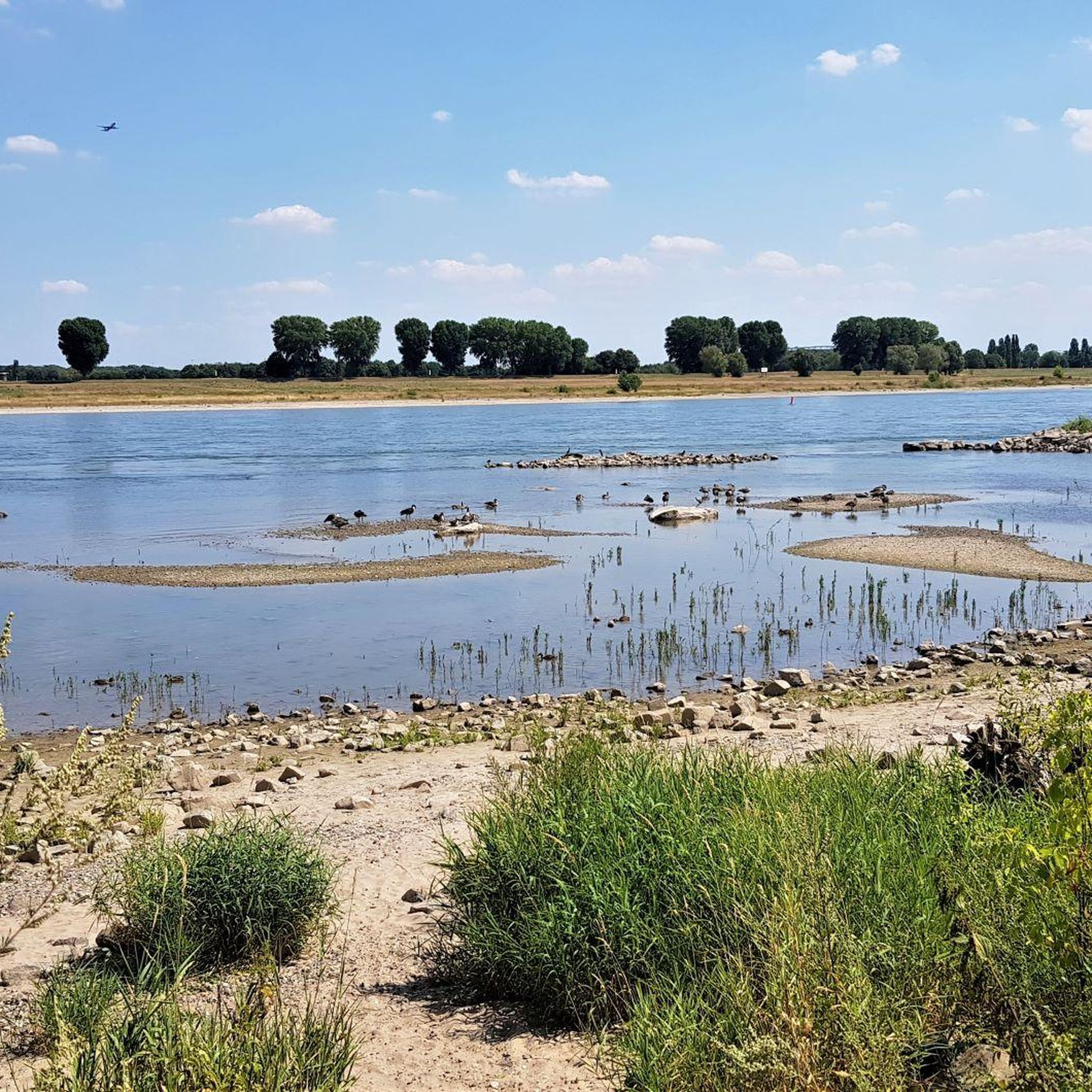
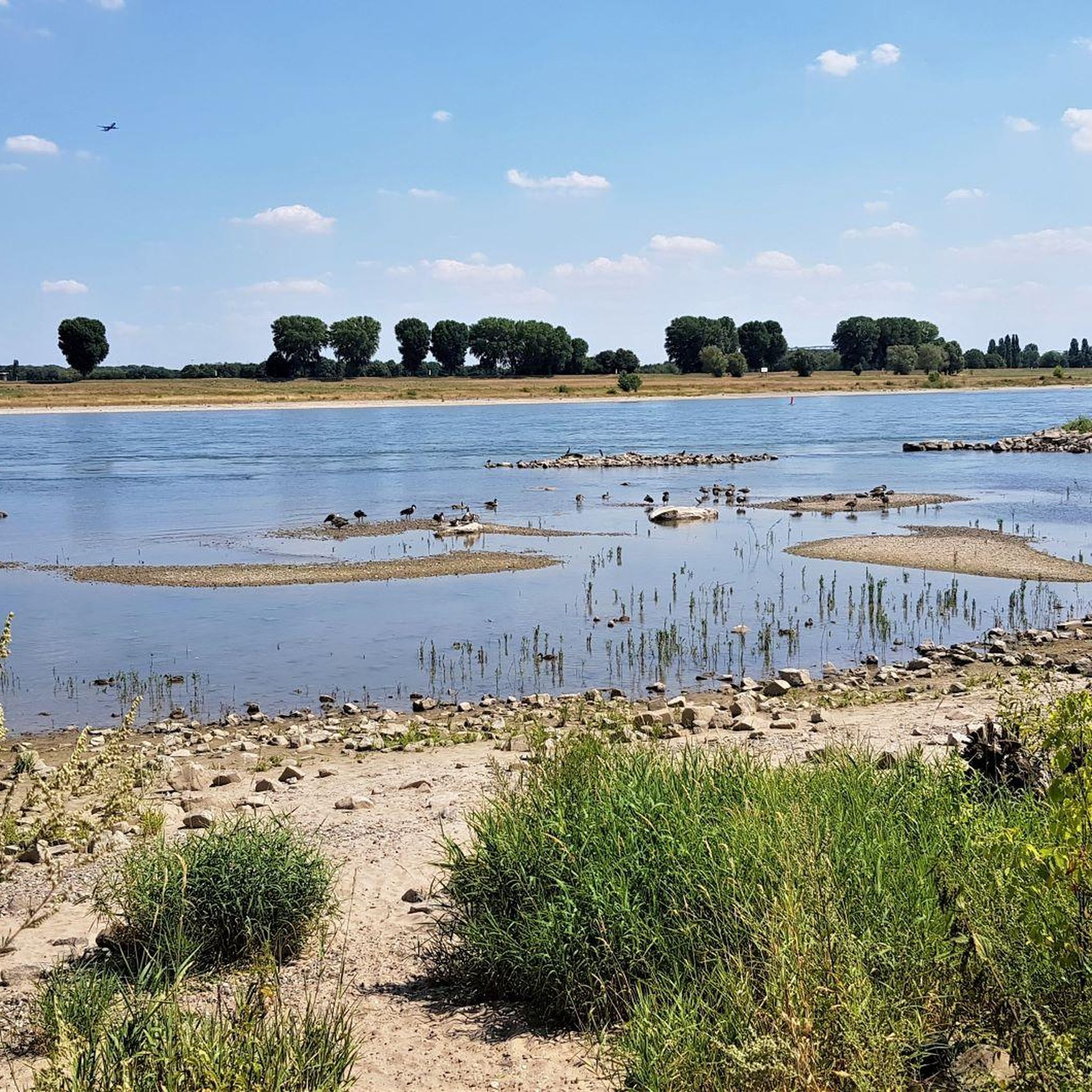
Interesting fish ladder and picnic areas right on the shore, always busy in summer.
6
0

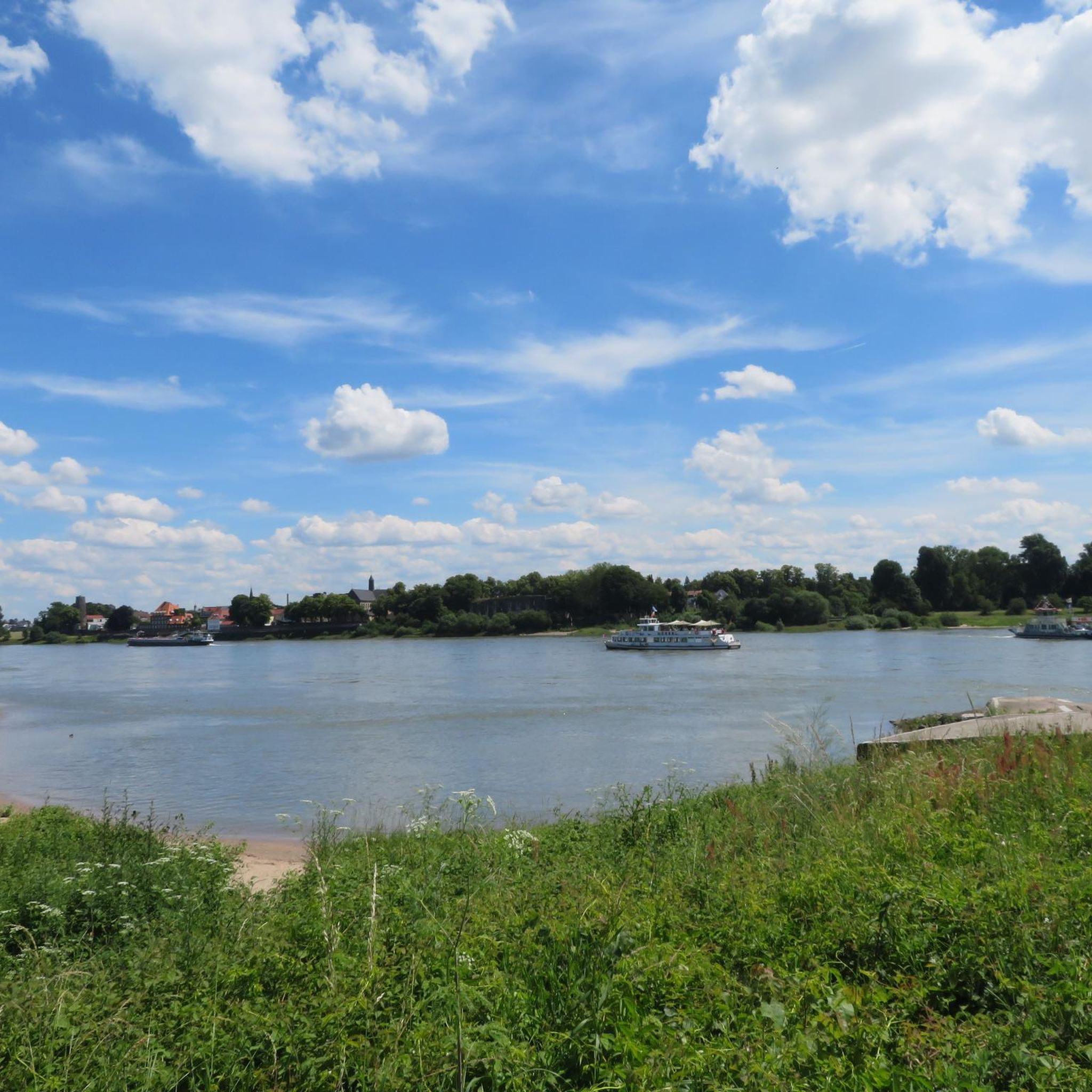
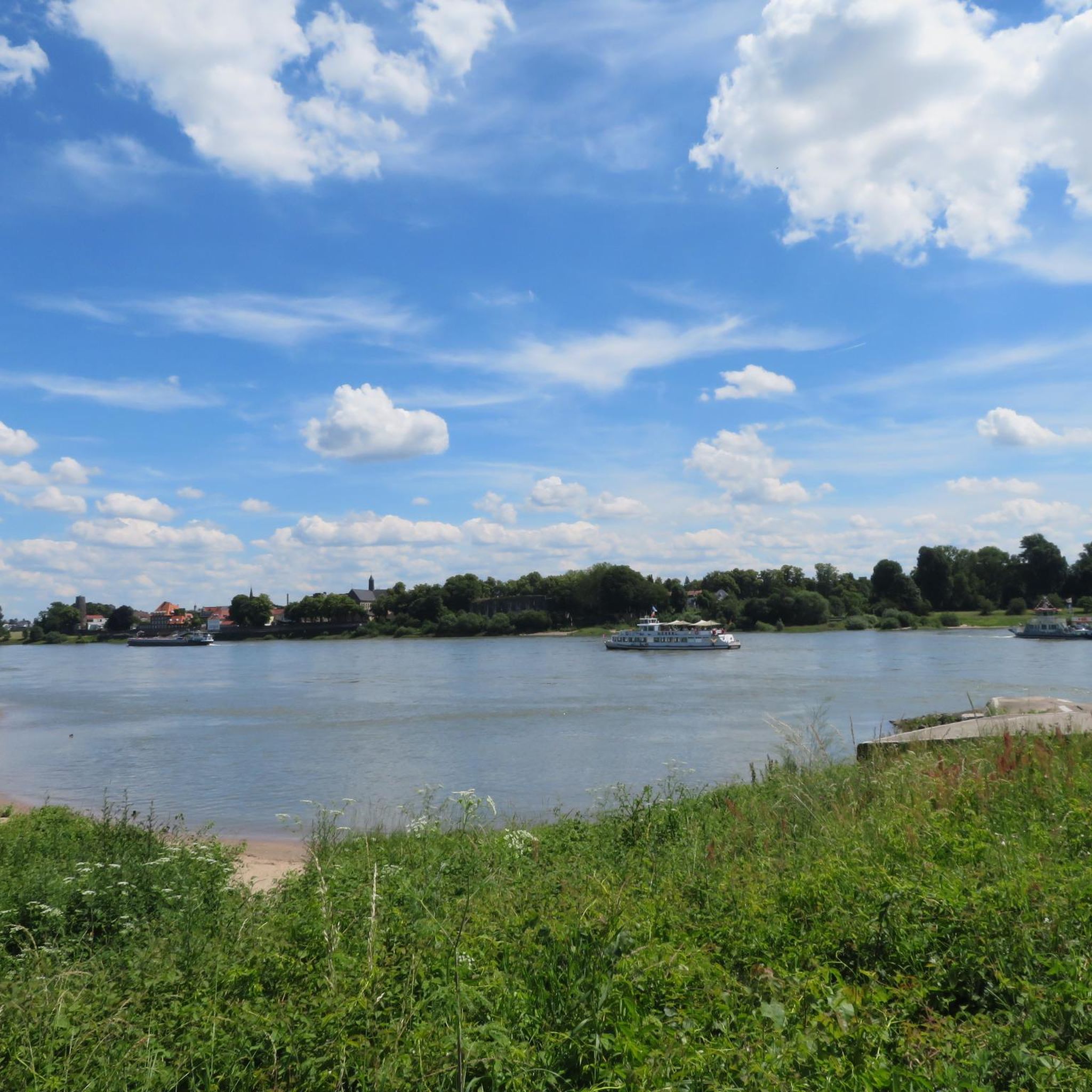
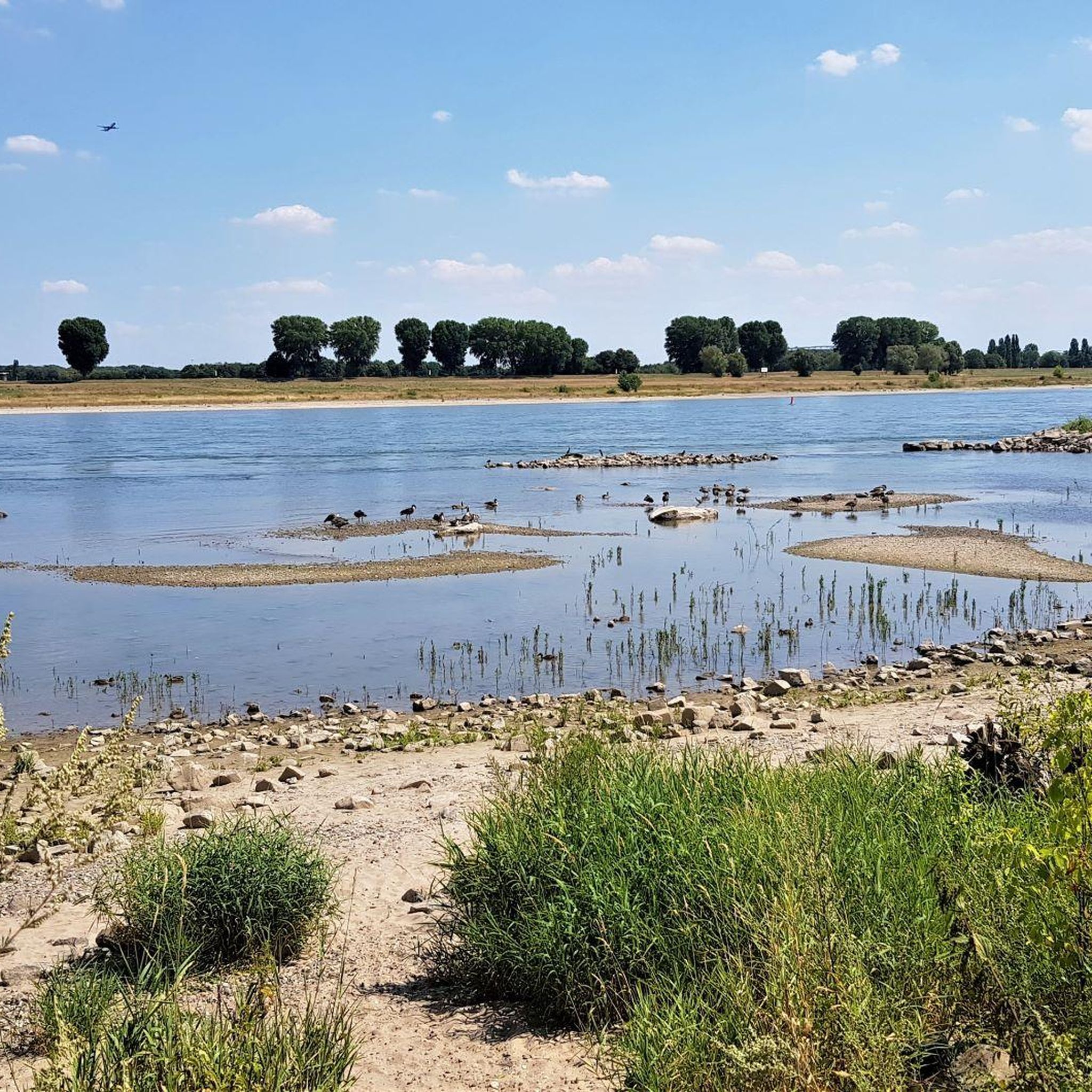
Here the Erft flows into the Rhine after more than 106 kilometers.
13
0

Very nice place to relax.
15
0

Since its opening in November 2011, the walkable roller coaster sculpture has been making headlines worldwide. The widely visible landmark was erected on a former slag heap in the south of Duisburg. Those who climb the steps to the looping are rewarded with a magnificent view. In good weather, you can see from Duisburg city center along the Rhine all the way to Düsseldorf. Sometimes you can even spot the airport tower. All around the sculpture, you look out over the bustling activity of the steelworks, the huge storage areas of the Logport, but also dense, natural forest areas. Source and further information: https://www.duisburg.de/tourismus/stadt_erleben/industriekultur/tiger-and-turtle.php
15
0
Frequently Asked Questions
What types of natural monuments can I explore around Meerbusch?
Meerbusch offers a diverse range of natural monuments, from expansive woodlands like the Meerer Busch and Herrenbusch, which are integral to the city's identity, to unique geological formations such as the Waldberg. You can also find significant wetland habitats like the Ilverich Old Rhine Loop, and scenic river confluences. The area is characterized by its green spaces, providing valuable recreational areas and ecological refuges.
Are there any family-friendly natural monuments in Meerbusch?
Yes, several natural monuments and areas around Meerbusch are suitable for families. The woodlands like Meerer Busch offer numerous paths for easy walks. Additionally, highlights such as Tiger & Turtle – Magic Mountain, the Confluence of the Erft and the Rhine, and the Niepkuhlen Bridge over Große Kull are all categorized as family-friendly, offering engaging experiences for all ages.
What are some popular spots for nature observation and scenic views?
For nature observation, the Ilverich Old Rhine Loop is an extensive nature reserve known for its rich biodiversity and rare animal and plant species. For scenic views, the Tiger & Turtle – Magic Mountain offers an industrial panorama from its walkable sculpture. The Joseph-Beuys-Ufer provides a beautiful bank cycle path directly on the Rhine with picturesque landscapes.
What outdoor activities can I do near the natural monuments in Meerbusch?
The natural monuments and surrounding areas in Meerbusch are excellent for various outdoor activities. You can enjoy hiking, cycling, and mountain biking. For specific routes, explore options like those found in the Hiking around Meerbusch guide, the Gravel biking around Meerbusch guide, or the MTB Trails around Meerbusch guide.
Are there any historical or culturally significant natural sites?
Yes, the Waldberg in Nierst is a terminal moraine from the last ice age, offering a glimpse into the region's geological past, and local folklore even speaks of hidden treasure. The Meerer Busch woodland has historical ties, having been owned by the former Prämonstratensian monastery Meer. The Confluence of the Erft and the Rhine is also considered a historical site.
What is the best time of year to visit the natural monuments in Meerbusch?
Meerbusch's natural monuments can be enjoyed year-round. The woodlands and river landscapes offer beauty in every season. Spring and autumn are ideal for hiking and cycling due to mild temperatures and vibrant foliage. Summer provides lush greenery, while winter can offer serene, crisp walks, especially in the forests.
Are there any unique geological features to see?
The Waldberg in Nierst is a notable geological feature, being one of Meerbusch's highest natural elevations and a terminal moraine formed during the last ice age. This offers a unique insight into the region's geological history within the otherwise relatively flat Lower Rhine landscape.
What do visitors particularly enjoy about the natural monuments in Meerbusch?
Visitors appreciate the diverse natural environments, from the expansive forests to the tranquil river landscapes. The Niepkuhlen Bridge over Große Kull is loved for its great views, and the Joseph-Beuys-Ufer is praised as a very nice and beautiful bank cycle path. The community has shared over 4200 photos and given more than 3500 upvotes, highlighting the visual appeal and enjoyable experiences.
Can I find easy walking paths suitable for all fitness levels?
Yes, many areas, particularly the extensive woodlands like Meerer Busch, Herrenbusch, and Strümper Busch, offer numerous well-maintained paths suitable for easy walks and leisurely strolls. The Brückerbach Fish Ladder area is also noted as a nice place for a little break and walks.
Are there any protected natural areas in Meerbusch?
Yes, the Ilverich Old Rhine Loop is an extensive nature reserve, recognized for its valuable wetland habitat and rich biodiversity. Additionally, the area designated as LSG-Struemper Busch, Meerbusch, Stingesbachaue is a Landscape Protection Area, preserved for its natural diversity and ecological balance.
What should I wear when visiting the natural monuments?
Given the variety of natural environments, it's advisable to wear comfortable walking shoes suitable for different terrains, especially if you plan to explore woodlands or riverbanks. Layered clothing is recommended to adapt to changing weather conditions, and waterproof gear can be useful, particularly during wetter seasons.
Are there any specific regulations or permits needed for visiting these natural areas?
Generally, no specific permits are required for visiting the public natural monuments and protected areas in Meerbusch for recreational purposes. However, it's always good practice to respect local signage, stay on marked paths, and adhere to any rules regarding nature conservation, especially in designated nature reserves like the Ilverich Old Rhine Loop.
Most popular routes around Meerbusch
Most popular attractions around Meerbusch

Get inspired with the komoot mobile app


Explore more
Extend your search for the best caves by checking out these guides of the top ones around Meerbusch:
