Top 20 Natural Monuments around Osterholz-Scharmbeck
Natural monuments around Osterholz-Scharmbeck showcase the region's diverse natural history and ecological significance. The landscape features ancient geological formations, historical trees, and unique botanical collections. These protected natural features offer insights into the area's past and present environment. The region is characterized by its glacial history, river systems like the Wümme, and varied flora.
Best natural monuments around Osterholz-Scharmbeck
- The most popular natural monuments is Broad Water, a lake that is also a nature reserve, known for its birdlife…
Last updated: October 11, 2026
Wümme bend in Blockland
Highlight • River
Translated by Google •
Tip by

New Wümme Bridge in Lilienthal
Highlight • Bridge
Translated by Google •
Tip by

Sign up now to discover places like this
Get recommendations on the best single tracks, peaks, & plenty of other exciting outdoor places.
Broad Water
Highlight • Lake
Translated by Google •
Tip by

Heidhofer Ponds
Highlight • Lake
Translated by Google •
Tip by

Confluence of the Wümme and Hamme rivers
Highlight • River
Translated by Google •
Tip by

Sign up for free to discover even more natural monuments around Osterholz-Scharmbeck.
Already have an account?
Start today with a free account
Your next adventure awaits.
Popular around Osterholz-Scharmbeck
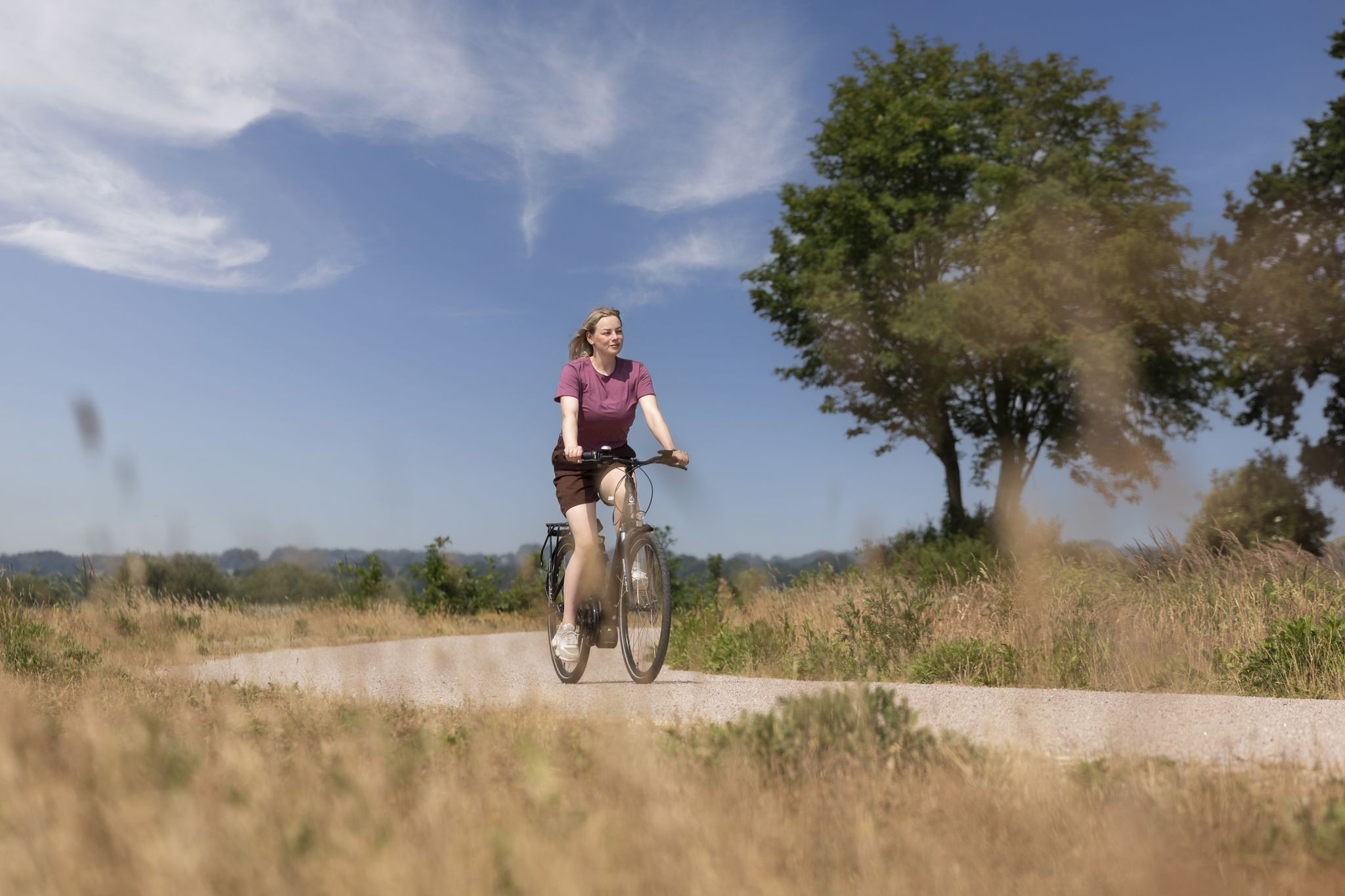
The most beautiful cycling routes in Bremen's Cultureland Teufelsmoor
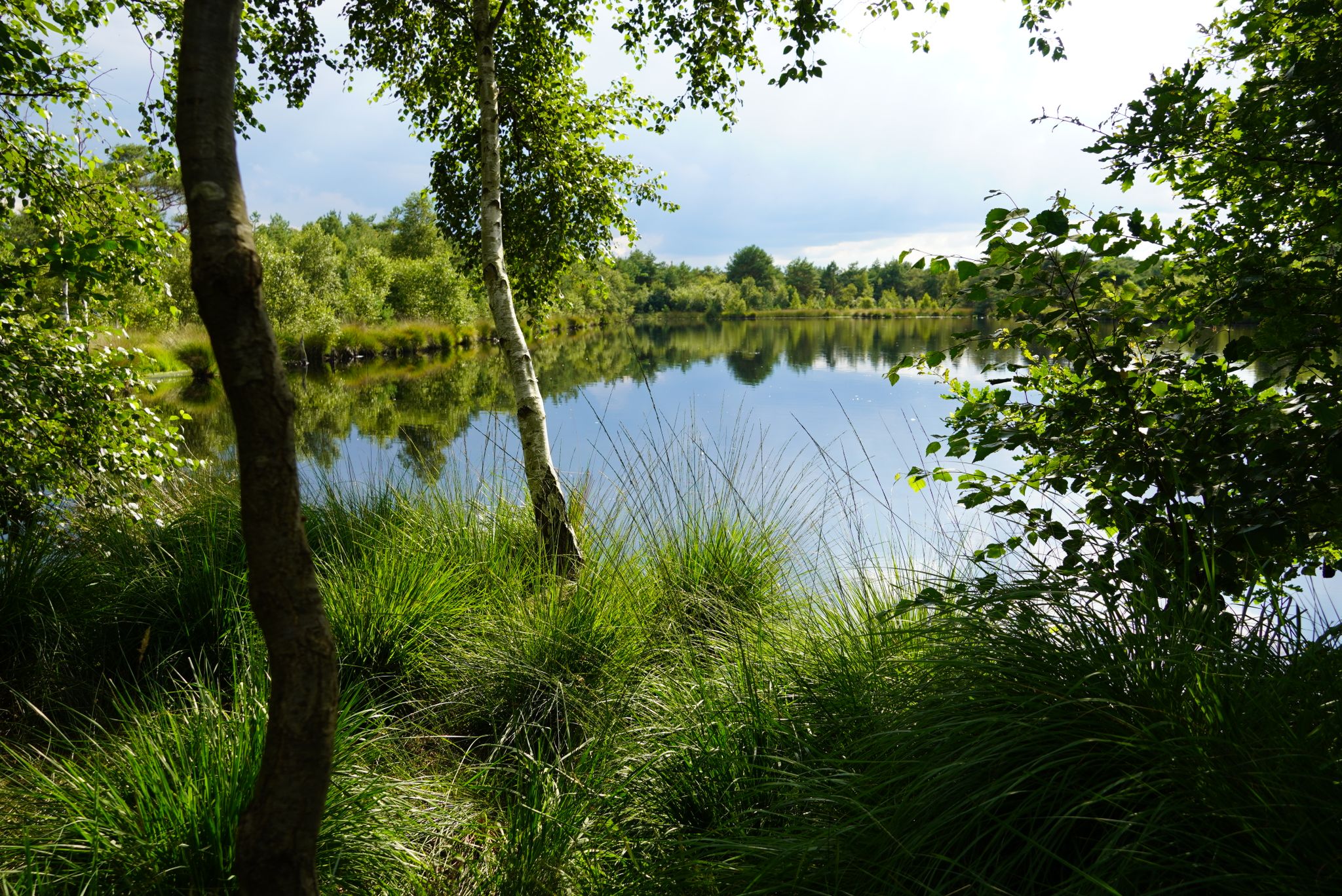
Beliebte Wanderungen im Kulturland Teufelsmoor bei Bremen
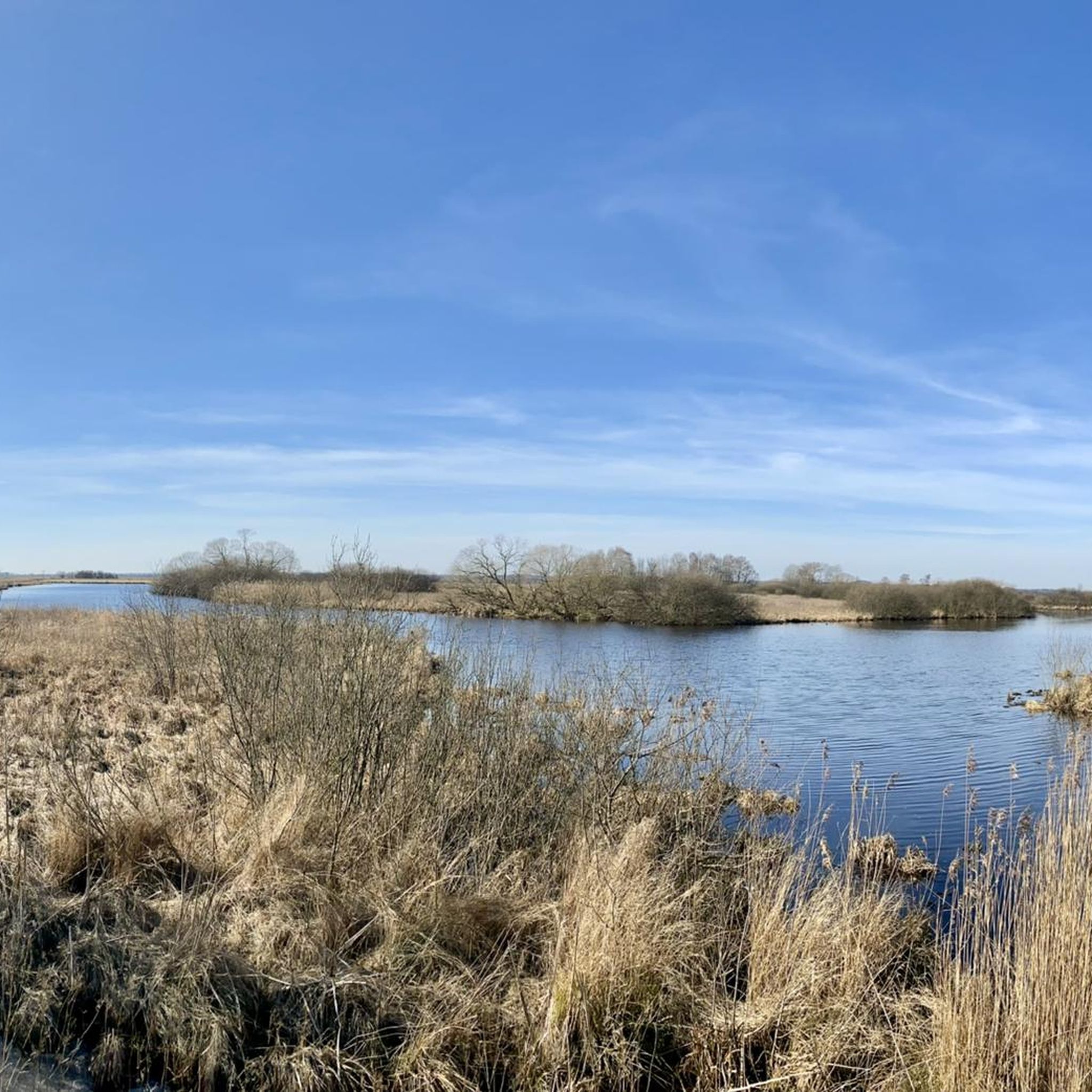
Cycling around Osterholz-Scharmbeck
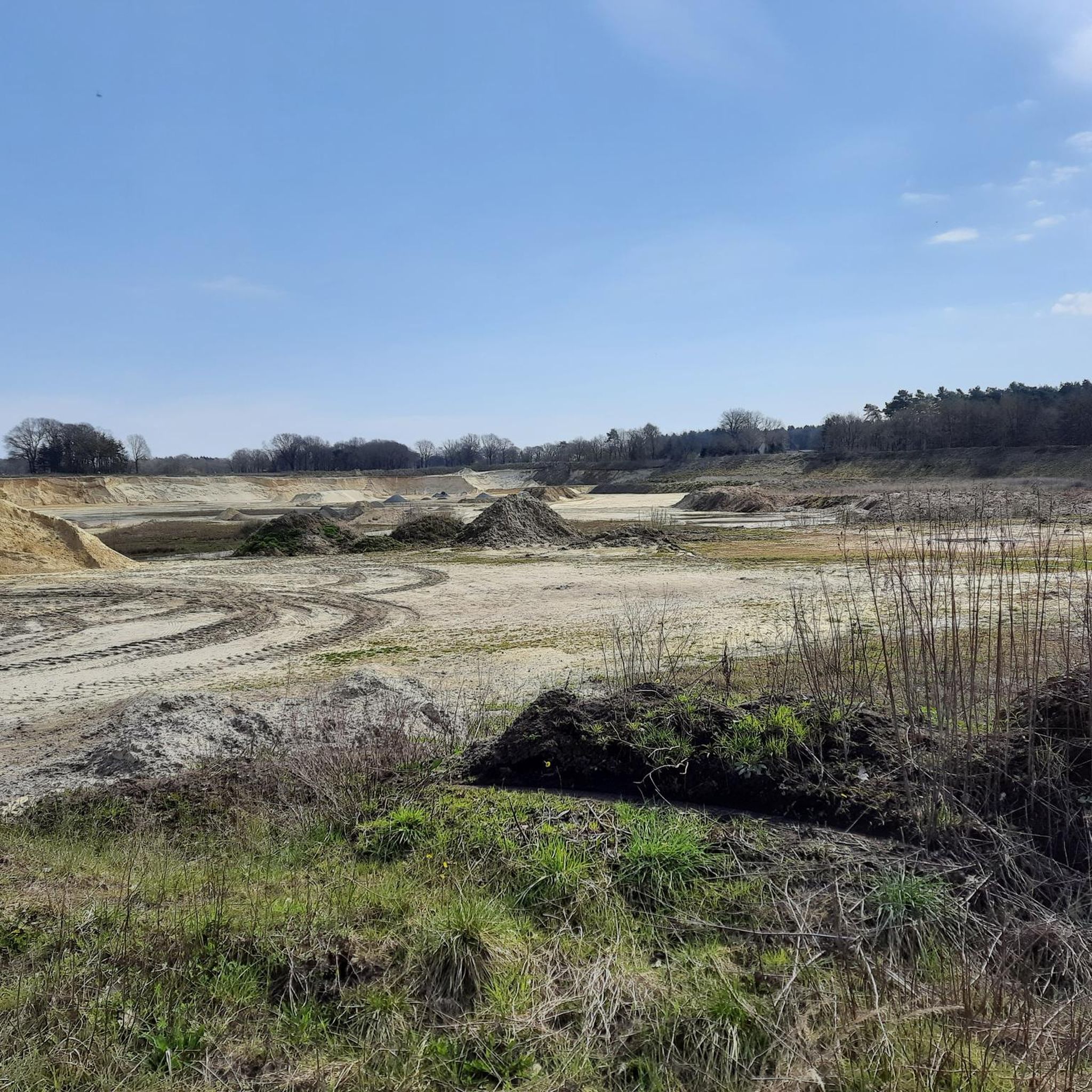
Hiking around Osterholz-Scharmbeck
Running Trails around Osterholz-Scharmbeck
Road Cycling Routes around Osterholz-Scharmbeck
MTB Trails around Osterholz-Scharmbeck

Gravel biking around Osterholz-Scharmbeck

Tips from the Community

Nice to ride the bike!
4
0

The Wümme is a 121-kilometer-long river in northern Germany that flows through the federal states of Lower Saxony and Bremen. Its source is in the Lüneburg Heath, and it eventually flows into the Lesum, which in turn flows into the Weser. The Wümme partially marks the border between Lower Saxony and Bremen and is the main tributary of the Lesum. Together with the Lesum, the Wümme reaches a total length of 131.2 kilometers. The Wümme flows through several towns and villages, including Lauenbrück, Scheeßel, Rotenburg an der Wümme, Ottersberg, Fischerhude, Lilienthal and Bremen. It is known for its clean water quality and the picturesque landscapes along its course, which are characterized by wide meadows and floodplains.
3
0

If you know what you're looking at, then you'll definitely look at the place a little differently. I've always wondered where the three rivers meet... Finally: now I know ;-) it's just "a fork," ... where you could imagine a little sign on the "cycle highway". (It's probably like the confluence of the Bever and the Oste: last seen 40 years ago, we should/will visit the area... ))
0
0

Telescopeium Lilienthal Observatory
3
0

Small idyllic river, flows into the Lesum, then further into the Weser and North Sea.
4
0

Nice view of the Wümme.
3
0

Here the Jan-Reimers-Weg crosses the Wümme
1
0
Frequently Asked Questions
What are some of the most popular natural monuments to visit around Osterholz-Scharmbeck?
Visitors frequently enjoy the Wümme bend in Blockland, known for its expansive views and popularity among cyclists. Another favorite is Broad Water, a nature reserve with unique light conditions and diverse birdlife. The Heidhofer Ponds also offer an idyllic and tranquil experience hidden within the forest.
Are there family-friendly natural monuments in the Osterholz-Scharmbeck area?
Yes, many natural monuments are suitable for families. The Wümme bend in Blockland and the New Wümme Bridge in Lilienthal are popular for easy cycling and walks. Broad Water is also family-friendly, offering opportunities for birdwatching in a serene setting. The Heidhofer Ponds provide a peaceful forest environment for a family stroll.
What kind of historical or geological natural monuments can I find?
The region is rich in historical and geological sites. You can visit the Hünenstein, a Neolithic megalithic tomb dating back to 3500-2800 BCE, offering a glimpse into prehistoric culture. Another significant geological feature is "De groote Steen" in Hambergen-Heißenbüttel, an erratic boulder from the Ice Age. The "Maiberg" (Eggestedter Kiesberge) is also a protected geological formation.
What unique botanical natural monuments are there?
Osterholz-Scharmbeck boasts unique botanical sites. A notable occurrence of the endangered cymbalaria (Zymbelkraut) can be found on an old cemetery wall, preserved for its natural scientific importance. Additionally, the broader Landkreis Osterholz features protected stands of rhododendrons (Lorbeerrosen) and orchids (Orchideenbestände) in areas like Dannenberg and Worpswede, valued for their rarity and beauty.
What outdoor activities can I do near these natural monuments?
The area offers various outdoor activities. You can enjoy cycling along the Wümme bend in Blockland or explore the many hiking trails around Osterholz-Scharmbeck. For example, a moderate hike can take you to the Heidhofer Ponds. There are also MTB trails and running routes available, such as the Hammewiesen loop.
When is the best time to visit the natural monuments?
The natural monuments can be enjoyed year-round, but each season offers a different experience. Spring and summer are ideal for enjoying the lush greenery and botanical displays, such as the rhododendron and orchid stands. Autumn brings beautiful colors to the tree-lined areas. For a more tranquil experience at popular spots like the Wümme bend in Blockland, visiting in the mornings or on weekdays is recommended.
Are the natural monuments dog-friendly?
Many natural areas around Osterholz-Scharmbeck are dog-friendly, especially for walks and hikes. The Wümme bend in Blockland is a popular spot for dog owners. However, always ensure your dog is on a leash, especially in nature reserves like Broad Water, to protect local wildlife and respect other visitors.
Can I observe wildlife at these natural monuments?
Yes, several natural monuments are excellent for wildlife observation. Broad Water, a nature reserve, is particularly known for its diverse bird populations. The Wümme-Bogen in Blockland also offers opportunities to see various bird species and other small animals in its extensive meadows and riverine landscape.
Are there any notable trees designated as natural monuments?
Yes, the region protects several impressive trees. The Kaiser-Wilhelm-Eiche, an English oak standing in the market square of Osterholz-Scharmbeck since 1897, is a significant natural focal point. There is also a rare row of trees (Baumreihe in Nord-Süd-Richtung) in Klosterholz, and various other individual English oaks throughout the Landkreis Osterholz are protected for their age and characteristic growth.
How can I reach the natural monuments, and is parking available?
Access varies by location. Many natural monuments, especially those along popular cycling and hiking routes like the Wümme bend in Blockland, often have nearby parking facilities or can be reached by bicycle. For specific sites like the Hünenstein, local signage usually directs visitors to parking. Public transport options may be available to larger towns, from which some monuments can be accessed by foot or bike. It's advisable to check local transport schedules for specific destinations.
Are there viewpoints or scenic spots among the natural monuments?
Absolutely. The Wümme bend in Blockland offers beautiful wide views of the river and extensive meadows. The New Wümme Bridge in Lilienthal provides scenic views of the Wümme river and surrounding rural areas. The confluence of the Wümme and Hamme rivers is another picturesque spot where you can enjoy nature and water views.
What is the significance of the Wümme river in the region's natural monuments?
The Wümme river plays a crucial role in the region's natural landscape and is featured in several natural monuments. The Wümme bend in Blockland is a highly regarded scenic area, popular for cycling and its serene beauty. The New Wümme Bridge in Lilienthal crosses this river, offering views, and the confluence of the Wümme and Hamme rivers marks the beginning of the Lesum, highlighting its ecological importance.
Most popular routes around Osterholz-Scharmbeck
Most popular attractions around Osterholz-Scharmbeck

Get inspired with the komoot mobile app


Explore more
Extend your search for the best caves by checking out these guides of the top ones around Osterholz-Scharmbeck:
