Top 20 Natural Monuments around Hövels
Best natural monuments around Hövels are located in the Hövelhof region of North Rhine-Westphalia, Germany. The landscape features diverse natural attractions, including the Steinhorster Becken, a significant man-made biotope and bird sanctuary. The Moosheide Nature Reserve, characterized by sand dunes and the Ems River springs, also contributes to the region's natural landscape. These sites provide opportunities to observe local wildlife and geological formations.
Best natural monuments around Hövels
- The most popular natural monuments is Druid's Stone, a natural monument…
Last updated: May 11, 2026
Druid's Stone
Highlight • Natural Monument
Translated by Google •
Tip by

Stepping stones across the Nister
Highlight • Bridge
Translated by Google •
Tip by

Sign up now to discover places like this
Get recommendations on the best single tracks, peaks, & plenty of other exciting outdoor places.
Sign up for free
Stations of the Cross to the Druidenstein
Highlight • Religious Site
Translated by Google •
Tip by

Confluence of the Große and Kleine Nister rivers
Highlight • River
Translated by Google •
Tip by

Narrow Trail Above the Große Nister
Highlight (Segment) • Trail
Translated by Google •
Tip by

Sign up for free to discover even more natural monuments around Hövels.
Sign up for free
Already have an account?
Start today with a free account
Your next adventure awaits.
Login or Signup
Tips from the Community

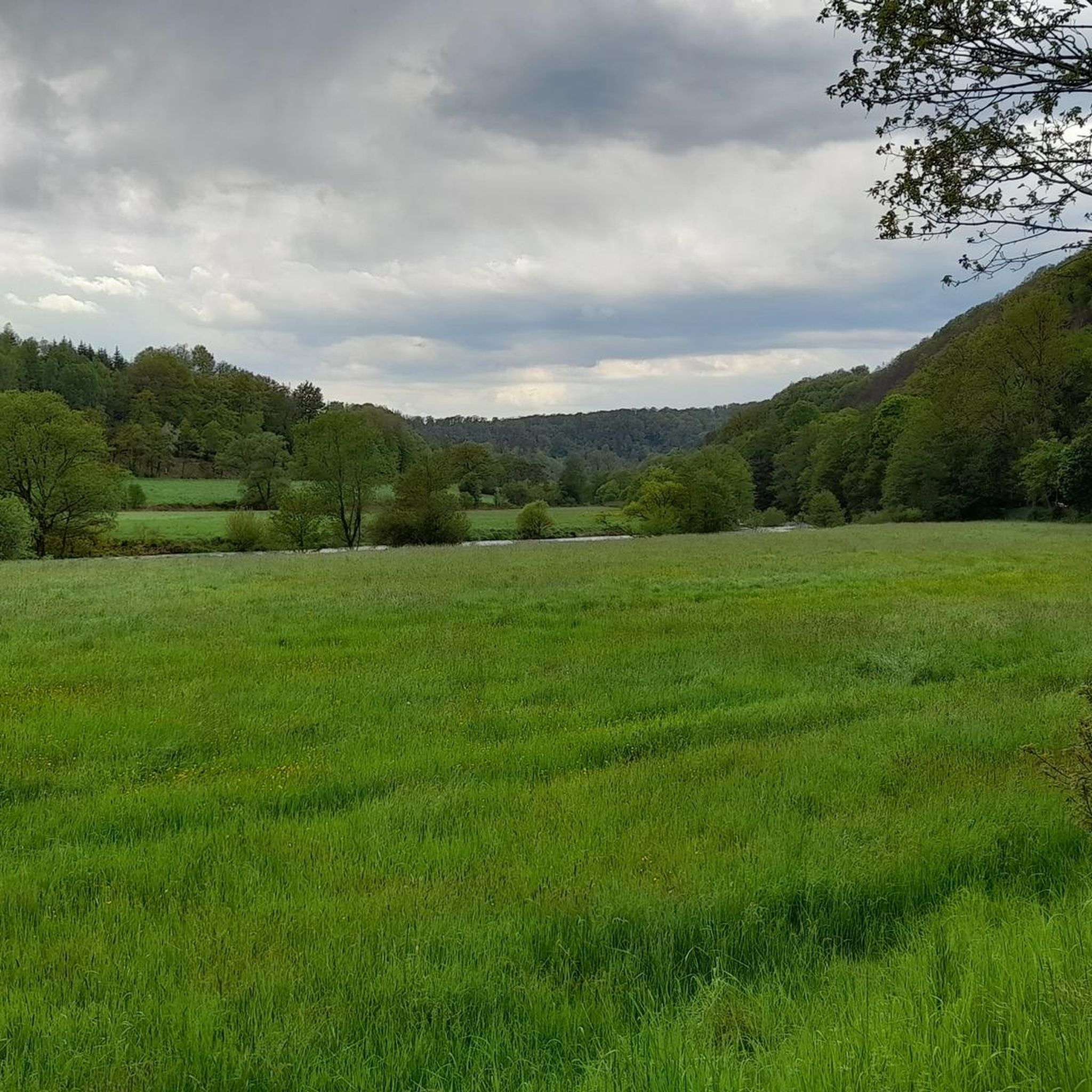
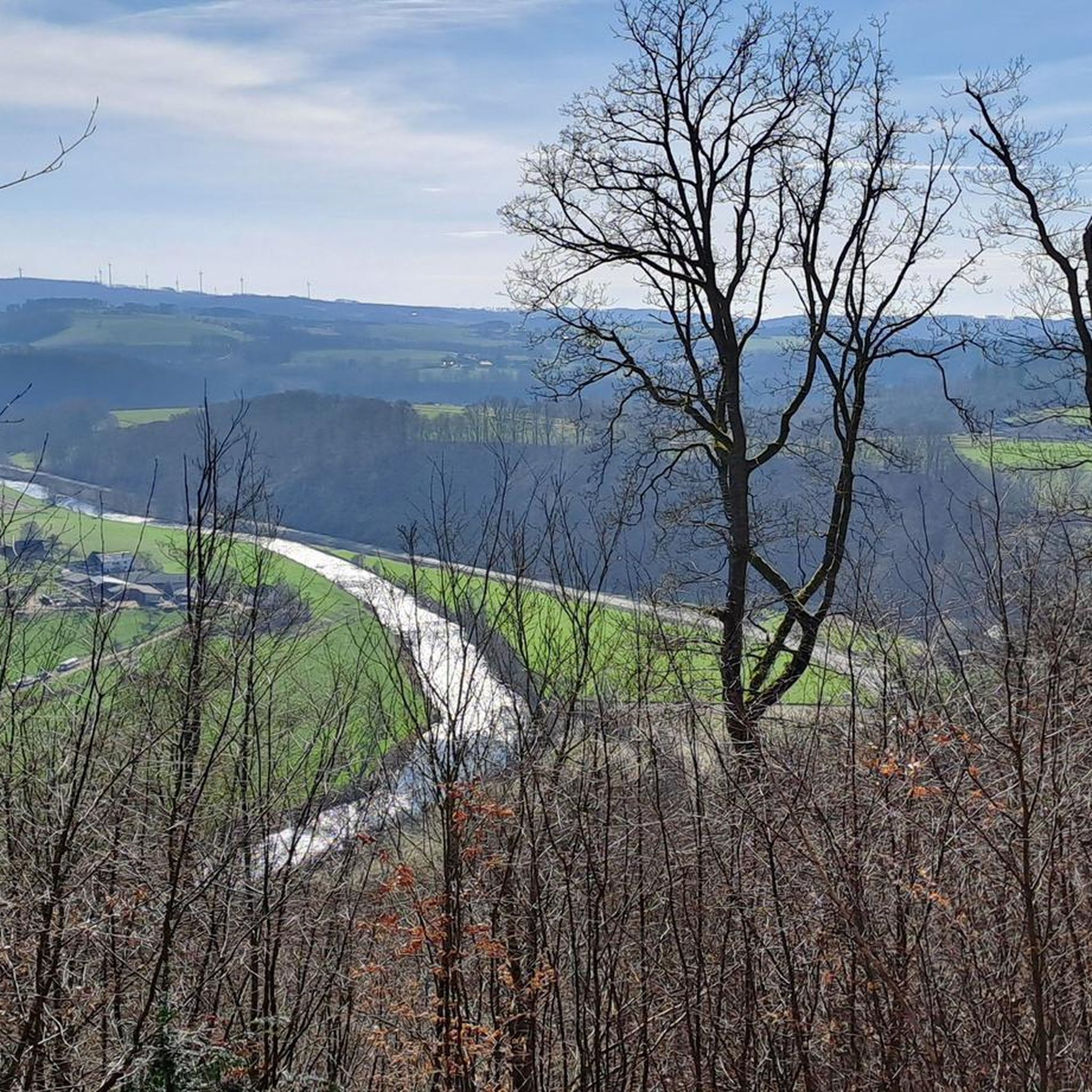
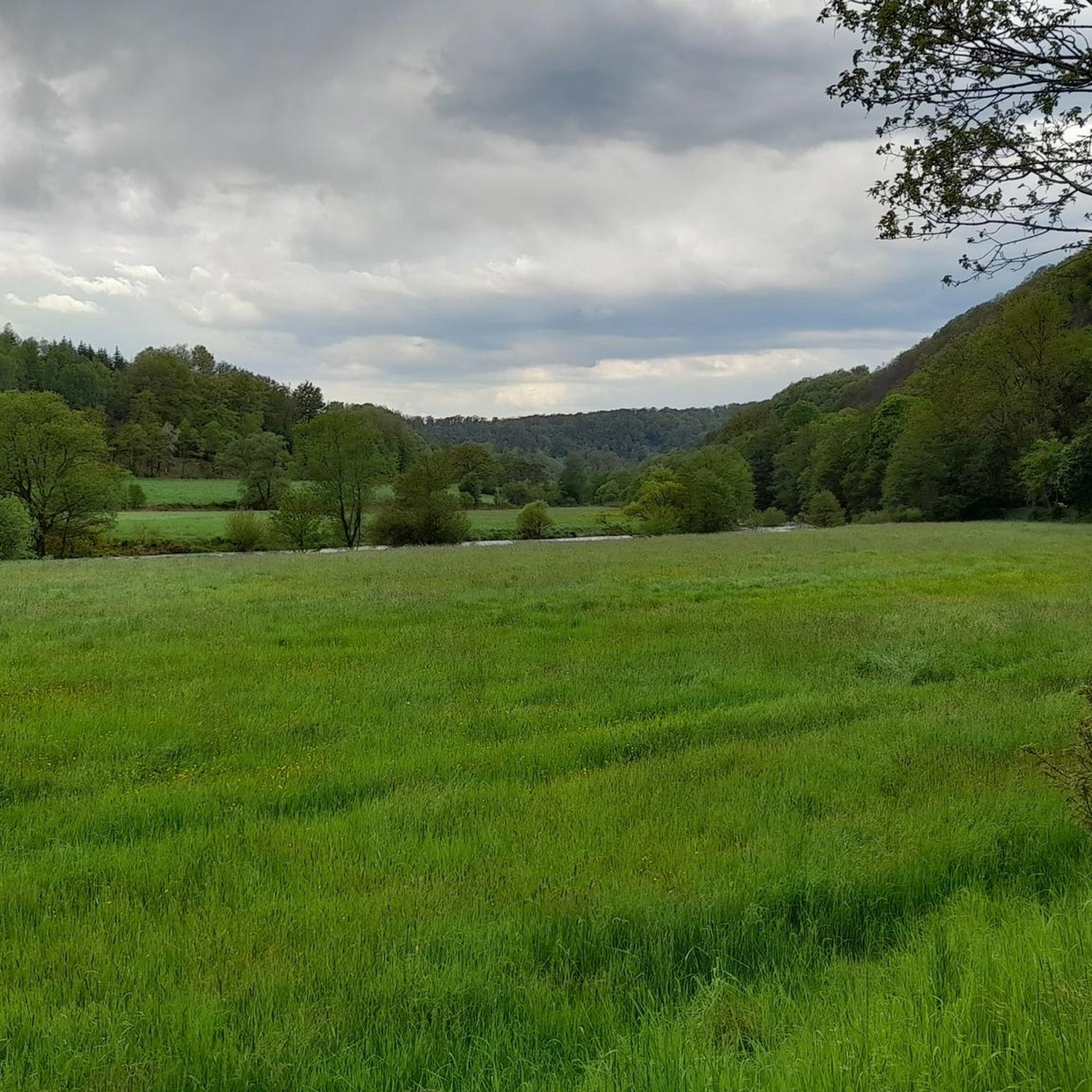
A pretty, narrow hiking trail, a little above the river "Große Nister". One could describe it as "wild and romantic" - which might sound kitschy to some.
9
0

Not only the path is interesting, but also the large boulders. Especially if you pay attention to the straight edges.
3
0

Beautiful path through nature above the Nister. Steep passages with alpine steps, narrow places with wire ropes to hold on to and impassable ascents and descents require fitness, sure-footedness and sturdy shoes.
4
0
Crossing the Nister over the stepping stones is really fun. It may be a bit difficult for dogs, but in summer the dogs can usually swim through the water and cool off. But there is a bridge a little further in case you can't cross the stepping stones.
10
0

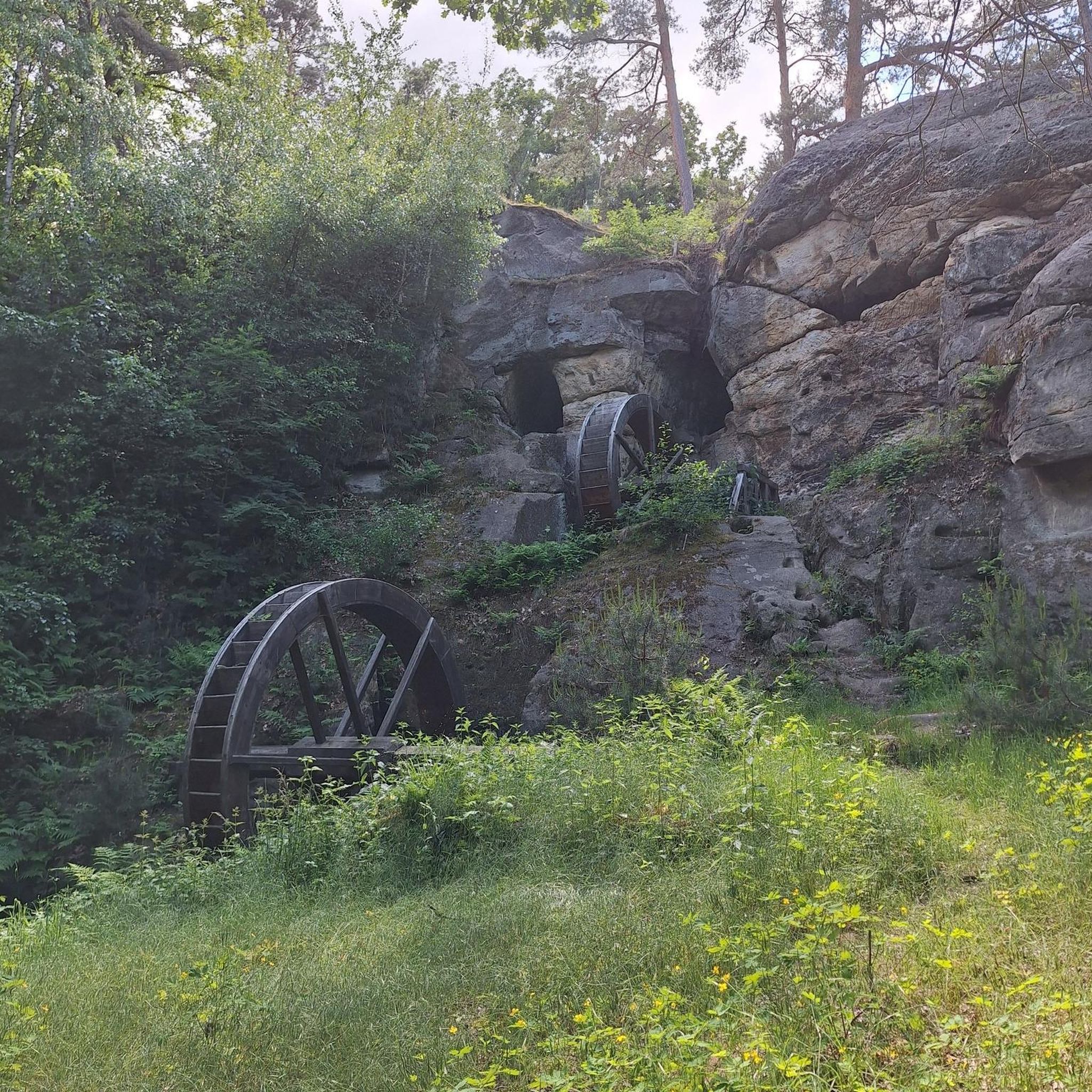
Along the narrow path you will find large rocks and stile walls
4
0

It goes over the narrowest and steepest paths along the steep slopes of the Nister, through unspoilt nature and past spectacular viewpoints.
3
0

The detour is a must. Children should be offered a helping hand. But doable.
7
0

Crossing the nest over the stones can be fun for young and old
7
0
Frequently Asked Questions
What are the most popular natural monuments around Hövels?
The komoot community highly rates several natural monuments in the broader Hövels region. Among the most popular are the Druid's Stone, a striking basalt cone, and the Erzquell Spring Entrance, known for its connection to local brewing. Visitors also enjoy the Narrow Trail Above the Große Nister, which offers wild and romantic views.
What unique natural features can I explore in the Hövelhof area?
In the immediate Hövelhof area, you can discover the Steinhorster Becken, the largest man-made biotope of its kind in North Rhine-Westphalia, which is a vital bird sanctuary. Another significant feature is the Moosheide Nature Reserve, characterized by sand dunes, heathland, and the springs of the Ems River. The region also protects individual natural monuments like ancient oak trees and glacial erratics, which are remnants from past ice ages.
Are there family-friendly natural monuments to visit around Hövels?
Yes, several natural monuments are suitable for families. The Erzquell Spring Entrance is considered family-friendly, offering an interesting glimpse into the source of water used for brewing. Additionally, the Totenbuche (Death Beech), while a historical site, is located on routes that can be enjoyed by families.
What kind of wildlife can be observed at the natural monuments?
The Steinhorster Becken is a prime location for wildlife observation, especially birdwatching. It serves as a crucial resting, feeding, molting, and overwintering ground for numerous native and migratory wading and water birds. You can observe a wide array of birdlife from dedicated observation towers.
What is the best time of year to visit the natural monuments around Hövels?
While many natural monuments can be enjoyed year-round, the Moosheide Nature Reserve is particularly stunning during August and September when the heath blooms in vibrant purple-red. This period offers a spectacular visual experience for hikers and nature enthusiasts.
Are there hiking trails near these natural monuments?
Absolutely. The Druid's Stone is located on the Druidensteig and Natursteig Sieg long-distance hiking trails. The Moosheide Nature Reserve offers various themed hiking trails, including the Heideland-Rundwanderweg. For more hiking options, you can explore the many running trails around Hövels, which often pass through natural areas.
What other outdoor activities can I do near the natural monuments?
Beyond hiking, the region offers excellent opportunities for cycling. The Moosheide Nature Reserve is the starting point of the popular Ems Cycle Route. You can find numerous road cycling routes around Hövels and gravel biking routes, allowing you to explore the diverse landscapes by bike.
Are there any historical or cultural sites associated with the natural monuments?
Yes, the Totenbuche (Death Beech) is a memorable historical site, marking a traditional spot where coffins were exchanged between porters for burials in different parishes. The Stations of the Cross to the Druidenstein also offers a cultural and religious dimension, leading to the impressive Druid's Stone.
What geological features are prominent among the natural monuments?
The region showcases interesting geological features. The Druid's Stone is a bizarre basalt cone, a striking example of volcanic geology. Within Hövelhof itself, you can find protected glacial erratics, which are large boulders transported and deposited by glaciers during past ice ages, offering insights into the region's geological history.
What do visitors enjoy most about the natural monuments around Hövels?
Visitors frequently praise the wild and romantic atmosphere of trails like the Narrow Trail Above the Große Nister. The impressive views from spots like the Druid's Stone are also highly appreciated. Many enjoy the unique experience of observing diverse birdlife at the Steinhorster Becken and the serene beauty of the blooming heath in Moosheide.
Is the Steinhorster Becken accessible for visitors?
Yes, the Steinhorster Becken is designed for visitor access. You can observe the rich birdlife from a horseshoe-shaped dike and two observation towers located at the northern and southwestern edges of the protected area, providing excellent viewing opportunities.
Can I find cafes or refreshments near the natural monuments?
Near the Druid's Stone, there is a small, rustic pub where you can enjoy refreshments. For other natural monuments, it's advisable to check local amenities or plan to bring your own provisions, especially when venturing into more remote nature reserves like the Moosheide.
Most popular attractions around Hövels

Get inspired with the komoot mobile app


Explore more
Extend your search for the best caves by checking out these guides of the top ones around Hövels:
