Top 20 Natural Monuments around Gründau
Best natural monuments around Gründau are found within a municipality known for its extensive green areas, with nearly half of its territory being forested. This landscape provides a tranquil setting for outdoor recreation. Gründau's natural appeal lies in its general landscape of forests and fields, rather than specific geological formations. The region offers numerous opportunities for walks, hikes, and cycling tours.
Best natural monuments around Gründau
- The most popular natural monuments is Celtic World at the Glauberg, a historical…
Last updated: July 8, 2026
Celtic World at the Glauberg
Highlight • Historical Site
Translated by Google •
Tip by

Kinzig Floodplains
Highlight • River
Translated by Google •
Tip by

Sign up now to discover places like this
Get recommendations on the best single tracks, peaks, & plenty of other exciting outdoor places.
Sign up for free
Barbarossa Spring
Highlight • Natural Monument
Translated by Google •
Tip by

Drusus Oak
Highlight • Natural Monument
According to the plaque it is only 400 years old. Looks pretty battered.
Translated by Google •
Tip by

Hanau-Wolfgang Forestry Office and Giant Sequoia
Highlight • Historical Site
Translated by Google •
Tip by

Sign up for free to discover even more natural monuments around Gründau.
Sign up for free
Already have an account?
Start today with a free account
Your next adventure awaits.
Login or Signup
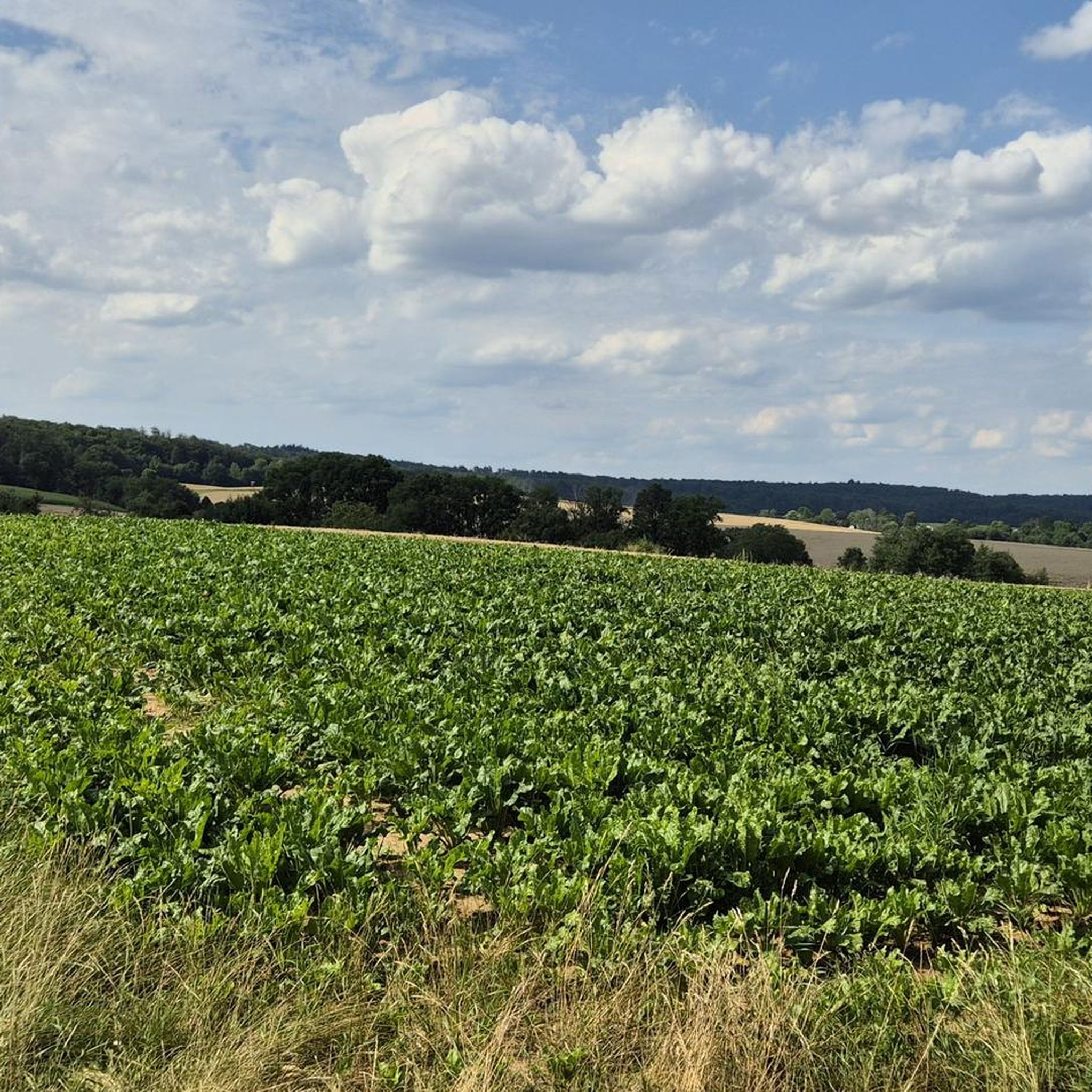
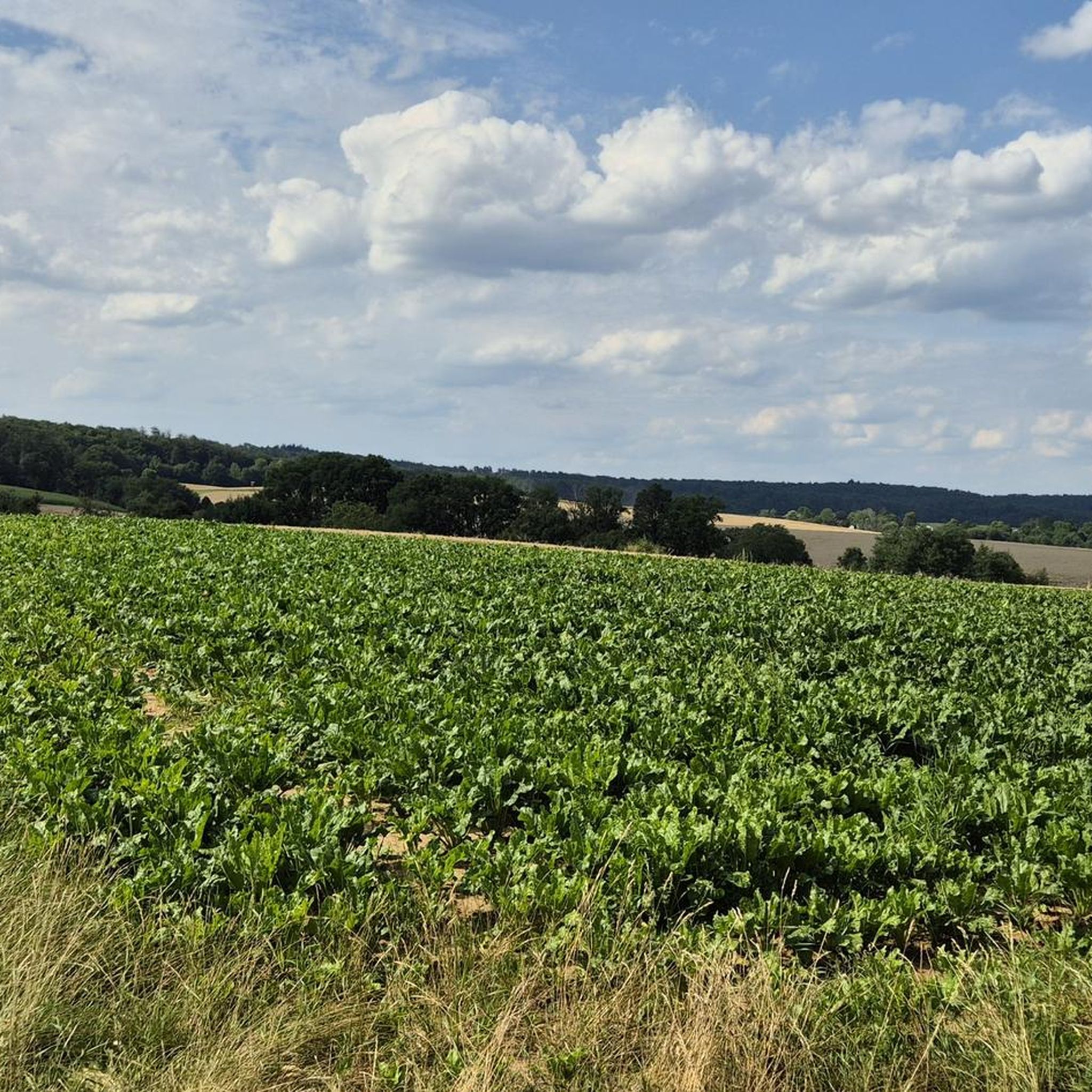
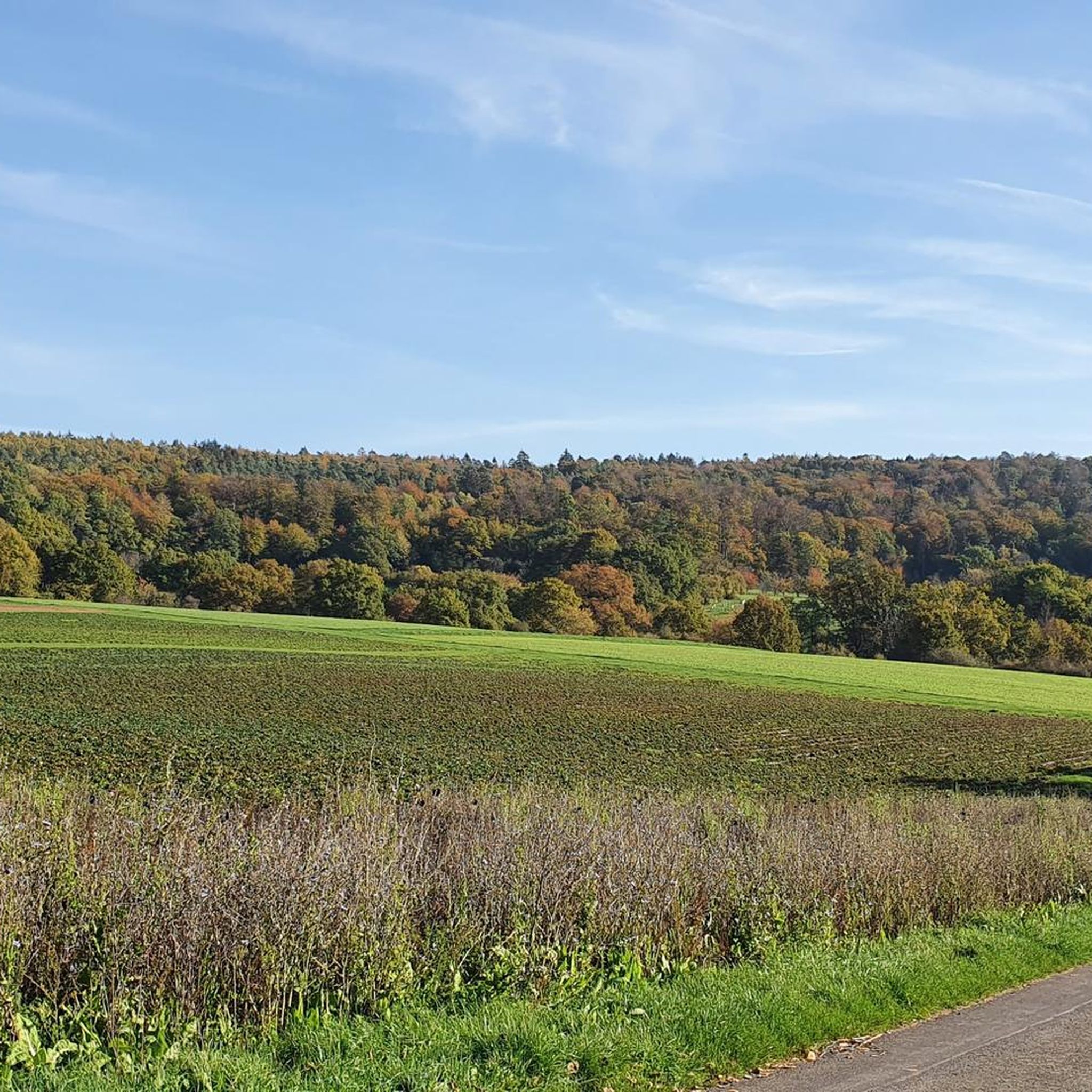
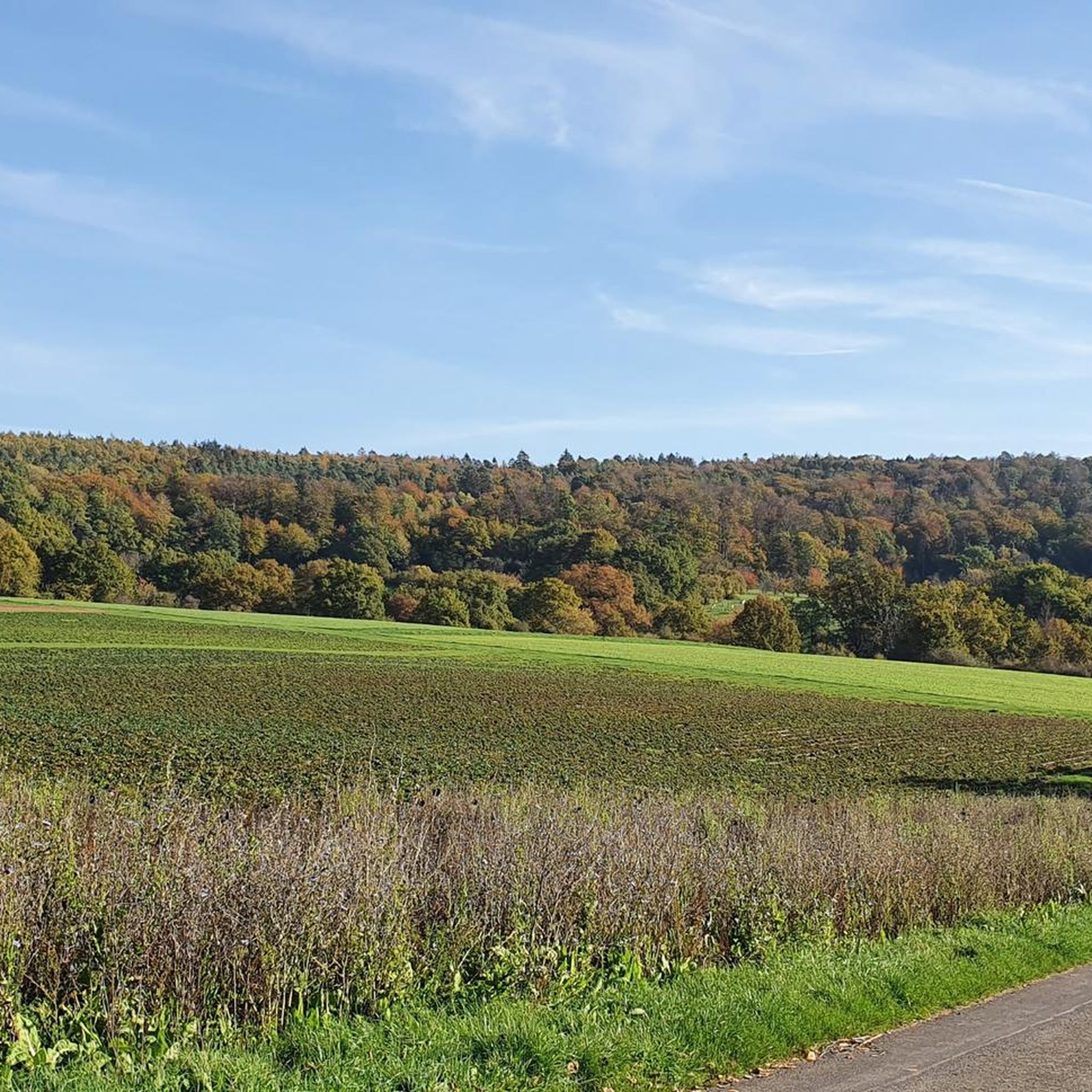
Tips from the Community

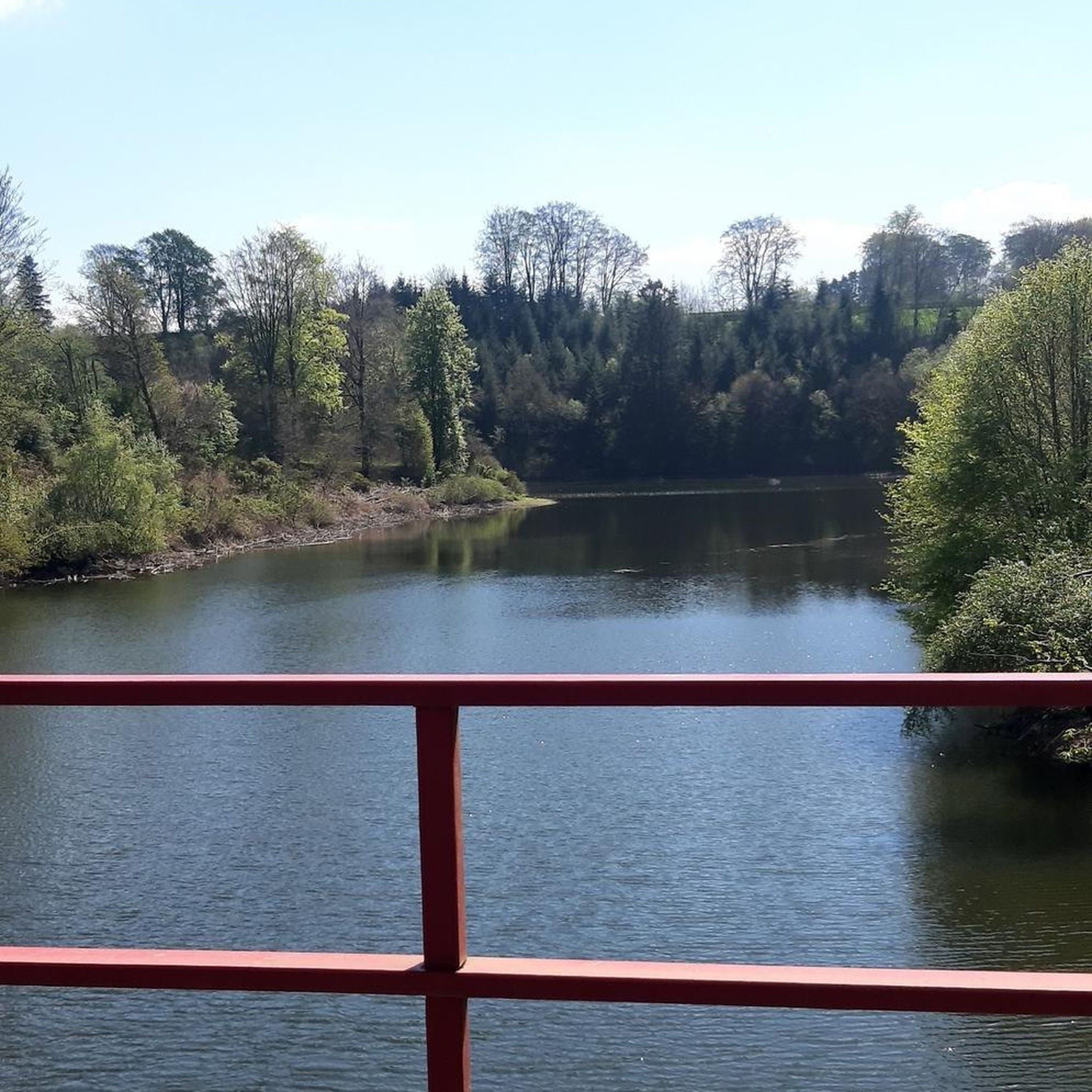
Even invites you to swim on hot days ;)
1
0

The Kinzig is a river approximately 86 kilometers long. It rises in Sterbfritz, flows southwest through the Main-Kinzig district of Hesse, and flows into the Main from the right in Hanau. The Kinzig is a second-order river in low mountain ranges. It overcomes an elevation of 301 meters and has a bed gradient of 3.5 per thousand. The Kinzig's catchment area covers 1,058 square kilometers, and the calculated mean discharge (MQ) at the mouth of the Kinzig is 10.97 cubic meters per second. The Kinzig was first documented in 796 as "iuxta fluvium Kincihen." In 815, the name was written as "Chinzicha," around 900 as "Kincicha"/"Kinzicham," in 1364 as "Kinzige," in 1584 as "Kintzig," in 1607 as "Bintz," in 1681 as "Kintz," in 1716 as "Kins," in 1769 as "Kinzing," and in 1802 as "Kinzig." In the river's headwaters, there was the now-defunct village of Kinzig, mentioned in 815 as "Chirizichheimero." The village and river were often confused by monastery scribes at that time with "Chizzicha" (now Bad Kissingen), both of which were described as being located in the Saalegau. The name presumably derives from the ancient Celtic *ku̯anti̯o- meaning "flat hill, valley." The name was therefore derived from the mountainous region from which the Kinzig flows. Source: Wikipedia
2
0

It is a great place to cycle all year round.
3
0

Beautiful buildings from the old days in public ownership combined with contemporary farm buildings
14
0

The Kinzig is also used by the brave (not just children) to cool down. Very romantic.
4
0

Mighty Tree. According to the plaque it is only 400 years old. Looks pretty battered.
34
0

When the Kinzig floods, especially in winter, the R3 can sometimes be impassable due to flooding.
4
0

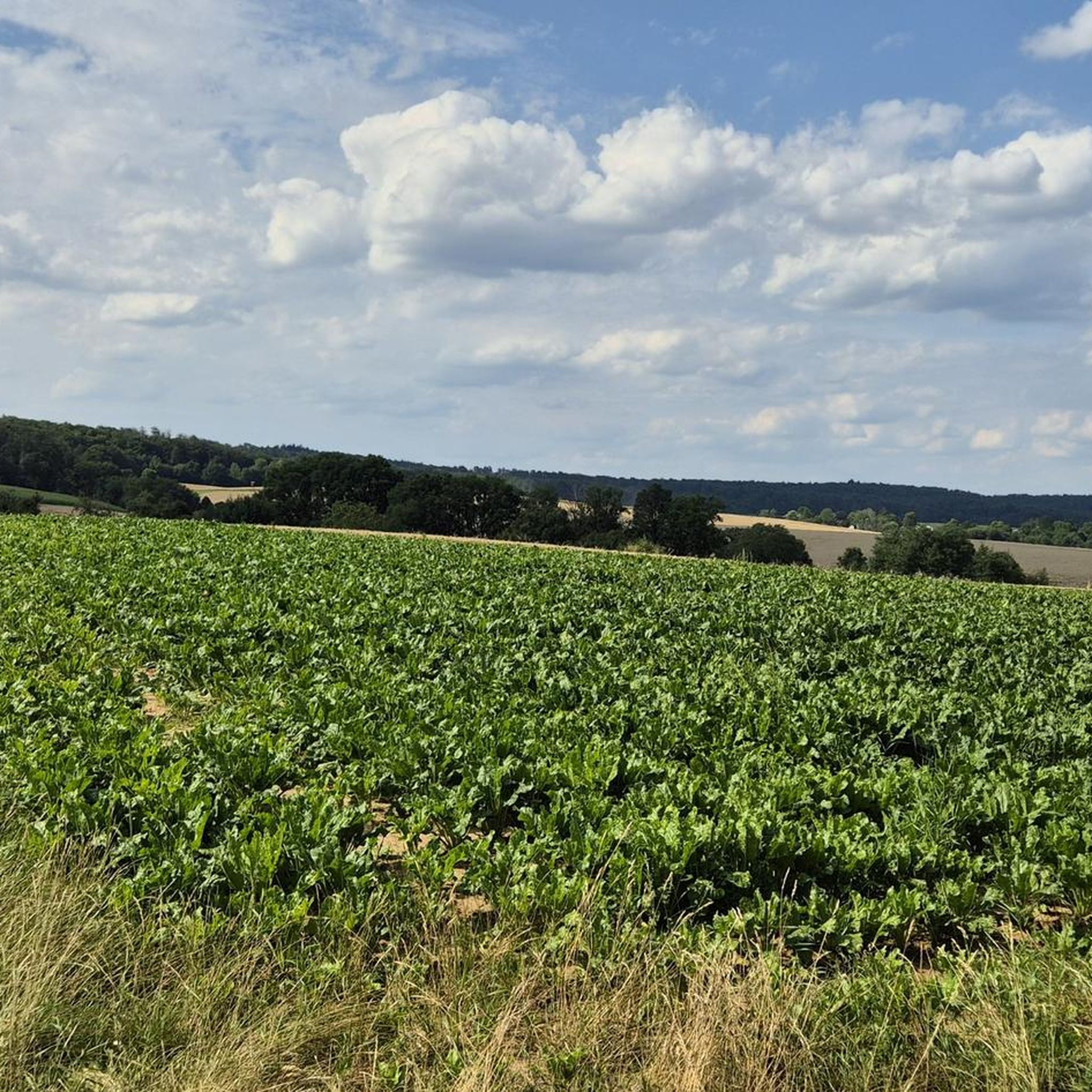
very flat terrain with a lot of nature
4
0
Frequently Asked Questions
What types of natural monuments can I expect to find around Gründau?
Gründau is characterized by its extensive green areas, including vast forests and open fields. While not known for specific geological formations, the natural monuments here often include ancient trees like the Drusus Oak, natural springs such as the Barbarossa Spring, and river floodplains like the Kinzig Floodplains. Many historical sites are also beautifully integrated into the natural landscape.
Are there family-friendly natural monuments in the Gründau area?
Yes, several natural monuments around Gründau are suitable for families. The Celtic World at the Glauberg offers a museum and panoramic views, while the Barbarossa Spring and Drusus Oak are easily accessible within forest settings. The Kinzig Floodplains provide flat terrain for leisurely walks, and the Hanau-Wolfgang Forestry Office and Giant Sequoia features impressive trees and facilities.
What historical sites are integrated with the natural landscape around Gründau?
The region beautifully blends history with nature. The Celtic World at the Glauberg is a prominent example, featuring an archaeological park and museum with stunning views. The Barbarossa Spring is named after Emperor Friedrich I, Barbarossa, who frequented it during hunting expeditions. The ancient Drusus Oak also has historical connections to Roman times, and the Hanau-Wolfgang Forestry Office includes historical buildings alongside its natural attractions.
What outdoor activities can I do near the natural monuments in Gründau?
Gründau's green landscape is ideal for various outdoor activities. You can enjoy extensive hiking trails, including easy loops like the Ronneburg Castle view from Vonhausen, or more challenging routes like the Pfaffenweg Gelnhausen. The area also offers numerous opportunities for cycling, such as the Vogelsberg Southern Railway Cycle Path, and gravel biking, with routes like the Kinzigmühle Gründau-Lieblos loop.
Are there accessible natural monuments for visitors with wheelchairs or strollers?
While specific accessibility details vary, the Hanau-Wolfgang Forestry Office and Giant Sequoia is noted as wheelchair accessible, offering a chance to see an imposing sequoia tree. For other sites, it's advisable to check individual highlight details for terrain information, as many natural areas may involve unpaved paths.
What is the best time of year to visit the natural monuments around Gründau?
Gründau's natural beauty can be enjoyed year-round. Spring brings blooming flora, while summer offers lush green landscapes perfect for hiking and cycling. Autumn transforms the forests with vibrant colors, and even winter hiking can be appealing, especially in the extensive forested areas. The region's general appeal lies in its green spaces, making it pleasant in most seasons.
Are there any specific natural features or wildlife to look out for?
The region's extensive forests and fields provide a habitat for various local wildlife. While specific sightings are not guaranteed, you might encounter deer, foxes, and a variety of bird species, especially in quieter areas like the Kinzig Floodplains or around the Barbarossa Spring in the Bulau forest. The ancient trees, such as the Drusus Oak and the Giant Sequoia, are impressive natural features in themselves.
Where can I find parking near the natural monuments?
Parking availability varies by location. For instance, the Hanau-Wolfgang Forestry Office and Giant Sequoia has designated parking. For other natural areas and trailheads, look for public parking spaces in nearby villages or designated hiking parking lots. It's always a good idea to check specific location details if driving.
Can I bring my dog to the trails and natural monuments?
Many of Gründau's outdoor areas and trails are dog-friendly, allowing you to explore with your canine companion. However, it's important to keep dogs on a leash, especially in forested areas to protect wildlife, and to clean up after them. Always check local regulations or signage at specific sites.
What do visitors enjoy most about the natural monuments around Gründau?
Visitors frequently appreciate the tranquil setting of Gründau's green landscapes, offering a peaceful escape for outdoor recreation. The blend of natural beauty with historical significance, such as the panoramic views from Celtic World at the Glauberg or the ancient Drusus Oak, is also highly valued. The extensive network of trails for hiking and cycling through forests and fields is a major draw.
Are there cafes or restaurants near the natural monuments for refreshments?
Yes, some natural monuments offer refreshment options. The Celtic World at the Glauberg features a café with wonderful views. Additionally, you can find cafes and restaurants in the various villages and towns surrounding Gründau, providing opportunities for a meal or a coffee break after your outdoor activities.
Most popular routes around Gründau
Most popular attractions around Gründau

Get inspired with the komoot mobile app


Explore more
Extend your search for the best caves by checking out these guides of the top ones around Gründau:
