Top 16 Natural Monuments around Averlak
Natural monuments around Averlak are characterized by the region's unique geography, including its proximity to the Schleswig-Holstein Wadden Sea National Park. This area features diverse landscapes such as coastal dikes, nature reserves, and significant geographical points. The Dithmarschen district, where Averlak is located, offers a range of natural features shaped by its North Sea influence and historical land reclamation efforts. Visitors can explore these sites to understand the natural forces and ecological importance of the region.
Best natural monuments around…
Last updated: August 18, 2026
Lowest Point in Germany
Highlight • Natural Monument
Translated by Google •
Tip by

St. Margarethen Outer Dike Nature Reserve
Highlight • Natural Monument
Translated by Google •
Tip by

Sign up now to discover places like this
Get recommendations on the best single tracks, peaks, & plenty of other exciting outdoor places.
Sign up for free
Bismarck Rock at Hoper Klev
Highlight • Monument
Translated by Google •
Tip by

Kleve Nature Reserve
Highlight • Natural Monument
Translated by Google •
Tip by

Kudensee Nature Reserve
Highlight • Lake
Translated by Google •
Tip by

Sign up for free to discover even more natural monuments around Averlak.
Sign up for free
Already have an account?
Start today with a free account
Your next adventure awaits.
Login or Signup
Tips from the Community

This remarkable boulder presumably reached the Dithmarscher Geest during the penultimate ice age 200,000 years ago. In the course of the preparations for the Kiel Canal from 1907 to 1914, the stone, with a length of 3.50 meters, a diameter of 2.00 meters, and a weight of 25 tons, came to light.
0
0

As children, we used to jump and slide down a narrow sandy path directly from the Bismarck Stone to the Käthnersvierth.
0
0

As a result of the strong melting of glaciers at the end of the last ice age (Weichsel), the sea level rose sharply and the western edge of Schleswig-Holstein's geest formed the coastline. In some places, such as the Barlter Kleve (Kleve = cliff, steep coast) near Gudendorf with a drop of 20 m, at the Kleve of Sankt Michaelisdonn (30 m drop) and between Kuden and Burg, the original cliffs formed by the surf are still visible.
1
0
The "Kleve" nature reserve, located southeast of St. Michaelisdonn in the Hopen district of Dithmarschen, has existed as such since November 8, 1962. Parts of the "Hoper or Donner Kleve" were bought by a nature conservation association as early as 1914, and then placed under the protection ordinance under the Reich Nature Conservation Act in 1938. At 11.9 hectares, it is certainly one of the smallest nature reserves in Schleswig-Holstein, but due to its animal and plant populations, it is a real treasure trove.
1
0

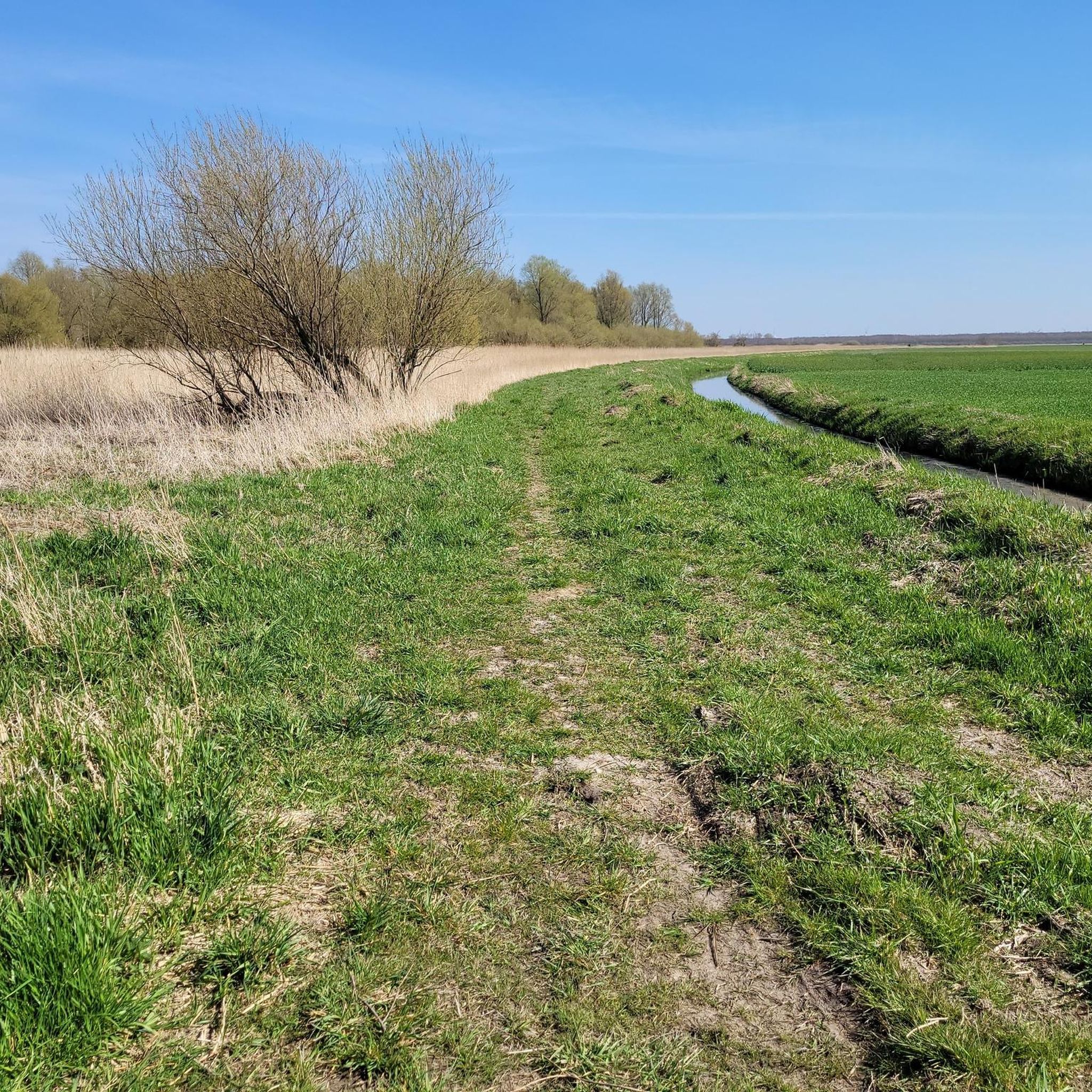
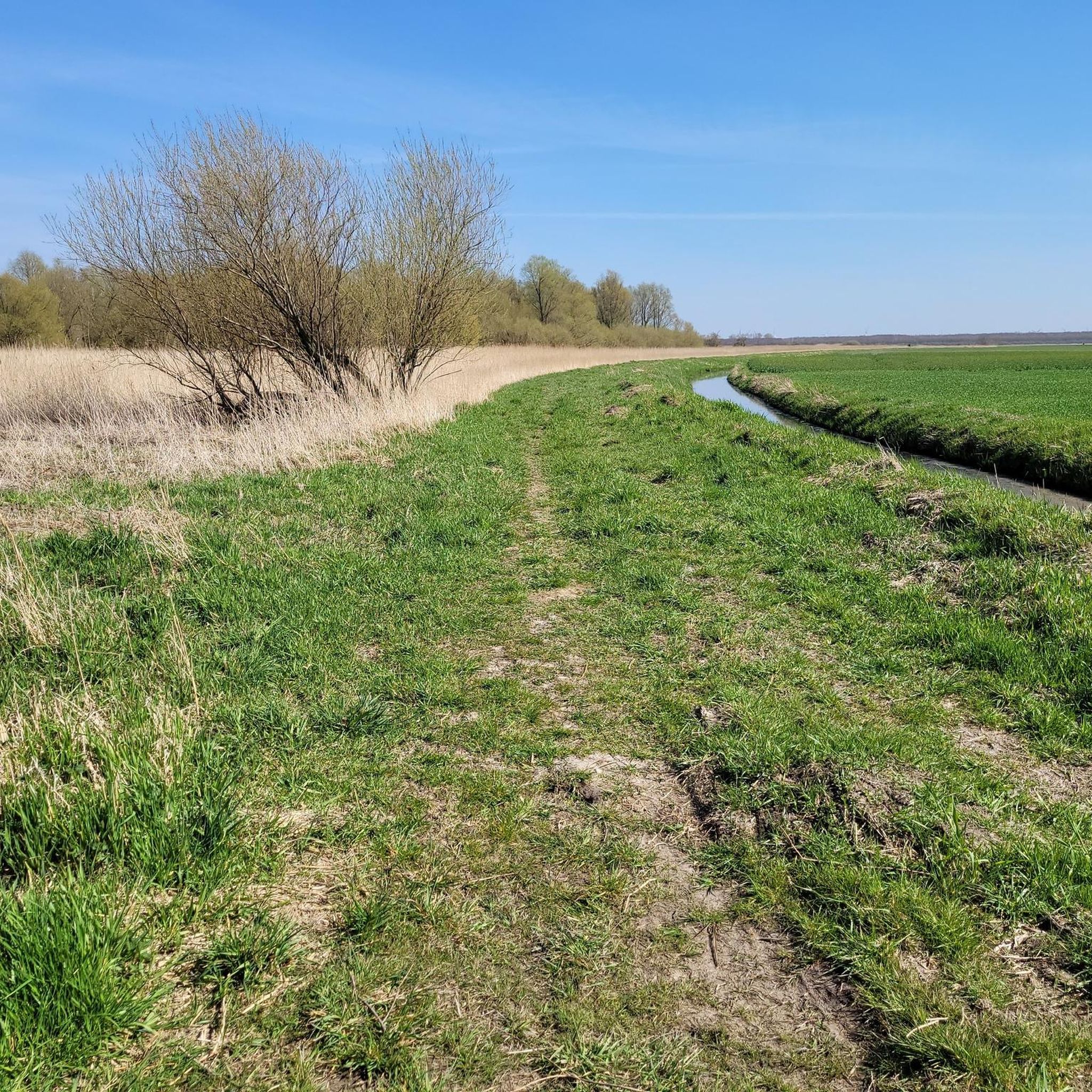
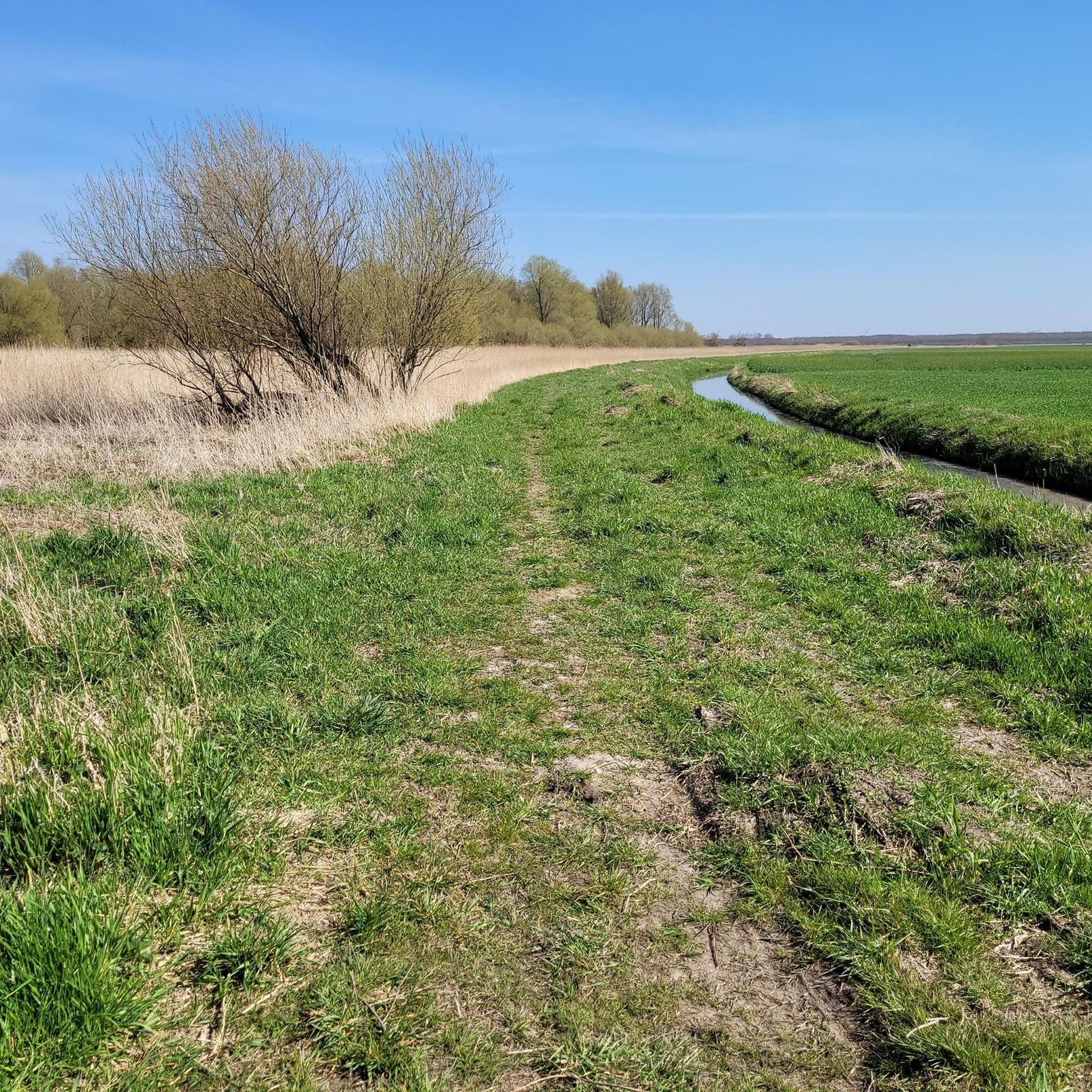
The outer dike of St. Margarethen is located near the Elbe and is now an important bird sanctuary. Originally, this area was part of a dike system that protected the hinterland from flooding. Over time, the harbor creek became increasingly silted up and port operations were discontinued. Today, the outer dike provides an important habitat for numerous bird species and is a popular destination for nature observation and cycling tours. The outer dike and the surrounding area are ideal for hikes and bike rides along the Elbe, with wonderful views of the passing ships. Historically, the area was also the site of a pilot station, but this was not rebuilt after a fire in 1902.
2
0
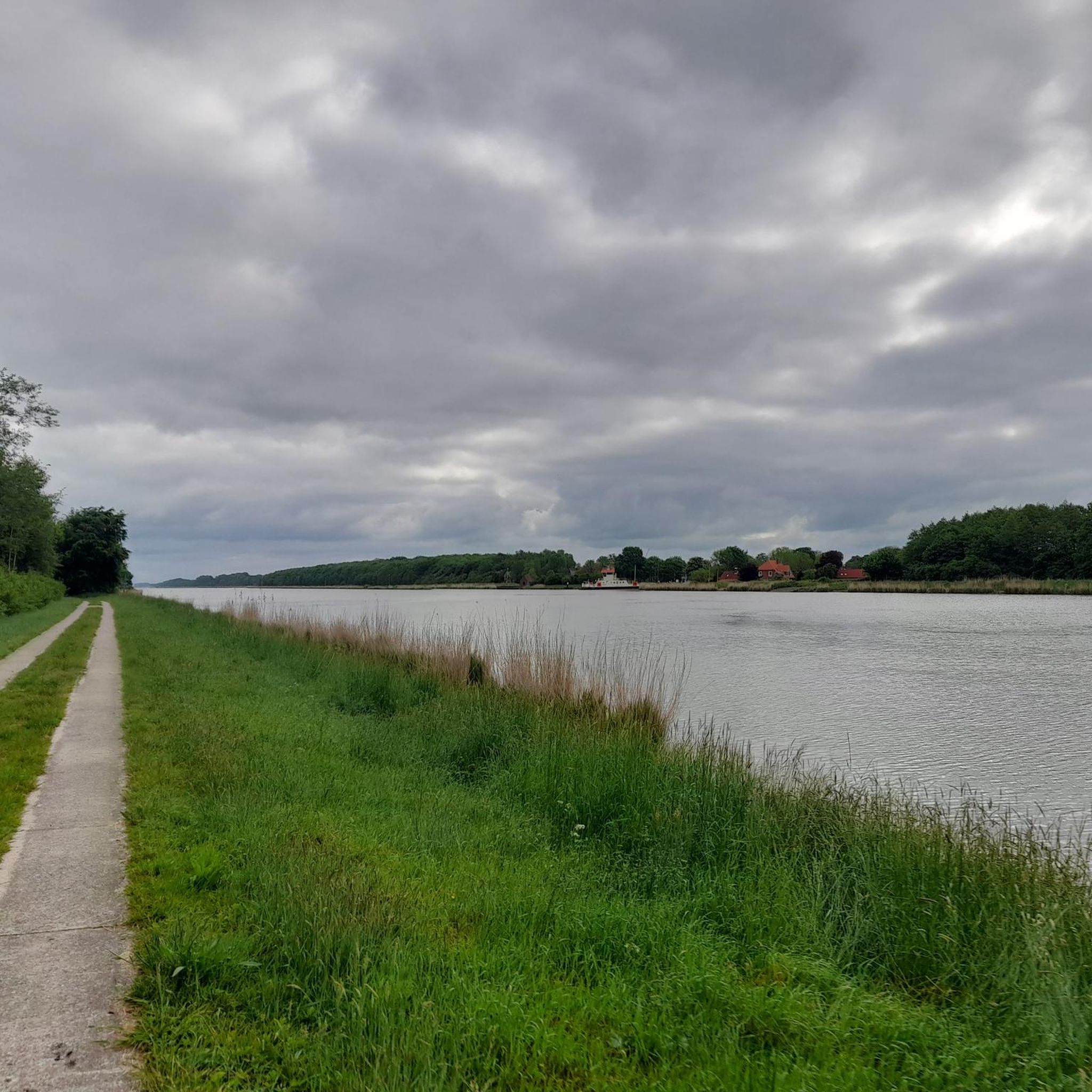
Kudensee is a municipality in the Steinburg district in Schleswig-Holstein, and also the name of the largest lake in the Dithmarschen district. The Kudensee, with an area of 38.9 hectares, has been a nature reserve since 1935 and has been expanded to 172 hectares since 1992. The lake is the last shallow-water lake in the Elbe marshes and an important European bird sanctuary. It provides a habitat for numerous bird species, including the rare bittern, and serves as a resting place for many migratory birds. The Kudensee is characterized by its extensive reed beds, remnants of marsh forest and willow bushes. The bottom of the lake consists of both soft mud and hard sand. Due to its shallow depth of a maximum of 1.2 meters, the lake has an almost uniform temperature and oxygen distribution, except when the ice is closed, which can be unfavorable for the fish. The fish species living in the lake include bream, white bream, roach, perch, ruffe, eel, pike and zander.
0
0

Very clean place with shelter and guest book
3
0

Who can claim that they were once below sea level? Great highlight!
2
0
Frequently Asked Questions
What unique geographical features can I explore around Averlak?
Averlak is situated in a region known for its distinctive geography. You can visit the Lowest Point in Germany, which is 3.54 meters below sea level, offering an impressive perspective on the elemental forces of the Elbe. Nearby, the Lowest Point in Schleswig-Holstein is also a significant natural monument, located 3.539 meters below sea level. The broader region is also defined by the unique intertidal ecosystem of the Wadden Sea, a UNESCO World Heritage Site.
Are there family-friendly natural monuments near Averlak?
Yes, several natural monuments around Averlak are suitable for families. The Lowest Point in Germany and the Lowest Point in Schleswig-Holstein are both accessible and offer an interesting educational experience. Additionally, the St. Margarethen Outer Dike Nature Reserve provides opportunities for easy walks and bike rides along the Elbe, which families often enjoy.
Where can I observe wildlife near Averlak?
The region around Averlak is excellent for wildlife observation, particularly birdwatching. The St. Margarethen Outer Dike Nature Reserve is an important bird sanctuary. More broadly, the Schleswig-Holstein Wadden Sea National Park is a vital habitat for over 10,000 animal and plant species, serving as an internationally important breeding and resting area for millions of birds. You can also spot seals and, occasionally, porpoises in the Wadden Sea.
What kind of outdoor activities can I do near these natural monuments?
The natural monuments around Averlak are great starting points for various outdoor activities. You can enjoy cycling and hiking along the Elbe at the St. Margarethen Outer Dike Nature Reserve. The wider Dithmarschen region offers extensive opportunities for cycling and hiking along picturesque paths, dikes, and through nature reserves. For more detailed routes, you can explore options like hiking around Averlak, running trails, or cycling routes in the area.
Are there any historical sites or monuments with natural elements?
Yes, the Bismarck Rock at Hoper Klev is a notable example. This gigantic 25-ton boulder, brought by glaciers during the last Ice Age, was found during the construction of the Kiel Canal and later placed on Klev in honor of Bismarck. While the viewpoint is now overgrown, it remains a significant historical and natural landmark.
What is the best time to visit the natural monuments around Averlak?
The best time to visit largely depends on your interests. Spring and autumn are ideal for birdwatching in the Wadden Sea National Park, as millions of migratory birds use the area as a resting and feeding ground. Summer offers pleasant weather for cycling, hiking, and exploring the coastal landscapes. Guided mudflat walks are also popular during warmer months when tides are favorable.
Can I find viewpoints to appreciate the natural scenery?
Yes, several spots offer good views. The Lowest Point in Schleswig-Holstein is a viewpoint that highlights the unique geographical position. While the Bismarck Rock at Hoper Klev is historically a viewpoint, it is currently overgrown. The St. Margarethen Outer Dike Nature Reserve offers wonderful views of the Elbe and passing ships.
What is the 'Kleve Nature Reserve' and what can I see there?
The Kleve Nature Reserve, located southeast of St. Michaelisdonn, is a small but ecologically rich area. It preserves parts of the original cliffs formed by the surf during the last ice age, with drops of up to 30 meters. It's a treasure trove for animal and plant populations, offering a glimpse into the region's geological history and biodiversity.
Are there opportunities for guided tours, such as mudflat walking?
While not directly at Averlak, the nearby Schleswig-Holstein Wadden Sea National Park is famous for its guided mudflat walks (Wattwanderungen). These immersive experiences allow you to explore the exposed seabed and learn about the diverse marine life, such as lugworms, mussels, and snails. Visitor centers in the National Park provide information on these tours.
What kind of landscape can I expect in the Dithmarschen region around Averlak?
The Dithmarschen region, where Averlak is located, offers diverse natural landscapes shaped by its North Sea influence. You can expect tranquil harbor towns, wide sandy beaches, and green dikes. The area is characterized by coastal nature reserves, protected outer dikes, and the unique intertidal zone of the Wadden Sea, which changes dramatically with the tides.
How accessible are the natural monuments around Averlak?
The Lowest Point in Germany is noted as wheelchair accessible, making it an inclusive destination. Many of the dikes and paths in nature reserves like the St. Margarethen Outer Dike Nature Reserve are generally flat and suitable for easy walks, though specific accessibility may vary. It's always advisable to check local conditions for specific trails.
What are the main attractions of the Schleswig-Holstein Wadden Sea National Park?
The Schleswig-Holstein Wadden Sea National Park, a UNESCO World Heritage Site, is the largest national park in Germany. Its main attractions include the unique Wadden Sea ecosystem with its vast mudflats and sandbanks, its status as a biodiversity hotspot for over 10,000 species, and its role as a crucial resting area for millions of migratory birds. You can also visit the unique Halligen Islands within the park.
Most popular attractions around Averlak

Get inspired with the komoot mobile app


Explore more
Extend your search for the best caves by checking out these guides of the top ones around Averlak:
