Top 20 Natural Monuments around Schwarzen
Natural monuments around Schwarzen are characterized by diverse landscapes, including ancient forests, unique juniper heaths, and significant historical trees. This region offers a variety of natural features, from geological formations to protected cultural landscapes. Visitors can explore these sites, which often include ancient oaks and serene springs. The area provides opportunities to experience its natural heritage through accessible trails.
Best natural monuments around Schwarzen
- The most popular natural monuments is Folken Juniper Heath, a natural monument that features unique…
Last updated: October 11, 2026
Folken Juniper Heath
Highlight • Natural Monument
Translated by Google •
Tip by

The Eich – Natural Monument Oak on the Masdascher Burgherrenweg
Highlight • Natural Monument
Translated by Google •
Tip by
Sign up now to discover places like this
Get recommendations on the best single tracks, peaks, & plenty of other exciting outdoor places.
Marian Grotto and Spring in Altlay
Highlight • Religious Site
A bench …
Translated by Google •
Tip by
Kaisereiche Krummenau
Highlight • Natural Monument
Translated by Google •
Tip by

Juniper heath in Saar-Hunsrück Nature Park
Highlight • Natural
Translated by Google •
Tip by
Sign up for free to discover even more natural monuments around Schwarzen.
Already have an account?
Start today with a free account
Your next adventure awaits.

Tips from the Community

Here at the old oak tree there is an information board and a bench. Beautiful view.
0
0

Slightly hidden under the rocks
1
0

Another ancient tree that just leaves me in awe. Who will have come by here?
0
0

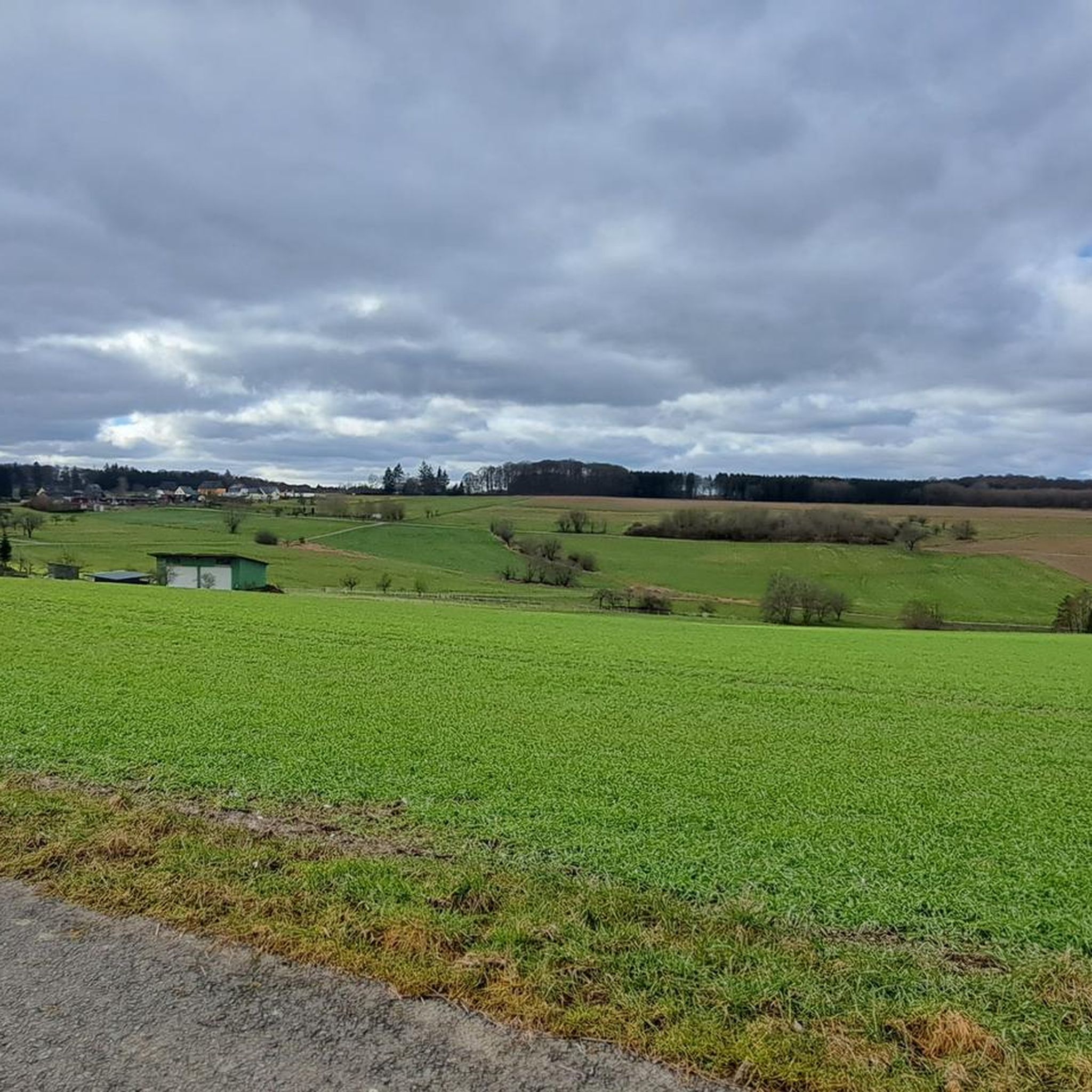
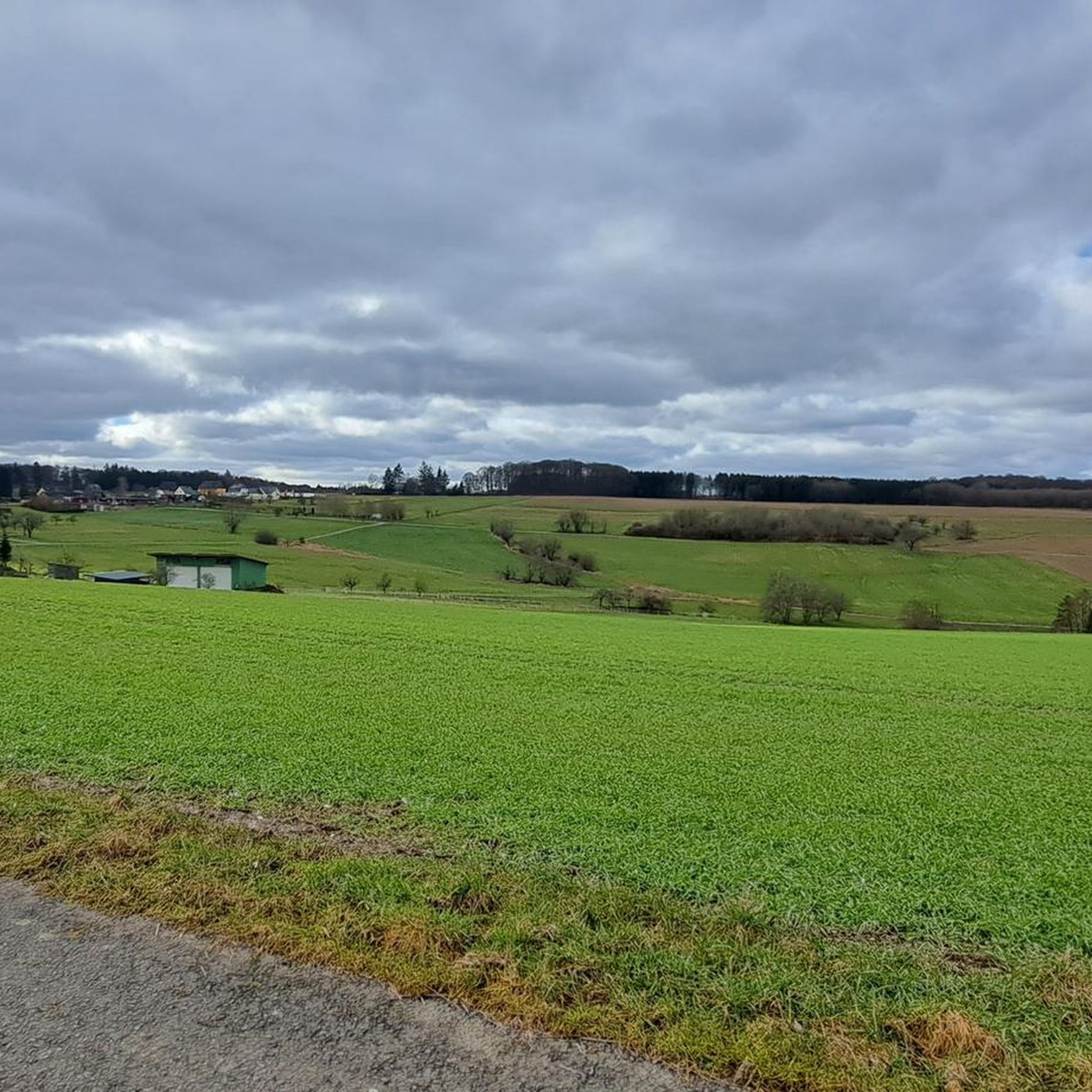
Natural monument No. 113 of the Birkenfeld district According to tradition, the juniper heath covered more than 60,000 square meters at the beginning of the 20th century. However, the residents reduced it to 1/6 of its area by the mid-1930s. Due to the lack of doormats available at the time, the juniper was used as a doormat. This “request” of the population was then put to an end in 1939. In the Trier government's official gazette dated July 1, 1939, the remaining area was placed under the protection of the Reich Nature Conservation Act. The area has been grazed by sheep since the mid-1990s. With the help of the then upper state maintenance authority of the Koblenz district government (the costs were borne by the district government), gorse and hawthorn were removed from the entire area and the existing dilapidated fence was replaced with a new one.
0
0
Natural monument No. 111 of the Birkenfeld district The Krummenau Imperial Oak is certainly one of the most impressive trees in the entire Hunsrück. At the beginning of the 90s the oak was subjected to “tree surgical renovation”. Rotten branches were removed and deep cracks, some of which were caused by lightning strikes, were sealed with a special compound. Today it can be seen that this measure has brought only moderate success. At that time (1990) the tree was estimated to be around 370 years old. This means that the oak is likely to “crack” today at the 400 year mark. The trunk circumference is now approx. 6.43 meters (measured 1 meter above ground level on September 18, 2011 on the occasion of this year's fruit wine hike). The height is estimated to be 25 meters.
0
0

The Altlay Marian Grotto The Mariengrotte was built in 1957. The initiator was the teacher Karl Schön, who was transferred from Moritzheim to Altlay in 1956. On his walks through the Altlayer forests, the idea came to him to build a grotto at this water point. The cladding for the construction of the dome was made by Jakob Biserloh, a carpenter by trade. The grotto was built by the then 17-year-old Dieter Meurisch and the 19-year-old Josef Pauli. The building material, bricks and sand, was transported on the spot by the Altlayer youths (pupils of Mr. Schön) with the help of Werner Pauli and Paul Storms using a tractor and trailer. The iron lattice urrd decorations were made by Paul Storms (he worked as a locksmith's apprenticeship at the ore mine in Altlay) and his teacher Roni. The statue of the Virgin Mary made of red sandstone was bought by teacher Schön in Maria Laach. He carried her in a backpack on his back on his motorcycle from Maria Laach to Altlay. The panels that are attached to the walls come from bells that asked for intercession about a matter at the Grotto Maria, and whose prayers have been answered. The first panel comes from the Reinhold Heib family, whose son fell down a steep mountain slope with the tractor and, as if by miracle, survived the accident unscathed. Source: Text information board
7
0

She stands hidden and protected under the rock ...
3
0
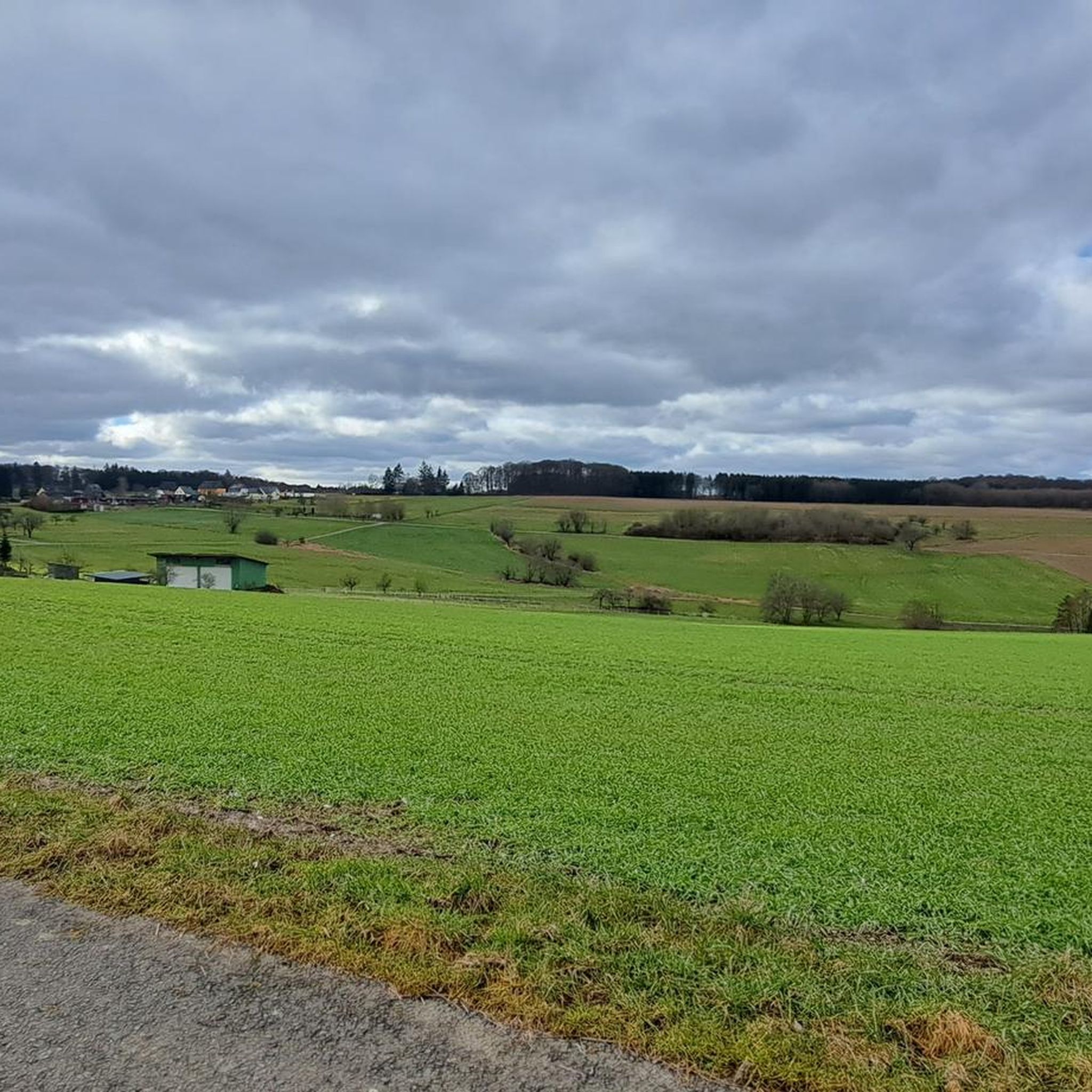
Imposing area with the big juniper! Good thing no more thrushes are caught!
2
0
Frequently Asked Questions
What types of natural monuments can I explore around Schwarzen?
Around Schwarzen, you can explore diverse natural monuments including ancient trees like the 500-year-old The Eich – Natural Monument Oak and the impressive 400-year-old Kaisereiche Krummenau. The region also features unique juniper heaths, such as Folken Juniper Heath and the Juniper heath in Saar-Hunsrück Nature Park, which are cultural landscapes shaped by past generations.
Are there any natural monuments around Schwarzen that are particularly family-friendly?
Yes, several natural monuments around Schwarzen are suitable for families. Folken Juniper Heath offers an informative and varied circuit, perfect for a family outing. The ancient The Eich – Natural Monument Oak and the majestic Kaisereiche Krummenau are also great for families, providing interesting natural sights and resting spots.
What unique natural features can I expect to see at Folken Juniper Heath?
Folken Juniper Heath is characterized by its unique terrain, historically used as sheep pasture. It's a cultural landscape with strong juniper stands, offering a distinct ecosystem. The area is part of a dream loop trail, providing a very nice, informative, and varied circuit with many small and large highlights.
What is special about The Eich – Natural Monument Oak?
The Eich – Natural Monument Oak is estimated to be around 500 years old and has been a natural monument since 1972. It's notable for its hollow interior, a result of past lightning strikes. Despite this, it continues to thrive, awakening to new life with leaves each year. It's a powerful symbol of resilience in nature.
Can I find any historical or cultural sites alongside natural monuments?
Yes, the Marian Grotto and Spring in Altlay combines both natural and cultural elements. This grotto, built in 1957, features a statue of the Virgin Mary and a small spring. It's a place of devotion and reflection, nestled within the natural surroundings, and is considered a natural monument itself.
What outdoor activities can I do near the natural monuments around Schwarzen?
The region around Schwarzen offers various outdoor activities. You can find numerous running trails, including moderate loops like 'View of Idarkopf – View of Bärenbach' or 'Frankfurt-Hahn Airport loop'. For cycling enthusiasts, there are options for gravel biking and touring, with routes like the 'Moselle Vineyard Cycle Path' or 'The Schinderhannes Cycle Path'. You can explore more routes on the Running Trails around Schwarzen, Gravel biking around Schwarzen, and Cycling around Schwarzen guide pages.
Are there specific hiking trails that incorporate these natural monuments?
Many of the natural monuments are integrated into hiking routes. For instance, Folken Juniper Heath is part of an informative circuit. The ancient oaks, The Eich and Kaisereiche Krummenau, are often found along popular hiking paths, offering ideal resting places for hikers. The Juniper heath in Saar-Hunsrück Nature Park also provides trails through its unique landscape.
What is the best time of year to visit the natural monuments around Schwarzen?
The natural monuments around Schwarzen, particularly the juniper heaths and ancient trees, are beautiful year-round. Spring and summer offer lush greenery and pleasant hiking weather, while autumn brings vibrant foliage. Even in winter, the unique landscapes can be serene, though some trails might require appropriate gear.
What do visitors enjoy most about the natural monuments in this region?
Visitors frequently appreciate the unique cultural landscapes, such as the juniper heaths, which are unlike other areas. The ancient trees, like the Kaisereiche, are often highlighted for their impressive size and historical significance, providing cozy resting spots. The variety of natural features, from serene grottoes to informative circuits, also contributes to a highly engaging experience.
Are there any natural monuments that offer good viewpoints?
Yes, several natural monuments and their surrounding areas offer excellent viewpoints. While specific viewpoints are not detailed for every monument, locations like Folken Juniper Heath and the Juniper heath in Saar-Hunsrück Nature Park, being elevated cultural landscapes, often provide expansive views of the surrounding Hunsrück region. The trails leading to and around these monuments frequently pass through scenic spots.
How long does it typically take to explore these natural monuments?
The time required varies depending on the monument and your chosen activity. For instance, the circuit around Folken Juniper Heath can be enjoyed as a varied hike. Visiting individual ancient trees like The Eich or Kaisereiche Krummenau might take less time, especially if combined with a longer walk. Many visitors combine several monuments into a day trip, utilizing the nearby hiking and cycling routes.
Are the natural monuments around Schwarzen accessible by public transport?
While specific public transport details for each individual monument are not provided, the region around Schwarzen is generally best explored by car for direct access to trailheads and monuments. However, some larger towns in the Hunsrück region may offer bus connections, from which you might be able to reach certain areas, often requiring additional walking.
Are there options for dog-friendly trails near the natural monuments?
Many natural areas and hiking trails in the Hunsrück region, where these natural monuments are located, are generally dog-friendly. It's always recommended to keep dogs on a leash, especially in nature reserves like the juniper heaths, to protect wildlife and ensure a pleasant experience for all visitors. Always check local signage for specific regulations.
Most popular routes around Schwarzen
Most popular attractions around Schwarzen

Get inspired with the komoot mobile app


Explore more
Extend your search for the best caves by checking out these guides of the top ones around Schwarzen:
