Top 20 Natural Monuments around Mückeln
Best natural monuments around Mückeln are situated within the Eifel region, an area recognized for its diverse natural landscapes. This region features a rich geological history, including volcanic formations, ancient seabeds, and varied forest ecosystems. Visitors can explore a range of natural features, from water-filled calderas to striking rock formations. The area provides numerous opportunities to experience its unique natural heritage.
Best natural monuments around Mückeln
- The most popular natural monuments is Schalkenmehrener Maar, a lake that is the…
Last updated: May 11, 2026
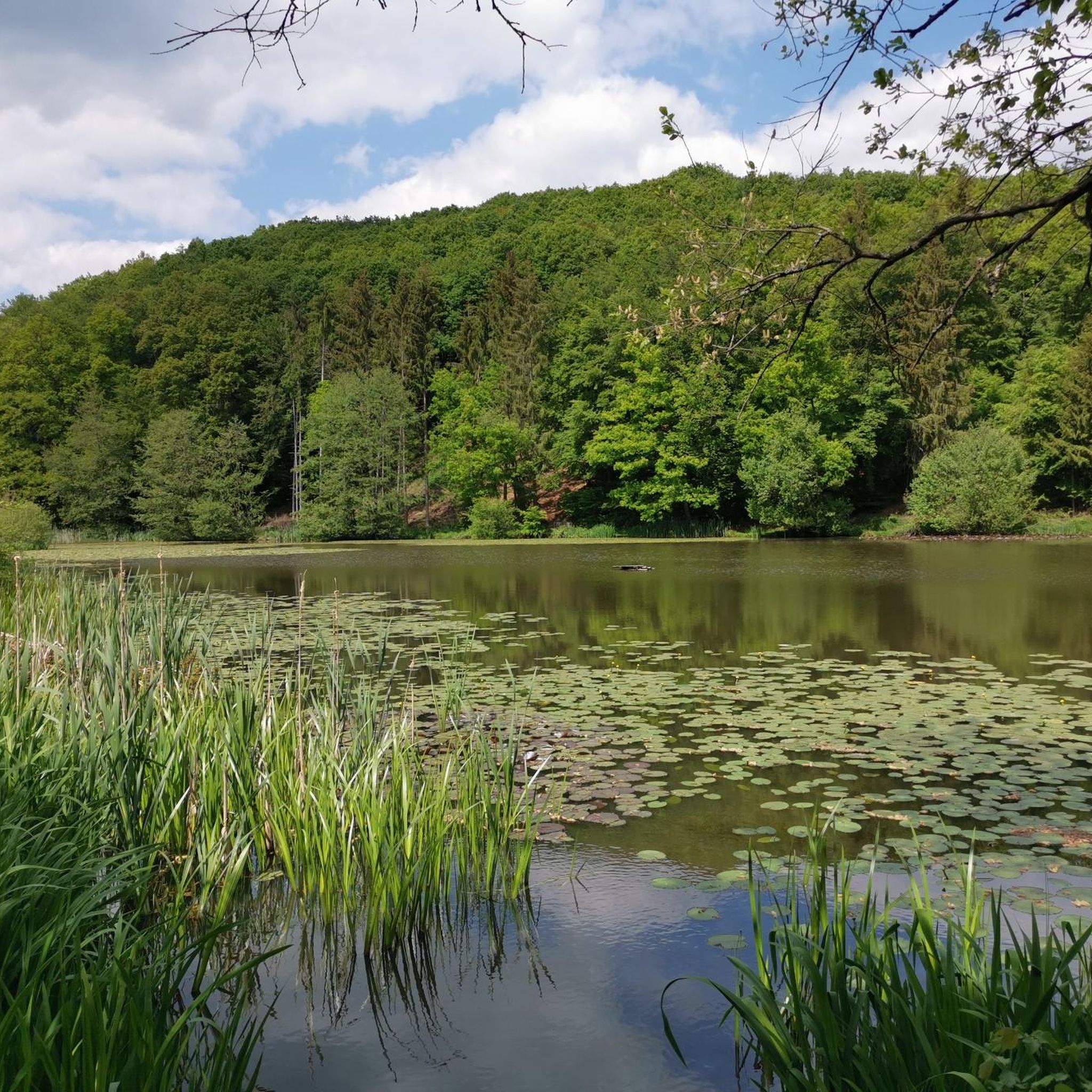
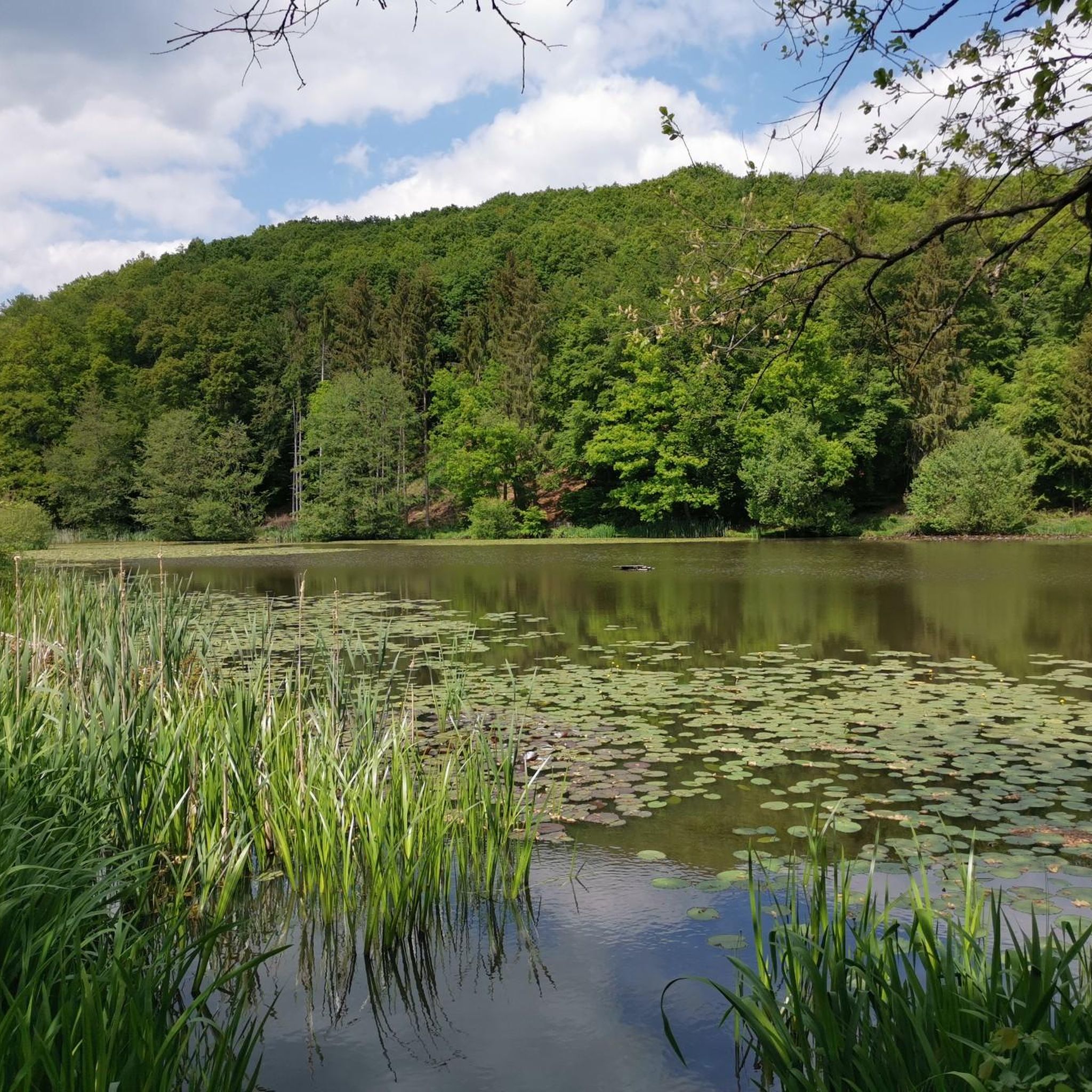
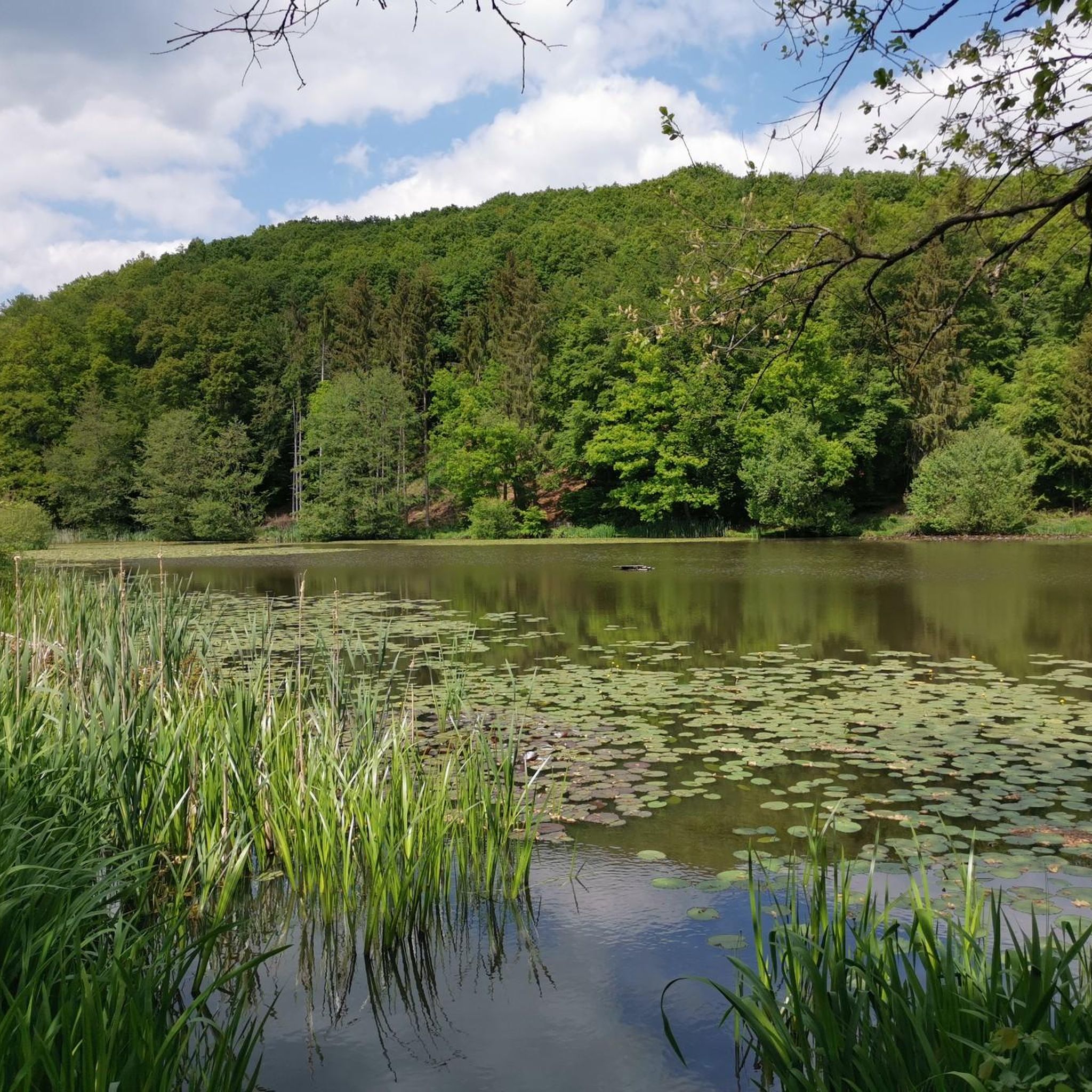
Schalkenmehrener Maar
Highlight • Lake
Translated by Google •
Tip by

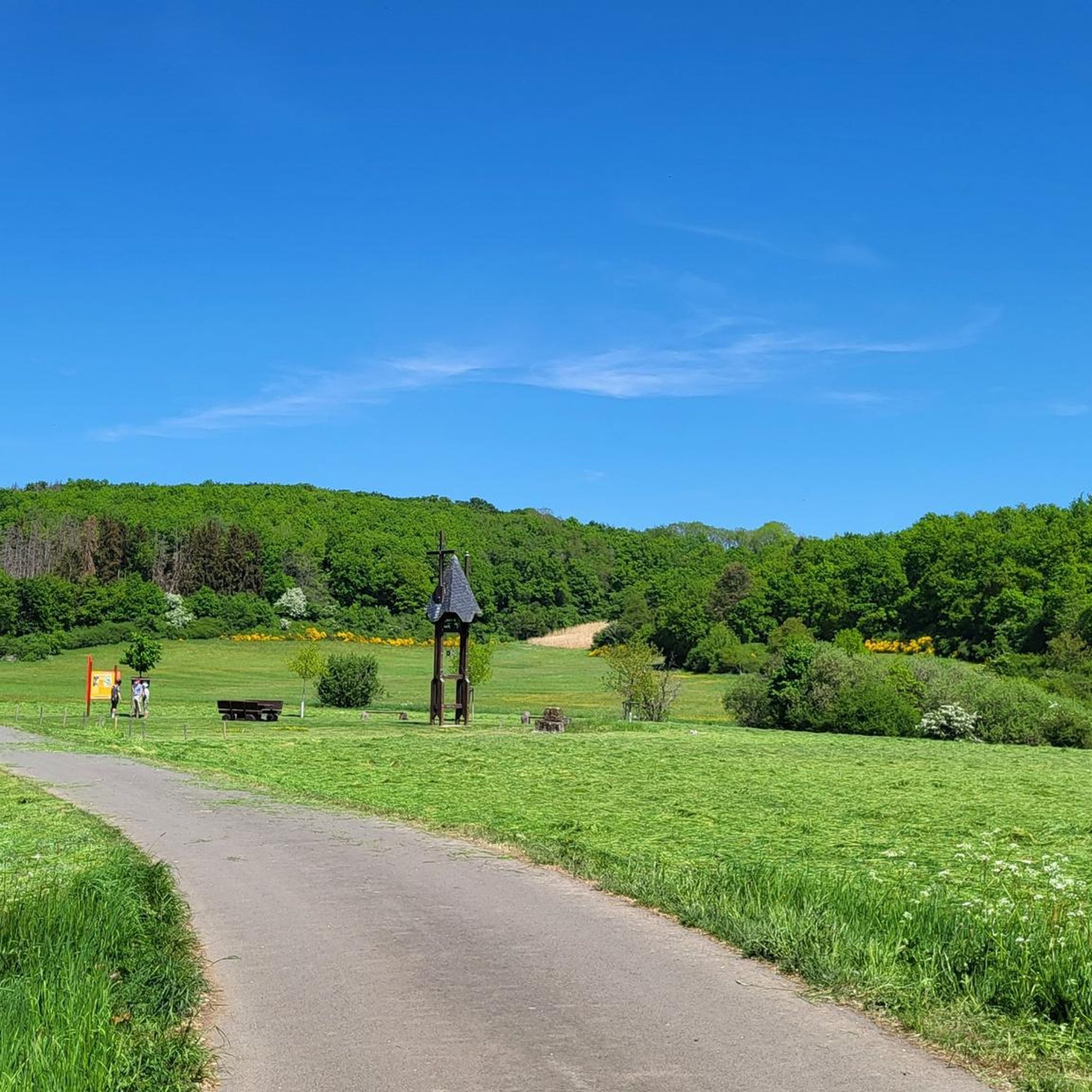
Windsborn Crater summit
Highlight • Viewpoint
Translated by Google •
Tip by

Sign up now to discover places like this
Get recommendations on the best single tracks, peaks, & plenty of other exciting outdoor places.
Sign up for free
Maarkreuz — View of the Schalkenmehren Maar
Highlight • Viewpoint
Translated by Google •
Tip by

Klidinger Waterfall
Highlight • Waterfall
Translated by Google •
Tip by

Elf Grotto and Elbesbach Waterfall
Highlight • Cave
The …
Translated by Google •
Tip by

Sign up for free to discover even more natural monuments around Mückeln.
Sign up for free
Already have an account?
Start today with a free account
Your next adventure awaits.
Login or Signup

Tips from the Community

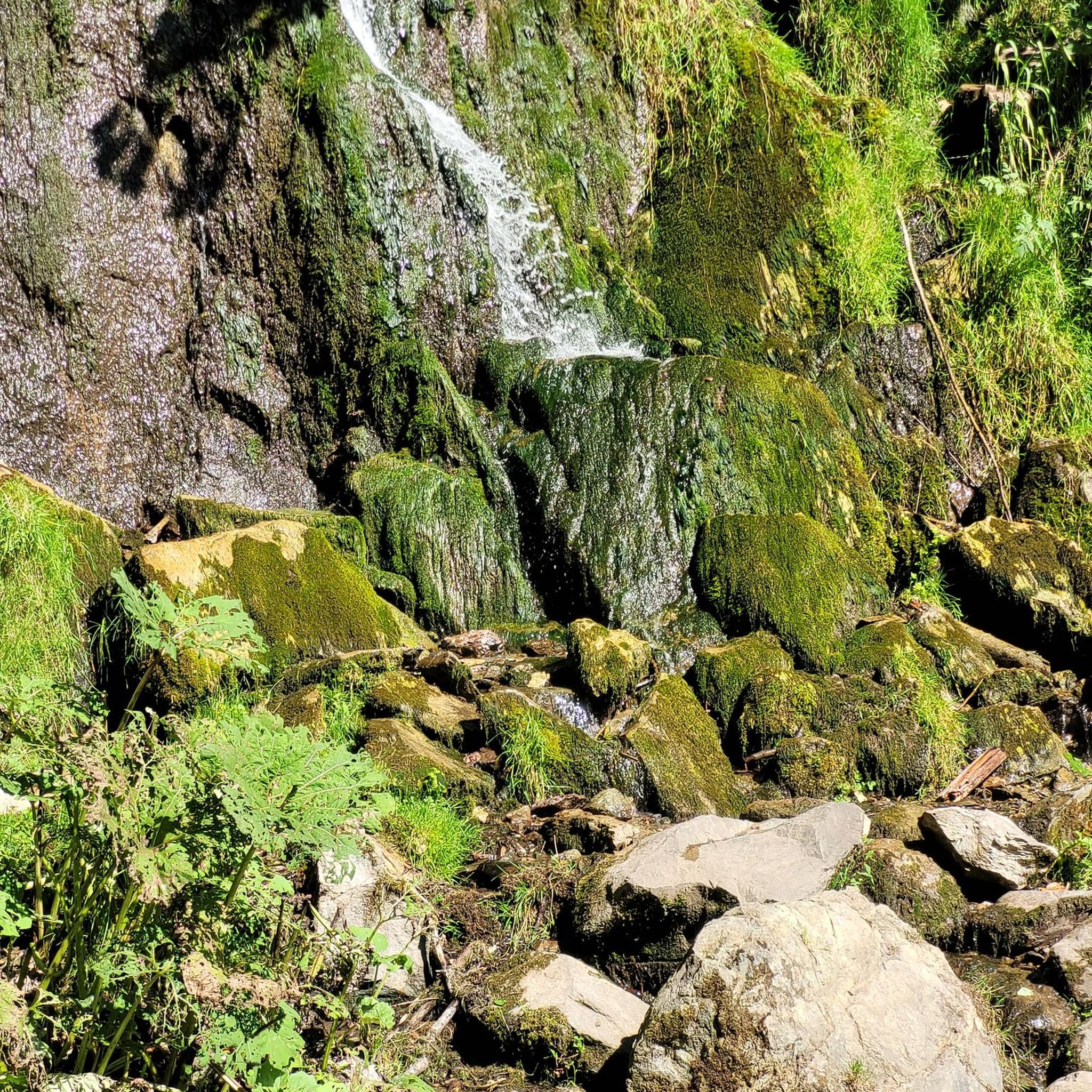
The wooden beams and planks are gone. Now there's a walkable grating. The last few meters to the waterfall are adventurous, but secured with a rope. The waterfall is impressive 😍
3
0

We have seen many waterfalls on our tours and we were very positively surprised that there is such a great waterfall here in the Eifel and the path there is really great... rustic, steep, impressive... sturdy shoes are definitely recommended here... what great highlights do we have here in this region. Simply great!!!
5
0

Pay attention to your equipment on the climb. The path is very steep and slippery. If you have dogs with you, only go up if they are well trained, otherwise please don't go up, it's too dangerous. Footwear is the most important thing here.
3
0

Wonderful, climbing passage necessary to reach the waterfall, so sturdy shoes and sure-footedness are absolutely necessary
3
0

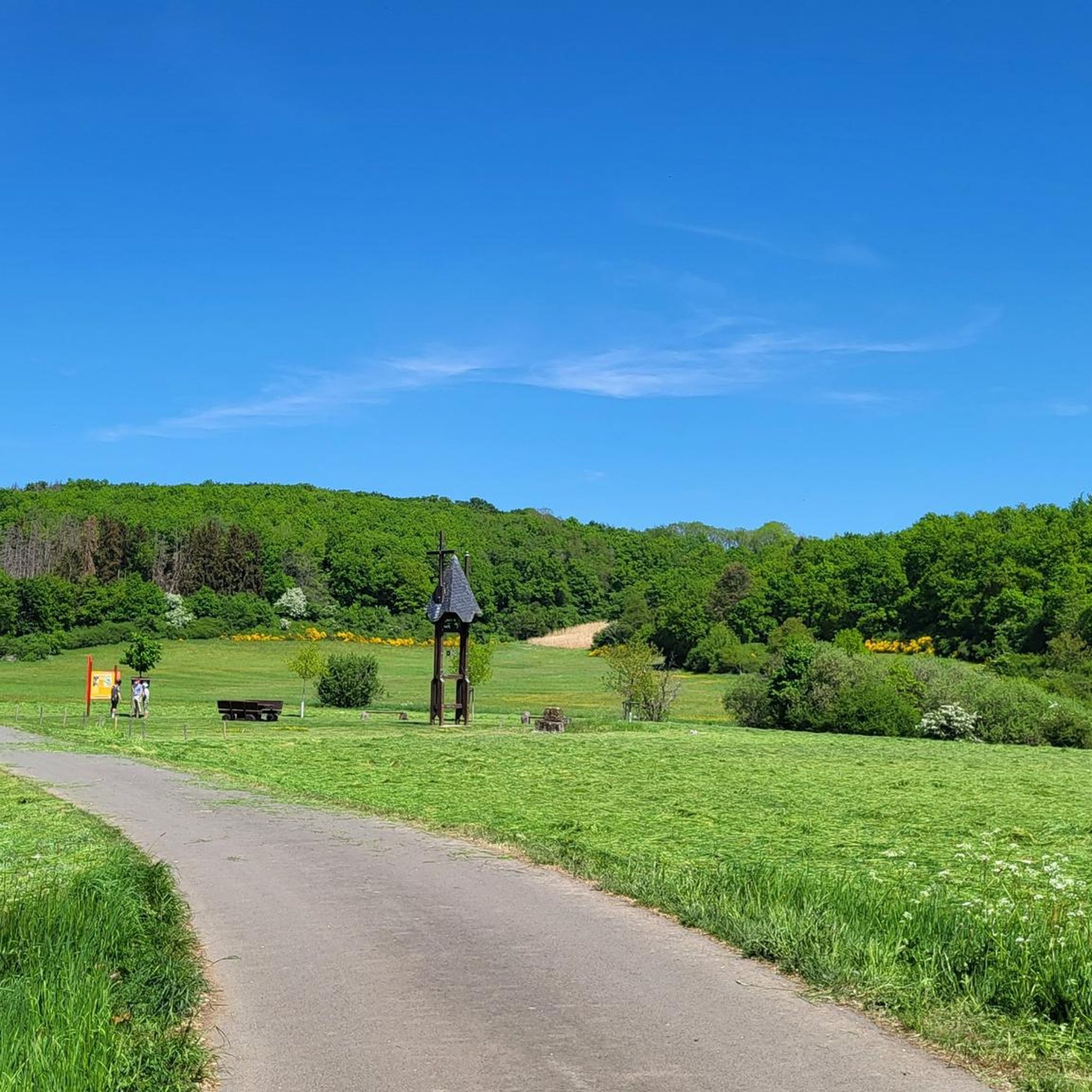
You just have to go up to this summit cross, it's a pity that there is no summit book.
4
0

Nice VIP highlight with the passage grotto, the waterfall and the Teufelsbrück. Belongs to a hike around Bad Bertrich.
26
0

The cheese grotto got its name from the cheese loaves apparently stacked here. The also common naming Elfengrotte does not come from elves, but here was the eleventh mill in the Ueßbachtal.
8
0

Very nice place and viewing point at the Maarkreuz above the Schalkenmehrener Maar. With its inscription "You are called the Maar Cross, for the salvation of us and this country. Emergency year 1932", the cross commemorates severe thunderstorms and the resulting damage and crop failures.
12
0
Frequently Asked Questions
What types of natural monuments can I explore around Mückeln?
The region around Mückeln, situated in the Eifel, offers a diverse range of natural monuments. You can discover volcanic formations like maars and crater lakes, such as the Schalkenmehrener Maar and the Windsborn Crater summit. There are also impressive gorges like the Wolfsschlucht (Vulkaneifel), and waterfalls including the Klidinger Waterfall. The area's geological history is evident in features like the basalt columns of the Elf Grotto.
Are there family-friendly natural monuments to visit near Mückeln?
Yes, several natural monuments around Mückeln are suitable for families. The Schalkenmehrener Maar offers a beautiful circular path that is easy to walk. The Elf Grotto and Elbesbach Waterfall also provide an engaging experience for families, with its unique rock formations and nearby waterfall. For a more relaxed experience, the Pulvermaar near Gillenfeld is excellent for swimming and boating in summer.
What are some popular hiking routes to natural monuments in the Mückeln area?
The Eifel region around Mückeln is excellent for hiking. You can find various routes that lead to natural monuments. For instance, there's a very beautiful circular path around the Schalkenmehrener Maar. For more adventurous hikers, the path through the Wolfsschlucht (Vulkaneifel) offers a mystical experience, though it requires sturdy shoes. You can explore more hiking options in the area by visiting the Hiking around Mückeln guide.
What is the Eifel National Park and how can I visit it from Mückeln?
The Eifel National Park, located within easy reach of Mückeln, is North Rhine-Westphalia's only national park. It's known for its 'newly emerging wilderness,' expansive forests, and diverse wildlife, including wildcats. Visitors can experience the park through hiking and guided tours with rangers. For detailed information on planning your visit, including access and activities, you can check the official website: nationalpark-eifel.de.
Are there any challenging trails or natural monuments for experienced hikers?
Yes, for those seeking a challenge, the path to the Klidinger Waterfall is described as adventurous, requiring sturdy shoes and sure-footedness, with ropes to assist the ascent. The Wolfsschlucht (Vulkaneifel) also presents an intermediate challenge, especially when wet, due to its rocky and sometimes slippery path.
What unique geological features can be found in the Eifel region near Mückeln?
The Eifel region is rich in unique geological features due to its volcanic past. You can find maars, which are volcanic craters filled with water, such as the Schalkenmehrener Maar and the deeper Pulvermaar. The Windsborn Crater summit offers views of one of the few volcanic crater lakes north of the Alps. Additionally, the Elf Grotto showcases fascinating basalt columns formed by ancient lava flows, and the Teufelsschlucht features towering rock faces from a 200-million-year-old seabed.
What do visitors particularly enjoy about the natural monuments around Mückeln?
Visitors frequently praise the diverse and mystical atmosphere of the natural monuments. The moss-covered rocks and basalt columns of the Wolfsschlucht (Vulkaneifel) are often highlighted for their unique charm. The quiet, scenic beauty of places like the Windsborn Crater summit, ideal for a breather or picnic, is also a favorite. The adventurous path and impressive drop of the Klidinger Waterfall are also highly appreciated.
Are there opportunities for cycling or mountain biking near the natural monuments?
Yes, the Mückeln area provides excellent opportunities for cycling and mountain biking. You can find routes that pass by or are close to various natural attractions. For instance, there are cycling tours like the 'Strohner Lava Bomb – Schalkenmehren Maar loop.' For more options, explore the Cycling around Mückeln guide or the MTB Trails around Mückeln guide.
What is the Teufelsschlucht (Devil's Gorge) and where is it located?
The Teufelsschlucht, or Devil's Gorge, is an extraordinarily fascinating natural monument located in Ernzen, within the Eifel region. It's a narrow gorge characterized by towering rock faces, which remain cool and dark even on sunny days. Walking through it feels like traversing a 200-million-year-old seabed, with cracks and crevices weathered and overgrown with mosses and lichens.
Can I observe volcanic activity at Laacher See?
Laacher See, a large lake in Rhineland-Palatinate, is a water-filled caldera formed after a volcanic collapse approximately 13,000 years ago. While it's not an active volcano in the traditional sense, traces of volcanic activity, such as mofettes (volcanic outgassing), can still be observed on its eastern shore. The area around the lake has been a nature reserve for almost 80 years.
What are the Gerolsteiner Dolomiten?
The Gerolsteiner Dolomiten are striking rock formations that are a landmark of Gerolstein, also in the Eifel region. These impressive geological sights include formations like 'Hustley,' 'Munterley,' 'Drohende Ley,' 'Große Kanzel,' and 'Auberg.' They contribute significantly to the cityscape from a distance and offer a glimpse into the region's geological history.
What is the best time of year to visit the natural monuments around Mückeln?
The Eifel region's natural monuments can be enjoyed throughout the year, with each season offering a different experience. Spring brings lush greenery and blooming flora, while summer is ideal for activities like swimming and boating at maars such as Pulvermaar. Autumn showcases vibrant fall colors, and winter can transform the landscapes into a serene, snow-covered wonderland, though some paths might be more challenging. Always check local conditions before your visit.
Most popular routes around Mückeln
Most popular attractions around Mückeln

Get inspired with the komoot mobile app


Explore more
Extend your search for the best caves by checking out these guides of the top ones around Mückeln:
