Top 20 Natural Monuments around Oberstaufenbach
Best natural monuments around Oberstaufenbach are found in Rhineland-Palatinate, Germany, offering a blend of natural beauty and historical significance. The region features ancient natural landmarks and structures integrated into the landscape. These sites provide opportunities to explore the area's unique geological features and cultural heritage.
Best natural monuments around Oberstaufenbach
- The most popular natural monuments is Former Glantal Railway Route, a cycle_way that follows a largely disused railway line along the Glan river. This route is part of the…
Last updated: July 8, 2026
Former Glantal Railway Route
Highlight • Cycleway
Translated by Google •
Tip by

Erdesbach Weir on the Glan
Highlight • River
Translated by Google •
Tip by

Sign up now to discover places like this
Get recommendations on the best single tracks, peaks, & plenty of other exciting outdoor places.
Sign up for free
Weilerbach Celtic Wagon Grave
Highlight • Historical Site
Translated by Google •
Tip by

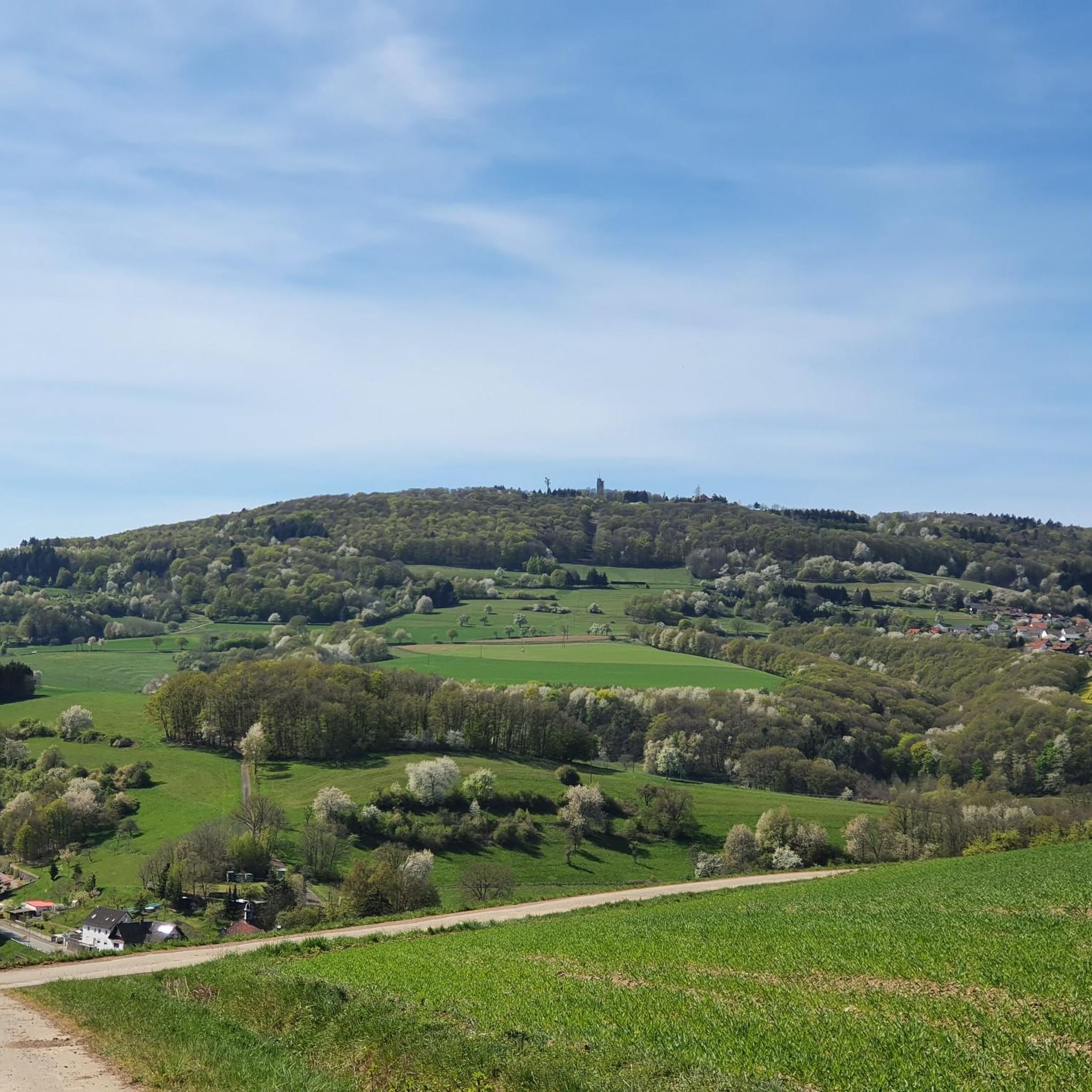
Königsberg Summit
Highlight • Summit
Translated by Google •
Tip by

Fünfeckstein Border Marker
Highlight • Monument
Translated by Google •
Tip by

Sign up for free to discover even more natural monuments around Oberstaufenbach.
Sign up for free
Already have an account?
Start today with a free account
Your next adventure awaits.
Login or Signup

Tips from the Community

Great cycle path, super route
0
0

Information boards from ancient times
0
0

Nice to do kilometers
0
0

I find the remains of our ancestors very interesting. Unfortunately, there is not much left of them.
2
0

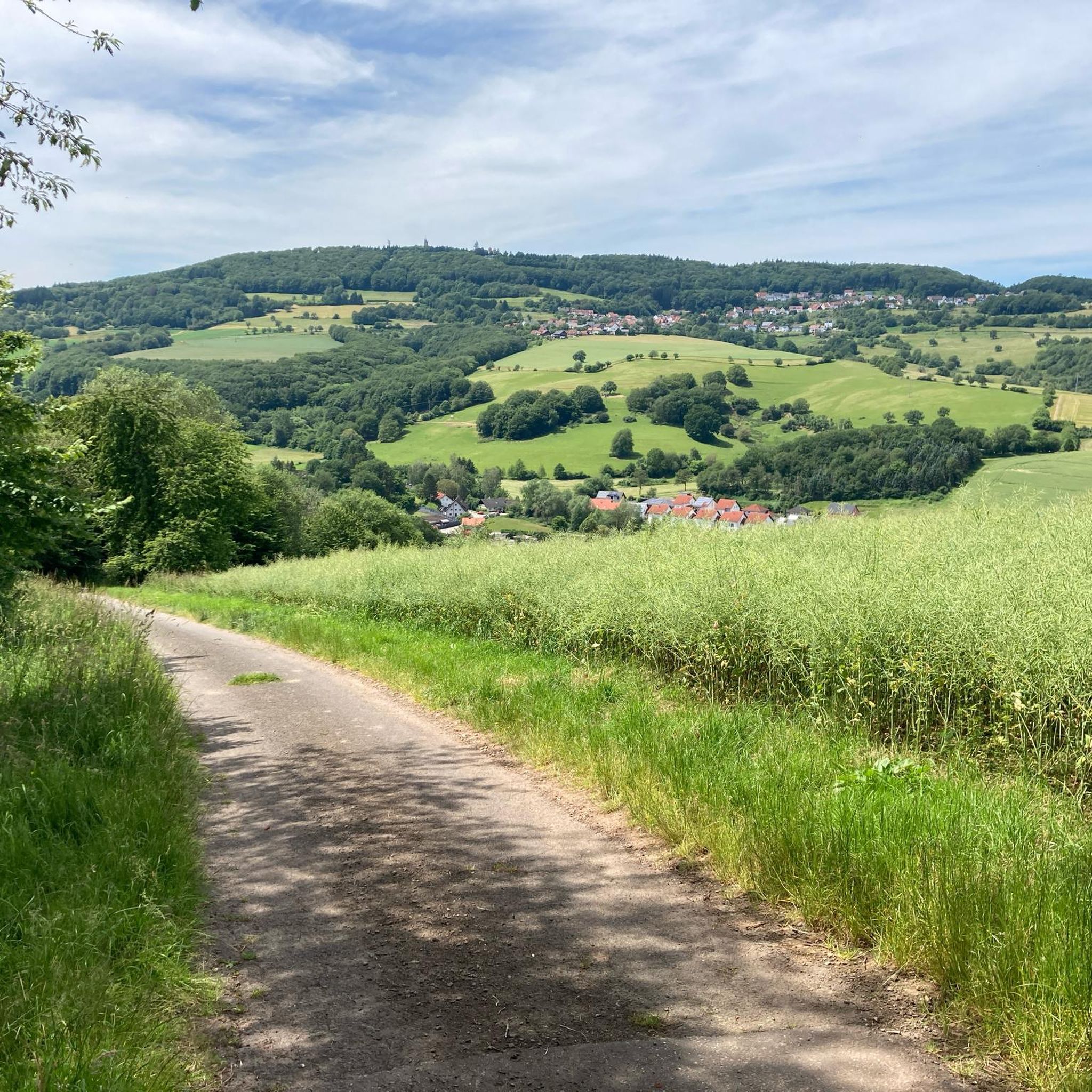
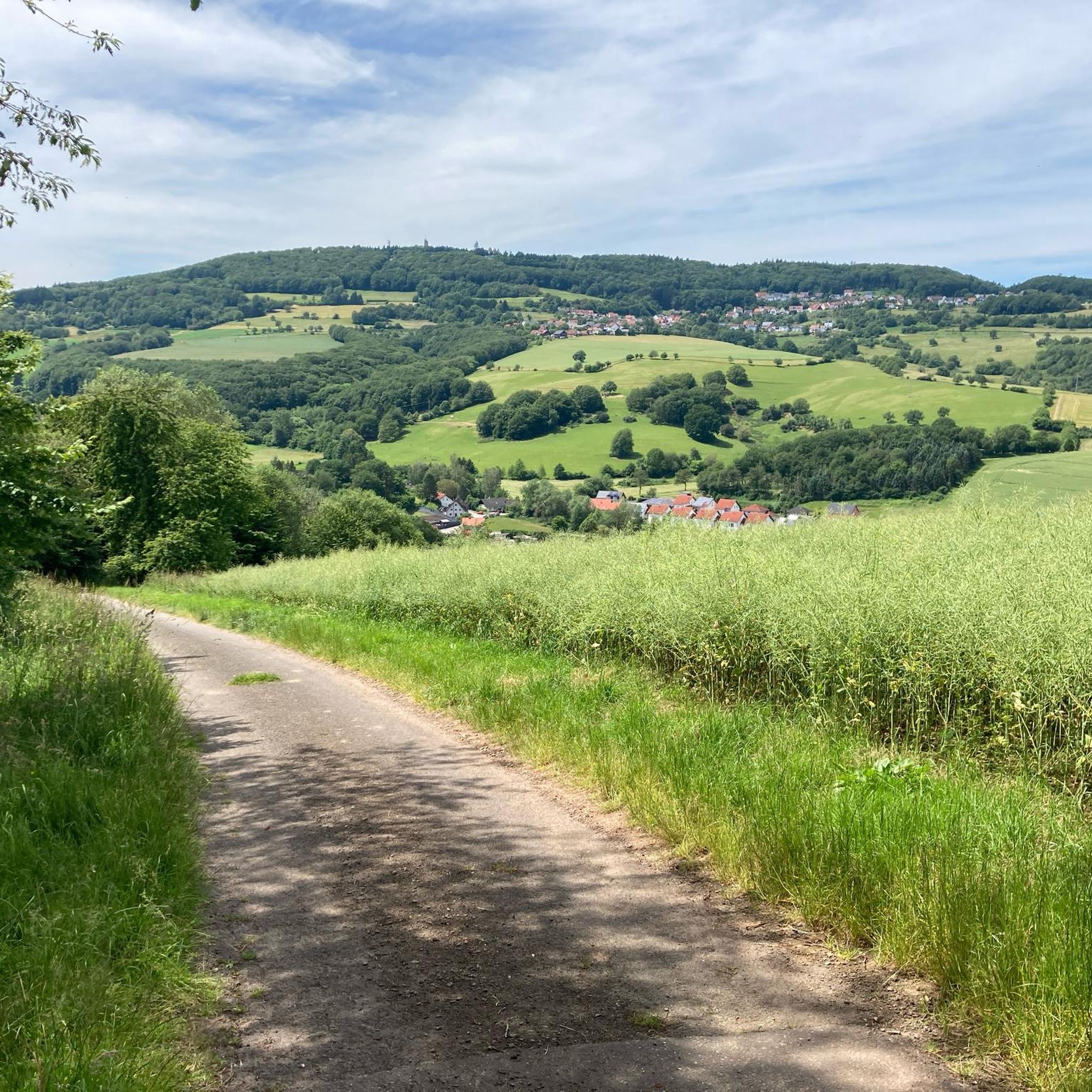
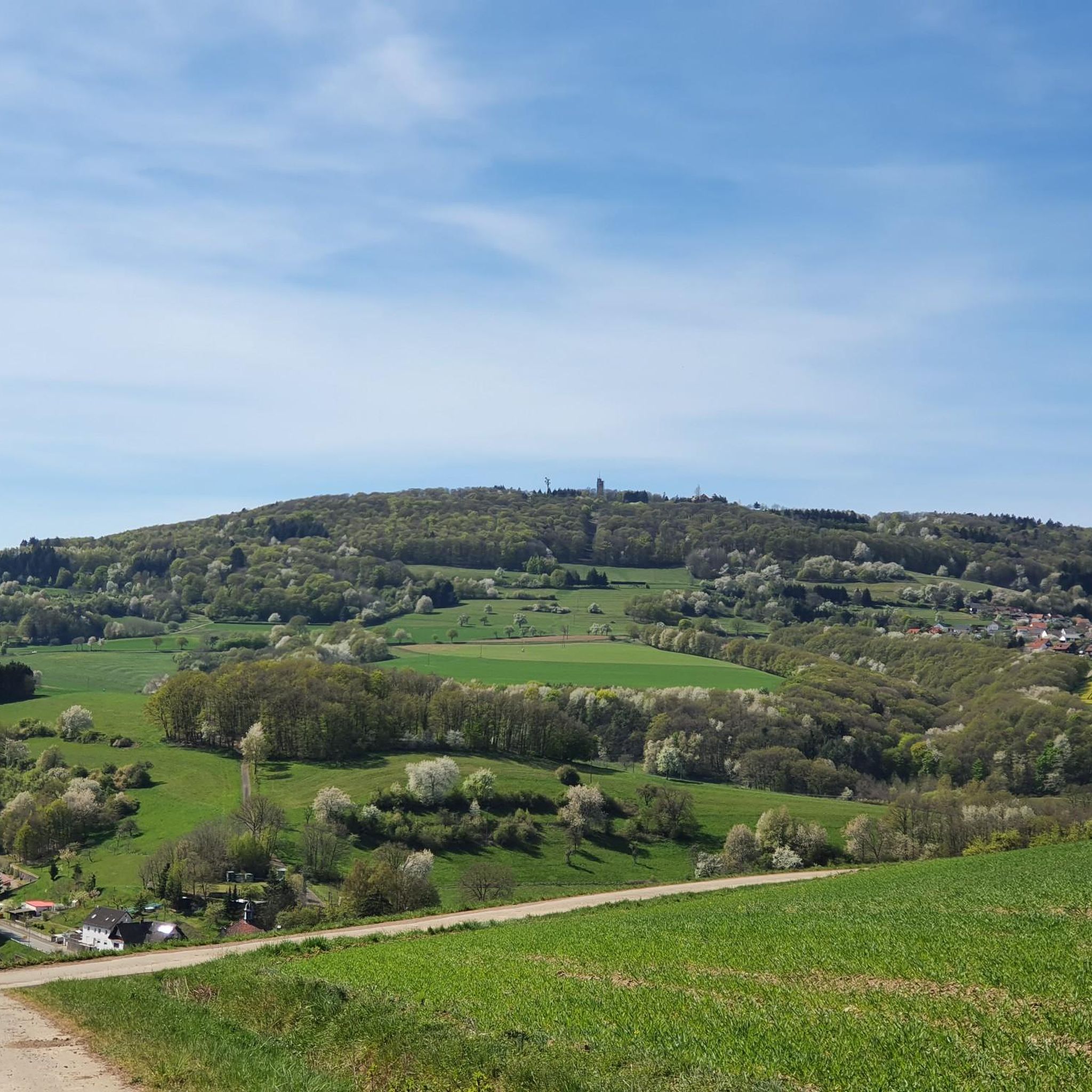
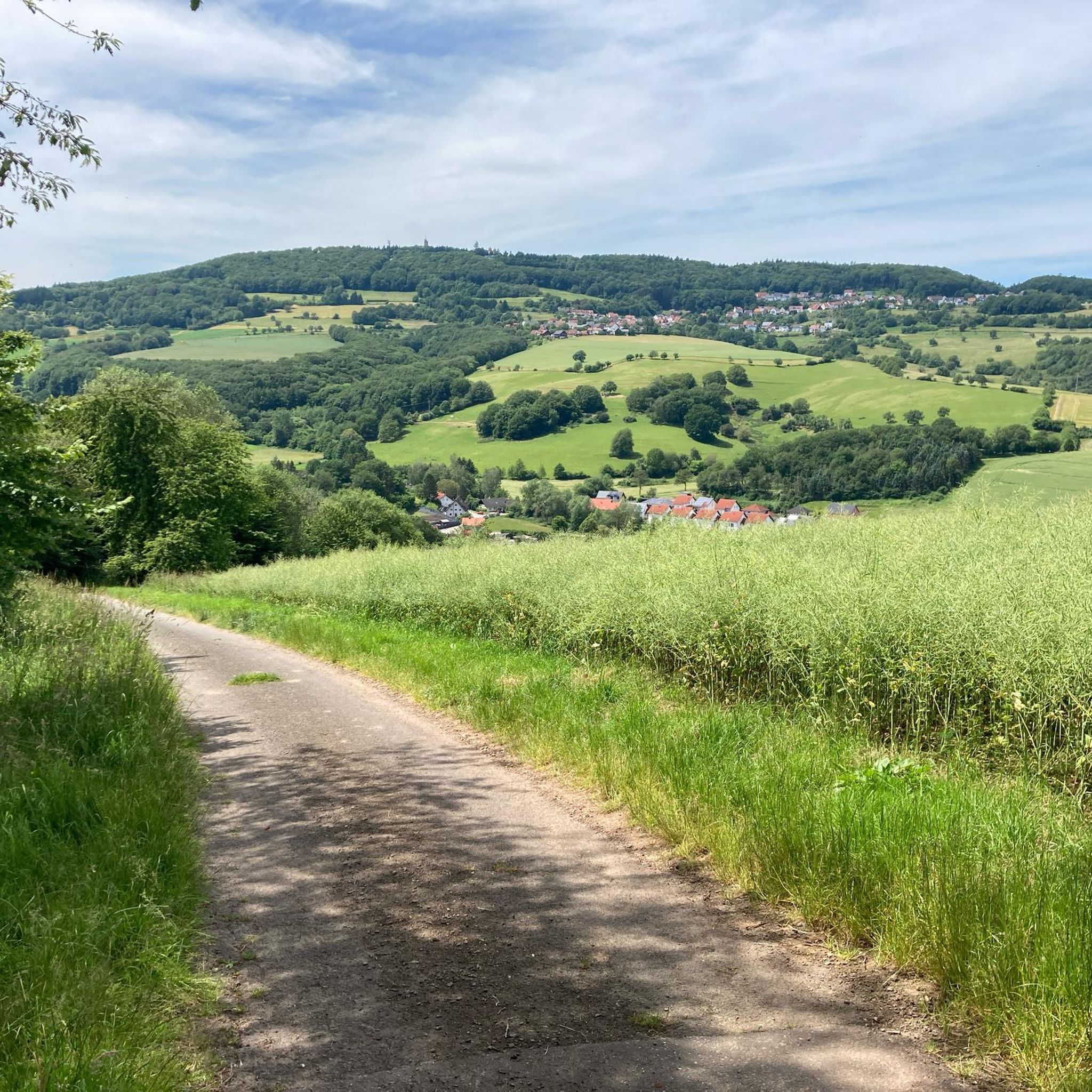
The Königsberg is 568 meters high. Its summit is forested, so you don't have a view from the top. It is still worth a visit, because there is a small summit cross, a hut and several picnic tables on the summit.
1
0

You can sit by the water and relax. Perfect way to cool down in summer 😉
0
0

is on the cycle path - information and explanations are available
2
0
Great for resting and chilling out under the deciduous trees in the summer heat.
1
0
Frequently Asked Questions
What unique natural monuments can I discover in and around Oberstaufenbach?
Beyond the well-known spots, you can find historically significant limetrees, the Bismarcklinde and Luitpoldlinde, directly in Oberstaufenbach. A short distance away, near Landstuhl, are impressive Redwood trees (Mammutbäume) that reach over 44 meters in height. These colossal trees are integrated into scenic hiking trails, offering a truly awe-inspiring sight.
Are there natural monuments with historical significance in the region?
Yes, several natural monuments in the area blend nature with history. The two limetrees in Oberstaufenbach, the Bismarcklinde and Luitpoldlinde, were planted in 1896 to commemorate important figures. Additionally, ancient Celtic Burial Mounds from the Hallstatt Period are integrated into the natural landscape, offering a glimpse into burial traditions from over 2,400 years ago. You can also visit the Weilerbach Celtic Wagon Grave, a historical site located on the Way of St. James.
What kind of trees can I see among the natural monuments?
You can encounter two types of historically significant trees. In Oberstaufenbach itself, there are the Bismarcklinde and Luitpoldlinde, which are limetrees planted in 1896. Near Landstuhl, you'll find a remarkable group of seven Giant Sequoias, or Redwood trees (Mammutbäume), planted around 1861 or 1868, reaching impressive heights.
Are there family-friendly natural monuments or activities in the area?
Yes, many natural monuments and nearby activities are suitable for families. The Former Glantal Railway Route is a cycle path that is family-friendly. The Erdesbach Weir on the Glan is also noted as family-friendly, offering a soothing view of the water. Exploring the Redwood trees near Landstuhl can also be a great family outing, as they are integrated into marked circular hiking trails.
What outdoor activities can I do near the natural monuments around Oberstaufenbach?
The region offers diverse outdoor activities. You can enjoy cycling on routes like the 'Bachbahn Cutting – Weilerbach Celtic Wagon Grave loop' or the 'Reichenbachtal Cycle Path – Highland cattle herd loop'. For road cycling, options include the 'New Cycle Path loop'. Gravel biking enthusiasts can explore routes such as the 'Vogelwoog – Seewoog Miesenbach loop'. You can find more details on these and other routes in the cycling guide, road cycling guide, and gravel biking guide for Oberstaufenbach.
Are there natural monuments that offer good viewpoints?
Yes, the Erdesbach Weir on the Glan is a viewpoint where you can enjoy a wonderful view of the weir from the Glanbrücke. The Königsberg Summit also offers a viewpoint, complete with a small summit cross and a hut for resting.
What do visitors enjoy most about the natural monuments in this area?
Visitors appreciate the blend of natural beauty and historical significance. The sheer size and age of the Redwood trees near Landstuhl are often highlighted as awe-inspiring. The peaceful connection to nature and local history offered by the limetrees in Oberstaufenbach is also valued. Many enjoy the well-maintained cycle paths like the Former Glantal Railway Route and the opportunity to explore ancient sites like the Celtic Burial Mounds.
Are there any unique geological features or river-related natural monuments?
Yes, the Erdesbach Weir on the Glan is a notable river feature. It offers a calming experience with the sound of water and a pleasant view from the nearby bridge. The Glan river itself, which the Former Glantal Railway Route follows, is a significant natural element of the landscape.
Where can I find ancient historical markers or monuments integrated into the natural landscape?
You can find the Weilerbach Celtic Wagon Grave, an ancient Celtic monument located on the Way of St. James. Additionally, the Fünfeckstein Border Marker, a man-made monument from 1771, marks the convergence of five municipal borders and is situated in a forest, offering a historical point of interest during a walk.
What is the best time to visit the natural monuments around Oberstaufenbach?
The natural monuments in the Rhineland-Palatinate region, including those around Oberstaufenbach, are generally enjoyable throughout the warmer months, from spring to autumn. Spring brings blooming nature, while autumn offers vibrant foliage, especially around the Redwood trees and limetrees. Summer is ideal for cycling and longer hikes. Winter visits are possible, but some trails might be less accessible depending on snow and ice conditions.
Are there any natural monuments that are particularly good for hiking?
Many natural monuments are integrated into hiking trails. The Redwood trees near Landstuhl are part of the scenic Pfälzer Jakobspilgerweg and other marked circular hiking trails. The Königsberg Summit is a popular hiking destination, offering a resting hut and summit cross. The Celtic Burial Mounds are also often found along forest paths, providing unique points of interest during a hike.
Most popular routes around Oberstaufenbach
Most popular attractions around Oberstaufenbach

Get inspired with the komoot mobile app


Explore more
Extend your search for the best caves by checking out these guides of the top ones around Oberstaufenbach:
