Top 20 Natural Monuments around Patzig
Best natural monuments around Patzig are found within a picturesque natural landscape, with the municipality serving as a starting point for exploring Rügen's natural wonders. Patzig is characterized by a quiet, rural setting, offering heath landscapes and dense forests. From higher points in the Patzig area, views extend to Stralsund and Jagdschloss Granitz on clear days. The Bodden-Panoramaweg, a quality hiking trail, also passes nearby, providing nature experiences along meadows, forests, and waters.
Best natural monuments around Patzig
- The most…
Last updated: May 12, 2026
Dwarf beeches (Witches' Forest) in the Semperwald
Highlight • Natural Monument
Translated by Google •
Tip by

Flint Fields of Rügen
Highlight • Natural Monument
Translated by Google •
Tip by

Sign up now to discover places like this
Get recommendations on the best single tracks, peaks, & plenty of other exciting outdoor places.
Sign up for free
Cascade ponds in Semper Forest Park
Highlight • Lake
Translated by Google •
Tip by
Nonnensee Nature Reserve
Highlight • Lake
Translated by Google •
Tip by

Flint Fields in the Schmale Heide
Highlight • Natural Monument
Translated by Google •
Tip by

Sign up for free to discover even more natural monuments around Patzig.
Sign up for free
Already have an account?
Start today with a free account
Your next adventure awaits.
Login or Signup
Tips from the Community

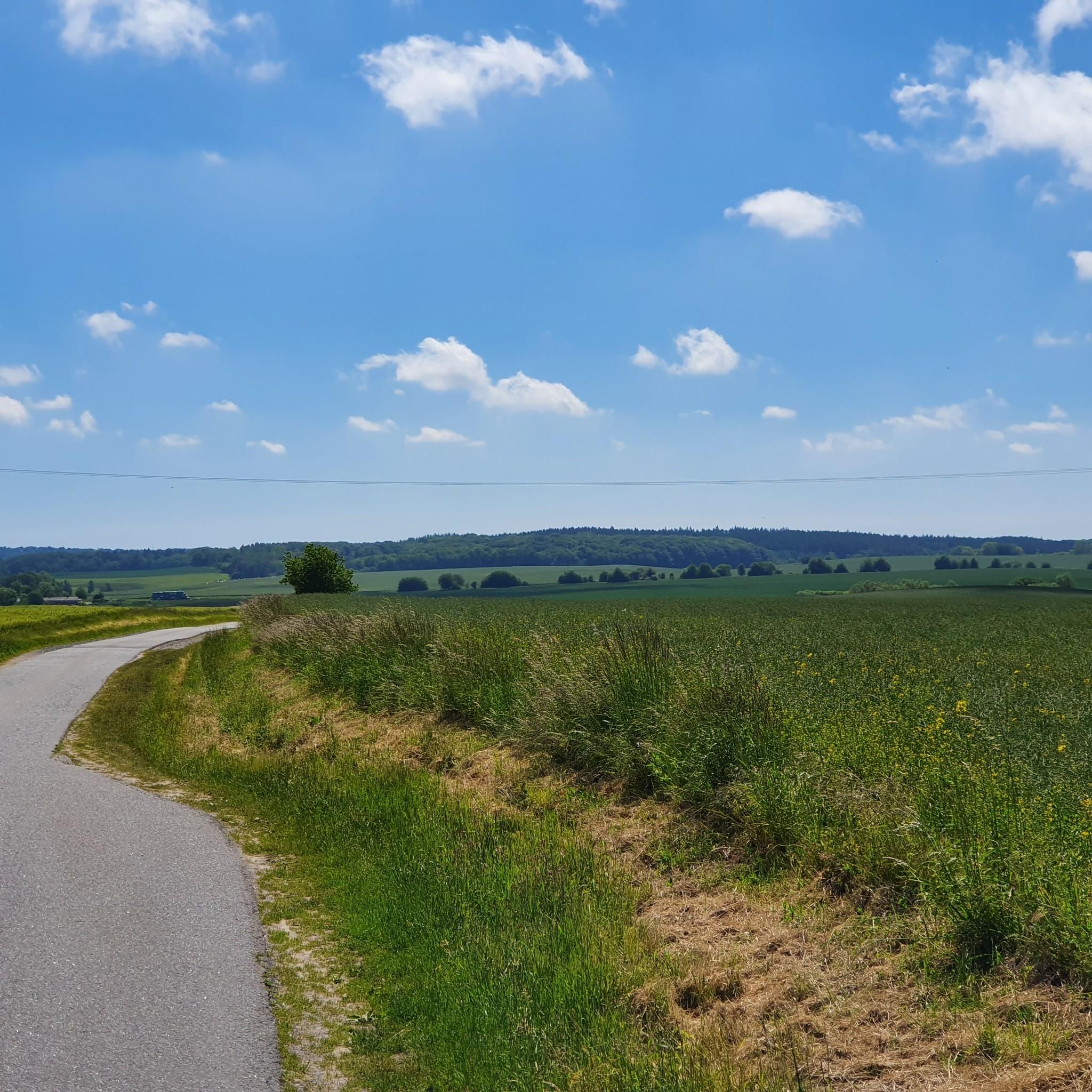
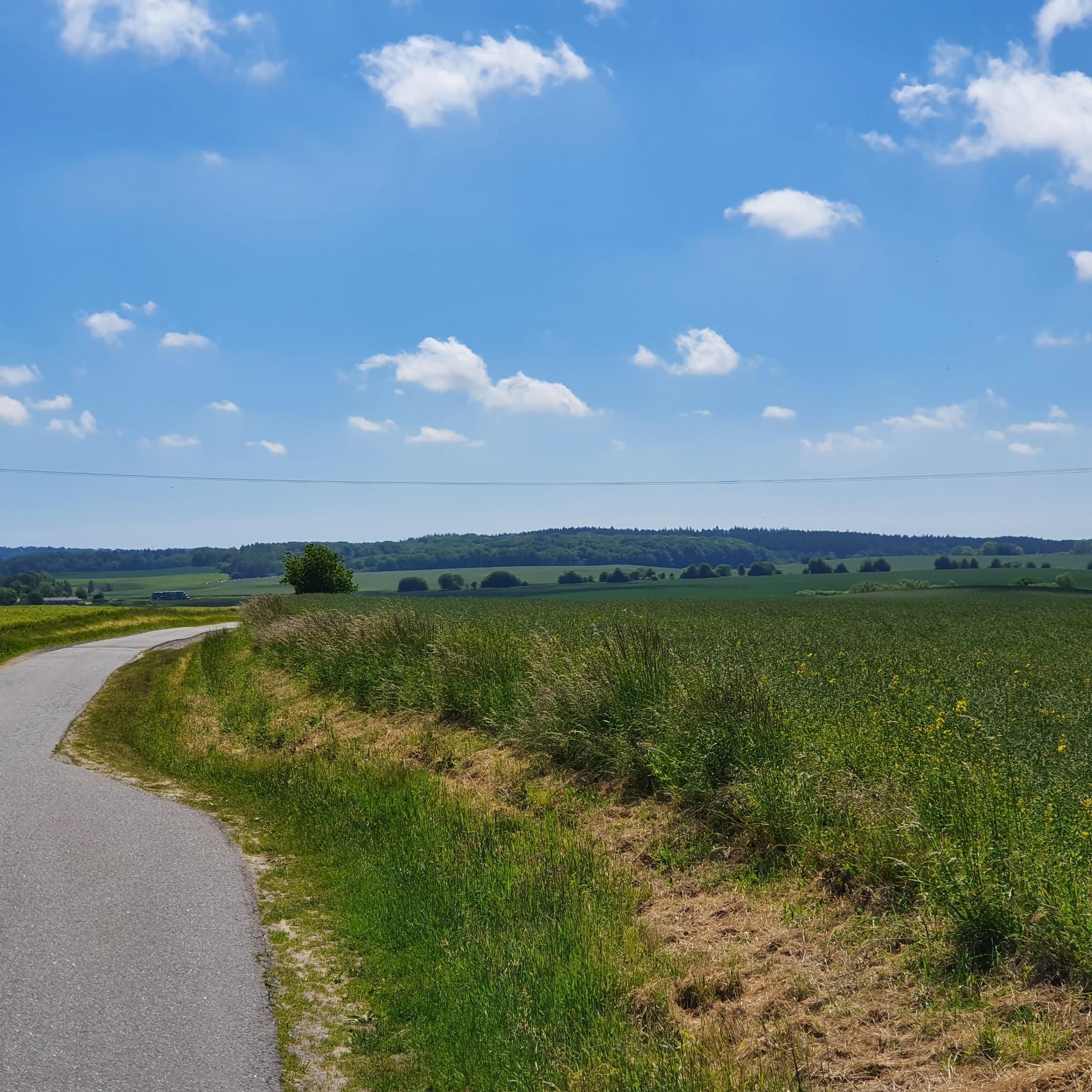
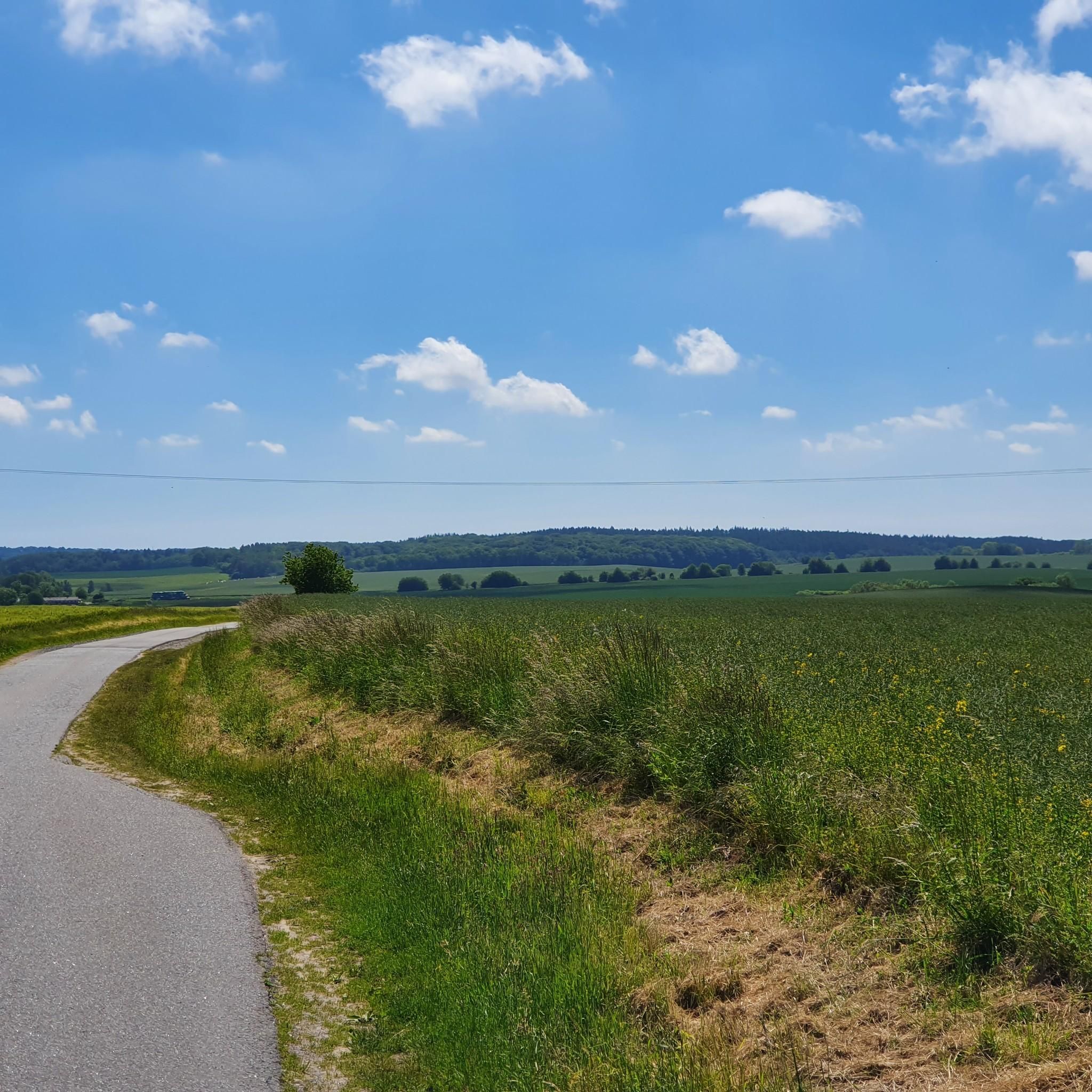
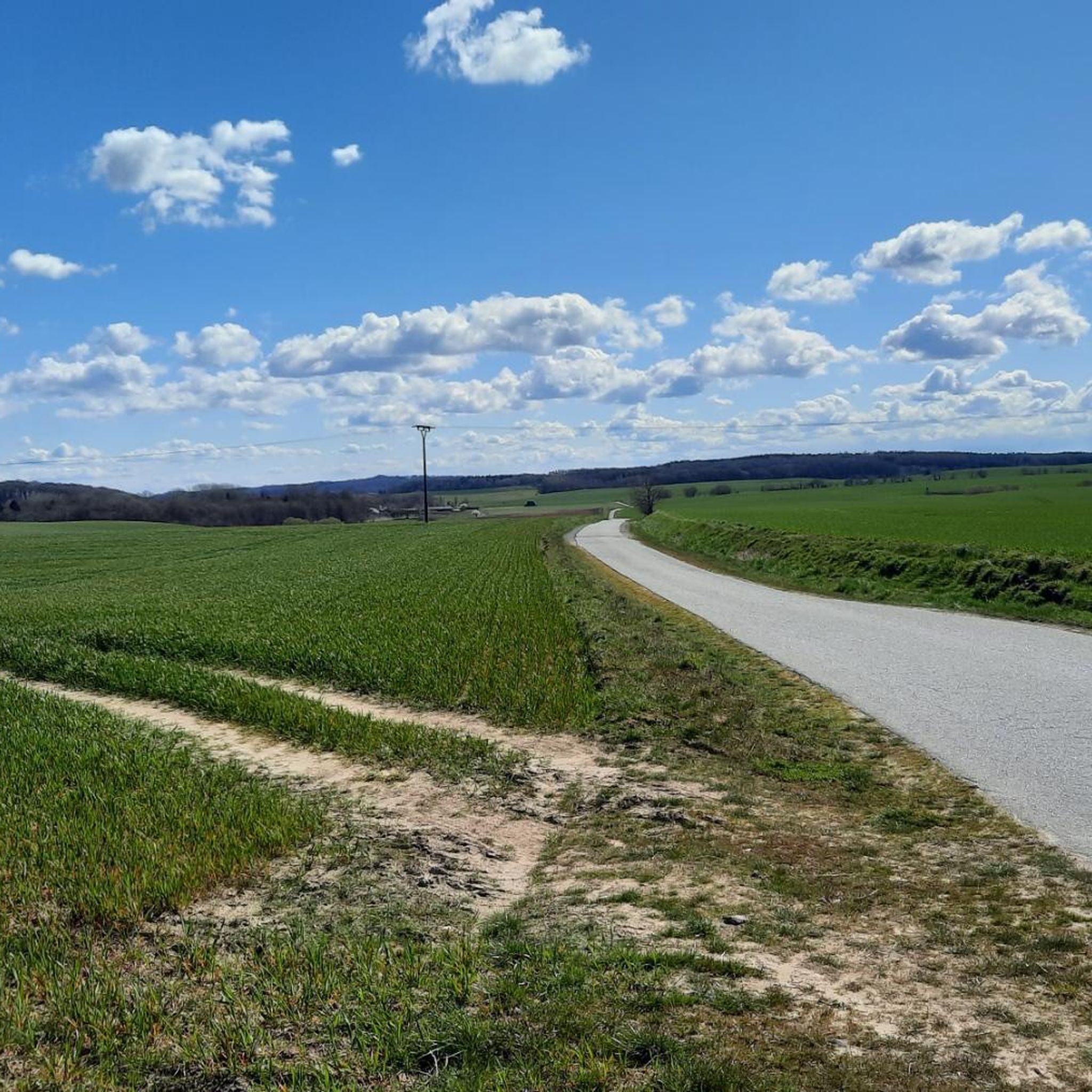
In the wooded area known as "Schmale Heide" between Mukran and Prora lies one of Germany's largest flint fields. Covering an area of 2,500 x 300 meters, numerous flint stones were deposited after several storm surges approximately 3,500 to 4,000 years ago. These stones were washed from the chalk cliffs of the Jasmund peninsula. The field consists of 14 consecutive ridges of flint, each about two kilometers long, running parallel to the Baltic Sea. They were washed ashore at that time and, due to their considerable weight, remained there.
0
0


Flint fields near Mukran
0
0

There are three free options for parking your car and then starting your hike: The official car park is at Stadthof (east of the lake), or you can park in Parchtitz (approaching from the west), or in the large Familia car park and then cross the B96 (this is how you get to the lake from the south).
3
0

The Witches' Forest is a group of trees consisting of dwarf beeches that are over 80 years old. These bizarre, magical and mysterious trees can be seen from far away. The branches of the trees are so bizarrely intertwined that from a distance it almost looks like a giant umbrella. A truly mystical place.
12
2

In the Flint Fields there are two dried bushes decorated with chicken gods.
1
0

A chicken god is a special, holey piece of flint that is often found on beaches. This stone has a natural hole in the middle, which has been worn down by thousands of years of waves, wind and sand. The chicken god is considered a lucky charm and is often used as a talisman. With a little luck, you will find chicken gods in the flint fields.
3
1

The ten dwarf beeches in the Semper Forest Park are a very rare variety of common beech. They were planted in 1920. Süntel beeches, also known as witchwood, rarely live longer than 160 years.
9
2
Frequently Asked Questions
What are some of the most unique natural monuments to visit around Patzig?
One truly unique spot is the Dwarf beeches (Witches' Forest) in the Semperwald. These are rare Süntelbuche trees, a mutation of Fagus sylvatica, known for their bizarre, crippled growth forms that create a magical atmosphere. Another must-see is the Flint Fields of Rügen, an internationally significant natural monument featuring 14 consecutive, two-kilometer-long scree walls composed almost entirely of flint stones, formed by ancient storm floods.
Are there natural monuments suitable for families with children near Patzig?
Yes, several natural monuments are family-friendly. The Dwarf beeches (Witches' Forest) in the Semperwald offers a magical and intriguing experience for all ages due to its unique trees. The Flint Fields of Rügen are also great for families, offering a chance to explore a unique geological landscape. Additionally, the Tankow Crane Observation Platform is an excellent spot for families interested in birdwatching, especially during migration seasons.
What kind of geological features can I expect to see in the natural monuments around Patzig?
The region is notable for its unique geological formations. The Flint Fields of Rügen are a prime example, showcasing massive walls of flint stones deposited by ancient storm floods. Further afield, but easily accessible from Patzig, the dramatic white chalk cliffs of Jasmund National Park, particularly the Königsstuhl, are a spectacular geological wonder rising directly from the Baltic Sea.
Where can I observe wildlife, especially birds, near Patzig?
For exceptional birdwatching, head to the Tankow Crane Observation Platform. This site is particularly renowned in spring and autumn when up to 70,000 cranes gather in the Vorpommersche lagoon landscape. Throughout the year, you can also spot various duck species, gulls, geese, and other waders.
Are there any ancient forests or unique tree species to explore?
Absolutely. The Dwarf beeches (Witches' Forest) in the Semperwald is home to an exceptional dendrological rarity: Süntelbuche trees. These ancient, mutated beeches display bizarre, snake-shaped branches and form an almost rainproof canopy, making it a truly magical place to explore in any season. The Jasmund National Park, a short drive from Patzig, also features extensive, ancient beech forests that are a UNESCO World Heritage Site.
What are the best hiking opportunities near the natural monuments around Patzig?
Patzig is an excellent base for hiking. You can find easy hikes like the 'Nonnensee Observation Tower – Nonnensee loop' or the 'Nonnensee Nature Reserve – Nonnensee Observation Tower loop'. For more options, explore the Easy hikes around Patzig guide, which offers various routes through the region's natural beauty.
Can I go cycling near the natural monuments in the Patzig area?
Yes, there are several road cycling routes available. You can find options like the 'Cycle Path Along B96 – Granitz–Binz Cycle Path loop' or the 'Island Brewery – Rambin–Rothenkirchen cycle path loop'. For a comprehensive list of routes, check out the Road Cycling Routes around Patzig guide.
What is the significance of the Cascade ponds in Semper Forest Park?
The Cascade ponds in Semper Forest Park are a series of restored ponds that play a crucial ecological role. They collect rainwater from surrounding elevated areas and are vital as amphibian spawning waters. The park also features a small island with two 100-year-old oaks, adding to its natural charm.
What do visitors particularly enjoy about the natural monuments around Patzig?
Visitors frequently highlight the unique and bizarre growth forms of the dwarf beeches in the Witches' Forest, describing it as a 'magical' and 'mystical' place. The Flint Fields are appreciated for their unique geological spectacle and the opportunity to stroll and browse for interesting stones. The observation platforms are also popular for their spectacular views and wildlife spotting opportunities.
Are there any larger protected natural areas easily accessible from Patzig?
While Patzig itself is a tranquil rural area, it serves as an excellent starting point for exploring Rügen's major protected areas. The Jasmund National Park, famous for its dramatic chalk cliffs and ancient beech forests (a UNESCO World Heritage Site), is easily accessible. Also nearby is the Southeast Rügen Biosphere Reserve, offering diverse coastal and inland landscapes, rich flora and fauna, and opportunities for guided nature walks.
What is the best time of year to visit the natural monuments around Patzig?
The natural monuments around Patzig offer beauty in every season. The dwarf beeches are an attraction year-round, with their unique forms visible even after leaf fall. Spring and autumn are particularly good for birdwatching at the Tankow Crane Observation Platform. Summer provides lush greenery and pleasant weather for hiking and cycling, while clear days can offer expansive views from higher points in the Patzig area.
Most popular routes around Patzig
Most popular attractions around Patzig

Get inspired with the komoot mobile app


Explore more
Extend your search for the best caves by checking out these guides of the top ones around Patzig:
