Top 3 Castles around Duisburg
Best castles around Duisburg offer a glimpse into the city's rich history and strategic importance at the confluence of the Rhine and Ruhr rivers. Duisburg, a significant historical and industrial center, features archaeological sites and preserved structures that reflect its past as a royal residence and trade hub. Exploring these sites provides insight into the region's heritage, with various Duisburg castle trails available for discovery. The area's natural landscape, including dense forests and riverine settings, complements these historical Sehenswürdigkeiten Burgen…
Last updated: August 27, 2026
Hartenfels House
Highlight • Historical Site
Peter Klöckner (1863-1940) was a large industrialist who had grown up in the steel trade. He owed his rise to the takeover of modern smelters and mines, which he …
Translated by Google •
Tip by

Hartenfels House
Highlight • Castle
Translated by Google •
Tip by

Sign up now to discover places like this
Get recommendations on the best single tracks, peaks, & plenty of other exciting outdoor places.
Sign up for free
Haus Böckum Moated Castle
Highlight • Castle
Translated by Google •
Tip by

Backelsberg – Highest Point in Duisburg at Haus Hartenfels
Highlight • Summit
Translated by Google •
Tip by

Wasserburg Angerort on the Rhine
Highlight • Castle
Translated by Google •
Tip by

Start today with a free account
Your next adventure awaits.
Login or Signup
Popular around Duisburg
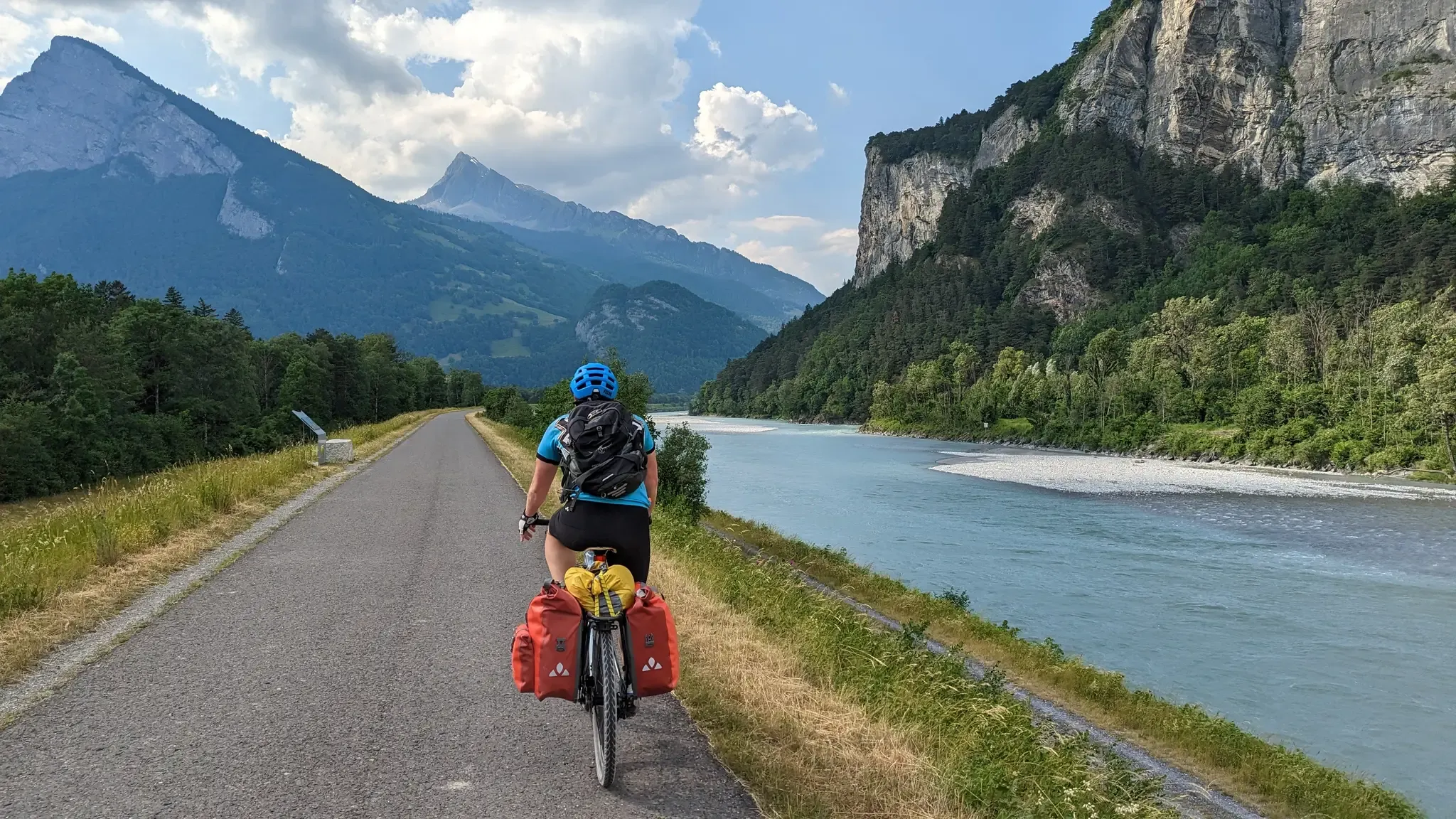
The Rhine Cycle Path — From the source to the North Sea
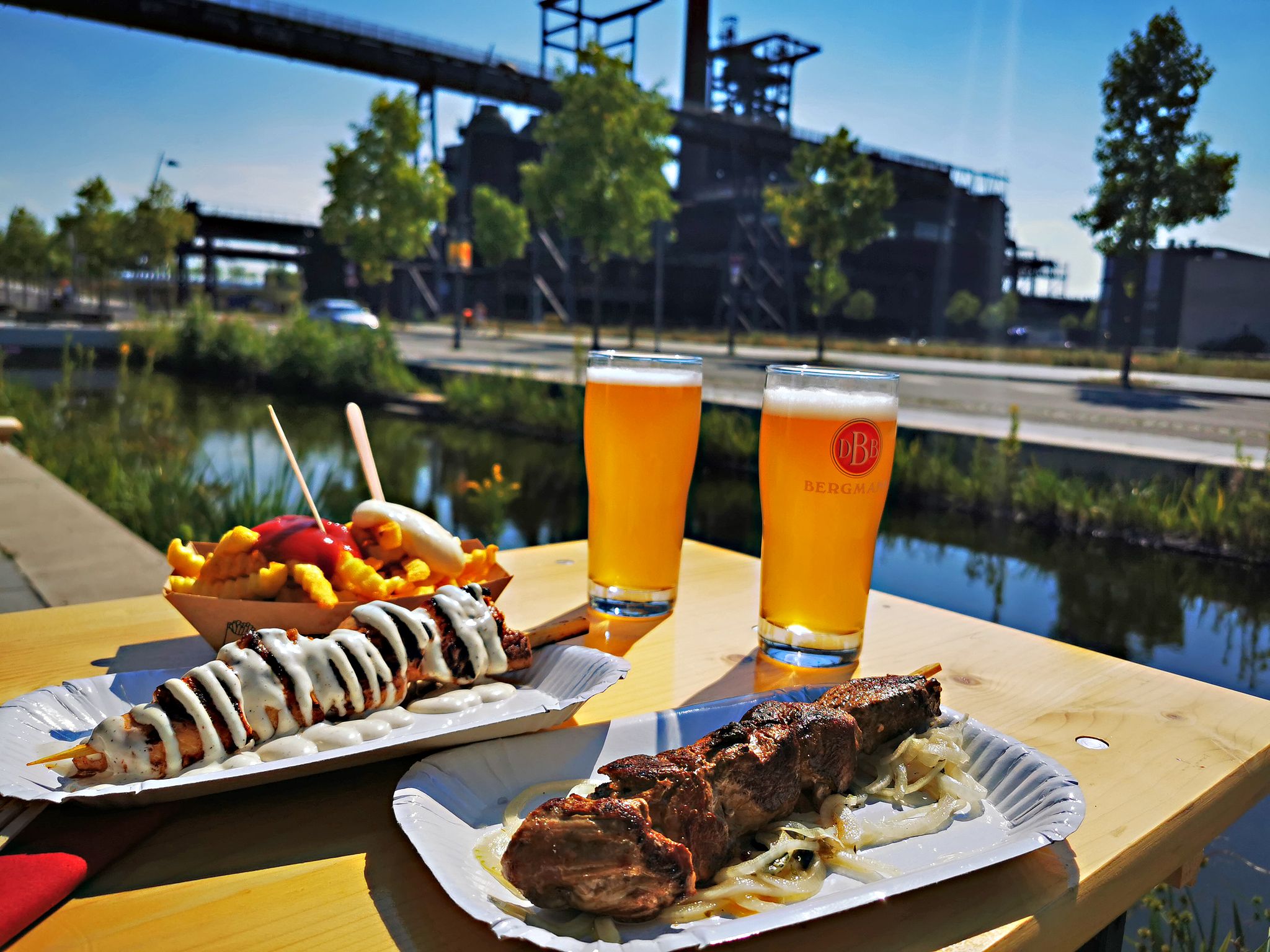
Long live the break – bike tours with beer gardens & culinary delights
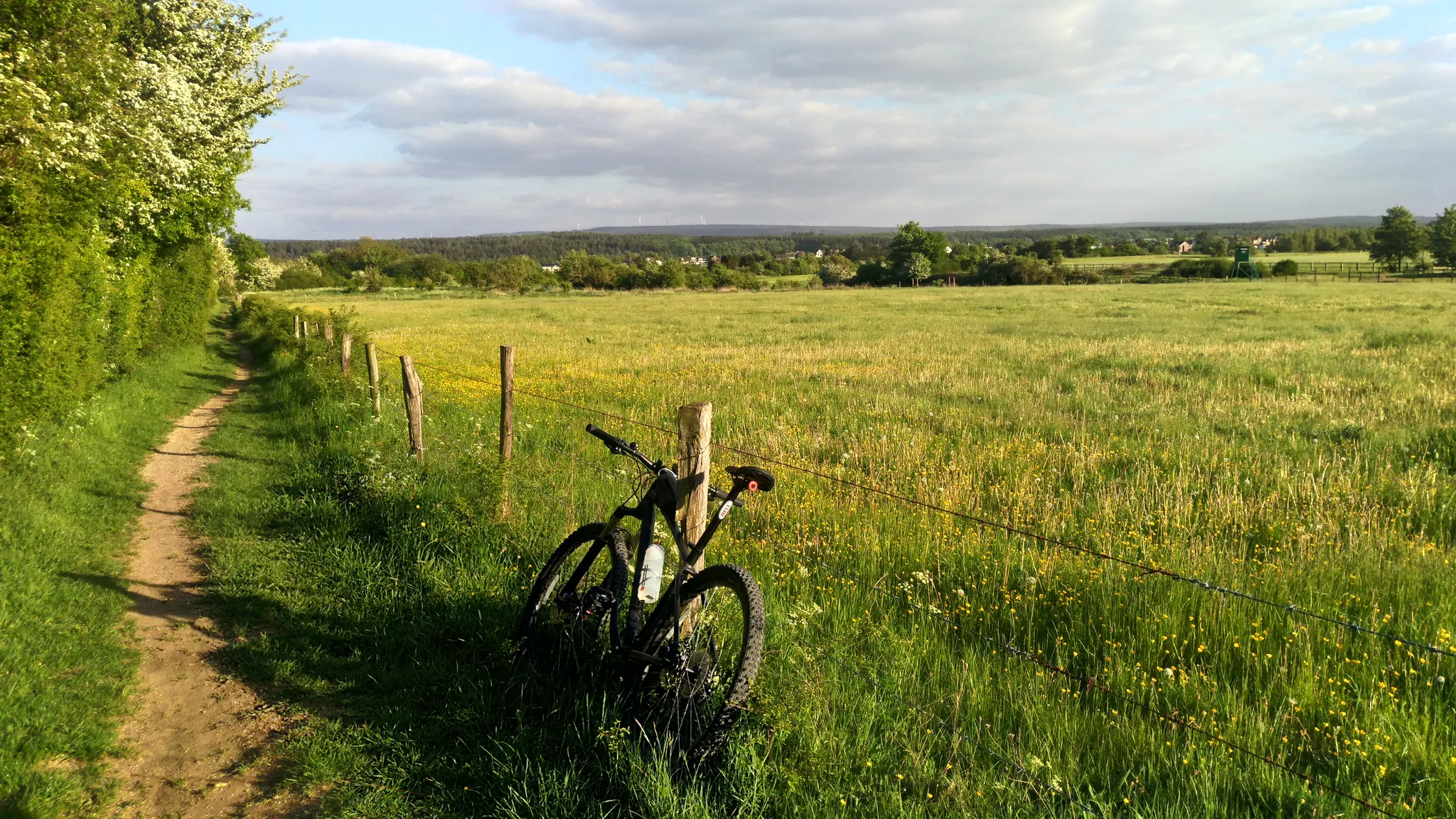
D-Route 7: Pilgrimage Route
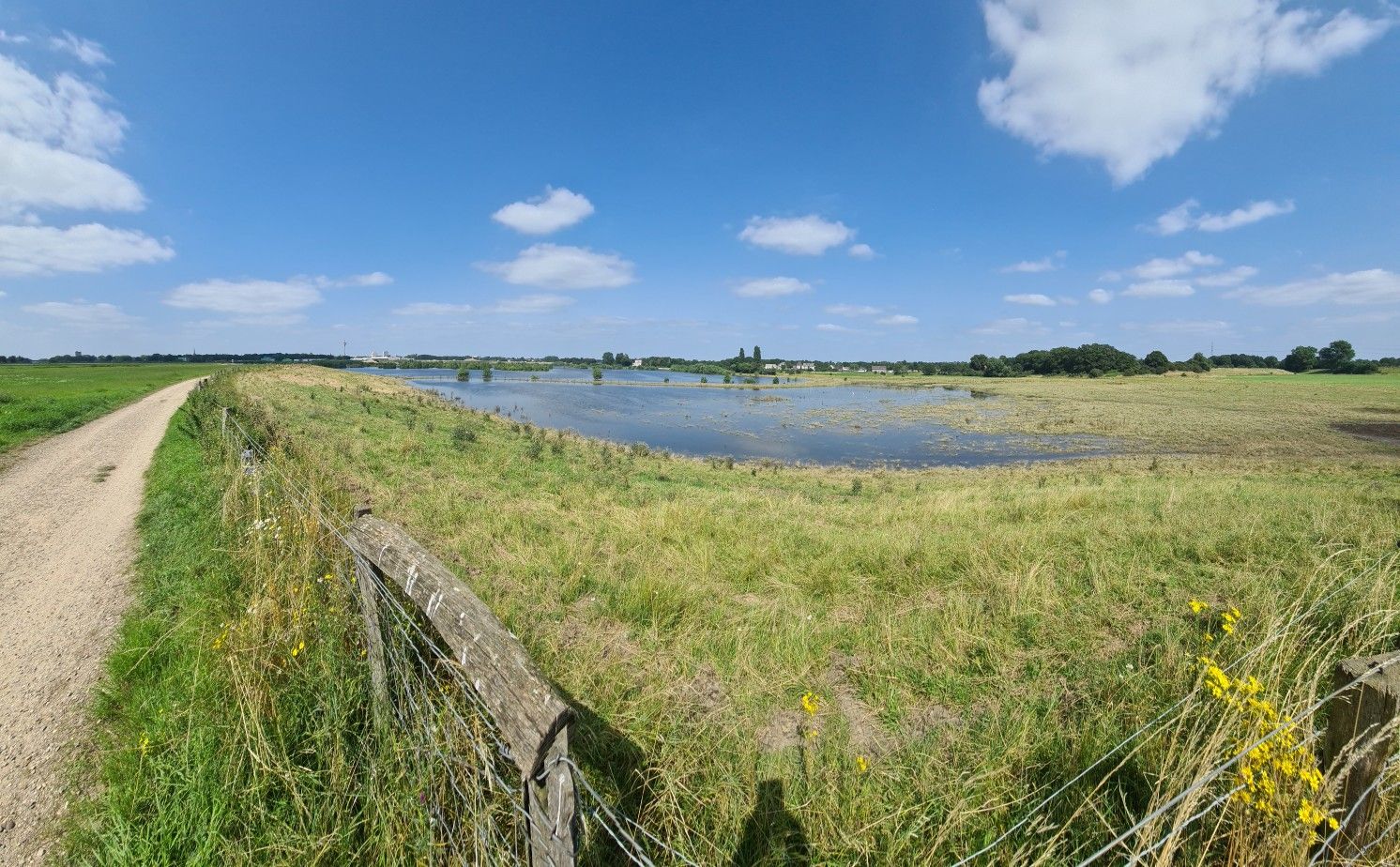
The way is the goal – Lower Rhein Route
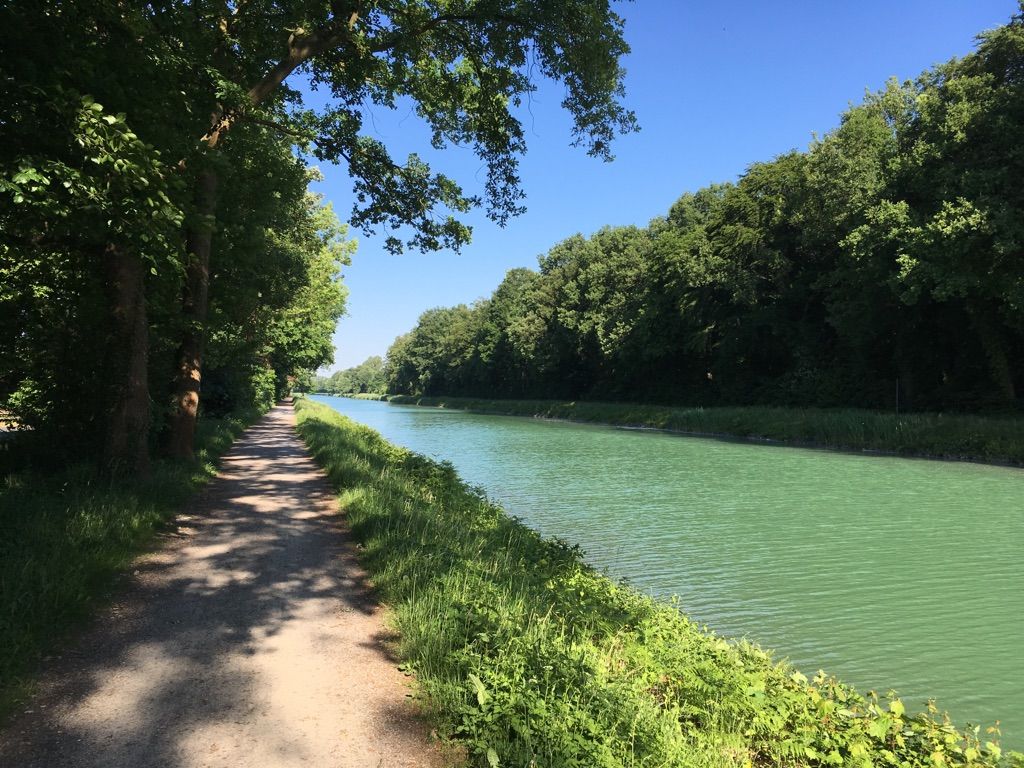
The Ruhr Area Circuit – cycling on the trail of industrial culture
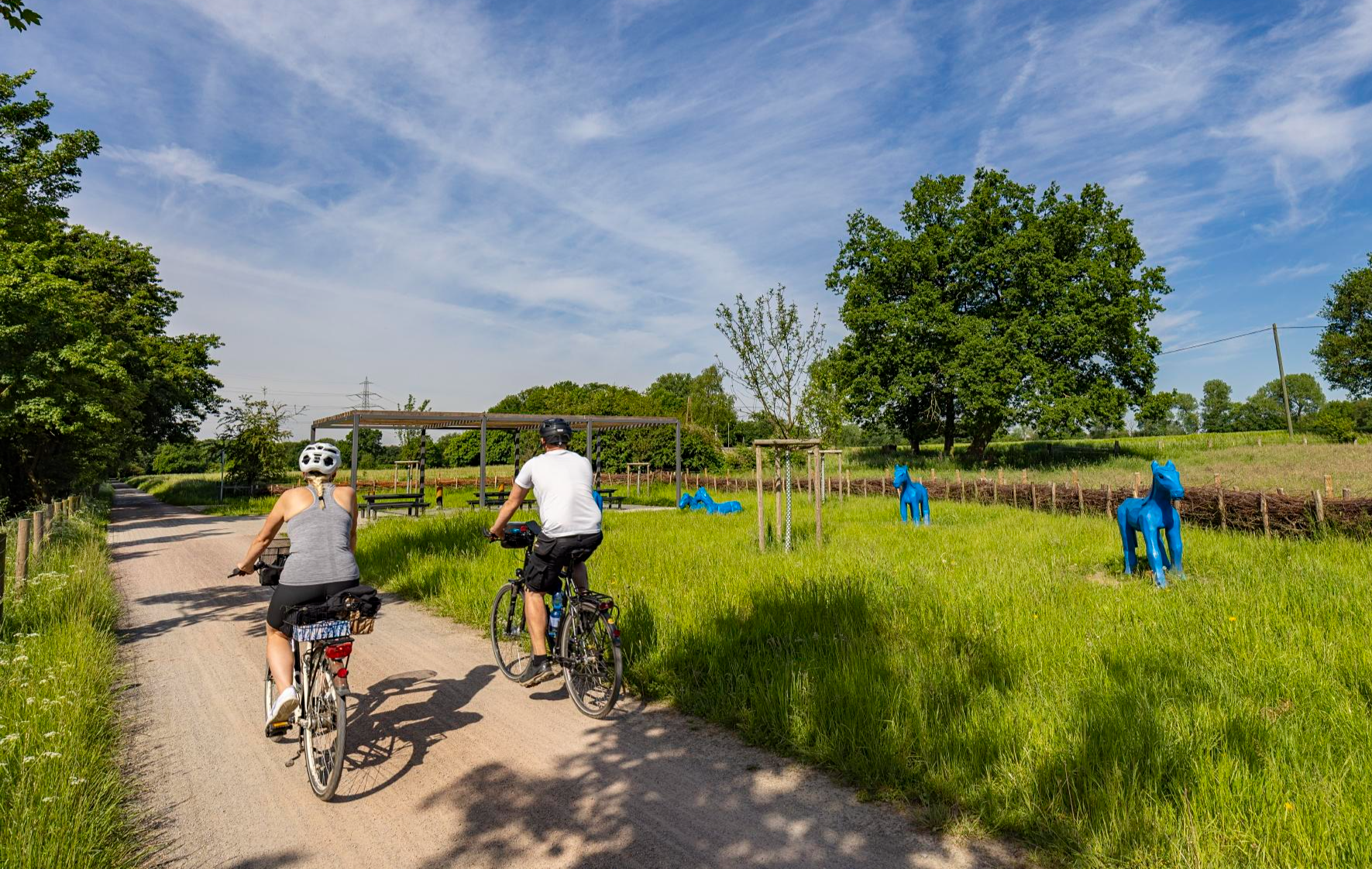
Healthy cycling on Germany’s Emscher River
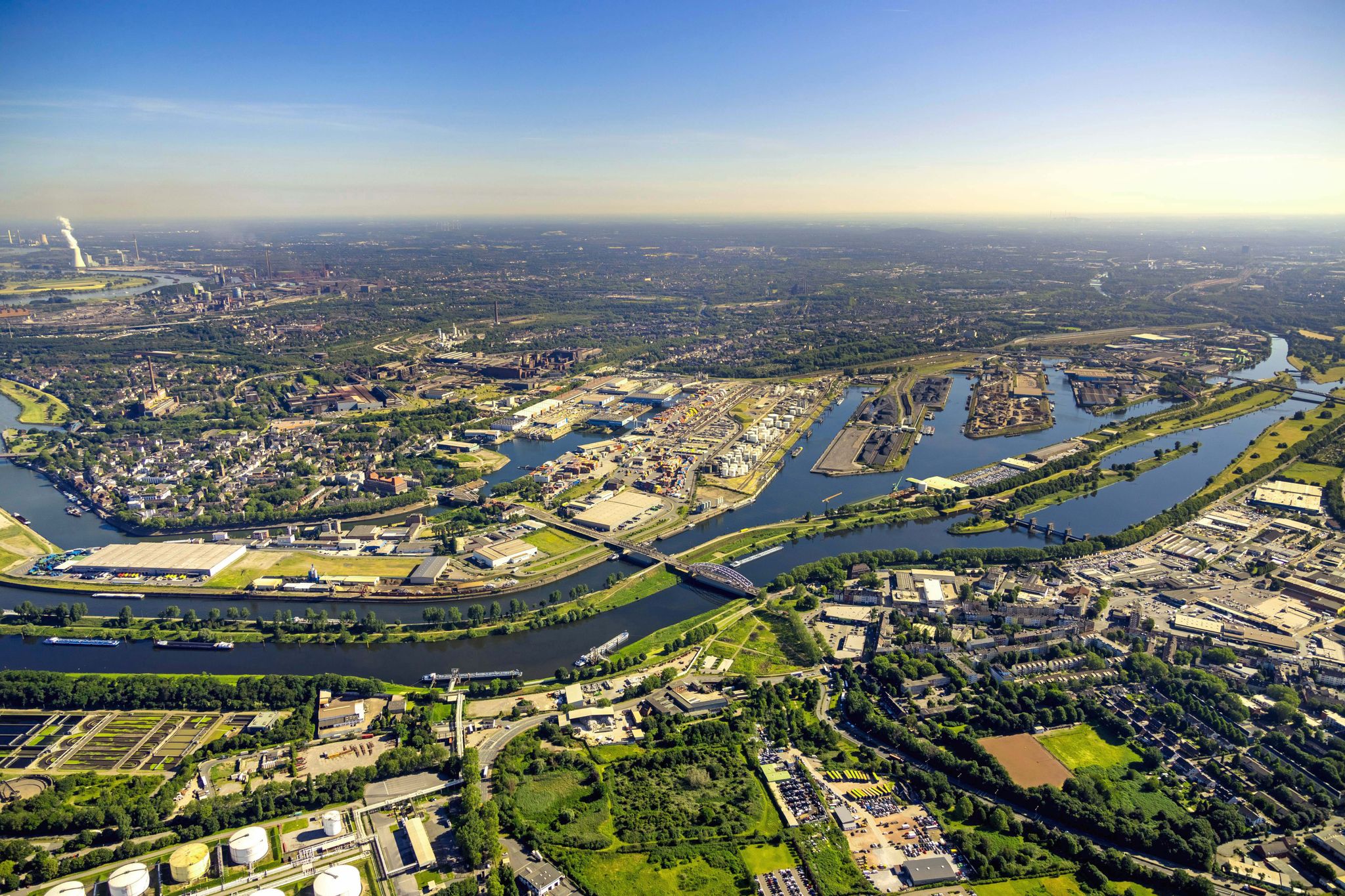
Cycling in Duisburg Port in Germany – The world’s largest inland port
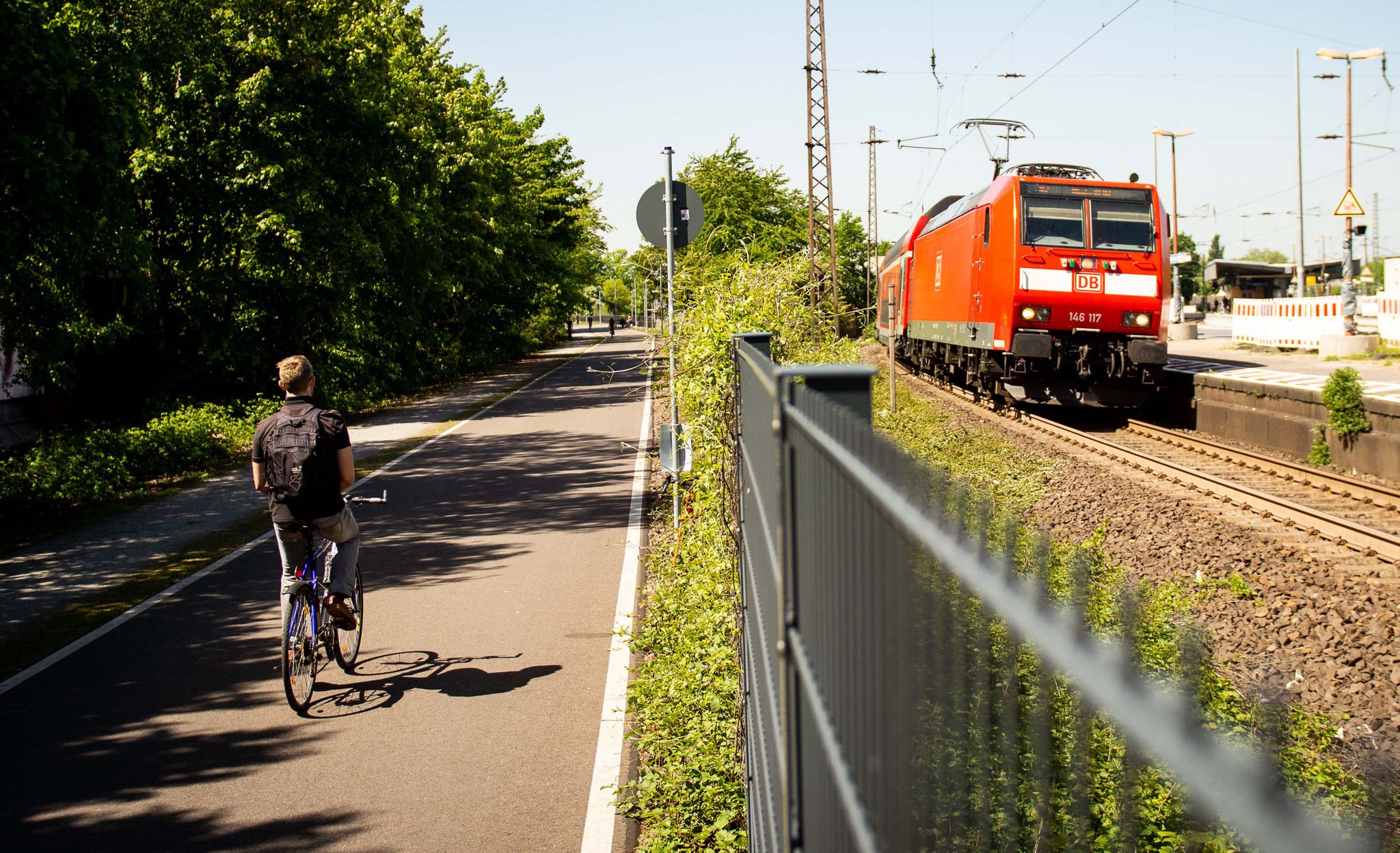
Cycle the most beautiful railway tracks – Germany’s Ruhr area (west and south)
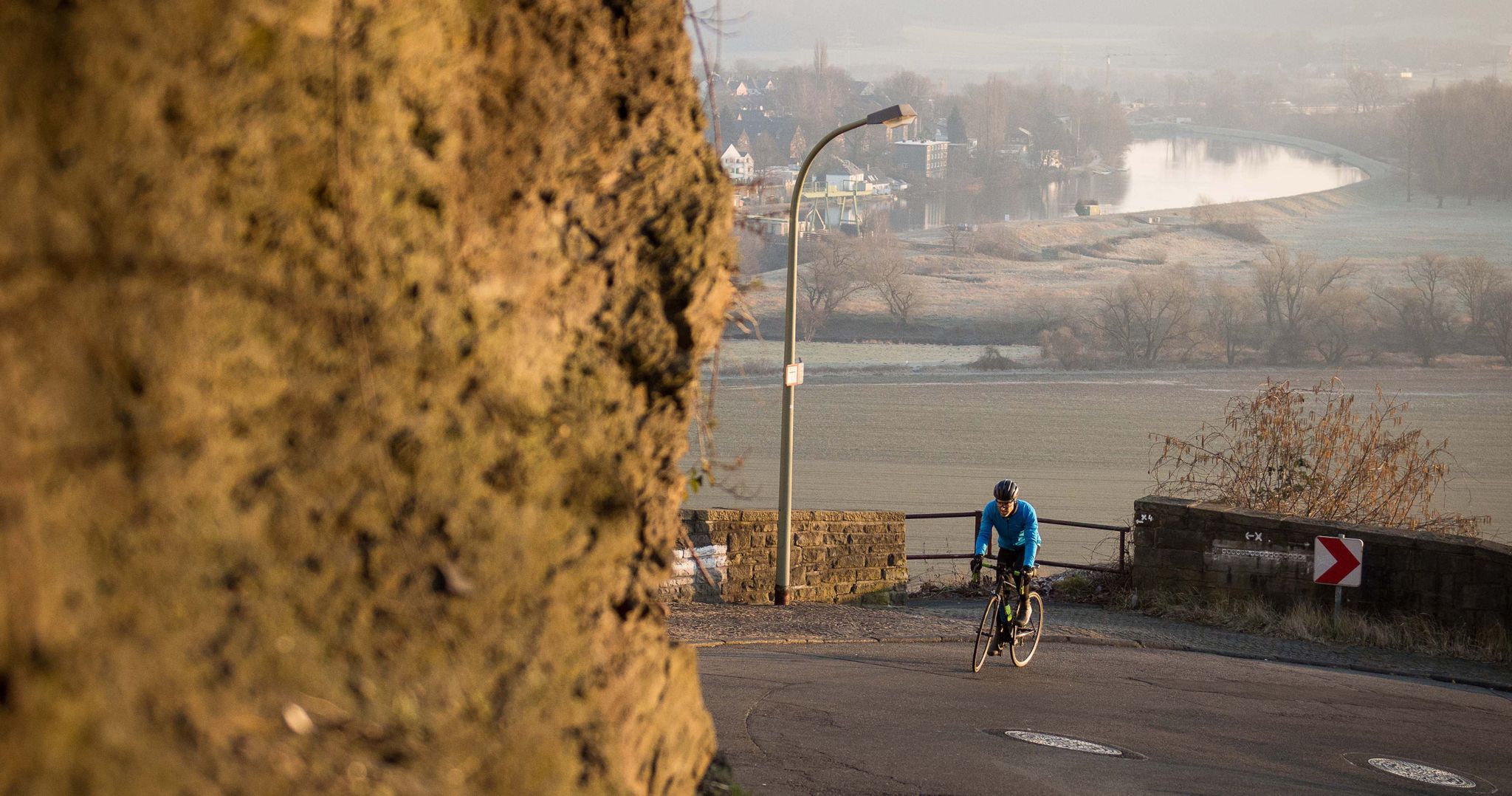
Biking to the bakery — 7 crunchy wake-up rides
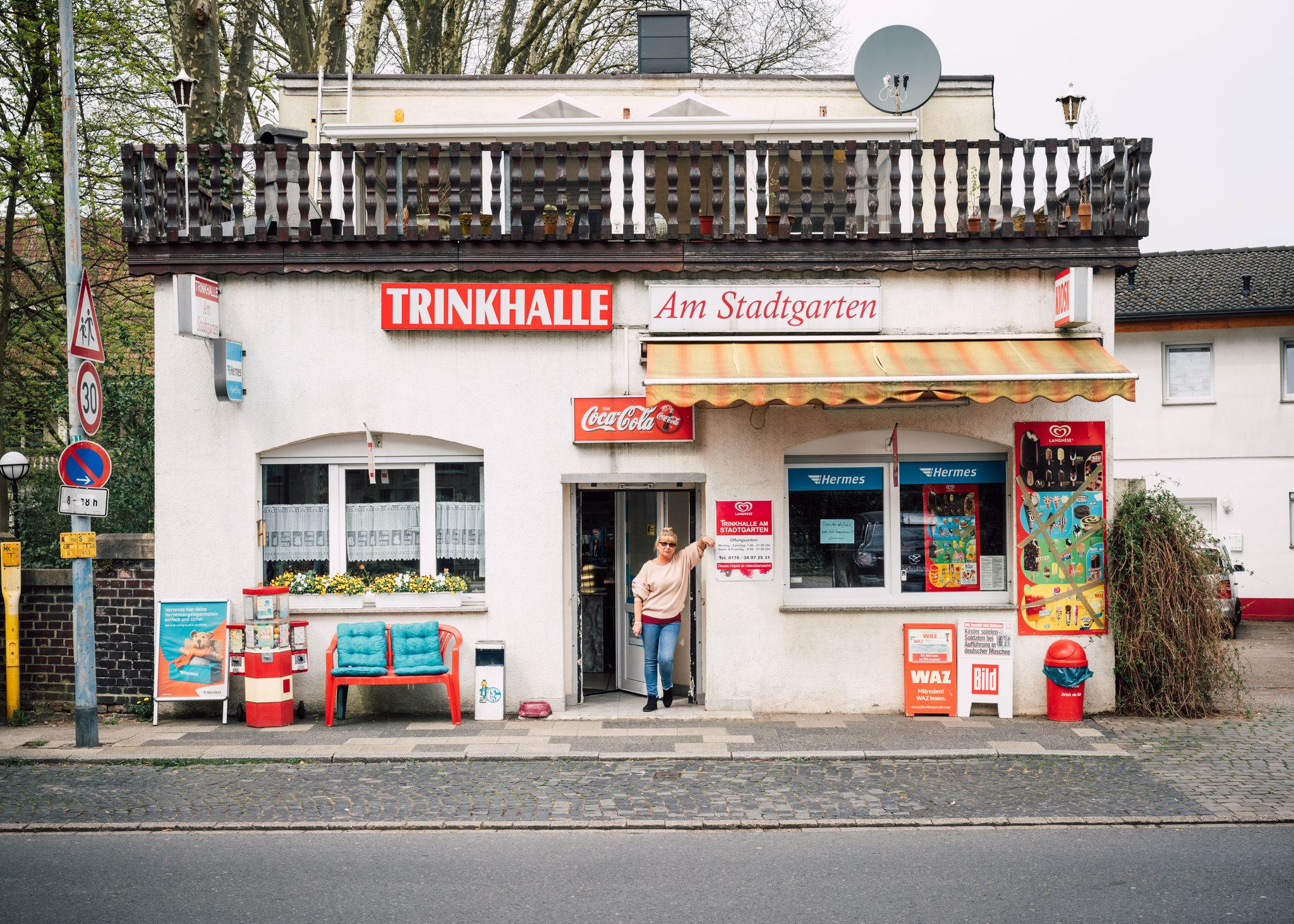
Tour de Trinkhalle: The 19 most iconic kiosks in the Ruhr area
Other adventures around Duisburg


Tips from the Community

Highest point in Duisburg at 83.7 meters
0
0
Haus Hartenfels is a castle-like country estate dating back to 1890. It was built by steel industrialist Peter Klöckner. The property is privately owned and not open to the public.
0
0


The view from the outside is impressive, but I've never been inside. You'll have to see for yourself 👁👁
0
0

The following hiking trails are located on the Backelsberg: • Upper Castle Trail • Lower Castle Trail • Drachensteig The builder of the Hartenfels manor house on the Backelsberg was the steel industrialist Peter Klöckner (1863–1940). The house was built in 1910/1911 on a plot of land in the Duisburg city forest that Klöckner had bought from the city of Duisburg.
1
0

..... Haus Hartenfels is considered a typical building of late historicism. It was extended again after 1923 (until 1926) according to plans by the Swiss architect William Dunkel with a north wing with utility and guest rooms and a terrace. It has also gained outstanding importance due to its considerable size, its good state of preservation and its typical, so-called "English floor plan". Another special feature is the tower of the building, which can be seen from afar. The family of the industrialist Klöckner lived in Haus Hartenfels until 1942; after the Second World War, bombed-out people and refugees were housed here. After being vacant for a long time, the outer parts of the building were repaired in 1986. Condominiums are currently being built in the building, which has been a listed building since 1995. (Bernward Selter, Münster, 2014)
1
0
"The house, completed in 1911 according to plans by architect (Hermann) Wolters, is in line with the castle-like country estates of historicism. The building is also characterized as a work of waning historicism by adopting numerous Gothic (exterior) and Renaissance (interior) styles" (City of Duisburg, Lower Monument Authority, Monument List No. 350). The monumentality of the building is combined with picturesque elements. "In addition to an asymmetrical and lively grouped structure, the abundant use of high roofs, gables and bay windows or balconies as well as the tower motif were attributes of old German, local architecture. In addition, efforts were made to reduce the ornamentation as much as possible" (City of Duisburg, Lower Monument Authority, Monument List No. 350). .....
2
0

The Backelsberg, on whose summit Haus Hartenfels is located at a height of 82.52 m, is the highest natural elevation in Duisburg at 83.7 m. It is surrounded by dense beech forest, so there is no view possible.
2
0
Frequently Asked Questions
What kind of castles can I expect to find in and around Duisburg?
Duisburg's castle landscape is rich in history, though not always in standing structures. You'll find historical sites like the former Imperial Palace of Duisburg (Kaiserpfalz Duisburg), which was a significant royal residence in the 10th century, now primarily an archaeological site. The region also features preserved examples like Haus Böckum Moated Castle, the only preserved moated castle within the city, and the historic Hartenfels House, a former industrialist's residence with castle-like architecture.
Are there any family-friendly castles to visit near Duisburg?
Yes, Haus Böckum Moated Castle is noted as family-friendly. While the original structures of many historical sites like the Kaiserpfalz Duisburg are no longer standing, exploring their grounds can still be an engaging historical outing for families.
What are the historical highlights of castles in Duisburg?
The most significant historical site is the Kaiserpfalz Duisburg (Imperial Palace of Duisburg). Established in the 10th century, it was a royal residence and trade hub. Although it's an archaeological site today, it offers a deep connection to the city's origins. Other historical sites include Hartenfels House, built in 1911/12, and the medieval Haus Böckum Moated Castle.
Can I combine a castle visit with outdoor activities like hiking or cycling?
Absolutely. The area around Hartenfels House and the Backelsberg, Duisburg's highest point, features hiking trails like the Upper Castle Trail, Lower Castle Trail, and Drachensteig. For cycling, you can find various routes nearby, including traffic-free bike rides, MTB trails, and gravel biking routes that pass through scenic areas.
Are there any castles with significant natural surroundings or viewpoints?
The Backelsberg, where Hartenfels House is located, is the highest natural elevation in Duisburg. While the summit itself is surrounded by dense beech forest with no direct view, the area offers a natural setting for walks. The region around Duisburg, North Rhine-Westphalia, is generally known for its green spaces and proximity to rivers like the Rhine, offering pleasant natural environments.
What is the best time of year to visit castles around Duisburg?
Visiting in spring or autumn often provides pleasant weather for exploring the castle grounds and surrounding nature. The lush greenery of spring or the vibrant colors of autumn can enhance the experience. Winter visits can also be charming, especially if you enjoy crisp air and fewer crowds, though some facilities might have reduced hours.
Are there any moated castles in Duisburg?
Yes, Haus Böckum Moated Castle is the only preserved moated castle within the Duisburg city area. Another historical moated castle is Wasserburg Angerort on the Rhine.
What kind of historical significance does the Kaiserpfalz Duisburg hold?
The Kaiserpfalz Duisburg (Imperial Palace of Duisburg) is historically significant as it was established in the 10th century on the foundations of a royal court from the mid-8th century. It served as a crucial royal residence and trade hub, strategically located near the Rhine harbor. Archaeological findings at the site on Burgplatz connect it to continuous settlement since Roman times, highlighting its importance in protecting trade routes and the confluence of the Rhine and Ruhr rivers.
Are there any specific trails or routes associated with the castles?
Near Hartenfels House and the Backelsberg, you can find several hiking trails, including the Upper Castle Trail, Lower Castle Trail, and Drachensteig. These trails offer opportunities to explore the forested areas around the historic site.
What kind of architecture can be seen in the castles of Duisburg?
While the Kaiserpfalz Duisburg is an archaeological site, its remnants suggest a long hall building as its main structure, with a palace chapel. Hartenfels House, built in the early 20th century, reflects the style of massive country houses, featuring a distinctive tower and various architectural elements like winter gardens and oriels. Haus Böckum Moated Castle represents medieval aristocratic residence architecture, typical of moated castles along the Lower Rhine.
Most popular routes around Duisburg
Most popular attractions around Duisburg

Get inspired with the komoot mobile app


Explore more
Looking for the best castles somewhere else? Discover other guides around Duisburg:
