Top 4 Caves around Sacrofano
Best caves around Sacrofano are found in a region shaped by volcanic origins within the Parco di Veio near Rome. This area features unique underground structures, including ancient man-made excavations and geological formations. Historically, the region is known for Etruscan quarries and tunnels carved into tuff, which have served various purposes over millennia. Sacrofano's landscape offers a blend of historical significance and natural features for exploration.
Best caves around Sacrofano
- The most popular caves is Fosso degli Olmetti Waterfall and…
Last updated: August 14, 2026
Fosso degli Olmetti Waterfall and Etruscan Aqueduct
Highlight • Waterfall
Translated by Google •
Tip by

Ponte Sodo
Highlight • Cave
Translated by Google •
Tip by

Sign up now to discover places like this
Get recommendations on the best single tracks, peaks, & plenty of other exciting outdoor places.
Sign up for free
Tomba Campana (Etruscan Tomb of the Lions)
Highlight • Historical Site
Translated by Google •
Tip by
Faliscan Necropolis Cavone of Monte Li Santi
Highlight • Historical Site
Translated by Google •
Tip by

Etruscan Tombs of Veio
Highlight • Historical Site
Translated by Google •
Tip by

Sign up for free to discover even more caves around Sacrofano.
Sign up for free
Already have an account?
Start today with a free account
Your next adventure awaits.
Login or Signup

Tips from the Community

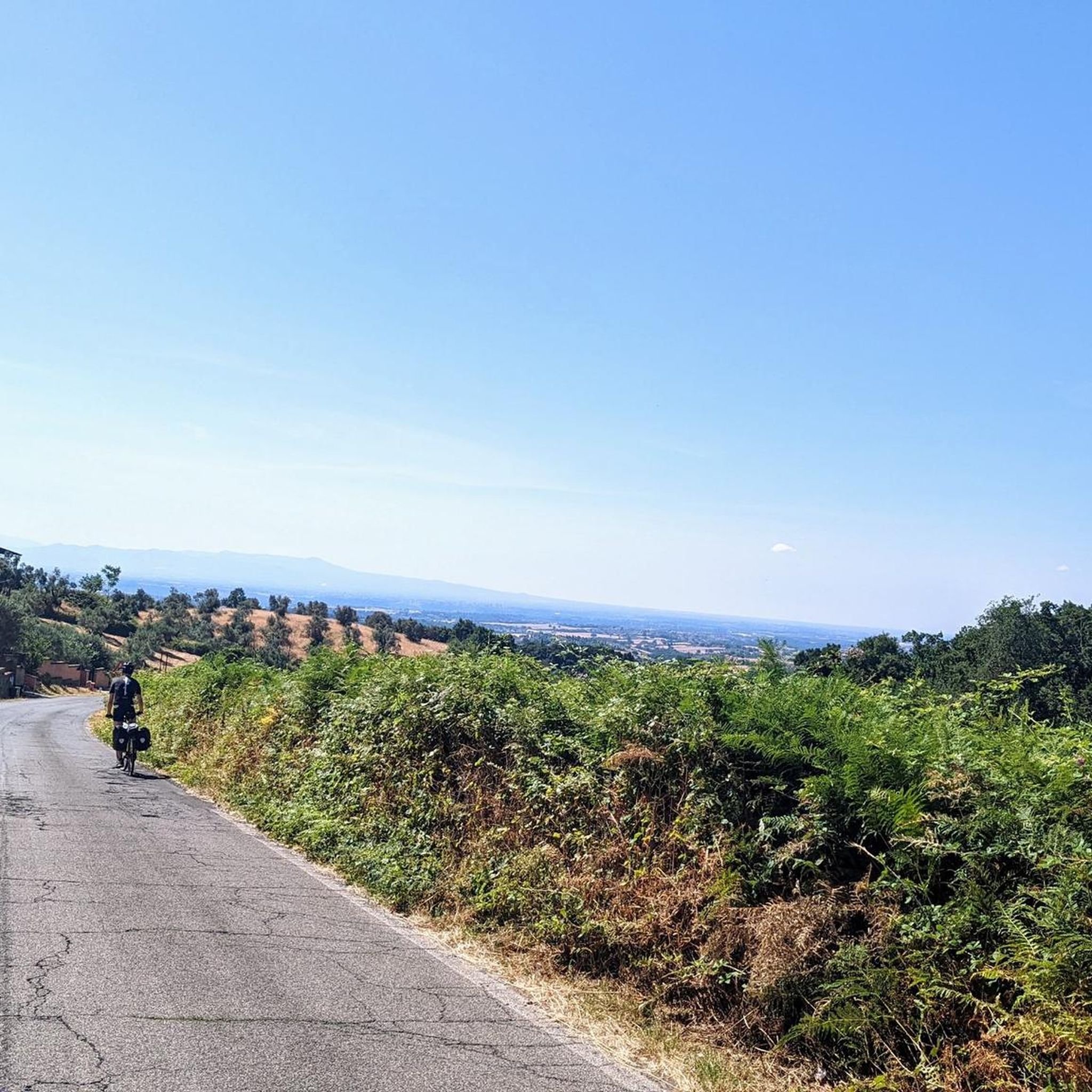
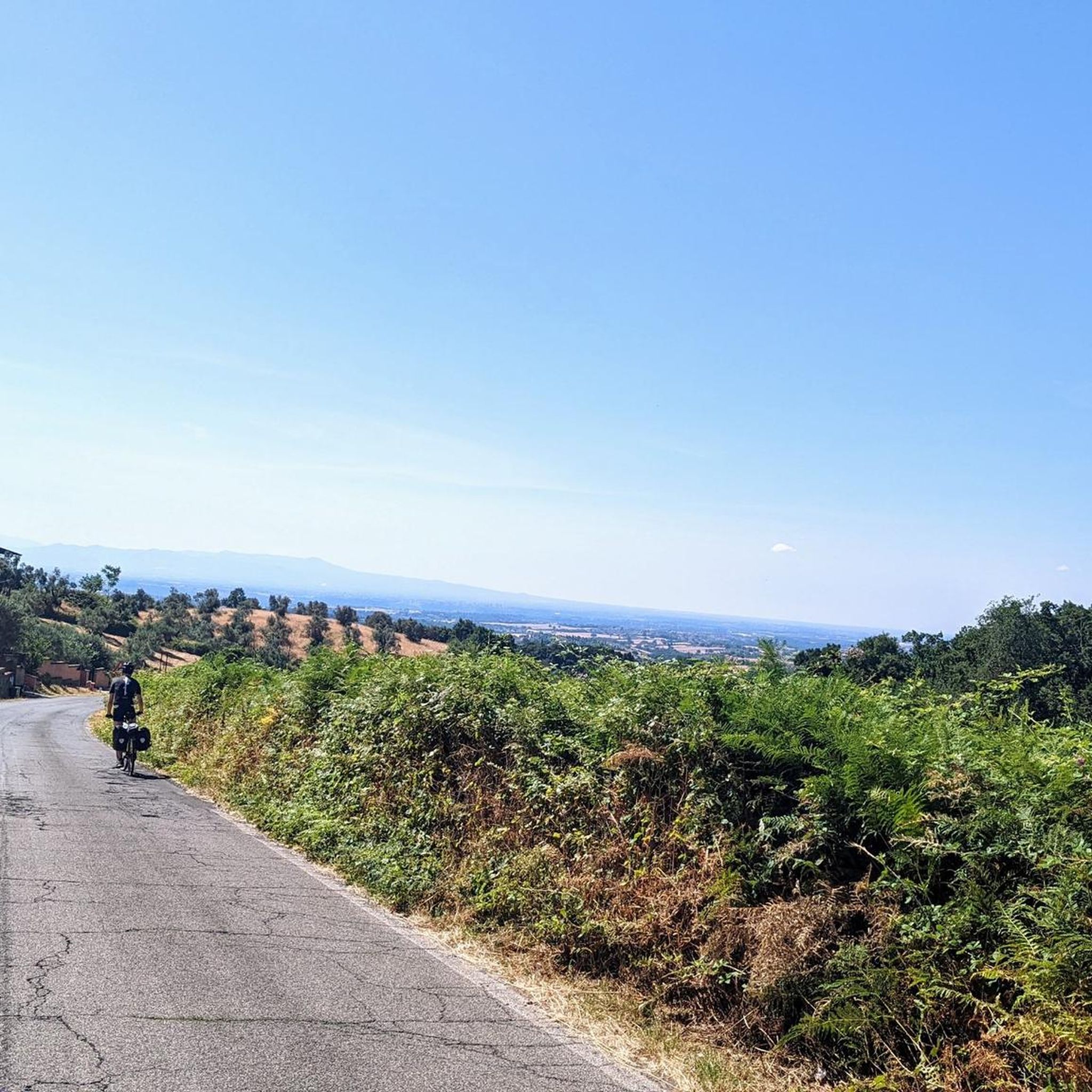
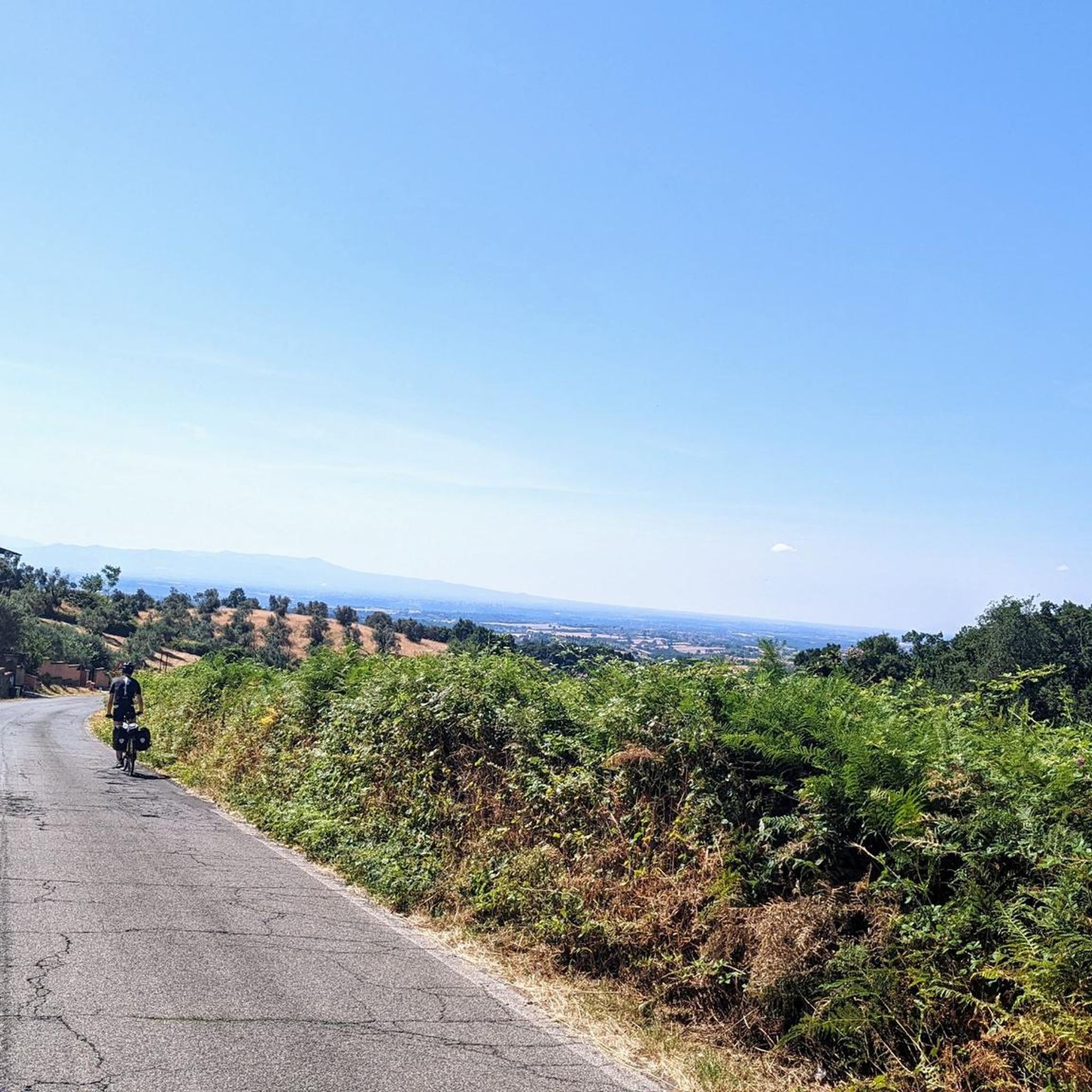
For a perfect bike tour, a site of interest is mandatory, preferably archaeological, as in this case. Parco di Vejo is a site rich in history, our origins. Which interest is more important?
0
0
To reach the shooting point, you must deviate from the main trail and tackle a steep descent on extremely slippery and uneven terrain. In case of bad weather or rain, access is prohibited or absolutely not recommended.
0
0
The Ponte Sodo is an Etruscan hydraulic structure, a tunnel approximately 70 meters long carved into the rock in the Veio Park, which allowed the Valchetta (ancient Cremera) stream to flow during high water, preventing flooding. Today, it is not easily accessible on your own and is often visited on guided excursions organized by the park, although access is restricted in some areas. It can be admired from a path that descends along the stream, but crossing it may require wading into cold water. To reach the photo point, you must deviate from the main path and tackle a steep descent on extremely slippery and uneven terrain. In case of bad weather or rain, access is prohibited or absolutely not recommended.
0
0

Suggestive waterfall deriving from an ancient Etruscan aqueduct, with a side tunnel that can be visited (not recommended for claustrophobics). You can get there from the (private) Selvotta car park. All the landscape around the waterfall is really worth the trip.
0
0

Between Calcata and Mazzano you can admire in several points ancient tombs and structures of the Etruscan people of the Falisci.
0
0


This Etruscan tomb was discovered by Giovanni Pietro Campana in 1843 and named after him.
2
0
a little hidden place but if you find it it's really gorgeous
1
0
Frequently Asked Questions
What unique underground features can I explore around Sacrofano?
Sacrofano's landscape, shaped by volcanic origins, offers unique underground features. These include ancient man-made excavations, Etruscan quarries, historical tombs, and tunnels carved into tuff. You won't find traditional natural caves with stalactites and stalagmites, but rather structures with significant historical and geological interest.
Are there any historical Etruscan sites among the caves near Sacrofano?
Yes, the area is rich in Etruscan history. You can explore sites like the Faliscan Necropolis Cavone of Monte Li Santi, which features ancient tombs and structures of the Etruscan people. Another significant historical site is the Tomba Campana (Etruscan Tomb of the Lions), an ancient Etruscan tomb dating to around the 6th century BC.
What is the Fosso degli Olmetti Waterfall and Etruscan Aqueduct?
The Fosso degli Olmetti Waterfall and Etruscan Aqueduct is a popular historical site where you can find a tunnel carved into the rock. This ancient Etruscan aqueduct can be explored for a good stretch behind the waterfall, offering a very suggestive experience.
What is Ponte Sodo and its historical significance?
The Ponte Sodo is an artificial tunnel, about 70 meters long, dug into the tuff. Its purpose was to channel water towards agricultural land and manage floodwaters. Archaeologists debate whether its construction dates back to Etruscan or Roman times, highlighting its ancient engineering marvel.
Are there any volcanic features to see near Sacrofano's caves?
While not caves in the traditional sense, Sacrofano's volcanic past means you can find geological features like solfataras (volcanic vents emitting sulfurous gases). The ancient Sacrofano volcano was active approximately 330,000 years ago, creating unique landscapes and materials like tuff.
What kind of outdoor activities can I do near the caves around Sacrofano?
The area around Sacrofano offers various outdoor activities. You can find numerous routes for hiking, cycling, and gravel biking. Popular hiking routes include the Bridge over the Cremera – Pratone di Veio loop from Formello, and the Mola di Fornello – Ancient Bridge over the Cremera loop.
Are the caves and historical sites around Sacrofano suitable for families?
Many of the historical sites and accessible tunnels, like the Etruscan aqueduct at Fosso degli Olmetti, can be explored by families. The focus on historical exploration and unique geological formations makes for an engaging educational experience. Always check specific site conditions for accessibility with younger children.
What is the best time of year to visit the caves and historical sites in Sacrofano?
The best time to visit is generally during the spring and autumn months when the weather is mild and pleasant for outdoor exploration. Summers can be hot, and winters might be damp, making some paths less comfortable. These seasons also offer beautiful natural scenery.
What should I wear when exploring the cave-like structures and historical sites?
It's advisable to wear comfortable walking shoes or hiking boots, as paths can be uneven. Layers of clothing are recommended, as temperatures inside tunnels or shaded areas might be cooler than outside. A headlamp or flashlight can be useful for exploring darker sections of tunnels or aqueducts.
Are there any hidden gems or less-known spots to discover?
Beyond the well-known sites, the region's volcanic landscape and ancient history mean there are many smaller, less-advertised man-made excavations and geological formations to discover. Exploring the wider Parco di Veio can reveal unique viewpoints and historical remnants off the main trails.
What do visitors appreciate most about the Sacrofano area?
Visitors often appreciate the blend of historical significance and natural beauty. The opportunity to explore ancient Etruscan and Roman structures, combined with the unique volcanic landscape and the tranquility of the Parco di Veio, makes for a memorable experience. The suggestive nature of sites like the Fosso degli Olmetti aqueduct is frequently highlighted.
Most popular routes around Sacrofano
Most popular attractions around Sacrofano

Get inspired with the komoot mobile app


Explore more
Extend your search for the best caves by checking out these guides of the top ones around Sacrofano:
