Top 3 Natural Monuments around Fleurie
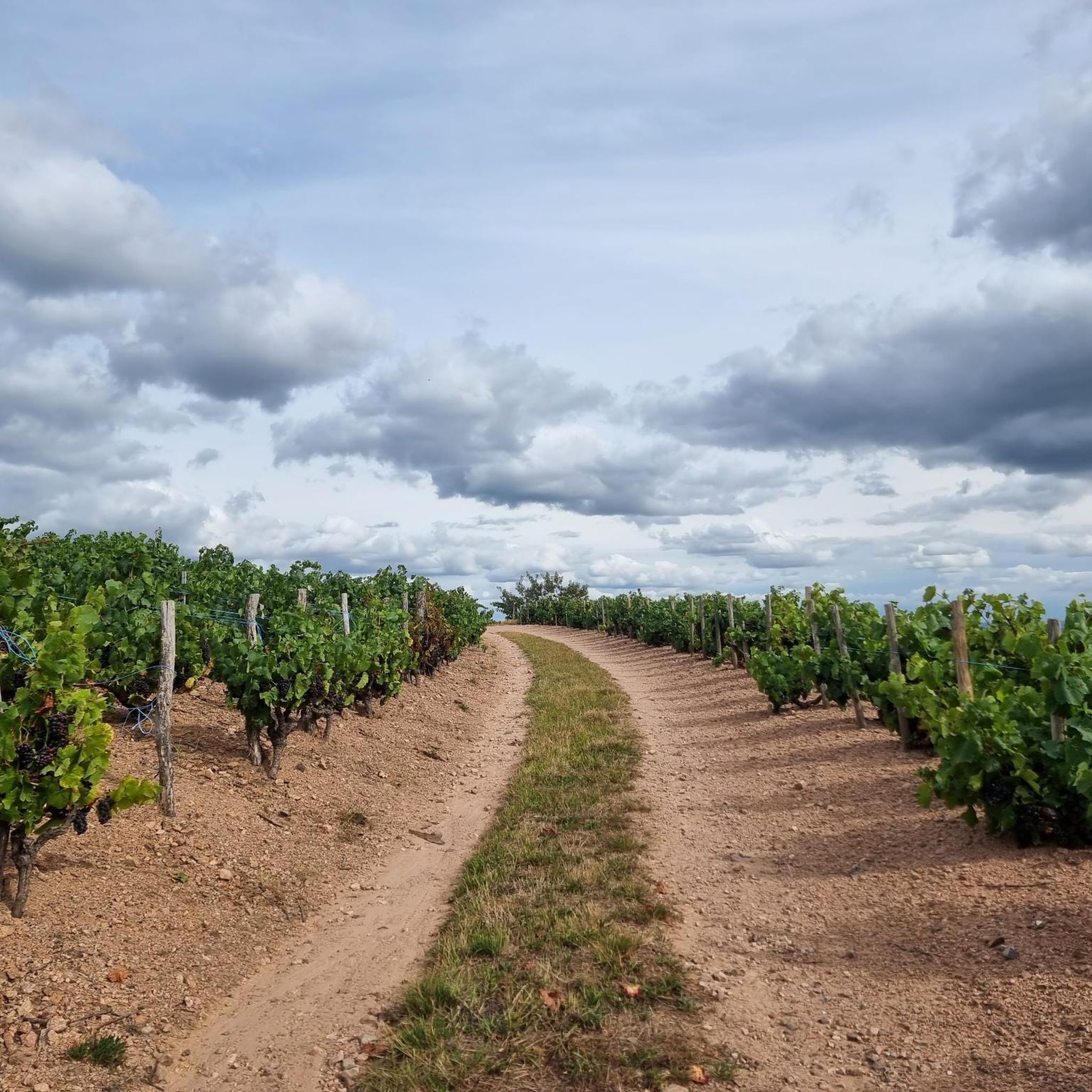
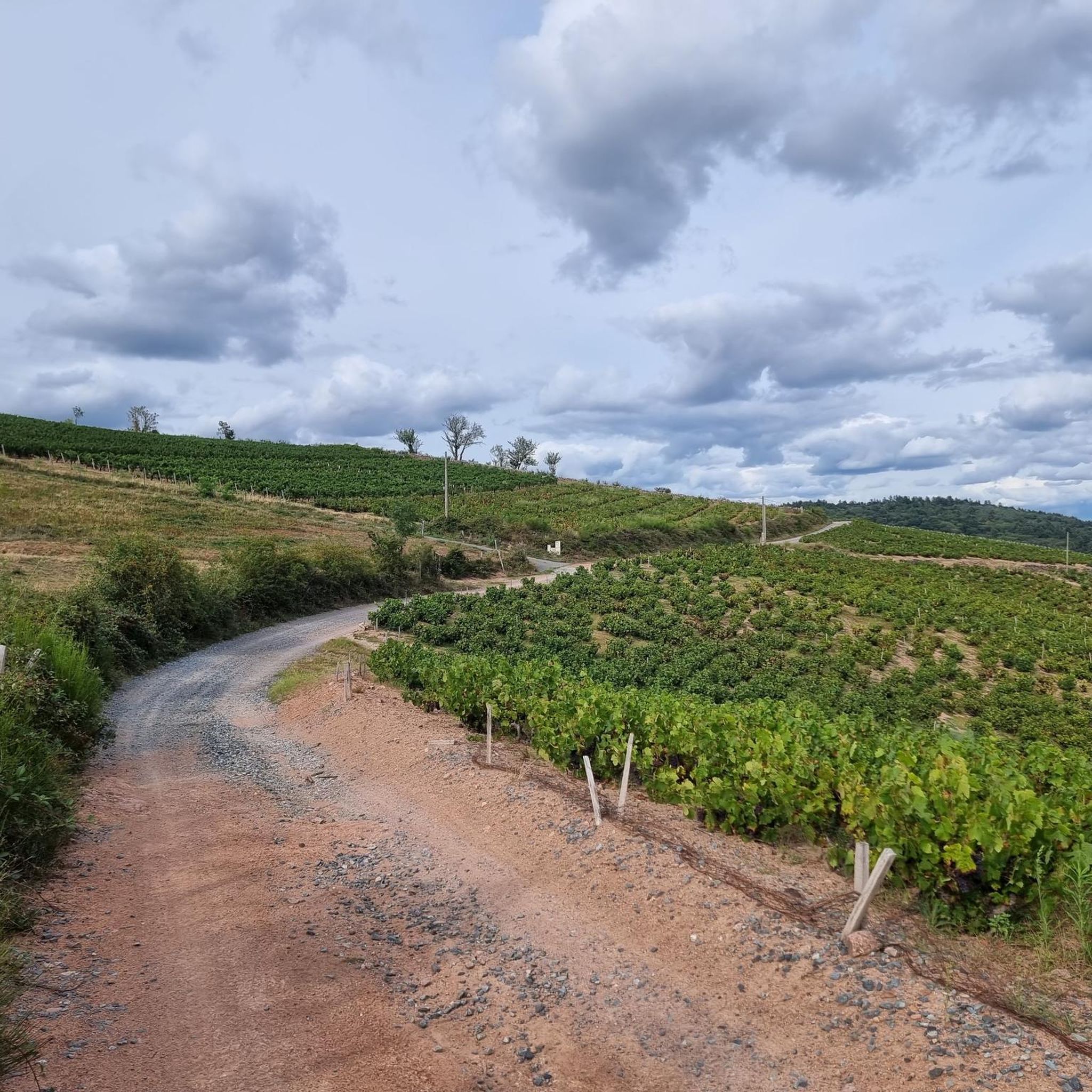
Best natural monuments around Fleurie are found in a village known for its viticultural beauty and geological significance in the Beaujolais region of France. The area features rolling hills, expansive vineyards, and unique pink granite formations. These natural attractions offer opportunities to explore the landscape and understand the interplay between nature and wine production. Fleurie is recognized for its commitment to nature tourism.
Best natural monuments around Fleurie
- The most popular natural monuments is Rémont Mountain, a viewpoint that…
Last updated: October 12, 2026
Rémont Mountain
Highlight • Viewpoint
Translated by Google •
Tip by

Mont Brouilly
Highlight • Summit
Translated by Google •
Tip by
Sign up now to discover places like this
Get recommendations on the best single tracks, peaks, & plenty of other exciting outdoor places.
Mount Pouilly
Highlight • Summit
Translated by Google •
Tip by

Start today with a free account
Your next adventure awaits.
Tips from the Community

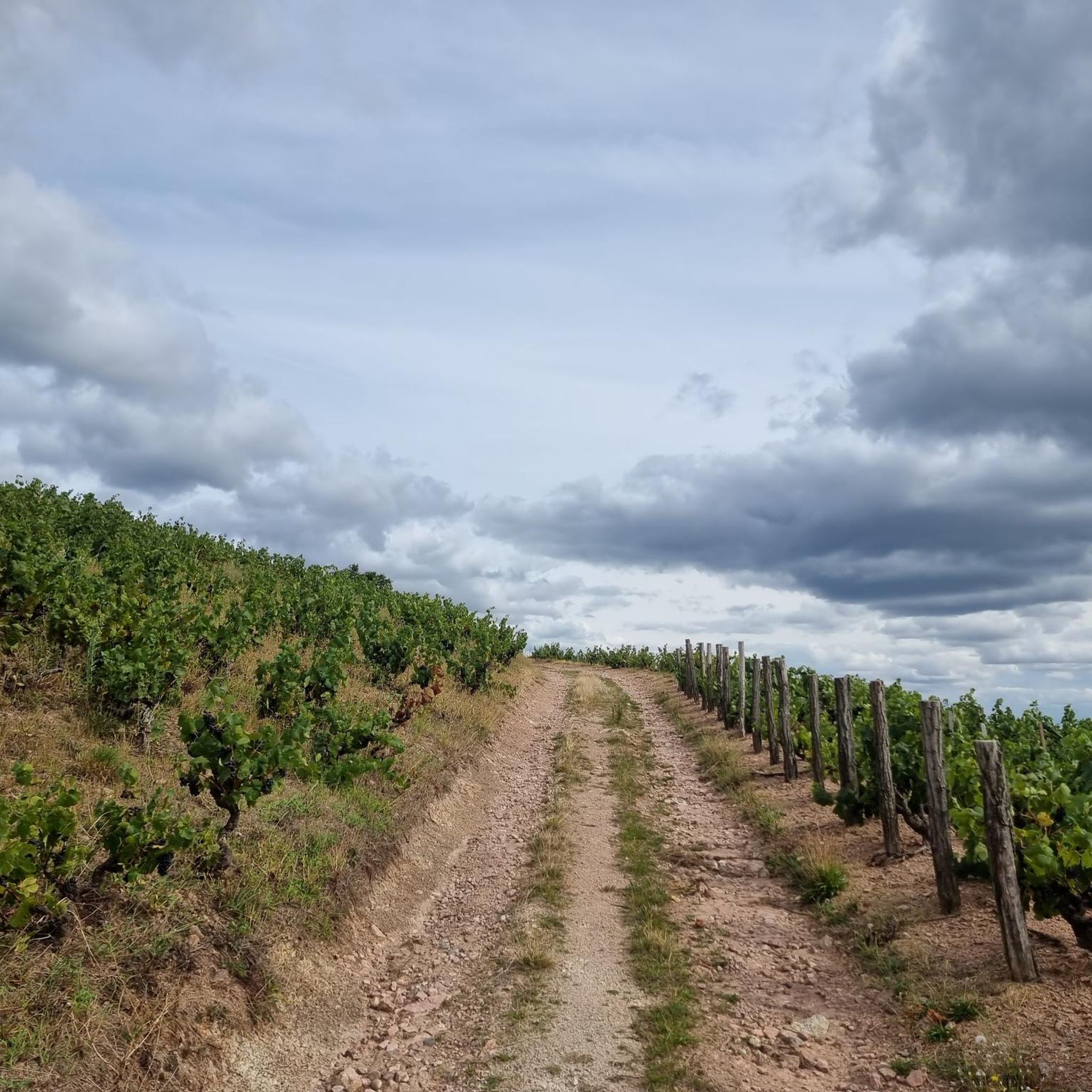
The viewpoint is located in the well-known Beaujolais wine region, in the municipality of Chénas. It is an old stone ruin (historically often referred to as Cabane des Chasseurs or hunter's hut), which has been equipped with a modern metal staircase and a viewing platform. The ruin is located at 515 meters above sea level and offers hikers a spectacular 360-degree panoramic view of the surrounding vineyards and valleys of the region.
2
0

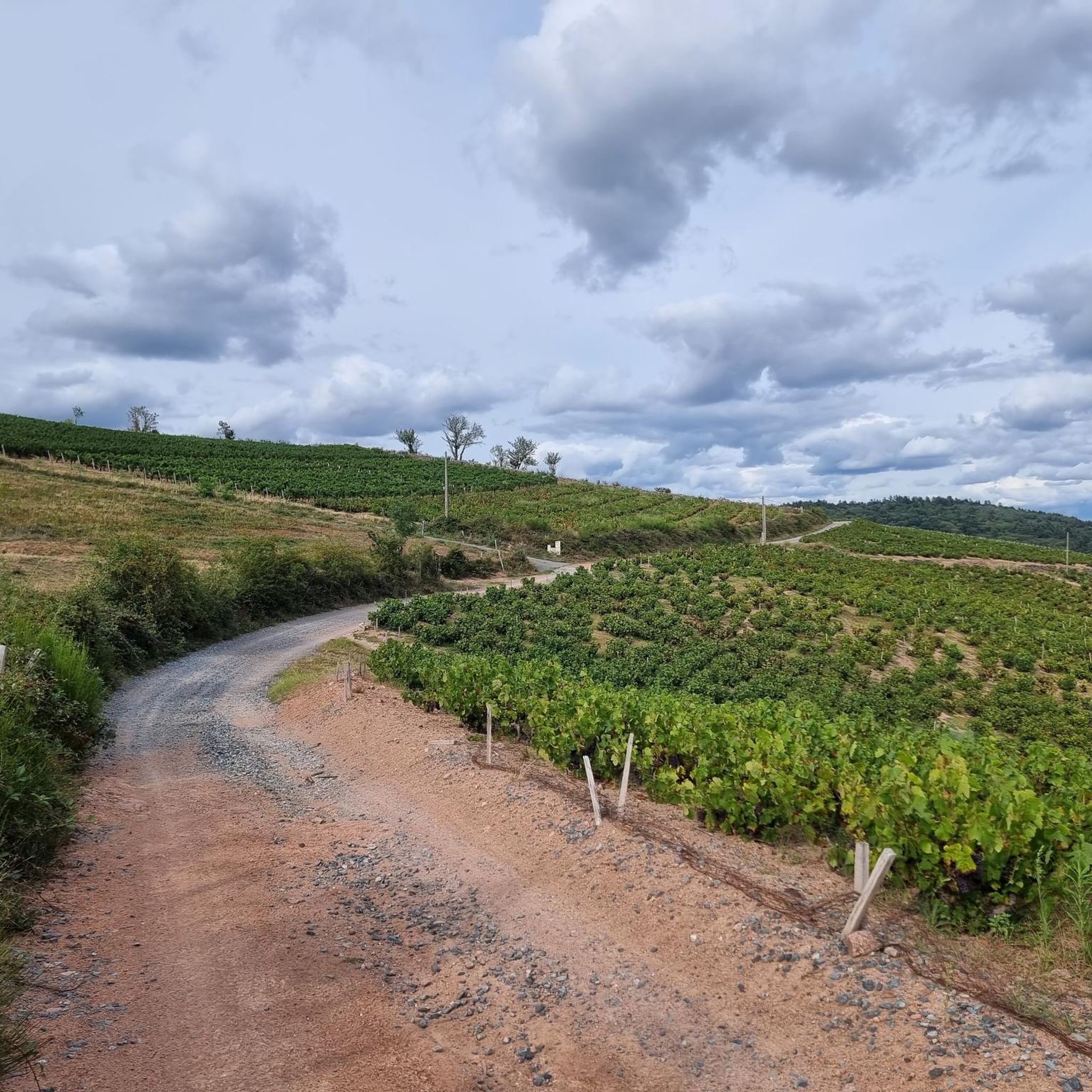
Mont Pouilly 481m above sea level with a magnificent panoramic view
1
0


superb race, a little short this time but can be lengthened as desired
1
0


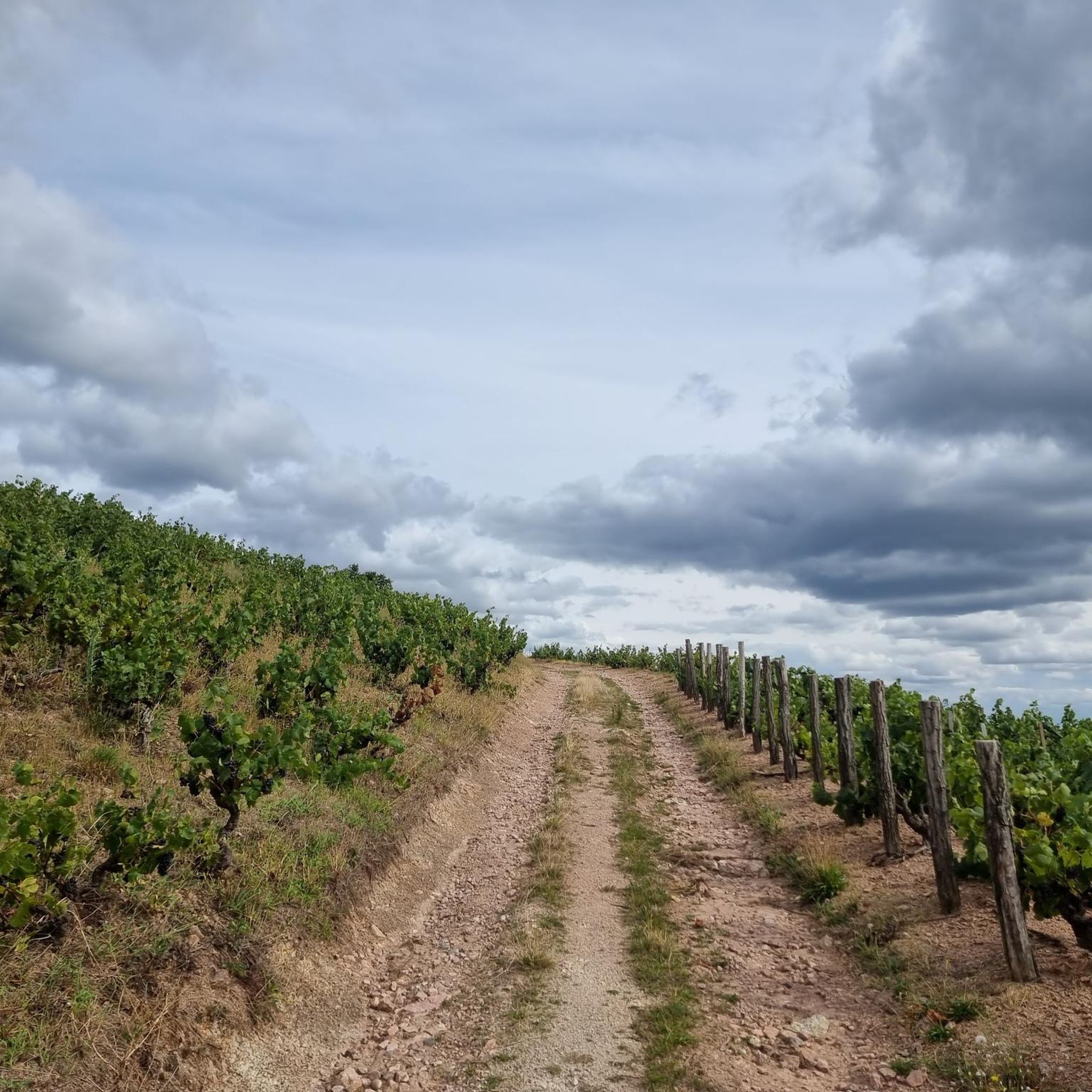
This iconic hill is a must do. It offers breathtaking 360° panoramic views, with its slopes covered in vineyards chosen for their unique volcanic soil which gives the wine of this appellation a distinct taste. At the top, you will also find the Notre-Dame-des-Raisins chapel, built in 1854 to protect the vineyard from bad weather and disease.
2
0
At an altitude of 515 m, the Montagne Rémont offers breathtaking views in all directions. The view from the ruins, which are accessed by a staircase, only adds to the magnificence of the place.
3
1
This iconic hill is a must-visit. It offers breathtaking 360-degree panoramic views with its slopes covered in vineyards chosen because of its unique volcanic soil which gives the wine of this appellation a distinct taste. At the top, you will also find the Notre-Dame-des-Raisins chapel, built in 1854 to protect the vineyard from bad weather and disease.
3
0
Frequently Asked Questions
What are the most popular natural monuments to visit around Fleurie?
Beyond the iconic La Madone Hill, visitors frequently enjoy the panoramic views from Rémont Mountain, which stands at 515 meters above sea level. Another highly rated spot is Mont Brouilly, known for its 360-degree vistas and unique volcanic soil. Mount Pouilly also offers a magnificent panoramic view at 481 meters.
Are there family-friendly natural monuments or activities in Fleurie?
Yes, the ascent to La Madone Hill via the "Sentier des Lys" is an easy and educational walk suitable for families, offering insights into local nature and viticulture. Many of the vineyard trails, which are natural monuments in themselves, are also gentle enough for family strolls, allowing everyone to enjoy the scenic beauty.
What outdoor activities can I do near Fleurie's natural monuments?
The region around Fleurie is perfect for outdoor enthusiasts. You can explore numerous hiking trails, such as the "Madonna Chapel – Fleurie loop" or the "Fleurie – Rémont Mountain loop." Cycling is also popular, with routes like the "Fleurie – Windmill loop" offering scenic rides through the vineyards. For more challenging adventures, there are MTB trails, including the "Madonna Chapel – Rémont Mountain loop." You can find detailed routes and guides for hiking, cycling, and MTB around Fleurie.
What is the best time of year to visit the natural monuments in Fleurie?
The spring and autumn months are ideal. In spring, the vineyards burst into life, and the weather is pleasantly mild for hiking and cycling. Autumn offers stunning colors as the leaves change, and it's also harvest season, adding to the vibrant atmosphere. While beautiful, summer can be hot, and winter trails might be less accessible depending on conditions.
What unique natural features define the Fleurie landscape?
Fleurie is primarily defined by its unique pink granite terroir, which makes up over 90% of its soil. This geological foundation shapes the landscape and contributes to the distinct characteristics of Fleurie wines. The rolling vineyard landscapes and hills, including peaks like Fût d'Avenas and Col de Durbize, are also integral natural features, offering stunning vistas and diverse ecosystems.
Are there any natural monuments around Fleurie that are dog-friendly?
Most natural trails and outdoor areas around Fleurie, including the paths leading to La Madone Hill and through the vineyards, are dog-friendly. It's always recommended to keep your dog on a leash, especially in vineyard areas or near wildlife, and to carry waste bags to maintain the natural beauty of the sites.
How long should I plan to explore the natural monuments in Fleurie?
For a comprehensive experience, plan at least a full day to explore a few key sites like La Madone Hill and one of the higher viewpoints such as Rémont Mountain or Mont Brouilly. If you wish to combine this with hiking or cycling through the vineyards, a weekend or several days would allow for a more relaxed and in-depth exploration of the region's natural beauty.
Where can I find parking near the natural monuments in Fleurie?
Parking is generally available in Fleurie village, from where you can access many trails leading to the natural monuments. For specific sites like La Madone Hill, there are often small parking areas closer to the base of the ascent. For other viewpoints like Mont Brouilly, designated parking lots are usually available at the summit or nearby access points.
What kind of wildlife can I expect to see around Fleurie's natural monuments?
The vineyards and surrounding hillsides are home to various birds, small mammals like rabbits and foxes, and insects. Keep an eye out for local bird species while hiking. The diverse flora, especially in spring and summer, also adds to the natural beauty and supports this wildlife.
Are there any cafes or restaurants near the natural monuments for a break?
While the natural monuments themselves are often remote, the village of Fleurie offers several cafes and restaurants where you can enjoy a meal or a drink. Many wineries also offer tastings and sometimes light refreshments. It's a good idea to plan your visit to coincide with a stop in the village or carry a picnic to enjoy at a scenic viewpoint like Rémont Mountain.
What makes the vineyard landscapes around Fleurie a natural monument?
The vineyard landscapes are considered natural monuments due to their unique geological formation, shaped by millennia of magmatic and tectonic activity, and their profound ecological and cultural significance. The interaction between the pink granite terroir, the rolling hills, and the viticulture creates a distinctive and beautiful environment that is both natural and historically cultivated, contributing to the region's renowned wines.
Can I find information about Fleurie's natural monuments in other languages?
Yes, for additional information about Fleurie and its natural attractions, you can visit the official tourism websites. Beaujolais Tourisme and Visit Beaujolais often provide content in English and other languages, offering more context on the region's natural heritage.
Most popular routes around Fleurie
Most popular attractions around Fleurie

Get inspired with the komoot mobile app


Explore more
Extend your search for the best caves by checking out these guides of the top ones around Fleurie:
