The best traffic-free bike rides in Rüthnicker Heide
5.0
(1)
23
riders
3
rides
No traffic gravel bike trails in Rüthnicker Heide traverse a diverse landscape characterized by extensive forests, open heathlands, and sandy dry grasslands. The region, spanning approximately 97.5 km², features a mix of dense woodlands, including efforts to convert pine monocultures into natural deciduous and mixed forests. Varied terrain, including sandy paths and former military training grounds, provides a unique environment for gravel biking. This largely unpopulated area offers an immersive natural experience with varied surfaces suitable for gravel bikes.
Best…
Last updated: May 10, 2026
1
riders
74.9km
04:24
250m
250m
Hard gravel ride. Good fitness required. You may need to push your bike for some segments of this route.
5.0
(1)
19
riders
69.4km
04:33
380m
380m
Hard gravel ride. Good fitness required. You may need to push your bike for some segments of this route.

Sign up for free
2
riders
53.0km
03:20
140m
140m
Moderate gravel ride. Good fitness required. Mostly paved surfaces. Suitable for all skill levels.
Our route recommendations are based on thousands of hikes, rides, and runs completed by other people on komoot.
Start today with a free account
Your next adventure awaits.
Login or Signup
Popular around Rüthnicker Heide

Tips from the Community

Originally it was a classic water mill. Today it is decommissioned as a grain mill, but still possesses complete milling technology (formerly with a turbine). Since about 1928/1936 it has been operated electrically. The preserved water wheel (an undershot Straub wheel) still turns occasionally for demonstration purposes or lies in the flow.
0
0

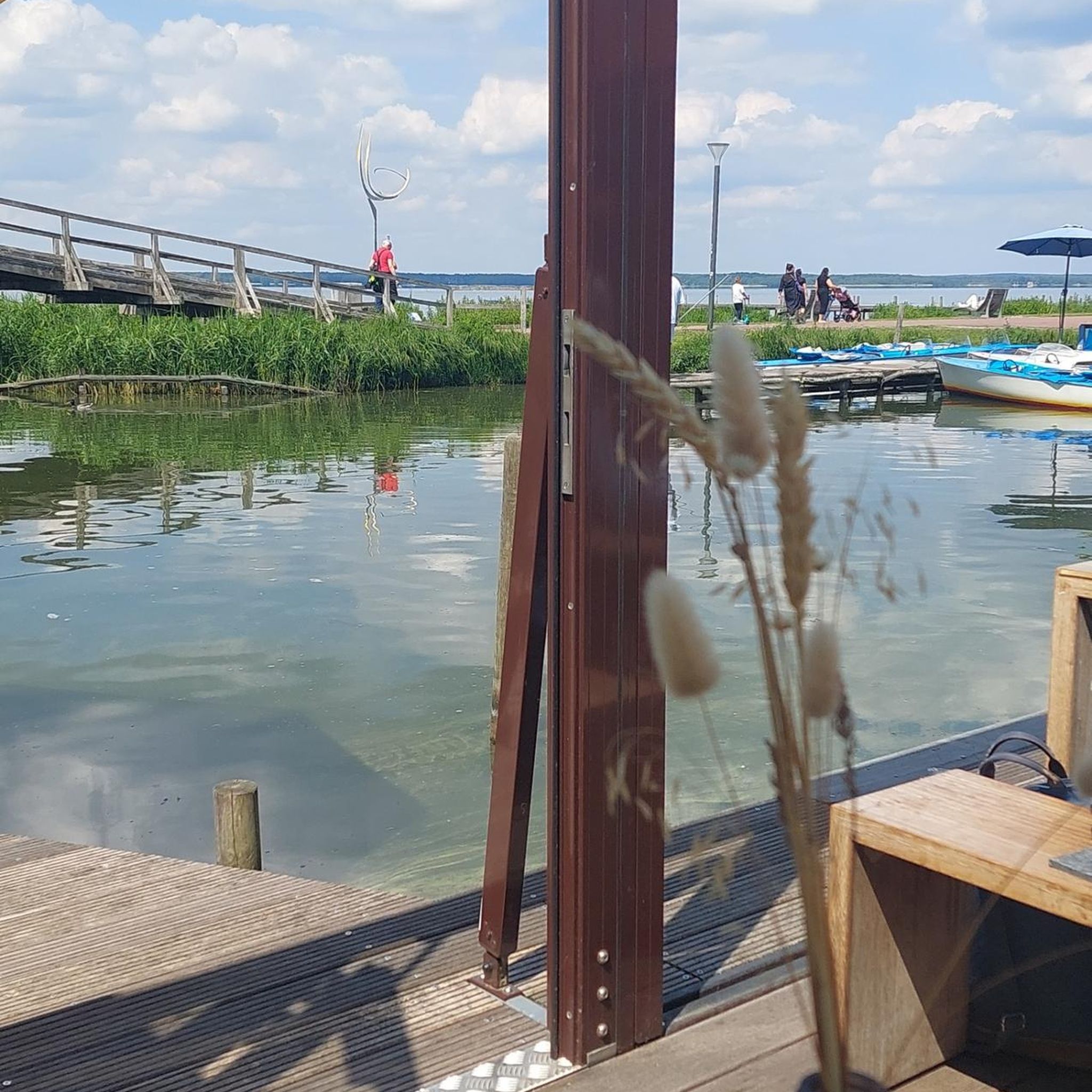
Most of the lakes in the Ruppiner Land region are worth a visit. They are surrounded by pine forests and, in good weather, reflect the typical North German sky.
0
0

Castle tours are generally possible on Wednesdays outside of school holidays. The annual Wustrau Lake Festival at the castle's lakeside stage also invites you to discover the knight's seat. The grave of the hussar general is located on the north side of the Wustrau Church. The Brandenburg-Prussia Museum today bears witness to the region's history.
4
0
The 129-kilometer-long Rhin is a right tributary of the Havel in Brandenburg and, with a catchment area of 1,780 km², the third largest.
3
0
This is the way to Lake Molchow. A quiet body of water with some lovely swimming spots.
3
0
There are hardly any examples of this left in Brandenburg. A little Dutch style.
3
0
The river rises in the Ostprignitz-Ruppin district, about 8.5 kilometers west of Rheinsberg. Its source lies on the southern edge of the Mecklenburg Lake District in the Rheinsberg Lake District, just a few hundred meters west of the small settlement of Wallitz. From there, the Rhin flows through several small and large lakes (Bramin, Kagar, Dollgow, Schlaborn, Rheinsberger, and Grienericksee) to Rheinsberg. This more traditional version is contradicted by scientific research, according to which the Rhin rises in Lake Twern, about twelve kilometers northwest of Rheinsberg, and flows via Lake Rochow, Lake Giesenschlag, Lake Zootzen, and Lake Tietzow into Lake Schlaborn.
3
0

There is a very nice, easy-to-walk circular path around the lake.
0
0
Frequently Asked Questions
How many no-traffic gravel bike trails are available in Rüthnicker Heide?
There are currently 4 dedicated no-traffic gravel bike trails listed in Rüthnicker Heide, offering a range of distances and difficulties for a peaceful riding experience.
What kind of terrain can I expect on the no-traffic gravel trails in Rüthnicker Heide?
The trails in Rüthnicker Heide offer a diverse mix of terrain. You'll encounter extensive forest roads, sandy paths through open heathlands, and some sections with sand dry grasslands. The region's past as a military training ground has left varied surfaces, making it ideal for gravel biking away from traffic.
Are there any long-distance no-traffic gravel routes in Rüthnicker Heide?
Yes, Rüthnicker Heide offers several longer no-traffic gravel routes. For example, the Gudelack Lake in Lindow – Lake Stechlin loop from Herzberg (Mark) is a challenging 74.9 km ride, and the Alt Ruppin Lock – Kalksee loop from Wustrau-Radensleben covers nearly 70 km, both providing extensive car-free cycling.
What are some interesting landmarks or points of interest along the no-traffic gravel routes?
While cycling the no-traffic gravel trails, you can discover remnants of the region's military past. Look out for the Abandoned NVA bunker and ruins or the Ruins of the Former Shooting Range Rüthnicker Heide. These historical sites add a unique dimension to your ride through the natural landscape.
What is the best time of year to gravel bike in Rüthnicker Heide?
Rüthnicker Heide is enjoyable for gravel biking throughout much of the year. Spring and autumn offer pleasant temperatures and beautiful scenery with changing foliage or blooming heathlands. Summer provides shaded routes through the extensive forests. Winter can be ridden, but some sandy sections might be more challenging if wet or frozen.
Are the no-traffic gravel trails in Rüthnicker Heide suitable for families?
While the listed no-traffic gravel routes are generally moderate to difficult in terms of length and elevation, the car-free nature of the trails makes them inherently safer for families. Shorter sections of the Cycle Path Between Löwenberg and Teschendorf might be suitable for younger riders, but full routes require a good level of fitness.
Can I bring my dog on the gravel bike trails in Rüthnicker Heide?
Yes, dogs are generally welcome on the trails in Rüthnicker Heide. However, as the area is rich in wildlife, including fallow deer and various bird species, it's important to keep your dog on a leash, especially in forested and heathland areas, to protect the local fauna and ensure a peaceful experience for all users.
What is the typical difficulty level of the no-traffic gravel bike trails?
The no-traffic gravel bike trails in Rüthnicker Heide range from moderate to difficult. For instance, the Bolten Mill – View of the Rhin River loop from Herzberg (Mark) is rated moderate, while the Gudelack Lake in Lindow – Lake Stechlin loop from Herzberg (Mark) is considered difficult due to its length and elevation changes. Riders should be prepared for varying surfaces, including sandy sections.
Are there any facilities or shelters along the routes?
While Rüthnicker Heide is largely an unspoiled natural area, you might find basic facilities. For example, there is a Wooden Forest Shelter and another Shelter in the forest that can offer a brief respite during your ride. It's advisable to carry sufficient water and snacks as amenities are sparse.
What do other gravel bikers say about the no-traffic trails in Rüthnicker Heide?
The komoot community highly rates the experience in Rüthnicker Heide, with an average score of 5.0 stars. Riders often praise the quiet, immersive nature of the trails, the diverse landscapes ranging from dense forests to open heathlands, and the unique historical elements found along the routes, all contributing to a truly car-free adventure.
Are there any shorter, less demanding no-traffic gravel routes for beginners?
While most listed routes are longer and rated moderate to difficult, the Wustrau Castle – View of the Rhin River loop from Wustrau-Radensleben is the shortest at 52.9 km and rated moderate, making it a good starting point for those looking for a substantial but manageable no-traffic gravel ride. The car-free environment ensures a relaxed pace.
Most popular routes in Rüthnicker Heide
Most popular attractions in Rüthnicker Heide

Get inspired with the komoot mobile app


Explore more
Browse the best Gravel rides in other regions.
