Attractions and Places To See around the Caledonian Canal - Top 20
Attractions and places to see around the Caledonian Canal traverse the Scottish Highlands, linking the east coast at Inverness with the west coast near Fort William. This waterway, constructed in the early 19th century, utilizes a series of man-made channels and natural lochs. The region offers a variety of significant landmarks, natural features, and cultural sites.
Best attractions and places to see around the Caledonian Canal
- The most popular attractions is Caledonian Canal, a man-made monument that stretches 60 miles through Scotland's scenery. Only one-third of the canal is man-made, as it flows through many lochs en route.
- Another must-see spot is Neptune's Staircase, a flight of eight locks on the Caledonian Canal. This engineering feat raises the canal by 62 feet over a quarter of a mile and takes approximately 90 minutes for a boat to travel.
- Visitors also love End of the West Highland Way (Fort William), a settlement that marks the conclusion of the 96-mile West Highland Way. Fort William serves as a hub for outdoor activities and offers access to Ben Nevis.
- Caledonian Canal is known for its historical sites, engineering marvels, and natural features. The area provides a range of attractions, including castles, shipwrecks, and scenic viewpoints.
- The attractions around the Caledonian Canal are appreciated by the komoot community, with over 360 upvotes and 16 photos shared by visitors.
Last updated: October 10, 2026
End of the West Highland Way (Fort William)
Highlight • Settlement
The town has many excellent places to eat and drink, as well as a huge range of accommodation choice. It also gives access to Glen Nevis, which is where many approaches to the Ben, as well as routes in the fantastic Mamores range, start.
Tip by

Neptune's Staircase
Highlight • Structure
The flight of eight locks raise the water level on the Caledonian Canal by 62 feet (19 m), and takes boats approximately 90 minutes to navigate this short stretch. This is the longest flight of locks in Great Britain.
Tip by

Sign up now to discover places like this
Get recommendations on the best single tracks, peaks, & plenty of other exciting outdoor places.
Neptune's Staircase Locks
Highlight • River
Translated by Google •
Tip by

Henry Ford Model T Statue at West Highland Museum
Highlight • Monument
Translated by Google •
Tip by

Corpach Shipwreck
Highlight • Viewpoint
Built in 1975, it was a fishing vessel that operated in the North Sea. After it retired, there were plans to turn it into a restaurant while it was moored in Kinlochleven. However, this never came to fruition and the vesel was moved to Camusnagaul Bay in 2009.
Then, on 8th December 2011, it was torn from its mooring by a monumental storm. Today, it sits as an evocative landmark on the beach between Corpach and Caol.
Tip by
Inverlochy Castle Ruins
Highlight • Historical Site
This new fort was then replaced by a stone fort called ‘Fort William’ and the town that grew around it went on to take the same name. The ruins are a fascinating place to explore and there are lots of information boards so you can learn about the history.
Tip by

Camusnagaul Ferry Landing
Highlight • Settlement
There is a small circular walk very close by through Crofters Woods.
Translated by Google •
Tip by
St Andrew’s Church, Fort William
Highlight • Religious Site
"St Andrew’s is Fort William‘s Scottish Episcopal Church, occupying its own little, green oasis opposite an ugly shopping parade at the northeast end of the High Street. The present building dates to the late 19th century – taking the place of an earlier Episcopal church on the same site – and has an attractive interior further enhanced by the ornate baptistery and font at the rear of the church." Info taken from sobt.co.uk/st-andrews-church-fort-william - the 'Scotland Off the Beaten Track' website that also offers some good pictures of the church. Further info can be found on undiscoveredscotland.co.uk/fortwilliam/standrews/index.html or scotland.anglican.org/church/st-andrew-fort-william which gives details about the services.
Tip by

Fort William Jacobite Steam Train Station
Highlight • Historical Site
Tip by
Caledonian Canal
Highlight • Monument
Built in 1822, the canal was used to transport goods until 2005. Today, it is a Scheduled Ancient Monument and attracts many visitors each year.
Tip by

Sign up for free to discover even more attractions around the Caledonian Canal.
Already have an account?
Start today with a free account
Your next adventure awaits.
Popular around Caledonian Canal
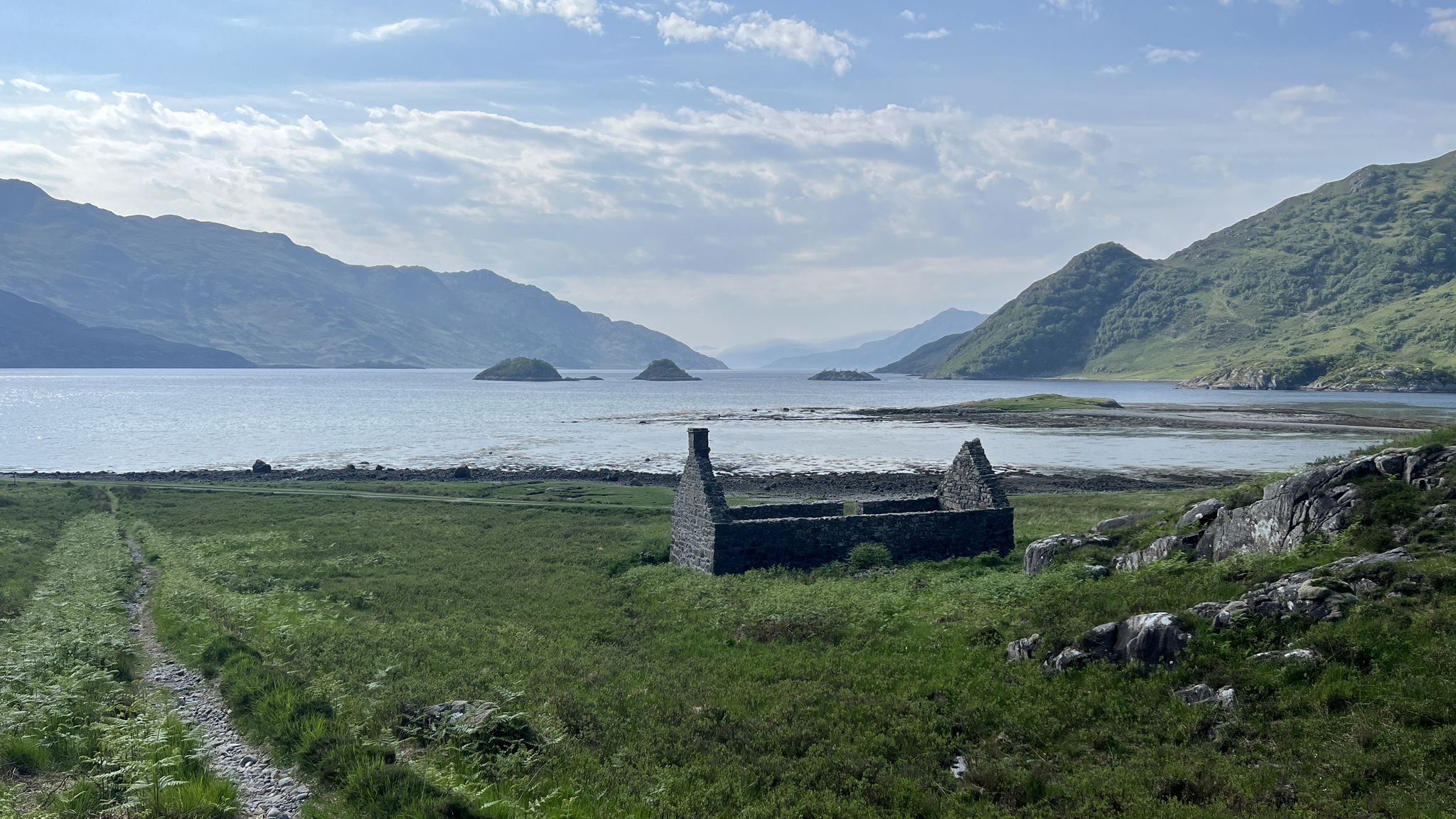
Cape Wrath Trail – Scotland’s wildest and most spectacular hiking route
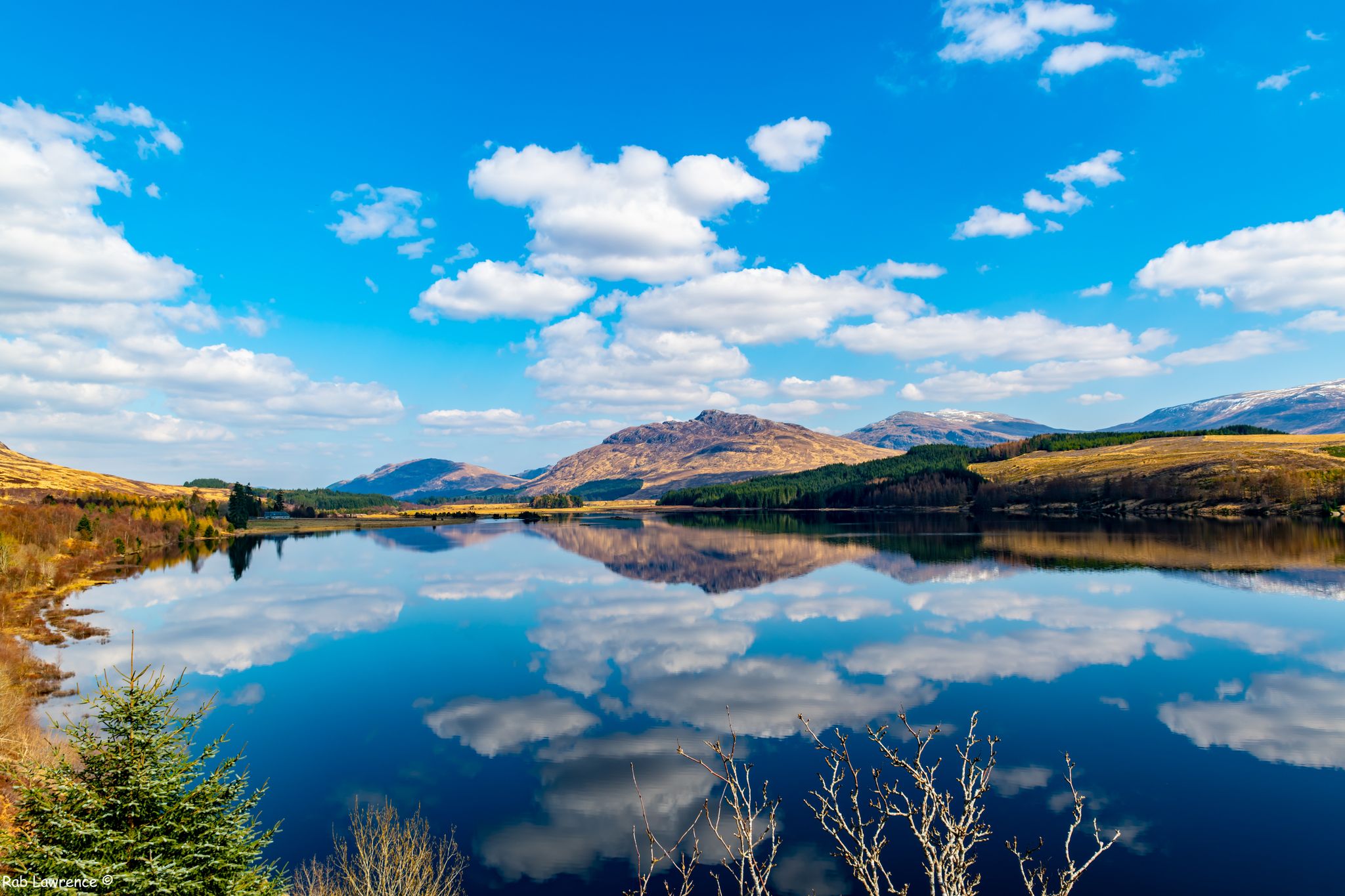
East Highland Way — Hike through Scotland's remote, mountainous heart
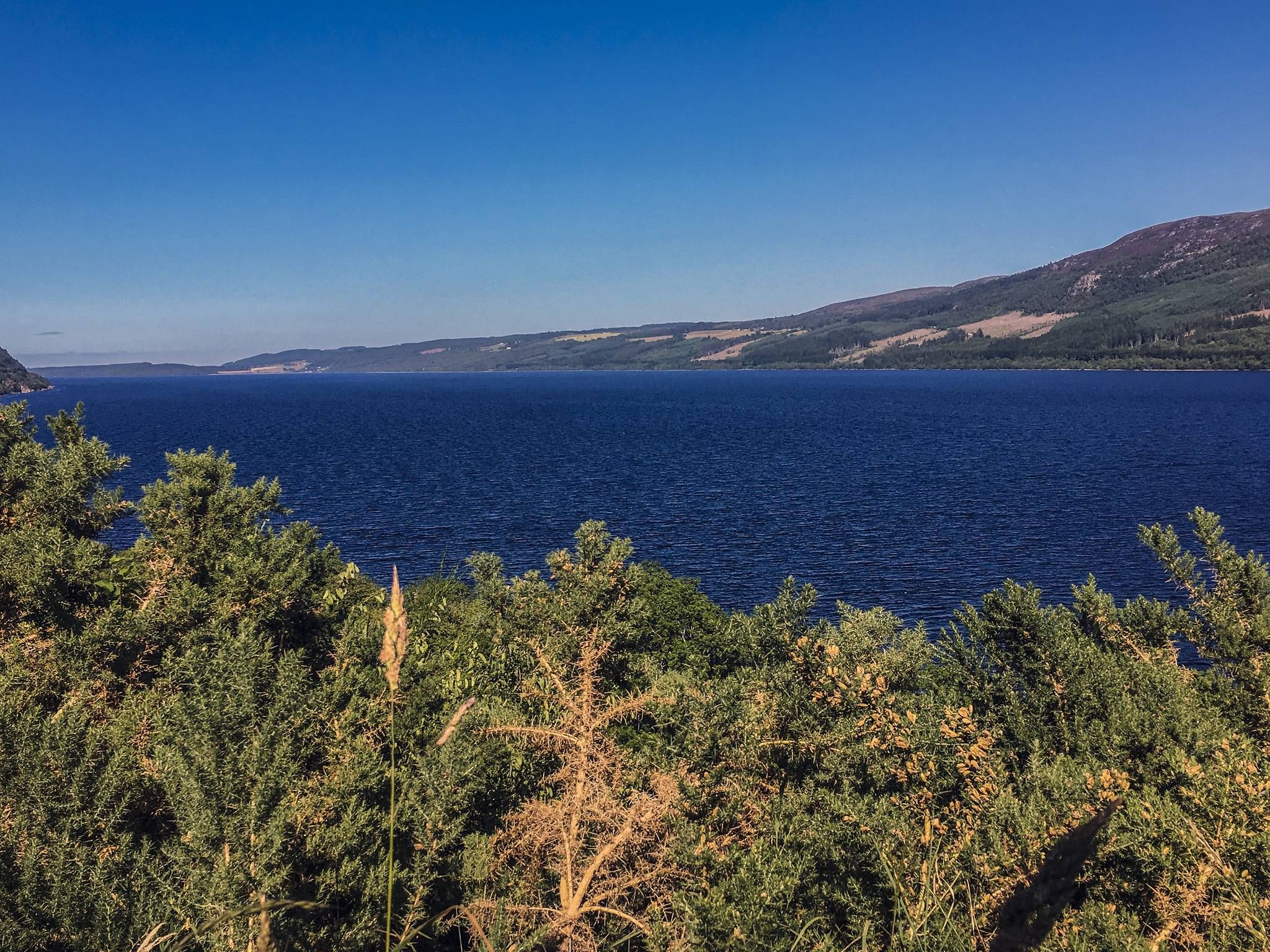
Caledonia Way – Cycling Coast to Coast through the Scottish wilds
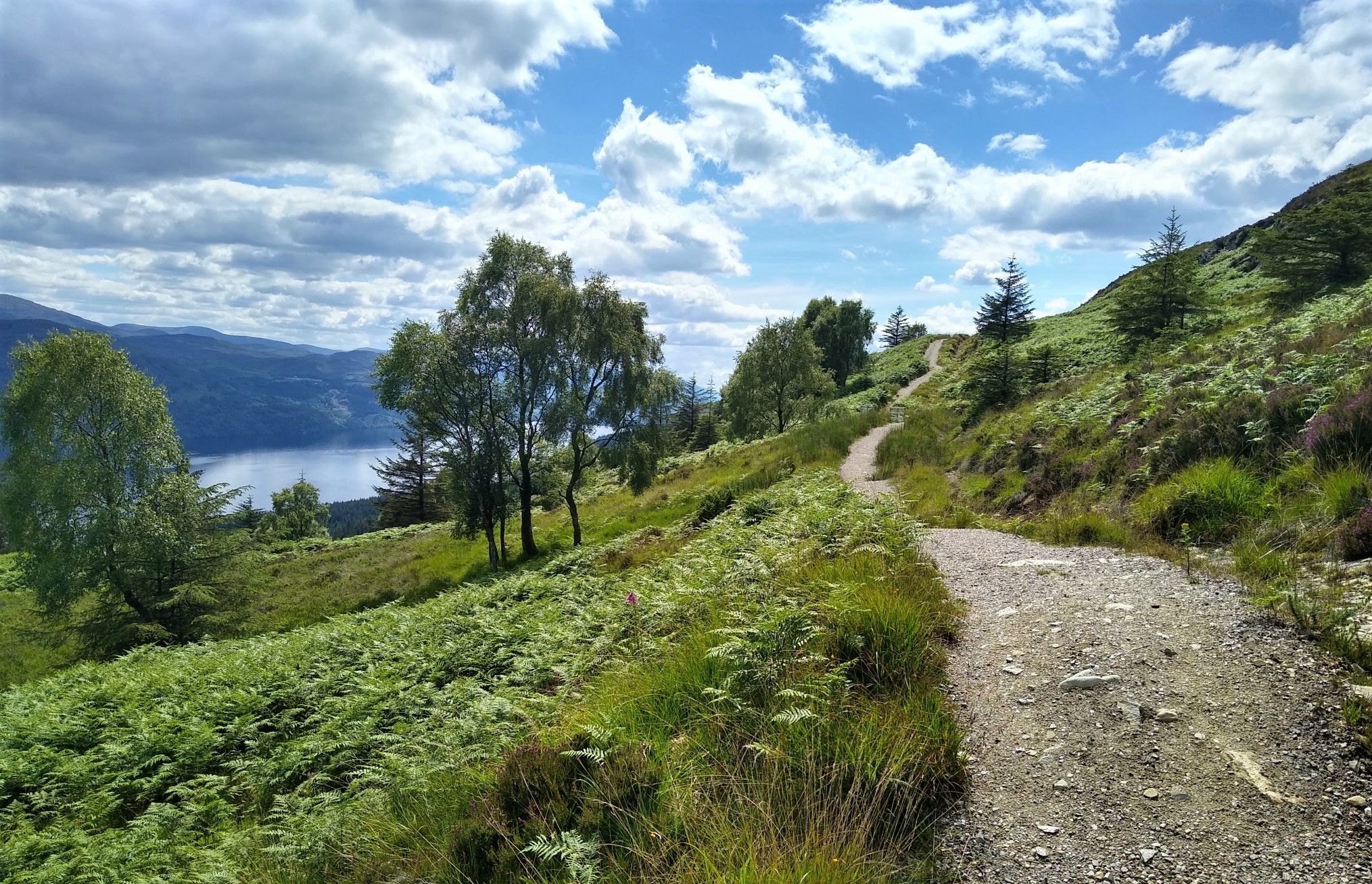
Great Glen Way: An epic coast-to-coast across the Highlands
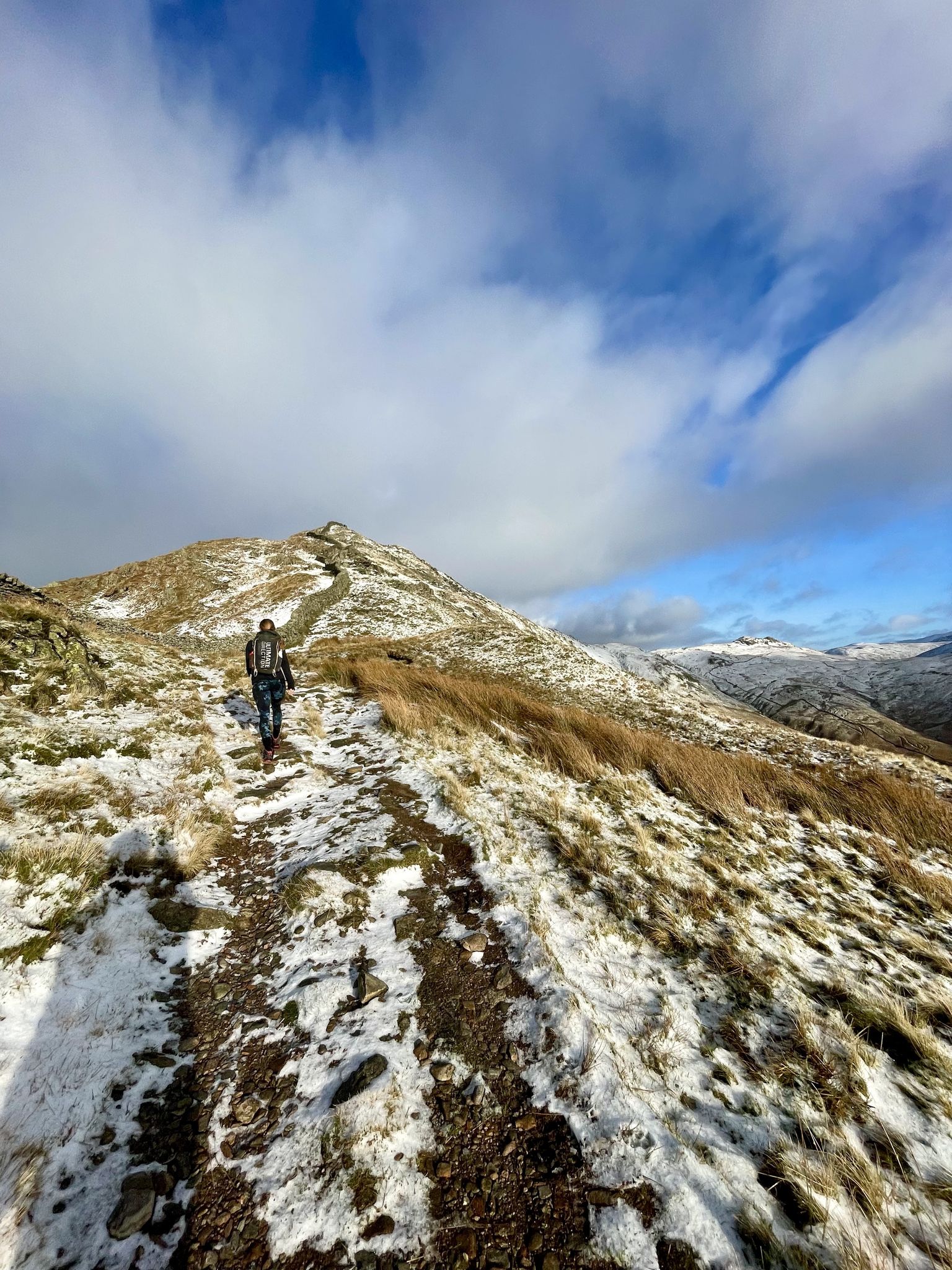
Walk Britain – 90 car-free adventures in England, Wales and Scotland
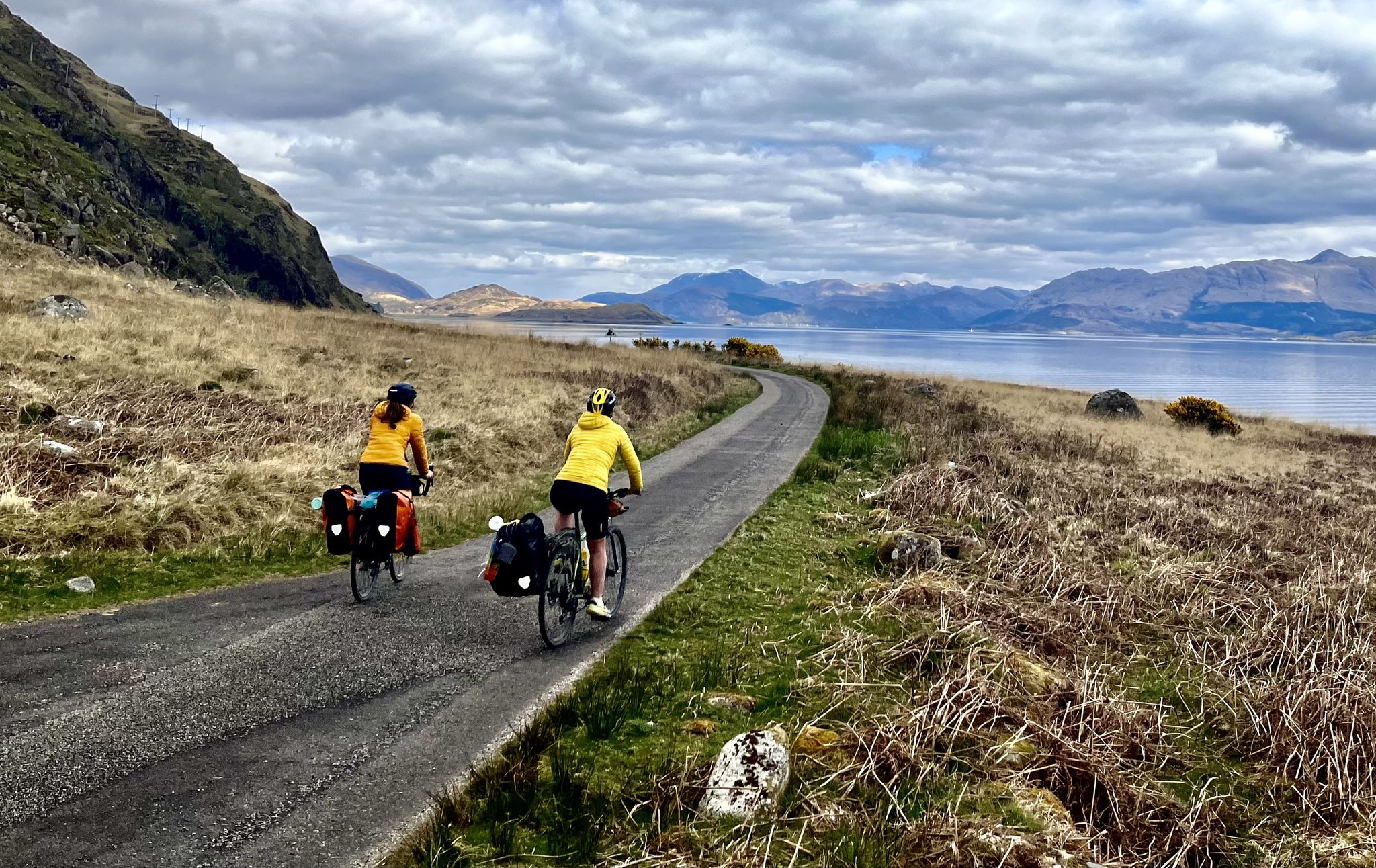
Lochs, forests and mountain huts — Highlands bothy loop
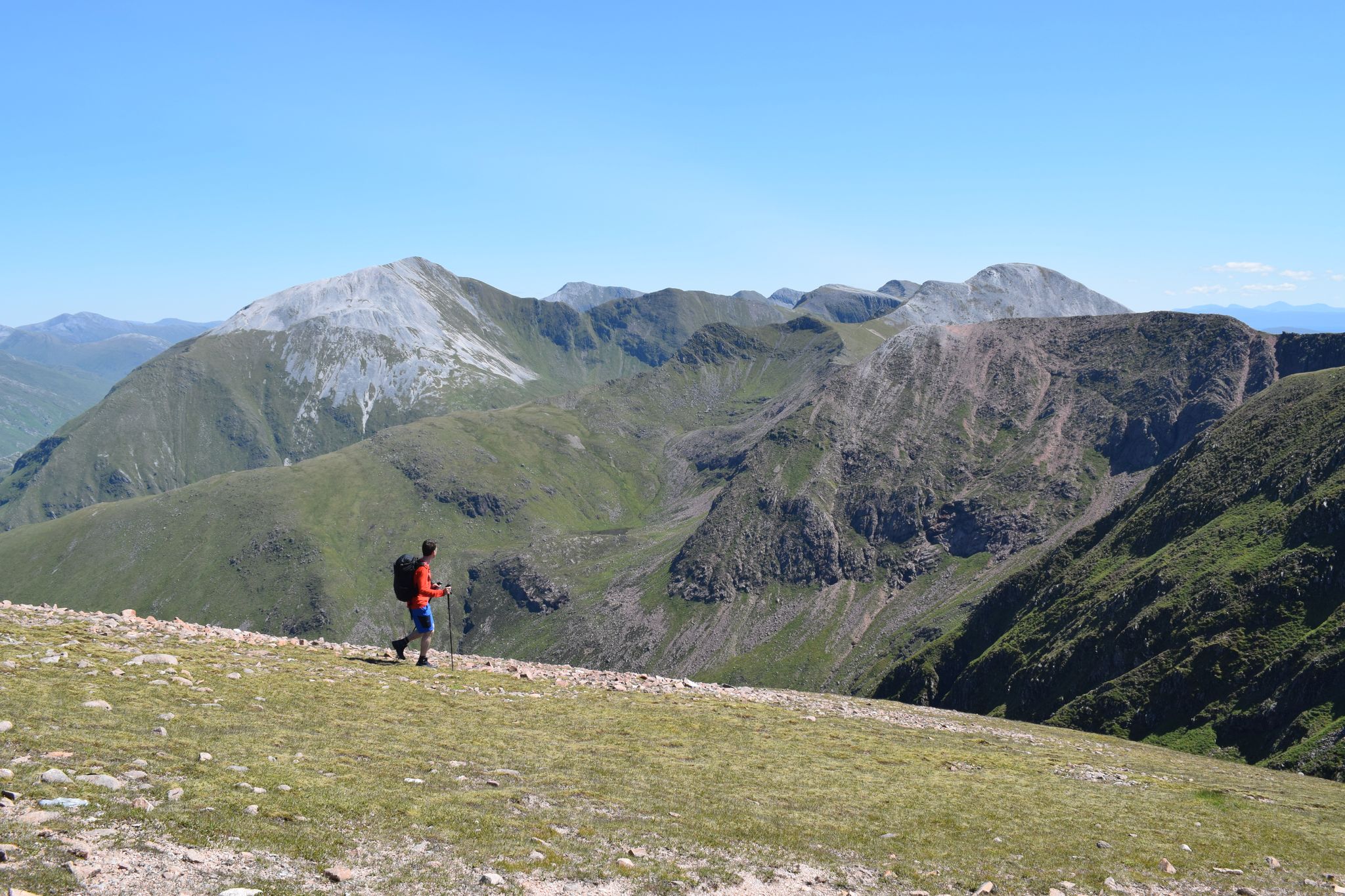
Discover the heart of the Highlands – hiking in Glen Nevis
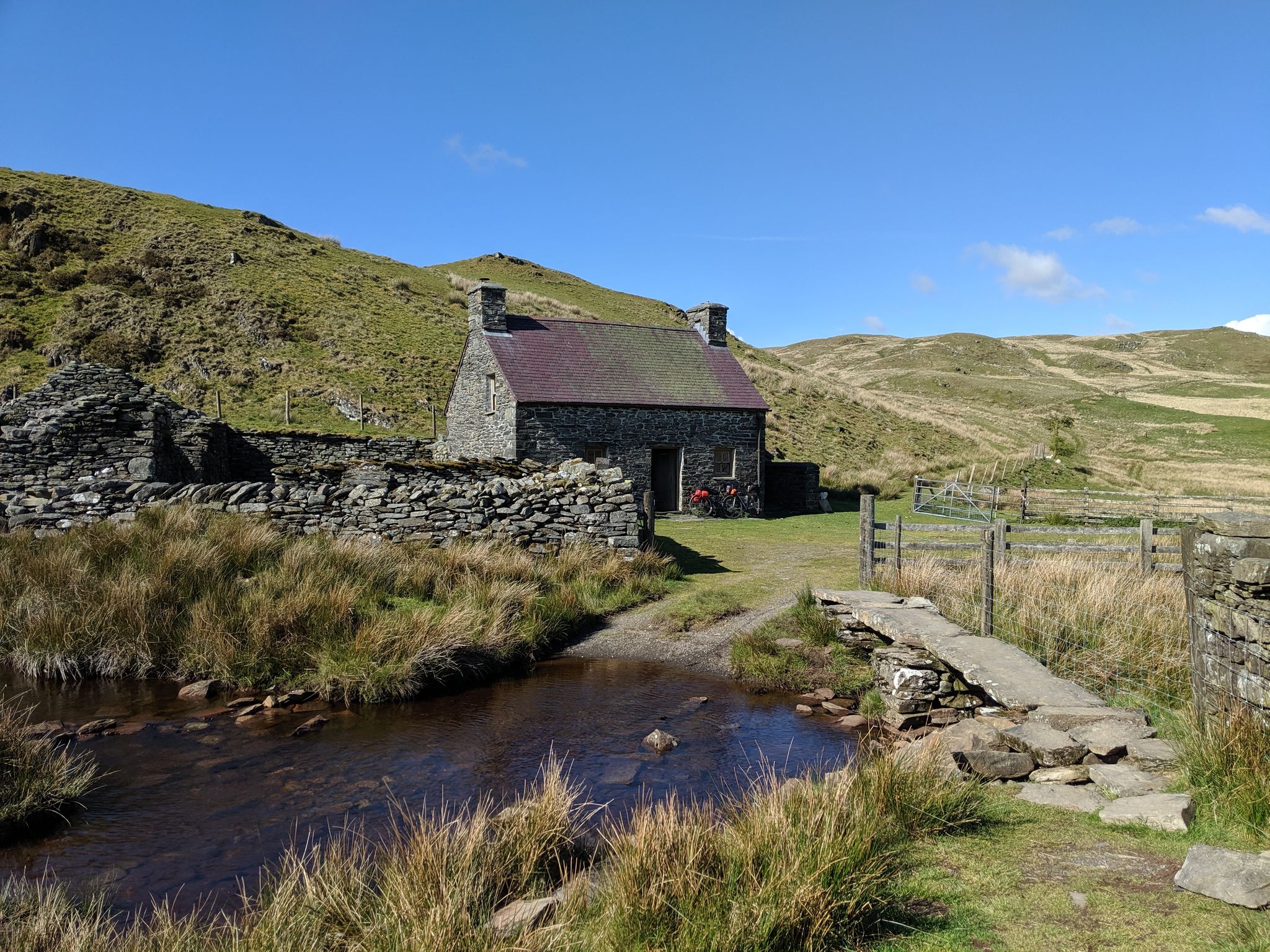
Bikepacking the best of British Bothies
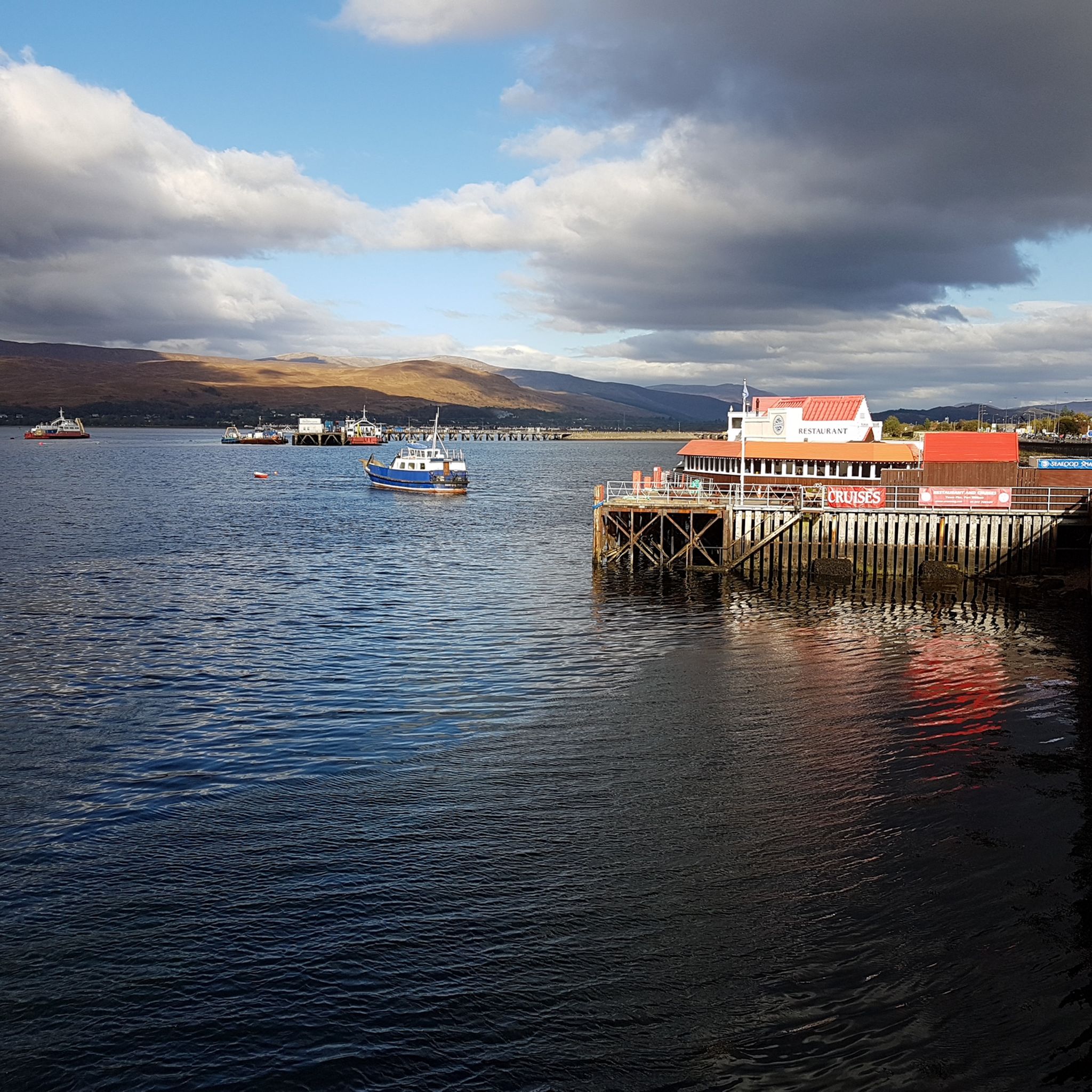
Hiking around the Caledonian Canal
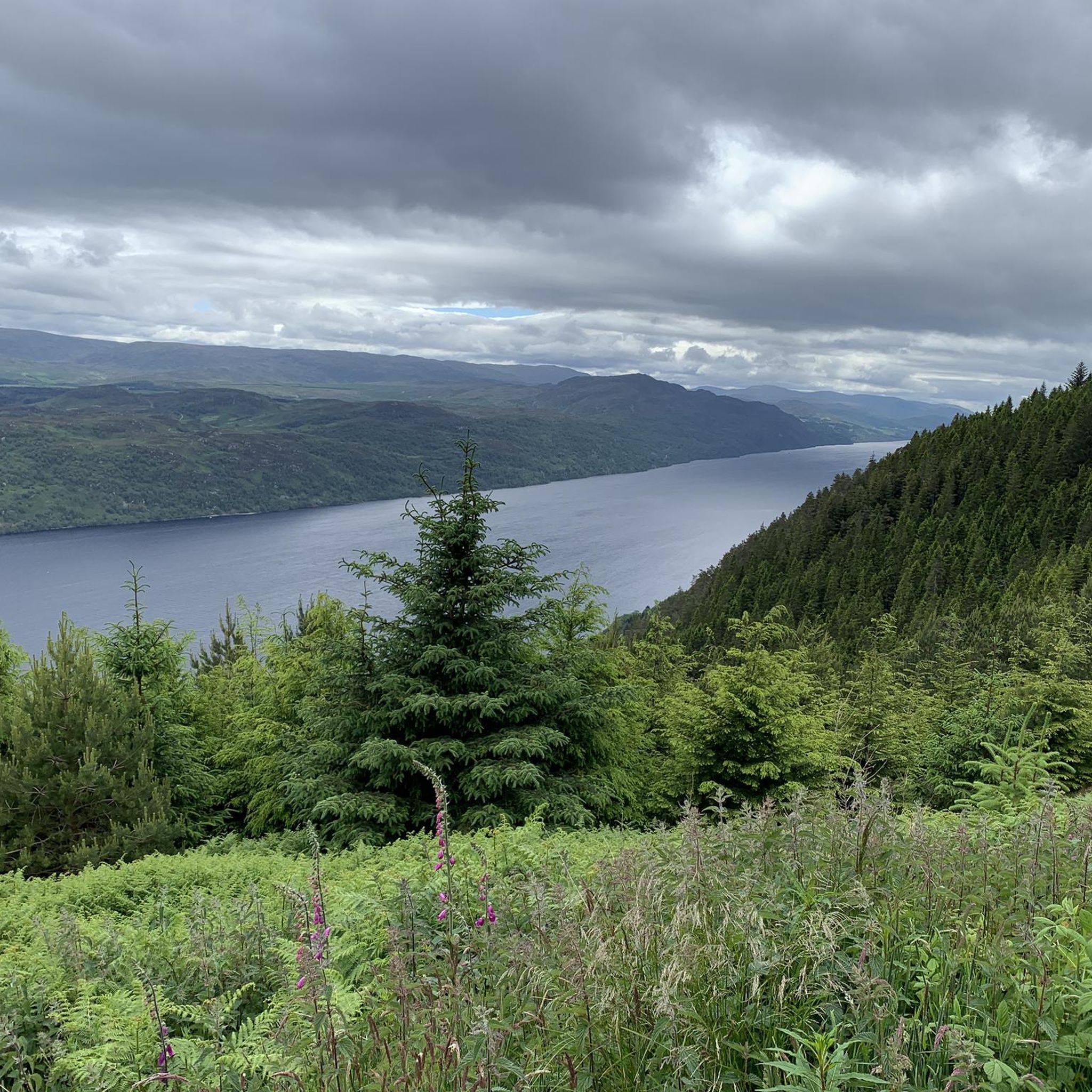
Cycling around the Caledonian Canal
Other adventures around the Caledonian Canal


Tips from the Community

End marked with a sign. Makes for a beautiful photo subject.
8
0

Entering the castle at this strategically important location is currently not possible due to renovation work.
3
0

NEPTUNE would never have dreamed that he would become the - albeit unofficial - namesake of a building in the Scottish Highlands. After all, he actually comes from somewhere else entirely, namely the Mediterranean. His name stands for the pre-Christian myths of antiquity, of which the numerous Greek and Roman deities in particular have been preserved in the collective memory of humanity - at least in Europe. However, the fact that a water structure with the eight locks found here bears his name "Neptune's Staircase" is entirely justified: In Roman mythology, NEPTUNE is the god of the sea, and in Greek mythology his counterpart is POSEIDON.
0
0

Nestled on Caol Beach near the town of Fort William, the Corpach shipwreck sits proudly amidst a blend of sand and shingle. This impressive fishing vessel lies in the shadow of Ben Nevis, the highest mountain in the United Kingdom.
1
0


So the castle was not visitebel in may 2022…….and now in august 2024 its still not to be visited due to repairs…….what a blame for the Scottish heritage or what may left off it!!
0
0

Nice to watch the boats come through the lock gates
0
0

The museum presemts an interesting collection of local and historical facts and objects. Staff are very friendly guys.
0
0
Frequently Asked Questions
What natural features can I explore along the Caledonian Canal?
The Caledonian Canal region is rich in natural beauty. You can visit the famous Loch Ness, known for its legendary monster and as the longest lake in Britain. Other significant natural lochs forming part of the canal include Loch Lochy, Loch Oich, and Loch Dochfour. Near Invermoriston, the spectacular River Moriston Falls are a natural beauty worth seeing. For a peaceful stroll, explore the Ness Islands in the middle of the River Ness in Inverness.
Are there historical sites or engineering marvels to see along the canal?
Absolutely. The canal itself is an engineering marvel, constructed by Thomas Telford. Don't miss Neptune's Staircase near Fort William, a spectacular series of eight locks that raises boats 64 feet. In Fort Augustus, you'll find five consecutive locks and the Caledonian Canal Centre. Other historical sites include the ruins of Inverlochy Castle near Fort William, and the iconic Urquhart Castle on Loch Ness. The Glenfinnan Viaduct, famous from the 'Harry Potter' films, is another impressive structure nearby.
What outdoor activities are popular around the Caledonian Canal?
The area offers a wide range of outdoor activities. You can enjoy hiking and cycling along the canal towpaths, which are part of the Great Glen Way and National Cycle Route 78. For more specific routes, consider exploring the road cycling routes, gravel biking trails, or waterfall hikes available in the region. Ben Nevis, the highest mountain in the British Isles, attracts climbers and hikers.
Are there family-friendly attractions or activities suitable for kids?
Many attractions along the Caledonian Canal are family-friendly. Kids will enjoy watching boats navigate the locks at Neptune's Staircase or the Fort Augustus Locks. The Jacobite Steam Train, also known as the 'Hogwart's Express', offers a magical journey through the Highlands. The Loch Ness Centre in Drumnadrochit provides an engaging experience about the Loch Ness monster legend. The Highland Folk Museum is an open-air museum showcasing Scottish history and culture, which can be educational and fun for all ages.
Where can I find unique cultural experiences or local heritage?
For cultural insights, visit The Clansman Centre in Fort Augustus to learn about Scotland's ancient families. The Highland Folk Museum offers a glimpse into the history and culture of the Highlands. You can also visit the Ben Nevis Distillery for a taste of Scottish whisky heritage. The West Highland Museum in Fort William provides interesting exhibits on local history.
What is the best time of year to visit the Caledonian Canal?
The best time to visit the Caledonian Canal generally depends on your preferred activities. Spring (April-May) and Autumn (September-October) offer pleasant weather for walking and cycling, with fewer midges than summer and beautiful scenery. Summer (June-August) is popular for boat trips and outdoor activities, though it can be busier. Winter offers a different, often dramatic, landscape for those interested in colder weather activities.
Are there any wheelchair-accessible paths or attractions?
Yes, some parts of the Caledonian Canal towpaths are accessible, particularly sections of the Great Glen Way. The Caledonian Canal itself is listed as wheelchair accessible. The Henry Ford Model T Statue at West Highland Museum and the Fort William Jacobite Steam Train Station are also noted as wheelchair accessible.
Where can I find cafes or places to eat along the canal?
You'll find cafes and pubs in the main towns and villages along the canal. For example, there's a cafe right next to Neptune's Staircase. Fort William, as a hub, has many excellent places to eat and drink. Fort Augustus and Inverness also offer various dining options. Many of these establishments are conveniently located near popular attractions.
What are some lesser-known or 'hidden gems' to discover?
While popular sites draw crowds, consider visiting the Moy Bridge, the only known cast iron swing bridge in the UK and potentially one of the oldest movable bridges of its kind. The Corpach Shipwreck near Fort William, with Ben Nevis as its backdrop, offers a unique and often photographed sight. The charming village of Gairlochy, near Loch Lochy, is known for its scenic beauty and outdoor opportunities away from the main tourist hubs.
Can I bring my dog on walks along the Caledonian Canal?
Many of the walking paths along the Caledonian Canal, including sections of the Great Glen Way, are dog-friendly. It's generally expected that dogs are kept on a lead, especially around livestock or in busy areas, and that owners clean up after them. Always check local signage for specific restrictions in certain areas or attractions.
What is there to see in Fort William, the end point of the West Highland Way?
Fort William, the End of the West Highland Way, is a vibrant town and a hub for outdoor activities. It offers access to Ben Nevis and Glen Nevis. You can visit the Henry Ford Model T Statue at West Highland Museum, explore the ruins of Inverlochy Castle nearby, or take the Fort William to Camusnagaul Ferry for scenic views. The town also has numerous places to eat, drink, and stay.
Most popular routes around the Caledonian Canal
Most popular attractions around the Caledonian Canal

Get inspired with the komoot mobile app


Explore more
Still not found the Highlight you’re looking for? See guides of the top attractions in other regions:
