The best family-friendly hikes and walks in Sint-Jansberg
4.4
(11399)
57,346
hikers
39
hikes
Family friendly hiking trails in Sint-Jansberg are characterized by a diverse, hilly terrain, which is uncommon in the Netherlands. The region features varied forests, including old deciduous and coniferous woodlands, alongside clear brooks and marshy fens. Notable hills like the Kiekberg (77 meters) and Sint-Maartensberg (66 meters) provide elevation changes. The landscape also includes geological formations such as dry valleys, remnants of its Ice Age origins.
Best family friendly hiking trails in Sint-Jansberg
- The most popular family friendly hiking route…
Last updated: May 12, 2026
4.7
(184)
656
hikers
14.6km
03:52
140m
140m
Moderate hike. Good fitness required. Easily-accessible paths. Suitable for all skill levels.
4.7
(182)
823
hikers
11.0km
02:56
120m
120m
Moderate hike. Good fitness required. Easily-accessible paths. Suitable for all skill levels.

Sign up for free
4.6
(44)
200
hikers
6.23km
01:39
60m
60m
Easy hike. Great for any fitness level. Easily-accessible paths. Suitable for all skill levels.
4.2
(34)
90
hikers
7.61km
02:04
110m
110m
Moderate hike. Good fitness required. Easily-accessible paths. Suitable for all skill levels.
4.7
(6)
52
hikers
17.9km
04:54
270m
270m
Moderate hike. Good fitness required. Easily-accessible paths. Suitable for all skill levels.
Get access to more routes and recommendations from other explorers.
Sign up for free
Already have an account?
Our route recommendations are based on thousands of hikes, rides, and runs completed by other people on komoot.
Start today with a free account
Your next adventure awaits.
Login or Signup
Other adventures in Sint-Jansberg


Tips from the Community

On a radiant autumn day in 1954, the then-small residents of De Bisselt lined up on the Bisseltsebaan. A colorful procession approached from Bethanië, today known as Jachtslot de Mookerheide, with the Maastricht statue of Mary Star of the Sea at its center. It was carried by several young people from De Bisselt, accompanied by the then-Bishop Lemmens of Roermond. The bishop visited the parishes of his diocese with this statue. But De Bisselt had no chapel or church, even though residents desired one. The bishop heard about it and decided to visit De Bisselt in 1954. The Maastricht statue was then placed in a makeshift chapel of pine branches and autumn leaves, accompanied by prayer and song, including the song "O Star of the Sea." Local residents had previously placed a cross and flowers at the temporary resting place of a German soldier who had died in this neighborhood at the end of World War II. The chapel, which took shape after Bishop Lemmens's visit, has been maintained by local residents for years, but remains temporary. Construction finally began in late 2013 on a small, new, contemporary forest chapel that is recognizable and will stand the test of time. Source and more information: www.boskapeldebiesselt.nl
2
0


In the middle of the forest two beautiful ponds between the trees
0
0
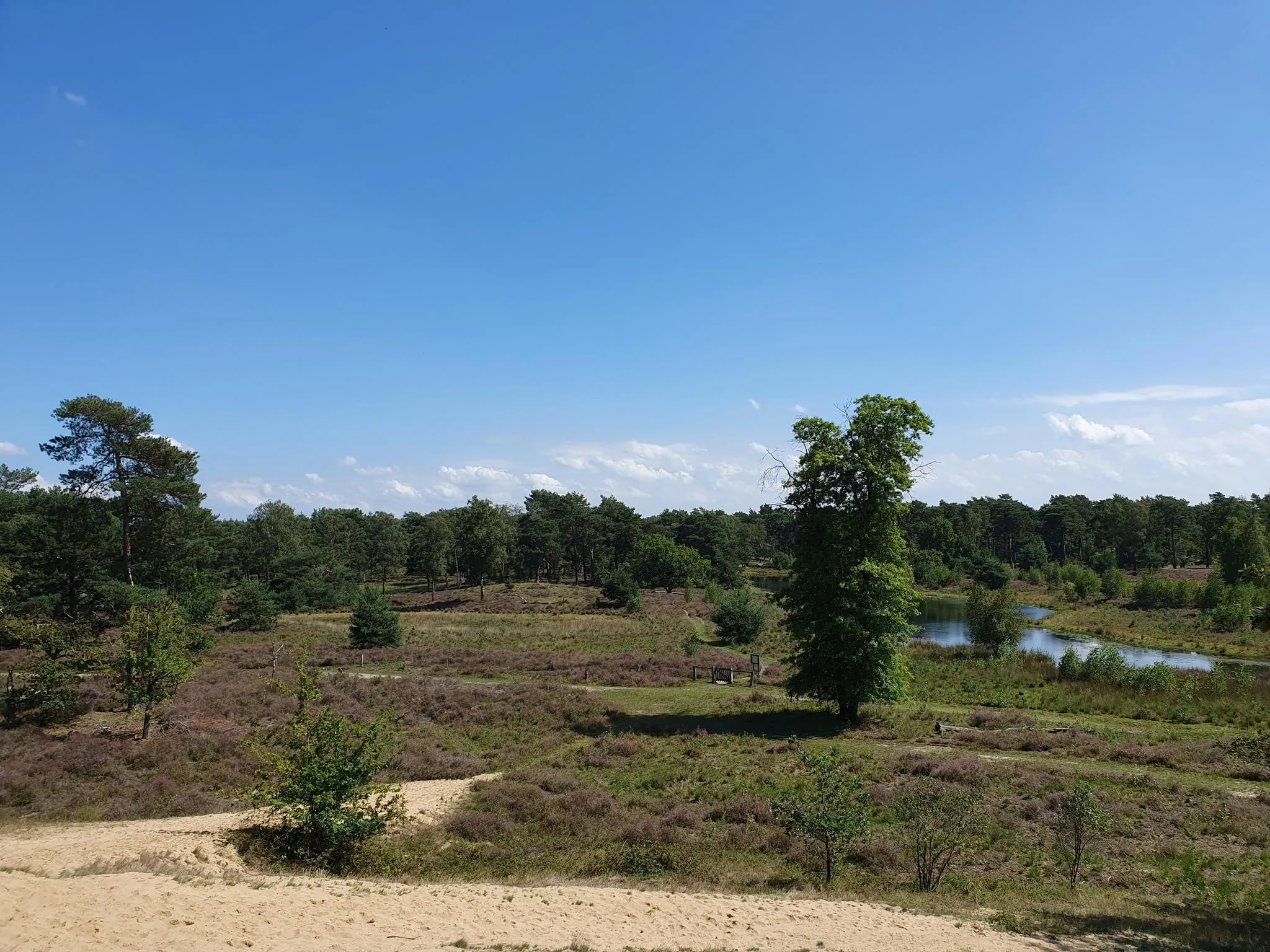
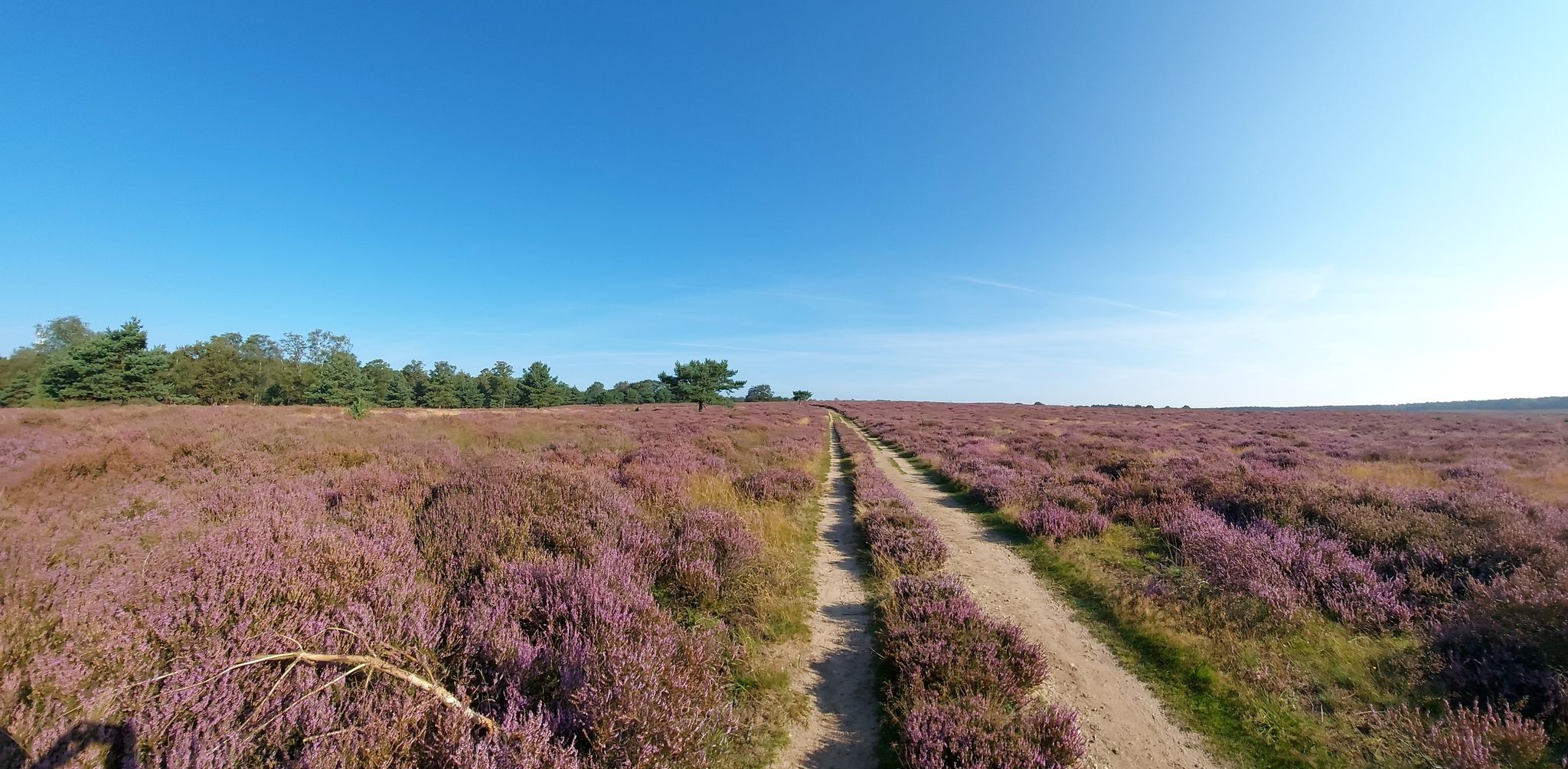
Beautiful heathland here, and a good view of the surroundings. You can see far in clear weather.
0
0

A beautiful and diverse area with significant elevation changes. A wonderful area for walking and cycling.
0
0

Huize Sint-Jansberg, also known as 'the castle', which became the core of a beautiful estate in the second half of the nineteenth century but was completely destroyed in 1944, also had a coach house, gardener's house, various other outbuildings, tenant farms and gardens, such as an upper garden with fruit trees and a walled lower garden that had three levels. Part of the wall is still visible, as are the greenhouses and a piece of the garden's steps. You can enter and there is also a bench.
5
0
As mentioned elsewhere, this forest once belonged to the domain of Huize Sint-Jansberg, which was completely destroyed in 1944. Here and there you will find various remains of the estate and landscape elements, sometimes even fragments. This former ice cellar also belongs to it. You can't really get to it (in theory), but you can see the entrance and an information board, also about its current use in the context of bat hibernation. In itself perhaps not so special, but if you combine all the elements with the history of Huize Sint-Jansberg and its remains, you get, in addition to an image of the beautiful forest as it is, also an image of what it was like here.
4
0
Then you come from Milsbeek into that beautiful forest (or from somewhere else) and you see those beautiful ponds. Believe me: no photo can do justice to how fairytale-like beautiful this area is. But make no mistake: a lot of what you see here dates from a not so long ago time when this forest was still the domain of a manor house. Apart from a few pieces and remains (such as an ice cellar), Huize Sint-Jansberg, which was decorated with ornaments that came from a Roman villa (which you can read more about) was completely destroyed in 1944. Incidentally, Sint-Jansberg was part of Germany until 1817. And those ponds? The three ponds used to have different functions. What exactly can be read on an information board near the ice cellar and the giant sequoia. One of them already served as a swimming pond. And there are plans to accentuate the cultural-historical elements of all three. But above all, enjoy them very much because they are beautiful, just like the slopes of the forest in which they are located. Really wonderful.
5
0
Frequently Asked Questions
How many family-friendly hiking trails are available in Sint-Jansberg?
Sint-Jansberg offers a wide selection of routes, with over 35 family-friendly hiking trails to explore. These range from easy strolls to more moderate adventures, ensuring there's something for every family.
What makes Sint-Jansberg a good destination for family hikes?
Sint-Jansberg is ideal for families due to its unique hilly terrain, diverse forests, and clear brooks, which provide an engaging natural playground. The area also features historical remnants like a Roman Villa and charming water features, offering plenty of points of interest to keep children entertained.
Are there any easy, shorter routes suitable for families with younger children or strollers?
Yes, there are several easy routes perfect for families with younger children. For a pleasant and relatively flat walk, consider the Pond at St. Jansberg – Levada Trail at Sint-Jansberg loop from Milsbeek, which is just over 6 km and takes you past beautiful water features.
What kind of natural features can we expect to see on a family hike in Sint-Jansberg?
Families can discover a variety of natural features, including ancient forests with beech, oak, and holly trees, as well as clear brooks and tranquil ponds like the Groenewater Pond and the Pond at St. Jansberg. The hilly landscape, a rarity in the Netherlands, also offers unique geological insights.
Are there any historical landmarks or points of interest along the family trails?
Absolutely! Hikers can explore the reconstructed remains of a Roman Villa Ruins, which was once one of the largest in the Netherlands. You might also spot remnants of the former estate, such as an ice cellar or a giant sequoia tree.
What do other hikers enjoy most about the family-friendly trails in Sint-Jansberg?
The komoot community highly rates Sint-Jansberg, with an average score of 4.5 stars. Reviewers often praise the quiet woodlands, the varied terrain that keeps walks interesting, and the well-marked paths that make navigation easy for families.
Are there any circular routes that are good for families?
Many of the trails in Sint-Jansberg are circular, making them convenient for families. The Forest Pond – Seven-Trunked Beech Tree loop from Milsbeek is a great option, offering a moderate 7.6 km loop through diverse forest landscapes.
Can we spot any wildlife while hiking with kids in Sint-Jansberg?
Sint-Jansberg is home to diverse wildlife. Families might spot deer (ree), badgers, squirrels, and various bird species like woodpeckers and robins. The varied habitats, especially around the water features, increase the chances of seeing animals.
Is there parking available near the family hiking trails?
Yes, parking is generally available at key access points around Sint-Jansberg, particularly near the starting points of popular trails in areas like Milsbeek. It's advisable to check specific route details for the most convenient parking locations.
Are dogs allowed on the family-friendly trails in Sint-Jansberg?
Many trails in Sint-Jansberg are dog-friendly, allowing families to bring their canine companions. However, it's always recommended to keep dogs on a leash, especially in nature reserve areas, to protect wildlife and ensure a pleasant experience for all hikers.
What is a good moderate family hike that offers varied scenery?
For a moderate family hike with varied scenery, consider the Horizontal Oak on Apostelweg – Groenewater Pond loop from Milsbeek. This nearly 11 km route takes you through forests, past the Groenewater Pond, and features interesting natural monuments.
When is the best time of year to go hiking with family in Sint-Jansberg?
Sint-Jansberg is beautiful year-round. Spring brings vibrant flora like wood anemones, while autumn offers stunning reflections in the ponds and colorful foliage. Summer provides pleasant forest shade, and even winter walks can be magical, especially after a fresh snowfall.
Most popular routes in Sint-Jansberg
Most popular attractions in Sint-Jansberg

Get inspired with the komoot mobile app


Explore more
Browse the best Hikes in other regions.
