The best traffic-free bike rides in Naturpark Hessischer Spessart
4.7
(68)
628
riders
120
rides
No traffic gravel bike trails in Naturpark Hessischer Spessart traverse one of Central Germany's largest deciduous forest regions, characterized by vast oak and beech woodlands. The terrain features deep valleys, gentle hills, and clear streams, providing varied and scenic backdrops for gravel cycling. The geological foundation of Bunter sandstone contributes to distinct paths, often utilizing forest and field tracks. This natural environment offers an extensive network of routes suitable for gravel bikes.
Best no traffic gravel bike trails in Naturpark…
Last updated: May 13, 2026
5.0
(4)
16
riders
48.5km
03:04
530m
520m
Hard gravel ride. Very good fitness required. Mostly paved surfaces. Suitable for all skill levels.
4.8
(4)
59
riders
39.8km
02:09
350m
350m
Moderate gravel ride. Good fitness required. Mostly paved surfaces. Suitable for all skill levels.

Sign up for free
11
riders
52.1km
03:24
890m
890m
Hard gravel ride. Very good fitness required. Mostly paved surfaces. Suitable for all skill levels.
4.7
(3)
10
riders
Moderate gravel ride. Good fitness required. Mostly paved surfaces. Suitable for all skill levels.
14
riders
32.9km
02:36
630m
630m
Hard gravel ride. Very good fitness required. Mostly paved surfaces. Suitable for all skill levels.
Get access to more routes and recommendations from other explorers.
Sign up for free
Already have an account?
Our route recommendations are based on thousands of hikes, rides, and runs completed by other people on komoot.
Start today with a free account
Your next adventure awaits.
Login or Signup
Popular around Naturpark Hessischer Spessart
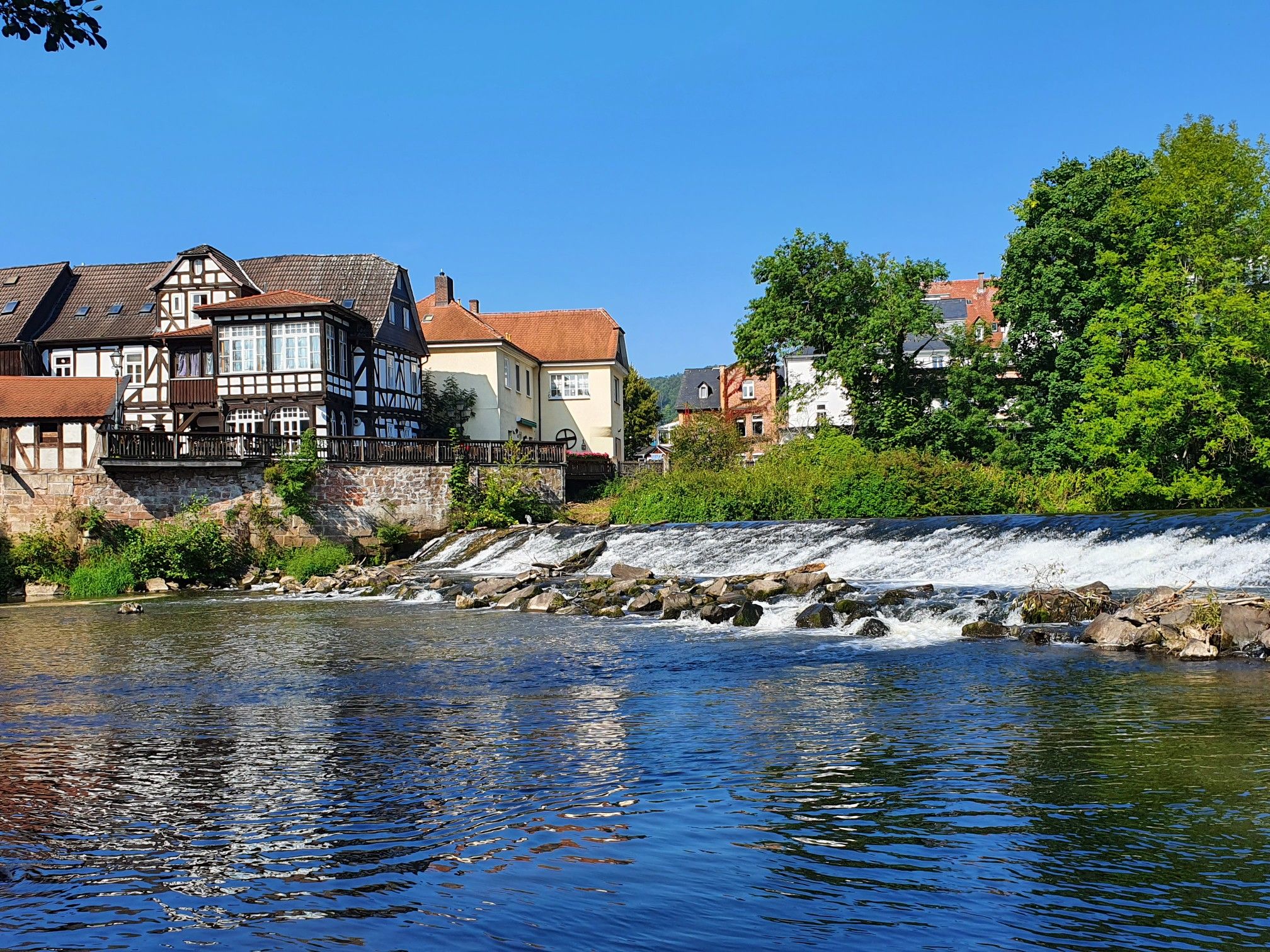
11 Hessen trails – criss-cross through the countryside
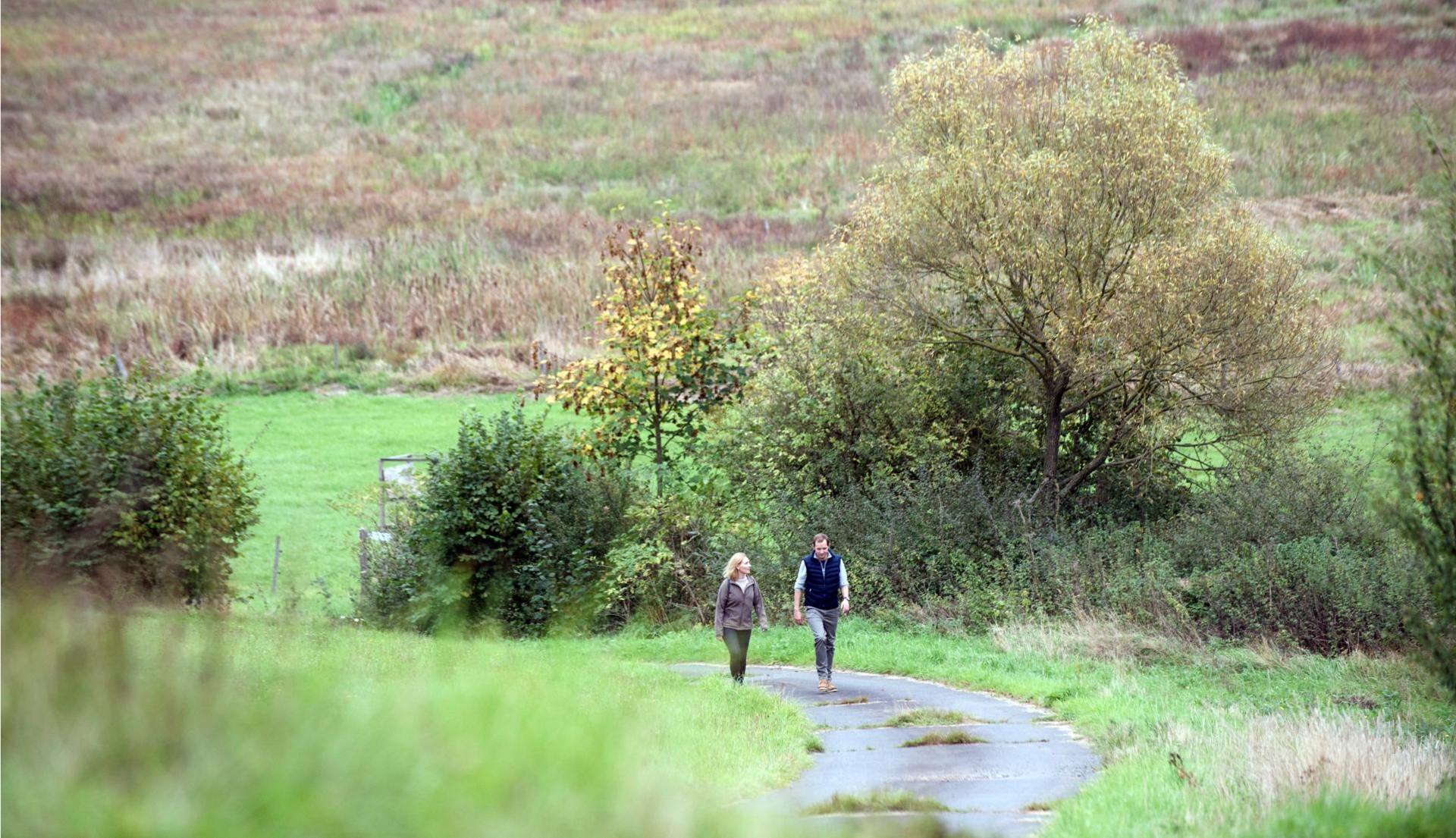
Pleasure hiking in the Spessart: trails that taste as good as they look
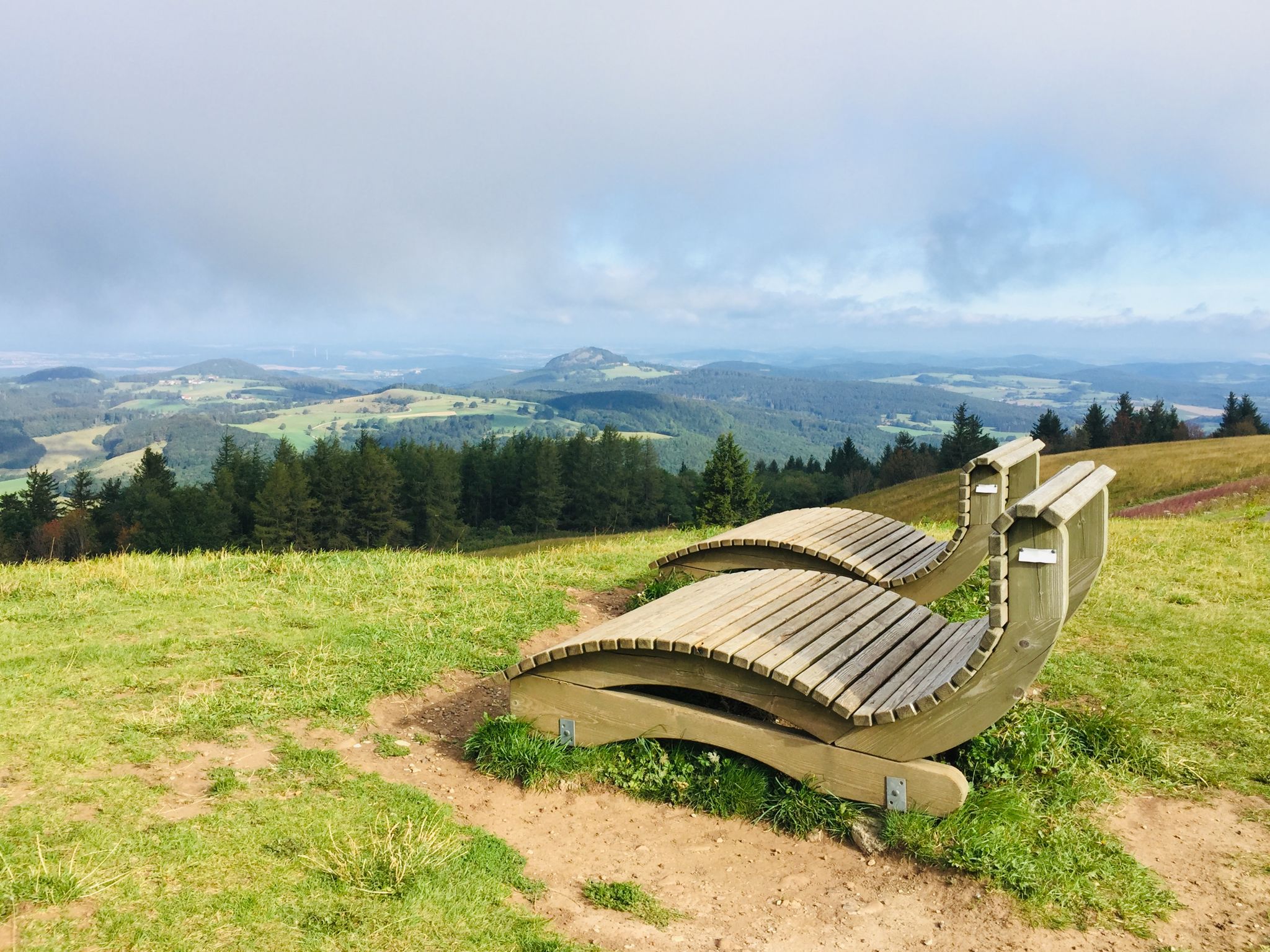
The National Natural Landscapes in Hessen

Winter adventures by public transport – hikes for the whole family
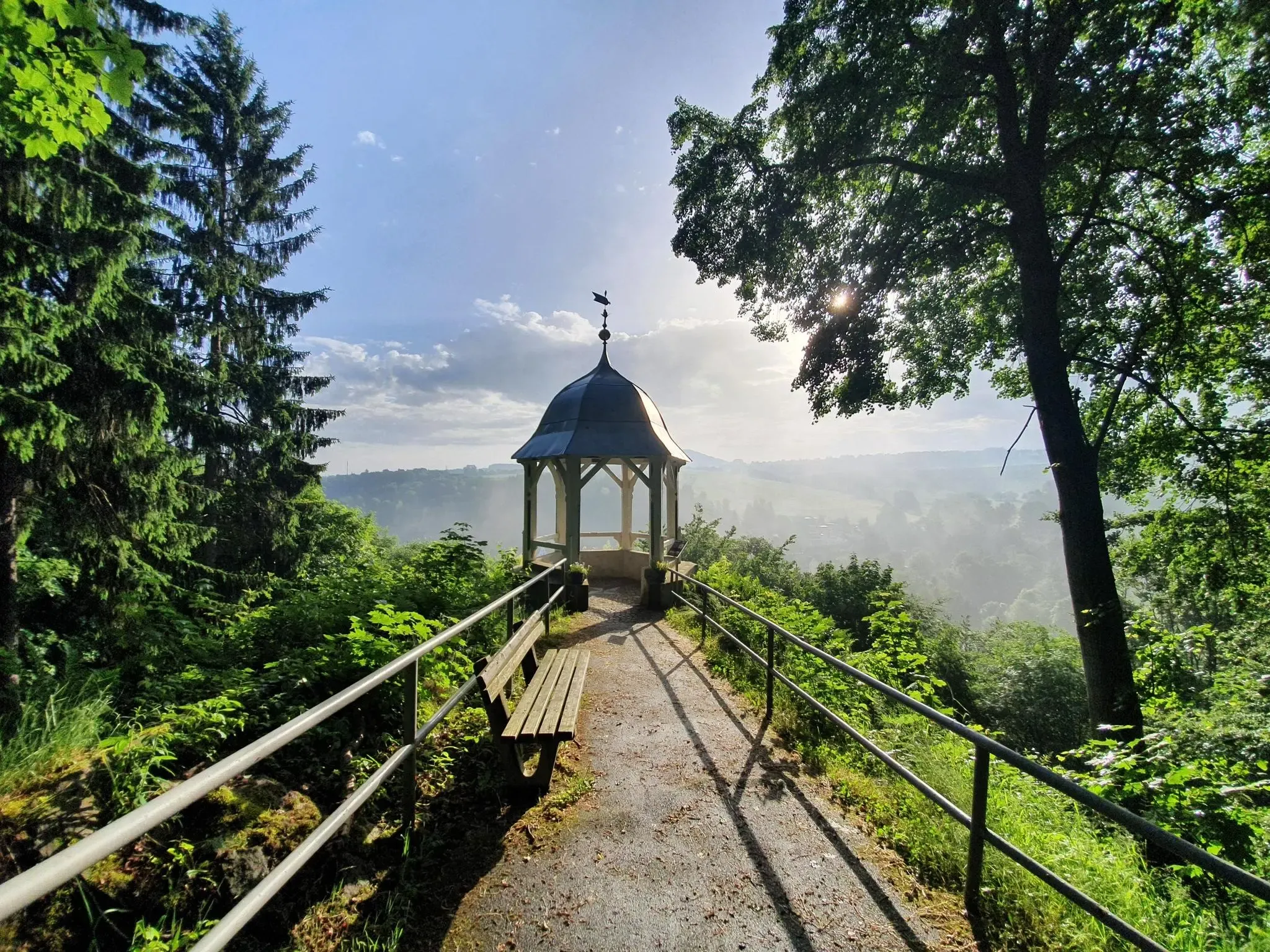
#GoFurther – discover the views of Germany!

Bikepacking to road cycling to MTB – on Tour with RMV

Onto the train, out into the snow – winter hiking for all ages in the Rhine-Main
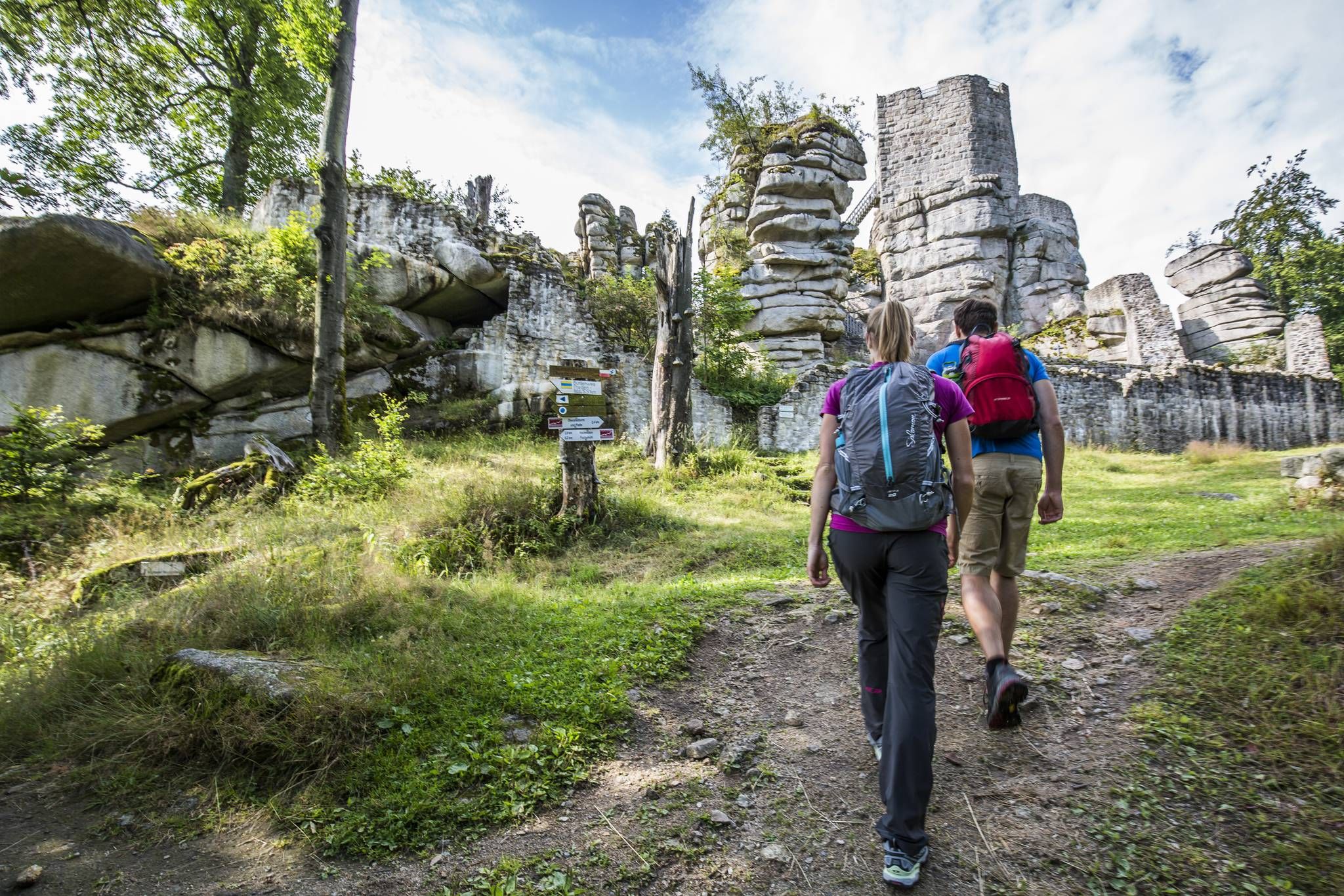
Thousands of kilometres of hiking fun – long-distance hiking trails in Bavaria
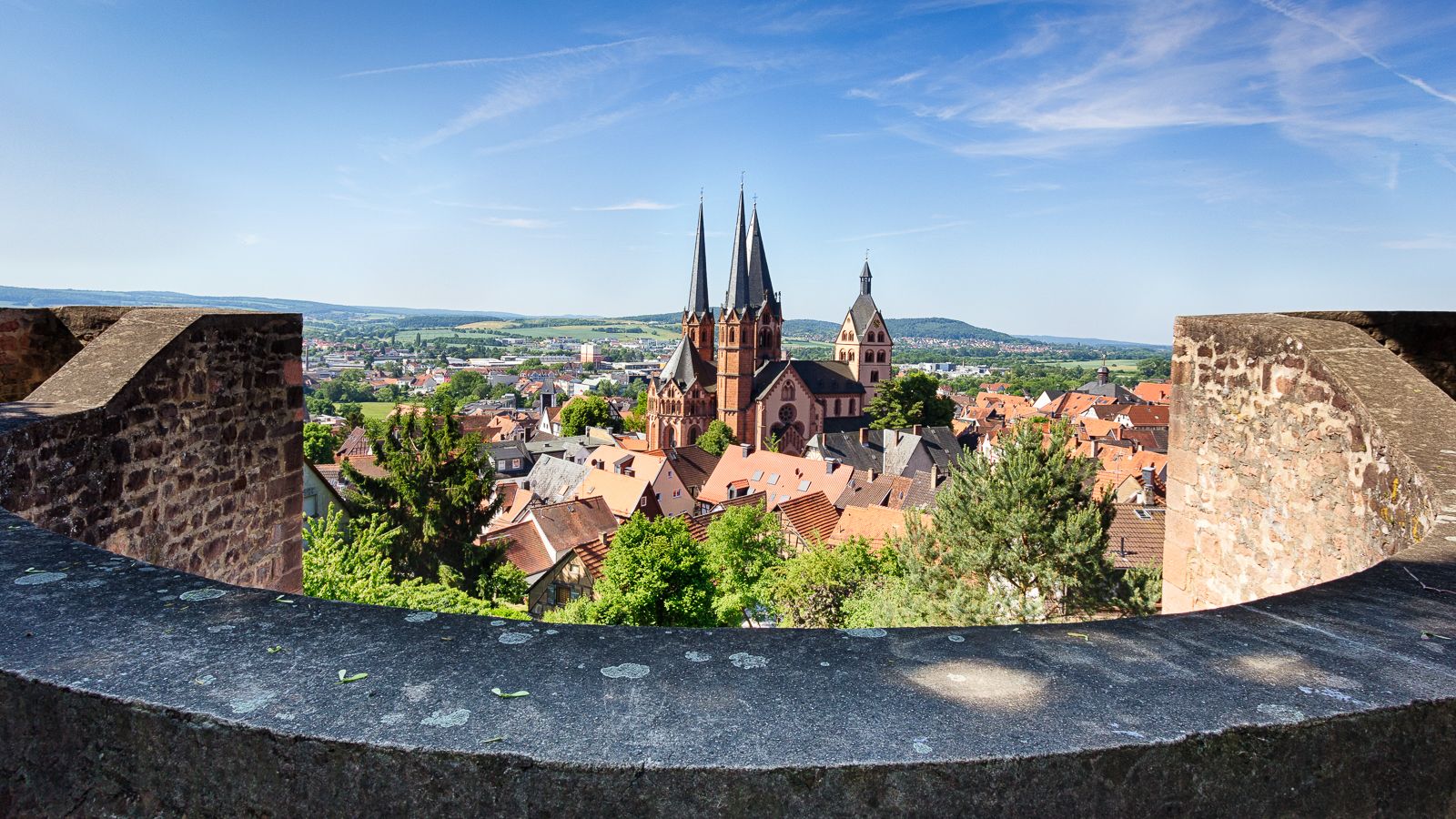
On the Way of St. James through Hesse – from the Fulda to the Main
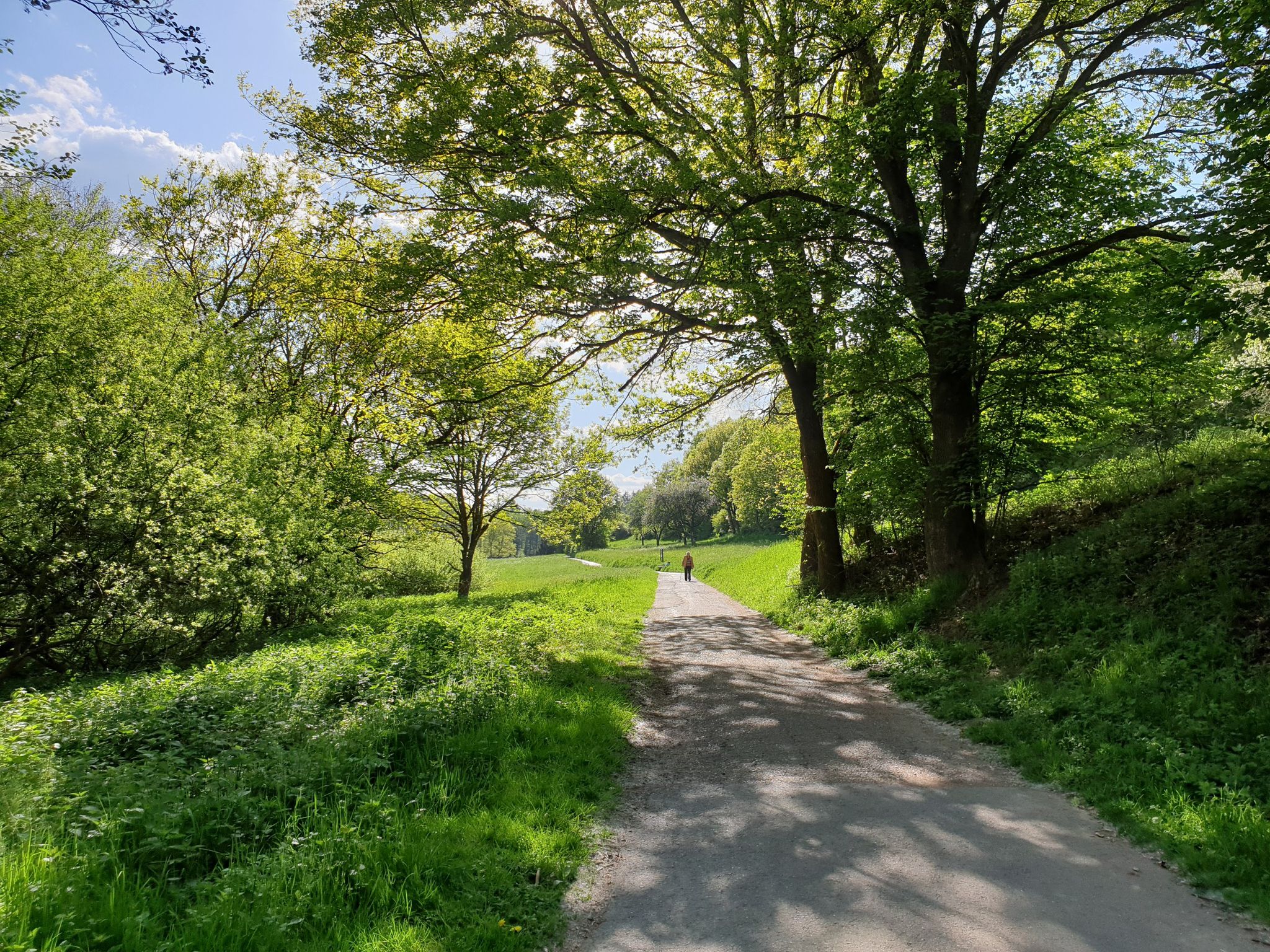
Culture, nature and good food in Hessen – gourmet Tours in the RMV region
Other adventures in Naturpark Hessischer Spessart


Tips from the Community

When it's dry, it's no problem to cycle the path.
1
0
This is a nice place to take a break.
1
0

Storks can often be observed!
0
0
There is a good cycle path here. I personally prefer the southern cycle path along the reservoir.
2
0

The Kinzig is a river approximately 86 kilometers long. It rises in Sterbfritz, flows southwest through the Main-Kinzig district of Hesse, and flows into the Main from the right in Hanau. The Kinzig is a second-order river in low mountain ranges. It overcomes an elevation of 301 meters and has a bed gradient of 3.5 per thousand. The Kinzig's catchment area covers 1,058 square kilometers, and the calculated mean discharge (MQ) at the mouth of the Kinzig is 10.97 cubic meters per second. The Kinzig was first documented in 796 as "iuxta fluvium Kincihen." In 815, the name was written as "Chinzicha," around 900 as "Kincicha"/"Kinzicham," in 1364 as "Kinzige," in 1584 as "Kintzig," in 1607 as "Bintz," in 1681 as "Kintz," in 1716 as "Kins," in 1769 as "Kinzing," and in 1802 as "Kinzig." In the river's headwaters, there was the now-defunct village of Kinzig, mentioned in 815 as "Chirizichheimero." The village and river were often confused by monastery scribes at that time with "Chizzicha" (now Bad Kissingen), both of which were described as being located in the Saalegau. The name presumably derives from the ancient Celtic *ku̯anti̯o- meaning "flat hill, valley." The name was therefore derived from the mountainous region from which the Kinzig flows. Source: Wikipedia
1
0
The Kinzig is a river approximately 86 kilometers long. It rises in Sterbfritz, flows southwest through the Main-Kinzig district of Hesse, and flows into the Main from the right in Hanau. The Kinzig is a second-order river in low mountain ranges. It overcomes an elevation of 301 meters and has a bed gradient of 3.5 per thousand. The Kinzig's catchment area covers 1,058 square kilometers, and the calculated mean discharge (MQ) at the mouth of the Kinzig is 10.97 cubic meters per second. The Kinzig was first documented in 796 as "iuxta fluvium Kincihen." In 815, the name was written as "Chinzicha," around 900 as "Kincicha"/"Kinzicham," in 1364 as "Kinzige," in 1584 as "Kintzig," in 1607 as "Bintz," in 1681 as "Kintz," in 1716 as "Kins," in 1769 as "Kinzing," and in 1802 as "Kinzig." In the river's headwaters, there was the now-defunct village of Kinzig, mentioned in 815 as "Chirizichheimero." The village and river were often confused by monastery scribes at that time with "Chizzicha" (now Bad Kissingen), both of which were described as being located in the Saalegau. The name presumably derives from the ancient Celtic *ku̯anti̯o- meaning "flat hill, valley." The name was therefore derived from the mountainous region from which the Kinzig flows. Source: Wikipedia
1
0
The Kinzig is a river approximately 86 kilometers long. It rises in Sterbfritz, flows southwest through the Main-Kinzig district of Hesse, and flows into the Main from the right in Hanau. The Kinzig is a second-order river in low mountain ranges. It overcomes an elevation of 301 meters and has a bed gradient of 3.5 per thousand. The Kinzig's catchment area covers 1,058 square kilometers, and the calculated mean discharge (MQ) at the mouth of the Kinzig is 10.97 cubic meters per second. The Kinzig was first documented in 796 as "iuxta fluvium Kincihen." In 815, the name was written as "Chinzicha," around 900 as "Kincicha"/"Kinzicham," in 1364 as "Kinzige," in 1584 as "Kintzig," in 1607 as "Bintz," in 1681 as "Kintz," in 1716 as "Kins," in 1769 as "Kinzing," and in 1802 as "Kinzig." In the river's headwaters, there was the now-defunct village of Kinzig, mentioned in 815 as "Chirizichheimero." The village and river were often confused by monastery scribes at that time with "Chizzicha" (now Bad Kissingen), both of which were described as being located in the Saalegau. The name presumably derives from the ancient Celtic *ku̯anti̯o- meaning "flat hill, valley." The name was therefore derived from the mountainous region from which the Kinzig flows. Source: Wikipedia
1
0
The Kinzig is a river approximately 86 kilometers long. It rises in Sterbfritz, flows southwest through the Main-Kinzig district of Hesse, and flows into the Main from the right in Hanau. The Kinzig is a second-order river in low mountain ranges. It overcomes an elevation of 301 meters and has a bed gradient of 3.5 per thousand. The Kinzig's catchment area covers 1,058 square kilometers, and the calculated mean discharge (MQ) at the mouth of the Kinzig is 10.97 cubic meters per second. The Kinzig was first documented in 796 as "iuxta fluvium Kincihen." In 815, the name was written as "Chinzicha," around 900 as "Kincicha"/"Kinzicham," in 1364 as "Kinzige," in 1584 as "Kintzig," in 1607 as "Bintz," in 1681 as "Kintz," in 1716 as "Kins," in 1769 as "Kinzing," and in 1802 as "Kinzig." In the river's headwaters, there was the now-defunct village of Kinzig, mentioned in 815 as "Chirizichheimero." The village and river were often confused by monastery scribes at that time with "Chizzicha" (now Bad Kissingen), both of which were described as being located in the Saalegau. The name presumably derives from the ancient Celtic *ku̯anti̯o- meaning "flat hill, valley." The name was therefore derived from the mountainous region from which the Kinzig flows. Source: Wikipedia
2
0
Frequently Asked Questions
How many no-traffic gravel bike trails are available in Naturpark Hessischer Spessart?
The Naturpark Hessischer Spessart offers a vast network of routes, with over 120 gravel bike trails specifically curated to be free of traffic. These routes traverse the park's extensive forest paths and idyllic trails, providing a peaceful cycling experience.
What is the best time of year to go gravel biking in Naturpark Hessischer Spessart?
The Naturpark Hessischer Spessart, known as the 'Land der bunten Wälder' (land of colorful forests), is beautiful year-round. Spring and autumn offer particularly stunning scenery with vibrant foliage and comfortable temperatures. Summer is also excellent, especially for rides through the shaded forest paths. Winter can be challenging due to snow and ice, but some routes may still be accessible depending on conditions.
Are there any family-friendly no-traffic gravel bike trails in the region?
Yes, the park's extensive network includes many routes suitable for families. While some trails are rated as difficult, there are also moderate options that avoid extreme inclines, making them accessible for various skill levels. Look for routes that utilize wider forest and field paths for a smoother family experience.
What kind of terrain can I expect on the gravel bike trails in Naturpark Hessischer Spessart?
You can expect a diverse range of terrain, primarily consisting of forest paths, gravel tracks, and idyllic trails. The geological foundation of Bunter sandstone contributes to the distinct character of the paths. The region features gentle hills, deep valleys, and clear streams, offering varied and scenic backdrops for your ride.
What are some notable natural attractions I can see along the no-traffic gravel bike routes?
Many routes will take you past significant natural features. You might encounter the serene Kinzig Reservoir, the picturesque Kinzigsee and Ruhlsee, or the unique Wiesbüttmoor. The park is also home to diverse flora and fauna, including beavers and wildcats, so keep an eye out for wildlife.
Are there any historical or cultural landmarks accessible from the gravel trails?
Absolutely. The region is rich in history. You could cycle near charming historic towns like Gelnhausen, Bad Orb, or Steinau an der Straße, known for their half-timbered architecture. Some routes might also bring you close to sites like the medieval watchtower Bellinger Warte or the mysterious Teufelshöhle Steinau (Devil's Cave).
Where can I find a circular no-traffic gravel bike route in Naturpark Hessischer Spessart?
Many of the gravel bike trails in the Naturpark Hessischer Spessart are designed as circular routes, allowing you to start and end at the same point. For example, the route "View of Gelnhausen – Kinzigtal Cycle Path loop from Eidengesäß" offers a scenic circular tour, providing views over the Kinzig Valley.
Are there any challenging no-traffic gravel bike routes for experienced riders?
Yes, while there are easier options, the Naturpark Hessischer Spessart also caters to experienced riders with more challenging routes. Many of the 120+ routes are rated as difficult, featuring significant elevation gains and technical sections. For instance, the "Old Basalt Loading Station – Mountain pond loop from Steinau (Straße)" is a demanding ride with substantial climbing.
What do other gravel bikers say about the trails in Naturpark Hessischer Spessart?
The Naturpark Hessischer Spessart is highly rated by the komoot community, with an average score of 4.7 stars. Reviewers often praise the quiet, well-maintained forest paths, the diverse landscapes, and the feeling of being immersed in nature away from traffic. Many appreciate the extensive network that offers options for all skill levels.
Are there any specific routes that feature lakes or water bodies?
Yes, several routes incorporate the region's beautiful lakes and water bodies. The "Cycle Path Along the Flörsbach – Aubach Lakes loop from Flörsbachtal" is a great example, taking you along the Flörsbach and past the scenic Aubach Lakes. Another option is the "Hasel Pond – Haseltal Pond loop from Autal bei Bad Orb" which explores the area around Hasel Pond.
Can I find cafes or places to rest along the no-traffic gravel bike trails?
While many routes are deep within the forest, the trails often connect to or pass near charming towns and villages like Gelnhausen, Bad Orb, and Steinau an der Straße. These towns offer opportunities for refreshments, meals, and accommodation. It's always a good idea to plan your route and check for amenities in advance, especially on longer rides.
Are there any beginner-friendly no-traffic gravel bike trails?
Yes, despite many routes being rated moderate or difficult, there are options suitable for beginners. These typically involve less elevation gain and smoother surfaces. Look for routes described as 'easy' or those that stick to wider forest roads rather than singletrack. The "Bikewald Spessart" system, for instance, includes routes without extreme inclines, making them accessible for various skill levels.
Most popular routes in Naturpark Hessischer Spessart
Most popular attractions in Naturpark Hessischer Spessart

Get inspired with the komoot mobile app


Explore more
Browse the best Gravel rides in other regions.
