Holt Heath National Nature Reserve
Holt Heath National Nature Reserve
The best traffic-free bike rides in Holt Heath National Nature Reserve
4.5
(343)
6,058
riders
152
rides
No traffic touring cycling routes in Holt Heath National Nature Reserve traverse a landscape characterized by diverse heathland, ancient woodlands, and quiet country lanes. The terrain is generally flat, with gentle undulations and occasional slight elevations such as the Bronze Age Bull Barrow. Routes often feature a mix of gravel tracks, bridleways, and paved sections, providing varied surfaces for touring cyclists. This area offers opportunities to cycle through dry heath, wet heath, and mire communities, alongside the ancient Holt Forest…
Last updated: May 13, 2026
5.0
(2)
5
riders
21.2km
01:37
240m
240m
Explore the Cranborne Chase National Landscape on the Witchampton loop, a moderate touring bicycle route covering 13.2 miles (21.2 km) with 786 feet (240 metres) of elevation gain. This ride…
22
riders
10.7km
01:01
70m
70m
Easy bike ride. Great for any fitness level. Mostly paved surfaces. Suitable for all skill levels.

Sign up for free
1
riders
19.0km
01:13
140m
140m
Easy bike ride. Great for any fitness level. Mostly paved surfaces. Suitable for all skill levels.
3
riders
48.8km
03:09
420m
420m
Moderate bike ride. Good fitness required. Mostly paved surfaces. Suitable for all skill levels.
2
riders
12.1km
00:45
100m
100m
Embark on the Horton Tower loop, an easy touring bicycle ride covering 7.5 miles (12.1 km) with an elevation gain of 330 feet (101 metres), typically completed in about 44…
Get access to more routes and recommendations from other explorers.
Sign up for free
Already have an account?
Our route recommendations are based on thousands of hikes, rides, and runs completed by other people on komoot.
Start today with a free account
Your next adventure awaits.
Login or Signup
Popular around Holt Heath National Nature Reserve
Tips from the Community

Most people who pass by such a war memorial commemorating the victims will not have experienced the horrors of war firsthand. A dialogue invented by the writer Paul Harding might help. It is from a medieval detective novel, and the following exchange takes place: "Tell me, brother, when you went to war in France with your little brother, were you happy?" Athelstan felt his heart leap. "Of course." He smiled thinly. "I was young then. My blood was boiling, and I longed for great adventures." "And when you found your brother dead and cold as ice on the battlefield and returned to England... what was there?" Athelstan looked out into the courtyard; it was slowly getting dark. "In the Gospel, Sir John, Christ says that at the end of the world, the heavens will shake, and the planets will fall to earth in blazing fire." Athelstan closed his eyes. He felt Francis's spirit very clearly. "When I found my brother dead in the field," he continued, "it was like heaven falling to earth for me." (Source: "The House of the Red Butcher" by Paul Harding)
1
0

Interior Details: The interior is known for its high-quality flint work on the tower walls and a range of interesting features: Pulpit: A magnificent 15th-century pulpit is a central feature. Font: A 12th-century font is another medieval survival. Tomb Recess: Against the north wall, there is a canopied tomb recess from the 14th century. For a long time, it was thought to be a rare "Easter Sepulchre," but a skeleton was found inside during the 1860s restoration, suggesting it was a tomb. Organ: The church's organ is a fascinating piece of its history. An 18th-century Walker organ, it was gifted to the church and is said to have been used for choir practice at Westminster Abbey before its installation here. The church, set on a rise at the north-west corner of the village, is part of the "Knowlton Circle Benefice," which also includes nearby parishes like Cranborne and Wimborne St Giles, both of which are included on this cycle route.
0
0
All Saints Church is the parish church for the village of Gussage All Saints in Dorset. It's a Grade I listed building with a long and layered architectural history, primarily reflecting the Early English and Decorated Gothic styles. Medieval Origins: The church's main body, including the nave and chancel, dates largely to the early 14th century. The walls are constructed from a mix of local flint, rubble, and various types of stone, including Shaftesbury Sandstone and Heathstone. The Tower: The impressive west tower was built in several stages. Its lower part dates to the 14th century, while the upper stages and embattled parapet were added in the 15th century. The tower is particularly distinctive for its use of alternating bands of flint and ashlar stone. Victorian Restoration: Like many English churches, All Saints underwent a significant Victorian restoration. In 1864, architect Ewan Christian carried out extensive work. A notable change from this period was the moving of the original medieval chancel arch to the north wall, where it now frames the organ. A new chancel arch was then built by the architect John Hicks, who was a mentor to the famous novelist Thomas Hardy.
0
0

nice stopping off point, too the many bridleways and tracks in this area..
0
0

This is the site of Tarrant Rushton RAF during the Second World War. Gliders would take off the evening before D day and the first boots on the ground were from said gliders. The destination was Pegasus bridge in France 🇫🇷.
0
0

A place with a lot of history, and a bench if you need to stop for a drink and a snack
0
0

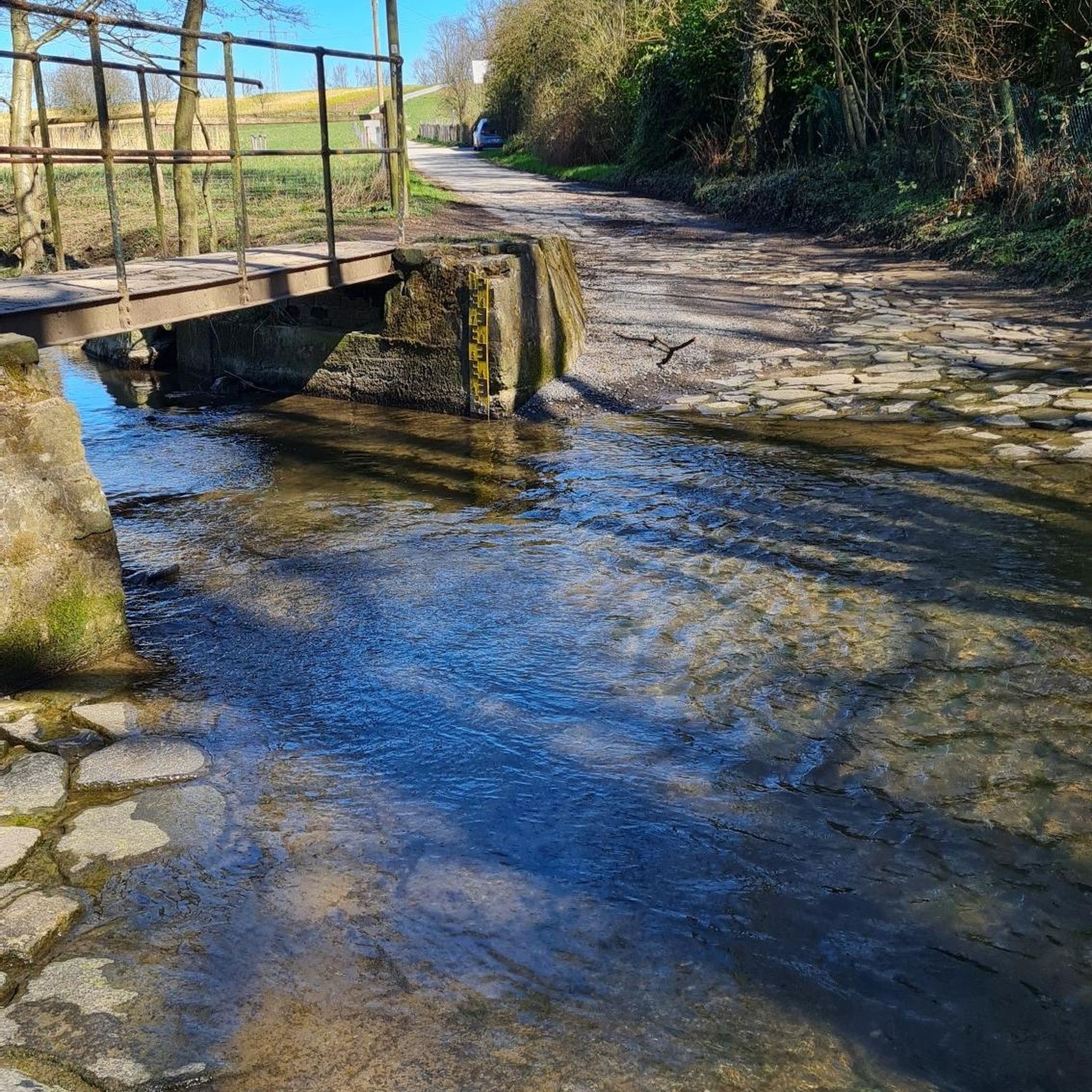
There is evidence that a flour mill was present here since Doomsday times, the flour mill was replaced by a paper mill in 1720. This continued to work until around 2002 when it was converted into accommodation. The mill is well situated with a mill race taken from the River Allen.
0
0
Frequently Asked Questions
How many no-traffic touring cycling routes are available in Holt Heath National Nature Reserve?
There are over 150 dedicated no-traffic touring cycling routes within and around Holt Heath National Nature Reserve. These routes cater to various skill levels, with 72 easy, 68 moderate, and 19 difficult options.
What kind of terrain can I expect on the no-traffic touring cycling routes?
The routes in Holt Heath National Nature Reserve feature a diverse mix of terrain. You'll encounter gravel tracks, bridleways, and quiet country lanes. While many paths are generally flat and suitable for all skill levels, some sections may include unpaved or occasionally muddy segments, particularly after rain, requiring good fitness or appropriate bike choice.
Are there any family-friendly no-traffic cycling routes?
Yes, Holt Heath offers several family-friendly routes. Many of the easy-graded tours are suitable for families. For example, the Castlemain Trailway – Forest Section loop from West Moors is an easy 10.7 km route that provides a pleasant experience for all ages.
What natural features and wildlife might I encounter while cycling?
Holt Heath is rich in natural beauty and wildlife. You'll cycle through diverse landscapes including dry and wet heathland, ancient woodlands like Holt Forest, and mire communities. In summer, the heathland is vibrant with purple heather and gorse. Keep an eye out for rare wildlife such as the Dartford warbler, nightjar, and curlews, as well as the black darter dragonfly around the heathland pools. You might even spot New Forest Ponies grazing.
Are there any historical landmarks or points of interest along the routes?
Yes, several routes pass by interesting landmarks. The Horton Tower loop, for instance, takes you past the historic Horton Tower Folly. The Bronze Age burial mound of Bull Barrow also provides a point of historical interest and a slight elevation within the generally flat terrain.
What is the best time of year to go touring cycling in Holt Heath National Nature Reserve?
The summer months are particularly beautiful when the heathland is adorned with purple heather and gorse. However, spring and autumn also offer pleasant cycling conditions with milder temperatures and vibrant foliage. Winter cycling is possible, but some unpaved sections might be muddy, so checking local conditions is advisable.
Can I bring my dog on the cycling routes?
Holt Heath National Nature Reserve is generally dog-friendly, but specific rules apply to protect the sensitive wildlife, especially ground-nesting birds and rare reptiles. Dogs must be kept on a lead at all times, particularly during nesting seasons (March to July). Always follow local signage and guidance from the reserve authorities to ensure the safety of your pet and the wildlife.
Are there any circular touring cycling routes available?
Yes, many of the touring cycling routes in Holt Heath National Nature Reserve are circular, offering convenient starting and ending points. Examples include the Witchampton loop - Cranborne Chase and the Horton Tower loop, allowing you to return to your starting point without retracing your steps.
Where can I find parking for my bike tour?
Parking facilities are available at various access points around Holt Heath National Nature Reserve. Specific parking locations will depend on your chosen starting point for a route. It's recommended to check the details for your specific tour on komoot for the most convenient parking options.
What do other touring cyclists enjoy most about Holt Heath National Nature Reserve?
The komoot community highly rates touring cycling in Holt Heath National Nature Reserve, with an average score of 4.6 stars. Reviewers often praise the tranquility of the no-traffic routes, the stunning natural beauty of the heathland and woodlands, and the opportunities for wildlife spotting. The variety of routes, from easy family rides to more challenging excursions, is also frequently highlighted.
Are there cafes or pubs near the cycling routes for refreshments?
While Holt Heath National Nature Reserve itself is a natural area, there are villages and towns nearby that offer cafes and pubs for refreshments. Some longer routes, like the Witchampton Manor Ruins – Chettle Village Store & Café loop from Holt, specifically pass through areas with amenities. It's always a good idea to plan your route and check for refreshment stops in advance.
Most popular routes in Holt Heath National Nature Reserve

Get inspired with the komoot mobile app


Explore more
Browse the best Cycling routes in other regions.
