The best city hikes and walks in Bandelier National Monument
4.5
(67)
907
hikers
4
hikes
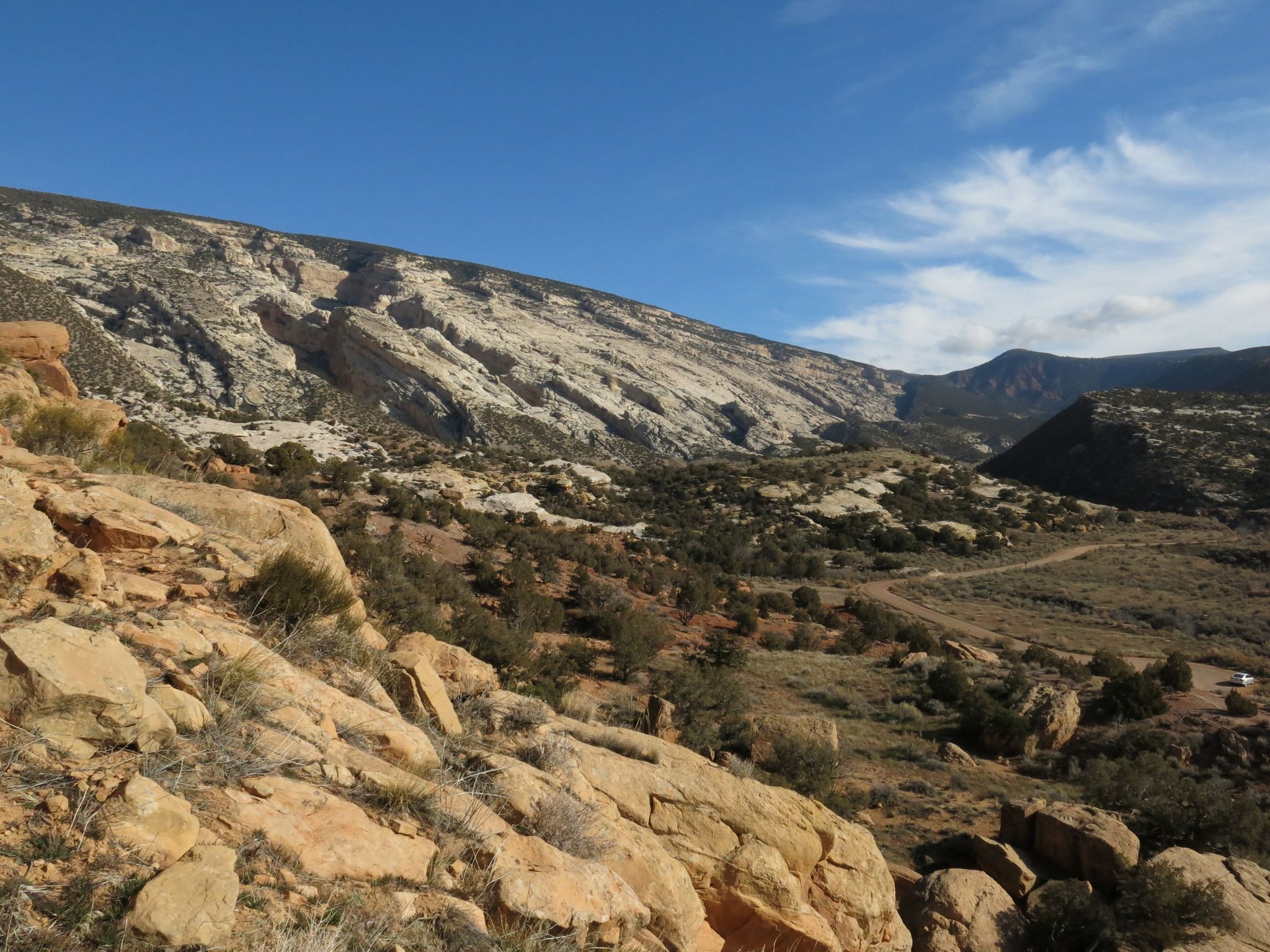
Urban hiking trails in Bandelier National Monument traverse a landscape characterized by dramatic canyons, expansive mesas, and volcanic rock formations. The region features steep-walled canyons carved by Frijoles Creek and soft volcanic tuff, into which ancestral Pueblo people carved dwellings. The elevation ranges significantly, contributing to diverse habitats. This area offers a blend of natural beauty and cultural history for hikers.
Best urban hiking trails in Bandelier National Monument
- The most popular urban hiking route is Los Alamos and the…
Last updated: May 14, 2026
1.0
(1)
9
hikers
7.79km
02:07
100m
130m
Moderate hike. Good fitness required. Easily-accessible paths. Suitable for all skill levels.
Easy hike. Great for any fitness level. Easily-accessible paths. Suitable for all skill levels.

Sign up for free
3.28km
00:55
60m
60m
Easy hike. Great for any fitness level. Easily-accessible paths. Suitable for all skill levels.
2
hikers
4.40km
01:10
40m
40m
Easy hike. Great for any fitness level. Easily-accessible paths. Suitable for all skill levels.
Our route recommendations are based on thousands of hikes, rides, and runs completed by other people on komoot.
Start today with a free account
Your next adventure awaits.
Login or Signup
Popular around Bandelier National Monument
Other adventures in Bandelier National Monument

Tips from the Community

The Acid Canyon Trail is a popular hiking trail that can be either completed as a loop or connects you to other hiking trails in the area. Its easy access from downtown Los Alamos, its relatively gentle grade, and scenic nature makes it a great option for people of all ages and ability levels.
0
0
In wartime Los Alamos, the scarcity of houses with amenities like bathtubs made them a luxury reserved for the highest-ranking Manhattan Project leaders. Originally constructed by the Los Alamos Ranch School, these well-built homes on what became known as Bathtub Row were initially intended for faculty and special events. When the Manhattan Project acquired the school property, figures such as Dr. J. Robert Oppenheimer and Hans Bethe made these houses their homes. In contrast to the hastily constructed, amenity-limited housing for most project workers, Bathtub Row became synonymous with privilege, as its homes were among the few with coveted bathtubs, earning the street its unique nickname.
0
0
Just across from the Los Alamos History Museum, there is an Ancestral Pueblo Dwelling that offers visitors insight into ancient indigenous Pueblo people cultural practices. Next to the dwelling is the Romero Cabin, which reflects the town's more recent history and early Spanish and American settlers' lifestyle. Together, these sites contribute to the museum's mission of interpreting the diverse history of the Pajarito Plateau, providing visitors with a comprehensive understanding of the cultural and historical layers that shape Los Alamos.
0
0
The Oppenheimer House, part of the Manhattan Project National Historical Park in Los Alamos, New Mexico, holds historical significance as the former residence of J. Robert Oppenheimer, the scientific director of the Manhattan Project. Built in 1940, Oppenheimer with his wife Kitty, daughter Toni, and son Peter lived in this this modest dwelling from 1943-1945. Visitors can explore the house, now a museum, to learn about Oppenheimer's life and the intense scientific efforts that took place in the creation of the world's first atomic bomb.
0
0
The Bradbury Science Museum, located in Los Alamos, New Mexico, is dedicated to showcasing the scientific and technological contributions of Los Alamos National Laboratory, particularly during the Manhattan Project. Named after the laboratory's second director, Dr. Norris E. Bradbury, the museum offers an immersive experience, featuring exhibits on nuclear science, physics, and the history of Los Alamos. Visitors can explore interactive displays, models, and artifacts, and learn about the laboratory's role in developing nuclear weapons and its ongoing contributions to various scientific fields. The museum aims to educate the public on the laboratory's research and its impact on national security and scientific advancements. Admission is free for visitors of all ages.
0
0
Ashley Pond Park, situated within the Manhattan Project National Historic Park, holds significant historical value in Los Alamos, New Mexico. Named after the founder of the Los Alamos Ranch School, Ashley Pond, the park was a focal point during the Manhattan Project (1943-1947). It housed military facilities and played a crucial role in scientific research. Today, the park is a peaceful space with picturesque views of the surrounding landscape, and features memorials and interpretive signs commemorating the Manhattan Project's scientific and historical contributions. There is also the Ice House, which stands as a memorial to the Los Alamos Ranch School days and Project Y, on the southern bank of the pond.
0
0
The Los Alamos History Museum, managed by the Los Alamos Historical Society, is in the oldest continually occupied structure in downtown Los Alamos. The building was initially built as an infirmary in 1918 and later served as a guest cottage for the Los Alamos Ranch School. During the Manhattan Project, it hosted General Leslie R. Groves. Now an award-winning museum, it offers a comprehensive exploration of the region's history, featuring exhibits on geology, anthropology, the Ranch School, and the Manhattan Project. Visitors can enjoy guided tours offering insights from ancient Puebloan ruins to the homestead-era Romero cabin (both located across from the museum) through 20th-century physics giants. Tickets are available for guided tours, with reservations recommended due to popularity. The museum itself is self-guided, and special programs are available for kids. Additionally, during the summer and fall, daily guided tours are available Monday–Friday at 10:00 a.m. and 1:30 p.m., with a Saturday tour at 11:00 a.m. The Winter Tour Schedule starting Nov. 6, 2023, includes one tour per day at 11:00 a.m., Monday-Saturday.
0
0
Los Alamos, New Mexico, holds a significant place in history as the site of the top-secret Manhattan Project during World War II, where scientists developed the atomic bomb. Established in 1943, the Los Alamos National Laboratory remains a key center for scientific research. Beyond its historical importance, Los Alamos offers diverse outdoor recreational opportunities. The surrounding landscape features the stunning Bandelier National Monument, known for its ancient Pueblo dwellings and scenic canyons. The nearby Valles Caldera National Preserve offers opportunities for fishing, wildlife viewing, and exploring the remnants of a massive volcanic crater.
0
0
Frequently Asked Questions
How many urban hiking trails are available in Bandelier National Monument?
There are several urban hiking trails in and around Bandelier National Monument, offering a mix of easy and moderate experiences. This guide features 4 routes, with 3 rated as easy and 1 as moderate.
What do other hikers enjoy most about urban hiking in Bandelier National Monument?
The komoot community highly rates the urban hiking experiences in this area, with an average score of 4.64 stars from 58 ratings. Hikers often praise the unique blend of natural beauty and profound cultural history, especially the ancient Pueblo dwellings and the dramatic canyon landscapes.
Are there any family-friendly urban hikes in Bandelier National Monument?
Yes, many of the urban trails are suitable for families. For example, the Los Alamos and the Manhattan Project National Historical Park Walking Tour is an easy, shorter route that offers historical insights. The Main Loop Trail within the monument is also known for being family-friendly, with parts accessible for wheelchairs and strollers, and features like ladders into cavates that children often enjoy.
Can I bring my dog on urban hiking trails in Bandelier National Monument?
Bandelier National Monument has specific regulations regarding dogs. Generally, leashed pets are allowed on paved roads, in parking areas, and on the designated Canyon Rim Trail and the Frijoles Canyon paved trail to the Alcove House. However, pets are not permitted on other trails or inside buildings. Always check the official National Park Service website for the most current pet policies before your visit.
What kind of historical sites can I see on these urban hikes?
Bandelier National Monument is rich in historical sites, primarily ancestral Pueblo dwellings. You can explore sites like the Alcove House, Cavates (small rooms carved into cliff faces), and Petroglyphs. The Los Alamos and the Manhattan Project National Historical Park Walking Tour also offers a unique historical perspective outside the monument's ancient sites.
Are there any waterfalls or significant natural features along the urban trails?
While the urban trails themselves might not lead directly to major waterfalls, Bandelier National Monument is home to the scenic Frijoles Falls along Frijoles Creek. The monument's landscape is characterized by dramatic canyons and mesas, formed by volcanic activity, offering stunning geological features and diverse ecosystems. The Acid Canyon Loop provides a glimpse into the unique canyon environments.
What are the typical trail surfaces like for urban hikes in Bandelier National Monument?
Trail surfaces vary. Some popular routes, like parts of the Main Loop Trail, are paved and accessible. Other trails, such as the Canyon Rim Trail, feature natural dirt paths, sometimes rocky or uneven, reflecting the rugged canyon and mesa terrain. Trails leading to ancient dwellings often involve wooden ladders for climbing into cavates.
Is public transport available to reach urban hiking areas in Bandelier National Monument?
During peak season, a mandatory shuttle bus service operates from the Bandelier National Monument Visitor Center to the Frijoles Canyon area, where many popular trails begin. Outside of peak season, visitors can drive directly into Frijoles Canyon. Public transport options from nearby towns like Los Alamos and White Rock to the monument's entrance are also available; check local transit schedules for details.
Are there any circular urban walks in the area?
Yes, several urban hikes in the region are designed as loops. The Acid Canyon Loop is a good example, offering an easy circular route. The Bradbury Science Museum – Los Alamos loop from Los Alamos also provides a circular walking tour through a historical town setting.
What is the best time of year to go urban hiking in Bandelier National Monument?
Spring and fall generally offer the most pleasant weather for urban hiking in Bandelier National Monument, with mild temperatures. Summer can be hot, especially in the canyons, so early mornings are recommended. Winter hiking is possible, but higher elevations may experience snow and ice, and some facilities might have reduced hours. Always check current conditions before your visit.
What are some notable viewpoints or overlooks along the urban trails?
Many trails offer stunning panoramic views of Frijoles Canyon and the surrounding mesas. The Canyon Rim Trail provides excellent vistas. The Tyuonyi Overlook Trail and Frijoles Canyon Overlook Loop are also known for their scenic viewpoints, allowing you to appreciate the dramatic landscape and ancient pueblo ruins from above.
Most popular routes in Bandelier National Monument
Most popular attractions in Bandelier National Monument

Get inspired with the komoot mobile app


Explore more
Browse the best Hikes in other regions.
