The best hikes from bus stations in Northwest Mecklenburg
4.5
(12565)
55,405
hikers
1,093
hikes
Bus station hiking trails in Northwest Mecklenburg, Germany, offer diverse outdoor experiences along the Baltic Sea coast and around inland lakes. The region is characterized by scenic coastal paths, including cliff trails and wooden dune promenades, providing views of the sea. Further inland, routes explore areas around lakes and through the Green Belt border parcours. These trails vary in difficulty, providing options for different fitness levels.
Best bus station hiking trails in Northwest Mecklenburg
- The most popular bus station hiking…
Last updated: July 24, 2026
4.7
(199)
732
hikers
8.92km
02:17
20m
20m
Moderate hike. Good fitness required. Easily-accessible paths. Suitable for all skill levels.
4.7
(165)
596
hikers
Moderate hike. Good fitness required. Mostly accessible paths. Sure-footedness required.

Sign up for free
4.7
(150)
552
hikers
Moderate hike. Good fitness required. Mostly accessible paths. Sure-footedness required.
4.9
(150)
578
hikers
Moderate hike. Good fitness required. Mostly accessible paths. Sure-footedness required.
4.8
(115)
541
hikers
Moderate hike. Good fitness required. Easily-accessible paths. Suitable for all skill levels.
Get access to more routes and recommendations from other explorers.
Sign up for free
Already have an account?
Our route recommendations are based on thousands of hikes, rides, and runs completed by other people on komoot.
Start today with a free account
Your next adventure awaits.
Login or Signup
Popular around Northwest Mecklenburg

Hikes from bus stations on Insel Poel
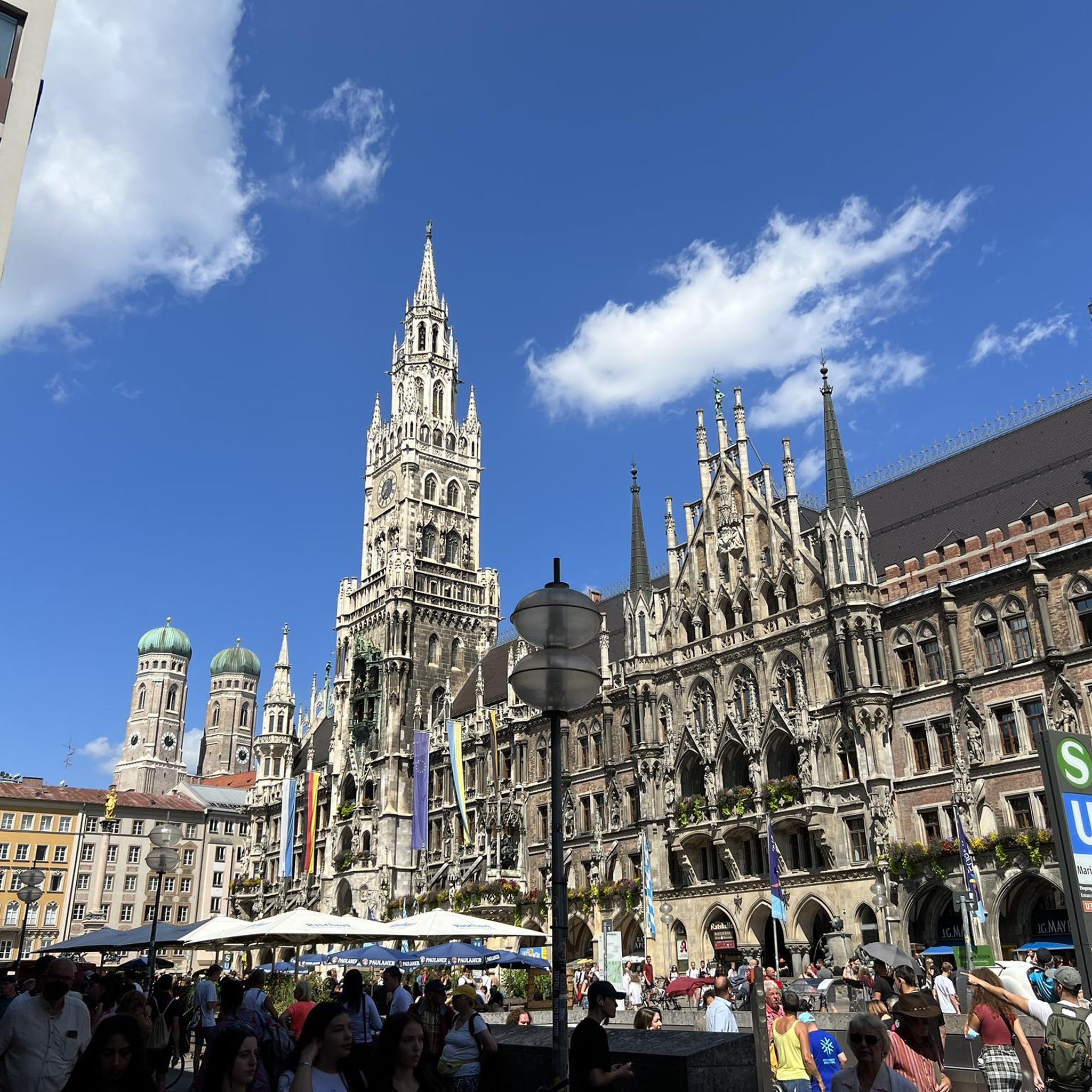
Hikes from bus stations in Moore In Der Palinger Heide

Hikes from bus stations around Boltenhagen
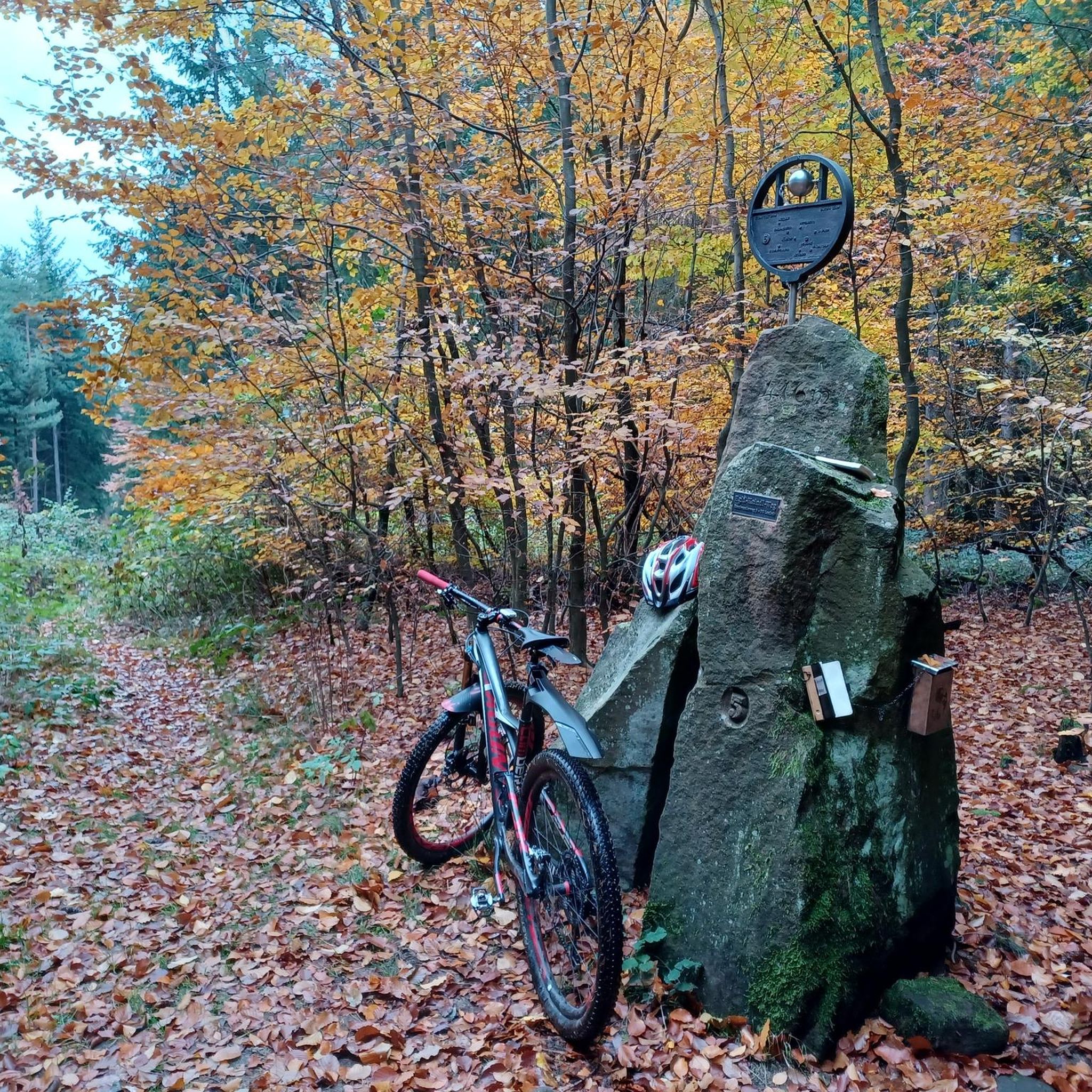
Hikes from bus stations around Wismar

Hikes from bus stations in Palinger Heide
Hikes from bus stations around Schweriner Lake (Außensee)

Hikes from bus stations around Kalkhorst

Hikes from bus stations around Lankower Lake
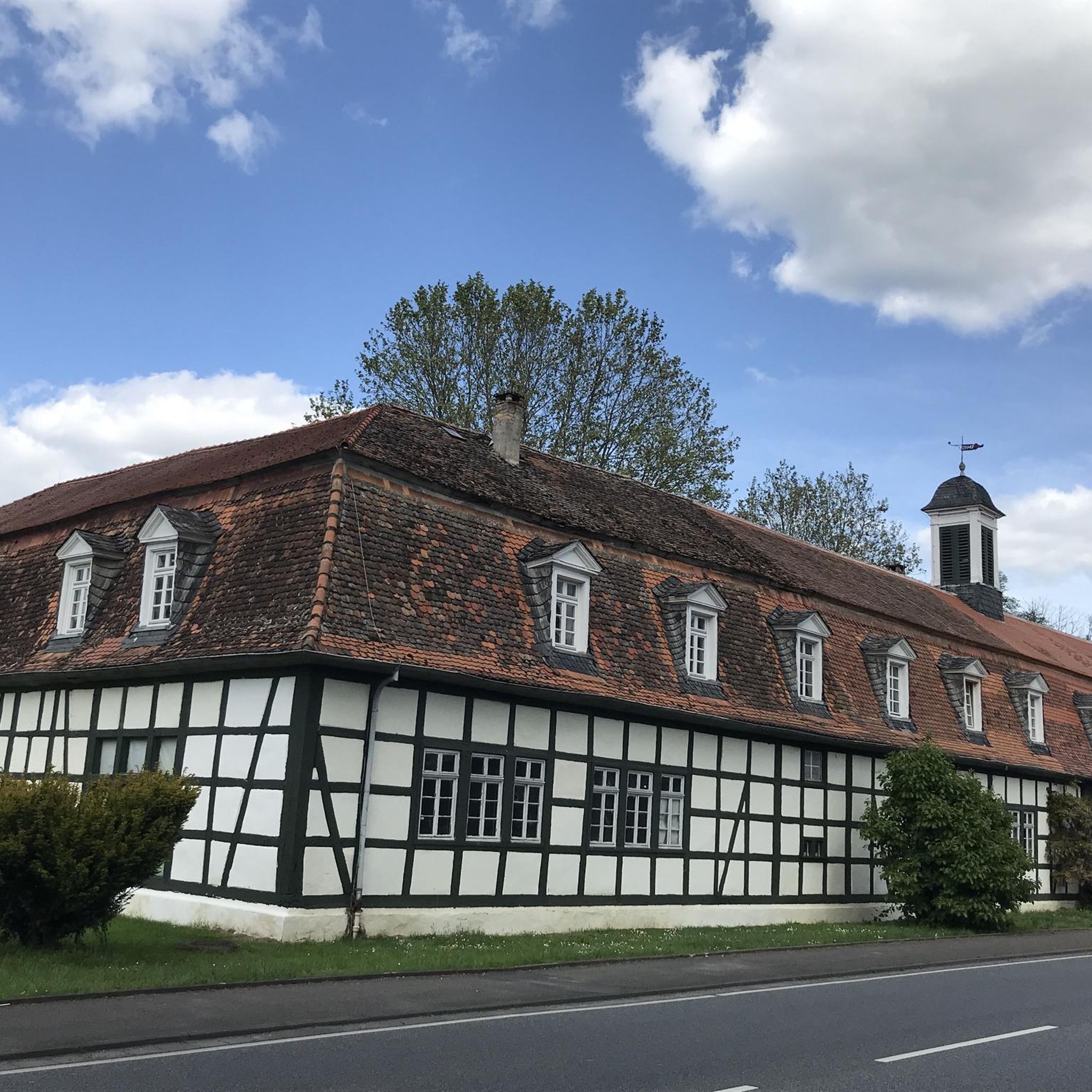
Hikes from bus stations around Großer Wariner Lake

Hikes from bus stations in Palingener Heide Und Halbinsel Teschow
Other adventures in Northwest Mecklenburg


Tips from the Community

The island was inhabited by hunter-gatherers at least since the 6th millennium BC, while marine resources were probably hardly used for a long time. From the second half of the 5th millennium onwards, the transition to a farming lifestyle, to the Neolithic period, took place. A Bronze Age burial mound and Iron Age artefacts attest to settlement continuity. Around the turn of the era, Germanic tribes lived on Poel, who in turn were followed by Slavic Abodrites in the early Middle Ages.
1
0
The island of Poel lies about 10 km north of Wismar in the Bay of Wismar on the southern edge of the Baltic Sea. From the south, a bay cuts deep into the island, which is about 37 km² in size, at the northern end of which lies the island's largest village, Kirchdorf. Almost half of Poel's approximately 2500 inhabitants live there.
2
0

A beautiful island with well-developed cycle paths.
9
0

This section just before Kirchdorf, the main town on the island of Poel, is particularly beautiful for both cyclists and pedestrians. The so-called "White Bridge" leads right through the reed beds, with the prominent church tower of the town always in view.
0
0

The path from Eulen Restaurant to the thatched houses was very desolate!!!
3
0

I took the 230 bus from Wismar train station to the island of Poel, where - there are fantastic natural beaches 🏖️ and a stunning cliff coast, and - where there's always a place to stop for a bite to eat or stay overnight at the harbor in Timmendorf. Other things to see: - Cliff coast - Natural beach - Lighthouse - Harbor - Cliff path - Reed bog (nature trail) - Ghost Forest The bus stop for the return trip is just a 5-minute walk from the harbor. Please note the beach fee during peak season! More information is available at: insel-poel.de Check out my tour: Poel Island -
0
0

From the former fortress in Kirchdorf, there is a beautiful view over the harbor and the tranquil bay of the island of Poel. Between green remnants of the ramparts and old trees, the view opens up to the anchored sailboats, the small fishing cutters, and the red tile roofs of the village.
1
0
The steep coastline in the north of Poel Island stretches between Timmendorf Beach and Gollwitz and forms one of the island's most striking landscape features. It is a prime example of the Baltic Sea's sculptural power, constantly reshaping the coastline through wind, waves, and rain. The subsoil consists primarily of glacial till, clay, and sand deposited during the Weichselian glaciation. Erosion regularly causes small collapses, with material from the upper slopes plunging into the sea. These processes result in the coastline retreating slightly each year. Visitors should therefore avoid the edge of the cliffs and stay on the designated paths. At the foot of the steep coast lie narrow, natural beaches with pebbles, clay fragments, and occasional stretches of sand. Here, various types of rock and traces of geological deposits can be discovered. Especially after stormy weather, flint, fossils, or small pieces of amber may be found. The northern cliffs are a habitat for numerous animal and plant species. Hardy coastal plants such as marram grass, wild roses, and sea buckthorn thrive in the upper reaches, while gulls, swallows, and sand martins nest on the slopes. From the higher vantage points, a sweeping view opens up across the Baltic Sea to the bird sanctuary island of Langenwerder. With its blend of geological diversity, scenic beauty, and tranquil natural surroundings, the cliffs in northern Poel are among the island's most impressive natural areas.
2
0
Frequently Asked Questions
How many bus-accessible hiking trails are there in Northwest Mecklenburg?
Northwest Mecklenburg offers a wide selection of bus-accessible hiking trails, with over 1000 routes available. This includes more than 590 easy trails, 450 moderate trails, and over 50 challenging options, ensuring there's something for every hiker.
What kind of landscapes can I expect on bus-accessible hikes in Northwest Mecklenburg?
You can expect a diverse range of landscapes. Many routes follow the scenic Baltic Sea coast, featuring paths like the Cliff Path and the wooden dune promenade. Inland, trails often wind through maturing Piedmont forests, around picturesque lakes such as Mechower Lake, and through nature preserves with wetlands and ponds. The region offers a mix of coastal beauty and tranquil inland nature.
Are there easy bus-accessible hiking trails suitable for beginners or families?
Yes, Northwest Mecklenburg has over 590 easy bus-accessible trails perfect for beginners and families. These routes often feature gentle terrain, such as the Wohlenberger Wiek Cliffs – View of the Baltic Sea loop from Hohen Wieschendorf, which offers idyllic coastal views without significant elevation changes. Many trails around lakes and through nature preserves are also designed for easy enjoyment.
Can I bring my dog on these bus-accessible hiking trails?
Many hiking trails in Northwest Mecklenburg are dog-friendly, especially those through natural areas and along the coast. It's always recommended to keep your dog on a leash, especially in nature reserves or areas with wildlife. Specific regulations may vary, so checking local signage is advisable.
What interesting sights or landmarks can I see along bus-accessible routes?
Along bus-accessible routes, you can discover various points of interest. Coastal trails often lead to stunning viewpoints and natural features like the wooden dune promenade near Boltenhagen. Inland, you might encounter historical sites or castles. For example, you could explore areas near Wiligrad Castle and Park or Bothmer Castle, which are part of the region's rich heritage.
Which bus-accessible routes offer views of the Baltic Sea?
Several bus-accessible routes provide stunning views of the Baltic Sea. The Wohlenberger Wiek Cliffs loop offers panoramic coastal vistas. Additionally, routes around Poel Island, such as the Schwarzer Busch Beach loop from Insel Langenwerder or the Timmendorf Harbour loop from Ostseebad Insel Poel, provide excellent opportunities to experience the Baltic Sea coastline.
What is the best time of year to go hiking from bus stations in Northwest Mecklenburg?
The best time for hiking in Northwest Mecklenburg is generally from spring through autumn. Spring brings blooming nature, while summer offers pleasant temperatures for coastal walks. Autumn provides beautiful foliage, especially in forested areas. Winter hiking is also possible, particularly along the coast, but requires appropriate gear for colder conditions.
Are there any bus-accessible routes that are more challenging?
While much of Northwest Mecklenburg features gentle terrain, there are over 50 more challenging bus-accessible routes for experienced hikers. These might involve longer distances or slightly more varied elevation, particularly in areas like the Schaalsee Biosphere Reserve or Sternberger Seenland Nature Park, which offer more rugged landscapes compared to the immediate coast.
Can I find places to eat or stay near bus-accessible trailheads?
Yes, many towns and villages in Northwest Mecklenburg, especially those with bus stations serving hiking trails, offer amenities like cafes, pubs, and accommodation. Coastal towns like Boltenhagen and areas around Wismar or Schwerin are well-equipped with options for refreshments and overnight stays, often within walking distance of bus stops and trailheads.
Are there bus-accessible routes that explore islands or coastal areas?
Absolutely. Northwest Mecklenburg is known for its coastal and island hiking opportunities. Poel Island, for instance, offers several bus-accessible routes like the Timmendorf Harbour, Poel Island loop from Poel, allowing you to explore its beaches and charming villages. The region's Baltic Sea coastline is dotted with trails that are easily reached by public transport.
What do other hikers say about the bus-accessible trails in Northwest Mecklenburg?
The komoot community highly rates the hiking experience in Northwest Mecklenburg, with an average score of 4.5 stars. Reviewers often praise the region's diverse landscapes, from the refreshing Baltic Sea air to the tranquil inland forests and lakes. The accessibility by public transport is also frequently highlighted as a major convenience.
Most popular routes in Northwest Mecklenburg
Most popular attractions in Northwest Mecklenburg

Get inspired with the komoot mobile app


Didn’t find what you were looking for?
Check out more Hikes throughout Northwest Mecklenburg below and find the perfect route in your destination.
Explore more
Browse the best Hikes in other regions.
