The best traffic-free bike rides around Freudental
4.7
(23)
175
riders
9
rides
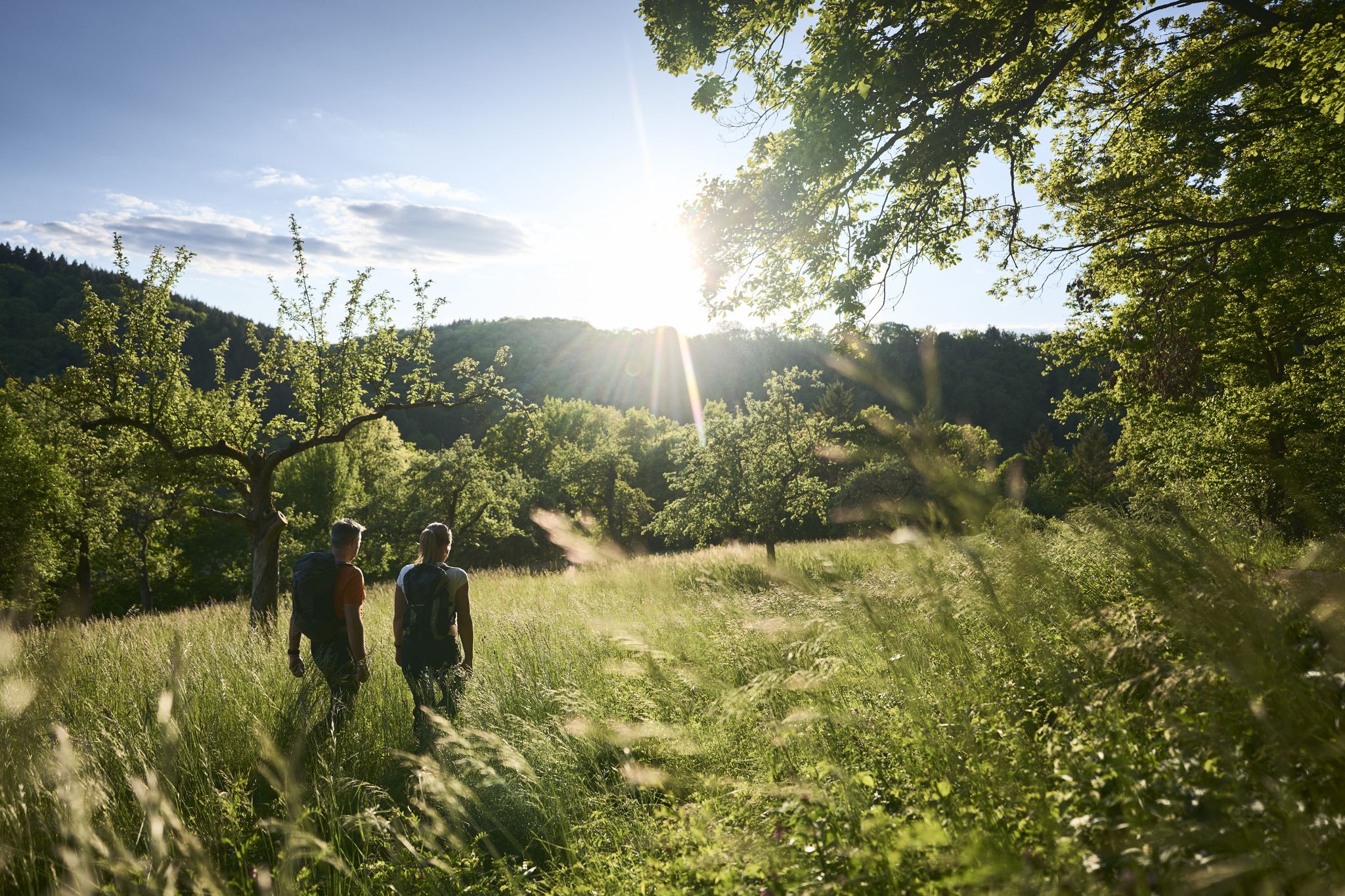
No traffic touring cycling routes around Freudental are characterized by rolling hills, extensive deciduous forests, and picturesque vineyards. The region, part of Germany's Stromberg-Heuchelberg Nature Park, offers a dynamic landscape with varied terrain. Cyclists can explore paths winding through agricultural areas and natural monuments, providing a blend of scenic beauty and cultural interest. The topography ensures frequent expansive vistas over the surrounding countryside.
Best no traffic touring cycling routes around Freudental
- The most popular no traffic touring cycling route is…
Last updated: May 15, 2026
4.0
(3)
23
riders
26.4km
02:01
320m
320m
Moderate bike ride. Good fitness required. Mostly paved surfaces. Suitable for all skill levels.
5.0
(2)
18
riders
24.4km
01:58
360m
360m
Moderate bike ride. Good fitness required. Mostly paved surfaces. Suitable for all skill levels.

Sign up for free
5.0
(2)
10
riders
13.7km
00:59
220m
220m
Moderate bike ride. Good fitness required. Mostly paved surfaces. Suitable for all skill levels.
5.0
(1)
14
riders
Easy bike ride. Great for any fitness level. Mostly paved surfaces. Suitable for all skill levels.
5.0
(1)
5
riders
Easy bike ride. Great for any fitness level. Mostly paved surfaces. Suitable for all skill levels.
Get access to more routes and recommendations from other explorers.
Sign up for free
Already have an account?
Our route recommendations are based on thousands of hikes, rides, and runs completed by other people on komoot.
Start today with a free account
Your next adventure awaits.
Login or Signup
Other adventures around Freudental

Tips from the Community

The landscape is very beautiful and peaceful.
0
0


Parish church of Hölderlin's uncle.
0
0

The hall church was built in 1686/87. It consists of a nave and a choir tower in the east, which was extended in 1687 with an octagonal timber-framed storey to house the clock tower and the belfry for the three church bells. The tower is topped by a bell dome crowned with a lantern. The interior of the nave, with galleries built along the long sides, is spanned by a flat ceiling. It is opened to the choir, i.e., the ground floor of the choir tower, by a chancel arch. The organ is a special feature. It formerly stood in the Order Chapel of Ludwigsburg Palace, later in the chapel of Stuttgart-Hohenheim Palace. King Frederick of Württemberg donated the organ to the church. It is probably the only surviving Württemberg court organ. Based on its gilded decorations, it is assumed to have been built in the Baroque period.
4
0
In 1727, Countess von Würben, née von Grävenitz, purchased the village of Freudental. She commissioned the construction of the castle and the layout of the park by master builder Paolo Retti, the architect of the Ludwigsburg Baroque Palace. From 1810, the expanded palace complex served as the summer residence of King Frederick I of Württemberg. Since 1911, the palace, including its park with three lakes and a large orchard, served as a convalescent home for the Stuttgart local health insurance funds, and from 1961 onward, it housed the Ludwigsburg district's nursing home. From 2007 to 2020, Freudental Palace was privately owned. Since 2021, it has housed an acute care clinic of the Libermenta Clinics.
4
0
From the "Weinkanzel" lookout point you have a panoramic view from the Heuchelberg to the Schurwald in clear weather.
6
0


Here comes joy
2
0
Frequently Asked Questions
How many no-traffic touring cycling routes are available around Freudental?
There are 11 dedicated no-traffic touring cycling routes around Freudental, offering a variety of experiences. These routes range from easy to moderate difficulty, ensuring options for different skill levels.
What kind of terrain can I expect on these no-traffic touring cycling routes?
The routes around Freudental, nestled in the 'Land of 1000 Hills,' feature diverse terrain. You'll encounter rolling hills, extensive deciduous forests, picturesque vineyards, and orchards. This varied topography, part of the Keuper Uplands, provides a dynamic and engaging cycling experience.
Are there any easy no-traffic touring routes suitable for beginners or families?
Yes, there are 5 easy no-traffic touring cycling routes around Freudental. A great option for a relaxed ride is the Evangelical Church, Freudental – View of Baiselsberg loop from Freudental, which is just under 9 km long with minimal elevation gain. Another easy choice is the View of Baiselsberg – Geological Window Hohenhaslach loop from Freudental.
What are some notable natural features or viewpoints along the no-traffic routes?
Many routes offer scenic views over the surrounding landscape. You can enjoy panoramic vistas of the hills and forests. For specific viewpoints, consider routes that pass near highlights like the View from the stone bench at the Schönenberg summit or the View of Michaelsberg. The region's varied topography ensures frequent expansive vistas.
Can I find historical sites or landmarks along these no-traffic touring cycling routes?
Absolutely. The Freudental area is rich in history. Routes often pass by or lead to historical landmarks such as the well-preserved Köllesturm Bönnigheim and Gochsheim Castle. The Jewish Cemetery Freudental is another significant historical site that can be incorporated into your rides, blending natural paths with cultural exploration.
Are there any longer, more challenging no-traffic touring routes for experienced cyclists?
While there are no routes classified as 'difficult,' there are 6 moderate no-traffic touring cycling routes that offer a good challenge. The Heiligenberg Lake – Shelter with Fire Pit loop from Freudental is a longer option at over 31 km with significant elevation gain, providing a more demanding ride.
What do other touring cyclists enjoy most about the no-traffic routes around Freudental?
The no-traffic touring cycling routes around Freudental are highly rated by the komoot community, with an average score of 4.65 stars. Reviewers often praise the peacefulness of the car-free paths, the beautiful scenery through forests and vineyards, and the opportunity to discover charming villages and historical sites without vehicle interference.
Are there any circular no-traffic touring routes available?
Yes, all the listed no-traffic touring cycling routes around Freudental are designed as circular loops, allowing you to start and end your journey in the same location. Examples include the Shelter with Fire Pit – Descent to the Castle Ruins loop from Freudental and the Pfeiferhütte Shelter – Wolfsklingenweg Trail loop from Freudental.
What is the best time of year to enjoy no-traffic touring cycling in Freudental?
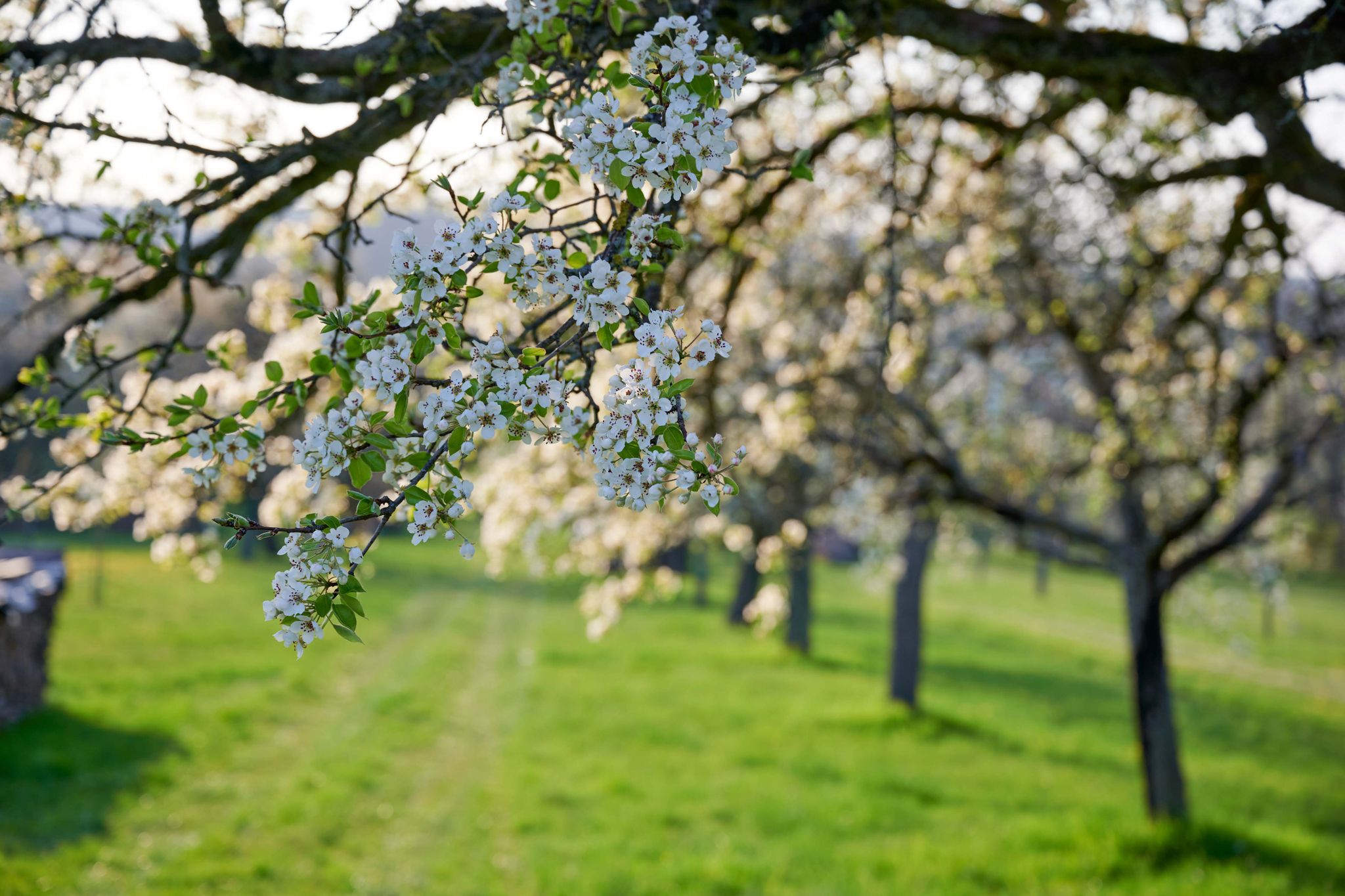
The extensive deciduous forests and vineyards make spring and autumn particularly scenic for touring cycling around Freudental. Spring offers lush greenery and blooming landscapes, while autumn provides vibrant fall colors. Summer is also pleasant, with shaded paths through the forests offering respite from the sun.
Are there places to stop for refreshments or rest along the no-traffic routes?
Yes, the routes often pass through or near charming villages and towns like Bönnigheim, Ochsenbach, and Sachsenheim, where you can find opportunities for breaks, refreshments, and experiencing local charm. Additionally, you might encounter facilities like the Pfeiferhütte Barbecue Area or the Pfeiferhütte Shelter directly on some routes.
Can I find routes that offer views of prominent peaks or summits?
Yes, the region is known for its rolling hills and offers views of various peaks. Some routes provide glimpses of significant points like Baiselsberg — Highest Point in the Stromberg or Michaelsberg, Cleebronn. The varied topography ensures cyclists are frequently treated to expansive vistas over the surrounding landscape.
Most popular routes around Freudental
Most popular attractions around Freudental

Get inspired with the komoot mobile app


Explore more
Browse the best Cycling routes in other regions.
