The best traffic-free bike rides around Mühlheim am Main
4.4
(941)
4,597
riders
177
rides
No traffic gravel bike trails around Mühlheim am Main benefit from the town's location directly on the Main River, offering extensive floodplains and riverside paths. The region features varied terrain, including dense forest areas, former Dietesheim Quarries, and unique Gailenberg Sand Dunes. This diverse landscape provides a mix of flat to gently rolling sections and more rugged paths suitable for gravel biking.
Best no traffic gravel bike trails around Mühlheim am Main
- The most popular no traffic gravel bike trail…
Last updated: July 24, 2026
5.0
(2)
12
riders
61.0km
03:40
340m
340m
Moderate gravel ride. Good fitness required. Mostly paved surfaces. Suitable for all skill levels.
5.0
(3)
7
riders
Hard gravel ride. Good fitness required. You may need to push your bike for some segments of this route.

Sign up for free
6
riders
61.2km
03:36
230m
230m
Hard gravel ride. Good fitness required. You may need to push your bike for some segments of this route.
3.0
(2)
9
riders
63.1km
03:47
410m
410m
Hard gravel ride. Good fitness required. You may need to push your bike for some segments of this route.
5.0
(1)
7
riders
Hard gravel ride. Very good fitness required. Mostly paved surfaces. Suitable for all skill levels.
Get access to more routes and recommendations from other explorers.
Sign up for free
Already have an account?
Our route recommendations are based on thousands of hikes, rides, and runs completed by other people on komoot.
Start today with a free account
Your next adventure awaits.
Login or Signup
Popular around Mühlheim am Main
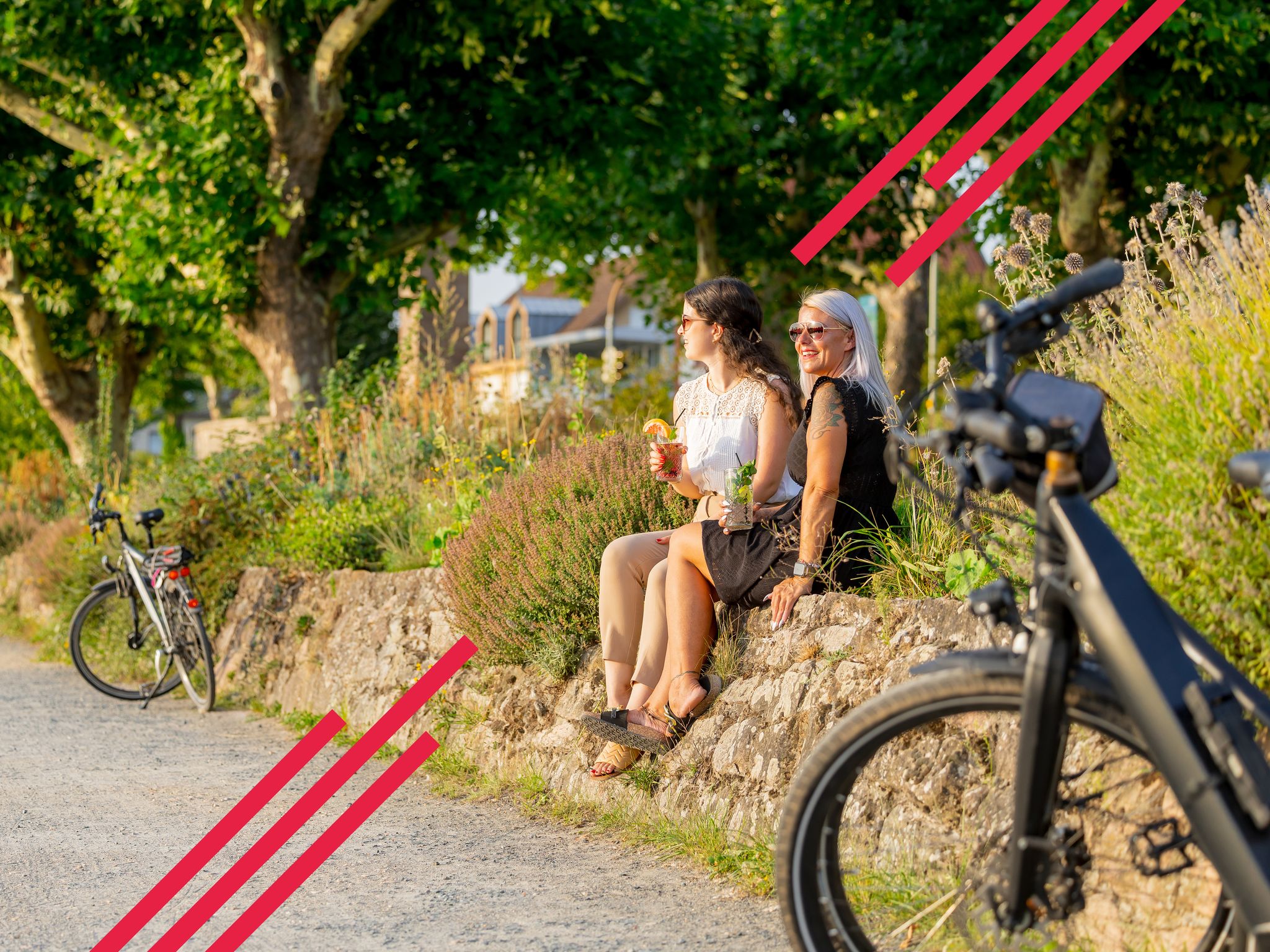
Changing habitats – themed cycling in FrankfurtRheinMain

Orchards, vineyards, taverns – hikes in the RMV area

Out into spring – glorious hikes with the RMV

Fit in den Frühling – Die schönsten Laufrunden im Rhein-Main-Gebiet
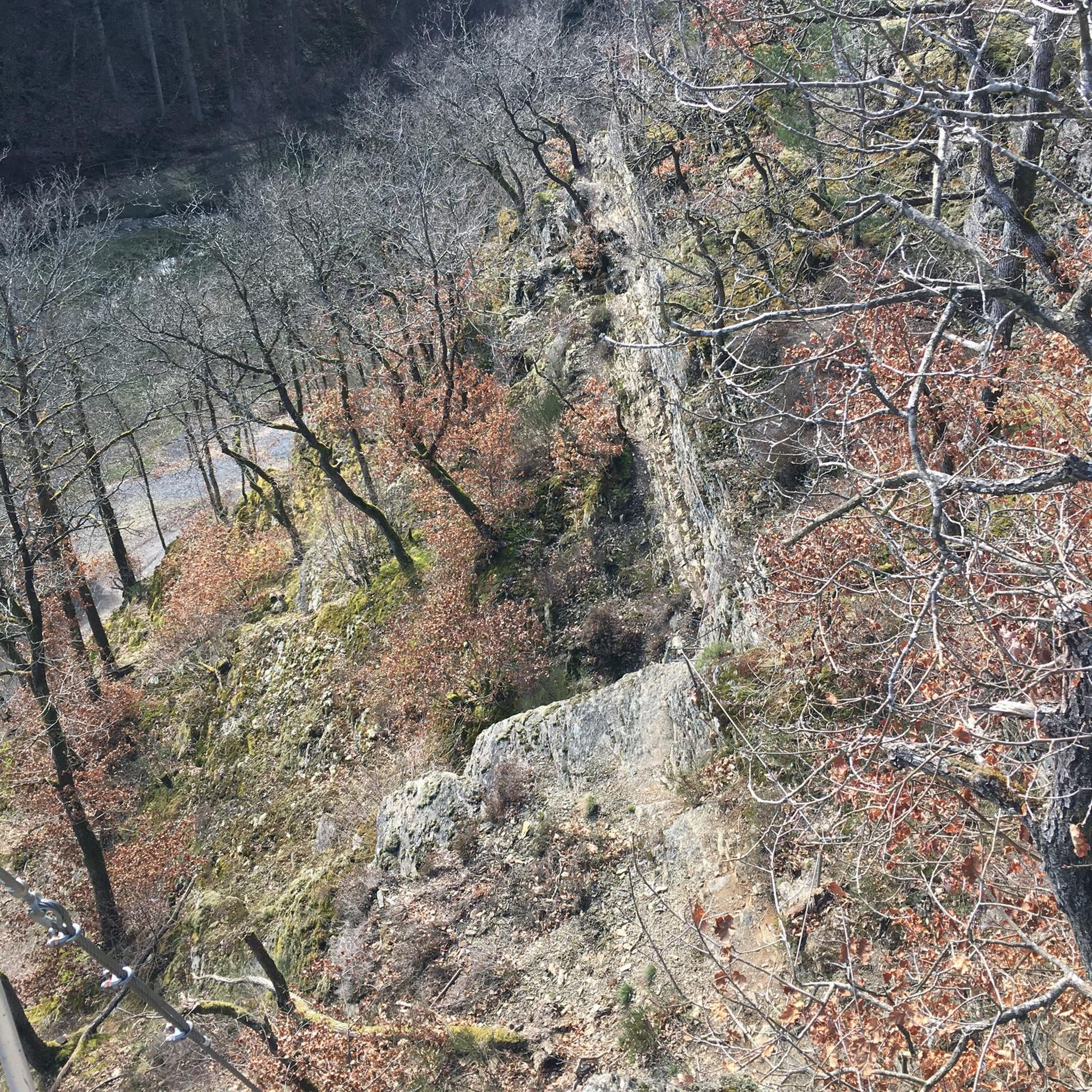
Traffic-free bike rides around Mühlheim am Main
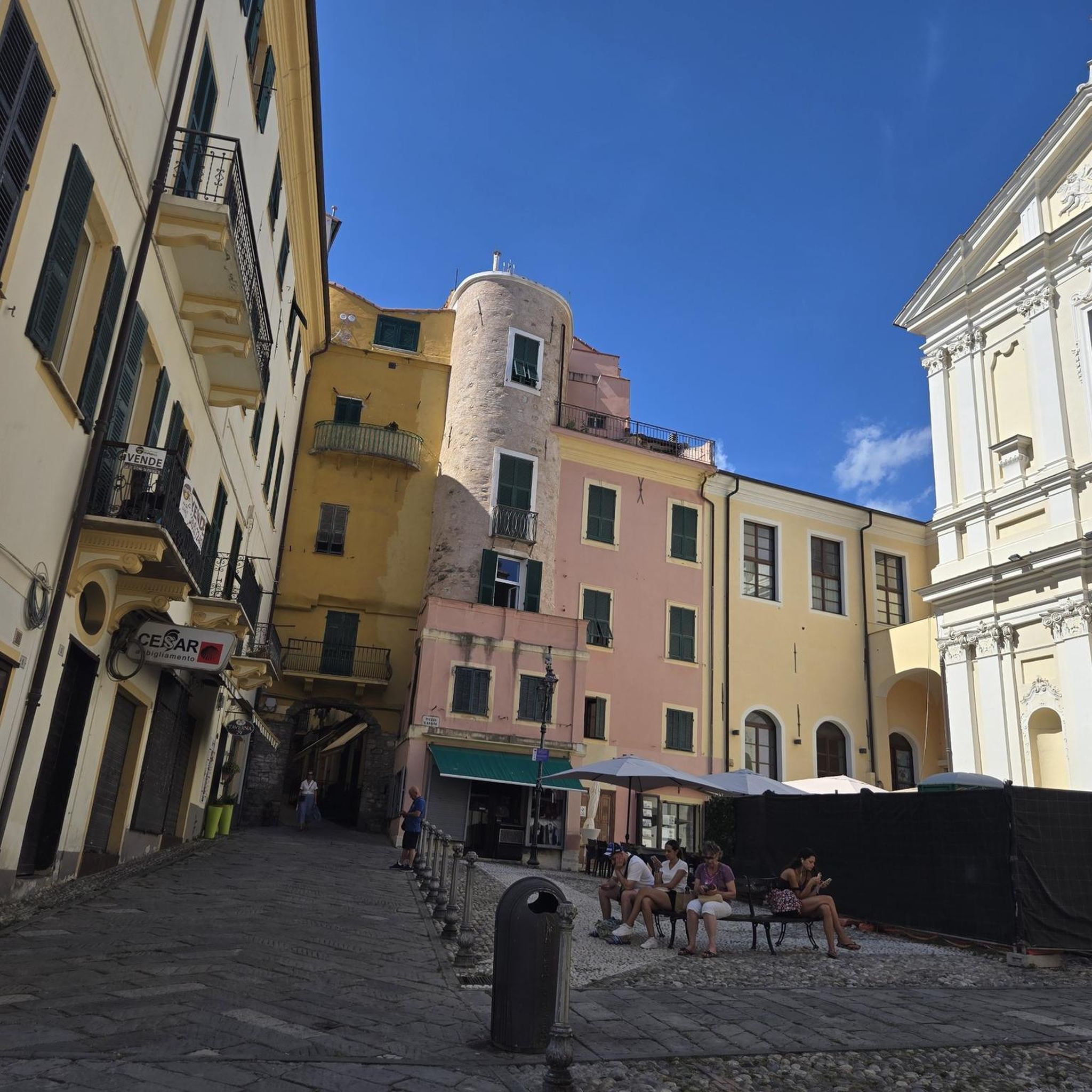
Traffic-free bike rides around Mühlheim am Main
Other adventures around Mühlheim am Main


Tips from the Community

Beautiful, natural section of the Marienweg.
1
0

it's beautifully rustic here
0
0

One of the two "city gates" in Dreieichenhain.
0
0
In previous years, I wondered what the purpose of this building was.
1
0

You have a beautiful view from the Rothfeld Tower.
0
0

Beautiful path along the Kinzig river.
0
0

It's always lovely to cycle along the Kahl river.
0
0

From here on, the riverside path on the right bank of the Kinzig is wildly romantic and beautiful.
0
0
Frequently Asked Questions
How many no-traffic gravel bike trails are available around Mühlheim am Main?
Komoot offers over 200 traffic-free gravel bike routes around Mühlheim am Main, catering to various skill levels. You'll find a good mix of easy, moderate, and difficult options to explore the region's diverse landscapes.
What do other gravel bikers say about the trails in Mühlheim am Main?
The gravel biking experience around Mühlheim am Main is highly rated by the komoot community, with an average score of 4.4 stars from over 900 ratings. Riders often praise the quiet woodlands, varied terrain, and scenic riverside paths along the Main and Rodau rivers.
Are there easy, traffic-free gravel routes suitable for beginners in Mühlheim am Main?
Yes, there are many easy, traffic-free gravel routes perfect for beginners. These often follow the flat to gently rolling terrain of the Main River floodplains and through less challenging forest sections. For example, the Trail Along the Hainbach Stream – Forest Cycle Path loop from Offenbach-Bieber is an easy option.
Can I find longer gravel bike routes for experienced riders looking for a challenge?
Absolutely. For experienced gravel bikers seeking longer and more challenging rides, Mühlheim am Main offers several difficult routes. These can include more elevation gain and cover greater distances, such as the extensive The Main River at Kostheim loop from Obertshausen, which is over 116 km long.
Are there gravel paths along the Main River that are traffic-free?
Yes, the region is well-known for its extensive network of cycling paths along the Main River, many of which offer traffic-free gravel sections. These paths often traverse picturesque floodplains (Auenlandschaften) and connect to the broader Main-Radweg, providing beautiful riverside views away from car traffic.
What unique natural sights can I explore on a gravel bike near Mühlheim am Main?
The area boasts unique natural features like the Dietesheimer Steinbrüche (former quarries), which offer varied terrain and a distinctive backdrop for gravel biking. You can also explore paths near the Gailenberg Sand Dunes, providing a different riding surface and unique scenery. The confluence of the Rodau and Main rivers is another scenic point of interest.
Are there any family-friendly gravel bike trails with minimal traffic?
Many of the routes along the Main River and through the local forest areas are ideal for families, offering flat, traffic-free sections. These paths are generally well-maintained and provide a safe environment for riders of all ages. Look for routes marked as 'easy' to ensure a comfortable family outing.
Where can I find scenic viewpoints along the gravel trails?
The region offers several spots for scenic views. The Main River itself provides continuous picturesque vistas. For elevated perspectives, consider routes that pass near the Summit of the Mühlheim Gailenberg. Additionally, some trails might offer glimpses of the Frankfurt skyline from a distance, such as the View of the Frankfurt skyline from Lohrberg.
Are there any historical or cultural landmarks accessible by gravel bike?
Yes, you can combine your gravel ride with visits to historical sites. While not directly on every gravel path, routes often lead to or near places like Seligenstadt Abbey, known for its Einhard basilica and monastery garden. Closer to Mühlheim, you might encounter the History Trail at the Russenhütte or the Friedberger Warte, offering cultural points of interest along your journey.
Are there any cafes or huts along the gravel bike routes for a break?
Yes, you'll find several spots to take a break and refuel. The area around Mühlheim am Main features various huts and cafes that are popular with cyclists. Notable options include the Waldhütte Coffee Meeting Point and In the Gadde, which are often accessible from the cycling network.
Can I access these gravel bike trails using public transport?
Mühlheim am Main is well-connected by public transport, making it convenient to reach the starting points of many gravel bike trails. The town is integrated into the regional transport network, and many routes begin near train stations or bus stops, allowing for easy access without a car. It's always a good idea to check local transport schedules for specific routes.
What is the best time of year for gravel biking in Mühlheim am Main?
The spring and autumn months are generally ideal for gravel biking in Mühlheim am Main, offering pleasant temperatures and beautiful scenery as the landscape changes. Summer can also be great, especially on shaded forest paths or along the river, but be mindful of potential heat. Winter rides are possible, but some unpaved sections might be muddy or icy, so check conditions beforehand.
Most popular routes around Mühlheim am Main
Most popular attractions around Mühlheim am Main

Get inspired with the komoot mobile app


Explore more
Browse the best Gravel rides in other regions.
