The best hikes from bus stations in Catalonia
4.5
(31765)
238,622
hikers
6,289
hikes
Hiking in Catalonia offers diverse landscapes, from the high peaks of the Pyrenees to the rugged Mediterranean coastline. The region features a network of trails winding through unique rock formations, lush forests, and volcanic zones. Terrain varies from coastal paths and river gorges to mountainous areas with significant elevation changes.
Best bus station hiking trails in Catalonia
- The most popular bus station hiking route is GR 92: Vilanova i la Geltrú Coastal Loop, a 7.2 miles (11.6 km) trail…
Last updated: July 15, 2026
4.4
(38)
122
hikers
11.6km
03:06
140m
140m
Hike the 7.2-mile circular coastal path from Sitges to Vilanova, offering moderate difficulty and stunning Mediterranean views.
4.8
(21)
87
hikers
10.3km
03:15
290m
290m
Hike the moderate Puig de la Mola Loop from Olesa de Bonesvalls for panoramic views, karstic landscapes, and historic landmarks.

Sign up for free
4.7
(12)
67
hikers
Moderate hike. Good fitness required. Mostly accessible paths. Sure-footedness required.
2.3
(3)
9
hikers
6.06km
01:41
120m
120m
An easy 3.8-mile circular hike from Hospital del Vendrell, exploring the Bosc de Les Comes and the historic Castillo de la Muga ruins.
5.0
(5)
16
hikers
9.85km
02:55
270m
270m
Hike a moderate 6.1-mile (9.9 km) circular route from Santa Cristina d'Aro to the historic Ermita de Pedralta with panoramic views.
Get access to more routes and recommendations from other explorers.
Sign up for free
Already have an account?
Our route recommendations are based on thousands of hikes, rides, and runs completed by other people on komoot.
Start today with a free account
Your next adventure awaits.
Login or Signup
Popular around Catalonia
Hikes from bus stations in Barcelona

Hikes from bus stations in Girona
Hikes from bus stations in Tarragona

Hikes from bus stations in Lleida
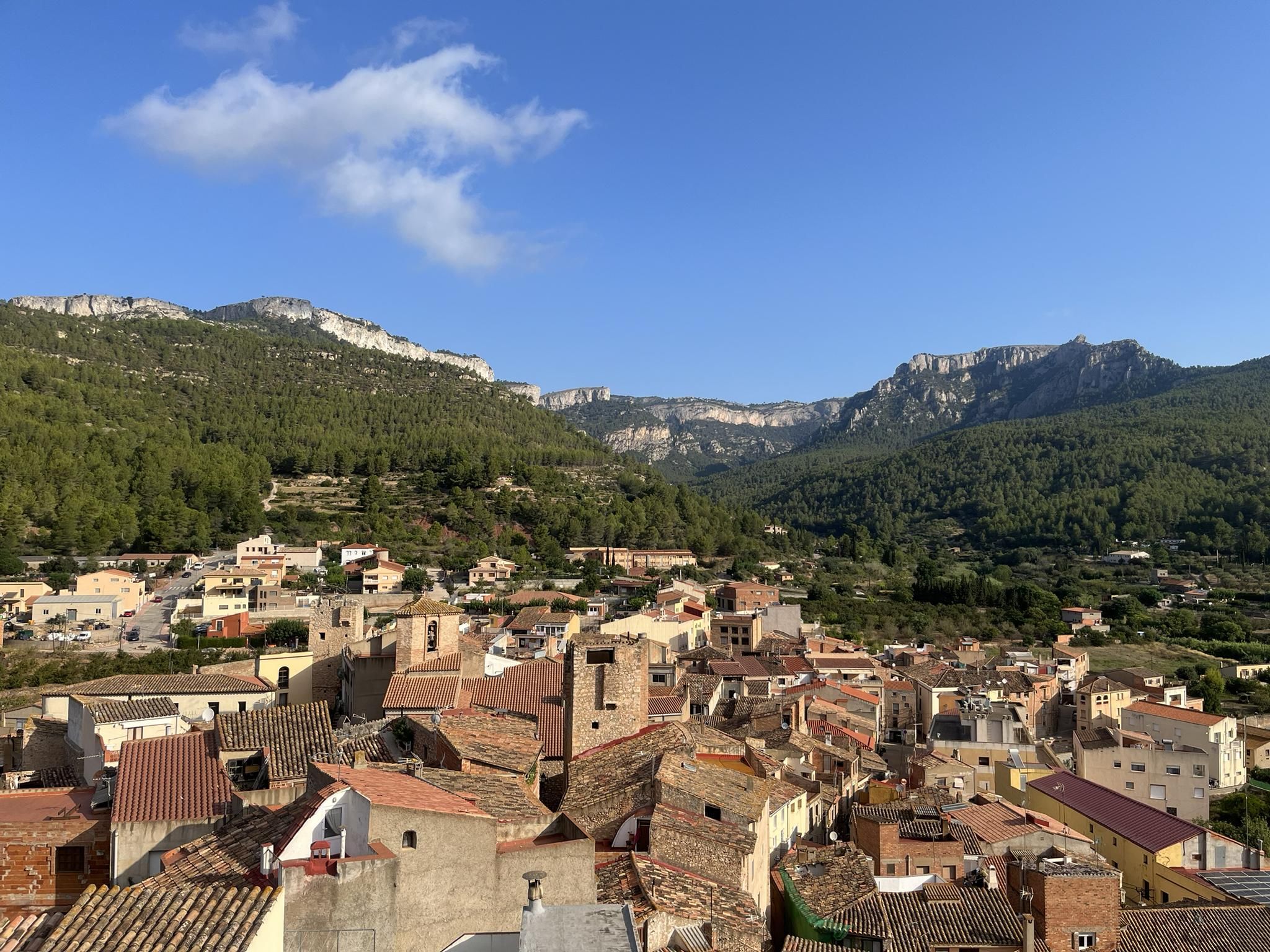
From Cambrils to the Ebro Delta - Camí del Vent (GR 192)
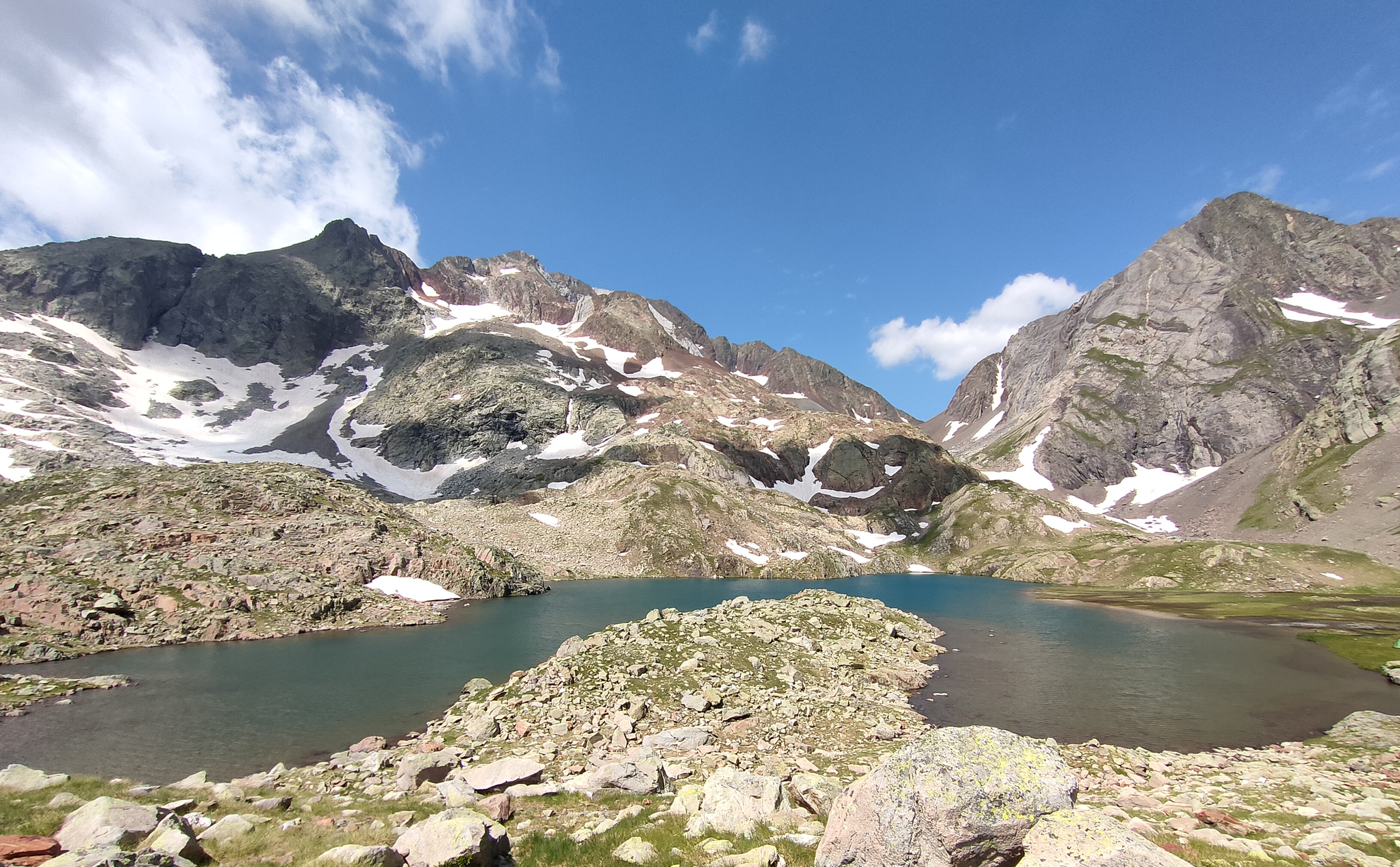
Panoramic Pyrenees – 15 hikers' peaks of over 3,000 metres
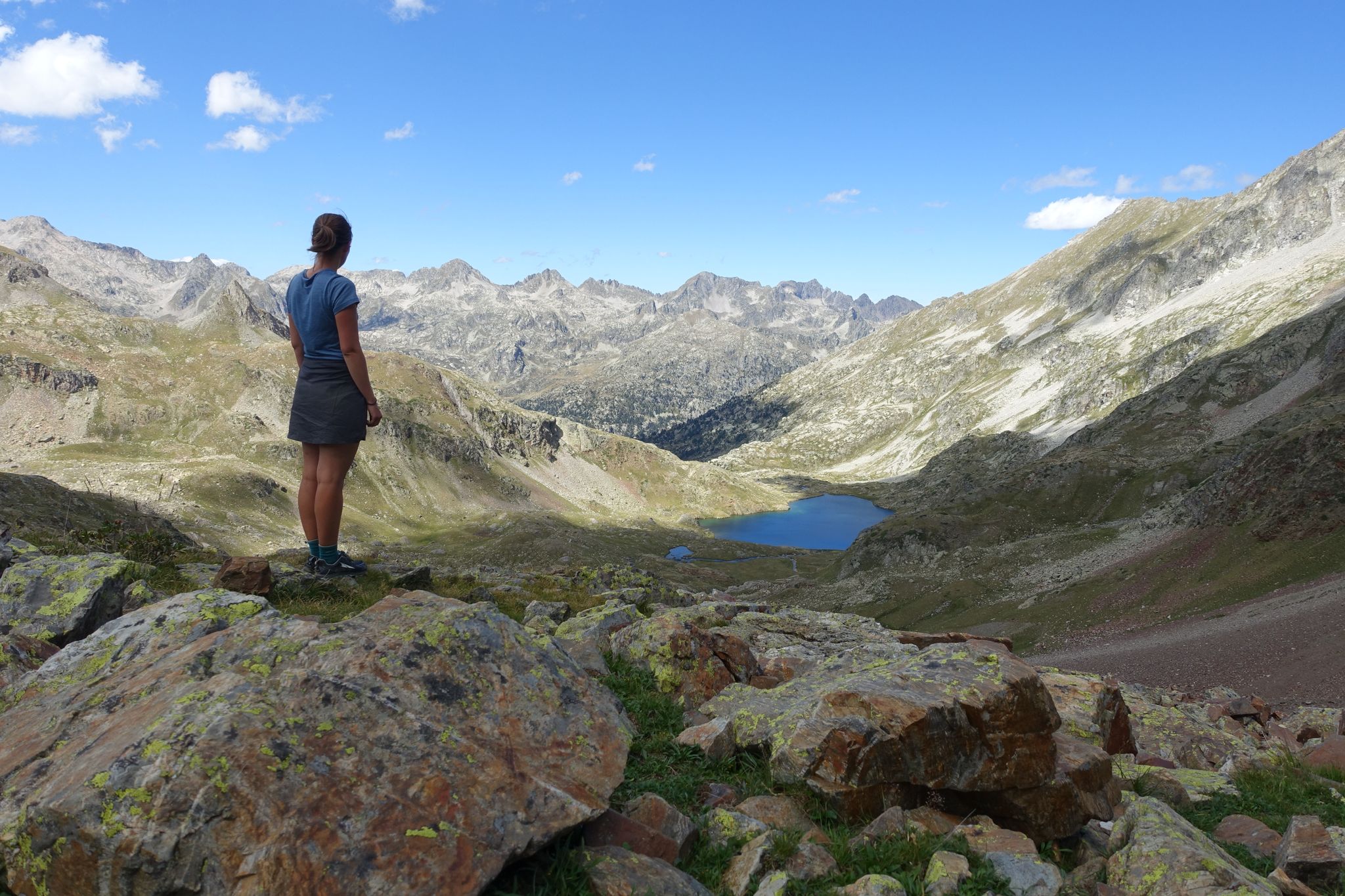
Haute Route Pyrénéenne – Pyrenees Crossing
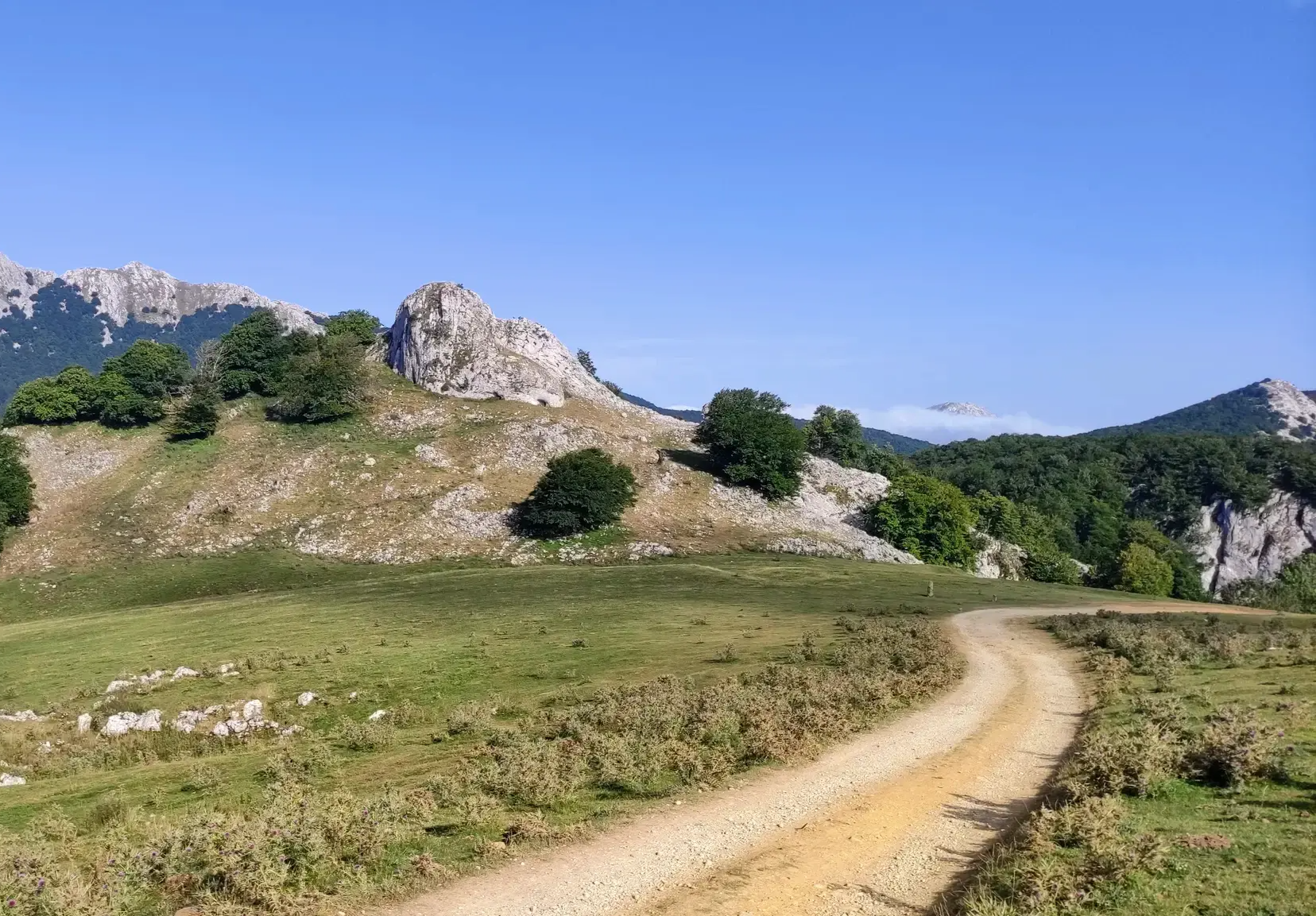
The Ignatian Way - In the footsteps of Ignatius of Loyola
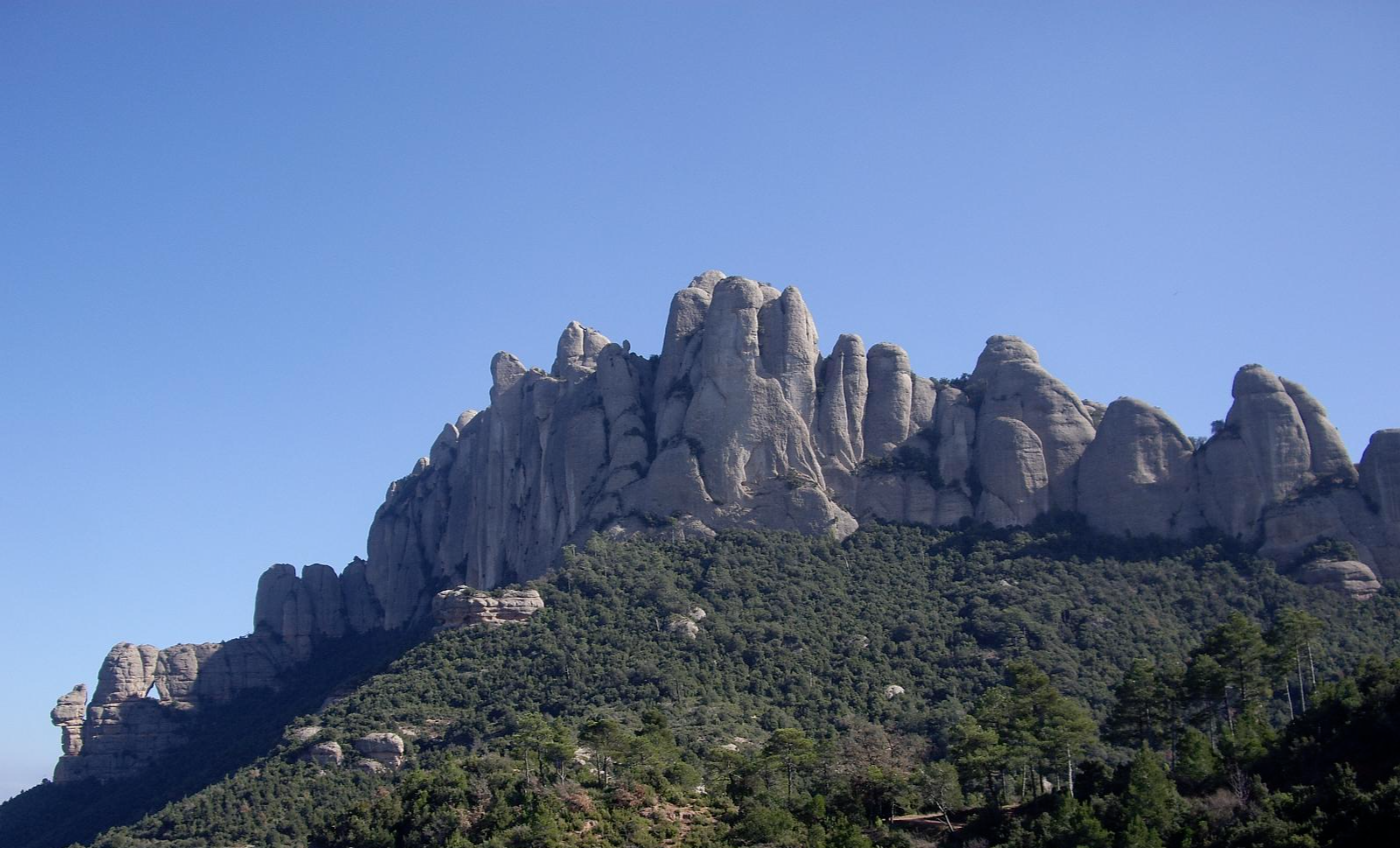
The Pilgrims' Road to Montserrat - GR 96
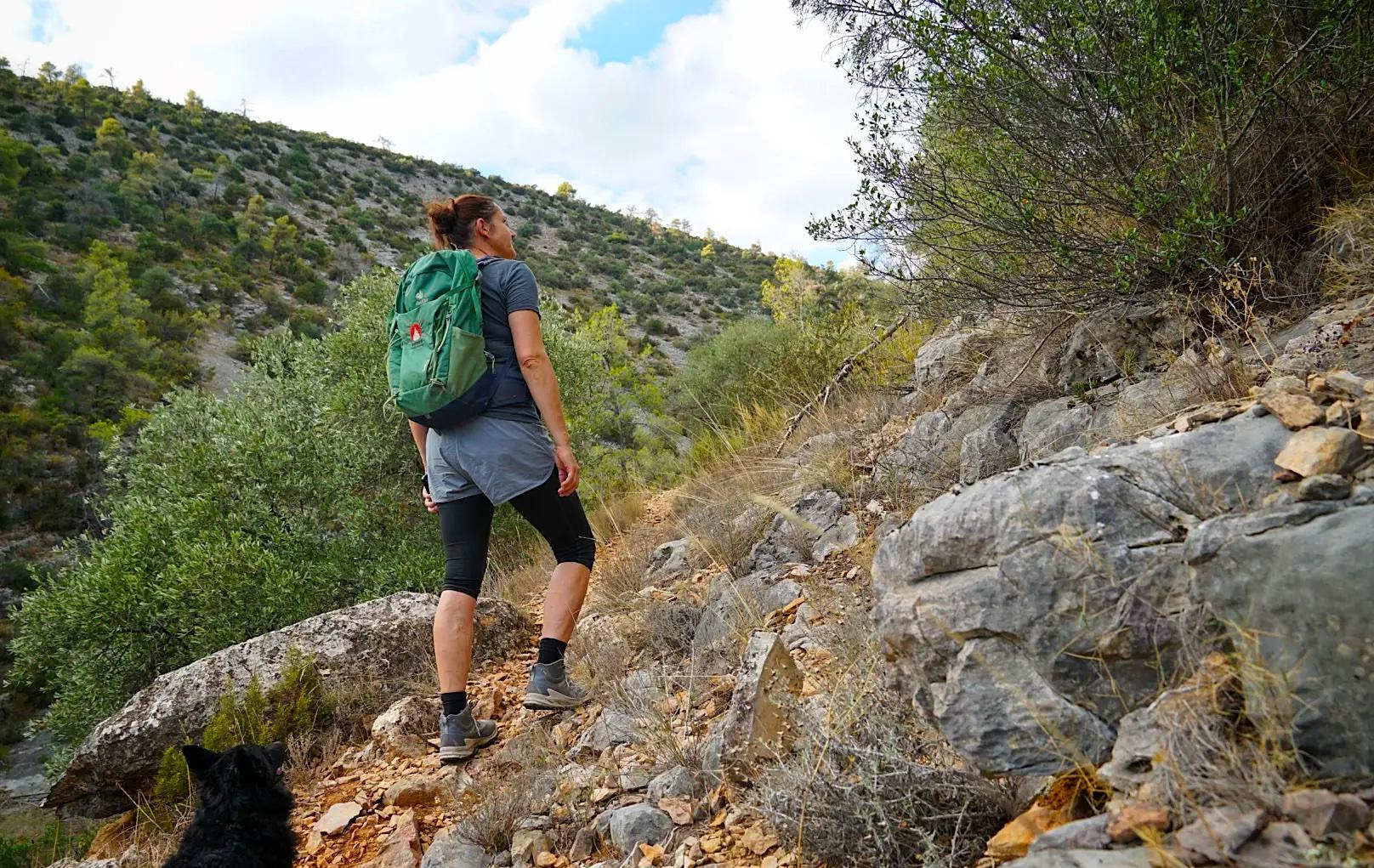
Catalonia's wild south — between sea and mountains
Other adventures in Catalonia


Tips from the Community

old ruins on the way to vilanova from sitges
0
0

Highest point of Garraf. Peak with a lot of wind. But with 360 degree views
0
0

Picturesque place that belongs to Santa Cristina de Aro although it is accessed by a road from SanT Feliu de Guíxols
0
0
Highest point of Garraf.
0
0

A nice place to visit while out on a hike. The castle has a pretty interesting history and is not very hard to arrive on foot. You cannot really enter because it is all closed up but you can visit from the outside. It is mostly in ruins and would be dangerous to enter.
0
0

El Clascar, also known as Bertí's castle, is a building in a ruined state in the municipality of San Quirico Safaja, in the Moyanés region. It belongs to the old rural town of Bertí. It is located at the top of the Cingles de Bertí, very close and at noon to the church of San Pedro de Bertí, in the parish to which it belonged. It is at the eastern end of the municipality of San Quirico Safaja. To its southwest there had been the Can Saloma farmhouse. It is accessed by an old rural road, currently a path, which from San Pedro de Bertí heads south, and in about 650 meters leads to Clascar. By vehicle, the track that allows access leaves from the same place, but turns further east. In 1949 it was classified as a Cultural Asset of National Interest, since its origin is related to a medieval castle.
3
0

Set of five concavities located on the SW side of the Puig de la Mola (Garraf), along a 70-metre-long ridge. The cavities have a linear route that oscillates between 3 and 6 meters. Without any speleological interest. To access this peak there is a long track (closed to vehicles) that leaves the road from Begues to Olesa de Bonesvalls. Known since time immemorial. The only known data are those published by members of the Víctor Balaguer Museum (Vilanova i la Geltrú) who did the topography in June 1981.
0
0

It is at this point where several paths cross, one that takes you to the top of Puig de la Mola and the other that goes in the direction of Les Balmes del Puig de la Mola.
0
0
Frequently Asked Questions
How many bus-accessible hiking trails are available in Catalonia?
Catalonia offers a vast network of bus-accessible hiking trails, with over 5,700 routes available. These trails cater to various skill levels, including more than 2,100 easy routes and over 3,100 moderate options, ensuring there's a suitable adventure for everyone.
What kind of landscapes can I explore on bus-accessible hikes in Catalonia?
Bus-accessible hikes in Catalonia allow you to discover an incredible diversity of landscapes. You can trek through the high peaks of the Pyrenees, explore the unique volcanic terrain of the Garrotxa Volcanic Zone, or enjoy the rugged Mediterranean coastline along the GR 92: Vilanova i la Geltrú Coastal Loop. Other options include the striking rock formations of Montserrat and the lush forests of Montseny Natural Park.
Are there easy bus-accessible hiking trails suitable for beginners or families in Catalonia?
Yes, Catalonia has over 2,100 easy bus-accessible routes perfect for beginners or families. These trails often feature gentle gradients and shorter distances. An example is the La Muga Castle Loop, which offers a pleasant walk suitable for a relaxed outing.
Can I find circular hiking routes accessible by bus in Catalonia?
Many bus-accessible trails in Catalonia are circular, allowing you to start and end your hike at the same bus stop without needing to arrange return transport. Routes like the Puig de la Mola Loop from Olesa de Bonesvalls and the circular route by the Cingles de Bertí are excellent examples of such convenient options.
What interesting landmarks or natural features can I see along these bus-accessible routes?
Many bus-accessible routes pass by significant natural and historical landmarks. You might encounter unique rock formations like those near the Sant Jeroni Summit in Montserrat, or coastal features such as the Cap de Creus Lighthouse. The region also boasts impressive gorges like the Mont-rebei Gorge and the Gorg de la Mola, offering stunning natural beauty.
Are there bus-accessible hikes that offer views of waterfalls or natural pools?
Yes, Catalonia's diverse terrain includes areas with beautiful waterfalls and natural pools. For instance, Montseny Natural Park is known for its numerous streams and waterfalls. The Els Ports Natural Park, accessible by bus, features landscapes with cliffs, waterfalls, and natural pools like the Toll Blau, providing refreshing stops during your hike.
What do other hikers enjoy most about bus-accessible hiking in Catalonia?
The komoot community highly rates hiking in Catalonia, with an average score of 4.5 stars. Reviewers often praise the region's diverse landscapes, from the dramatic coastlines to the serene mountain paths, and the convenience of accessing trailheads directly from bus stations. The well-maintained trails and stunning viewpoints are frequently highlighted as major attractions.
Are there any bus-accessible hikes in the Pyrenees region of Catalonia?
Absolutely. The Catalan Pyrenees offer numerous bus-accessible routes. For example, the Vall de Núria, part of the Capçaleres del Ter i del Freser Natural Park, is surrounded by peaks almost 3,000 meters high and can be reached by public transport, offering many hiking opportunities in a secluded mountain setting.
Can I find bus-accessible hikes near Barcelona?
Yes, even close to Barcelona, you can find excellent bus-accessible hiking opportunities. Collserola Natural Park, for instance, offers a network of trails with views of the city and the Mediterranean, and is easily reachable by public transport, revealing hidden streams and diverse flora.
What is the best time of year to go bus-accessible hiking in Catalonia?
The best time for bus-accessible hiking in Catalonia largely depends on the region. Spring (April-May) and autumn (September-October) generally offer pleasant temperatures and vibrant scenery across most areas, including coastal paths and inland parks. For higher mountain trails in the Pyrenees, summer (June-August) is ideal, while coastal routes can be enjoyed year-round, though summers can be hot.
Are there any bus-accessible routes that lead to viewpoints with panoramic vistas?
Many bus-accessible routes in Catalonia lead to spectacular viewpoints. For instance, the Turó de l'Home (Man's Hill) – Les Agudes loop in Montseny Natural Park offers extensive panoramic views from its peaks. Similarly, ascents in Montserrat Natural Park provide breathtaking vistas of its unique rock formations and the surrounding landscape.
Most popular routes in Catalonia
Most popular attractions in Catalonia

Get inspired with the komoot mobile app


Didn’t find what you were looking for?
Check out more Hikes throughout Catalonia below and find the perfect route in your destination.
Explore more
Browse the best Hikes in other regions.
