The best hikes from bus stations in Tasmania
4.7
(1580)
18,156
hikers
109
hikes
Hiking in Tasmania offers diverse and pristine natural landscapes, with approximately 40% of the island's land protected within national parks and reserves. The terrain varies from rugged mountains and ancient temperate rainforests to button grass moorlands, alpine meadows, and dramatic coastlines. Hikers can explore areas characterized by jagged dolerite peaks, glacial lakes, and distinctive orange-lichen-covered boulders.
Best bus station hiking trails in Tasmania
- The most popular bus station hiking route is Dove Lake Circuit, an easy 3.9 miles (6.2…
Last updated: July 14, 2026
4.8
(50)
728
hikers
6.20km
01:42
100m
100m
Easy hike. Great for any fitness level. Easily-accessible paths. Suitable for all skill levels.
4.9
(38)
325
hikers
9.09km
02:53
350m
350m
Moderate hike. Good fitness required. Easily-accessible paths. Suitable for all skill levels.

Sign up for free
5.0
(20)
243
hikers
12.5km
05:09
680m
680m
Hard hike. Very good fitness required. Sure-footedness, sturdy shoes and alpine experience required.
4.9
(15)
209
hikers
11.3km
05:03
670m
670m
Hard hike. Very good fitness required. Sure-footedness, sturdy shoes and alpine experience required.
5.0
(4)
40
hikers
5.13km
01:58
280m
280m
Moderate hike. Great for any fitness level. Mostly accessible paths. Sure-footedness required.
Get access to more routes and recommendations from other explorers.
Sign up for free
Already have an account?
Our route recommendations are based on thousands of hikes, rides, and runs completed by other people on komoot.
Start today with a free account
Your next adventure awaits.
Login or Signup
Popular around Tasmania
Hikes from bus stations in Cradle Mountain-Lake St Clair National Park
Hikes from bus stations in Dove River Regional Reserve

Hikes from bus stations in Dove River Conservation Area
Hikes from bus stations in Swift Creek Conservation Area
Hikes from bus stations in Granite Tor Conservation Area
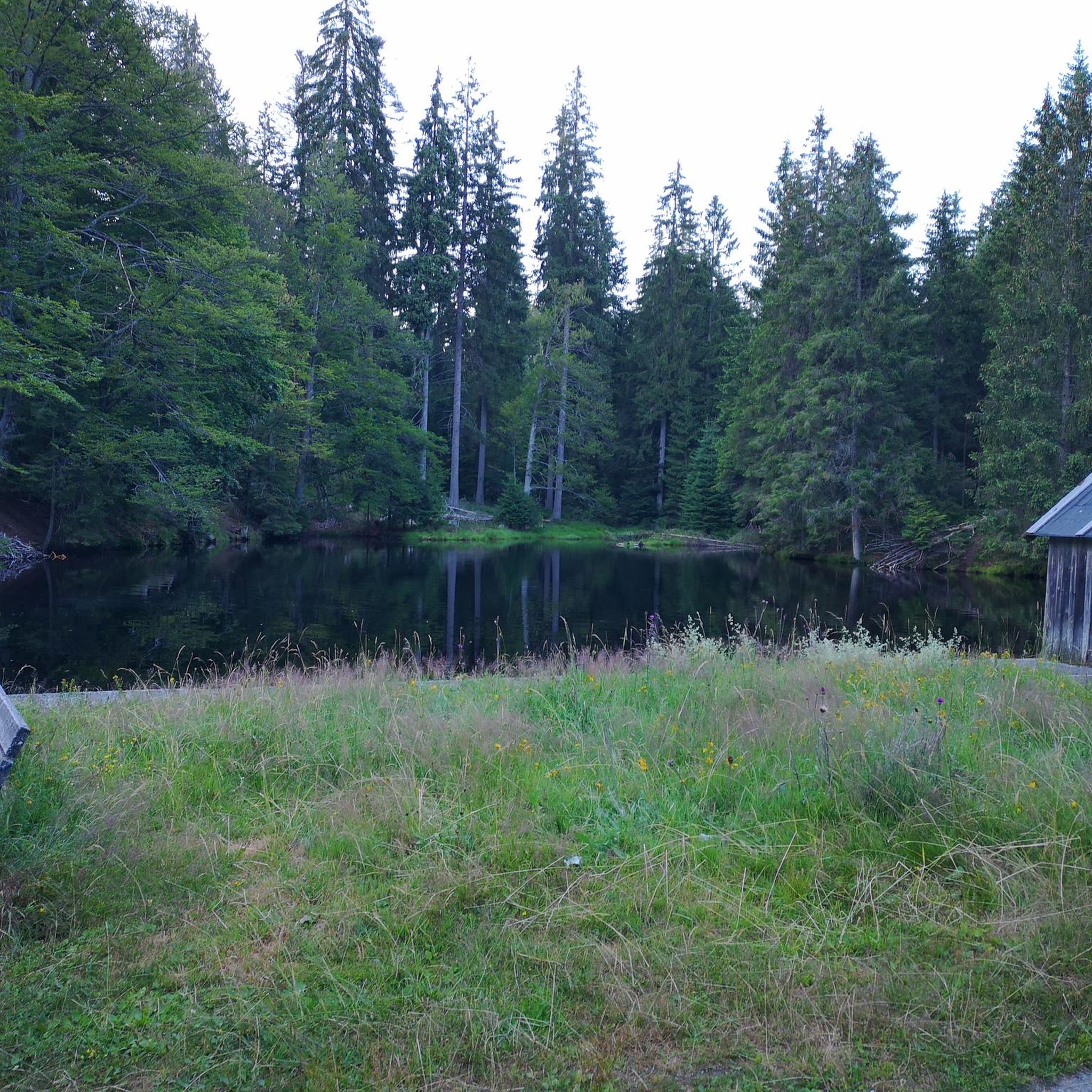
Hikes from bus stations in Vale Of Belvoir Conservation Area
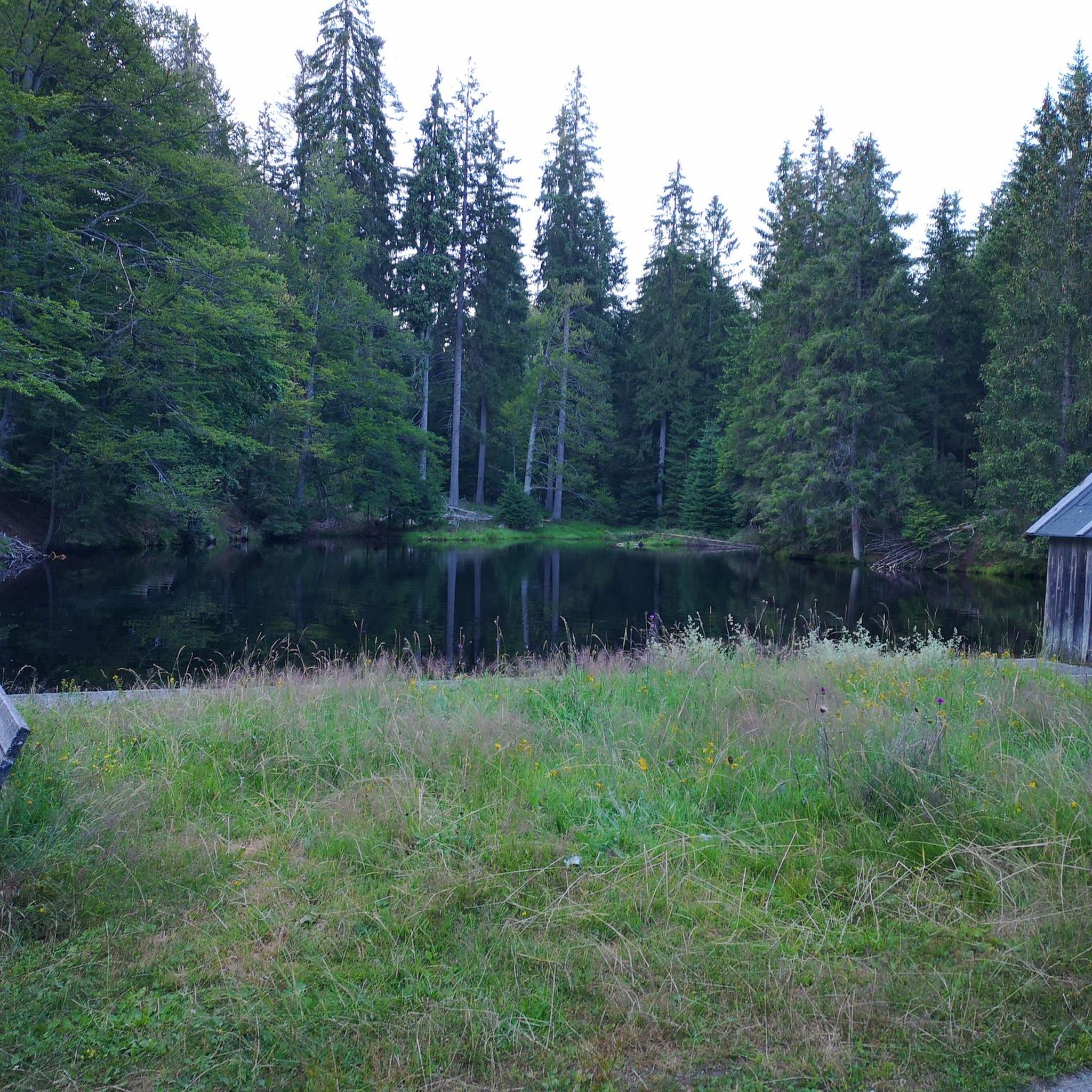
Hikes from bus stations in Reynolds Falls Nature Recreation Area

Hikes from bus stations in Wellington Park

Hikes from bus stations in Gordons Hill Nature Recreation Area

Hikes from bus stations in Meehan Range Nature Recreation Area
Other adventures in Tasmania

Tips from the Community

The Face Track offers stunning views down the mountainside. This is a fairly steep and rocky singletrack trail with one short chain section - very doable, but you'll want to watch your feet. Below you, you'll get a great view of Lake Wilks.
0
0
The lake is surrounded on three sides by the steep rocky slopes of Cradle Mountain, and a cascade of small waterfalls make their way down into its basin. From the trail along the water's edge you also get a fantastic view below to Dove Lake.
0
0

Cradle Mountain is a steep, jagged dolerite peak in Tasmania’s alpine north, where you climb through rocky terrain, subalpine forest, and exposed ridgelines with breathtaking views over Dove Lake and the surrounding peaks. The summit route is a demanding full-day walk that includes sustained uphill sections and scrambling over large boulders, requiring good fitness and careful footing rather than technical climbing gear. Reaching the summit is suitable only for very experienced bushwalkers, and the weather in the area can change rapidly from clear to cold, wet, or even snowy conditions, so you should be prepared for full alpine conditions on short notice.
0
0
Crater Lake is a small, picturesque glacial lake nestled beneath Cradle Mountain, surrounded by steep slopes and alpine vegetation. A well-formed walking track leads to the lake from several nearby routes, offering elevated views over the water and surrounding peaks. Its sheltered setting and reflective surface make it a lovely spot to pause and take in the scenery for anyone exploring this beautiful area.
0
0
Overland Track at Ronny Creek marks the northern trailhead of Tasmania’s iconic long-distance walk, set within Cradle Mountain–Lake St Clair National Park. Beginning across button grass plains and boardwalks, this section offers immediate views of Cradle Mountain and plenty of wildlife sightings, including wombats. It's a well-defined and easy start before the track climbs toward Marion’s Lookout and the alpine plateau.
0
0
Lake Lilla is a small, serene alpine lake surrounded by forest and open heathland. The lake reflects the nearby peaks on calm days, creating a peaceful, photogenic spot along the Dove Lake circuit. It’s a quiet place to pause and enjoy the natural beauty away from the busier main lookouts.
0
0
This lookout sits right at the edge of Wombat Pool, with a sturdy bench where you can rest and enjoy the view, where you’ll see the peaceful reflections of the surrounding alpine forest and nearby peaks in the calm water. It’s a quiet, scenic spot perfect for soaking in the park's tranquil atmosphere.
0
0
Marion’s Lookout sits high above Dove Lake, with sweeping panoramic views of Cradle Mountain, Crater Lake, and the surrounding alpine plateau. Situated on a rocky outcrop, it offers a dramatic perspective of the jagged peaks and glacially carved landscape below. On clear days, it’s one of the park’s most impressive vantage points, perfect for photos and taking in the scenery.
0
0
Frequently Asked Questions
How many bus station hiking trails are available in Tasmania?
There are over 120 hiking trails in Tasmania that are accessible directly from bus stations, offering a wide range of options for exploring the region's diverse landscapes without a car.
What kind of landscapes can I expect to see on these bus-accessible trails?
Tasmania's bus-accessible trails offer a remarkable variety of landscapes. You can explore rugged mountains, ancient temperate rainforests, alpine meadows, and stunning coastlines. Many trails lead through areas with unique flora and fauna, including endemic species.
Are there any easy, family-friendly hikes accessible by bus?
Yes, Tasmania offers many easy, family-friendly options. For example, the Dove Lake Circuit in Cradle Mountain-Lake St Clair National Park is a popular choice, offering stunning views and a relatively flat path suitable for most ages. This area is known for its accessible walks.
Can I find circular routes that start and end at the same bus stop?
Absolutely. Many of the trails accessible by bus are designed as circular routes, allowing you to return to your starting point without needing additional transport. The Dove Lake Circuit is a prime example of a loop walk that brings you back to where you began.
What are some notable natural attractions I can see along these trails?
Many bus-accessible trails lead to spectacular natural attractions. In the Cradle Mountain area, you can visit Dove Lake and enjoy views of Cradle Mountain. Other trails might take you to viewpoints like Marions Lookout or coastal features such as Cape Hauy, depending on the specific bus route you choose.
Are there any trails suitable for beginners or those new to hiking?
Yes, there are plenty of beginner-friendly trails. Out of the 126 bus-accessible routes, 64 are rated as easy, making them perfect for those new to hiking or looking for a relaxed walk. These trails typically have well-maintained paths and minimal elevation gain.
What is the best time of year to hike these bus-accessible trails in Tasmania?
The best time to hike in Tasmania generally depends on the region and trail. Spring (September to November) and autumn (March to May) offer pleasant temperatures and vibrant scenery. Summer (December to February) is popular but can be busy, while winter (June to August) can be challenging in alpine areas but offers unique beauty at lower elevations.
What do other hikers enjoy most about the bus-accessible trails in Tasmania?
The bus-accessible trails in Tasmania are highly rated by the komoot community, with an average score of 4.69 stars. Reviewers often praise the stunning natural beauty, the convenience of public transport access, and the variety of trails catering to all skill levels, from gentle lakeside strolls to more challenging mountain ascents.
Are there any specific bus services or shuttles I should be aware of for popular hiking areas?
Yes, for popular areas like Cradle Mountain, a shuttle bus service operates within the national park, connecting various trailheads to the visitor centre, which is often the main public transport drop-off point. It's advisable to check the specific schedules and routes for these services when planning your trip.
Do I need a National Parks Pass to access these trails?
Many of Tasmania's hiking trails are located within national parks and reserves, which require a valid Parks Pass for entry. You can purchase these passes online or at visitor centres. It's essential to check the requirements for your chosen trail before you go.
Are there any moderate or difficult bus-accessible trails for experienced hikers?
Certainly. For experienced hikers, there are 49 moderate and 13 difficult bus-accessible trails. An example of a moderate route is the Marions and Wombat Pool lookout circuit, which offers more challenging terrain and rewarding views. Always check the difficulty and prepare accordingly for longer or more strenuous routes.
Most popular routes in Tasmania
Most popular attractions in Tasmania

Get inspired with the komoot mobile app


Didn’t find what you were looking for?
Check out more Hikes throughout Tasmania below and find the perfect route in your destination.
Explore more
Browse the best Hikes in other regions.
