The best traffic-free bike rides in Flintshire
4.6
(126)
3,855
riders
46
rides
Road cycling in Flintshire offers diverse terrain, from flat coastal paths along the Dee Estuary to rolling hills within the Clwydian Range. The region is characterized by its blend of waterfront routes, river paths, and elevated areas providing varied cycling experiences. Cyclists can explore dedicated traffic-free sections and quiet lanes that traverse natural landscapes and historical sites.
Best no traffic road cycling routes in Flintshire
- The most popular no traffic road cycling route is River Dee Riverside Trail – Burton…
Last updated: August 21, 2026
4.7
(7)
107
riders
Easy road ride. Great for any fitness level. Mostly well-paved surfaces and easy to ride.
5.0
(1)
50
riders
47.0km
01:59
240m
240m
Easy road ride. Great for any fitness level. Mostly well-paved surfaces and easy to ride.

Sign up for free
5.0
(3)
53
riders
Easy road ride. Great for any fitness level. Mostly well-paved surfaces and easy to ride.
72
riders
Easy road ride. Great for any fitness level. Mostly well-paved surfaces and easy to ride.
3.0
(2)
29
riders
Easy road ride. Great for any fitness level. Mostly well-paved surfaces and easy to ride.
Get access to more routes and recommendations from other explorers.
Sign up for free
Already have an account?
Our route recommendations are based on thousands of hikes, rides, and runs completed by other people on komoot.
Start today with a free account
Your next adventure awaits.
Login or Signup
Popular around Flintshire

Traffic-free bike rides around Buckley

Traffic-free bike rides around Penyffordd

Traffic-free bike rides around Shotton

Traffic-free bike rides around Higher Kinnerton

Traffic-free bike rides around Halkyn
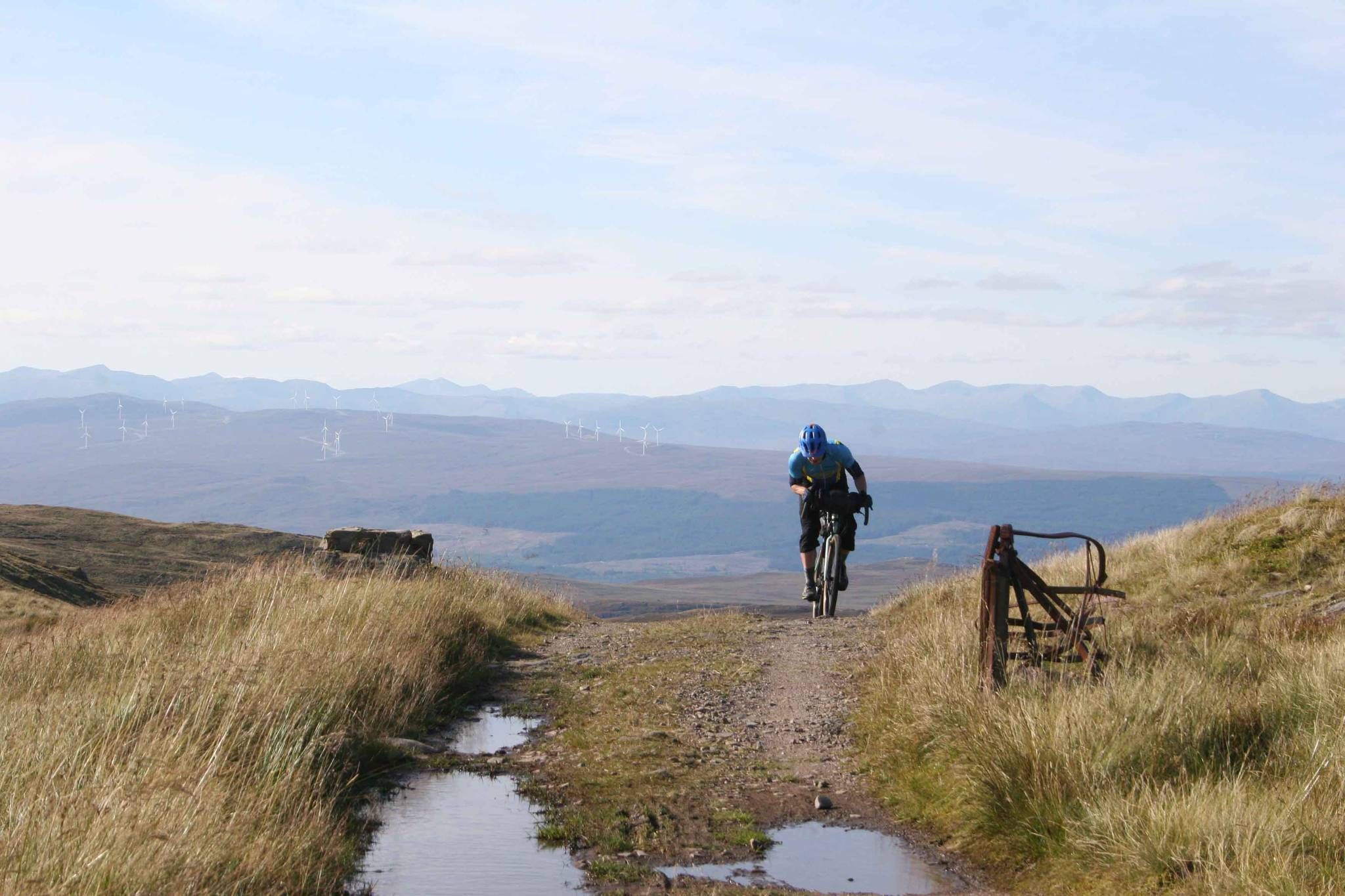
GB Divide — Great Britain end to end off-road on GBDURO
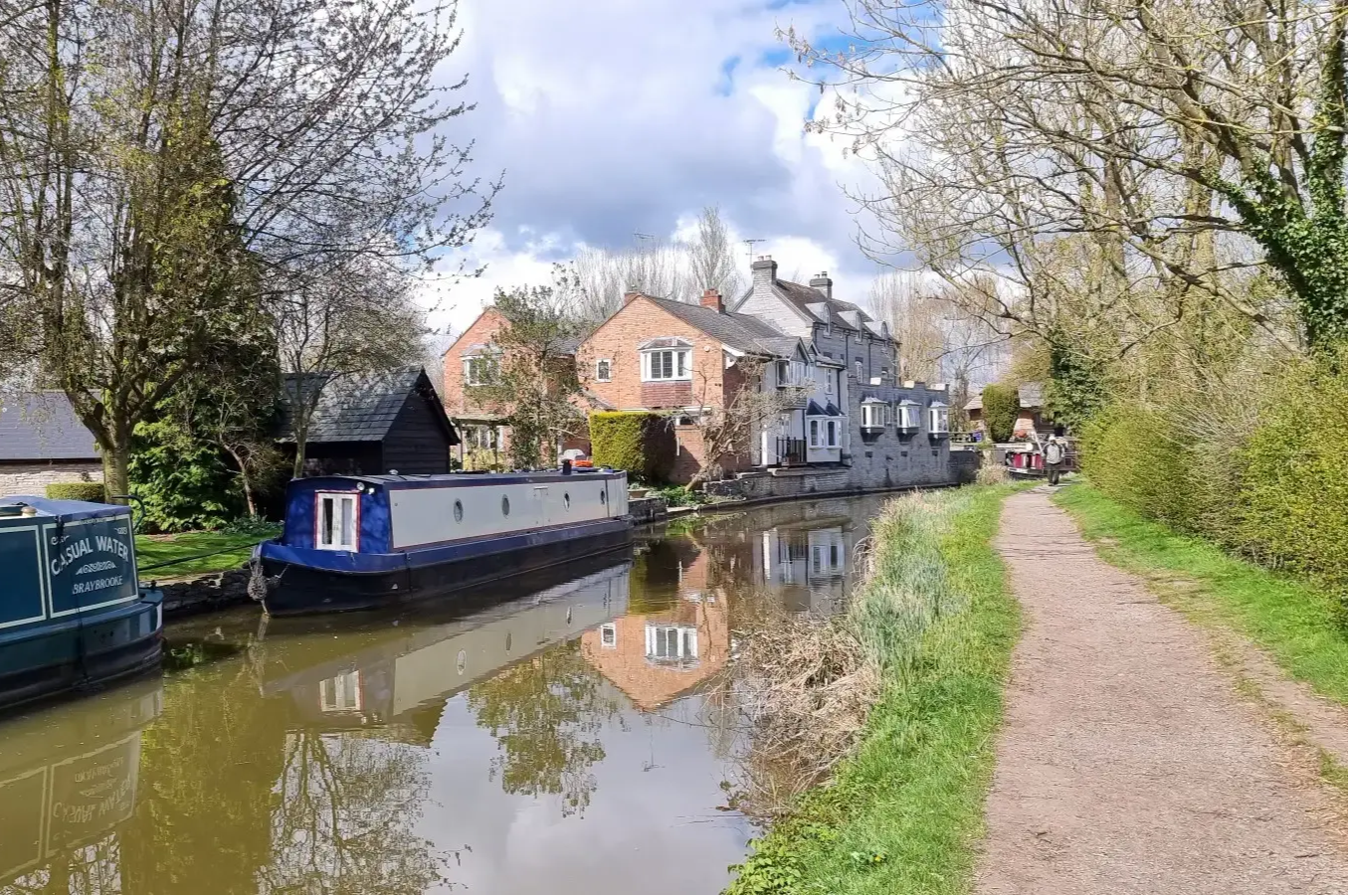
Industrial heartlands on NCN Route 5 – Reading to North Wales
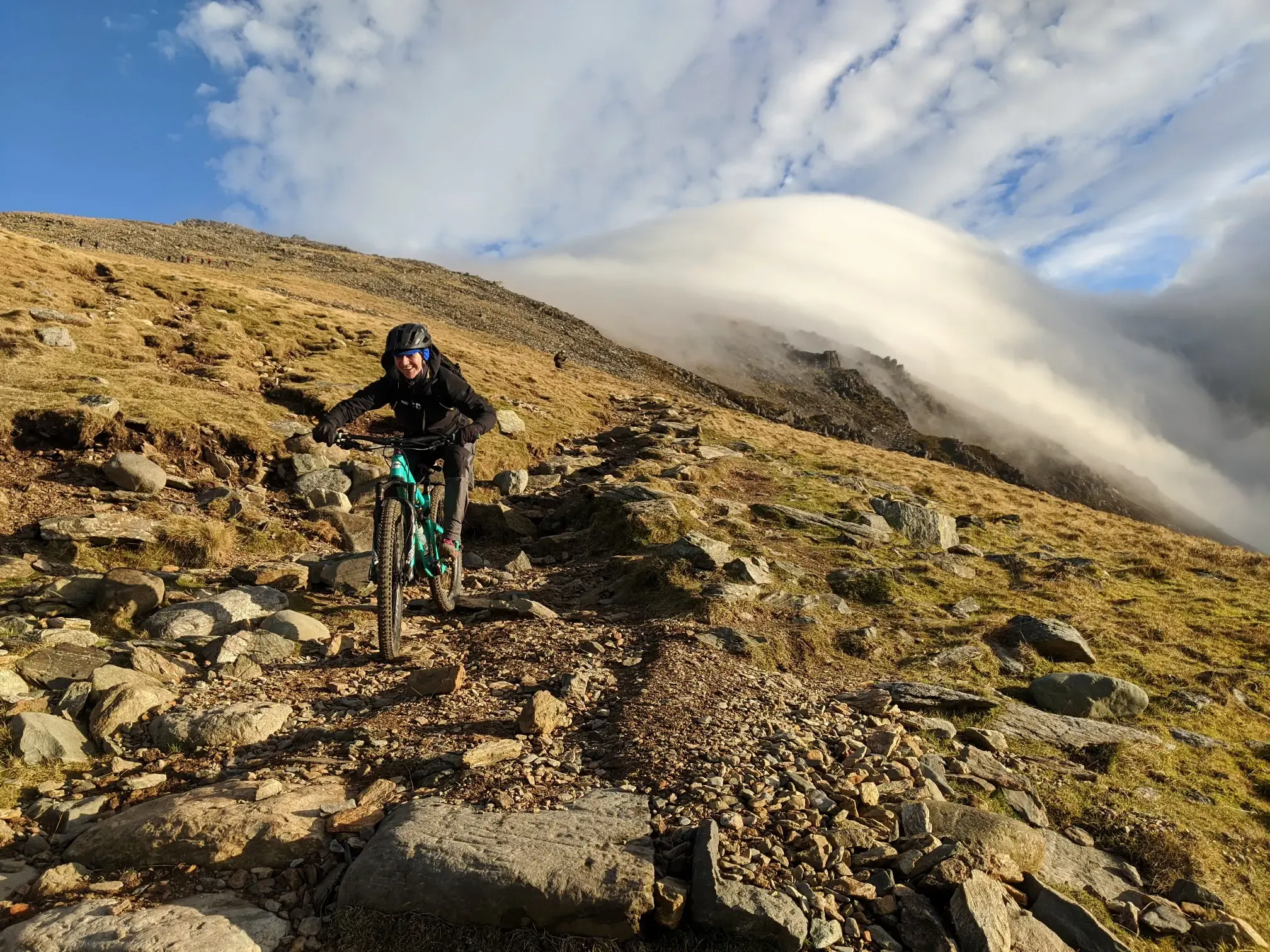
North Wales mountain biking — Gogledd Cymru's finest
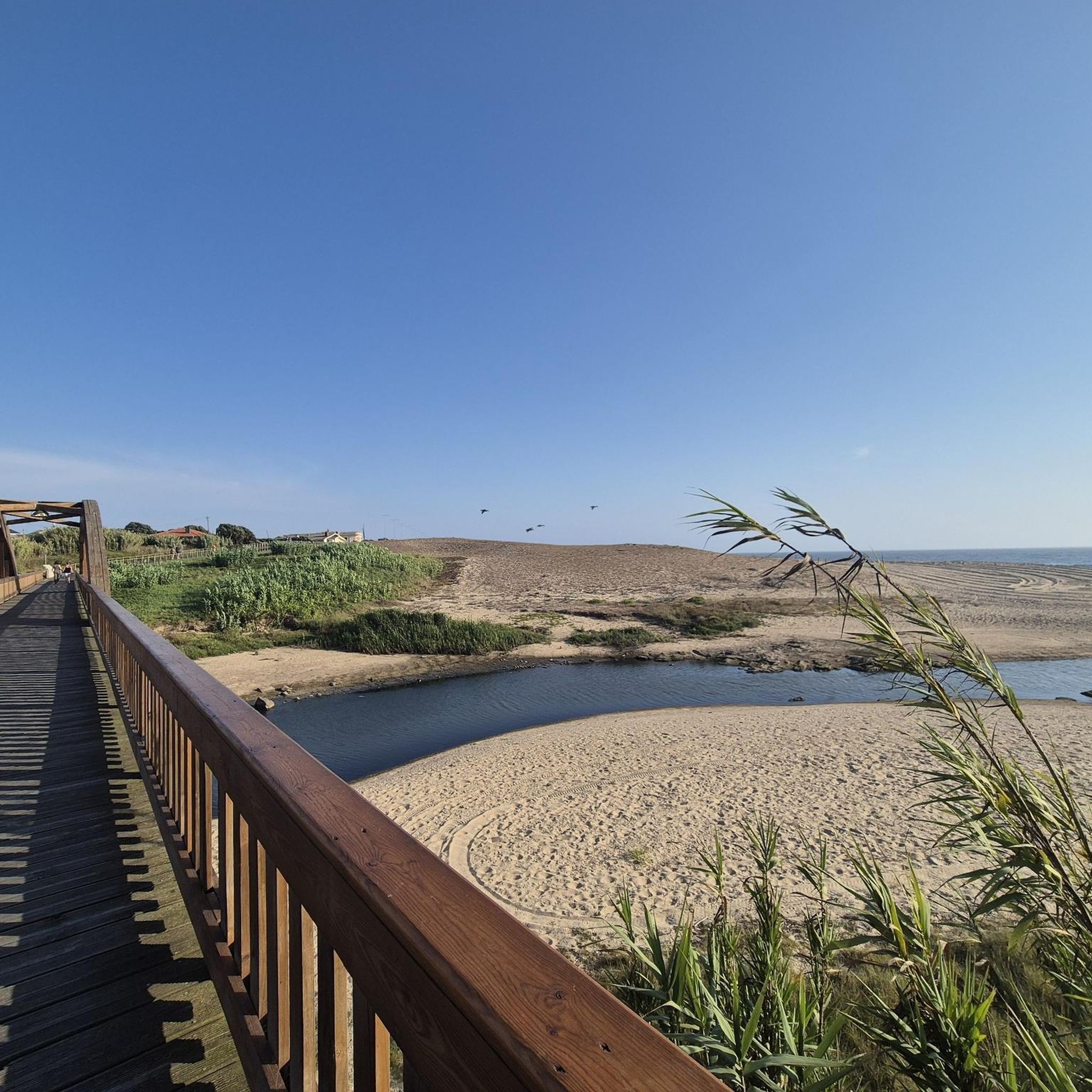
Traffic-free bike rides in Flintshire

Traffic-free bike rides in Flintshire
Other adventures in Flintshire


Tips from the Community

Flat and casual great for seniors like us who just want a gentle ride non technical
1
0

This highlight is nowhere near Manchester Airport
0
0

Would recommend heading from Wales into England at sunset. Riding into the setting sun in such a tranquil spot
0
0


A 'tip' rather than a 'highlight' "The station is not staffed and only has basic amenities (departure screens, waiting shelters and timetable poster boards on each platform). Step-free access is available to both platforms, but transfer between them requires the use of a level crossing at the end of the platforms towards the bridge. The Chester Millennium Greenway cycle route runs adjacent to the station and provides access to the northbound platform. The route also connects the station to Shotton." You can't buy tickets at the station but you can buy them online or on board from the ticket inspector. From Bidston, where the trains terminate in one direction, you can join the Merseyrail network to travel onwards to the Wirral and Liverpool. Sources; https://tfw.wales/places/stations/hawarden-bridge https://en.m.wikipedia.org/wiki/Hawarden_Bridge_railway_station
1
0
"Hawarden Bridge (/ˈhɑːrdən/; Welsh: Pont Penarlâg) is a railway bridge over the River Dee, near Shotton, Flintshire, Wales. It was built by the Manchester, Sheffield and Lincolnshire Railway (which later became the Great Central Railway), as part of the Chester & Connah's Quay Railway. It opened on 3 August 1889. During the 1880s, the Manchester, Sheffield and Lincolnshire Railway Company undertook the construction of a line between Chester Northgate and what is now known as Hawarden Bridge Junction. The most significant geographical feature of the route to overcome was the River Dee. It was decided to opt for a 165 meter-long bridge to cross over the river; this structure was complicated by the need to incorporate a means of passage for the tall ships that traversed the Dee at this time. The Board of Trade, advised by Sir George Nares, decreed that the envisioned bridge would need a single navigable opening of at least 140 feet. Hawarden Bridge was designed by the civil engineer C.A. Hobson. The bridge was officially opened to traffic on 3 August 1889; the opening ceremony was officiated by Catherine Gladstone, the wife of Prime Minister William William Gladstone. A key feature of the Hawarden Bridge was its central section, which was referred to as Span 10; this allowed it to function as a swing bridge. As originally built, it was able to rotate through 90-degrees to enable the passage of tall ships on the River Dee. At the time of its completion, this was the largest opening span of any swing bridge in the United Kingdom. Presently, the bridge can no longer open, the span having been welded shut decades ago. The last time that Span 10 was opened was during 1960. The remains of the rotating mechanism – hydraulic cylinders attached to a drive chain and sprocket – are still visible beneath the bridge. Both pedestrians and cyclists may also traverse Hawarden Bridge via a dedicated walkway. The walkway, which connected between the Wales Coast Path and the Chester Greenway Railway Path section of National Cycle Route 5, is the responsibility of registered charity Sustrans Cymru." You can read more about the bridge here; https://en.m.wikipedia.org/wiki/Hawarden_Bridge
1
0

The River Dee round is a surfaced, traffic-free loop of 15 miles (24 km). It follows the National Cycle Network Route 5 to the west of the city as far as Hawarden Bridge, returning via the riverside cycle path along the River Dee.
0
0
Frequently Asked Questions
How many no-traffic road cycling routes are available in Flintshire?
Flintshire offers over 50 dedicated no-traffic road cycling routes. These routes cater to various skill levels, with 19 easy, 31 moderate, and 2 more challenging options.
What kind of terrain can I expect on no-traffic road cycling routes in Flintshire?
The no-traffic routes in Flintshire offer diverse terrain. You'll find flat, scenic paths along the Dee Estuary and coastal areas, such as the Burton Marshes Boardwalk loop from Shotton. For those seeking more elevation, parts of the Clwydian Range and Dee Valley AONB, while not entirely traffic-free, offer challenging climbs on quiet lanes with rewarding views.
Are there any family-friendly no-traffic road cycling routes in Flintshire?
Yes, Flintshire has several family-friendly no-traffic options. The flat, tarmac paths alongside the River Dee, such as sections of the River Dee Riverside Trail – Burton Marshes Boardwalk loop from Connah's Quay, are excellent for leisurely rides with children. Greenfield Valley Heritage Park also provides a tranquil, traffic-free setting for family cycling.
Can I find circular no-traffic road cycling routes in Flintshire?
Many of Flintshire's no-traffic road cycling routes are designed as circular loops, allowing you to start and finish at the same point. Examples include the Point of Ayr Lighthouse – Three Rhyl Legends Sculptures loop from Talacre, which offers coastal views and a manageable distance.
What natural features or viewpoints can I see along no-traffic road cycling routes?
Along Flintshire's no-traffic routes, you can enjoy various natural features and viewpoints. The Dee Estuary offers picturesque waterfront views, while routes near the Clwydian Range provide glimpses of rolling hills. You might pass highlights like the Burton Marsh Boardwalk or enjoy the scenery along the River Dee Riverside Trail.
Are there historical landmarks or attractions accessible from no-traffic cycling routes?
Yes, Flintshire's routes often combine natural beauty with historical sites. You can cycle near Flint Castle, a 13th-century fortress, or explore Greenfield Valley Heritage Park, which includes Basingwerk Abbey. While not directly on a traffic-free route, the Jubilee Tower on Moel Famau is a prominent landmark visible from many parts of the region.
What is the best time of year for no-traffic road cycling in Flintshire?
Spring and summer generally offer the most pleasant conditions for no-traffic road cycling in Flintshire, with milder weather and longer daylight hours. Autumn can also be beautiful with changing foliage. While some routes are accessible year-round, always check local weather forecasts, especially for coastal sections which can be exposed to wind.
Are there any cafes or pubs near the no-traffic road cycling routes in Flintshire?
Yes, many routes pass through or near villages and towns where you can find cafes, pubs, and other amenities. Coastal routes, in particular, often have options for refreshments. Planning your route in advance allows you to identify suitable stops for a break.
What do other road cyclists enjoy most about no-traffic road cycling in Flintshire?
The komoot community highly rates the no-traffic road cycling in Flintshire, with an average score of 4.5 stars. Reviewers often praise the peacefulness of the dedicated paths, the scenic views along the Dee Estuary, and the variety of routes suitable for different fitness levels. The ability to explore both natural landscapes and historical sites without vehicle traffic is a frequently highlighted positive aspect.
How can I access the no-traffic road cycling routes using public transport or find parking?
Many of Flintshire's cycling routes are integrated into the National Cycle Network (NCN 5), which connects various towns. Public transport options like trains can provide access to starting points in towns such as Flint or Shotton. For those driving, parking is generally available in towns and at designated country parks like Wepre Country Park or Greenfield Valley Heritage Park, which often serve as excellent starting points for rides.
Are there any longer, moderate no-traffic road cycling routes for more experienced riders?
For more experienced riders seeking longer, moderate no-traffic options, routes like the Chester Greenway – Dee Banks Path loop from Flint offer a substantial distance of over 80 km with moderate elevation changes. These routes often combine dedicated cycle paths with quiet country lanes, providing a good challenge while minimizing traffic exposure.
Most popular routes in Flintshire
Most popular attractions in Flintshire

Get inspired with the komoot mobile app


Didn’t find what you were looking for?
Check out more Road cycling routes throughout Flintshire below and find the perfect route in your destination.
Explore more
Browse the best Road cycling routes in other regions.
