The best hikes from bus stations in Lisbon
4.5
(5212)
42,976
hikers
633
hikes
Bus Station hikes in Lisbon offer access to a diverse landscape, from urban green spaces to dramatic coastal cliffs and lush natural parks. The region is characterized by its unique blend of river estuaries, forested hills, and rugged Atlantic coastlines. Hikers can explore areas featuring limestone formations, dense woodlands, and panoramic viewpoints overlooking the Tagus River and the ocean. This varied terrain provides a range of experiences for different hiking preferences.
Best bus station hiking trails in Lisbon
- The most…
Last updated: April 30, 2026
4.6
(129)
1,638
hikers
19.2km
04:55
70m
70m
Moderate hike. Good fitness required. Easily-accessible paths. Suitable for all skill levels.
4.6
(71)
280
hikers
7.18km
01:59
120m
120m
Easy hike. Great for any fitness level. Easily-accessible paths. Suitable for all skill levels.

Sign up for free
4.8
(60)
234
hikers
Moderate hike. Good fitness required. Mostly accessible paths. Sure-footedness required.
4.6
(23)
264
hikers
5.54km
01:25
20m
20m
Easy hike. Great for any fitness level. Easily-accessible paths. Suitable for all skill levels.
4.5
(44)
142
hikers
Moderate hike. Good fitness required. Easily-accessible paths. Suitable for all skill levels.
Get access to more routes and recommendations from other explorers.
Sign up for free
Already have an account?
Our route recommendations are based on thousands of hikes, rides, and runs completed by other people on komoot.
Start today with a free account
Your next adventure awaits.
Login or Signup
Popular around Lisbon
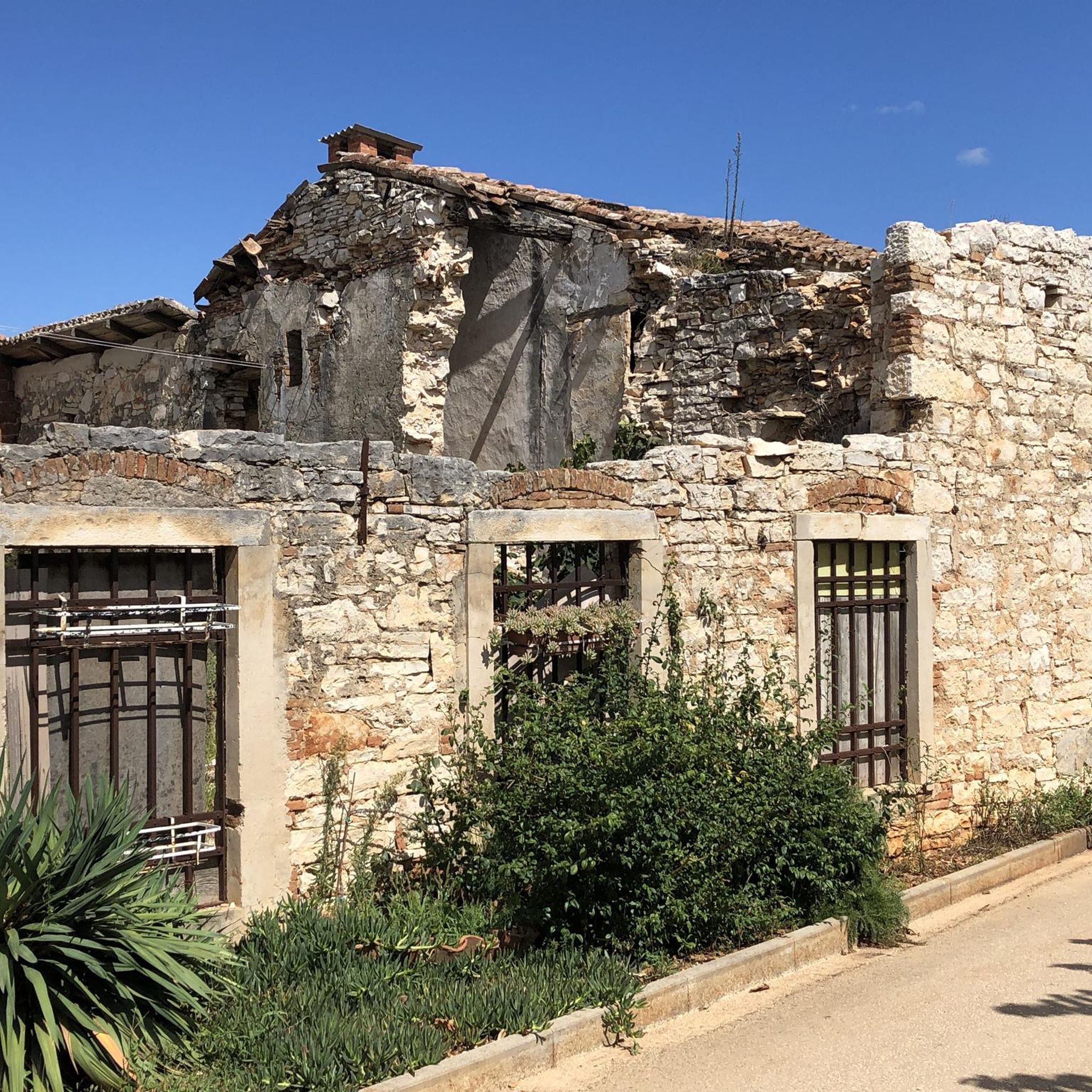
Hikes from bus stations around Sintra-Cascais Natural Park
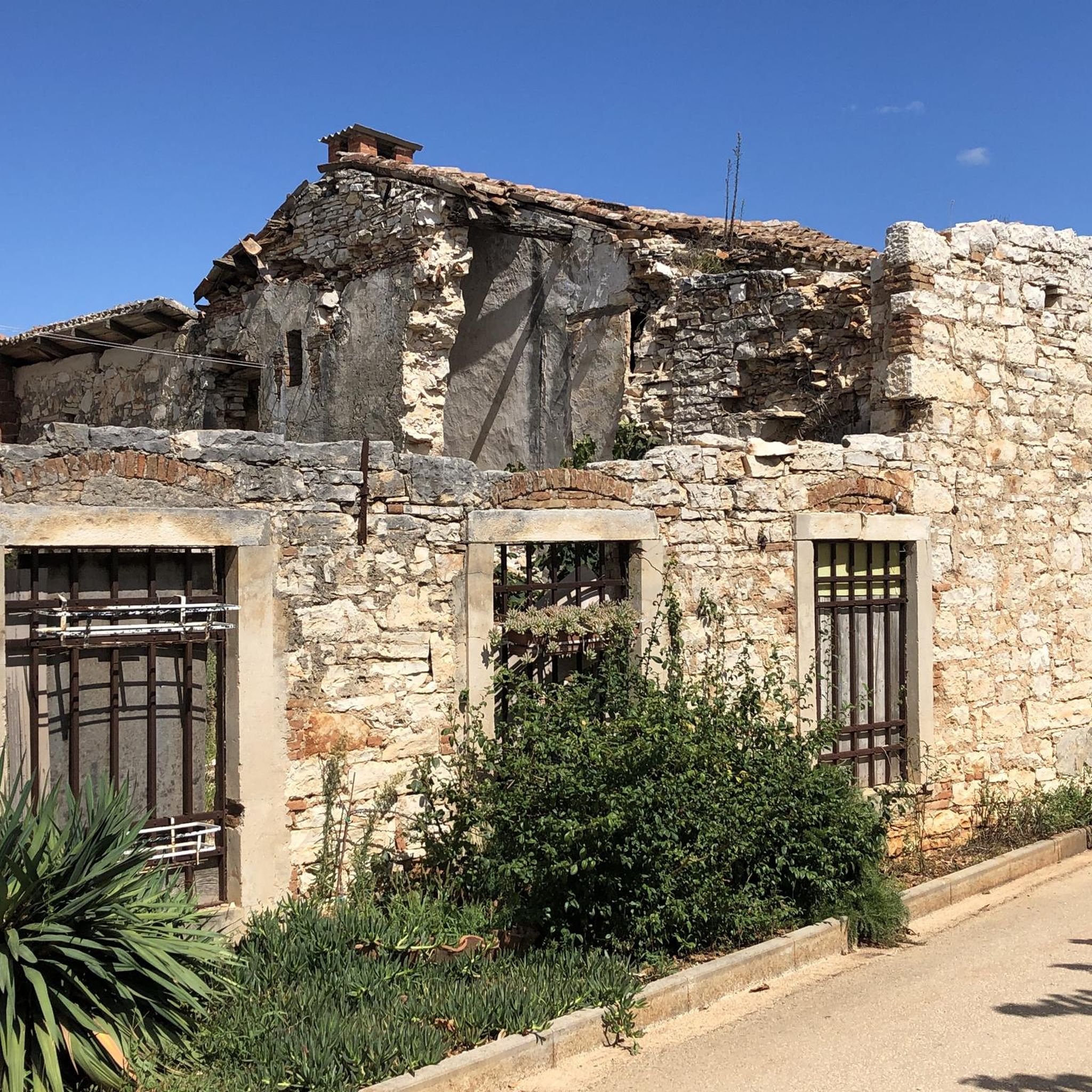
Hikes from bus stations around National Park Sintra-Cascais
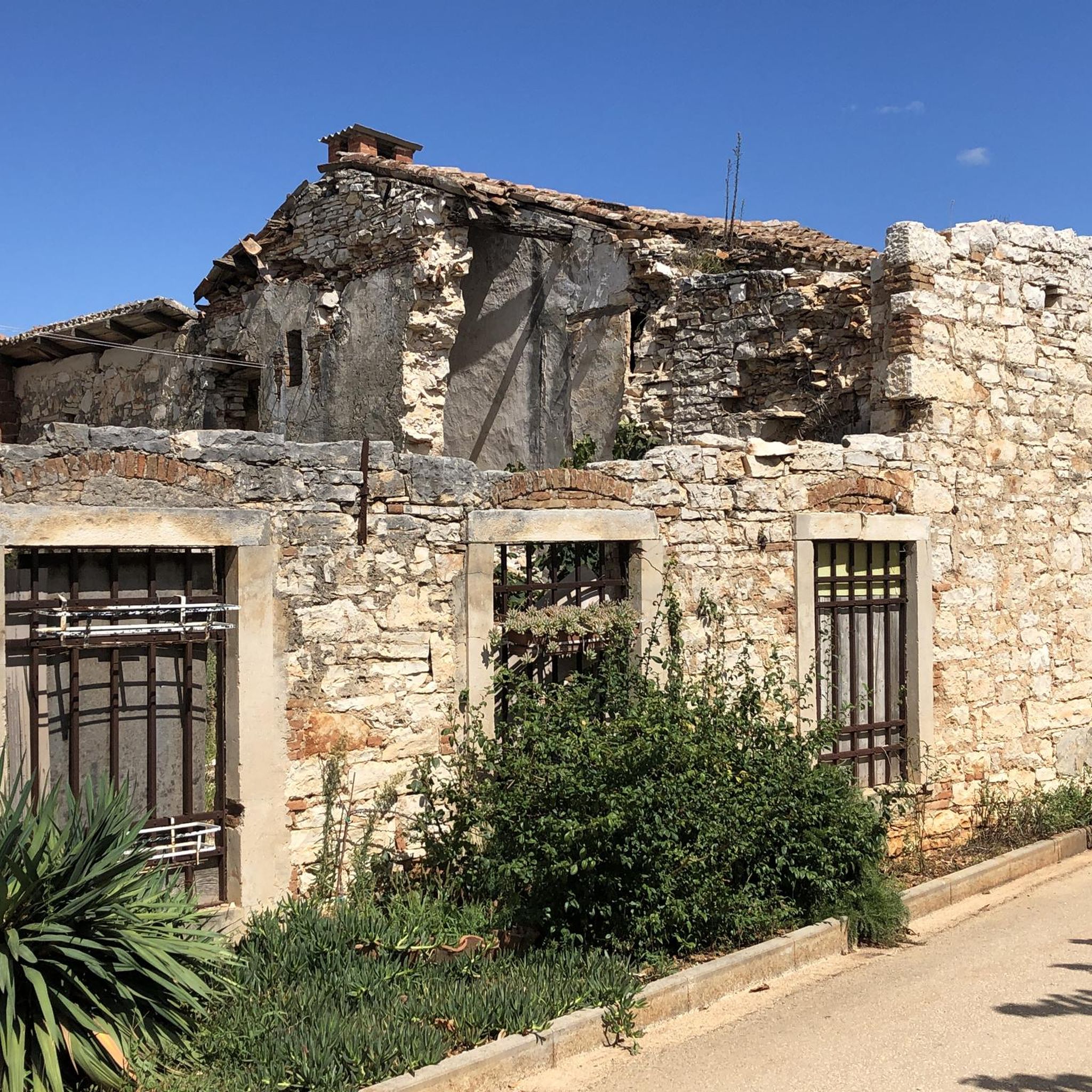
Hikes from bus stations around Colares

Hikes from bus stations around Alcabideche
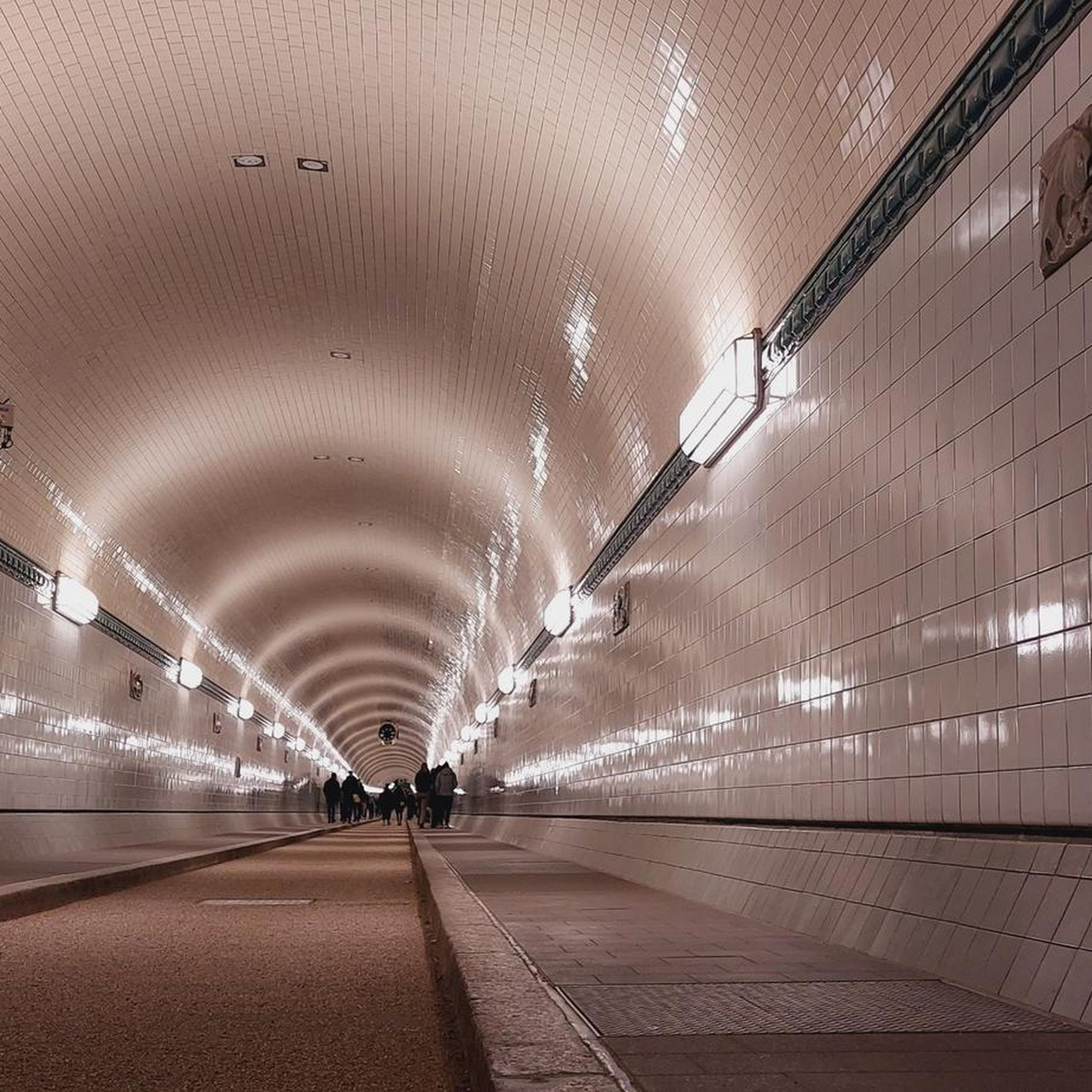
Hikes from bus stations around Mata de Sintra

Hikes from bus stations around Mafra

Hikes from bus stations around Tapada Nacional de Mafra

Hikes from bus stations around Cascais e Estoril e Estoril e Estoril
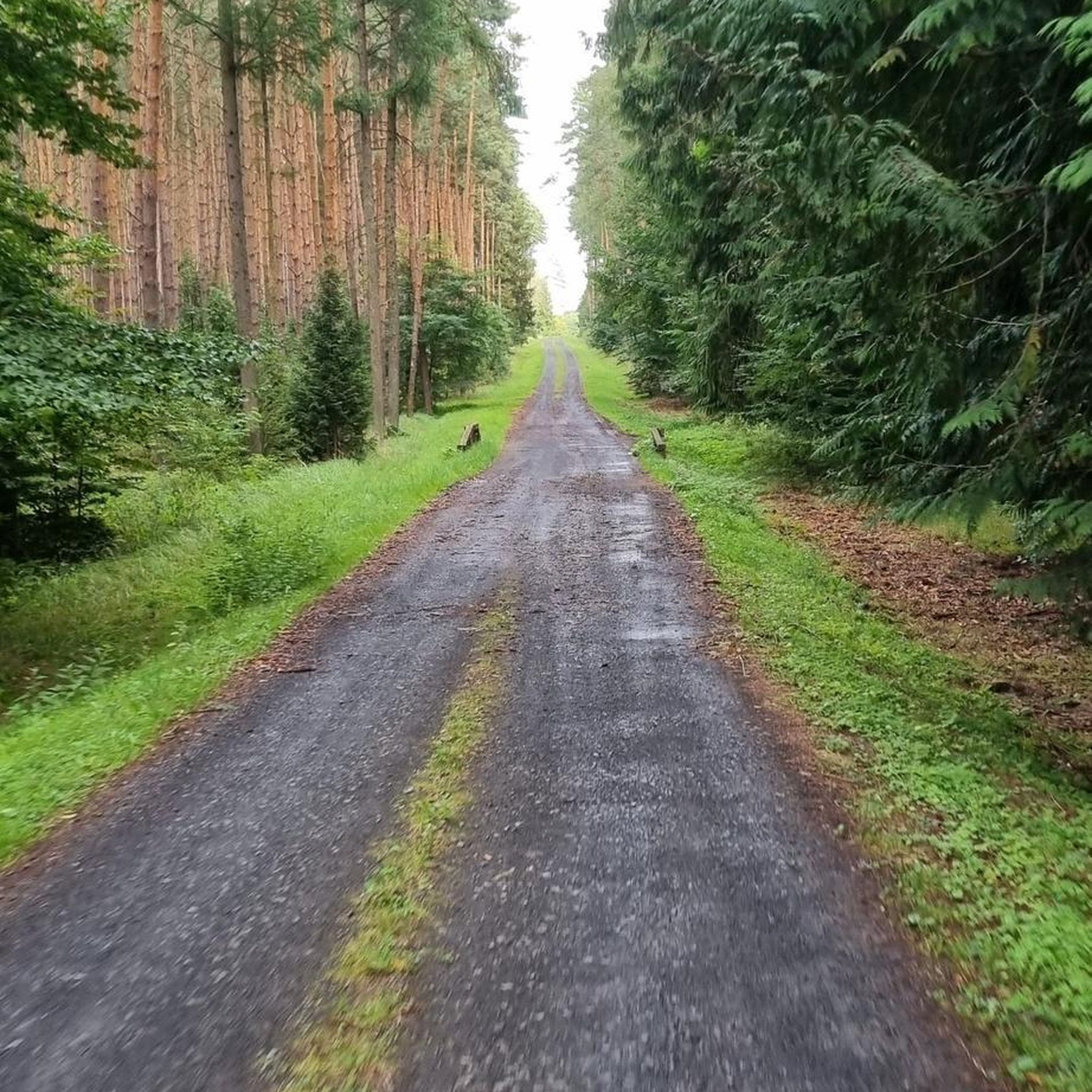
Hikes from bus stations around Sintra (São Martinho)
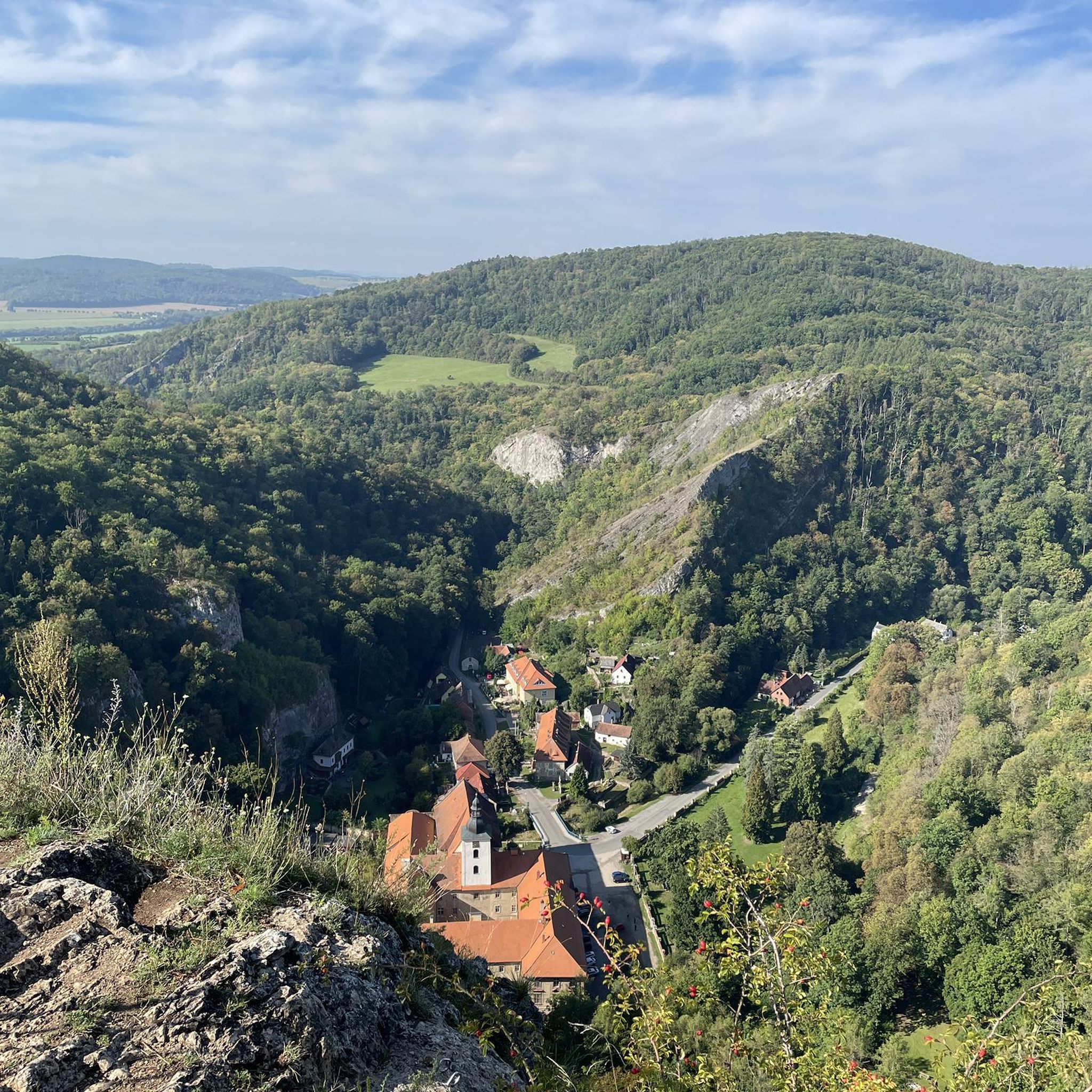
Hikes from bus stations around Ericeira
Other adventures in Lisbon


Tips from the Community

The Monument to the Discoveries, popularly known as Padrão dos Descobrimentos, is a monument built in 1960, on the banks of the Tagus River, in Belém, Lisbon, to commemorate the 500th anniversary of the death of Henry the Navigator.
6
0
Praça Dom Pedro IV, traditionally known as Rossio, is the heart of Lisbon's Baixa district and has been the city's main meeting place, center of commerce, and public life since the 13th century. It's a vibrant, historic square with distinctive architecture that makes it a must-see for any visitor.
11
1
The Santa Justa Lift, also known as the Elevador do Carmo, is a historic elevator built in the early 20th century to connect the Baixa district with Largo do Carmo. It is one of the most photographed architectural icons in the city. Built between 1900 and 1902, it was designed by the engineer Raoul Mesnier de Ponsard, considered a disciple of Eiffel.
11
0

Built in 1940 for the World's Fair, it was in use
2
0

The Monastery of São Vicente de Fora, perched above the Alfama district, impresses with its bright facade and spacious courtyards. Inside, you'll find richly decorated azulejos tiles, tranquil corridors, and sweeping views of Lisbon and the Tagus River from the rooftop terraces. A worthwhile stop if you want to experience architecture, history, and panoramic views all in one.
1
0
The Monastery of São Vicente de Fora, perched above the Alfama district, impresses with its bright facade and spacious courtyards. Inside, you'll find richly decorated azulejos tiles, tranquil corridors, and sweeping views of Lisbon and the Tagus River from the rooftop terraces. A worthwhile stop if you want to experience architecture, history, and panoramic views all in one.
2
0
The National Pantheon, formerly the Santa Engrácia Church, impresses with its gleaming white dome and elegant marble interior. Inside lie important figures in Portuguese history, from politics to Fado music. From the terraces above, you can enjoy sweeping views over the rooftops of Alfama and the Tagus River.
5
0
Largo do Limoeiro is a small square above Alfama where cobblestones, old houses, and views down to the Tagus River converge. Trams, cars, and pedestrians cross paths here – a lively hub brimming with local color. Perfect for a quick stop before continuing on towards the cathedral or into the labyrinthine streets of Alfama.
5
0
Frequently Asked Questions
How many hiking trails accessible by bus are there in Lisbon?
There are over 600 hiking routes in the Lisbon region that are accessible by bus, offering a wide variety of experiences. More than 300 of these are considered easy, making them suitable for most fitness levels.
Are there easy hiking trails accessible by bus in Lisbon for beginners or families?
Yes, Lisbon offers many easy trails perfect for beginners and families. For a pleasant urban exploration, consider the Walking tour of Lisbon's tourist attractions, which is an easy route covering 7 km. Another great option is the Biodiversity Route, an easy 5.5 km path.
What kind of landscapes can I expect on bus-accessible hikes near Lisbon?
The Lisbon region boasts incredibly diverse landscapes. You can find rugged coastal cliffs and dense forests in the Sintra-Cascais Natural Park, lush hills and dramatic limestone cliffs in Arrábida Natural Park, and serene woodlands within the city at Monsanto Forest Park. Many routes offer stunning views of the Atlantic Ocean or the Tagus River estuary.
Are there any circular hiking routes accessible by bus in Lisbon?
Yes, there are several circular routes available. For example, the Rio da Mula e Memorial dos Soldados is a moderate 10.7 km circular route located in the beautiful Sintra-Cascais Natural Park, offering a great loop experience.
What are some interesting landmarks or attractions I can see along these bus-accessible trails?
Many trails integrate natural beauty with historical sites. In the city, you can explore landmarks like the View from the Rua Augusta Arch, the Santa Justa Lift, or St. George's Castle. Further afield, particularly in the Sintra-Cascais Natural Park, you'll find ancient castles and palaces. The region also features natural wonders like the Boca do Inferno (Hell’s Mouth) Rock Arch.
Can I bring my dog on bus-accessible hiking trails in Lisbon?
Many outdoor areas in Lisbon and its surrounding natural parks are dog-friendly, especially on trails. However, specific rules can vary by park or protected area, and some public transport might have restrictions. It's always best to check local regulations for the specific trail or bus line you plan to use. Always keep your dog on a leash and clean up after them.
What is the best time of year to go hiking near Lisbon's bus stations?
The best times for hiking in Lisbon are generally spring (April-May/June) and autumn (September-October/November). During these periods, the weather is mild and pleasant, making for ideal conditions. Summers can be hot, especially inland, but coastal routes benefit from Atlantic breezes. Winters are generally mild, though some trails might be muddy after rain.
Are there any trails that feature waterfalls or unique natural water features?
While large waterfalls are not a prominent feature directly on many bus-accessible trails, the region does offer unique water-related attractions. For instance, the Waterfall Lake is a notable highlight. Additionally, the Arrábida Natural Park features stunning coves and idyllic beaches with clear turquoise waters, and the Tagus River Estuary is a significant wetland.
What do other hikers enjoy most about hiking in Lisbon?
The Lisbon region is highly rated by the komoot community, with an average score of 4.5 stars. Reviewers often praise the incredible diversity of landscapes, from dramatic coastlines to lush forests, and the unique combination of natural beauty with historical and cultural landmarks. The accessibility of these trails via public transport is also frequently highlighted as a major benefit.
What should I wear for hiking on bus-accessible trails in Lisbon?
Given the varied terrain and climate, it's advisable to wear comfortable, layered clothing suitable for the season. Sturdy hiking shoes are recommended, especially for trails with uneven surfaces or coastal paths. Don't forget sun protection (hat, sunscreen) and plenty of water, particularly during warmer months. A light rain jacket can be useful during spring and autumn.
Are there any longer, more challenging bus-accessible routes for experienced hikers?
Yes, for those seeking a greater challenge, Lisbon offers more demanding routes. The Torre de Belém from Rua Augusta route, for example, is a moderate 19 km hike. The Sintra-Cascais Natural Park also features trails with significant elevation changes, such as the From Praia Grande to Praia da Ursa, a moderate 10.8 km route with over 260 meters of ascent.
Most popular routes in Lisbon
Most popular attractions in Lisbon

Get inspired with the komoot mobile app


Didn’t find what you were looking for?
Check out more Hikes throughout Lisbon below and find the perfect route in your destination.
Explore more
Browse the best Hikes in other regions.
