The best city hikes and walks in Var
4.4
(28999)
191,774
hikers
224
hikes
Urban hiking trails in Var offer a diverse range of experiences across its varied landscapes. The region features extensive coastlines, islands, and inland areas characterized by forests and hills. Hikers can explore paths through historic city centers, along waterfronts, and into green spaces within urban environments. The terrain varies from flat coastal promenades to routes with gentle ascents towards viewpoints.
Best urban hiking trails in Var
- The most popular urban hiking route is Massillon Square – Château d’Hyères Ruins loop…
Last updated: July 3, 2026
4.5
(22)
142
hikers
4.78km
01:25
140m
140m
Easy hike. Great for any fitness level. Easily-accessible paths. Suitable for all skill levels.
5.0
(4)
63
hikers
5.20km
01:22
50m
50m
Easy hike. Great for any fitness level. Easily-accessible paths. Suitable for all skill levels.

Sign up for free
4.0
(2)
126
hikers
Easy hike. Great for any fitness level. Easily-accessible paths. Suitable for all skill levels.
4.1
(12)
96
hikers
Moderate hike. Good fitness required. Easily-accessible paths. Suitable for all skill levels.
4.7
(10)
274
hikers
8.13km
02:04
20m
20m
Moderate hike. Good fitness required. Easily-accessible paths. Suitable for all skill levels.
Get access to more routes and recommendations from other explorers.
Sign up for free
Already have an account?
Our route recommendations are based on thousands of hikes, rides, and runs completed by other people on komoot.
Start today with a free account
Your next adventure awaits.
Login or Signup
Popular around Var

City hikes around Toulon

City hikes around Brignoles

City hikes in Verdon
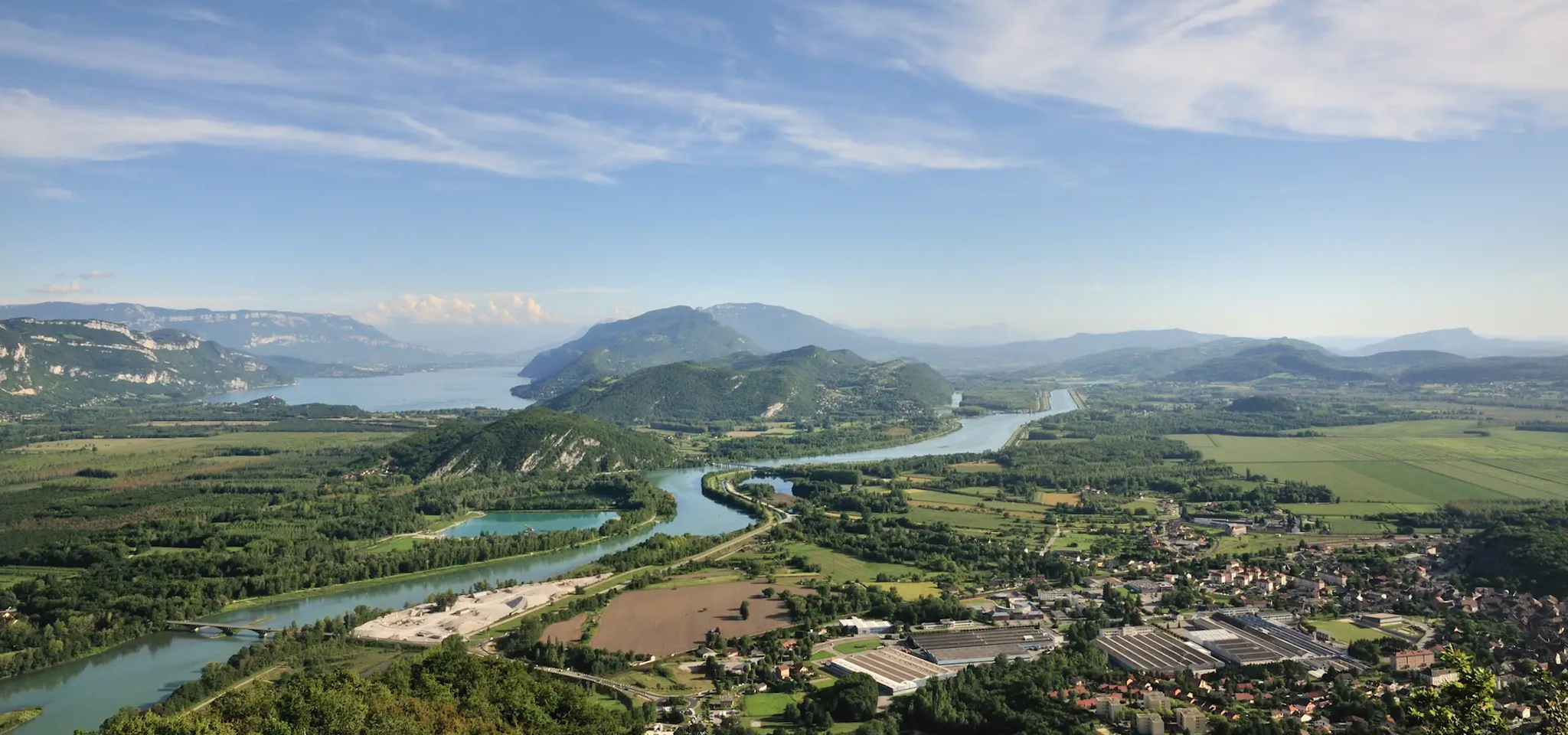
GR 9 from the Jura to the Mediterranean – Crossing contrasts
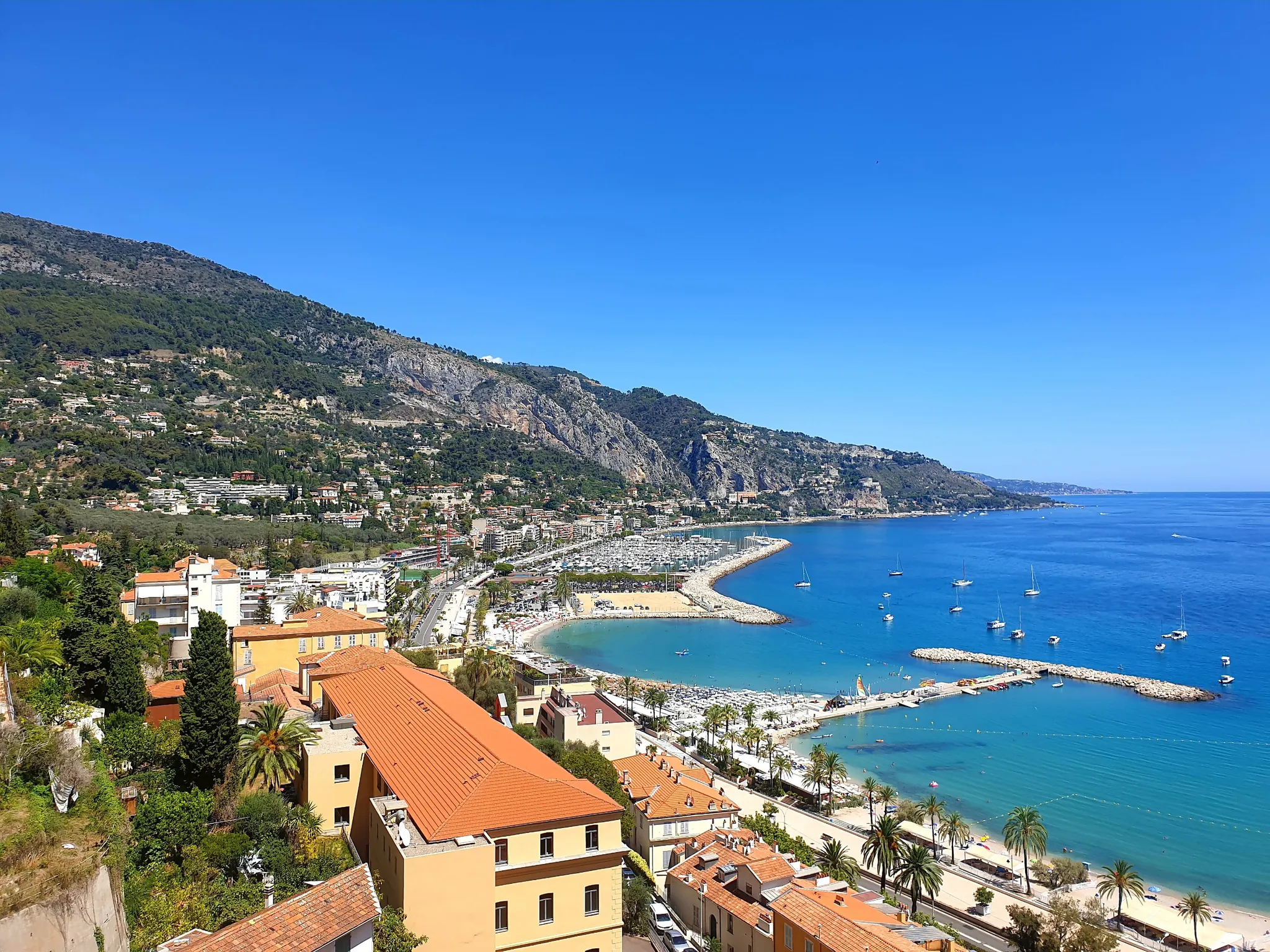
Between sea and mountains – other balcony of the Mediterranean
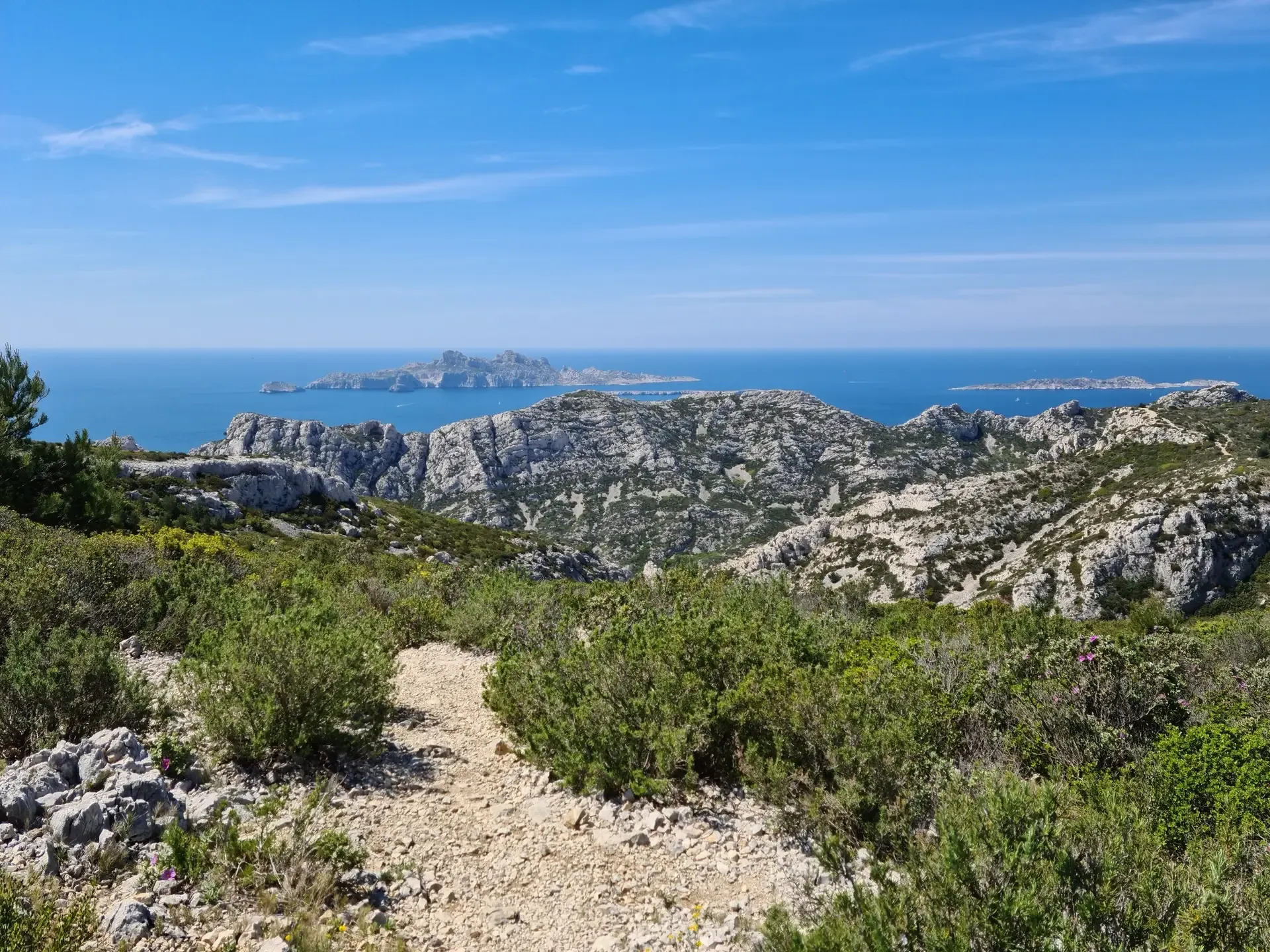
GR 51 - Balcony of the Mediterranean
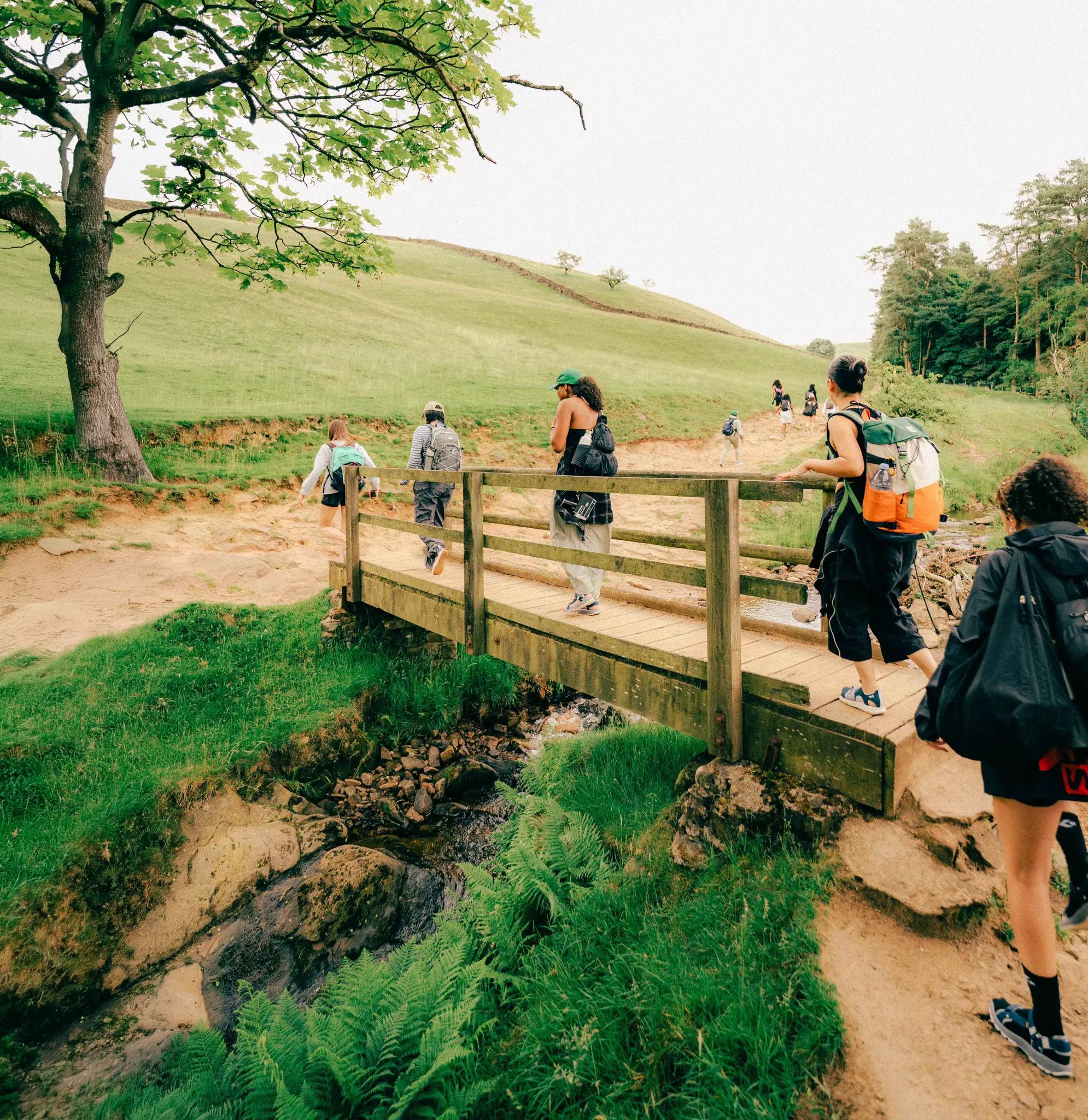
Scenic Trails to Natural Swimming Spots
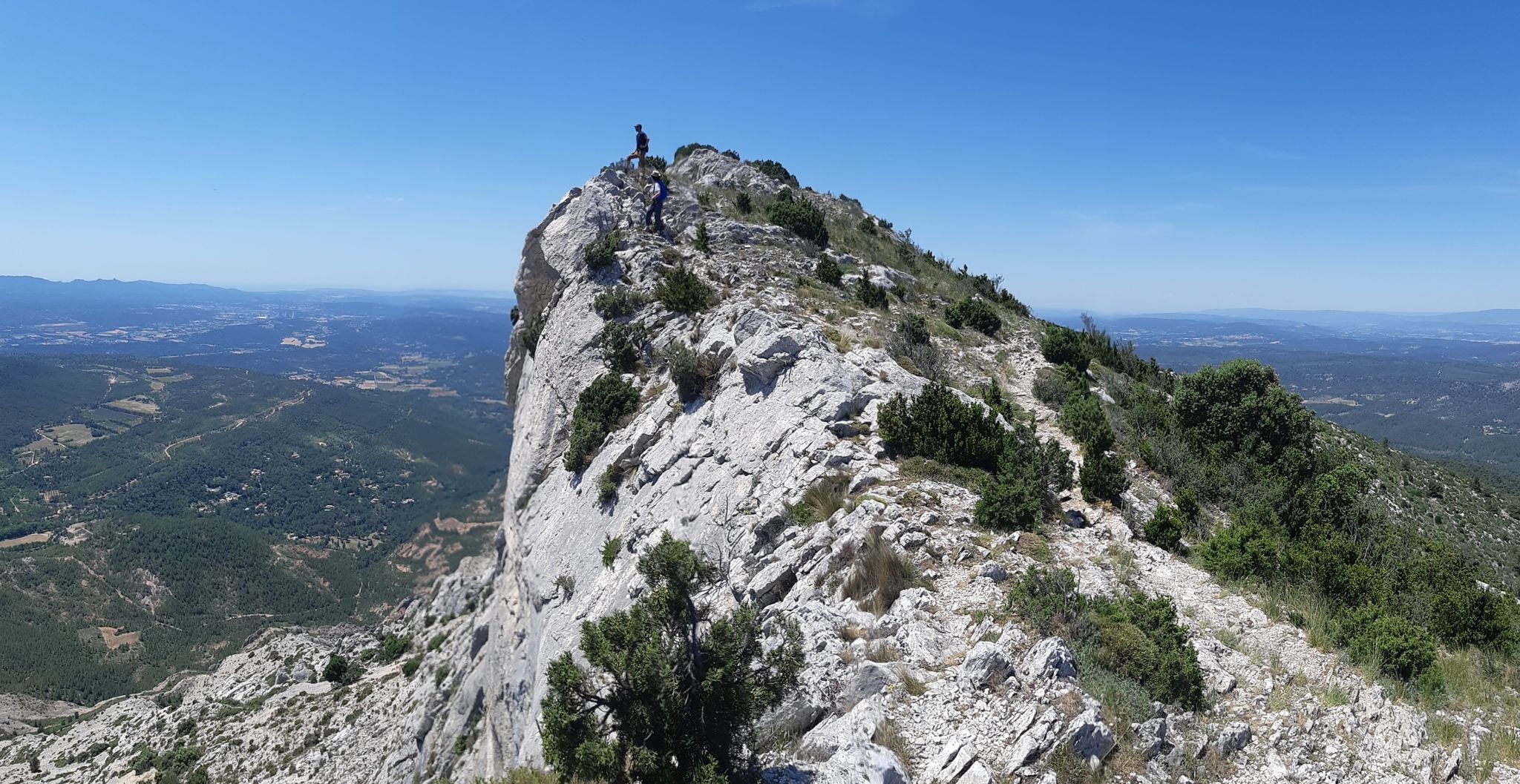
Pays d'Aix to Cap Canaille – Seven Provençal walks
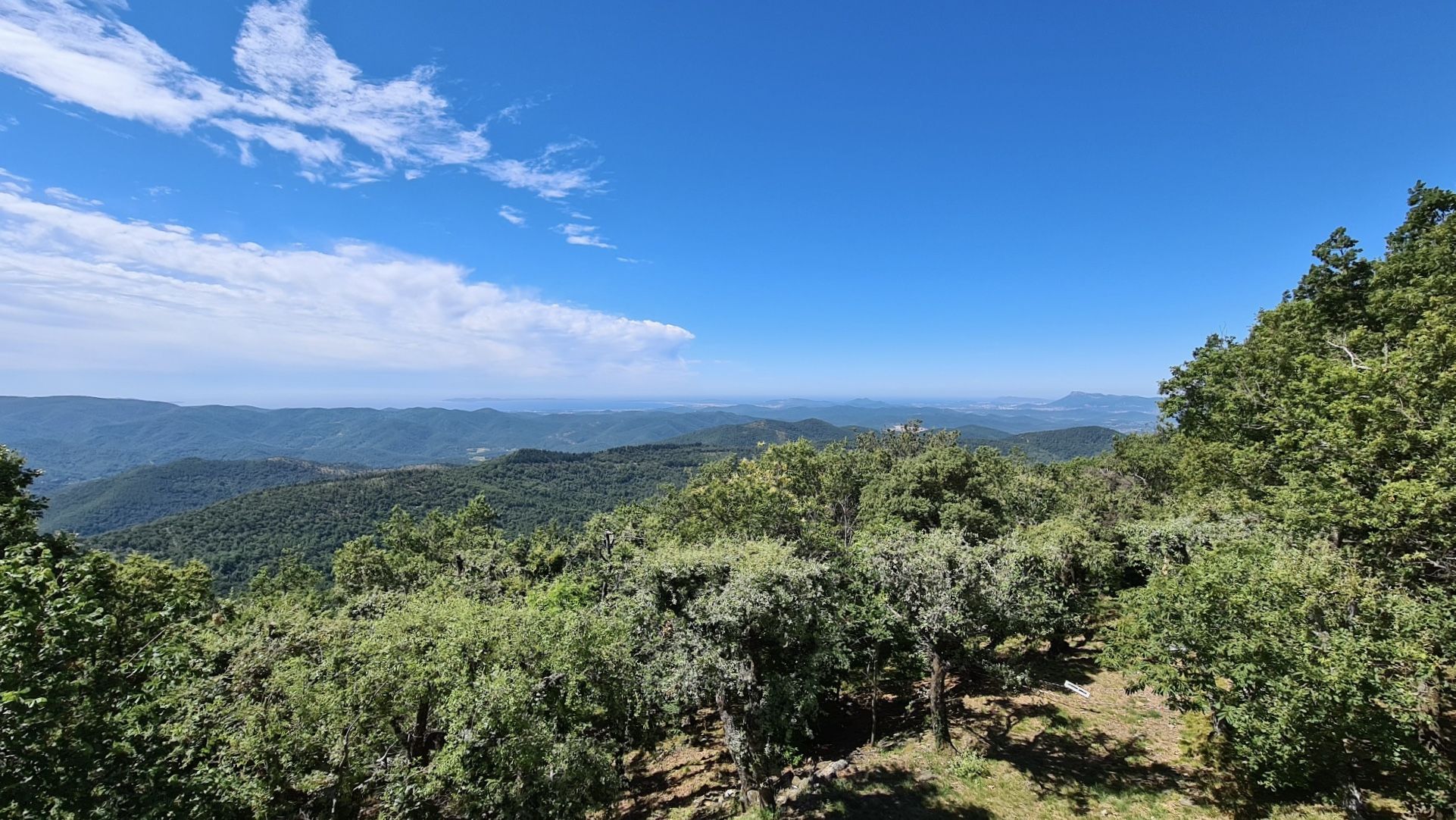
Stroll among French pines — the GR 90 in Provence
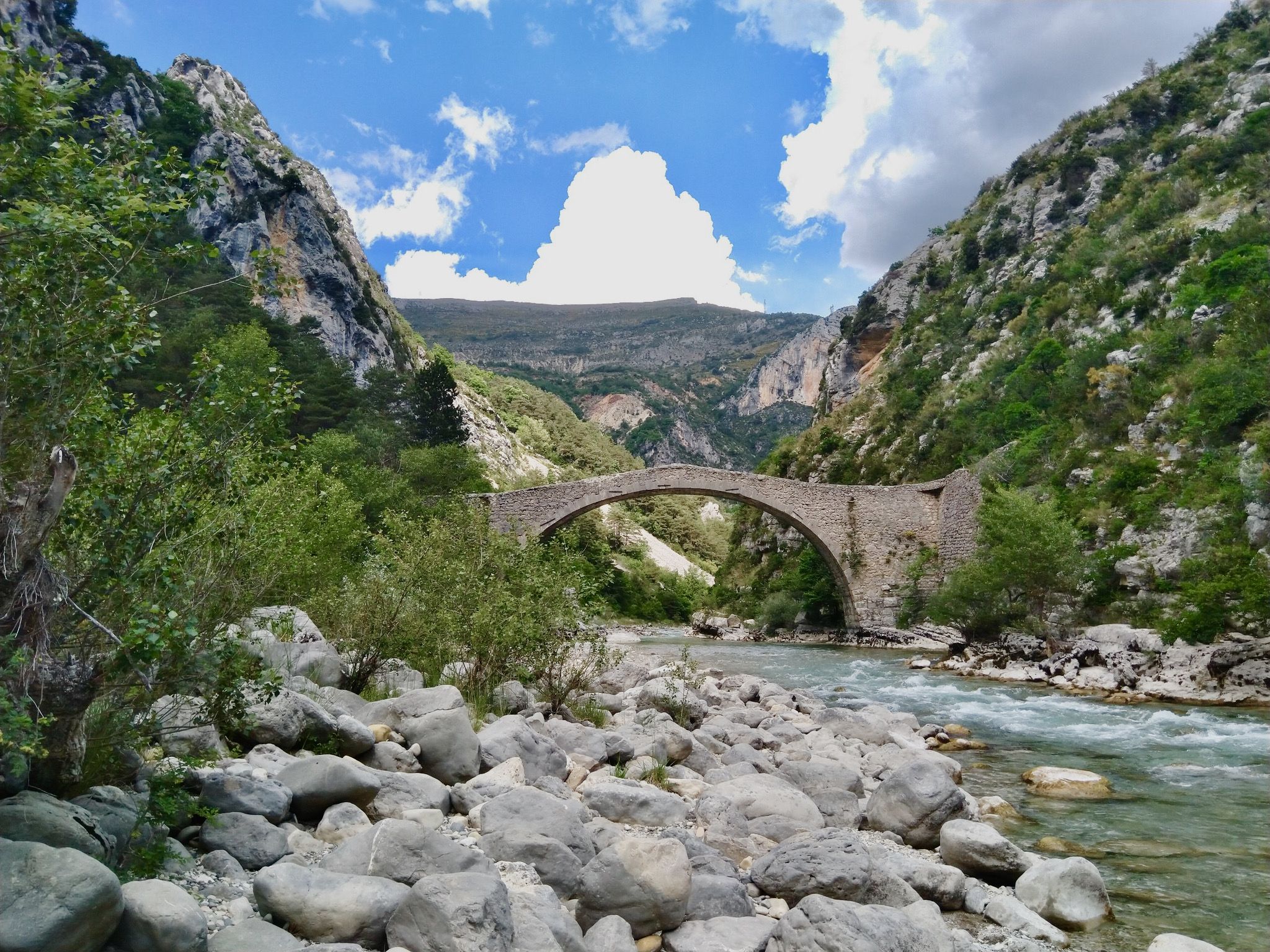
Between land and sea — the GR 49 from Saint-Raphaël to Rougon
Other adventures in Var


Tips from the Community

The Old Port of Saint-Raphaël, in the heart of the city, blends contemporary elegance with Mediterranean charm. Its quays, lively yet accessible, offer a pleasant break overlooking the sea.
0
0

The Porte Massillon is one of the entrances to the old town of Hyères.
2
0


It's recommended to take the coastal hiking trail marked with blue markers from the Cercle restaurant instead of walking along the road. It's very exciting.
0
0

Very impressive, with several restaurants whose prices naturally reflect the location. Port Grimaud is a tourist resort in southern France founded by the architect François Spoerry and established in the 1960s. It has the character of a postmodern planned town that consciously draws inspiration from traditional Mediterranean architectural styles.
1
0

City built in the modern era with an old-world charm due to its urban harmony and architecture
1
0

From June 14 to October 5, 2025, 80 works of street art will be presented at the Toulon Art Museum. The star artist of this new exhibition will be Banksy. The artist who rose to prominence with "The Little Girl with a Balloon" and whose identity is the subject of much speculation has become a phenomenon capable of shaking global public opinion. Through his stencils, as well as Basquiat's graffiti, and more contemporary canvases such as those of JR, Invader, and Madame, the entire spectrum of street art, from its history to its various movements, will be presented to the people of Toulon. Five years ago, "Picasso and the Mediterranean Landscape" attracted more than 55,000 visitors to the completely renovated Toulon Art Museum (MAT). Similar popular success is expected for "Banksy, Before / After - A (R)evolution." "Toulon claims to be a working-class city, a city where everyone has their place, their role to play, a city where art is accessible to all," emphasized Josée Massi, Mayor of Toulon, during the presentation of the exhibition, which took place in one of the rooms dedicated to contemporary art at the MAT. The artist, whose identity remains a mystery, will therefore be the featured artist of this new cultural event, scheduled from June 14 to October 5, to allow schoolchildren and students to discover this artistic movement. An art form that has been moving in recent years from the streets where it originated to the walls of museums. "Street art has its place in a museum. Many street artists regularly abandon walls, bridges, sidewalks, and bus shelters to produce studio works, on transportable media that can be exhibited in museums and galleries just like other artists," continued the chief magistrate. 80 works, including 40 by Banksy, will be presented to the general public. All are drawn from private collections. All will trace the history of this artistic movement, born in the 1960s. All will offer a broad overview of what urban art can be. All will shed light on how it is expressed in France, the United States, Italy, and South American countries. All will trace its evolution from the pioneers of the American underground to its most contemporary expression. All will place the artist who most often works with stencils at the heart of the dialogue: because there is a before, a during, and an after Banksy. This exhibition, which is being produced with the assistance of an Italian partner, 24 Ore Cultura, a Banksy specialist, was designed to interact with works from the museum's permanent collection and, more specifically, the creations of Ernest Pignon-Ernest, which will be presented in the Graphic Arts Room. The Nice-based artist is considered one of the pioneers of French urban art. A dialogue with the contemporary and a bridge to the classical: Italian street artist Andrea Ravo Mattoni will create a mural inside the museum's spaces, reinterpreting Émile Loubon's 1852 painting, "Return of the Herd," in his own visual language. By offering this reinterpretation to the general public, the MAT is embodying a powerful symbolism: that of a museum that bridges eras and art forms.
0
0
Like veritable open-air museums, certain corners of the Var region boast several sites adorned with works of street art. From Saint-Raphaël to La Seyne-sur-Mer, via Fréjus and Toulon, here's an overview of these intriguing frescoes. While strolling through the narrow streets of Var villages, you may have already come across these murals, which are increasingly adorning the facades of Var buildings. These works enliven and brighten the landscape, making the department a colorful gallery from which beautiful gems emerge. In Toulon, for example, there are numerous addresses dedicated to street art. Already in the Mourillon area, this one promises a pleasant and exotic stroll along the seafront. We particularly enjoy strolling through the pretty Arts district, where Sufyr works. A leading figure in the city's graffiti scene, he has particularly distinguished himself on the doors and walls of the Rue des Savonnières and Rue de l'Hôpital. Its frescoes combine Coluche with Julius Caesar, David Bowie with Frida Kahlo. Not far from here is the Lisa Gallery. Several local artists exhibit their work here, allowing visitors to observe, or even acquire, this type of creation. It can also be found in the Rue des Arts and Rue Pierre Semard, featuring graffiti, photos, and drawings. Ultimately, Toulon's street art is much more than just an open-air gallery. It's an invitation to understand and appreciate the cultural and natural richness of this iconic city in the south of France. An experience that enriches the soul and broadens our perspective on the art, history, and geography of this magnificent region.
0
1
Frequently Asked Questions
How many urban hiking trails are available in Var?
Var offers a wide selection of urban hiking trails, with over 220 routes available on komoot. These trails allow you to explore the charming towns and cities of the region, often combining historical sites with scenic urban landscapes.
What makes urban hiking in Var unique?
Urban hiking in Var provides a unique blend of historical charm, Mediterranean atmosphere, and accessible natural beauty. You can explore ancient town centers, stroll along picturesque marinas, and discover hidden corners, all while enjoying the region's sunny climate. Many routes offer glimpses of the diverse landscapes Var is known for, from coastal views to lush green spaces within city limits.
Are there easy urban hikes suitable for beginners or families in Var?
Yes, Var is an excellent destination for easy urban hikes, with 172 routes rated as 'easy'. These trails are perfect for beginners, families, or anyone looking for a relaxed stroll. An example is the Massillon Square – Château d’Hyères Ruins loop from Hyères, which offers a pleasant walk through the town and up to historical ruins.
Can I bring my dog on urban hikes in Var?
Many urban trails in Var are dog-friendly, especially those that follow public pathways and parks. However, it's always best to keep your dog on a leash, particularly in populated areas or where local regulations require it. Be mindful of other pedestrians and ensure you clean up after your pet.
Are there urban hikes in Var that are circular?
Yes, many urban hiking routes in Var are designed as circular loops, offering convenient starting and ending points. This allows you to explore an area without retracing your steps. For instance, the Fountain of the Three Dolphins – Place Puget loop from Toulon is a great example of a circular urban walk in a vibrant city setting.
What kind of attractions can I see on urban walks in Var?
Urban walks in Var often lead you past a variety of interesting attractions. You might encounter historical sites, charming town squares, and local markets. Some routes even offer views of natural landmarks. For example, you could see the summit of Cap Roux from certain viewpoints, or explore areas near the Tuves Bridge and Cave, which offers a family-friendly experience.
How can I reach the starting points of urban trails in Var?
Many urban trails in Var are easily accessible by public transport, especially in larger towns like Toulon, Hyères, and Saint-Raphaël. Public buses and regional trains often serve central locations where hikes begin. For those driving, parking is generally available in or near town centers, though it may be paid parking in popular areas. Always check local parking regulations.
What is the best time of year for urban hiking in Var?
The pleasant and sunny climate of Var makes urban hiking enjoyable throughout much of the year. Spring (April-May) and autumn (September-October) are particularly ideal, offering comfortable temperatures and fewer crowds. Even winter can be pleasant for urban walks, with mild weather. Summers can be hot, so it's best to hike in the early morning or late afternoon during this season.
Are there any urban walks that offer coastal views or pass through waterfront areas?
Absolutely! Var's extensive coastline means many urban walks incorporate stunning sea views and waterfront experiences. You can find routes that lead along beaches, through marinas, or offer panoramic vistas of the Mediterranean. The Plage de Cavalière – Gallo-Roman maritime fishpond loop from Plage de l'Arpillon is a great option for coastal scenery, and the Port Grimaud: Canals and Marina loop from Port Grimaud offers a unique experience through a charming waterfront village.
What do other hikers say about urban trails in Var?
The urban trails in Var are highly rated by the komoot community, with an average score of 4.47 stars. Reviewers often praise the accessibility of the routes, the beauty of the towns, and the opportunity to combine cultural exploration with light exercise. Many appreciate the well-maintained paths and the chance to discover hidden gems within the urban landscape.
Are there urban routes that include historical sites or charming old towns?
Yes, many urban hikes in Var are designed to showcase the rich history and picturesque architecture of the region's towns. You can wander through medieval streets, discover ancient ruins, and admire historical buildings. The Massillon Square – Château d’Hyères Ruins loop from Hyères is an excellent example, taking you through the historic center of Hyères and up to its castle ruins.
What should I wear for urban hikes in Var, especially in cooler months?
For urban hikes in Var, comfortable walking shoes are essential, as you'll be on paved surfaces and potentially some uneven cobblestones. In cooler months (late autumn to early spring), layering is key. A light jacket or sweater is advisable, especially in the mornings or evenings, as temperatures can drop. During warmer months, light, breathable clothing and sun protection (hat, sunglasses, sunscreen) are recommended.
Most popular routes in Var
Most popular attractions in Var

Get inspired with the komoot mobile app


Didn’t find what you were looking for?
Check out more Hikes throughout Var below and find the perfect route in your destination.
