The best family-friendly hikes and walks in the Parahyangan Highlands
4.8
(70)
1,313
hikers
21
hikes
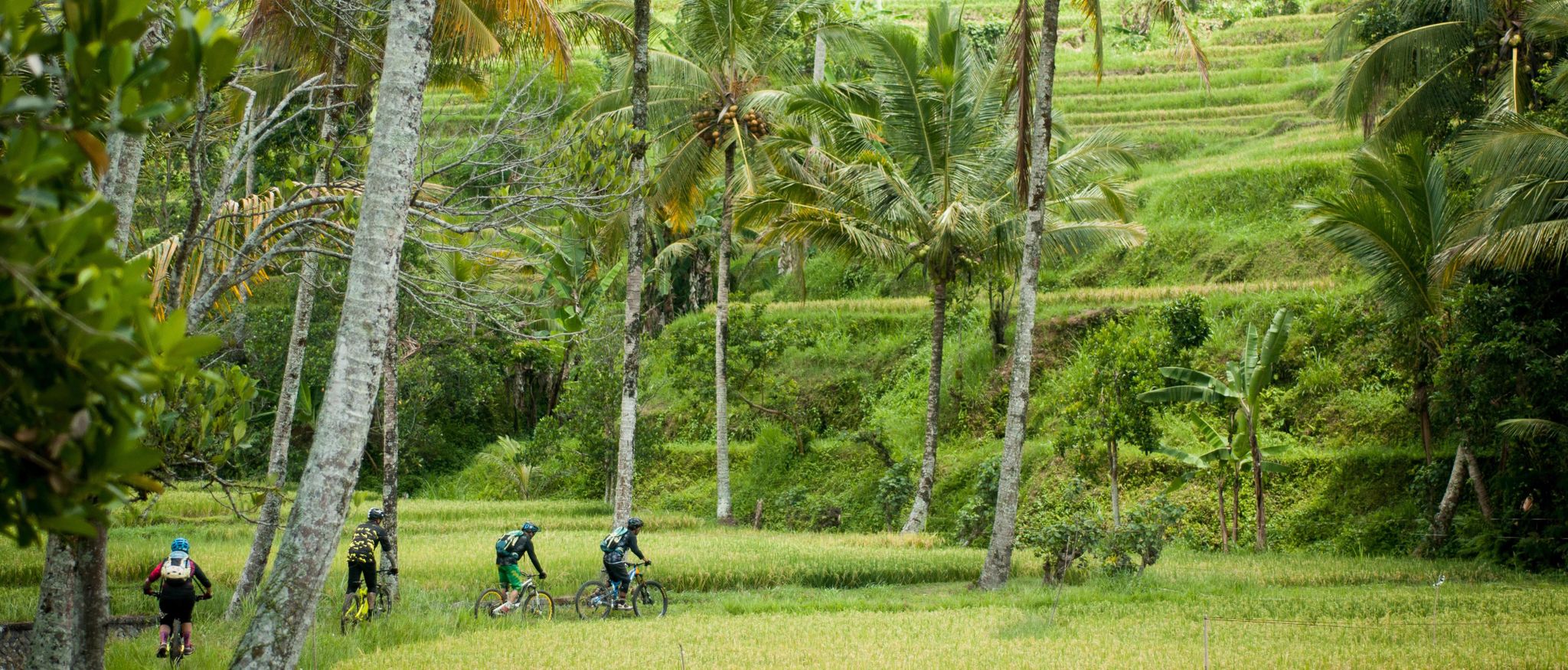
Family friendly hiking trails in the Parahyangan Highlands traverse a diverse and dramatic landscape shaped by volcanic origins. The region features volcanic mountains, lush rainforests, and expansive tea plantations, offering varied elevations and numerous peaks. Hikers can explore dense rainforests providing shaded trails, as well as picturesque tea plantations that offer scenic routes. The natural environment includes a range of ecosystems, from low-lying tropical forests to high-altitude rainforests on volcanic slopes.
Best family friendly hiking trails in the Parahyangan Highlands
…Last updated: May 16, 2026
4.9
(8)
176
hikers
10.1km
02:52
210m
210m
Moderate hike. Good fitness required. Easily-accessible paths. Suitable for all skill levels.
5.0
(4)
143
hikers
5.07km
01:21
50m
50m
Easy hike. Great for any fitness level. Easily-accessible paths. Suitable for all skill levels.

Sign up for free
4.8
(8)
74
hikers
Moderate hike. Good fitness required. Easily-accessible paths. Suitable for all skill levels.
24
hikers
15.1km
05:05
750m
750m
Hard hike. Very good fitness required. Easily-accessible paths. Suitable for all skill levels.
3
hikers
8.39km
02:54
440m
450m
Moderate hike. Good fitness required. Easily-accessible paths. Suitable for all skill levels.
Get access to more routes and recommendations from other explorers.
Sign up for free
Already have an account?
Our route recommendations are based on thousands of hikes, rides, and runs completed by other people on komoot.
Start today with a free account
Your next adventure awaits.
Login or Signup
Popular around Parahyangan Highlands
Other adventures in the Parahyangan Highlands

Tips from the Community

There are Timor deer that are bred here. Visitors can feed them. But try not to do it from behind the wire fence, poor deer's snout can get hurt. Don't be lazy to walk a little to enter the feeding area in the middle!
0
0
There is a district boundary monument next to the hut that can be used for resting for Tahura visitors. A small detail that people rarely notice.
0
0
It is not known exactly when it was built but it probably took place between 1890 - 1906. This dam was damaged several years later. The remains of the building can still be found in the Tahura area near the location of Curug Koleang. In 1912, a new dam was built which was located slightly above the previous dam, at a location now known as Bantar Awi. Here, the flow of Ci Kapundung is divided into two, one path follows the normal flow of Ci Kapundung, the other path is channeled through an artificial channel which in between penetrates the cliff to form a cave passage. This passage was later enlarged, repaired, and converted into a military cave for storing weapons and protecting radio communication equipment before World War II. This cave is what we know as the Dutch Cave. Source: IG @mooibandoeng
0
0
The exit of Goa Belanda is on the North side. If you don't want to enter through the cave, you can follow the detour.
0
0
The Dutch Cave was built in 1923 as a storage and shelter during air raids or military attacks. This cave served as a shelter for civilians and Dutch military personnel. Its strategic location in the Dago mountains made it a safe place from the threat of attack. The construction of the Dutch Cave Bandung involved heavy work and engineering skills. Construction methods with blasting and stone carving were applied to form the cave chambers. The walls of the cave were then coated with concrete to maintain its strength and security. After Indonesia's independence in 1945, the Dutch Cave Bandung remained and still stands. However, its role as a place to store weapons and shelter has ended. This cave was then given to the Bandung City Government and turned into a tourist attraction that can be visited by the public. Source: IG tahuradjuanda.official
0
0
If you want to get closer to Goa Belanda, just enter from Post 2.
0
0


Frequently Asked Questions
How many family-friendly hiking trails are available in the Parahyangan Highlands?
The Parahyangan Highlands offer a good selection of family-friendly hiking trails, with over 20 routes specifically curated for this guide. These range from easy strolls to more moderate adventures, ensuring there's something for every family.
What kind of terrain can we expect on family hikes in the Parahyangan Highlands?
The region's volcanic origins mean you'll encounter diverse terrain, from gentle forest paths to trails with moderate elevation changes. Many routes wind through lush rainforests and picturesque tea plantations, offering varied landscapes. While some trails are challenging, this guide focuses on paths suitable for families, often featuring well-trodden ground.
Are there any easy, shorter hikes suitable for families with young children or toddlers?
Yes, there are several easy options perfect for families with young children. For example, the Bogor Street Market loop from Bogor is an easy 5.1 km trail that offers a glimpse into local life without significant elevation. Many paths within larger forest parks are also generally accessible.
Can we find circular routes that are good for families?
Absolutely! Many of the family-friendly trails in the Parahyangan Highlands are circular, allowing you to start and end at the same point. Routes like the Post 2 TAHURA – Goa Belanda TAHURA loop from Kolam Pakar and the Goa Belanda - North Passage – Goa Belanda TAHURA loop from Ir. H. Juanda Grand Forest Park are excellent examples of moderate circular hikes that explore forest paths and historical sites.
What natural attractions or landmarks can we discover along the family-friendly trails?
The Parahyangan Highlands are rich in natural beauty. You can expect to find lush rainforests, scenic tea plantations, and potentially waterfalls and hot springs. Notable natural highlights include beautiful lakes such as Setu Cibodas and Situ Lembang Ciherang, which can be wonderful stops for families. The region's volcanic landscape also offers unique geological features like Kawah Putih.
What is the best time of year to go hiking with family in the Parahyangan Highlands?
The Parahyangan Highlands experience significant rainfall, especially in West Java, contributing to its lush environment. While hiking is possible year-round, the dry season (typically from May to September) generally offers more predictable weather conditions, making it ideal for family outings. However, even during the wet season, morning hikes can be pleasant before afternoon showers.
Is public transport available to reach the trailheads for family hikes?
While specific public transport options vary by trailhead, major towns like Bogor, which serves as a starting point for routes like the Bogor Street Market loop, are generally well-connected. For more remote trailheads, local transportation or private hire might be necessary. It's advisable to research specific routes for detailed access information.
Are there parking facilities near the family-friendly hiking trails?
Many popular trailheads, especially those within established forest parks like Ir. H. Juanda Grand Forest Park (a starting point for the Goa Belanda - North Passage – Goa Belanda TAHURA loop), typically offer designated parking areas. For smaller or less-trafficked routes, roadside parking might be available. Always check local signage and regulations.
Are dogs allowed on family-friendly hiking trails in the Parahyangan Highlands?
Policies regarding dogs can vary between different parks and protected areas within the Parahyangan Highlands. Some areas may permit dogs on leash, while others might restrict them to protect wildlife or maintain cleanliness. It's best to check the specific regulations for the park or trail you plan to visit beforehand.
What do other hikers say about the family-friendly trails in the Parahyangan Highlands?
The family-friendly trails in the Parahyangan Highlands are highly rated by the komoot community, with an average score of 4.8 stars. Reviewers often praise the beautiful natural scenery, the opportunity to explore dense rainforests and tea plantations, and the variety of trails suitable for different fitness levels, making it a rewarding experience for families.
Are there any trails that offer views of the region's volcanic mountains?
Given the Parahyangan Highlands' volcanic origins, many trails offer glimpses or panoramic views of the surrounding mountains. While this guide focuses on family-friendly routes, even moderate hikes can provide stunning vistas of peaks like Puncak Ciherang or Puncak Pasir Ipis, especially from higher vantage points or clearings.
Most popular routes in the Parahyangan Highlands
Most popular attractions in the Parahyangan Highlands

Get inspired with the komoot mobile app


Explore more
Browse the best Hikes in other regions.
