The best traffic-free bike rides around Sulzfelder Forst
4.8
(6)
52
riders
20
rides
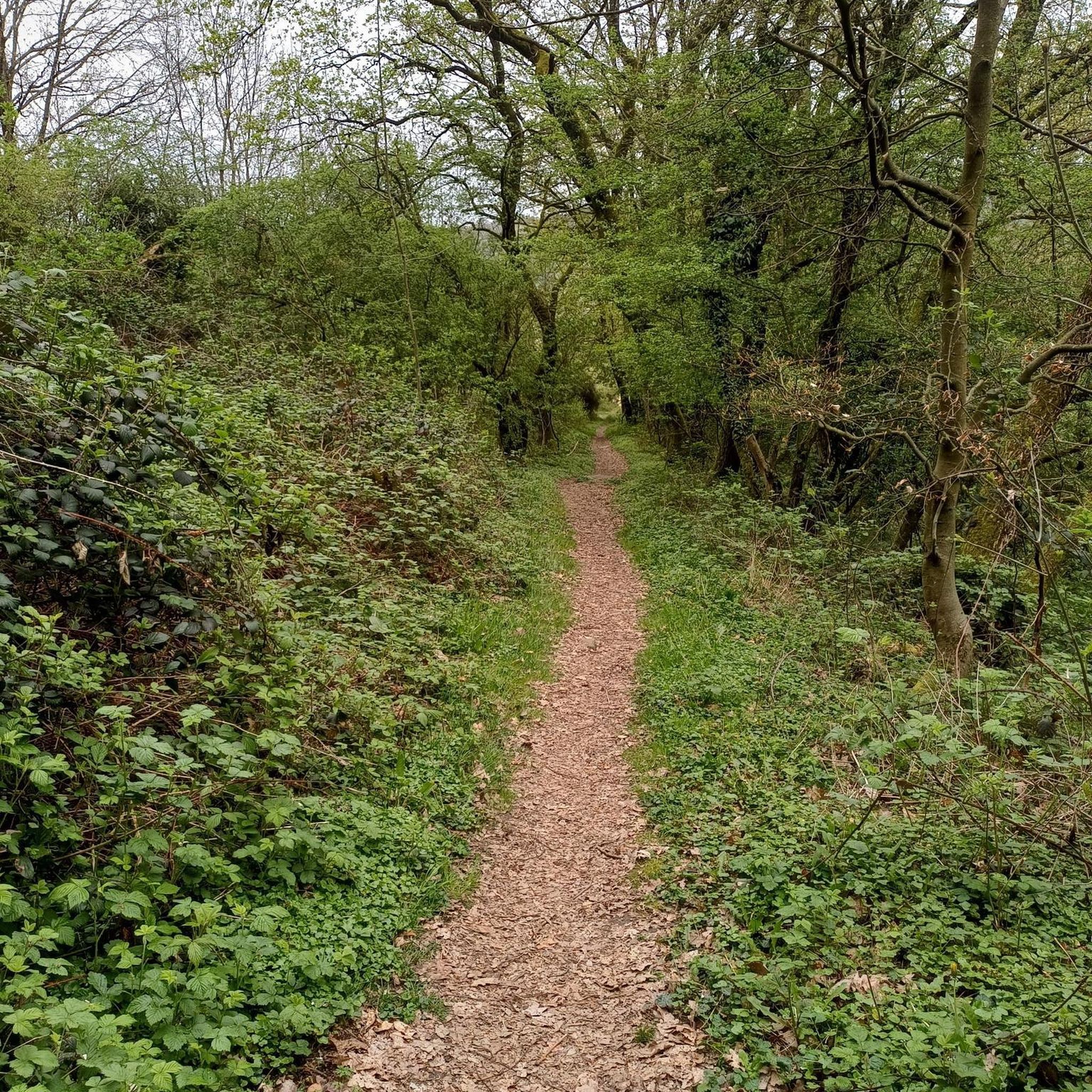
No traffic gravel bike trails around Sulzfelder Forst traverse a landscape characterized by rolling hills and dense forests, providing a suitable environment for gravel biking. The broader Rhön-Grabfeld region, where Sulzfelder Forest is located, features numerous cycling routes with unpaved sections ideal for gravel bikes. This area, part of the Haßberge region, has been recognized as "Germany's first gravel region," indicating a well-established network of trails. The terrain includes varied forest paths and tracks, offering diverse riding experiences.
Best no…
Last updated: October 1, 2026
4.5
(4)
15
riders
56.6km
03:43
720m
720m
Hard gravel ride. Very good fitness required. Mostly paved surfaces. Suitable for all skill levels.
5
riders
59.4km
04:17
990m
990m
Hard gravel ride. Very good fitness required. You may need to push your bike for some segments of this route.

8
riders
Moderate gravel ride. Good fitness required. Mostly paved surfaces. Suitable for all skill levels.
5.0
(1)
8
riders
40.8km
02:24
320m
320m
Moderate gravel ride. Good fitness required. Mostly paved surfaces. Suitable for all skill levels.
9
riders
60.3km
03:34
620m
620m
Hard gravel ride. Very good fitness required. Mostly paved surfaces. Suitable for all skill levels.
Get access to more routes and recommendations from other explorers.
Already have an account?
Our route recommendations are based on thousands of hikes, rides, and runs completed by other people on komoot.
Start today with a free account
Your next adventure awaits.
Popular around Sulzfelder Forest
Tips from the Community

Currently (early September 2026), the viewing platform is closed as the wood is apparently rotten and needs to be replaced.
0
0

The town hall is currently being renovated (08/2026) and is unfortunately completely covered.
0
0

River valley of the Fränkische Saale at the foot of the Rhön in northern Unterfranken. Predominantly flat to gently rolling profile along the river meadows; ideal for beginners, families, as well as pleasure cyclists and hikers. Well-maintained (mostly asphalted or finely gravelled) paths, largely away from motorized road traffic.
3
0

Opportunity for a break, right next to it an interesting board about the course of the Baunach.
5
0
Here you are at the front Baumachsee, a detour to the rear Baunachsee is worthwhile. There is a seating area as well as an information board about the course of the Baunach.
9
0

Friesenhausen Castle was built as a moated castle in the 13th/14th century.
12
3


Bad Neustadt, idyllically situated in the heart of the Franconian Saale Valley, impresses with a rich history, a picturesque old town and breathtaking scenery, and lies on the edge of the Bavarian Rhön Nature Park.
1
0
Frequently Asked Questions
How many no-traffic gravel bike trails are available in Sulzfelder Forest?
You'll find a good selection of routes, with over 20 no-traffic gravel bike trails mapped in Sulzfelder Forest. These routes are designed to keep you away from busy roads, offering a peaceful cycling experience through the region's beautiful landscapes.
What kind of terrain can I expect on these no-traffic gravel trails?
The Sulzfelder Forest and the broader Haßberge region, known as 'Germany's first gravel region,' feature a mix of unpaved forest paths and tracks. You can expect rolling hills and dense woodlands, providing varied terrain suitable for gravel bikes. The routes often include sections with natural surfaces, offering an authentic off-road experience.
What is the best time of year for gravel biking in Sulzfelder Forest?
The Sulzfelder Forest is enjoyable for gravel biking throughout much of the year. Spring and autumn offer particularly pleasant conditions with mild temperatures and beautiful scenery, including vibrant autumn colors. Summer is also great, especially for routes that pass by lakes for a refreshing dip. Winter can be an option, but be mindful of potential snow or ice on unpaved sections.
Are there any interesting landmarks or natural features to see along the gravel routes?
Absolutely! Many routes pass by significant points of interest. You could explore the historic Wildberg Castle Ruins, which offer great views and insights into local history. Another highlight is the Baunach Lake, a tranquil spot steeped in local legends. The region is also characterized by its dense forests, such as the Hofwiese, perfect for wildlife spotting.
Can I find places to relax or swim near the trails?
Yes, the region offers lovely spots for relaxation. The Sulzfelder Badesee (Bathing Lake) is a popular recreational area with free access, a kiosk, beer garden, and amenities for swimming in summer. The secluded Baunach Lake is another peaceful option, ideal for a quiet break by the water.
What do other gravel bikers say about the trails in Sulzfelder Forest?
The komoot community highly rates the gravel biking experience in Sulzfelder Forest, with an average score of 4.8 out of 5 stars. Riders often praise the quiet, traffic-free nature of the trails, the beautiful forest scenery, and the varied terrain that makes for an engaging ride.
Are there any circular gravel bike routes available?
Yes, many of the no-traffic gravel bike trails in Sulzfelder Forest are designed as circular routes, allowing you to start and end at the same point. For example, the challenging "View of Lake Ellertshäuser – Baunachsee loop from Sulzfeld" offers a scenic circular tour, as does the "Jägerpfad Schwedenschanze – Trail to Schwedenschanze loop from Sulzfeld".
Are the no-traffic gravel trails in Sulzfelder Forest suitable for families?
While many routes are moderate to difficult, there are options that families can enjoy. The key is to choose routes with less elevation gain and shorter distances. The Sulzfelder Forest's extensive network of forest paths means you can often find quieter sections away from traffic, perfect for a family outing. Always check the route details for difficulty before heading out.
Can I bring my dog on the gravel bike trails?
Generally, dogs are welcome on trails in the Sulzfelder Forest, especially on forest roads and paths. However, it's always best to keep your dog on a leash, especially in areas with wildlife or near other visitors. Be mindful of local regulations and ensure your dog is well-behaved around cyclists and other trail users.
Where can I park my car when visiting Sulzfelder Forest for gravel biking?
Parking is typically available at the starting points of many routes or near villages bordering the forest. For example, if you're starting a route like the "Kleinbardorf Rest Area – Market Square, Bad Königshofen loop from Großbardorf", you'll likely find parking in or around Großbardorf. Look for designated parking areas in towns like Sulzfeld, Bad Königshofen, or Großbardorf, which serve as common access points to the forest.
Is it possible to reach the gravel trails by public transport?
While direct access to every trail by public transport might be limited, you can often reach the larger towns and villages surrounding Sulzfelder Forest by bus or train. From these points, you can cycle to the trailheads. It's advisable to check local bus and train schedules for connections to places like Sulzfeld, Bad Königshofen, or Großbardorf, and confirm if bikes are allowed on board.
What are the difficulty levels of the no-traffic gravel bike trails?
The no-traffic gravel bike trails in Sulzfelder Forest range from moderate to difficult. You'll find a good selection of both. For instance, routes like the "Bad Neustadt Marketplace – Fischerhaus Herschfeld loop from Großbardorf" are rated moderate, while longer tours such as the "Sulzfelder Lake – Beer Garden at Sulzfeld Bathing Lake loop from Bad Königshofen im Grabfeld" are considered difficult due to their length and elevation.
Are there options for longer, more challenging gravel rides?
Yes, for experienced gravel bikers seeking a challenge, Sulzfelder Forest offers several longer and more demanding routes. Many of the difficult-rated tours cover significant distances and elevation, such as the "Jägerpfad Schwedenschanze – Trail to Schwedenschanze loop from Sulzfeld" which spans nearly 60 km with considerable climbing. These routes provide a rewarding workout amidst the region's natural beauty.
Most popular routes around Sulzfelder Forst
Most popular attractions around Sulzfelder Forst

Get inspired with the komoot mobile app


Explore more
Browse the best Gravel rides in other regions.
