The best traffic-free bike rides around the Mio
4.0
(2)
74
riders
18
rides
Gravel biking around the Mio region of Michigan is characterized by its setting within the Au Sable River Valley and the vast Huron National Forest. The landscape features the Mio Plateau, formed by deep glacial drift, with extensive forested lands of jack pine, red pine, and white pine. The area offers a network of forest roads and multi-use trails, composed of dirt and gravel, traversing rolling hills and dense woodlands. These conditions provide varied terrain suitable for no traffic gravel…
Last updated: May 16, 2026
9
riders
55.2km
04:07
530m
530m
Hard gravel ride. Very good fitness required. Mostly paved surfaces. Suitable for all skill levels.
7
riders
147km
10:09
2,710m
2,710m
Hard gravel ride. Very good fitness required. Mostly paved surfaces. Suitable for all skill levels.

Sign up for free
5.0
(1)
6
riders
47.2km
03:25
760m
760m
Hard gravel ride. Very good fitness required. Mostly paved surfaces. Suitable for all skill levels.
2
riders
Moderate gravel ride. Good fitness required. Mostly paved surfaces. Suitable for all skill levels.
3
riders
120km
09:36
2,440m
2,440m
Hard gravel ride. Very good fitness required. Mostly paved surfaces. Suitable for all skill levels.
Get access to more routes and recommendations from other explorers.
Sign up for free
Already have an account?
Our route recommendations are based on thousands of hikes, rides, and runs completed by other people on komoot.
Start today with a free account
Your next adventure awaits.
Login or Signup
Popular around Mio
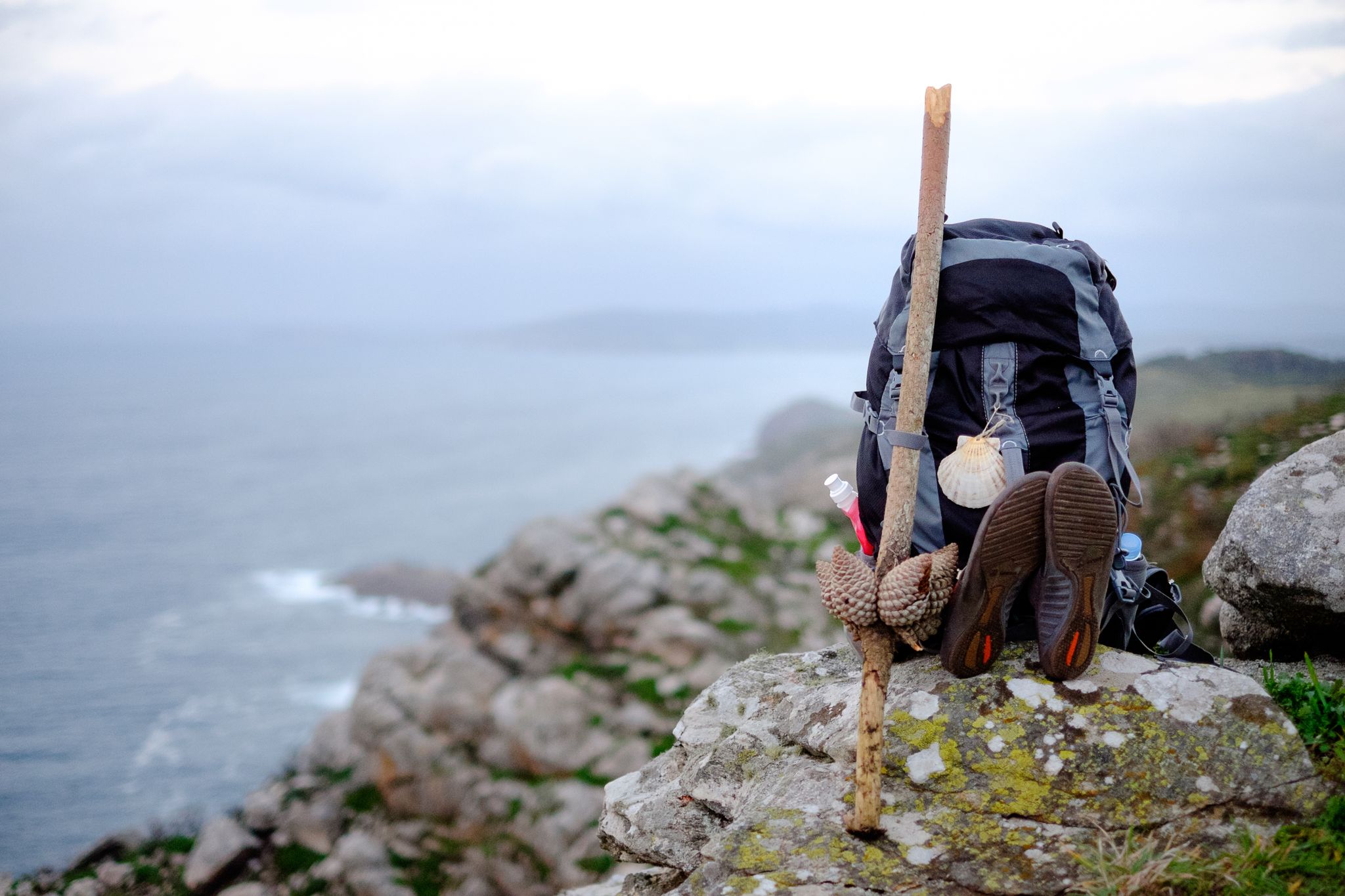
Way of St. James – 60 miles
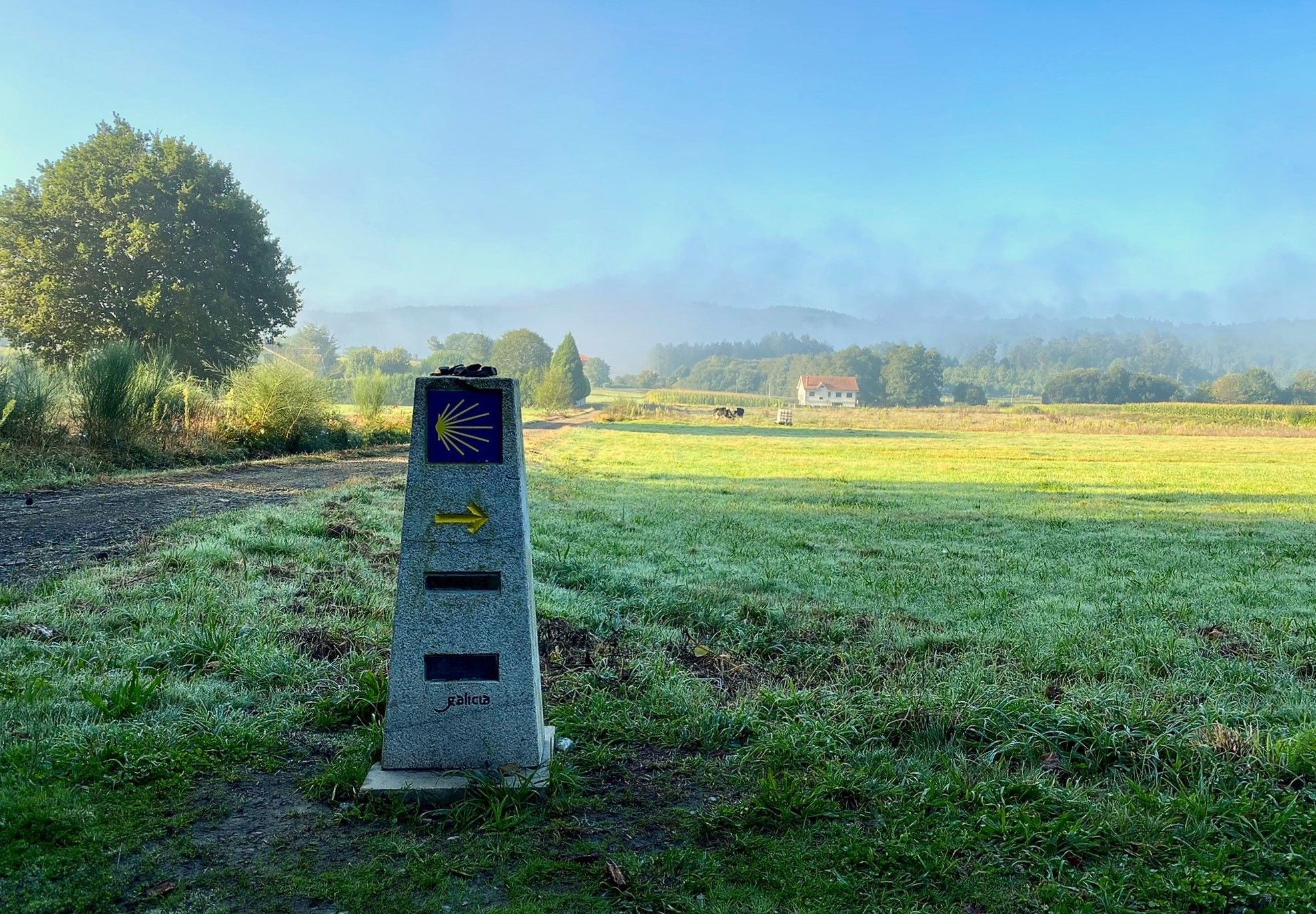
A pilgrimage on foot – Spain’s Primitive Way
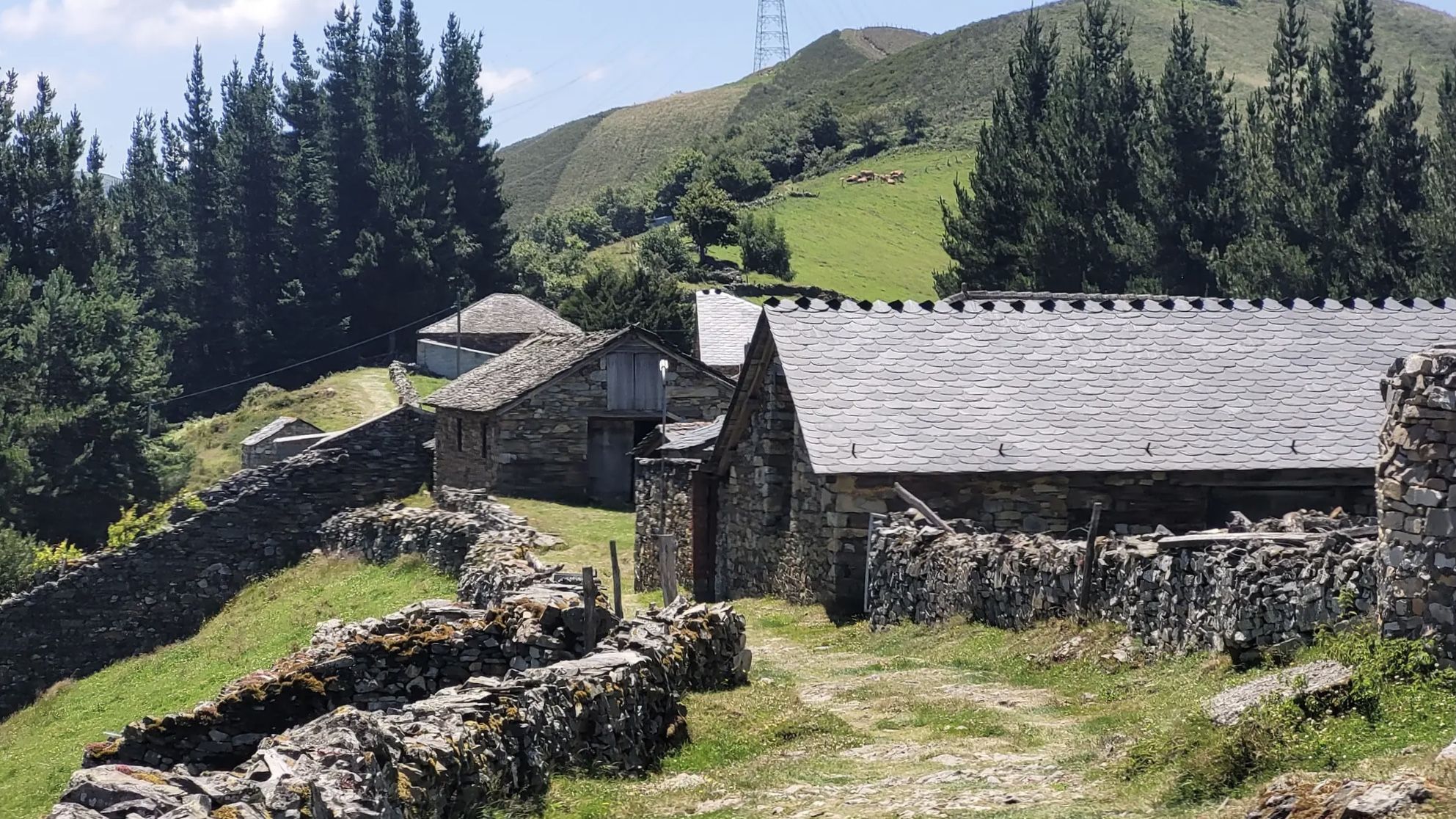
The Camino Primitivo — From Oviedo to Santiago through history
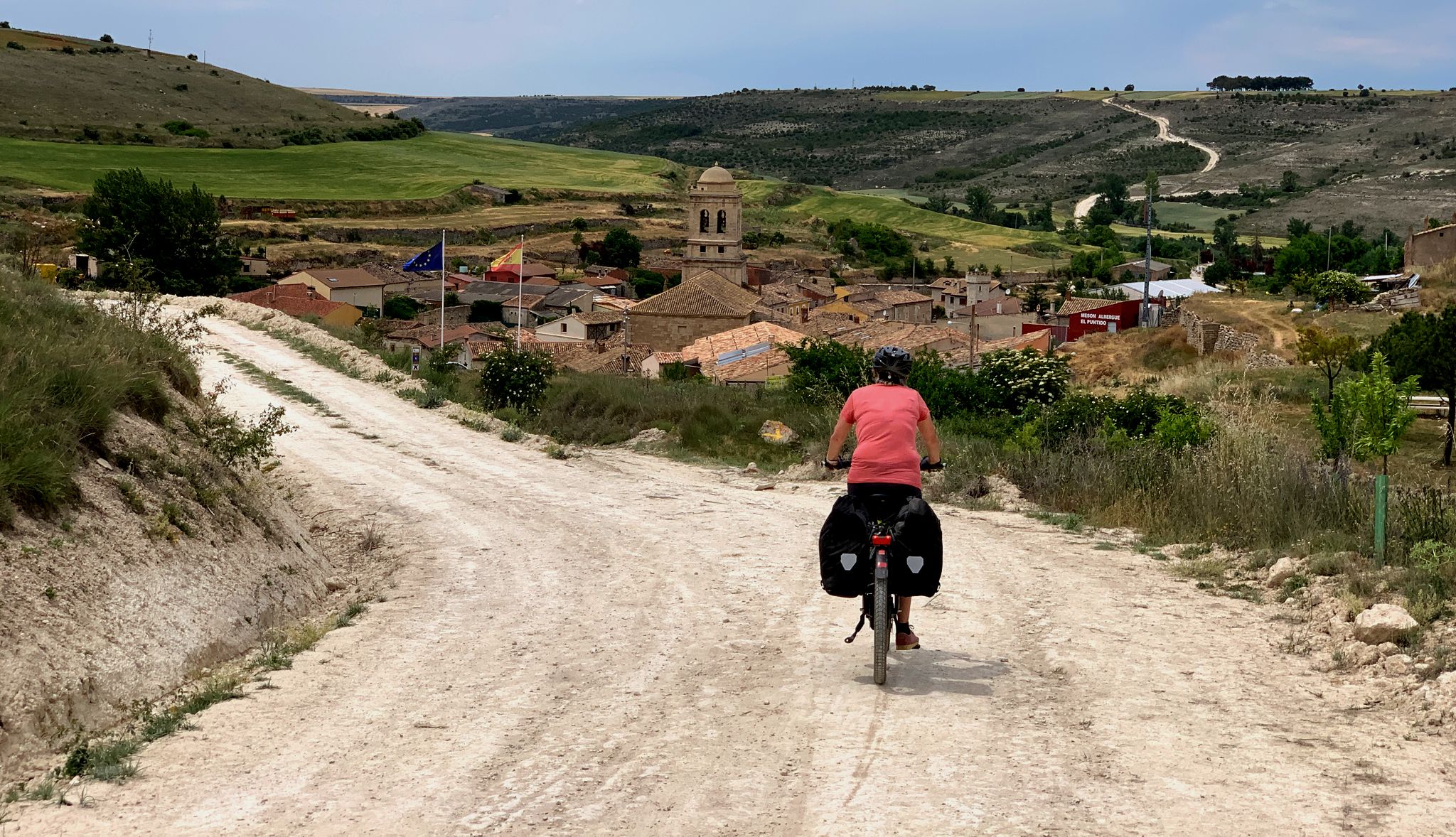
The Pilgrim Route — EuroVelo 3 through Spain
Discover Spain by gravel — a selection of must-see routes
Traffic-free bike rides around the Mio

Traffic-free bike rides around the Mio
Other adventures around the Mio


Tips from the Community

It spans the Miño River, linking the historic center of Ourense with the A Ponte neighborhood. It was built in the 1st century AD as a branch of the Via Nova (Via XVIII), connecting Bracara Augusta (Braga) with Asturica Augusta (Astorga). Only traces of the original Roman phase remain, such as rusticated stonework at the ends near the banks. It suffered damage during the Middle Ages; in 1228, under Bishop Lorenzo and with the support of Ferdinand III, it was rebuilt with pointed arches and renovated approaches. Until the 17th century, the bridge repeatedly collapsed. The final work was directed by Melchor de Velasco Agüero around 1660, establishing its current appearance.
1
0

Located at the entrance to Triacastela, this wooden sculpture depicts a classic pilgrim with a staff, cloak, and hat. It's one of the most photographed spots on the Camino as it passes through this town. A work of local craftsmanship, it pays homage to the thousands of pilgrims who have passed through this historic Galician village, which was one of the first documented stops on the Camino de Santiago route. A good excuse to stop, stretch your legs, and take a symbolic photo before entering the town. From here, decide whether to continue along the San Xil route (shorter and more mountainous) or the Samos route (longer and with a monastery). Both routes are beautiful, but very different.
0
0

Contrary to what the name suggests, this was not the king's palace or residence. It's a lovely little place and good for a break.
1
0
The Roman bridge in Ourense, known as Ponte Vella or Puente Mayor, over the Miño River, was built in the 1st century AD as part of a branch of the Via Nova (Eighteenth Century). According to tradition, it dates back to the time of Trajan, although its construction characteristics place it close to the time of Augustus. Of that first bridge, only a few cushioned ashlars from the bases remain, as silent witnesses of the past.
1
0


Romanesque church dating from the last third of the 12th century with later alterations. Only the main entrance and part of the façade remain of the original design. It has a Latin cross plan with a rectangular nave, two side chapels, and a pentagonal presbytery. The walls are made of masonry and granite ashlars, and the roof is covered with two- and four-sided tiles. The entrance is Romanesque and features a rounded arch with two archivolts, coved arches, an outer band of truncated spires, and decorated capitals. The tympanum is plain on quoins. The altarpiece in the main chapel is neoclassical.
1
1

One of the few preserved city walls in Europe.
3
0

It is a fortress-church dedicated to St. Nicholas
4
0
Frequently Asked Questions
How many no-traffic gravel bike trails are available around Mio?
Komoot offers a selection of 19 no-traffic gravel bike routes around Mio. These trails vary in difficulty, with 6 moderate and 13 difficult options, providing diverse experiences for gravel cyclists.
What kind of terrain can I expect on the gravel bike trails in Mio?
The gravel bike trails around Mio primarily utilize the extensive network of Forest Service Roads within the Huron National Forest and Au Sable State Forest. You can expect a mix of dirt and gravel surfaces, traversing rolling hills and dense pine forests. Some multi-use trails, like the 'Mio Trail', might include sections with black dirt, sand, loose gravel, and rocks, offering a more technical ride.
Are there any family-friendly no-traffic gravel bike routes in Mio?
While many routes in Mio are rated moderate to difficult, the region's extensive network of forest roads often provides quieter sections suitable for families. Look for routes that stick to wider, less technical forest roads. Always check the route details on komoot for specific difficulty and terrain information to ensure it's appropriate for your family's skill level.
What is the best time of year for gravel biking in Mio?
The best time for gravel biking in Mio is typically spring, summer, and fall. Spring offers lush greenery, while fall provides stunning autumn colors. Summers are generally pleasant, but always be prepared for changing weather conditions. Winter brings snow, transforming the trails into snowmobile routes, so gravel biking is not recommended then.
Are there any circular gravel bike routes around Mio?
Yes, many of the gravel routes around Mio are designed as loops, allowing you to start and end at the same point. For example, the Castro de Viladonga loop from A Igrexa offers a challenging 55 km ride, and the Portomarín – Hórreo loop from A Pobra de San Xiao is a much longer, difficult option. You can filter for circular routes on komoot to find more options.
What are some interesting landmarks or attractions I can see near the gravel trails?
The Mio area is rich in natural beauty and historical sites. Along your rides, you might encounter the picturesque Au Sable River, the Mio Dam, and the surrounding Huron National Forest. Nearby attractions include the unique Portomarín Bridge, the historic Church of St John of Portomarín, or the impressive Cathedral of Saint Mary of Lugo. The Ponte Vella (Roman Bridge of Ourense) is also a notable historical site in the broader region.
Are permits required for gravel biking in the Huron National Forest?
Generally, permits are not required for recreational gravel biking on established forest roads and multi-use trails within the Huron National Forest. However, it's always a good idea to check the latest regulations with the USDA Forest Service or local ranger district before your ride, especially if you plan to venture into less common areas or participate in organized events.
What do other gravel bikers enjoy most about the trails in Mio?
The komoot community rates the routes around Mio highly, with an average score of 4.33 out of 5 stars. Riders often praise the peaceful, traffic-free nature of the forest roads, the scenic beauty of the Au Sable River Valley, and the immersive experience of cycling through the vast pine forests of Northern Michigan.
Are there any specific routes that offer good views or natural features?
Many routes in Mio offer excellent views of the forested landscape and the Au Sable River. The region is known for its deep glacial drift and the Mio Plateau, providing varied topography. While specific routes aren't highlighted for waterfalls, the river itself offers many scenic spots. For example, the View of the Chanca Viaduct – Ponte da Chanca Viaduct loop from Lugo offers unique architectural views alongside natural beauty.
Can I find places to eat or stay near the gravel biking areas in Mio?
Mio, as a small town, offers local amenities including cafes, restaurants, and accommodation options. While not directly on every trail, these services are typically accessible within a short drive from popular trailheads. You'll find local eateries and lodging that cater to outdoor enthusiasts visiting the area.
What are the typical distances and elevation gains for gravel bike routes in Mio?
The gravel bike routes around Mio offer a wide range of distances and elevation gains. You can find shorter, moderate routes like the View of the Chanca Viaduct – Chanca Viaduct and Rato River loop from Pazo Provincial dos Deportes de Lugo, which is about 33.7 km with 397 meters of elevation gain. Longer, more challenging options exist, such as the Roman Bridge Ourense – Cachamuíña Reservoir loop from Ourense, covering nearly 120 km with over 2400 meters of climbing. This variety allows riders to choose routes that match their fitness and desired challenge.
Most popular routes around the Mio
Most popular attractions around the Mio

Get inspired with the komoot mobile app


