The best cycling routes around the Mio
4.8
(45)
1,385
riders
158
rides
Touring cycling routes around the Mio are characterized by the presence of the Miño River, which carves through the landscape, offering riverside paths and views. The region features a mix of urban and rural environments, including historic cities and thermal spring areas. Cyclists can expect varied terrain, from river valleys to rolling hills, with routes often connecting towns and natural features.
Best touring cycling routes around the Mio
- The most popular touring cycling route is Miño River and Thermal Springs…
Last updated: July 7, 2026
48
riders
59.1km
03:52
590m
590m
Hard bike ride. Very good fitness required. Mostly paved surfaces. Suitable for all skill levels.
5.0
(1)
2
riders
14.8km
01:03
270m
270m
Moderate bike ride. Good fitness required. Mostly paved surfaces. Suitable for all skill levels.

Sign up for free
6
riders
33.7km
02:25
550m
550m
Hard bike ride. Very good fitness required. Mostly paved surfaces. Suitable for all skill levels.
5.0
(2)
2
riders
46.2km
02:57
380m
380m
Moderate bike ride. Good fitness required. Mostly paved surfaces. Suitable for all skill levels.
3
riders
61.7km
04:11
960m
960m
Hard bike ride. Very good fitness required. You may need to push your bike for some segments of this route.
7.73km
00:33
100m
100m
Easy bike ride. Great for any fitness level. Mostly paved surfaces. Suitable for all skill levels.
1
riders
53.5km
03:43
960m
960m
Hard bike ride. Very good fitness required. Mostly paved surfaces. Suitable for all skill levels.
43.4km
03:07
870m
870m
Hard bike ride. Very good fitness required. Some segments of this route may be unpaved and difficult to ride.
69
riders
52.4km
03:19
550m
550m
Hard bike ride. Very good fitness required. Mostly paved surfaces. Suitable for all skill levels.
63
riders
49.9km
04:10
940m
940m
Hard bike ride. Very good fitness required. You may need to push your bike for some segments of this route.
Get access to more routes and recommendations from other explorers.
Sign up for free
Already have an account?
Our route recommendations are based on thousands of hikes, rides, and runs completed by other people on komoot.
Start today with a free account
Your next adventure awaits.
Login or Signup
Popular around Mio
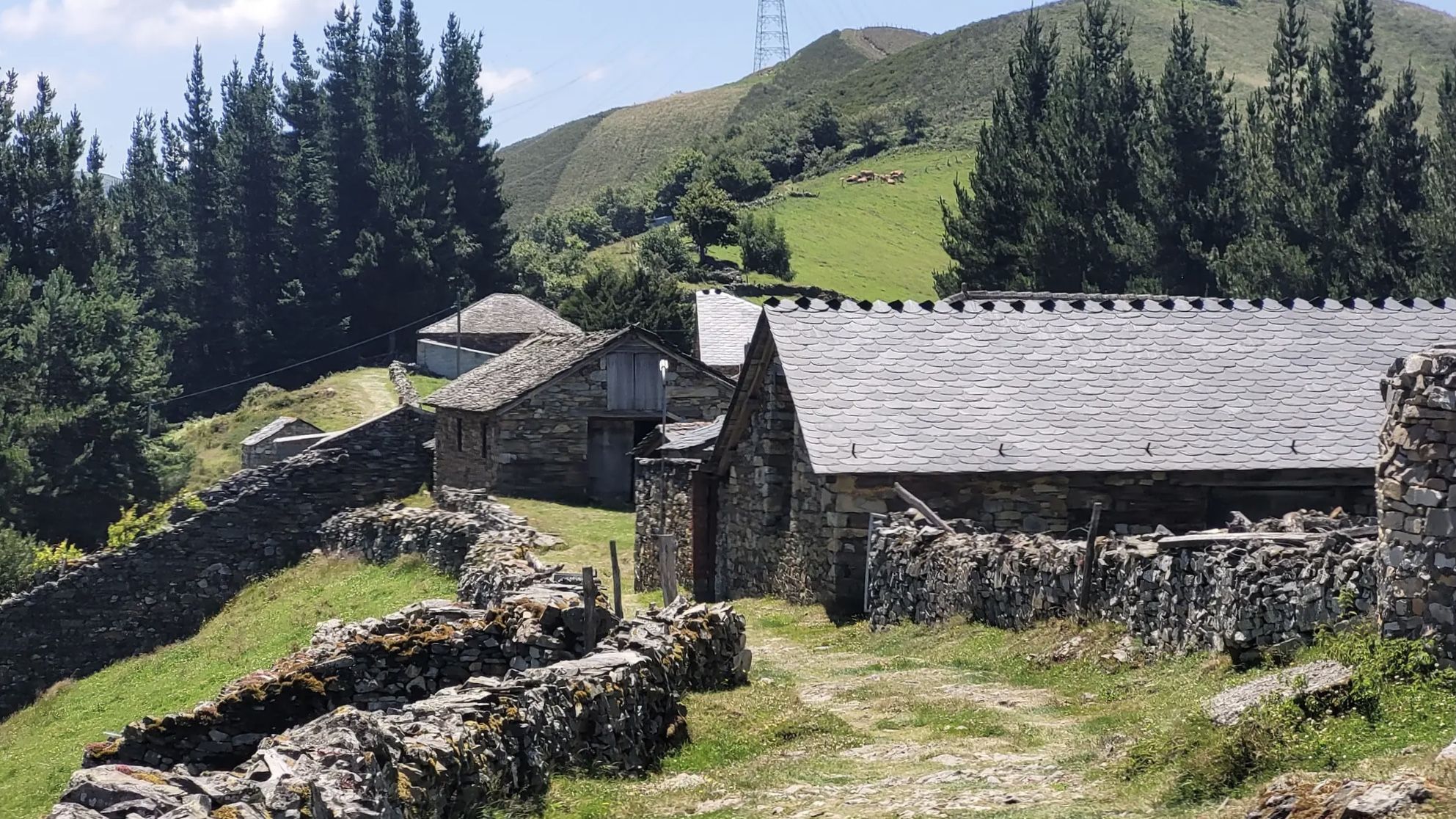
The Camino Primitivo — From Oviedo to Santiago through history
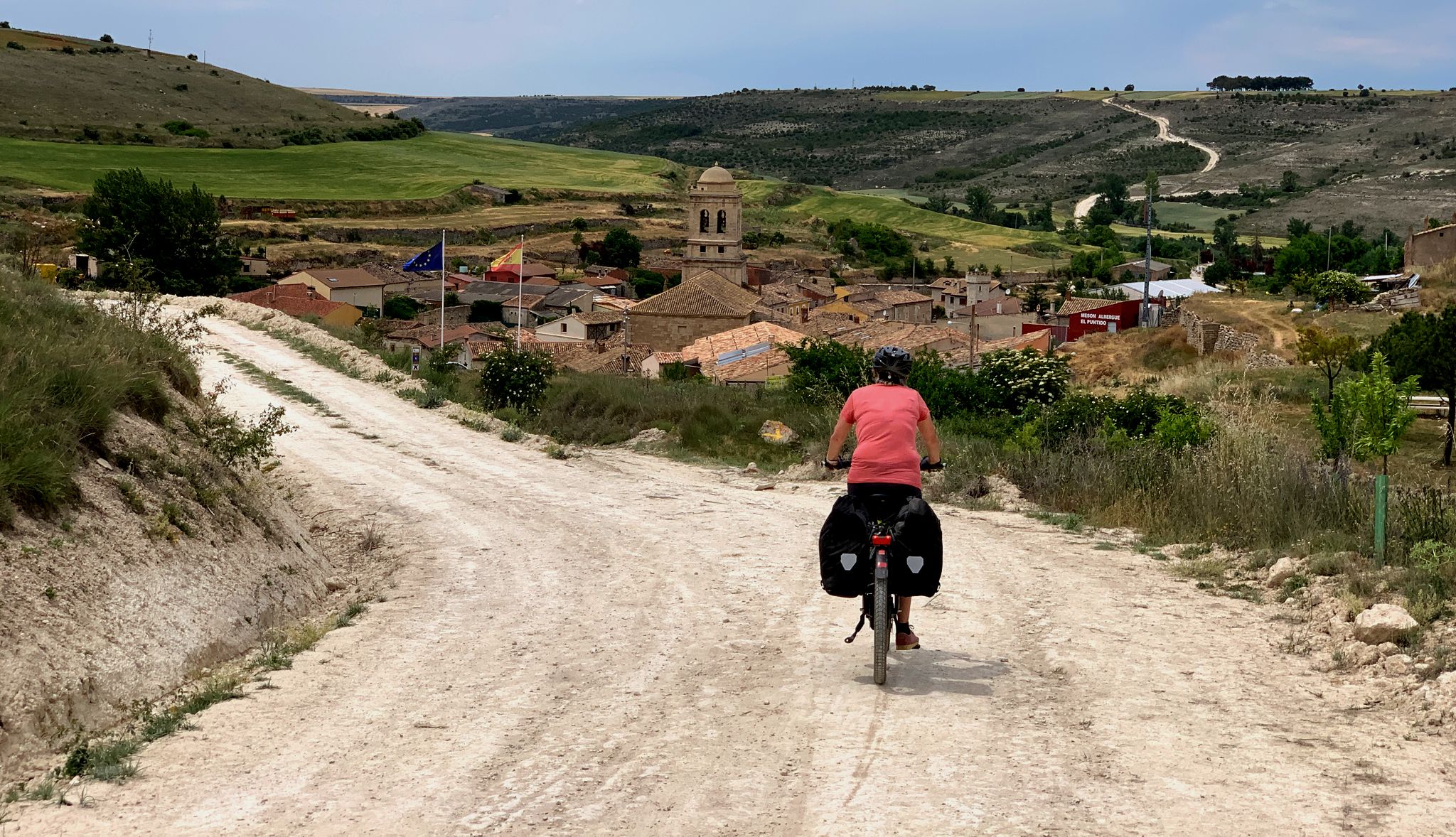
The Pilgrim Route — EuroVelo 3 through Spain
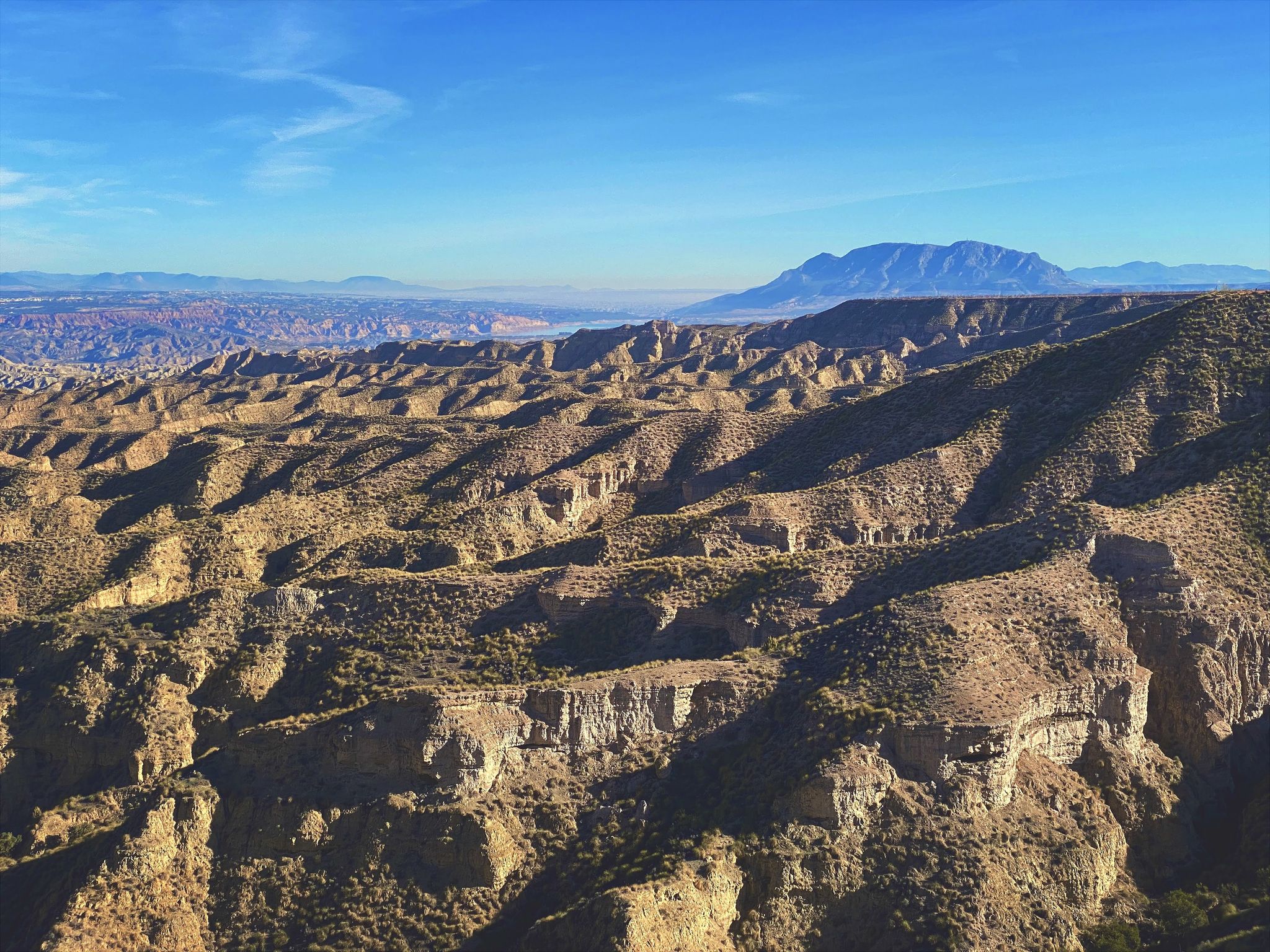
Discover Spain by gravel — a selection of must-see routes
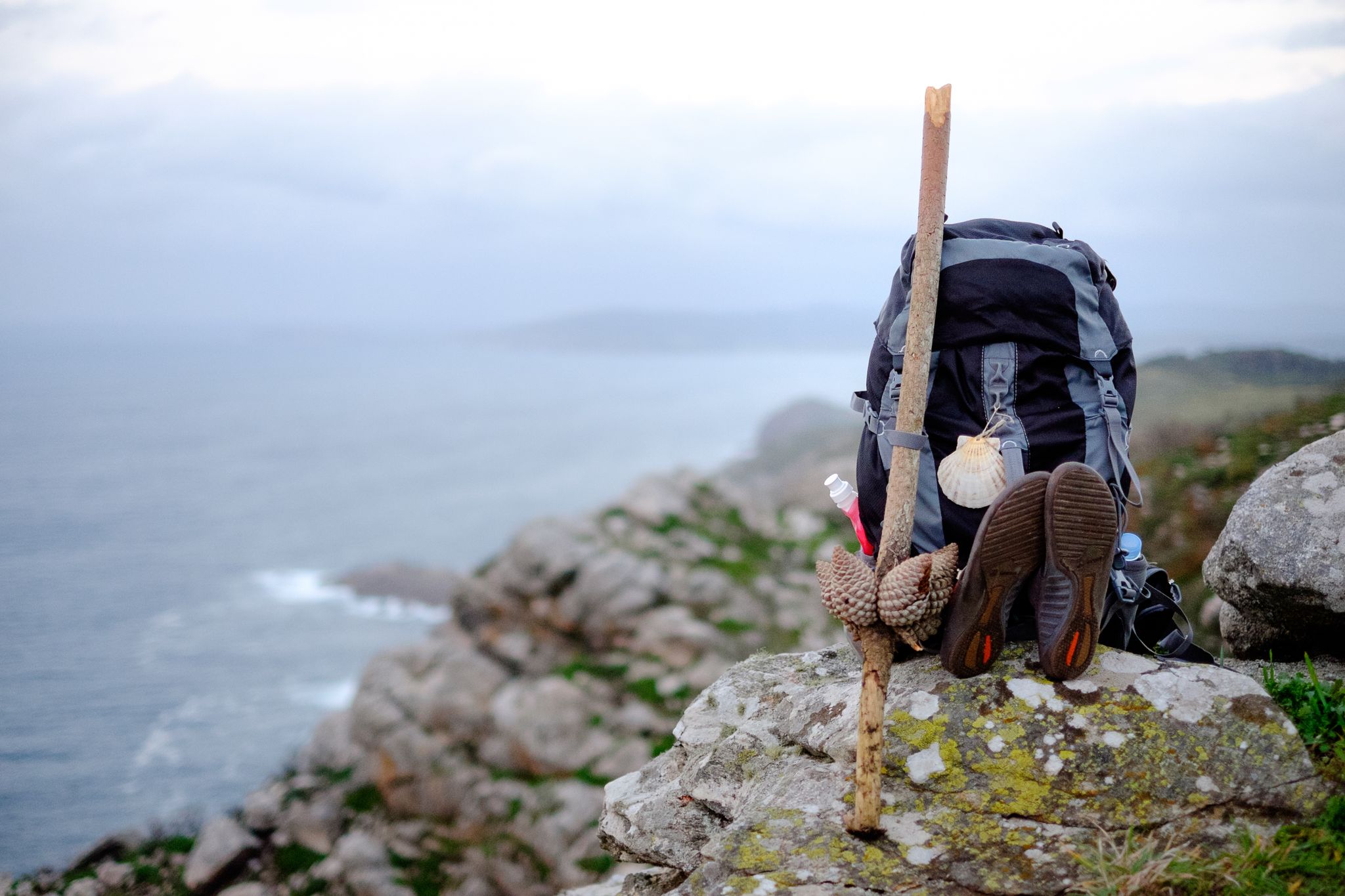
Way of St. James – 60 miles
A pilgrimage on foot – Spain’s Primitive Way
Road Cycling Routes around the Mio
MTB Trails around the Mio
Hiking around the Mio
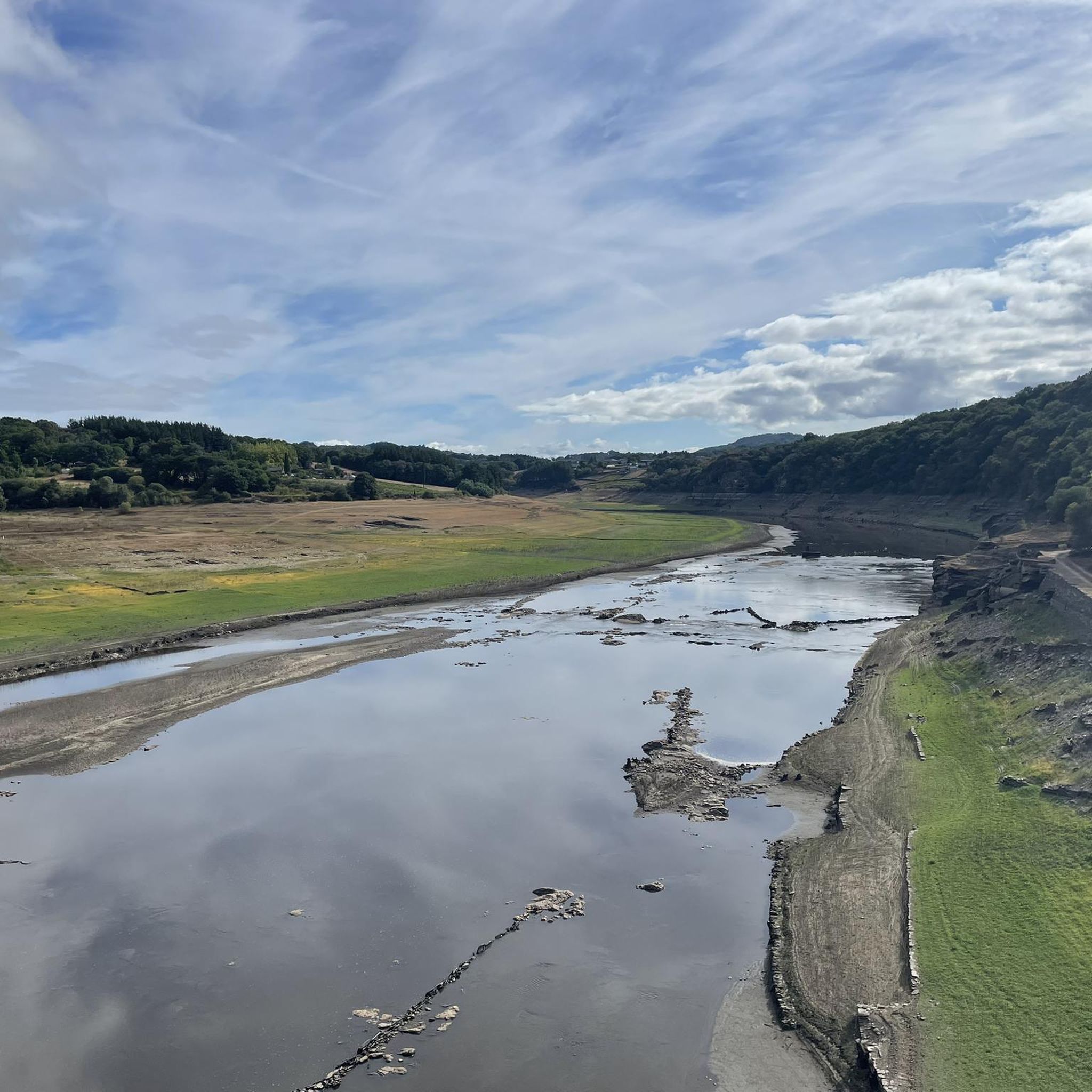
Running Trails around the Mio
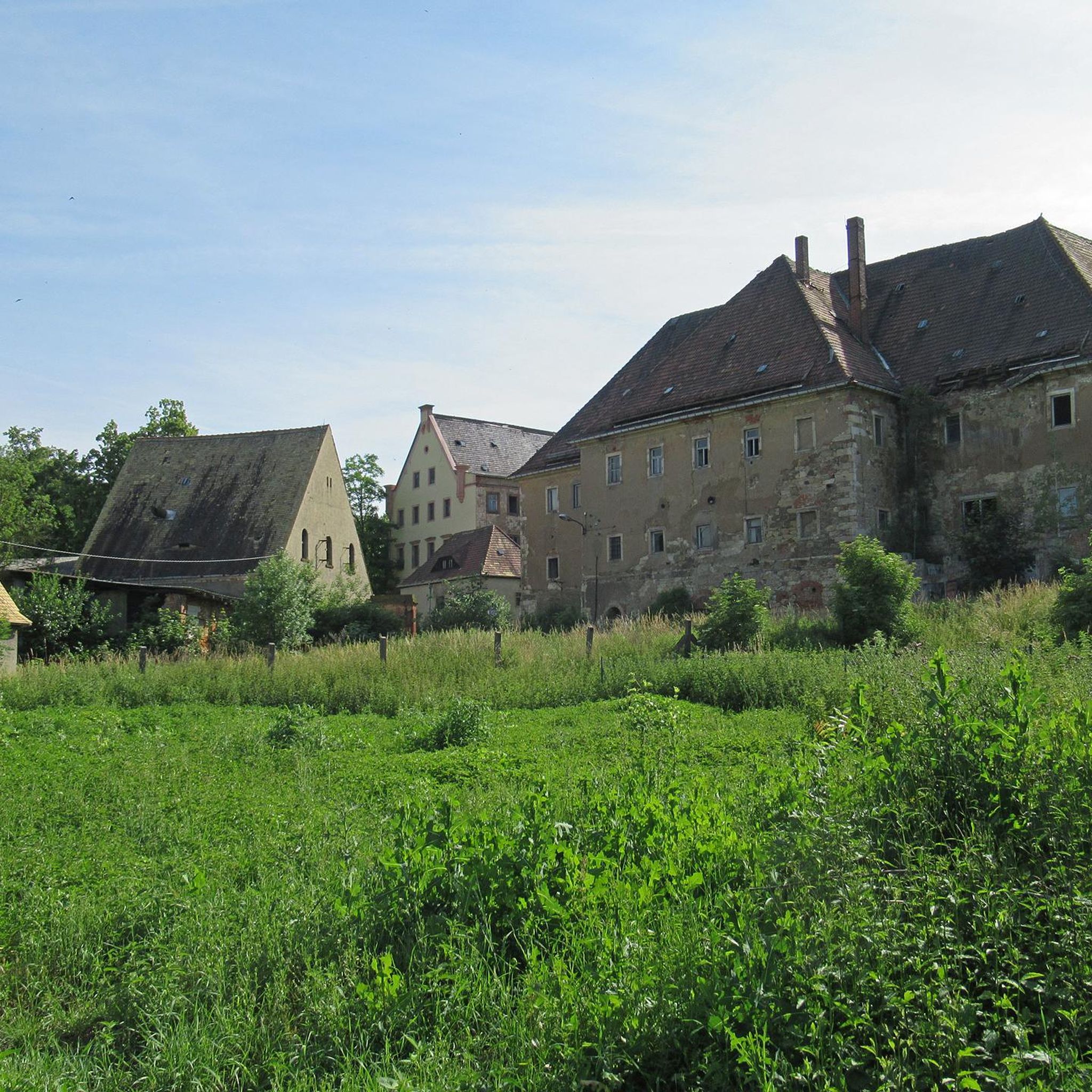
Gravel biking around the Mio
Other adventures around the Mio


Tips from the Community

General tourist information, free maps and brochures, cultural events calendar, details on accommodation and restaurants, guided tours, and train and bus timetables. Assistance with provincial plans, ecotourism, and sustainable tourism recommendations. Provides maps, brochures, and guidance for discovering Ourense and its surroundings.
1
0
Ourense's Plaza Mayor is one of the most emblematic spaces in the historic center: It's a porticoed square with a slight incline, making it unique in Galicia. The slope is used to create a very photogenic perspective. Since the Middle Ages, it has been the city's administrative and social center. Markets, public events, and neighborhood meetings were held here. Notable buildings: City Hall: a 19th-century neoclassical building with an elegant façade and balconies. Palaces and noble houses: several properties with heraldic shields and typical Galician galleries.
2
0
They are located in the historic center of Ourense, on Rúa das Burgas / Praza das Burgas, next to the Barbaña River. They are perfectly integrated into the urban environment, near the Cathedral and the Roman Bridge. Explored since Roman times, these waters were the origin of the city (Aquis Auriensis), and the remains include a 1st-century AD pool-sanctuary and votive stones dedicated to an indigenous deity. The water flows at approximately 64–68°C, with a flow rate of about 300 liters per minute. Rich in minerals such as metasilicates, fluoride, lithium, bicarbonate, and sodium, they are recommended for pruritic skin conditions and rheumatism. Recent studies support their beneficial effect on acne after washing with thermal water.
2
0
Location: in the municipality of Pereiro de Aguiar (Ourense), on the Loña River, a tributary of the Miño. Uses: water supply, irrigation, hydroelectric power generation, fishing; it is not navigable or suitable for swimming. Circular walk: approximately 4 km (3.7 km to be exact), easy difficulty, ideal for families and dogs—although they must be kept on a leash—offering shade, rest areas, and beautiful views.
1
0
Located on the banks of the Miño River, in the Outariz area, west of Ourense, right on the city's "Thermal Promenade." Parking: The Outariz/Reza parking lot (on the opposite bank) is available, as the Muiño da Veiga parking lot is closed for renovations. Public transport: City bus line 5; the unique Thermal Train, which stops at the facility.
1
0
It spans the Miño River, linking the historic center of Ourense with the A Ponte neighborhood. It was built in the 1st century AD as a branch of the Via Nova (Via XVIII), connecting Bracara Augusta (Braga) with Asturica Augusta (Astorga). Only traces of the original Roman phase remain, such as rusticated stonework at the ends near the banks. It suffered damage during the Middle Ages; in 1228, under Bishop Lorenzo and with the support of Ferdinand III, it was rebuilt with pointed arches and renovated approaches. Until the 17th century, the bridge repeatedly collapsed. The final work was directed by Melchor de Velasco Agüero around 1660, establishing its current appearance.
1
0
Mount Segade, located on the outskirts of Lugo, is part of the Terras do Miño Biosphere Reserve and is an ideal place to enjoy Galician nature through peaceful and scenic hiking trails.
3
0
The Roman bridge in Ourense, known as Ponte Vella or Puente Mayor, over the Miño River, was built in the 1st century AD as part of a branch of the Via Nova (Eighteenth Century). According to tradition, it dates back to the time of Trajan, although its construction characteristics place it close to the time of Augustus. Of that first bridge, only a few cushioned ashlars from the bases remain, as silent witnesses of the past.
1
0
Frequently Asked Questions
How many touring cycling routes are available around the Miño River?
There are over 150 touring cycling routes available around the Miño River, offering a wide range of options for exploration. These routes are highly rated by the komoot community, with an average score of 4.8 stars from over 40 reviews.
What kind of terrain can I expect on touring cycling routes around the Miño River?
The region offers varied terrain, from river valleys along the Miño River to rolling hills. You'll find routes that combine riverside paths with historic cities and thermal spring areas, providing a diverse cycling experience.
Are there any easy touring cycling routes suitable for beginners or families?
Yes, there are several easier routes. For a blend of riverside scenery and urban exploration, consider the Miño River and Lugo City Loop, which is a moderate 9.2 miles (14.8 km) path. Another easy option is the Ourense – city centre tour, perfect for a relaxed ride through the city.
What are some challenging touring cycling routes in the Miño River area?
For those seeking a challenge, routes like the Miño River and Thermal Springs Trail offer a longer distance of 36.7 miles (59.1 km) with significant elevation changes. Another demanding option is the Sanabrés Way (West), which covers over 60 km and features substantial climbs.
Can I find circular touring cycling routes around the Miño River?
Yes, many routes are designed as loops. The Miño River and Lugo City Loop is a popular circular option. Another great loop is the Portomarín and Sarria Loop, offering a longer, more challenging circular tour.
What interesting landmarks or attractions can I see along the touring cycling routes?
The region is rich in attractions. Along your rides, you might encounter historical sites like Castro Candaz, impressive bridges such as the Portomarín Bridge and the Ponte Vella (Roman Bridge of Ourense), and significant religious buildings like the Cathedral of Saint Mary of Lugo. Many routes also pass by natural features like the Belesar Reservoir and various thermal springs.
Are there routes that pass by thermal springs?
Absolutely! The Miño River region is known for its thermal springs. The Miño River and Thermal Springs Trail is specifically designed to take you past these natural features. You can also find highlights like Barbantes Thermal Park and Barbantes Natural Pools near some routes.
What is the best time of year for touring cycling around the Miño River?
The Miño River region generally enjoys a mild climate. Spring and autumn are often ideal, offering pleasant temperatures and beautiful scenery without the peak heat of summer. However, routes are accessible year-round, with specific conditions varying by season.
Are there any routes that explore the rural landscapes of the region?
Yes, many routes delve into the rural charm of the area. The Outeiro de Rei – return via A Feira de Monte and Torre de Caldaloba is an excellent example, leading you through varied rural landscapes and past historical points of interest.
Can I combine touring cycling with other activities, such as visiting cities?
Definitely. The region's routes often connect towns and natural features, allowing you to easily combine cycling with urban exploration. For instance, the Miño River and Lugo City Loop offers a perfect blend of riverside scenery and a visit to Lugo City, known for its historic sites like the Lugo Roman walls.
What are some longer touring cycling routes for multi-day trips?
For longer adventures, consider routes like the Sanabrés Way (West), which is over 60 km and forms part of a historic pilgrimage route, or the Portomarín and Sarria Loop, covering over 50 km, both suitable for extended touring.
Most popular routes around the Mio
Most popular attractions around the Mio

Get inspired with the komoot mobile app


Explore more
Browse the best Cycling routes in other regions.
