The best traffic-free bike rides around Parque Nacional de Picos de Europa
4.5
(187)
2,759
riders
14
rides
No traffic touring cycling routes around Parque Nacional de Picos de Europa traverse a landscape characterized by dramatic limestone spires, jagged peaks, and lush green valleys. The region features deeply carved river gorges, such as the Cares Gorge, and glacial lakes like Lagos de Covadonga. Dense forests of beech and fir trees, alongside high alpine meadows, contribute to the diverse terrain.
Best no traffic touring cycling routes in Parque Nacional de Picos de Europa
- The most popular no traffic touring…
Last updated: October 27, 2026
4.9
(16)
391
riders
27.8km
02:29
1,080m
1,080m
The ascent to the Lakes of Covadonga is a road cycling experience that immerses you in the wild beauty of the Picos de Europa. From the moment you leave the…
5.0
(1)
23
riders
40.3km
03:22
1,320m
1,320m
Hard bike ride. Very good fitness required. Mostly paved surfaces.

5.0
(1)
21
riders
Hard bike ride. Very good fitness required. Mostly paved surfaces.
4.3
(3)
18
riders
16.4km
01:37
730m
730m
Hard bike ride. Very good fitness required. Mostly paved surfaces.
20
riders
27.1km
02:08
770m
770m
Hard bike ride. Very good fitness required. Mostly paved surfaces.
Get access to more routes and recommendations from other explorers.
Already have an account?
Our route recommendations are based on thousands of hikes, rides, and runs completed by other people on komoot.
Start today with a free account
Your next adventure awaits.
Popular around Parque Nacional de Picos de Europa
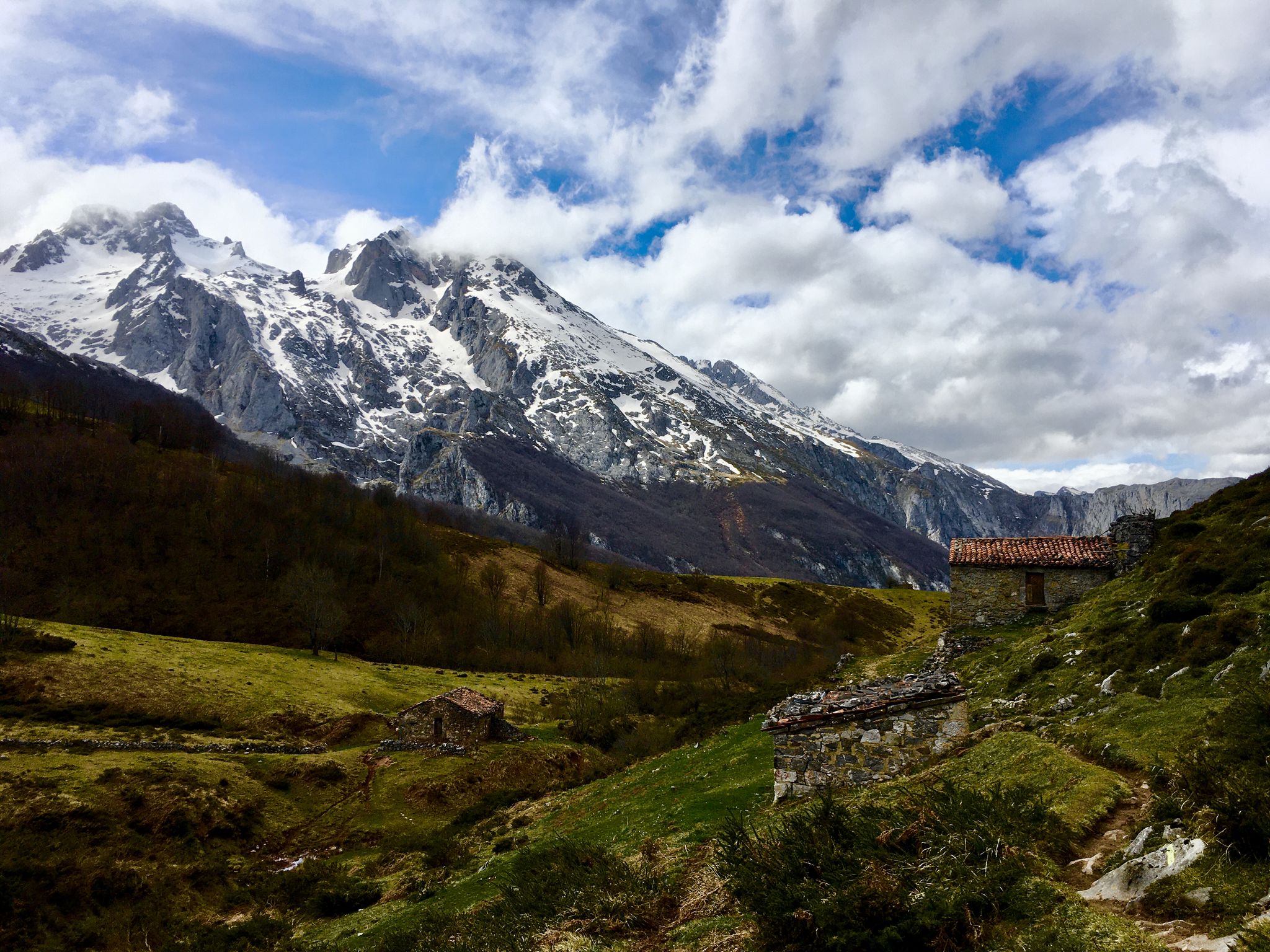
Route of the Reconquest (GR 202) – In the footsteps of an army
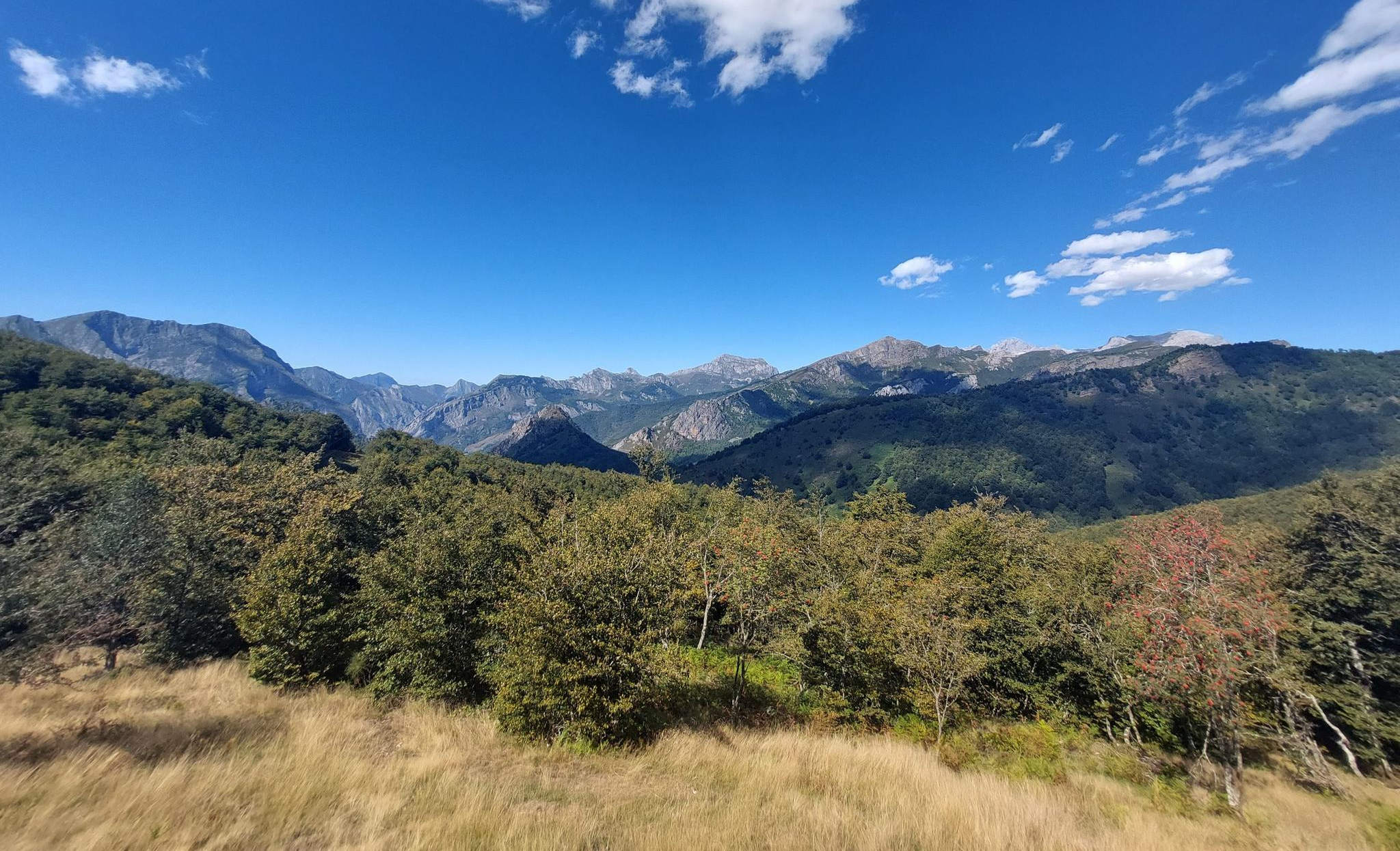
Senda del Arcediano (GR 210) - A historical hike through the Picos del Picos
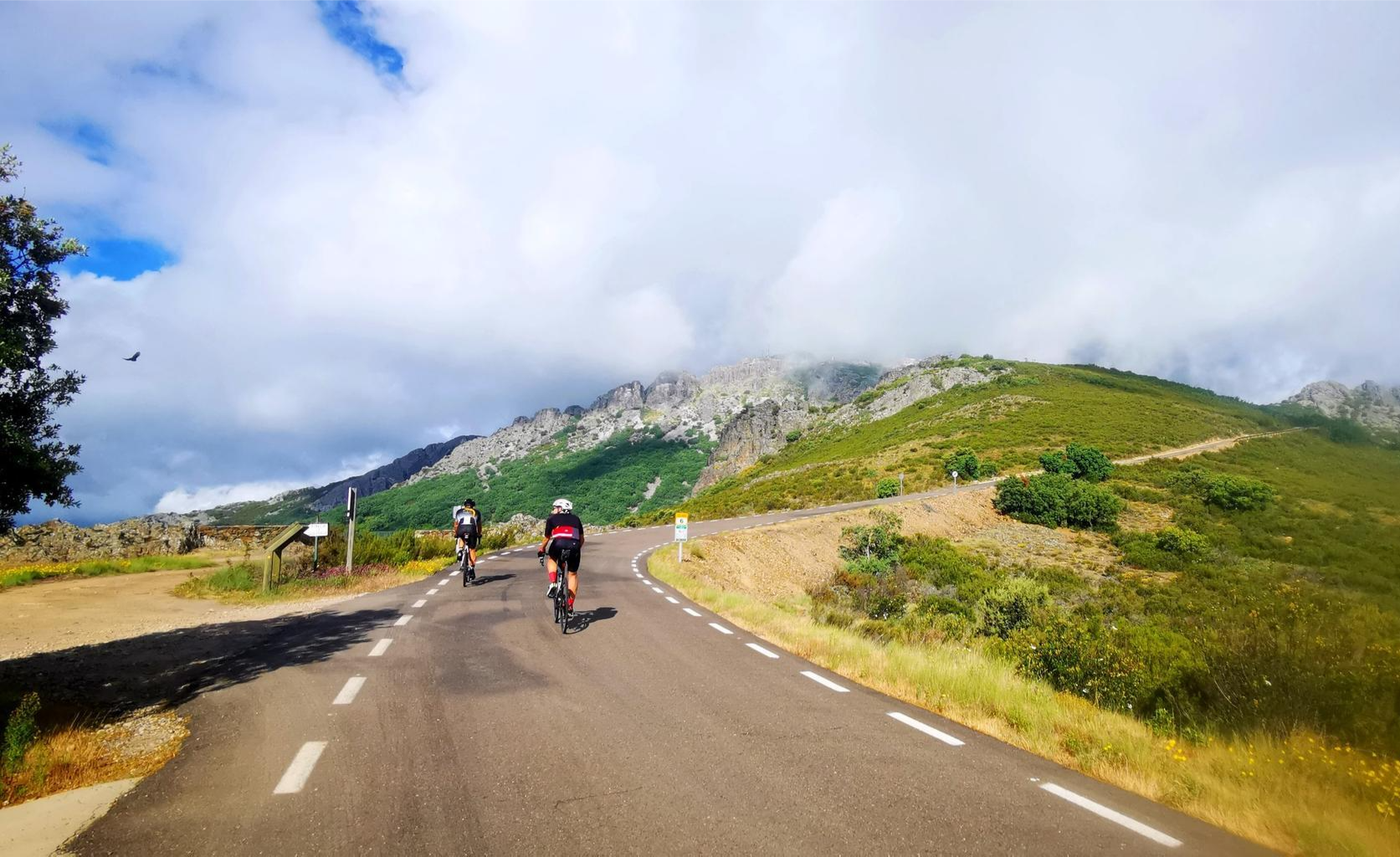
Legendary climbs - Ports of La Vuelta a España
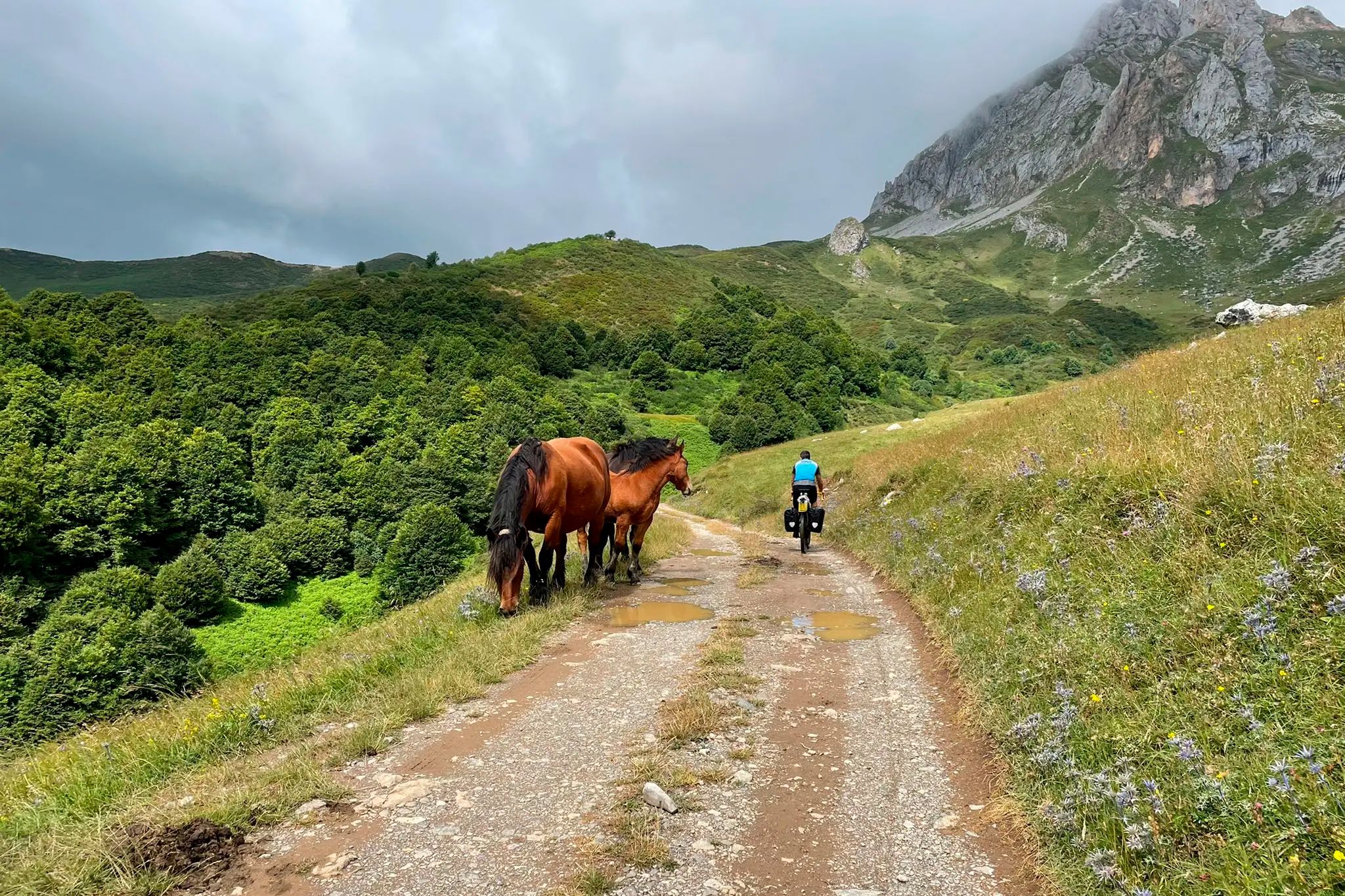
TransCantabrica – Extreme mountain biking in northern Spain
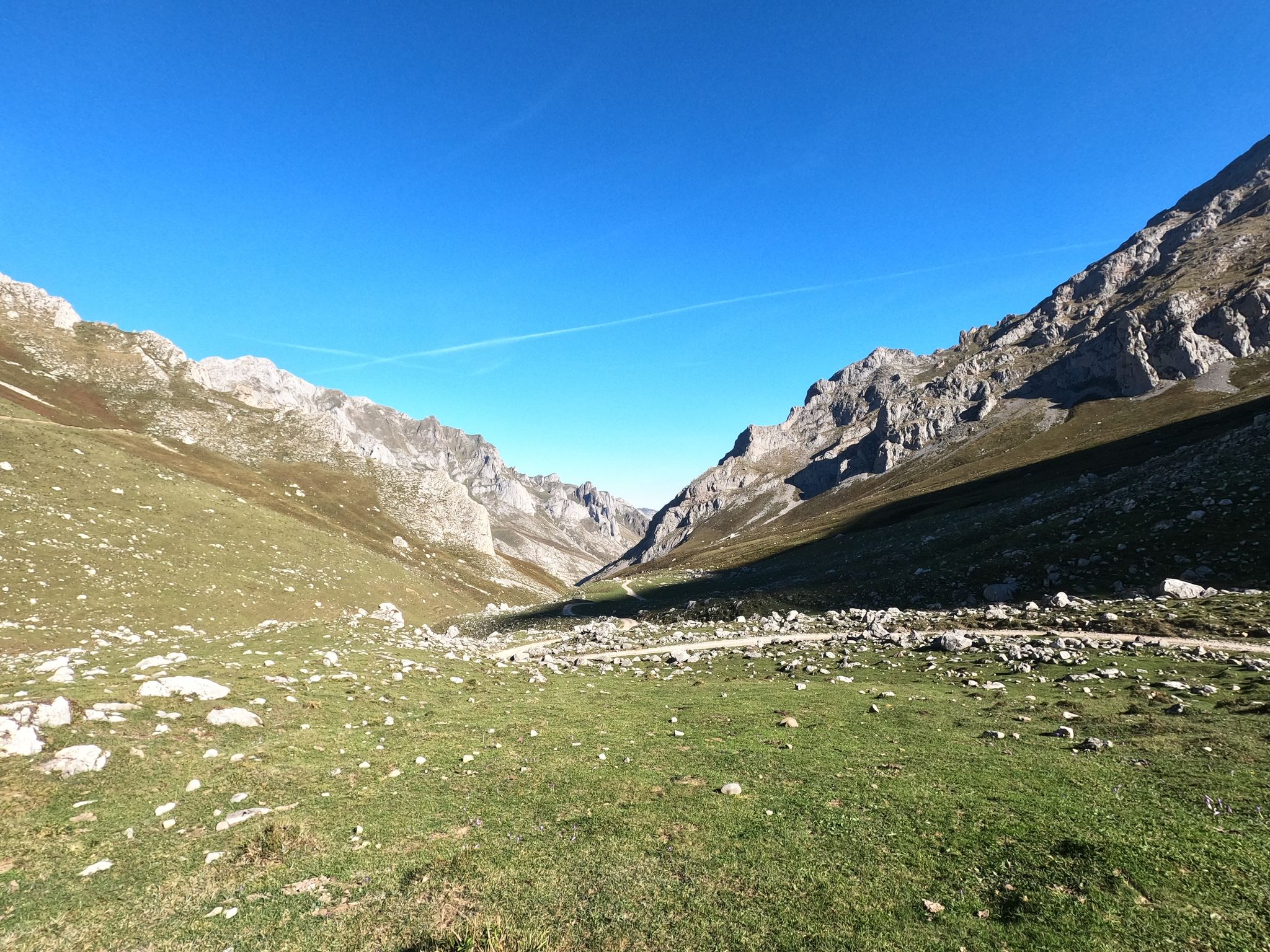
From statue to statue – Reconquista Challenge
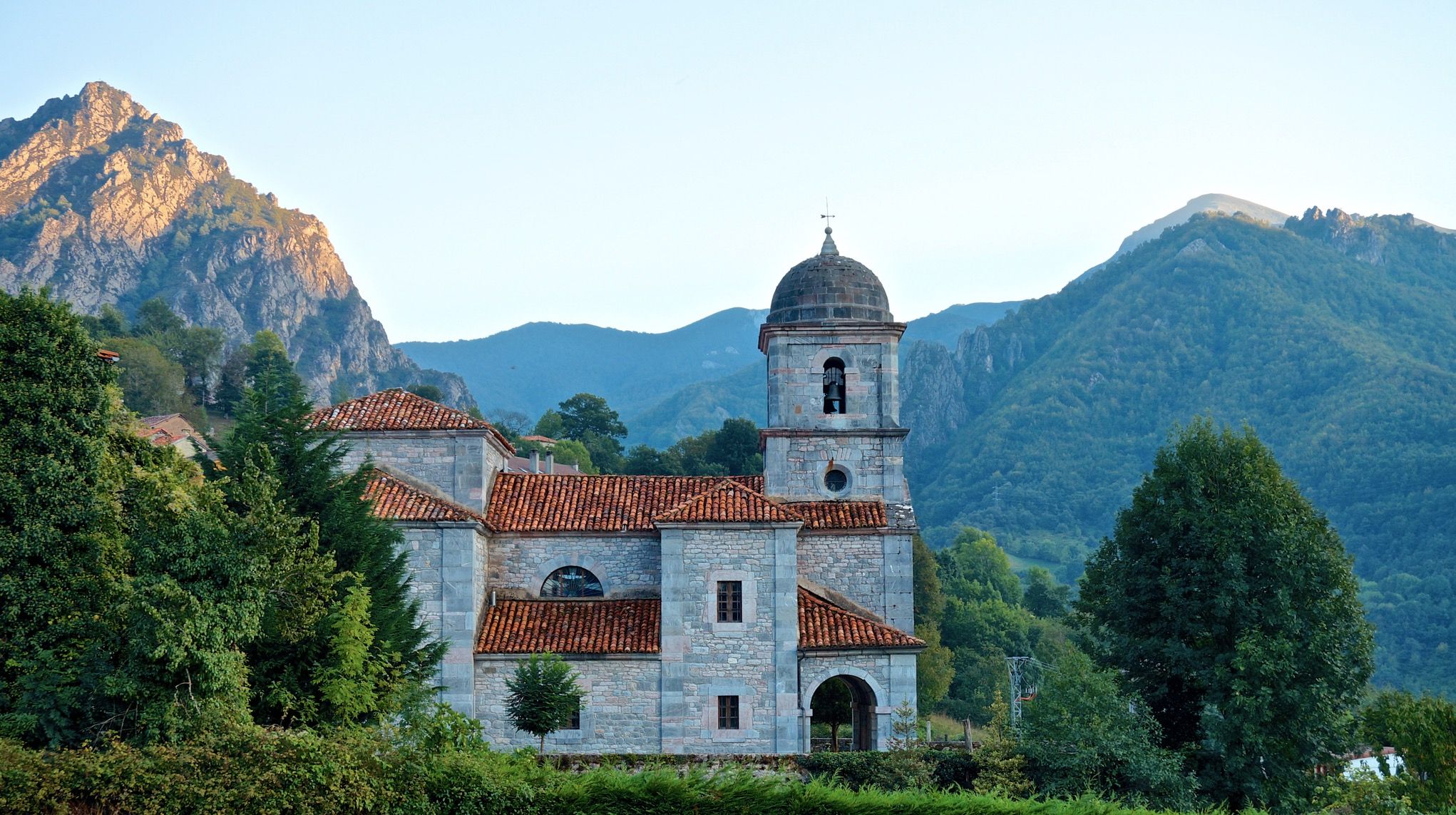
A trip through the mountains – Pedales de León MTB
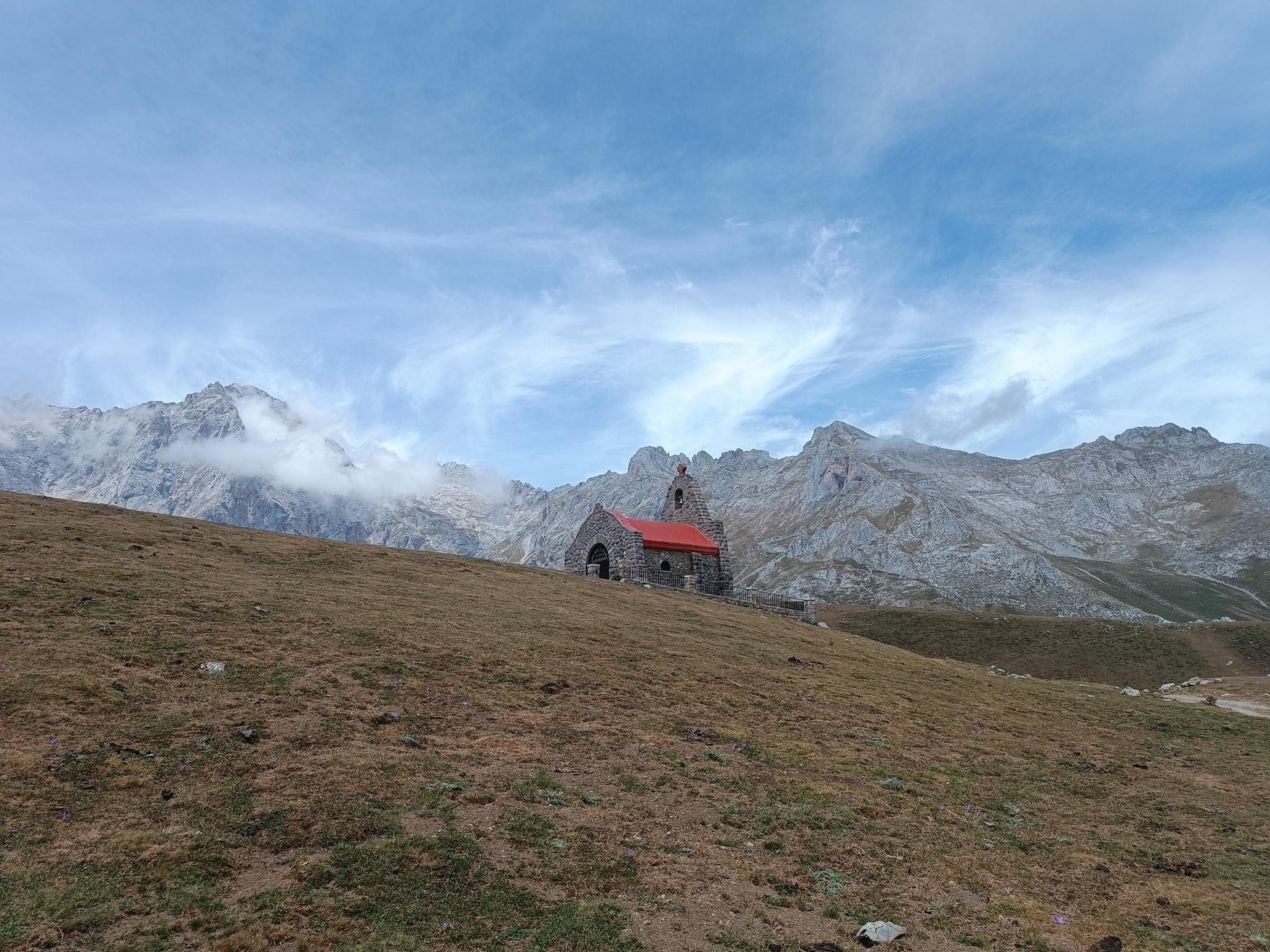
A pilgrimage to the peaks – Camino de los Santuarios
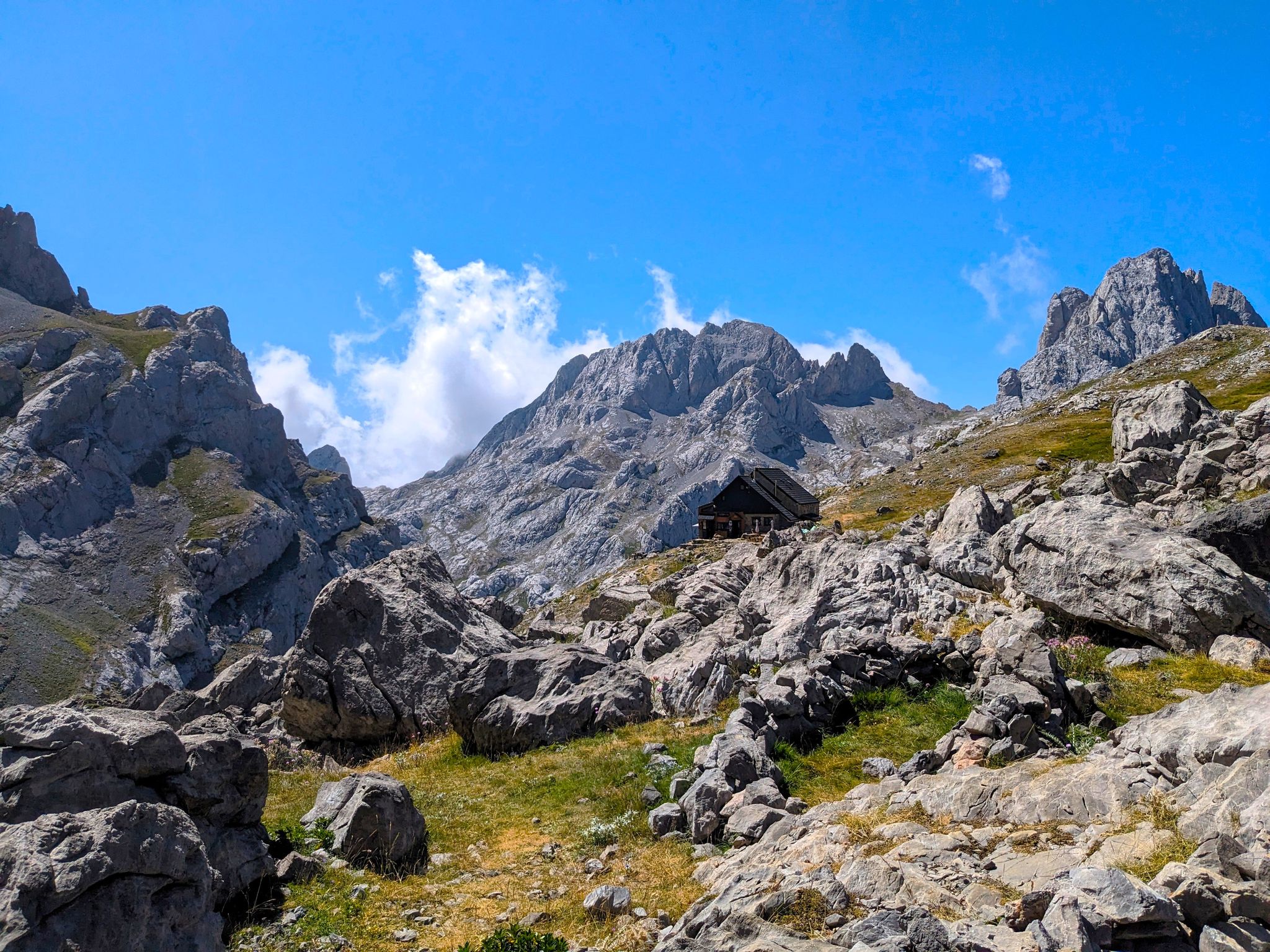
The untamed Collado Jermoso – Picos de Europa
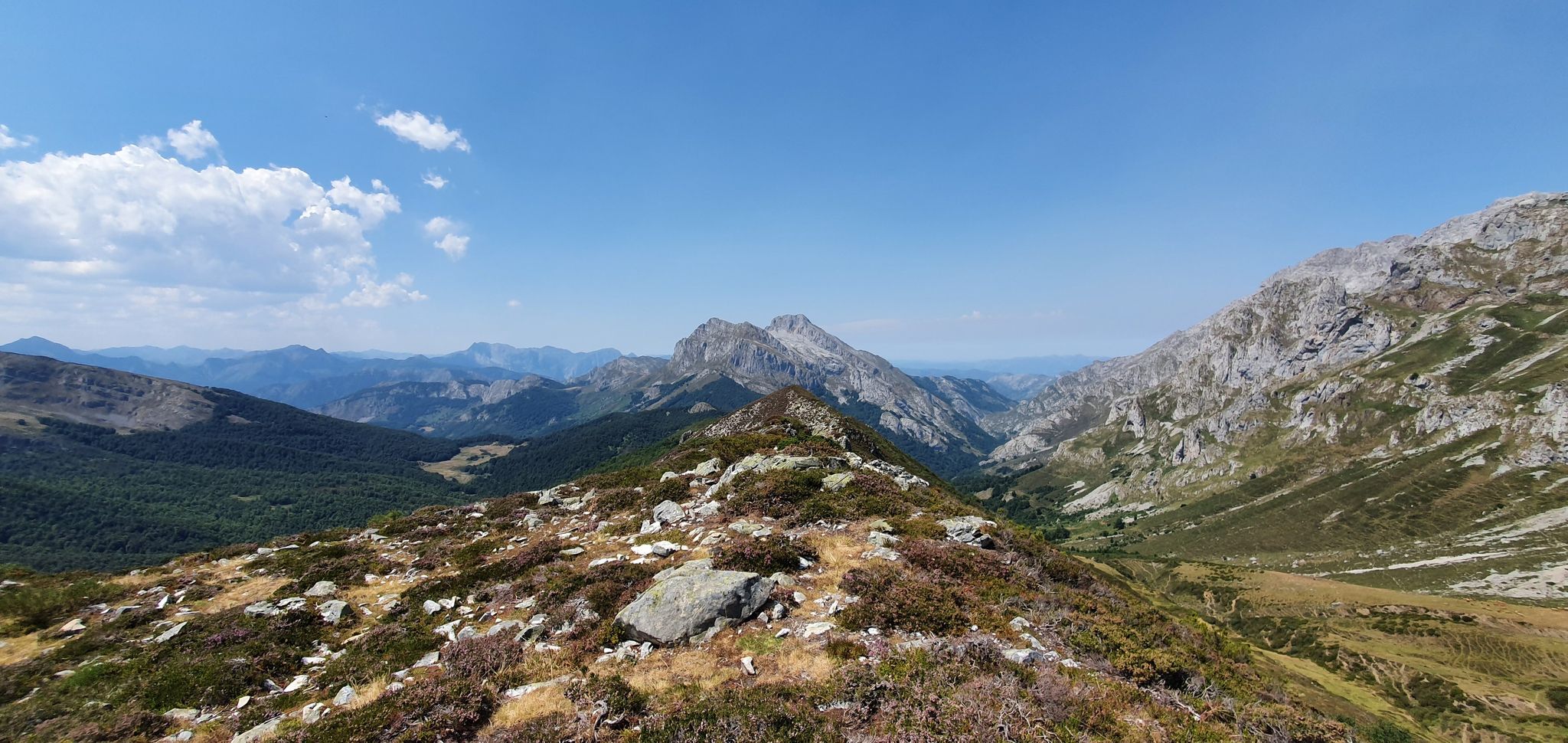
Four days hiking in Spain’s Picos de Europa – Anillo Vindio
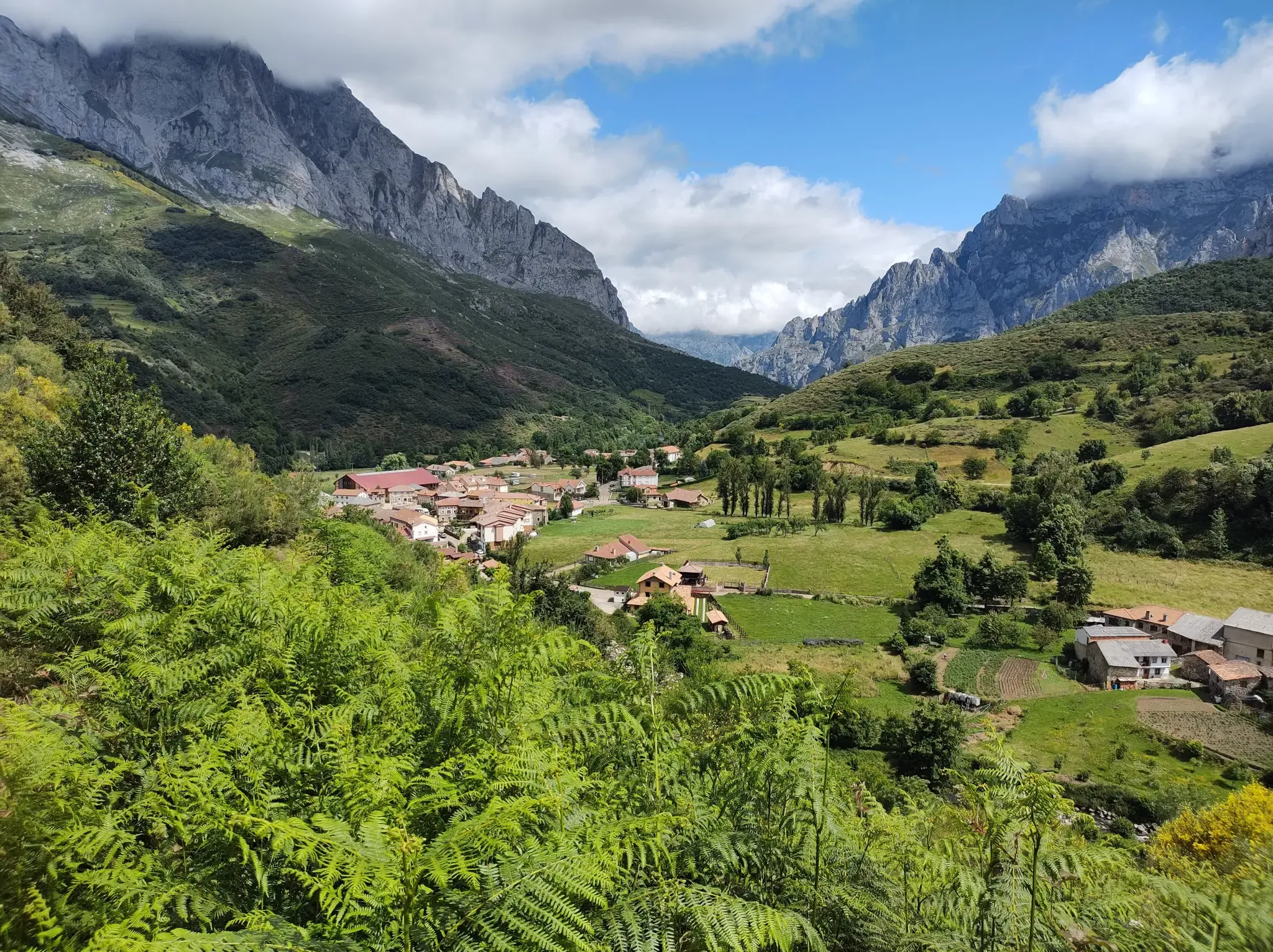
Hike Spain’s Picos de Europa – Ring of Peaks, Three Massifs
Other adventures around Parque Nacional de Picos de Europa


Tips from the Community

Already on the way to Covadonga, you repeatedly see the basilica, how it spectacularly thrones on its mountain. Just how it was placed in the mountain landscape is already a work of art in itself. Built from pink sandstone in the Neo-Romanesque style, you wouldn't guess at first glance that the church was only built in the 19th century. In this style and at this location, the basilica easily surpasses many a much larger cathedral in big cities. I also like the basilica very much on the inside. Very tasteful, the believer is not overwhelmed by a multitude of statues and ornate altars; the basilica captivates much more through relatively few, but beautifully designed statues, a surprisingly modest but very stylish altar, and successful lighting. Not too much, not too little, the basilica embraces instead of overwhelming.
0
0
The Holy Cave of Covadonga is a magical place. Seen from below, the small chapel is picturesquely built into the open cave. Once you are at the top, your gaze is captured by the beautiful statue of Mary, and I hardly noticed the small building of the chapel. Take your time, sit on one of the benches if there is space, and find a little peace. Photography is actually forbidden in the cave - however, this does not stop most visitors from doing it anyway, including me. However, one should at least refrain from posing at the barrier in front of the statue of Mary while other visitors are sitting devoutly on the benches. Proceed without haste, quickly take a photo of the statue and the chapel, and then withdraw; I don't think it should be any more than that. Don't destroy the magic of this place!
0
0

Nice village in the middle of the Valdeón valley. Nicely traditional in the middle of the high mountains.
0
0

The Mirador del Tombo is one of the most impressive views in the Valdeón Valley, in the Picos de Europa. Located very close to the village of Cordiñanes de Valdeón, it offers spectacular views of the Cares Gorge and the Central Massif of the Picos de Europa.
4
0

El Porru la Cabrona is a very tough climb on the climb to the Lakes of Covadonga, known for its demanding gradient that tests even the strongest cyclists. It's one of the legendary sections of this climb.
1
0


Beautiful view
2
0

A quiet location connecting the Valdeón and Riaño areas. It offers overnight parking and a fountain.
0
0
Frequently Asked Questions
How many no traffic touring cycling routes are available in Parque Nacional de Picos de Europa?
There are over 30 dedicated no traffic touring cycling routes in Parque Nacional de Picos de Europa. These routes offer a unique opportunity to explore the dramatic landscapes and serene beauty of the region away from vehicle traffic.
What is the general difficulty level of no traffic touring cycling routes in Picos de Europa?
The majority of no traffic touring cycling routes in Picos de Europa are considered difficult, with 25 routes falling into this category. There are also 6 moderate routes, but no easy routes are specifically designated as 'no traffic' for touring cycling. This reflects the park's rugged terrain and significant elevation changes.
What do other touring cyclists enjoy most about the no traffic routes in Parque Nacional de Picos de Europa?
The komoot community highly rates the touring cycling experience in Picos de Europa, with an average score of 4.7 out of 5 stars. Reviewers often praise the stunning, unparalleled scenery, the challenging climbs, and the immersive experience of cycling through diverse landscapes like limestone spires, lush valleys, and dense forests, all while enjoying the tranquility of traffic-free paths.
Are there any family-friendly no traffic touring cycling routes in Picos de Europa?
While many routes in Picos de Europa are physically demanding, some sections or shorter loops might be suitable for families with older, experienced children, especially if using e-bikes. However, given the prevalence of difficult routes, it's essential to check individual route profiles for elevation and terrain before planning a family outing. The park's focus on challenging climbs means truly 'easy' and 'family-friendly' traffic-free touring routes are limited.
Can I find circular no traffic touring cycling routes in the Picos de Europa?
Yes, there are several circular no traffic touring cycling routes available. For example, the Puerto de Pandetrave – Pandetrave Viewpoint loop from Posada de Valdeón offers a challenging 20.8 km ride with significant elevation gain, providing stunning views. Another option is the Santa Marina de Valdeón – Soto de Valdeón loop from Santa Marina de Valdeón, which covers 27.2 km.
Are there options for advanced touring cyclists looking for traffic-free challenges?
Absolutely. Picos de Europa is renowned for its challenging climbs, many of which are featured in the Vuelta a España. The no traffic routes often include significant elevation gains and demanding gradients. A prime example is the Lagos de Covadonga Trail, a 27.8 km route with over 1000 meters of ascent, known for its iconic and difficult sections like the Porru la Cabrona.
What kind of landscapes and natural features can I expect on these routes?
On these routes, you'll experience the dramatic limestone spires and jagged peaks that define Picos de Europa, often emerging from mist. You'll cycle through lush green valleys, alongside crystal-clear rivers in deeply carved gorges, and past glacial lakes like the iconic Lagos de Covadonga. Dense beech and fir forests, as well as high alpine meadows, are also common, providing a diverse and awe-inspiring backdrop.
When is the best time of year to go touring cycling on traffic-free routes in Picos de Europa?
The best time for touring cycling in Picos de Europa is generally from late spring (May) to early autumn (October). During these months, the weather is more stable, and the higher mountain passes are typically free of snow. Summer offers the warmest temperatures, but spring and autumn provide pleasant conditions with fewer crowds and vibrant seasonal colors. Winter cycling is possible but requires specialized gear and experience due to snow and colder temperatures.
Where can I find parking for these no traffic touring cycling routes?
Parking is often available in or near the traditional villages that serve as starting points for many routes, such as Posada de Valdeón or Oseja de Sajambre. For popular areas like Lagos de Covadonga, access might be restricted for private vehicles during peak season, with shuttle buses provided. It's advisable to check local regulations and parking availability for your specific starting point before your trip.
What wildlife might I encounter on traffic-free touring cycling routes in Picos de Europa?
Picos de Europa is a sanctuary for diverse wildlife. On traffic-free routes, you might spot various bird species, including golden eagles and griffon vultures soaring overhead. Keep an eye out for chamois on rocky slopes. While rarer, the park is also home to the elusive Iberian wolf and Cantabrian brown bear, though sightings are uncommon.
Are there places to stop for refreshments or food along the no traffic routes?
Many routes pass through or near charming traditional villages like Arenas de Cabrales, Potes, or Sotres, where you can find local eateries, cafes, and shops to refuel. Some routes might also have mountain huts or refuges offering basic refreshments. However, on more remote sections, services can be sparse, so it's always wise to carry sufficient water and snacks.
What interesting sights or viewpoints can I discover along the no traffic touring cycling routes?
Many routes offer breathtaking panoramic views. You might pass by viewpoints such as El Cable Viewpoint (accessible via cable car) or Pandetrave Viewpoint. The Queen's Viewpoint – Les Veleres Pass loop from Oseja de Sajambre is a long route that includes the Mirador de la Reina, offering stunning vistas of the central massif.
Are there any notable mountain passes or peaks accessible from these routes?
Yes, the Picos de Europa is famous for its challenging mountain passes and prominent peaks. Routes often traverse passes like Collado Pandébano or Panderrueda Pass. While the routes themselves might not lead directly to the highest peaks, they offer incredible views of iconic summits like Picu Urriellu (Naranjo de Bulnes) and Torre Cerredo.
Most popular routes around Parque Nacional de Picos de Europa
Most popular attractions around Parque Nacional de Picos de Europa

Get inspired with the komoot mobile app


Explore more
Browse the best Cycling routes in other regions.
