Parc Natural de la Muntanya de Montserrat
Parc Natural de la Muntanya de Montserrat
The best traffic-free bike rides around Parc Natural de la Muntanya de Montserrat
4.7
(84)
5,981
riders
27
rides
No traffic road cycling routes around Parc Natural de la Muntanya de Montserrat navigate a landscape defined by its distinctive jagged mountains and serrated peaks. The region is characterized by striking pink conglomerate rock formations, which create a dramatic backdrop for cycling. These routes often feature significant and demanding ascents, leading through a terrain shaped by millions of years of erosion into needles, cliffs, and crests. The natural park offers challenging climbs and panoramic views across the Catalan countryside.
Best…
Last updated: May 16, 2026
4.0
(1)
18
riders
32.6km
02:13
980m
980m
This difficult 20.2-mile (32.6 km) road cycling route climbs 3216 feet (980 metres) to Montserrat Monastery from Monistrol.
4.0
(10)
310
riders
65.5km
03:27
1,200m
1,200m
Hard road ride. Very good fitness required. Some segments of this route may be unpaved and difficult to ride.

Sign up for free
5.0
(1)
39
riders
Moderate road ride. Good fitness required. Some segments of this route may be unpaved and difficult to ride.
91
riders
38.6km
02:01
620m
620m
Moderate road ride. Good fitness required. Mostly well-paved surfaces and easy to ride.
4.3
(3)
182
riders
Moderate road ride. Good fitness required. Mostly well-paved surfaces and easy to ride.
Get access to more routes and recommendations from other explorers.
Sign up for free
Already have an account?
Our route recommendations are based on thousands of hikes, rides, and runs completed by other people on komoot.
Start today with a free account
Your next adventure awaits.
Login or Signup
Popular around Parc Natural de la Muntanya de Montserrat
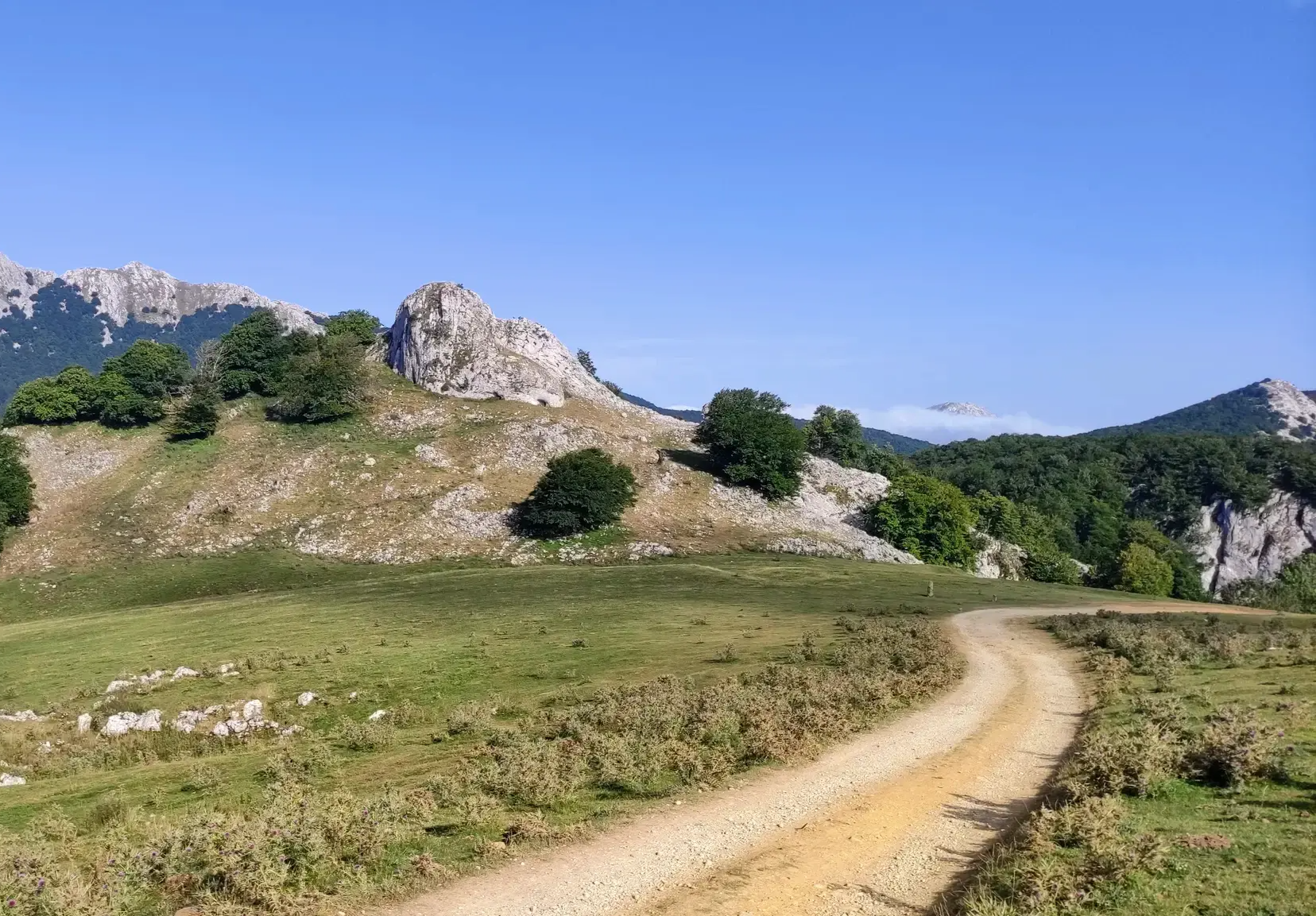
The Ignatian Way - In the footsteps of Ignatius of Loyola
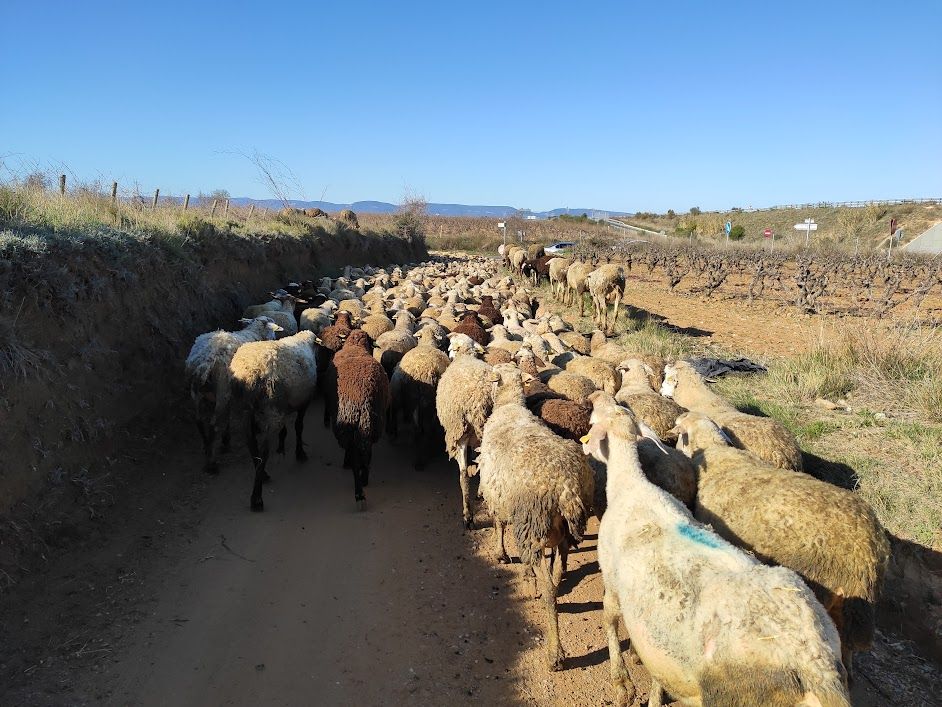
The shepherds' path – Camí Ramader de la Marina
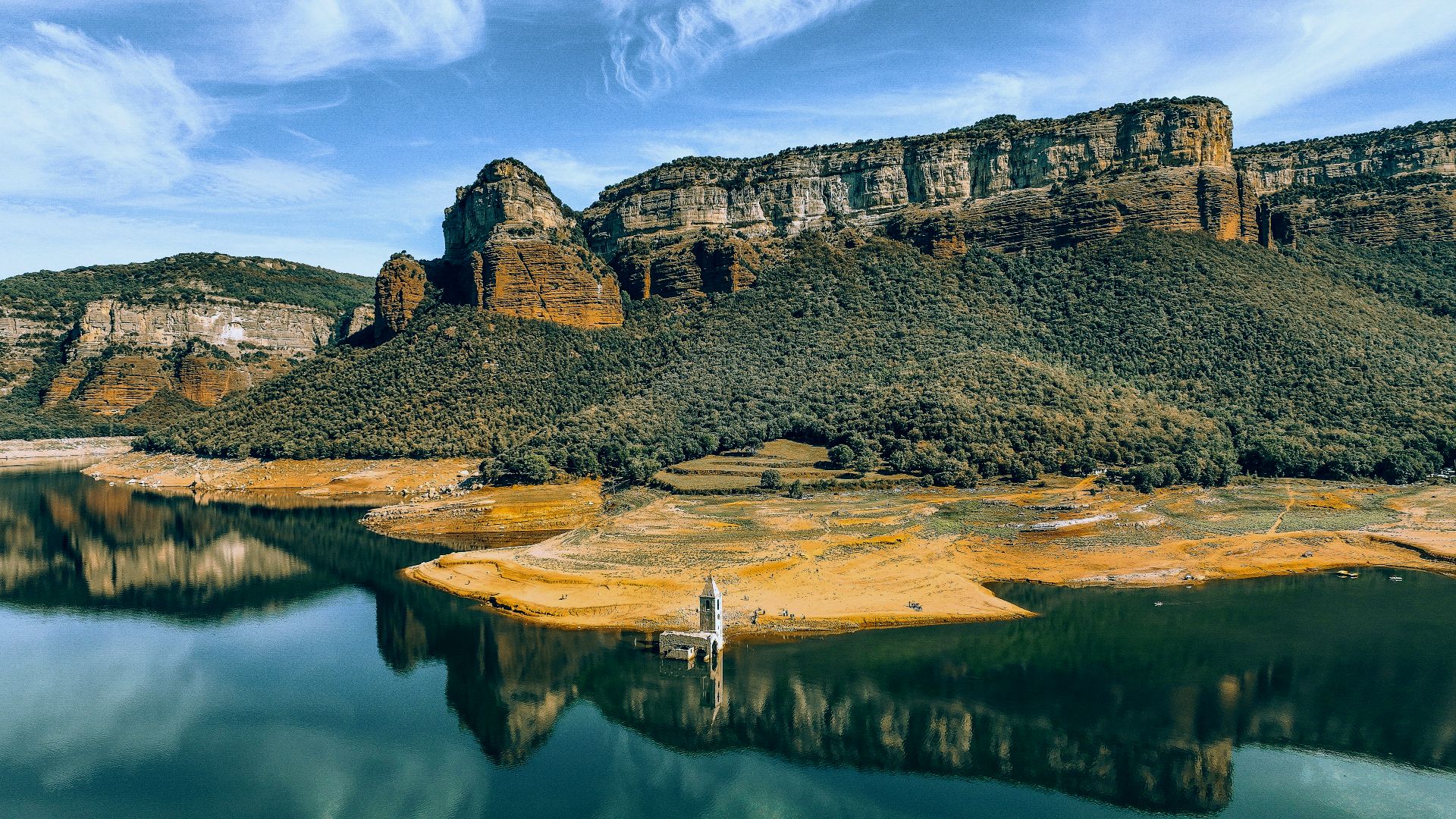
In the footsteps of the Catalan Romanesque – El Camino Oliba
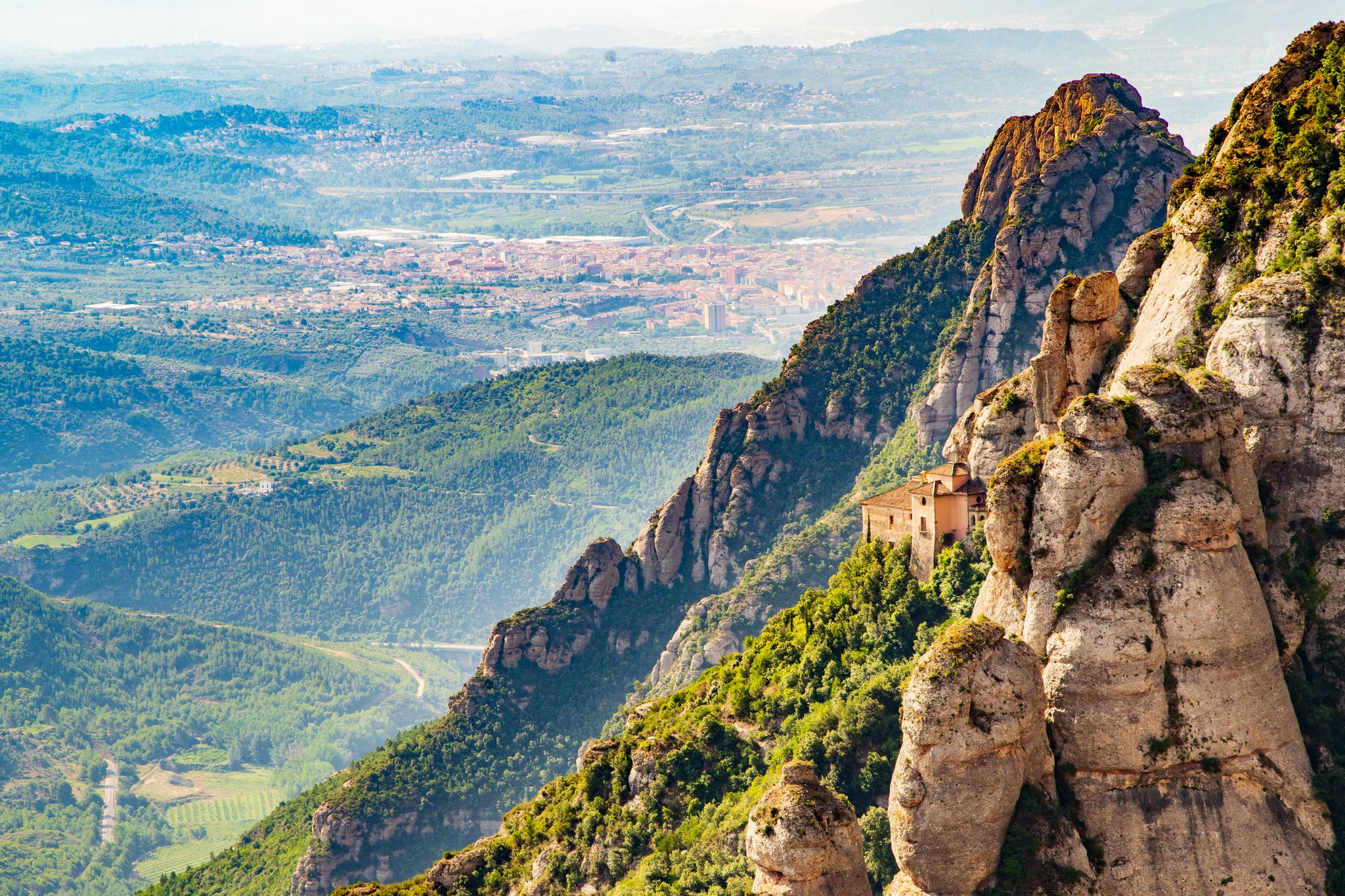
The Barcelona Arch – Natural Parks Trail (GR 5)

Traffic-free bike rides around Parc Natural de la Muntanya de Montserrat

Traffic-free bike rides around Parc Natural de la Muntanya de Montserrat
Other adventures around Parc Natural de la Muntanya de Montserrat


Tips from the Community

The Cave of Saint Ignatius is one of Manresa's most emblematic sites, a sanctuary commemorating Ignatius of Loyola's stay during his spiritual retreat. The grotto, now a chapel, is notable for its alabaster reliefs and the traditional markings attributed to the saint, while the complex includes a Baroque church and a Neoclassical convent that enhance the visit. It is the final destination for those following the Ignatian Way.
0
0

It's an impressive place; you feel like an ant in front of this structure.
2
0

Located on the northern slopes of Montserrat, this former 10th-century Benedictine monastery is one of the oldest in the area. Its restored Romanesque church now houses a contemporary art space dedicated to Sean Scully.
0
0

The church sits majestically on the rock, towering over the city of Manresa. With a little imagination, one could imagine the church, dedicated to the Virgin Mary as a patron saint—and given the papal honorary title of basilica—as a heavenly crown, majestically proclaiming the praises of God on earth.
1
0

The Old Bridge of Manresa (Pont Vell) is one of the city's most emblematic monuments and forms part of its most distinctive skyline, along with the Basilica of La Seu and the Cave of Saint Ignatius. Of Roman origin, the current structure is a faithful reconstruction of a 12th-century medieval bridge. It was destroyed in 1939 during the Civil War and rebuilt between 1960 and 1962 by architect J. Pons Sorolla.
15
0
The Cathedral of Manresa, officially known as the Basilica of Santa Maria de la Seu, is one of the most emblematic monuments of Catalan Gothic architecture and a historical and spiritual symbol of the city of Manresa, in the heart of Catalonia. Its origins date back to the 9th century, when the first place of worship was built on Puigcardener hill, the site of the city's founding. In the 12th century, a Romanesque church was erected, of which elements such as the tympanum of the doorway, a window, and the cloister are still preserved. Over the centuries, Baroque elements (such as the bell tower and the crypt in the 18th century) and Neo-Gothic elements (such as the façade and the baptistery in the 20th century) were added. The basilica has survived wars and losses of heritage, but continues to bear witness to the history of Manresa.
18
2

A very pleasant climb. Few cars, a cool, shady area. There are some rest areas that make the 8km climb manageable.
0
0

It is a very pretty entrance and exit to the town.
0
0
Frequently Asked Questions
How many no traffic road cycling routes are available in Parc Natural de la Muntanya de Montserrat?
There are 28 dedicated no traffic road cycling routes in Parc Natural de la Muntanya de Montserrat. These routes are specifically curated for racebikes, offering a serene and challenging experience away from vehicular traffic.
What is the typical difficulty level for no traffic road cycling routes in Montserrat?
The no traffic road cycling routes in Montserrat are generally challenging. Out of 28 routes, 23 are classified as moderate and 5 are difficult. You can expect significant elevation gains, with some routes featuring over 900 meters (3,000 feet) of ascent, making them suitable for cyclists with good fitness levels. For example, the Montserrat Loop covers 32.6 km with 980 meters of climbing.
Are there any family-friendly no traffic road cycling options in Parc Natural de la Muntanya de Montserrat?
While many routes in Montserrat are challenging, some moderate options might be suitable for families with older, experienced children. For instance, the route El Borràs, Turó de la hermita y Monistrol de Montserrat is a moderate 24.7 km loop with 504 meters of elevation, offering a less strenuous option while still enjoying the park's beauty.
What kind of natural landmarks can I see along the no traffic road cycling routes?
Montserrat is famous for its unique 'serrated peaks' and 'toothlike clusters of towering rock formations,' composed of strikingly pink conglomerate. Along your rides, you can witness these dramatic geological features. Notable viewpoints and natural monuments include the Sant Jeroni Summit (the highest point), the Hermits' Viewpoint, and the distinctive Cap de Mort rock formation.
What cultural attractions are accessible near the no traffic cycling routes?
Beyond the natural beauty, the iconic Santa Maria de Montserrat Abbey is a prominent feature, often visible from many cycling routes. You can also find the Sant Onofre Hermitage and the Miranda of Santa Magdalena, which offer both historical significance and stunning views.
What is the best season to cycle in Parc Natural de la Muntanya de Montserrat?
The best seasons for road cycling in Montserrat are typically spring and autumn. During these times, the weather is milder, and the natural landscape is vibrant. Summer can be very hot, especially on exposed climbs, while winter can bring colder temperatures and occasional snow at higher elevations, though many lower routes remain rideable.
Are there any circular no traffic road cycling routes?
Yes, many of the no traffic road cycling routes in Montserrat are circular, allowing you to start and end at the same point. An example is the View of Montserrat – Vacarisses Railway Bridge loop from Monistrol de Montserrat (FGC), a challenging 52.7 km route with nearly 1000 meters of ascent.
What do other cyclists say about road cycling in Parc Natural de la Muntanya de Montserrat?
The no traffic road cycling routes in Montserrat are highly rated by the komoot community, with an average score of 4.71 out of 5 stars from 87 ratings. Reviewers often praise the challenging climbs, the breathtaking panoramic views, and the unique geological formations that make every ride a memorable experience.
Is public transport available to access the no traffic cycling routes?
Yes, public transport options are available to reach the Montserrat area. The FGC train line connects Barcelona to Monistrol de Montserrat, where you can then take a rack railway or cable car up to the monastery, or start your cycling adventure from the base. Some routes, like the View of Montserrat – Coll de l'Obac loop from Castellbell i el Vilar - Monistrol de Montserrat, are designed to be accessible from nearby towns.
Are there any very long and challenging no traffic road cycling routes for experienced riders?
Absolutely. For experienced riders seeking a significant challenge, routes like the Castelltallat Climb – Creu Grossa de Castelltallat loop from Monistrol-Vila offer an extensive ride. This difficult route spans over 109 km with nearly 1900 meters of elevation gain, providing a full day of intense cycling through the region's stunning landscapes.
Can I find cafes or places to rest along the no traffic road cycling routes?
While the routes themselves are designed to be traffic-free, you'll find amenities in the towns and villages surrounding the natural park, as well as at the Montserrat Monastery complex. These locations offer cafes, restaurants, and places to rest and refuel before or after your ride, or during a planned stop.
What kind of wildlife might I encounter while cycling in Montserrat?
Parc Natural de la Muntanya de Montserrat is home to a diverse Mediterranean ecosystem. While cycling, you might spot various bird species, squirrels, and occasionally wild boars. The park has also seen the reintroduction of Spanish ibex, adding to the unique wildlife viewing opportunities.
Most popular routes around Parc Natural de la Muntanya de Montserrat
Most popular attractions around Parc Natural de la Muntanya de Montserrat

Get inspired with the komoot mobile app


Explore more
Browse the best Road cycling routes in other regions.
