Attractions and Places To See around Parc Natural de la Serra d'Espadà - Top 20
Best attractions and places to see around Parc Natural de la Serra d'Espadà, the second-largest protected area in the Valencian Community, spans 31,180 hectares in the Province of Castellón. The park is characterized by unique sandstone outcrops, lush cork oak forests, and a diverse range of flora and fauna. It features historical landmarks, cultural sites, and medieval towns, reflecting its rich past. The region offers a variety of natural features, historical sites, and cultural experiences.
Best attractions and places to…
Last updated: October 23, 2026
Eslida Pass
Highlight • Mountain Pass
Translated by Google •
Tip by

Eslida Pass
Highlight (Segment) • Mountain Pass
Translated by Google •
Tip by

Sign up now to discover places like this
Get recommendations on the best single tracks, peaks, & plenty of other exciting outdoor places.
Aín Village
Highlight • Settlement
Translated by Google •
Tip by

Castro Castle
Highlight • Castle
Translated by Google •
Tip by

Puerto de la Nevera
Highlight • Mountain Pass
Translated by Google •
Tip by
Sign up for free to discover even more attractions around Parc Natural de la Serra d'Espadà.
Already have an account?
Start today with a free account
Your next adventure awaits.
Popular around Parc Natural de la Serra d'Espadà
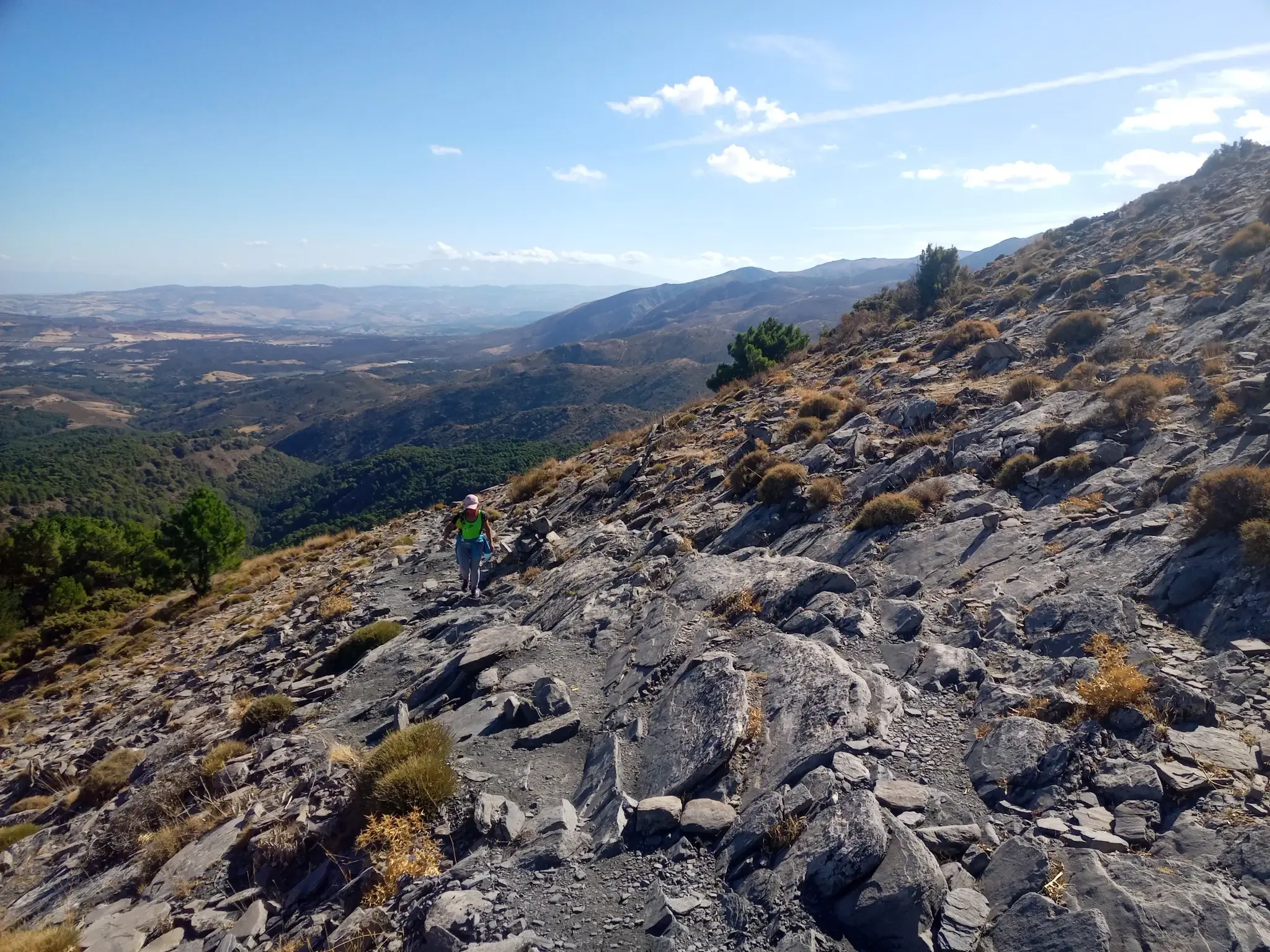
12 hiking gems throughout Spain
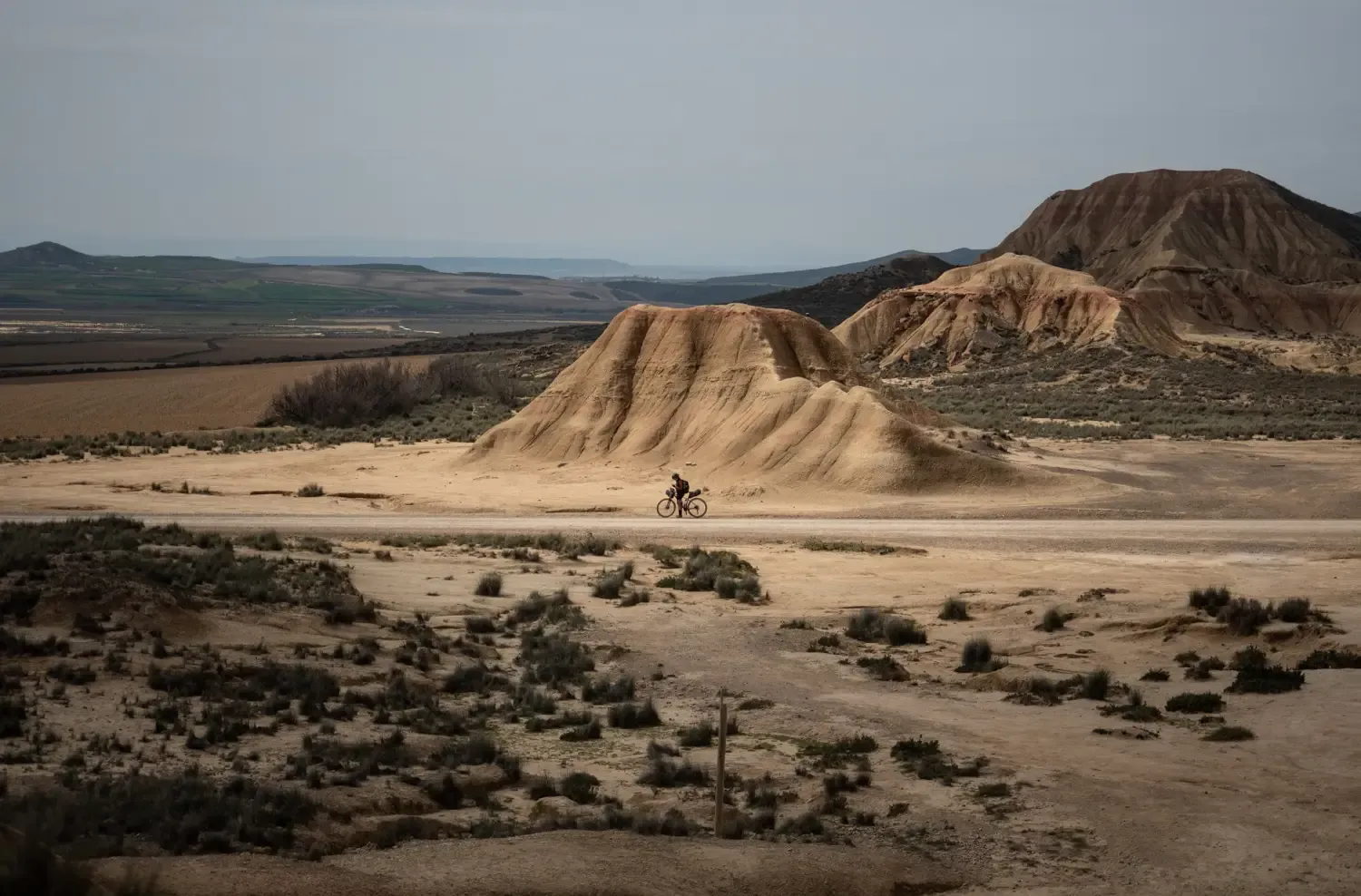
9 mountain biking routes in undiscovered Spain
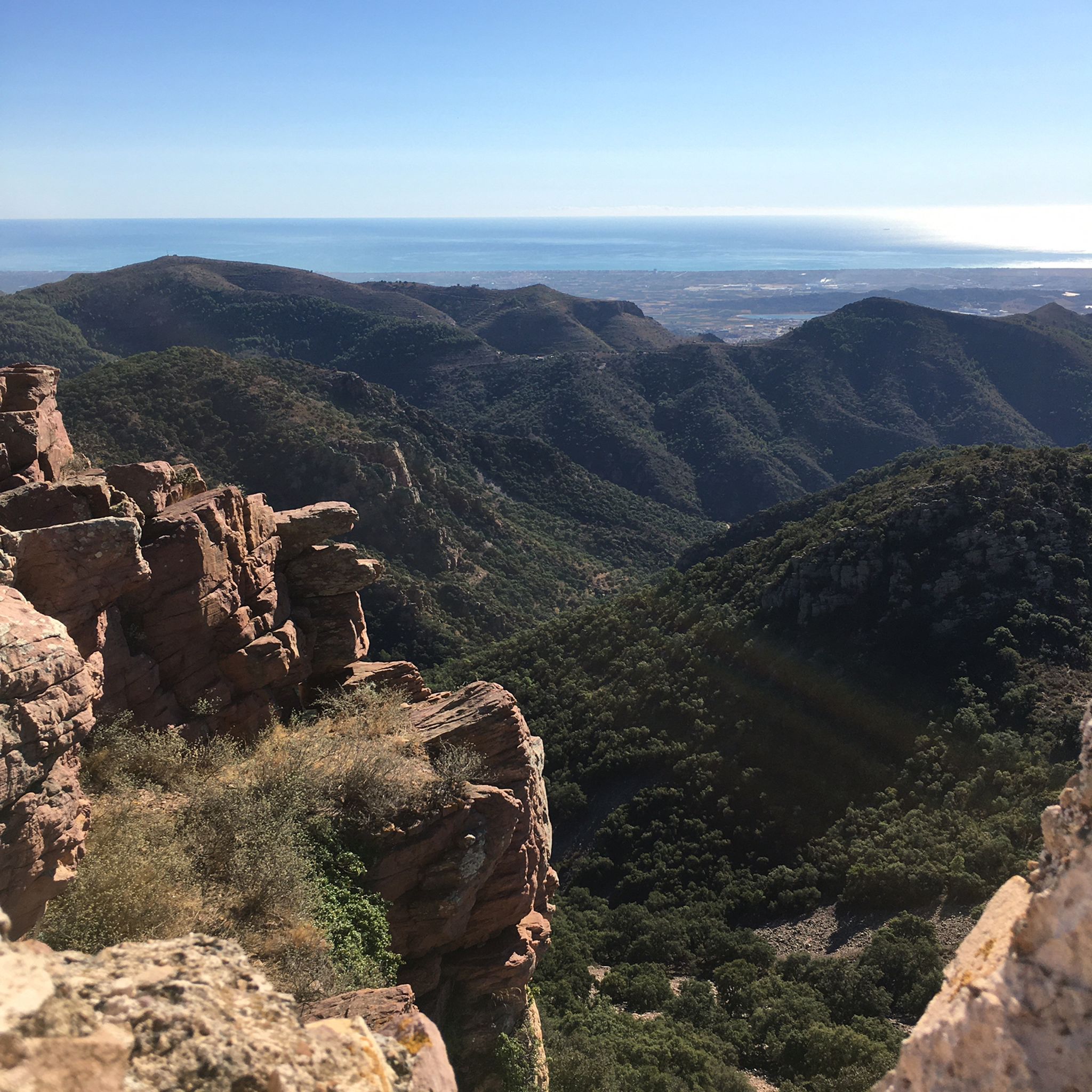
Hiking around Parc Natural de la Serra d'Espadà
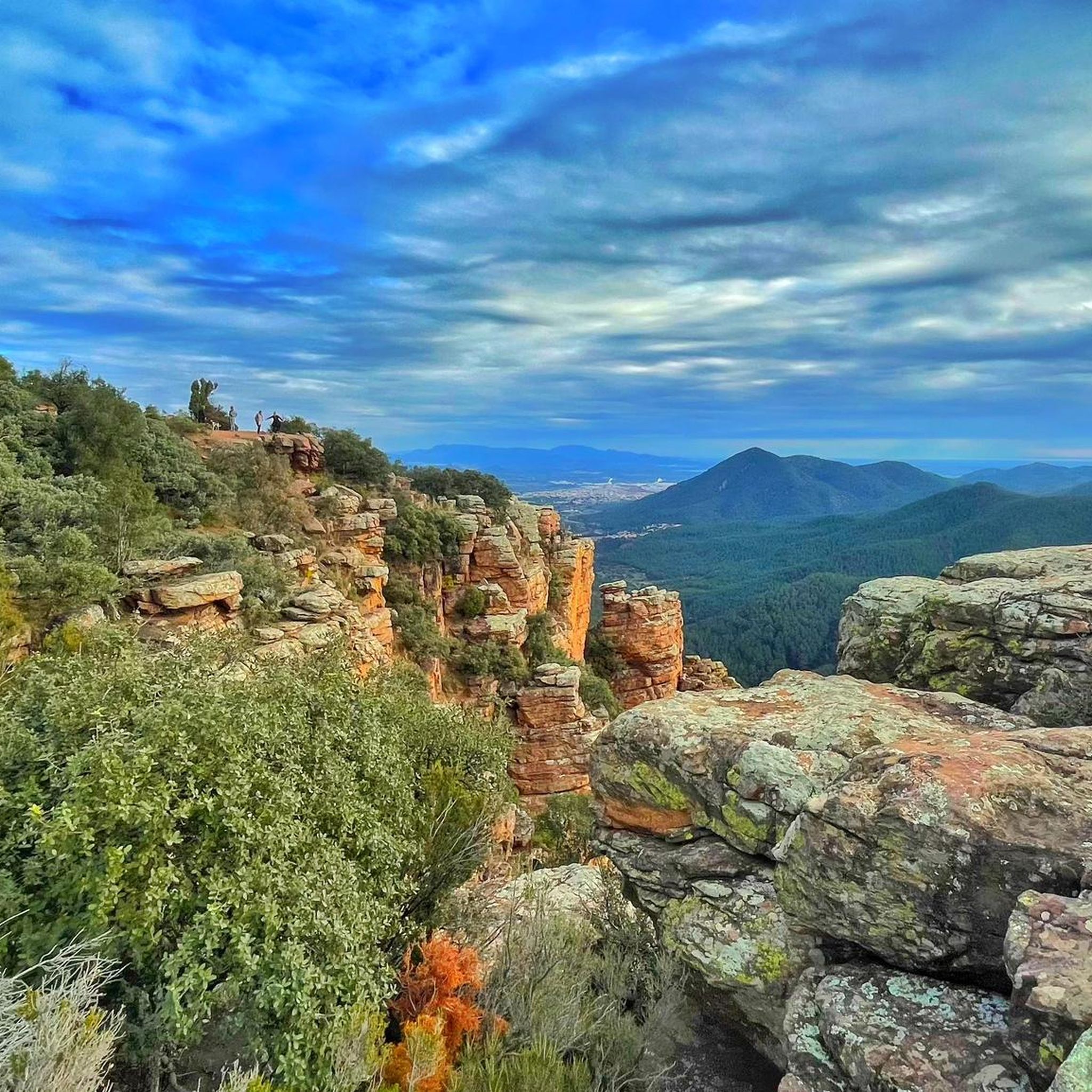
Running Trails around Parc Natural de la Serra d'Espadà
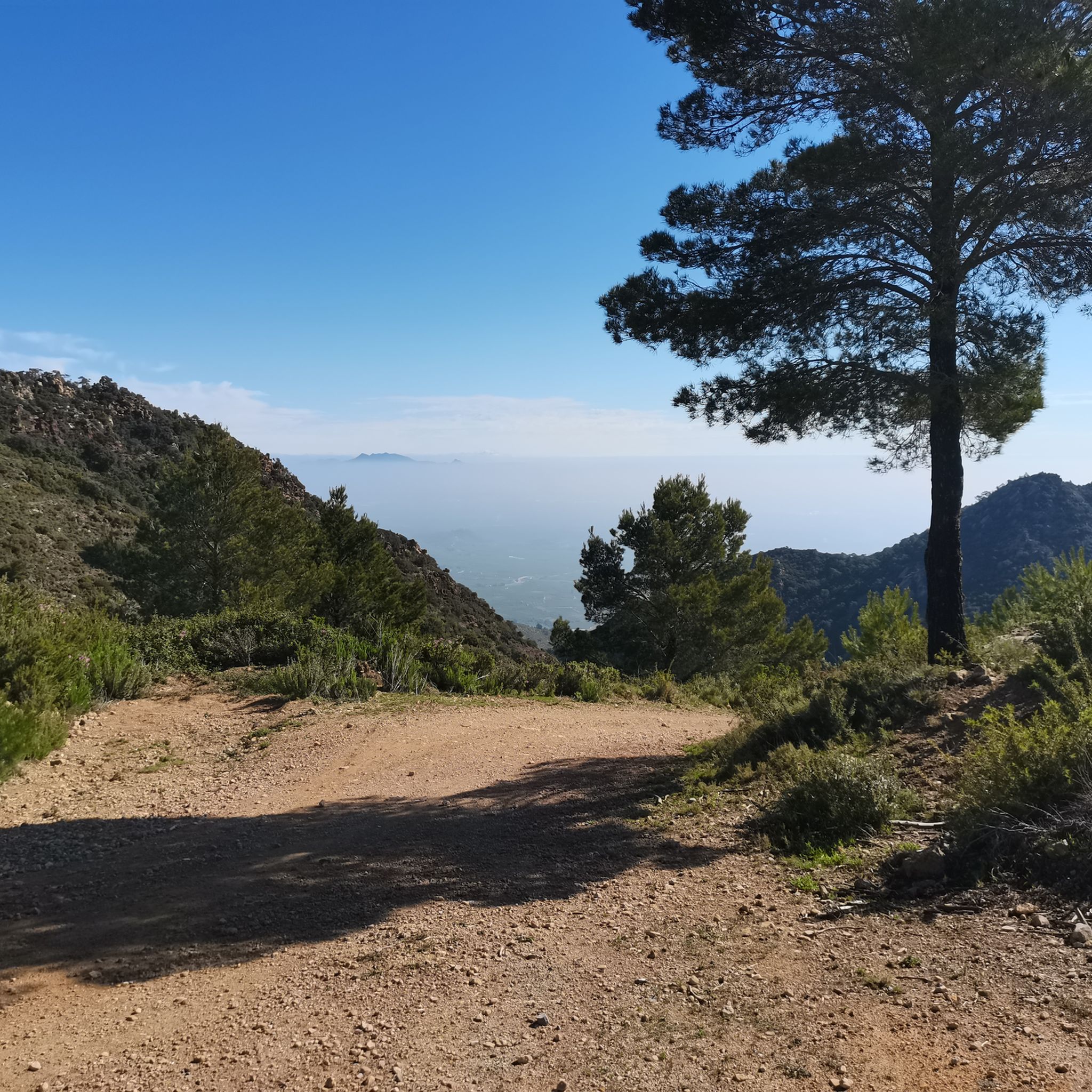
MTB Trails around Parc Natural de la Serra d'Espadà
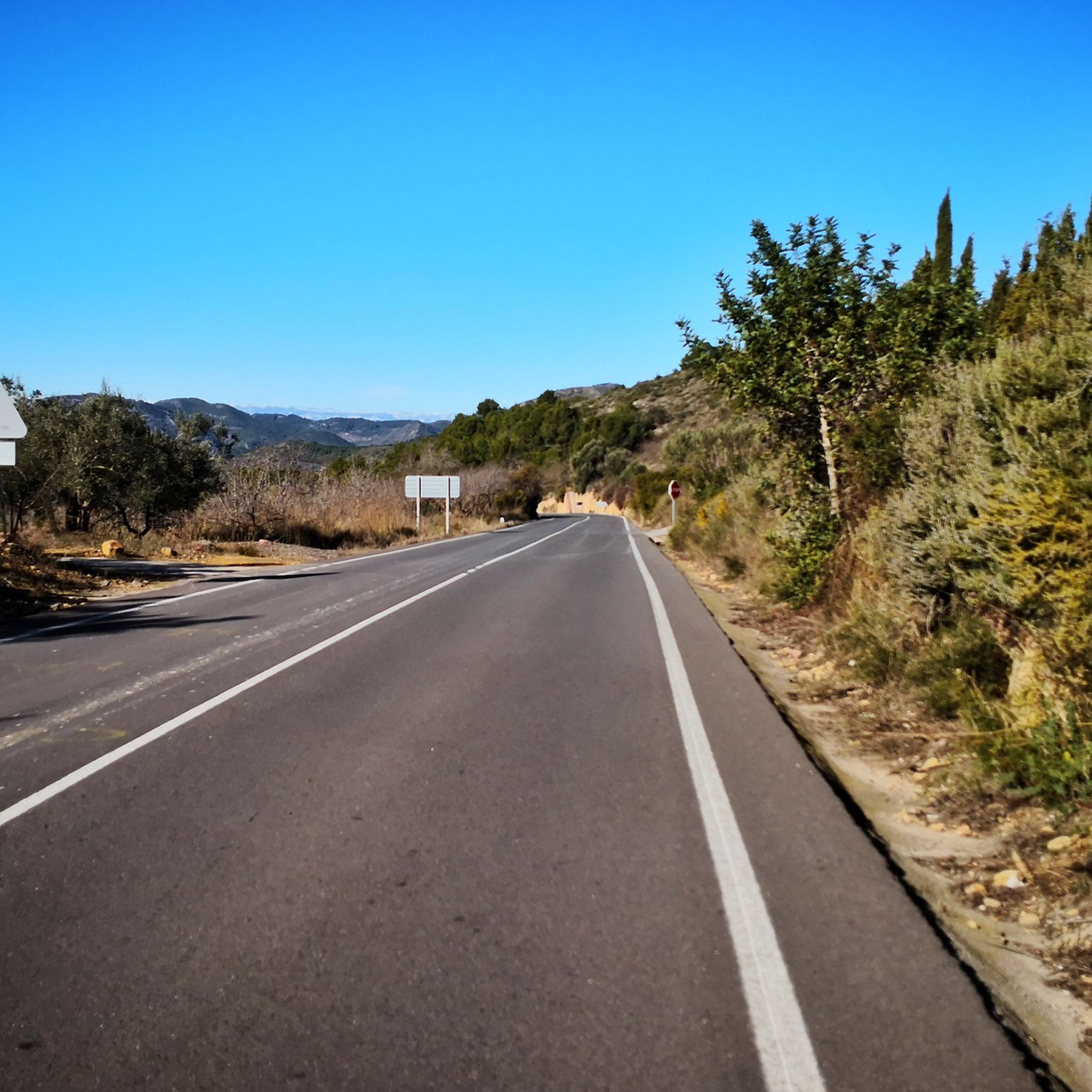
Road Cycling Routes around Parc Natural de la Serra d'Espadà
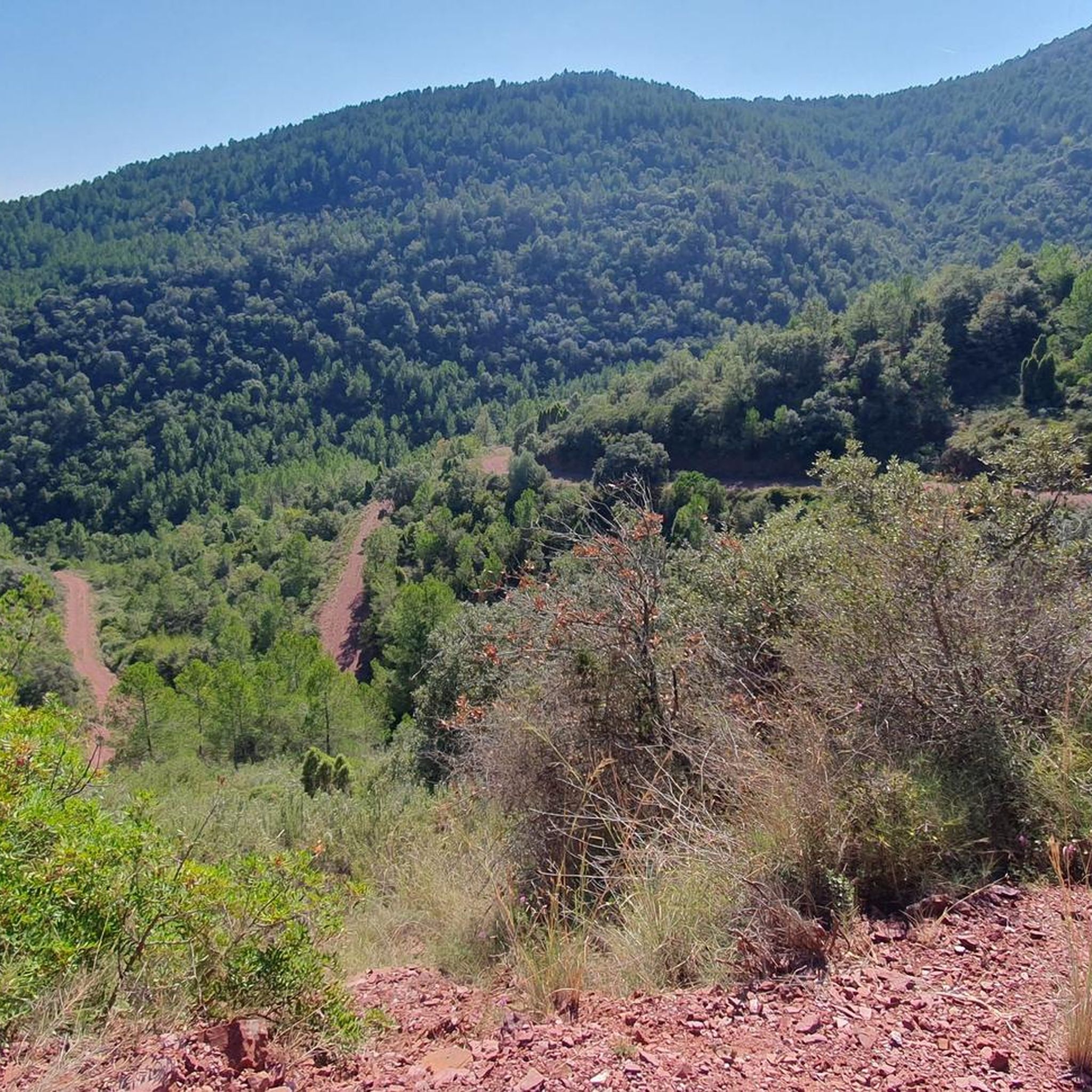
Cycling around Parc Natural de la Serra d'Espadà

Gravel biking around Parc Natural de la Serra d'Espadà
Other adventures around Parc Natural de la Serra d'Espadà

Tips from the Community


It's a tough climb once you've been on the bike for a couple of hours. Especially going down, having lunch and going back up to get home. Very cool and quiet, no cars.
1
0

A very beautiful and easy to drive pass road.
0
0
An ancient village whose name gives a hint to its Arab history.
1
0

Pretty village Don't forget to buy typical products at the town store!
0
0

After the Reconquista, many castles in the region were modified or rebuilt to adapt to Christian styles and needs.
7
0

The Castro Castle, an Arab fortress with an impressive watchtower at a height of about 780 m, was a fundamental bastion of the Moorish resistance at the time of their expulsion. It was taken by the Duke of Segorbe and General Cavanilles after the Castillo de Aín had also fallen. It was also used in the Carlist Wars. The castle covers an area of about 2,000 m2, where two parts can be distinguished: the "Albacar", a fortified refuge for the inhabitants of the towns dependent on the fortress; and on the other side, the castle itself, which presided surrounded by a large keep that was demolished in 1938 during the Civil War. The views are impressively beautiful.
10
0
Frequently Asked Questions
What natural features can I explore in Parc Natural de la Serra d'Espadà?
The park is renowned for its unique sandstone outcrops and lush cork oak forests, which thrive due to the specific soil and rainfall. You can also find numerous freshwater springs and deep gorges. Notable natural features include the challenging Eslida Pass and Puerto de la Nevera, both offering spectacular views. Don't miss the unique geological formations known as the Órganos de Benitandús near the Benitandús Reservoir, or the impressive Matorramos Rock.
Are there historical sites or castles to visit in the park?
Yes, the Serra d'Espadà is rich in history. You can explore the ruins of Castro Castle, an Arab fortification offering incredible panoramic views. Other significant historical sites include Almonesir/Almonacid Castle and the remains of over 20 castles and watchtowers, primarily of Arab construction, scattered throughout the park. You can also find 'Las Neveras' (Snow Houses), stone buildings from the 18th and 19th centuries used to store snow, in towns like Castro, Espadán, and Alcudia de Veo.
What are some popular hiking trails in Parc Natural de la Serra d'Espadà?
The park offers an extensive network of well-marked hiking trails suitable for various skill levels. For easy walks, you might consider routes like the L'Arquet of the Rambla loop from Alfondeguilla or the Espadán Peak – Pic Pastor loop from Aín. You can find more options and detailed routes in the Easy hikes around Parc Natural de la Serra d'Espadà guide.
Are there options for cycling enthusiasts in the area?
Absolutely. The region is popular with cyclists, featuring challenging mountain passes and scenic routes. The Eslida Pass is a classic for road cycling, known for its challenging climb and well-maintained pavement. For gravel biking, you can explore routes like the Coll d’Aín – Aín Village loop from Eslida. Discover more routes in the Road Cycling Routes around Parc Natural de la Serra d'Espadà and Gravel biking around Parc Natural de la Serra d'Espadà guides.
Is Parc Natural de la Serra d'Espadà suitable for families?
Yes, the park offers several family-friendly attractions and activities. The charming Aín Village, with its zigzagging Moorish streets, is a delightful place for families to explore. There are also easy hiking trails suitable for all ages, such as the Barranco de l'Oret – Fountain loop from Eslida. Additionally, the nearby Les Coves de Sant Josep offers boat rides through Europe's longest navigable subterranean river, which is a unique experience for children and adults alike.
What is the best time of year to visit Parc Natural de la Serra d'Espadà?
The park can be enjoyed year-round, but spring and autumn are generally ideal for outdoor activities due to milder temperatures. Summers can be hot, especially at lower elevations, though the cork oak forests offer shade. Winters can be cold in the mountains, even on sunny days, so be prepared with appropriate clothing if visiting during this season. The diverse landscapes are beautiful in every season.
Where can I find the best panoramic views in the park?
For breathtaking panoramic views, head to the ruins of Castro Castle, which offers expansive vistas of the surrounding mountains. The Eslida Pass and Puerto de la Nevera are also known for their spectacular landscapes and viewpoints along the routes.
What kind of wildlife can I expect to see in Parc Natural de la Serra d'Espadà?
The park is a haven for diverse wildlife. It's particularly known for its significant presence of birds of prey, including the endangered Bonelli's eagle, short-toed eagle, booted eagle, and goshawk. Mammals such as wild boar, fox, marten, badger, and genet also inhabit the area. If you're lucky, you might spot the Iberian ribbed newt in irrigation pools.
Are there any unique cultural experiences or towns to explore?
Yes, several medieval towns and villages within the park, such as Aín, Veo, and Almedíjar, have preserved their historical structures and Moorish origins. Aín, in particular, is known for its charming zigzagging framework of slopes. You can also visit ethnological museums in towns like Pavias or Tales to learn about the local heritage and traditions.
How can I learn more about the park's natural environment and activities?
The Serra d'Espadà Natural Park Interpretation Centre, located in Eslida, is an excellent resource. It provides comprehensive information about the park's routes, activities, and its rich flora and fauna. You can also find exhibitions on cork, a defining characteristic of the park's forests, at the center.
Is it possible to visit the park using public transport?
While public transport options directly into the heart of the park may be limited, some surrounding towns and villages are accessible by bus services. However, exploring the more remote attractions and trails within the park typically requires a car or a combination of public transport to a gateway town followed by local taxis or cycling. It's advisable to check local bus schedules for specific routes to towns like Eslida or Aín.
What are the options for dining or refreshments near the attractions?
The towns and villages within and around Parc Natural de la Serra d'Espadà, such as Aín, Eslida, and Almedíjar, offer various options for dining and refreshments. You'll find local restaurants serving traditional Valencian cuisine, as well as cafes and bars where you can enjoy a snack or a drink after your explorations. Aín Village, for instance, has places to refill water or enjoy a sandwich.
Most popular routes around Parc Natural de la Serra d'Espadà
Most popular attractions around Parc Natural de la Serra d'Espadà

Get inspired with the komoot mobile app


Explore more
Still not found the Highlight you’re looking for? See guides of the top attractions in other regions:
