National Park Fuentes Carrionas y Fuente Cobre-Montaña Palentina
National Park Fuentes Carrionas y Fuente Cobre-Montaña Palentina
Attractions and Places To See around National Park Fuentes Carrionas y Fuente Cobre-Montaña Palentina - Top 20
Best attractions and places to see around National Park Fuentes Carrionas y Fuente Cobre-Montaña Palentina offers a protected natural area in northern Palencia, Spain. This region is characterized by dramatic peaks, glacial valleys, and pristine rivers, serving as a refuge for significant wildlife such as the Cantabrian brown bear. The landscape, shaped by glacial activity, features circuses, valleys, and glacial lakes. Additionally, the area is known for its rich cultural heritage, including Romanesque art and traditional villages.
Best attractions and…
Last updated: May 10, 2026
Piedrasluengas Viewpoint
Highlight • Viewpoint
Translated by Google •
Tip by

Mazobre Waterfall
Highlight • Waterfall
Translated by Google •
Tip by

Sign up now to discover places like this
Get recommendations on the best single tracks, peaks, & plenty of other exciting outdoor places.
Sign up for free
Tres Mares Peak
Highlight • Summit
Translated by Google •
Tip by

Peña Labra
Highlight • Summit
Translated by Google •
Tip by
Curavacas (2524m)
Highlight • Summit
Translated by Google •
Tip by

Sign up for free to discover even more attractions around National Park Fuentes Carrionas y Fuente Cobre-Montaña Palentina.
Sign up for free
Already have an account?
Start today with a free account
Your next adventure awaits.
Login or Signup
Popular around National Park Fuentes Carrionas y Fuente Cobre-Montaña Palentina
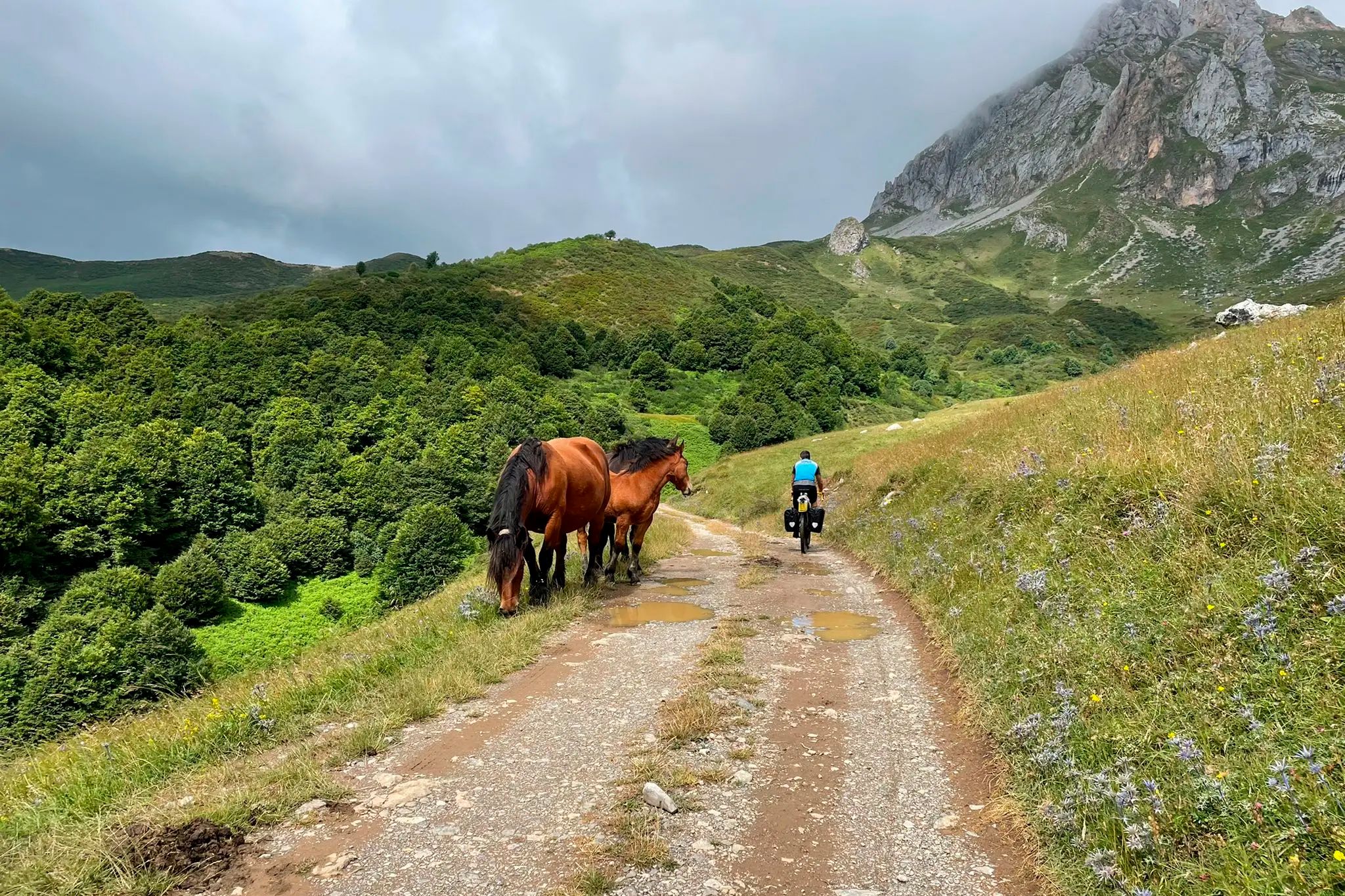
TransCantabrica – Extreme mountain biking in northern Spain
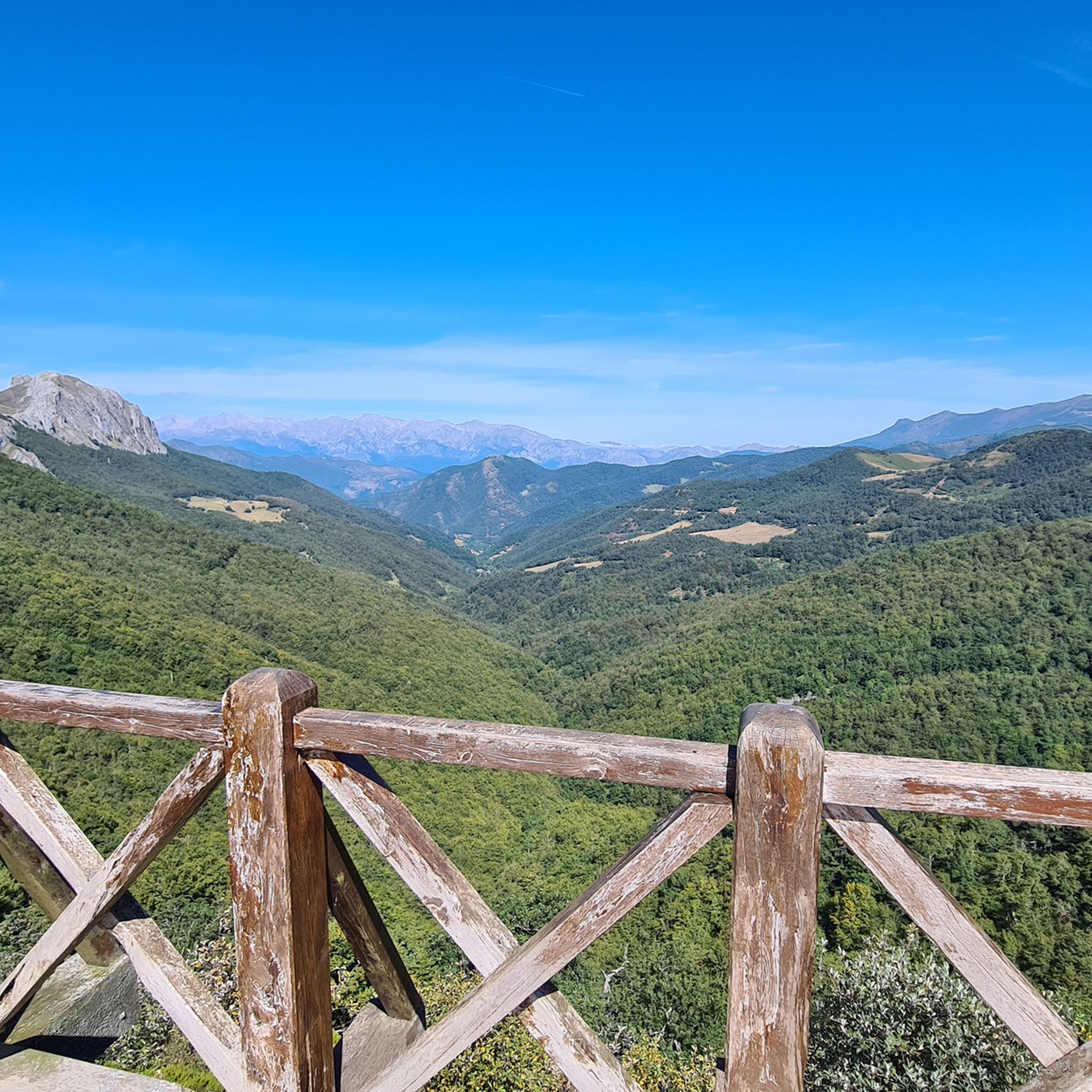
Hiking around National Park Fuentes Carrionas y Fuente Cobre-Montaña Palentina
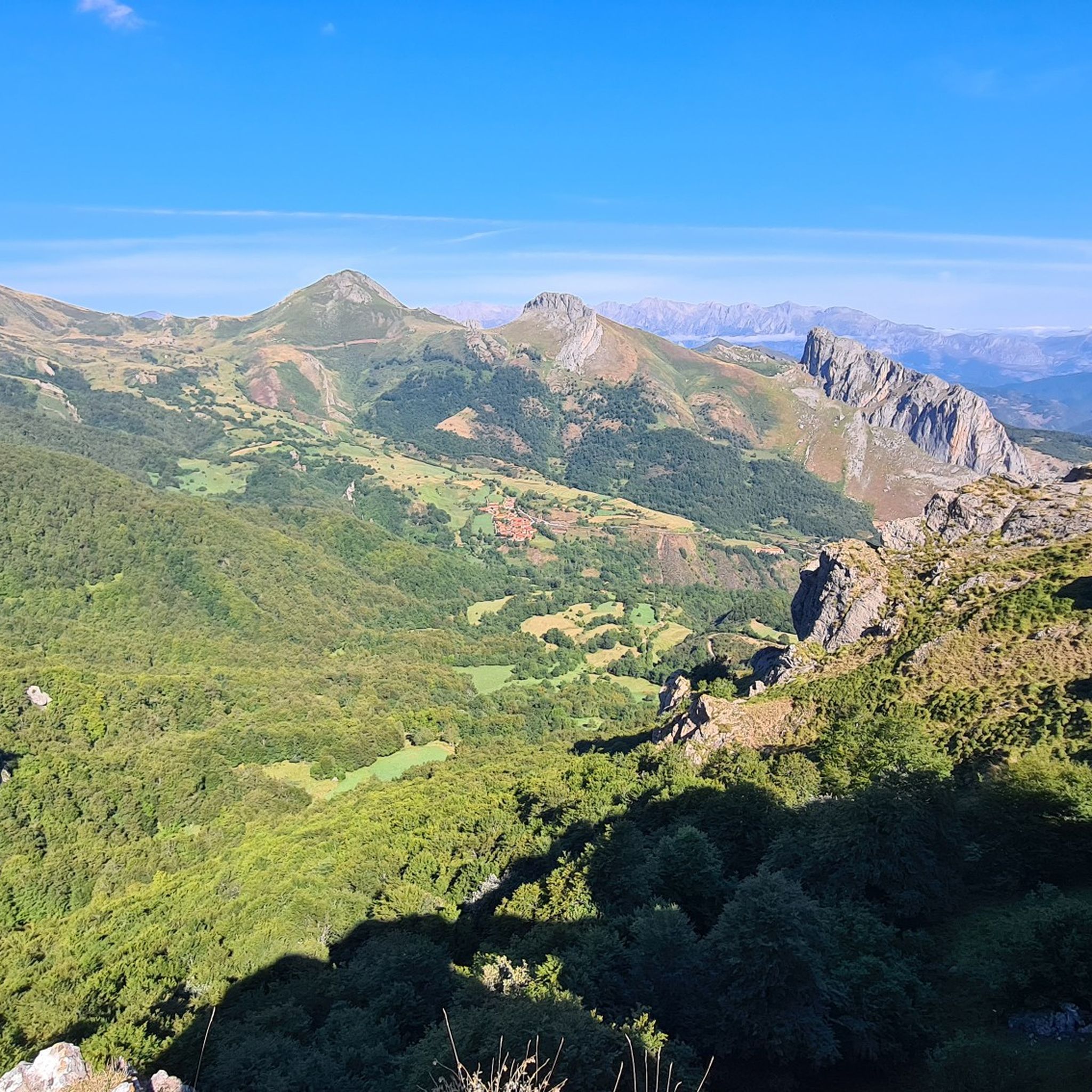
MTB Trails around National Park Fuentes Carrionas y Fuente Cobre-Montaña Palentina
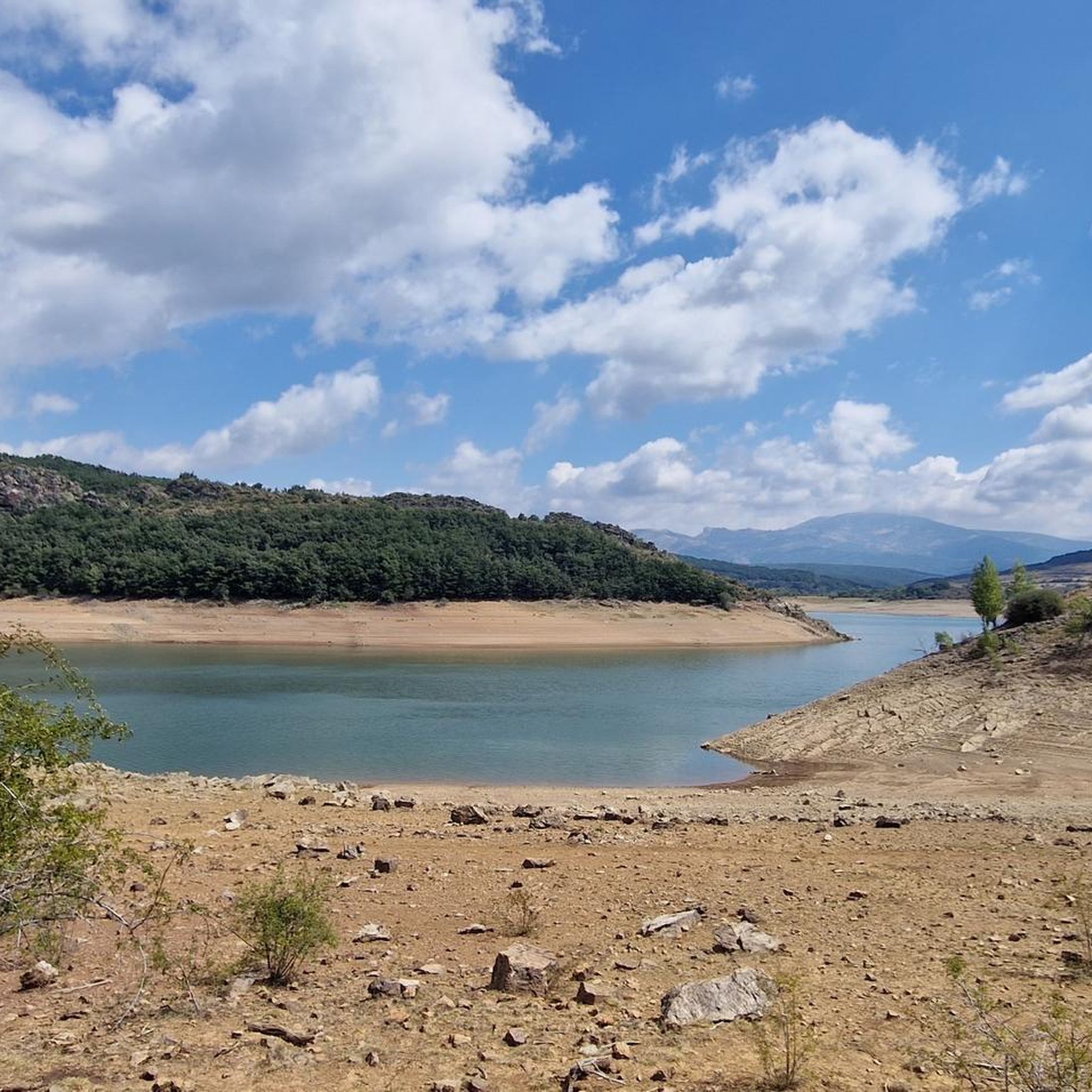
Cycling around National Park Fuentes Carrionas y Fuente Cobre-Montaña Palentina
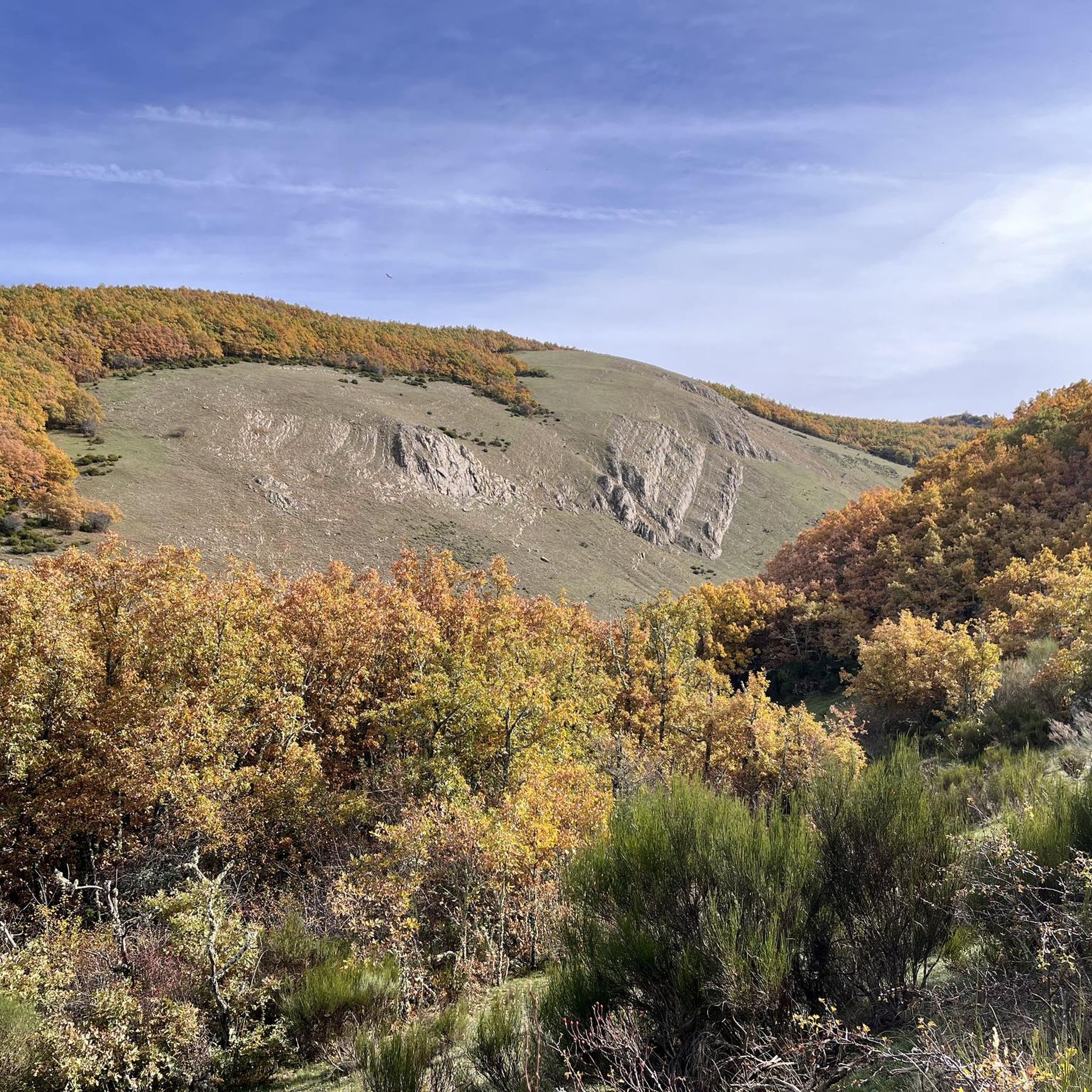
Running Trails around National Park Fuentes Carrionas y Fuente Cobre-Montaña Palentina
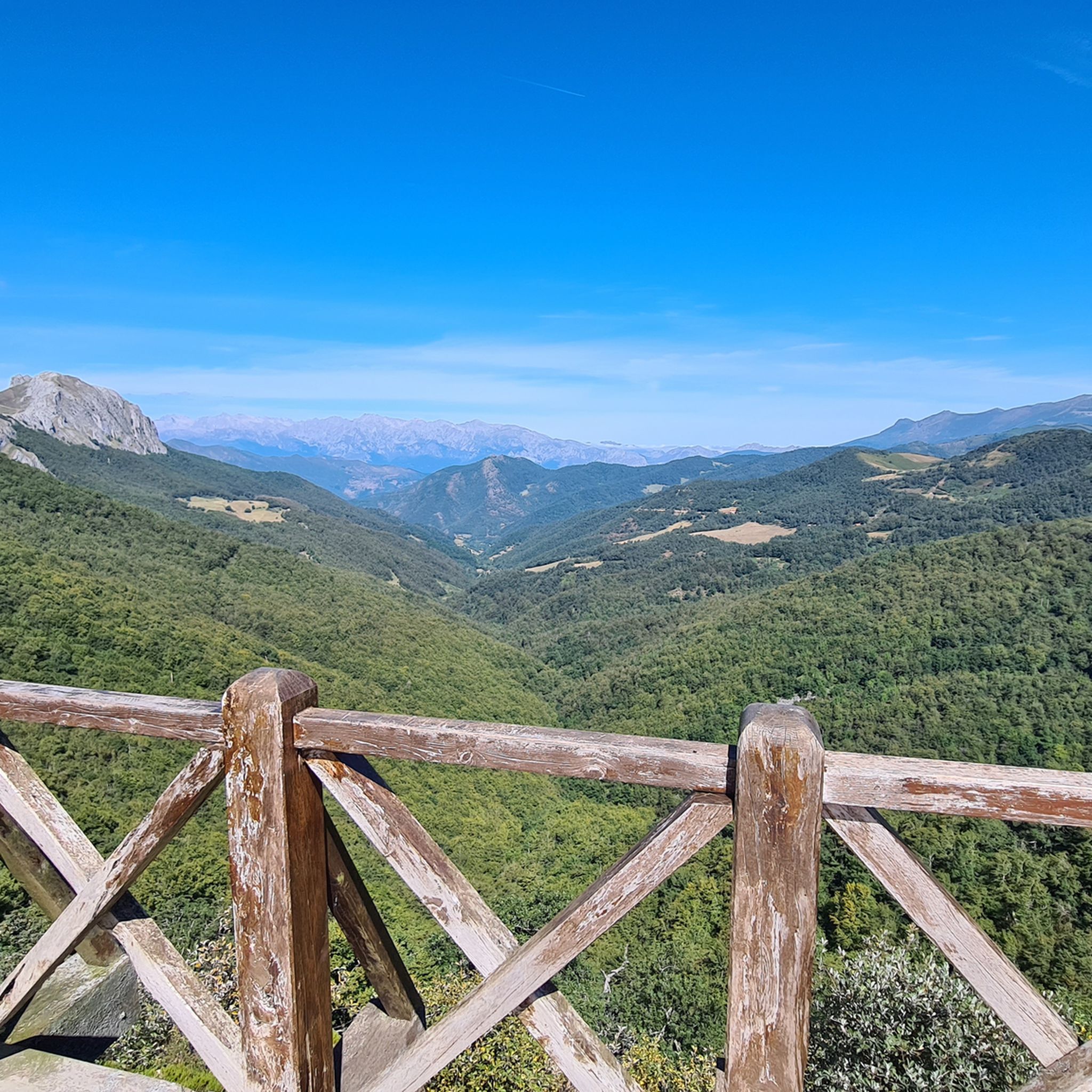
Road Cycling Routes around National Park Fuentes Carrionas y Fuente Cobre-Montaña Palentina

Gravel biking around National Park Fuentes Carrionas y Fuente Cobre-Montaña Palentina

Mountain Hikes around National Park Fuentes Carrionas y Fuente Cobre-Montaña Palentina
Other adventures around National Park Fuentes Carrionas y Fuente Cobre-Montaña Palentina

Tips from the Community

The Mazobre Waterfall, located in the Palentina Mountains within the Fuentes Carrionas and Fuente Cobre Natural Park, is one of the most spectacular spots in the province of Palencia. It is located near Cardaño de Arriba, in the municipality of Velilla del Río Carrión.
1
0
Climbing Curavacas is an exciting experience for mountain lovers. There are several routes available, such as Callejo Grande and Senda del Notario, which offer different levels of difficulty. In addition, in the area you can find glacial lagoons, such as Pozo Curavacas and Pozos del Ves, which add a special touch to the landscape.
5
0

Spectacular views of the eastern massif of Picos de Europa
0
0

A beautiful waterfall that can be reached after a short and relatively easy hike. The cool water is wonderfully refreshing after a walk in the sun.
1
0

This is the perfect place to see the highest waterfall in the Palentina Mountain and the Palencia Natural Park. If you continue along the trail there is another small trail that takes you to the base of the falls. It's worth going off the trail just to check it out.
0
0

Beautiful road from Puetenansa up to there for road bikes, less traffic
1
0

Second highest summit of the Cantabrian mountain range and the highest in the province of Palencia. It offers impressive views of the famous Curavacas Well, the Curruquilla peak and many other emblems of the province.
1
1
Listed as the largest waterfall in the Montaña Palentina and Palencia Natural Park. The trail up there is easy and comfortable and allows you to visit this spectacle of nature. It is advisable to come after a rainy episode.
2
0
Frequently Asked Questions
What are the most impressive natural landmarks to visit in the National Park Fuentes Carrionas y Fuente Cobre-Montaña Palentina?
The park is home to several stunning natural features. You can experience the breathtaking panoramic views from Piedrasluengas Viewpoint, which overlooks the Picos de Europa and Liébana Valley. Another must-see is the Mazobre Waterfall, considered the largest in Montaña Palentina. For mountain enthusiasts, the prominent peaks of Curavacas (2524m) and Tres Mares Peak offer challenging climbs and expansive vistas. Don't miss the ancient Tejeda de Tosande, one of Western Europe's most remarkable yew forests.
Are there any family-friendly attractions or activities in the area?
Yes, several attractions are suitable for families. The Piedrasluengas Viewpoint is easily accessible and offers spectacular views for all ages. The trail to the Mazobre Waterfall is also considered easy and comfortable, making it a great option for a family outing. Additionally, the park features various interpretation centers, such as the "La Casa del Oso Cantábrico" in Verdeña, which provides engaging insights into the region's wildlife, particularly the Cantabrian brown bear.
What cultural and historical sites can I explore in the National Park Fuentes Carrionas y Fuente Cobre-Montaña Palentina?
The northern Palencia region within the park is renowned for its rich Romanesque art. You can visit numerous hermitages, monasteries, and churches, including the significant Iglesia de San Salvador de Cantamuda. Traditional villages like Mantinos, Brañosera, and Cardaño de Arriba offer a glimpse into local culture and well-preserved architecture. For a deeper dive into the region's past, consider visiting the Mining Interpretation Center in Barruelo de Santullán or the Piedad Isla Ethnographic Museum in Cervera de Pisuerga.
What kind of outdoor activities can I do near these attractions?
The area offers a wide range of outdoor activities. You can find excellent routes for gravel biking, cycling, and hiking. For instance, there are numerous cycling routes around the park, including the Camporredondo Reservoir Loop. If you enjoy hiking, consider the waterfall hikes, such as the Mazobre Waterfall Trail. For more challenging adventures, the peaks like Curavacas and Peña Labra offer exciting climbing and trekking opportunities. You can explore various gravel biking and cycling routes throughout the region.
Where can I find the best viewpoints in Montaña Palentina?
For stunning vistas, the Piedrasluengas Viewpoint is highly recommended, offering panoramic views of the Picos de Europa, Peña Labra, and the Liébana Valley. The summits of Tres Mares Peak and Peña Labra also provide expansive views of the Cantabrian interior and the Montaña Palentina Natural Park. Other notable viewpoints include Alto de la Varga, Alba, and Alto de Peñas Negras.
What wildlife can I expect to see in the National Park Fuentes Carrionas y Fuente Cobre-Montaña Palentina?
The park is a vital habitat for diverse wildlife. It's particularly known as a refuge for the Cantabrian brown bear. Other species you might spot include deer, wild boar, wolves, chamois, golden eagles, and griffon vultures. The park's varied ecosystems, from dense forests to high mountain peaks, support this rich biodiversity.
What is the best time of year to visit the National Park Fuentes Carrionas y Fuente Cobre-Montaña Palentina?
The best time to visit largely depends on your preferred activities. Spring and autumn offer pleasant temperatures for hiking and exploring the natural landscapes, with vibrant foliage in autumn and blooming flora in spring. Summer is ideal for enjoying the high mountain areas and longer daylight hours. Winter provides opportunities for snow activities, especially near areas like the Alto Campo ski resort, which is close to Tres Mares Peak.
Are there any unique forests or vegetation types in the park?
Yes, the park boasts several unique forest areas. Tejeda de Tosande is home to one of Western Europe's most remarkable yew forests, featuring a species that has existed since the Jurassic period. You can also find El Roblón de Estalaya, a notable green space, and El Pinar de Velilla, one of the few natural pine forests in the Cantabrian Mountains. The Enebral de Peñas Lampas is also significant as the northernmost juniper formation in Europe.
What do visitors enjoy most about the attractions around National Park Fuentes Carrionas y Fuente Cobre-Montaña Palentina?
Visitors consistently praise the stunning natural beauty and the diverse range of experiences available. The panoramic views from viewpoints like Piedrasluengas Viewpoint are frequently highlighted. Many appreciate the opportunity for both challenging mountain climbs, such as Curavacas, and more accessible natural wonders like the Mazobre Waterfall. The rich cultural heritage, including Romanesque art and traditional villages, also adds significant appeal.
Where can I find information or facilities within the park?
The "Casa del Parque" in Cervera de Pisuerga serves as a central information point for visitors, offering details about the park's attractions, routes, and regulations. Additionally, various interpretation centers are scattered throughout the region, such as "La Casa del Oso Cantábrico" in Verdeña, which focuses on the Cantabrian brown bear, and the Mining Interpretation Center in Barruelo de Santullán.
Are there any specific hiking trails recommended for beginners or those looking for an easy walk?
For those seeking easier walks, the trail leading to the Mazobre Waterfall is a comfortable and relatively easy hike. Many of the routes around the traditional villages also offer gentle paths suitable for beginners. You can find several easy options within the waterfall hikes guide, such as the "Base of the mill diversion – Ancient Forest loop from Cucayo" which is rated as easy.
What are the highest peaks in the Montaña Palentina area?
The Montaña Palentina boasts several impressive peaks. Curavacas (2525m) is considered the highest elevation of the Palencia Mountain. Other significant summits include Espigüete (2450m), Tres Mares Peak (2149m), and Peña Labra (2028m). Pico del Infierno is also a notable high point, contiguous to Peña Prieta.
Most popular routes around National Park Fuentes Carrionas y Fuente Cobre-Montaña Palentina
Most popular attractions around National Park Fuentes Carrionas y Fuente Cobre-Montaña Palentina

Get inspired with the komoot mobile app


Explore more
Still not found the Highlight you’re looking for? See guides of the top attractions in other regions:
