Attractions and Places To See around Parco Nazionale della Val Grande - Top 20
Best attractions and places to see around Parco Nazionale della Val Grande, Italy's largest wilderness area, offers a rugged and untouched landscape. Located in the Piedmont region near the Swiss border, it features deep valleys, dense forests, and towering peaks within the Lepontine Alps. The park is primarily a destination for hiking and trekking, with an extensive network of trails varying in difficulty. It is a sanctuary for diverse wildlife and preserves traces of human presence spanning thousands of years.
Best attractions and places to see around Parco Nazionale della Val Grande
- The most popular attraction is Pogallo Abandoned Village, a settlement that was once an old lumberjack village set on a sunny green terrace. It is accessible only on foot via a mule path and provides a glimpse into the region's past.
- Another must-see spot is Pian Cavallone Hut, a hut of the Italian Alpine Club located below Mount Todano. It serves as a good place for a rest and offers views of the surrounding landscape.
- Visitors also love Ascent from Cannobio to Passo Marco Pantani, a climb known for its consistent gradients and scenic surroundings. This route offers a challenging yet rewarding experience for those seeking mountain ascents.
- Parco Nazionale della Val Grande is known for its historical settlements, natural river pools, and mountain huts. The region offers a variety of places to explore, from ancient villages to refreshing swimming spots and high-altitude shelters.
- The attractions around Parco Nazionale della Val Grande are appreciated by the komoot community, with more than 220 upvotes and over 80 photos shared.
Last updated: July 20, 2026
Cicogna Village
Highlight • Settlement
Translated by Google •
Tip by

Pogallo Abandoned Village
Highlight • Settlement
Although this set of buildings is still standing, few souls live there all year round. Indeed Pogallo is very isolated and accessible only on foot, by the mule path which goes into the canyon of the Pogallo river.
Hikers take note: the Pogallo lawns are a wonderful picnic spot. You can also find a drinking water fountain which is also indicated by signs.
Translated by Google •
Tip by

Sign up now to discover places like this
Get recommendations on the best single tracks, peaks, & plenty of other exciting outdoor places.
Sign up for free
Pogallo River Natural Pools
Highlight • River
If its crystal clear, turquoise water makes you want to jump in, you will still have to work hard to put your head under the water, as it displays very cool temperatures.
The bridge that leads there is not indicated. So pay attention to the small fork that goes off to the right of the mule path.
On hot days, the site is quite busy, but don't hesitate to go down along the river, a little further down.
Translated by Google •
Tip by
Ascent from Cannobio to Passo Marco Pantani
Highlight (Segment) • Climb
Translated by Google •
Tip by

Pian Cavallone Hut
Highlight • Mountain Hut
Translated by Google •
Tip by

Sign up for free to discover even more attractions around Parco Nazionale della Val Grande.
Sign up for free
Already have an account?
Start today with a free account
Your next adventure awaits.
Login or Signup
Popular around Parco Nazionale della Val Grande
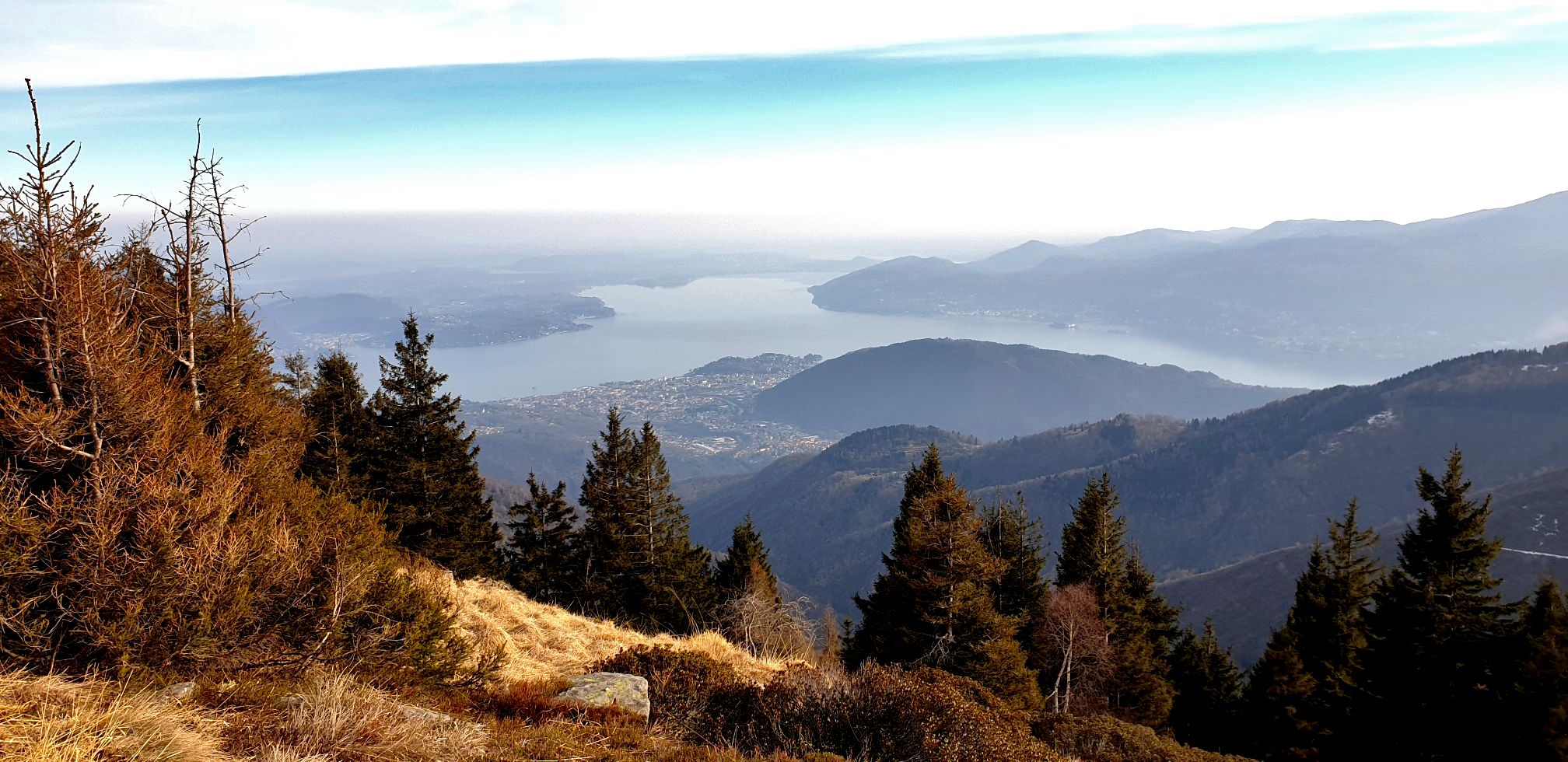
Hiking around Cicogna — Italy’s Val Grande National Park
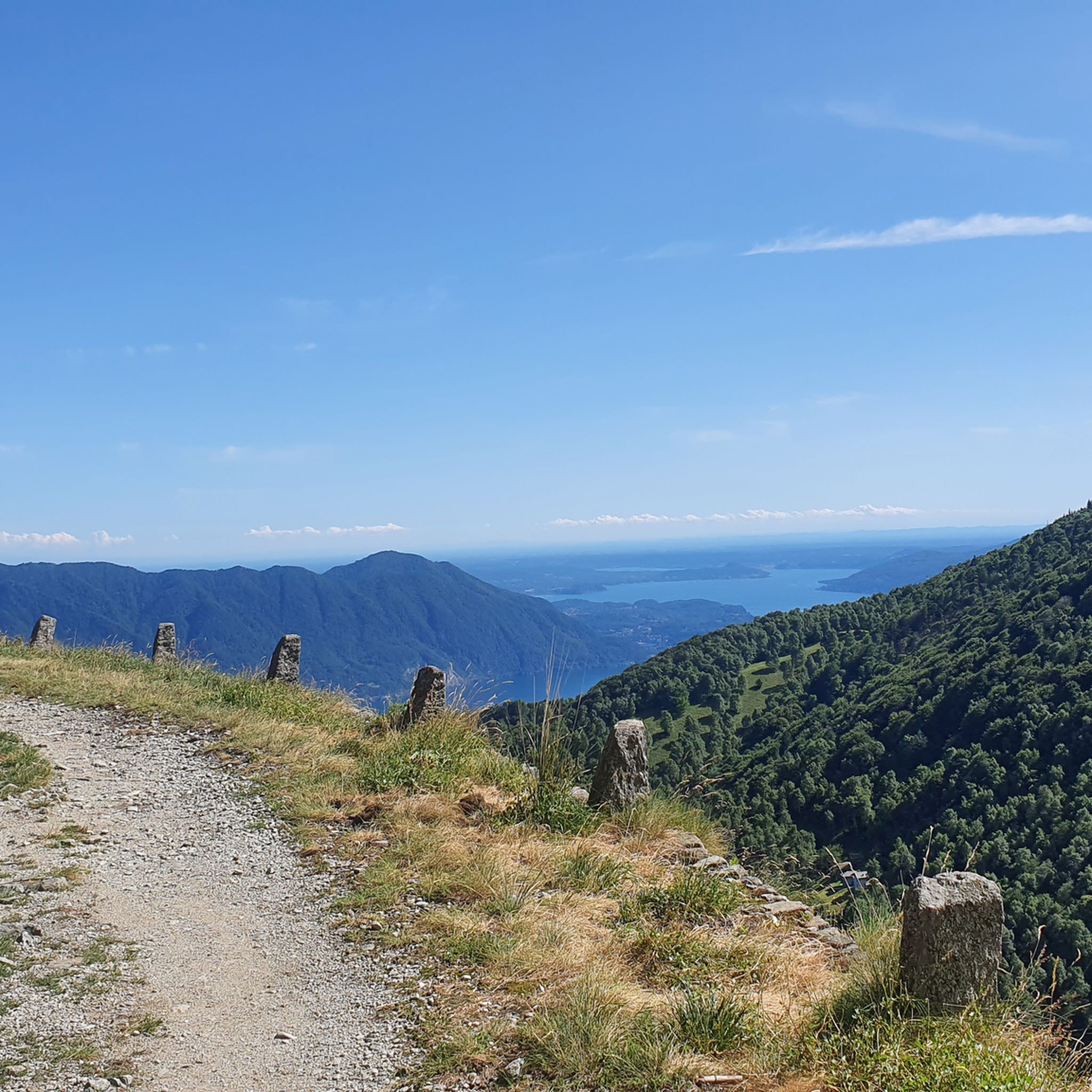
Hiking around Parco Nazionale della Val Grande
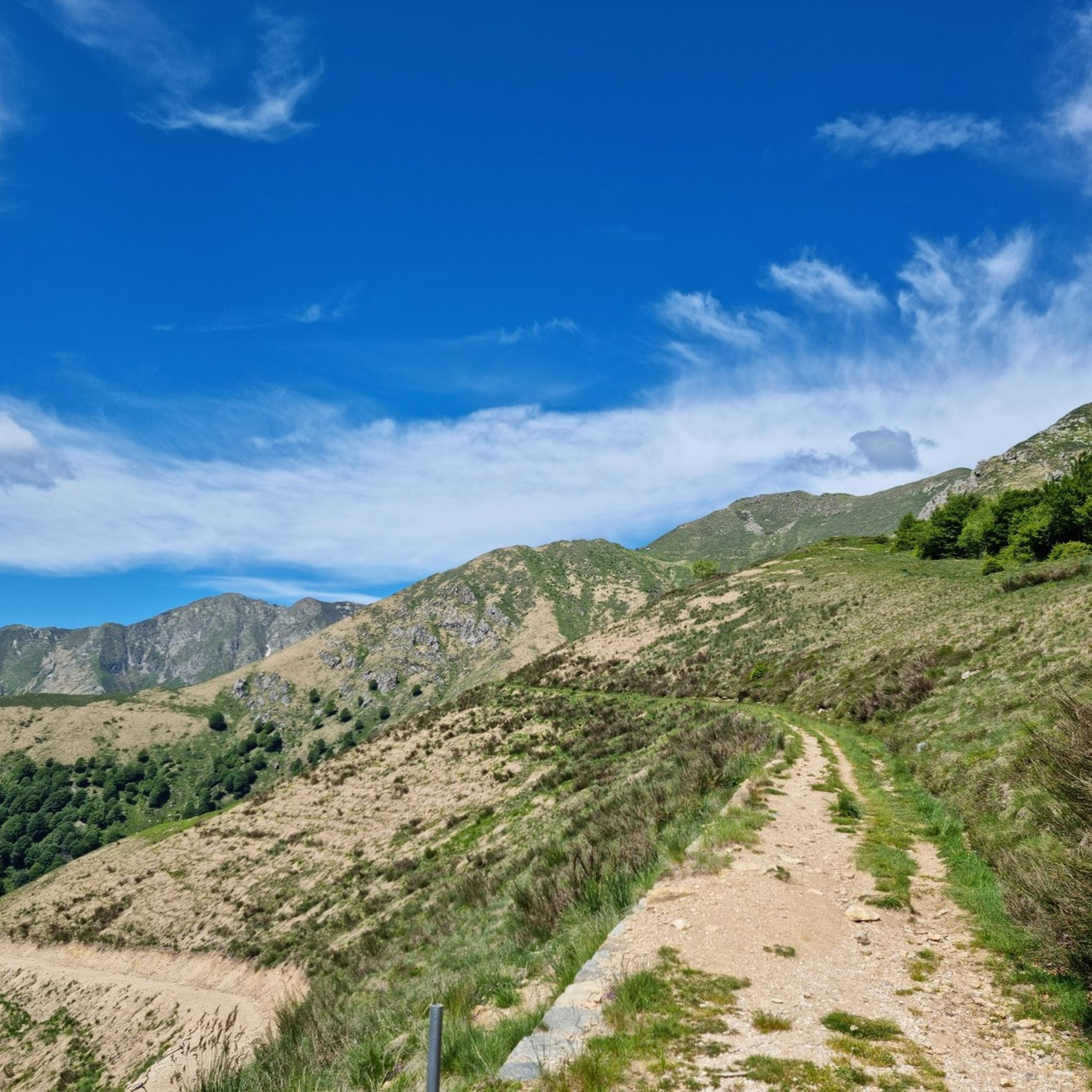
MTB Trails around Parco Nazionale della Val Grande
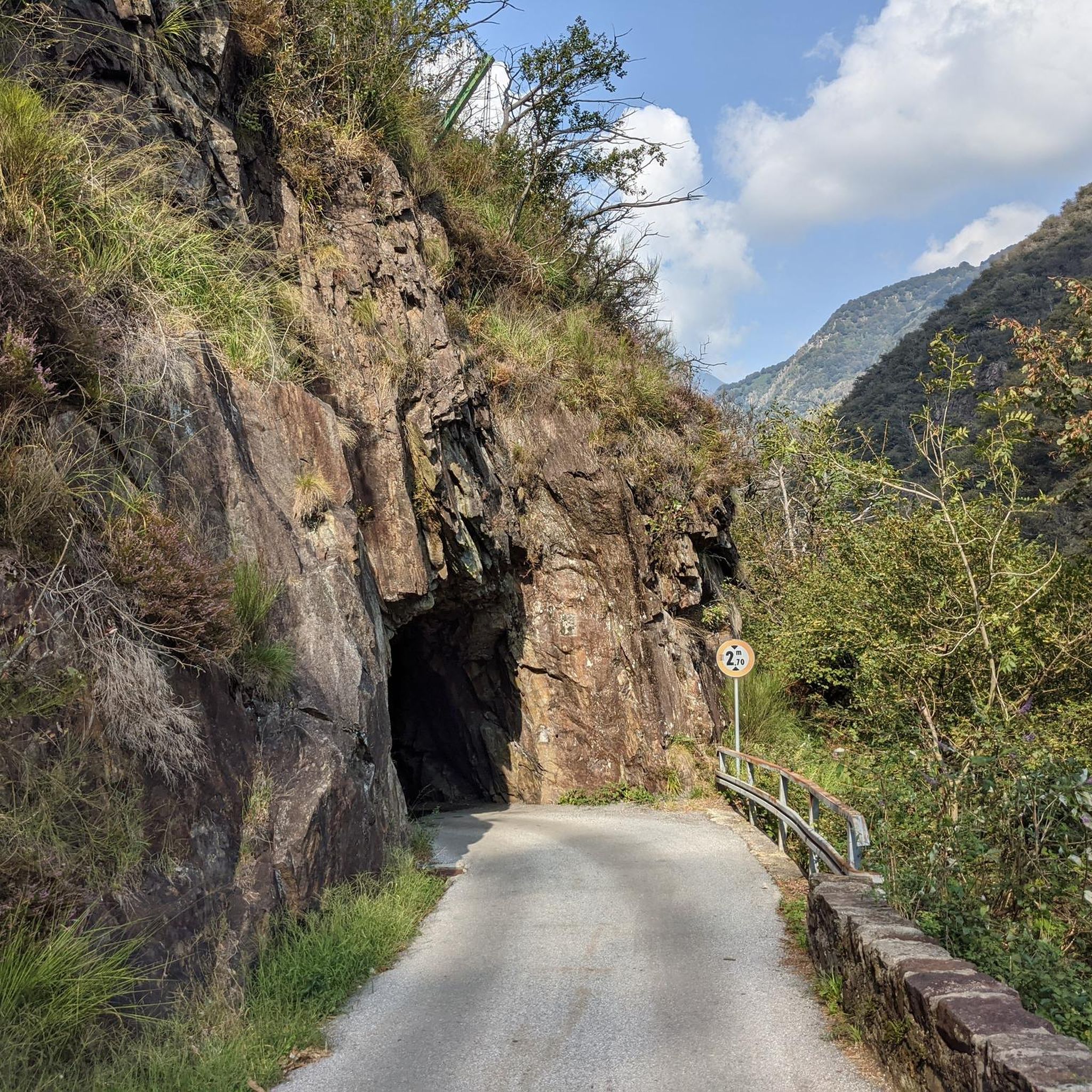
Cycling around Parco Nazionale della Val Grande
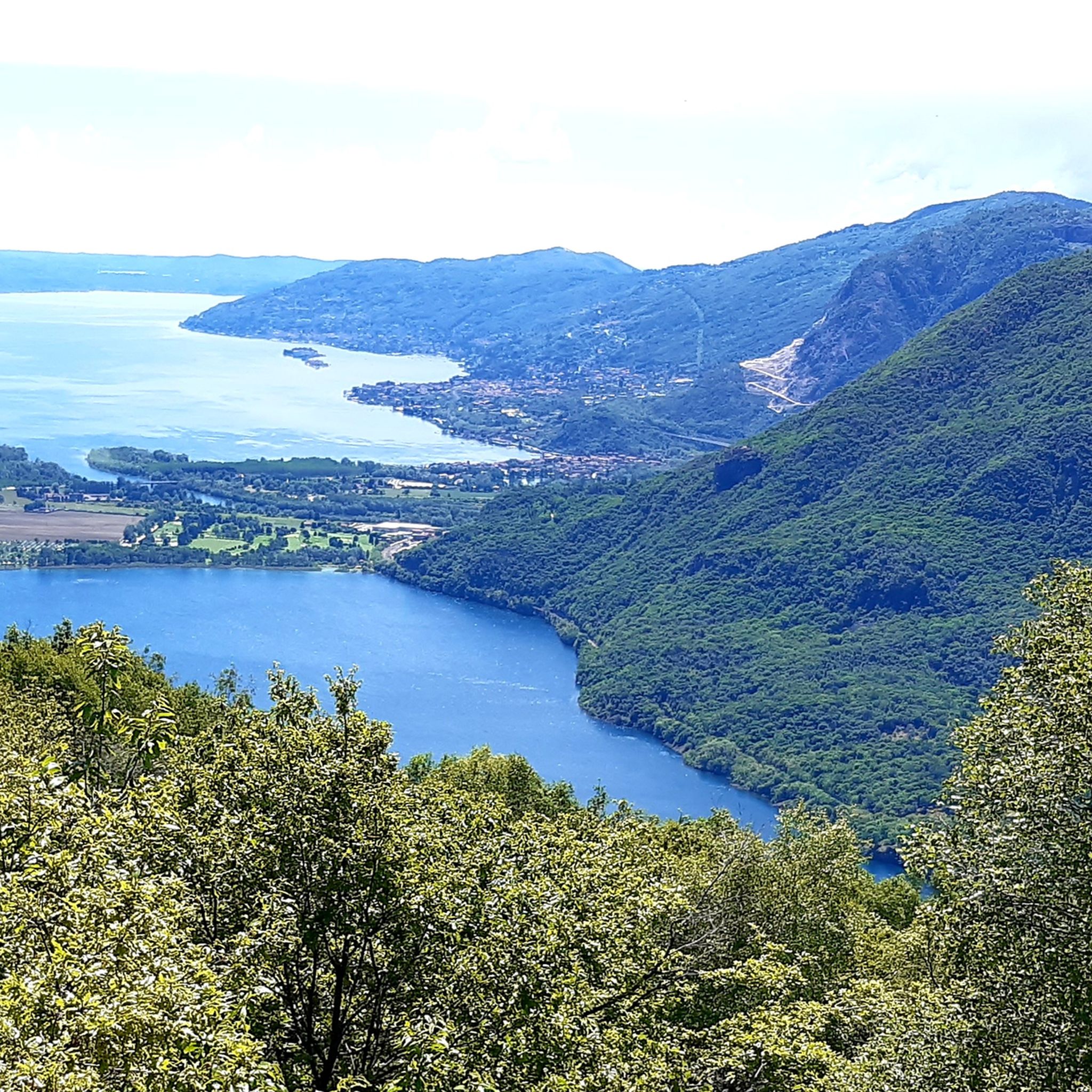
Road Cycling Routes around Parco Nazionale della Val Grande
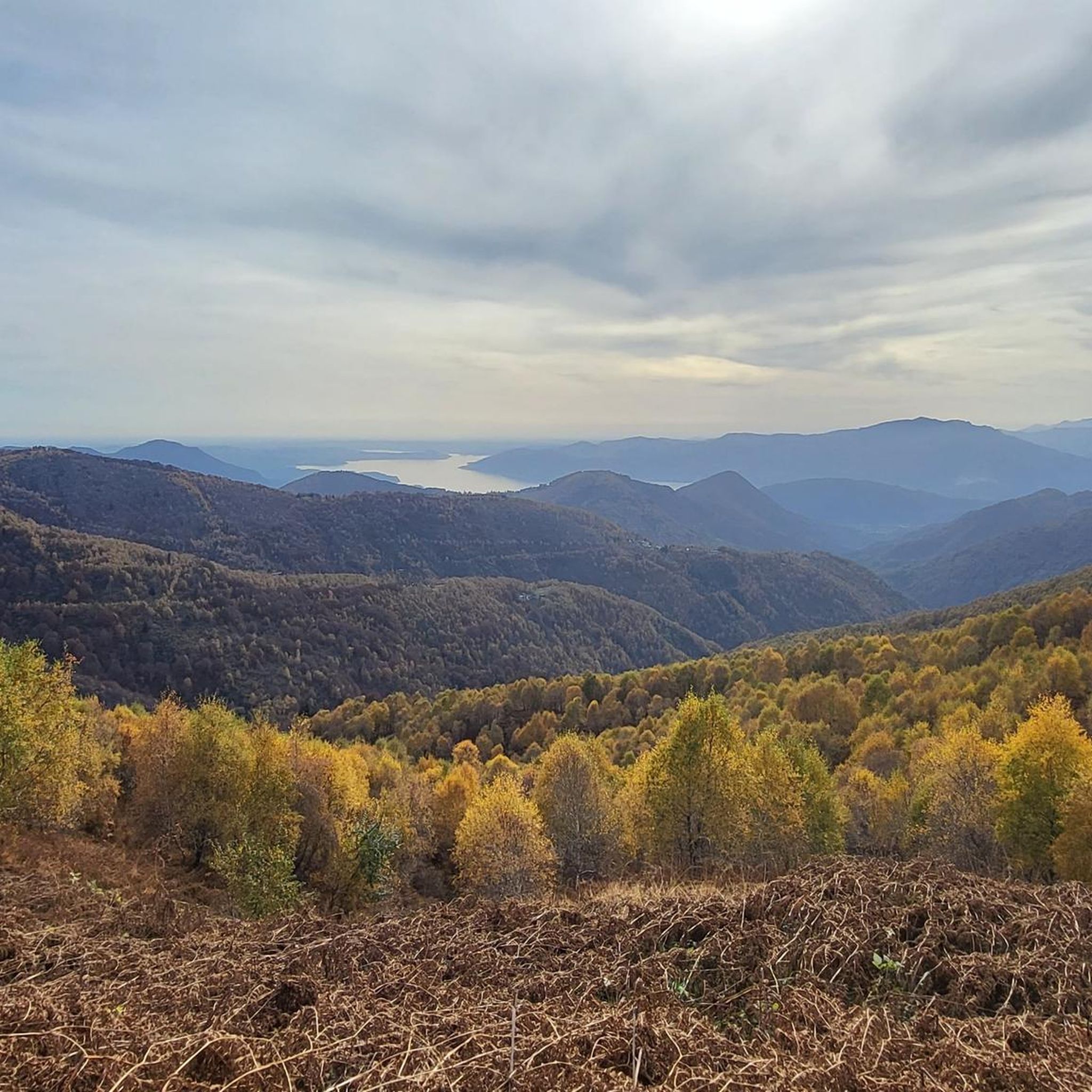
Running Trails around Parco Nazionale della Val Grande

Gravel biking around Parco Nazionale della Val Grande
Mountain Hikes around Parco Nazionale della Val Grande
Other adventures around Parco Nazionale della Val Grande

Tips from the Community

Memorial to cyclist Marco Pantani. PS The pass summit is also accessible with a 2-speed road bike.
1
0

A beautiful hike according to the Rother Lago Maggiore hiking guide (No. 28). Many magnificent views of Lake Maggiore and the Val Grande.
0
0

Very nice climb surrounded by greenery.
8
0

Great climb with never bad gradients.
22
0

Only experts and those who do not suffer from vertigo
1
0

Always an excellent road for training, carrying water with you because it happened to find very little on the road.
0
0

Magnificent section, the gradient is moderate and allows you to fully enjoy the fantastic landscape. The covering is mostly very good (06/2023).
5
0
Frequently Asked Questions
What natural features can I explore around Parco Nazionale della Val Grande?
The region is rich in natural beauty. You can discover the stunning Pogallo River Natural Pools, known for their crystal clear, turquoise waters and a powerful waterfall, perfect for a refreshing dip on a warm day. The park also features numerous mountain peaks like Monte Togano and Monte Faiè, offering breathtaking panoramic views of nearby lakes such as Lake Orta, Lake Maggiore, and Lake Mergozzo.
Are there any historical or cultural sites to visit?
Yes, the area is an open-air museum of mountain culture. A notable historical site is the Pogallo Abandoned Village, an old lumberjack settlement accessible only on foot, offering a glimpse into the region's past logging history. You can also find traces of human presence spanning thousands of years, including rock incisions, abandoned shelters, and military fortifications like sections of 'The Cadorna Line'.
What kind of outdoor activities can I do near these attractions?
Parco Nazionale della Val Grande is ideal for hiking and trekking. You can find a variety of routes, from challenging climbs to easier walks. For cycling enthusiasts, there are options like the Cycling around Parco Nazionale della Val Grande guide, which includes routes like the 'Ascent from Cannobio to Passo Marco Pantani'. Mountain biking is also popular, with trails detailed in the MTB Trails around Parco Nazionale della Val Grande guide.
Are there family-friendly attractions or activities?
While much of Val Grande is rugged wilderness, the Cicogna Village is a charming starting point for walks and offers parking, making it accessible for families. The lawns of Pogallo Abandoned Village are also a popular picnic spot with a drinking water fountain, suitable for a family outing after a walk. For easy hikes, consider routes found in the Easy hikes around Parco Nazionale della Val Grande guide, such as the 'Cicogna Village – Ponte di Calenesc loop'.
What is the best time of year to visit Parco Nazionale della Val Grande?
Spring, summer, and early autumn are generally considered the best times to visit. During these seasons, the weather is more favorable for hiking and exploring the extensive network of trails, and the natural pools are more inviting for swimming.
Where can I find shelter or a place to rest during a hike?
Hikers can find shelter at mountain huts like the Pian Cavallone Hut. This hut, located below Mount Todano, is a good place for a rest, often providing basic amenities and excellent views of the surrounding landscape and Lago Maggiore.
What kind of wildlife can I expect to see?
Parco Nazionale della Val Grande is a sanctuary for diverse wildlife. Visitors may spot chamois, red deer, roe deer, foxes, badgers, and marmots. It's also an important habitat for birds of prey such as the golden eagle, peregrine falcon, and Eurasian eagle-owl.
Are there any challenging routes for experienced hikers or cyclists?
Absolutely. The park's rugged terrain offers many challenging experiences. For cyclists, the Ascent from Cannobio to Passo Marco Pantani is known for its consistent gradients and scenic surroundings, providing a rewarding challenge. Many of the park's trails are remote and can be demanding, often recommending local guides for exploration.
What do visitors enjoy most about the attractions in this region?
Visitors particularly appreciate the untouched wilderness and the sense of stepping back in time. The unique historical insights offered by places like the Pogallo Abandoned Village, combined with the refreshing experience of natural swimming spots like the Pogallo River Natural Pools, are frequently highlighted. The panoramic views from mountain huts and peaks are also a major draw.
Where can I get information or guidance for exploring the park?
Information centers are located in villages surrounding the park, including Cicogna (which is inside the park boundary), Intragna, and Buttogno (a hamlet of Santa Maria Maggiore). These centers offer resources and guidance to help you explore the wilderness safely and effectively.
Are there any museums related to the region's history or culture?
Yes, the eco-museum of soapstone and stonemasons in Malesco is an interesting cultural site. It also manages the Museum of the Val Grande National Park, the Zornasco Mill, and a historic wash house, providing deeper insight into the local heritage and traditional crafts.
What are the main characteristics of the landscape in Parco Nazionale della Val Grande?
The park is characterized by a rugged and untouched landscape, featuring deep valleys, dense forests primarily composed of chestnut and beech trees, and towering peaks within the Lepontine Alps. At higher elevations, the forests transition to alpine meadows and rocky slopes, creating a diverse and wild environment.
Most popular routes around Parco Nazionale della Val Grande
Most popular attractions around Parco Nazionale della Val Grande

Get inspired with the komoot mobile app


Explore more
Still not found the Highlight you’re looking for? See guides of the top attractions in other regions:
